




8 K-Pop Idols You Didn’t Know Collect Art
The image of a K-pop idols is usually built on precision, perfect choreography, carefully constructed visuals, and global fanfare. But behind that highly visible world, a quieter shift has been taking place. Increasingly, some of K-pop’s most influential figures are stepping into a different role altogether: that of the art collector.
Not in the casual, decorative sense, but in ways that feel intentional, researched, and, at times, deeply personal.
From museum collaborations to late-night gallery visits, these artists are engaging with contemporary art in ways that extend far beyond surface-level appreciation. Their collections aren’t just reflections of wealth or status, they reveal taste, curiosity, and in some cases, a desire to participate in shaping cultural narratives.
What makes this particularly compelling is the range of approaches. Some collect with academic precision, building archives that preserve national art histories. Others follow instinct, choosing works that resonate emotionally or visually. A few blur the lines entirely, commissioning, curating, and collaborating in ways that challenge traditional roles within the art world.
Together, they signal a broader shift. K-pop is no longer just influencing music and fashion, it is quietly entering galleries, museums, and private collections, expanding what cultural power looks like today.
RM (BTS): The Research-Driven Collector
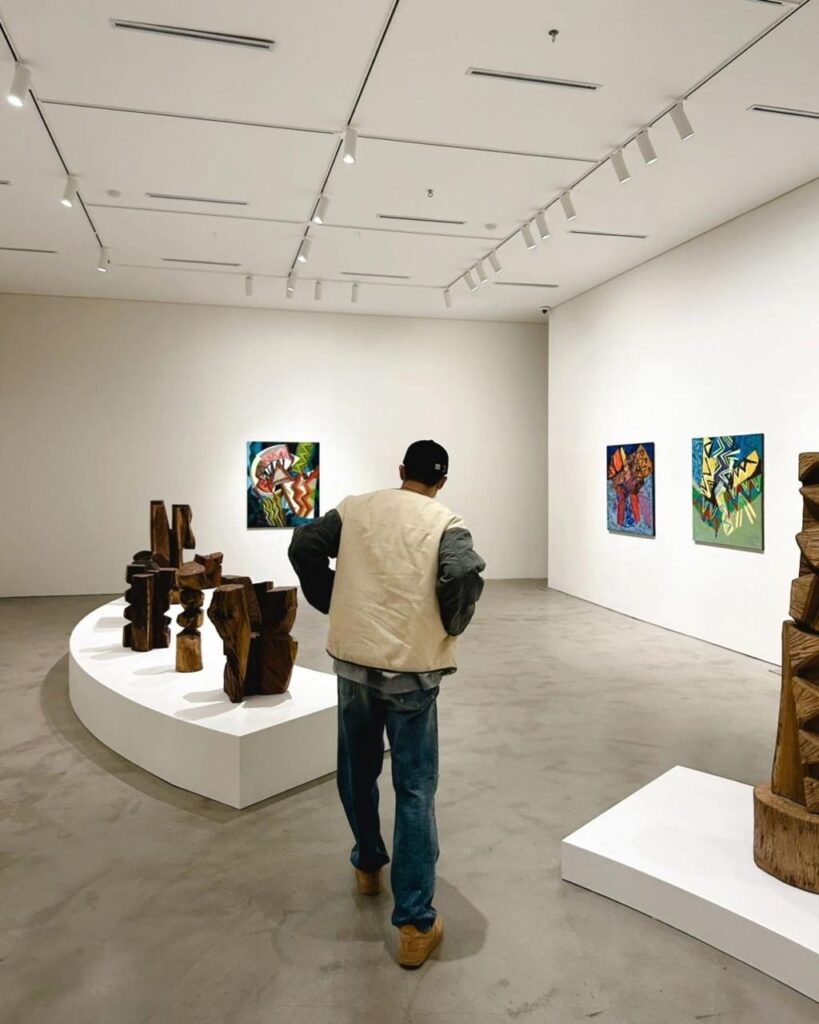
RM’s relationship with art feels less like a hobby and more like an ongoing intellectual practice. Known for his deep engagement with literature and philosophy, his approach to collecting mirrors that same curiosity, structured, intentional, and rooted in cultural context. His focus lies primarily in Korean modern and contemporary art, particularly movements such as Dansaekhwa and post-war abstraction, which emphasize materiality, restraint, and repetition.
What sets RM apart is the way he positions collecting as a form of cultural preservation. By actively acquiring works from artists like Kim Whanki, Yun Hyong-keun, and Lee Ufan, he contributes to sustaining the visibility of Korean art histories on a global stage. His involvement extends beyond private ownership. He has lent works from his personal collection to institutional exhibitions, allowing them to enter public discourse rather than remain hidden within private spaces.
His collaboration with San Francisco Museum of Modern Art further underscores this shift from collector to cultural participant. By co-curating exhibitions that place Korean modern art alongside international works, RM helps build cross-cultural dialogue that challenges traditional art hierarchies.
In many ways, RM represents a new model of collecting, one that blends research, responsibility, and personal passion. His choices are not driven by spectacle or market trends, but by a clear desire to understand, archive, and share. Through this, he transforms collecting into something far more expansive: a form of quiet cultural leadership.
T.O.P (BIGBANG): The Market-Savvy Pioneer
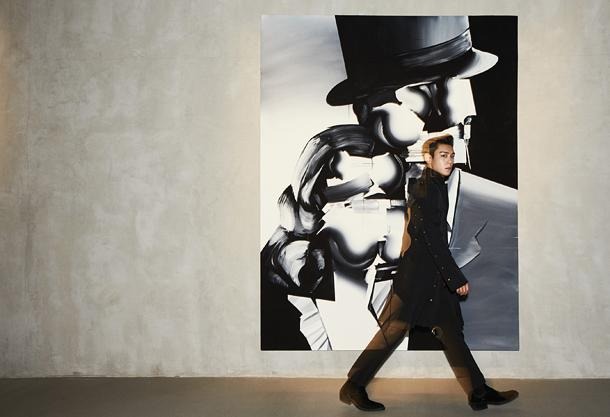
T.O.P was engaging with the art world long before it became a visible extension of K-pop culture. His approach to collecting is defined by both aesthetic appreciation and a sharp understanding of the global art market. Unlike many celebrity collectors who operate quietly, T.O.P has openly discussed dedicating a significant portion of his income to acquiring art, an unusual level of transparency that signals seriousness rather than trend-following.
His collection bridges Korean modernism and international contemporary art, featuring works by figures such as Andy Warhol and Gerhard Richter. This duality reflects a collector who is not bound by geography but is instead interested in dialogue across artistic traditions.
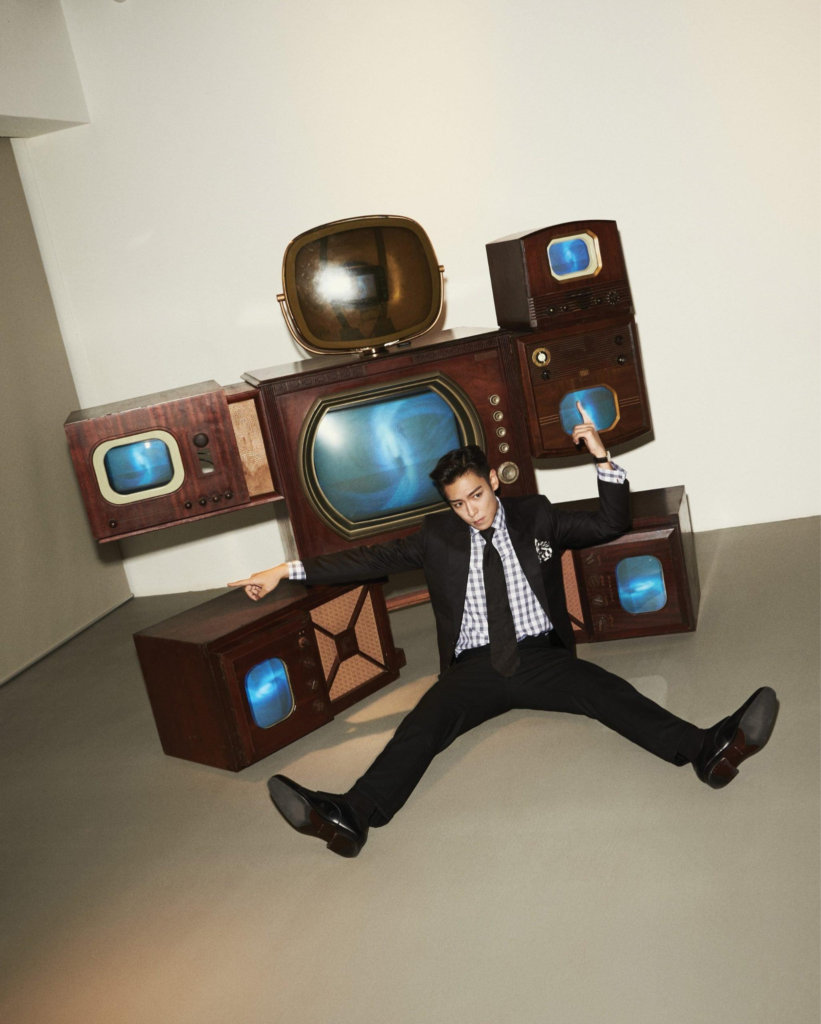
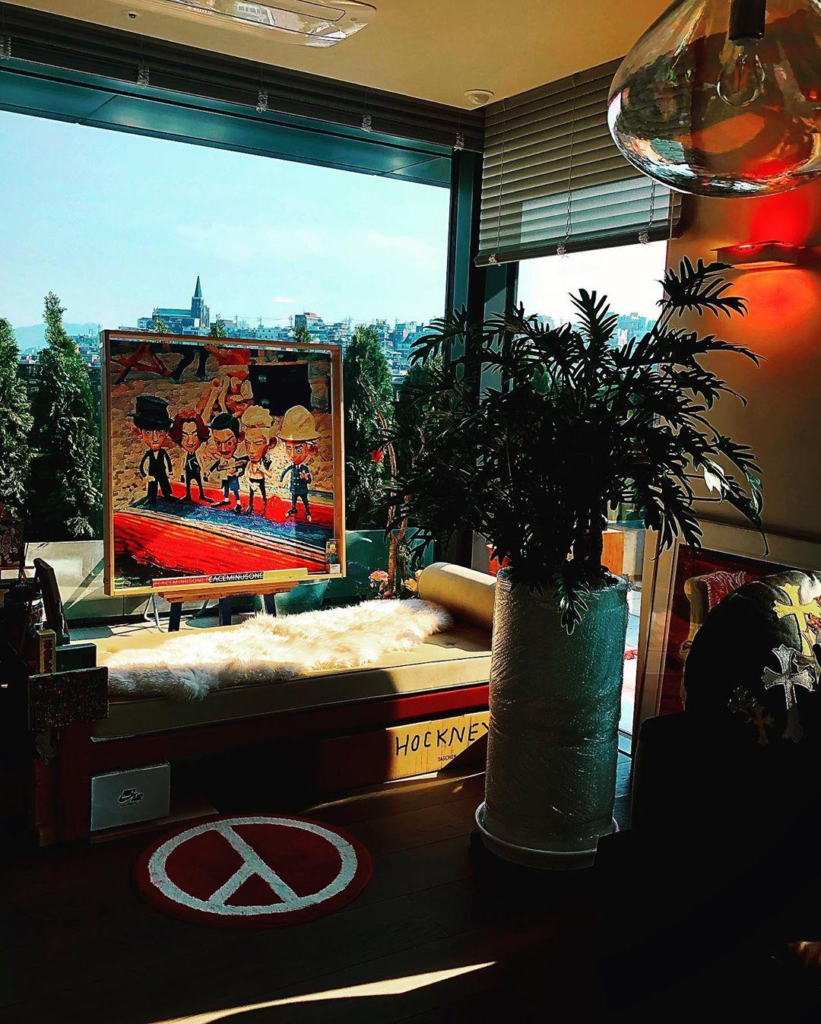
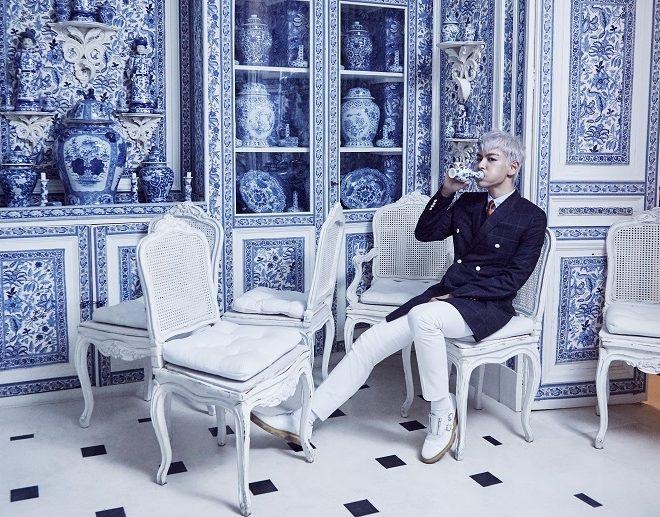
One of the most defining moments of his involvement came through his collaboration with Sotheby’s, where he helped curate a high-profile sale that exceeded expectations and drew global attention. This was not merely a celebrity endorsement, it positioned him as someone capable of engaging with the mechanics of the art market itself.
T.O.P’s collecting suggests a balance between instinct and strategy. He is clearly drawn to powerful works, but he is equally aware of their placement within a broader economic and cultural system. In doing so, he expands the role of the collector from passive buyer to active participant, shaping conversations around value, visibility, and influence within contemporary art.
G-Dragon (BIGBANG): The Instinctive Tastemaker
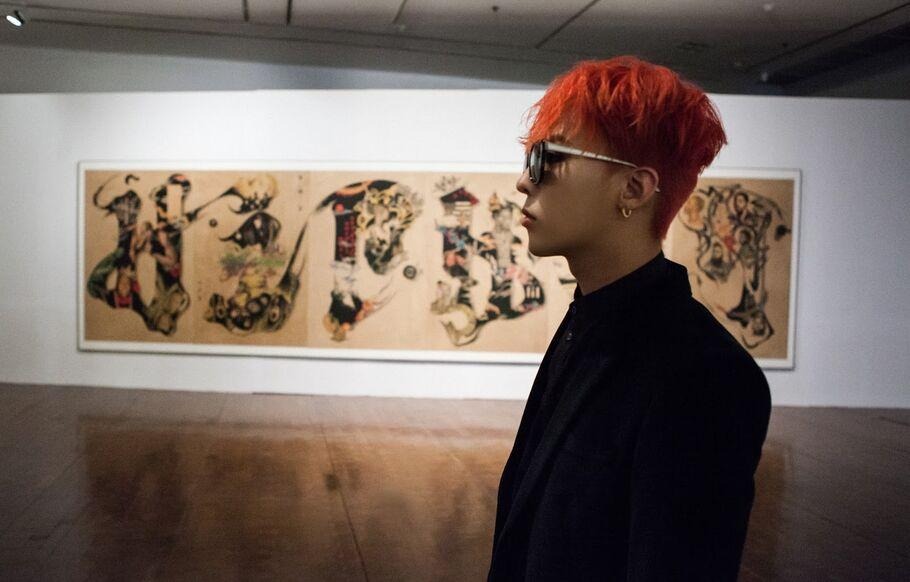
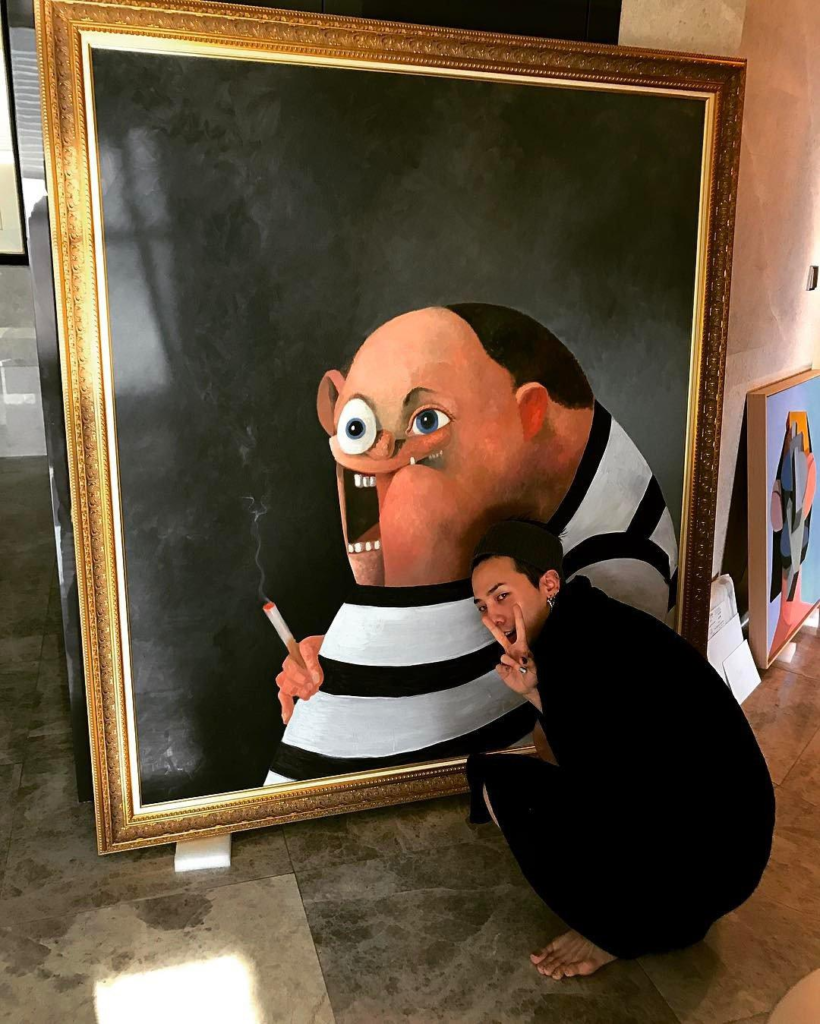
G-Dragon’s relationship with art is inseparable from his identity as a cultural icon. Known for constantly redefining visual language within K-pop, his collecting reflects the same fearless experimentation seen in his music and fashion. His collection, which includes works by Richard Prince and George Condo, leans toward bold, conceptually charged pieces that carry strong visual impact.
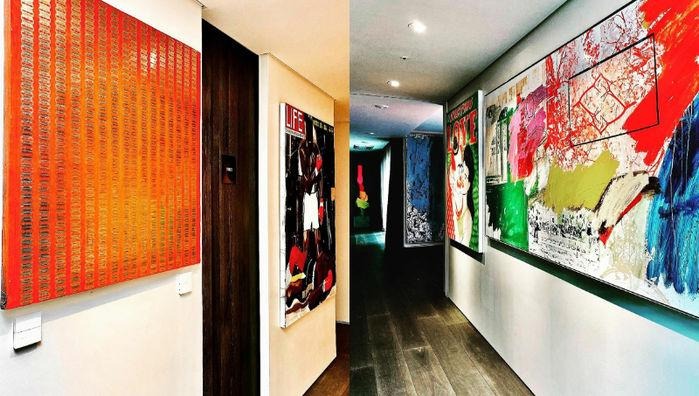
What makes his approach distinctive is its reliance on instinct. Unlike more research-driven collectors, G-Dragon appears to gravitate toward works that resonate immediately, pieces that align with his personal aesthetic rather than a defined academic or historical framework. This creates a collection that feels highly individual, almost like a visual diary of his evolving tastes.
At the same time, his engagement with art extends beyond collecting into presentation and experience. Through exhibitions and projects, including his own ventures into digital art, he blurs the boundaries between artist, collector, and curator. His home, often glimpsed through editorial features, functions as a curated space where art becomes part of everyday life.
G-Dragon represents a different kind of collector, one who prioritizes emotion, image, and cultural relevance. His influence lies not in institutional validation but in the way he shapes perception. By integrating art into his broader creative universe, he makes it accessible, aspirational, and deeply embedded within contemporary visual culture.
V (BTS): The Emotional Collector
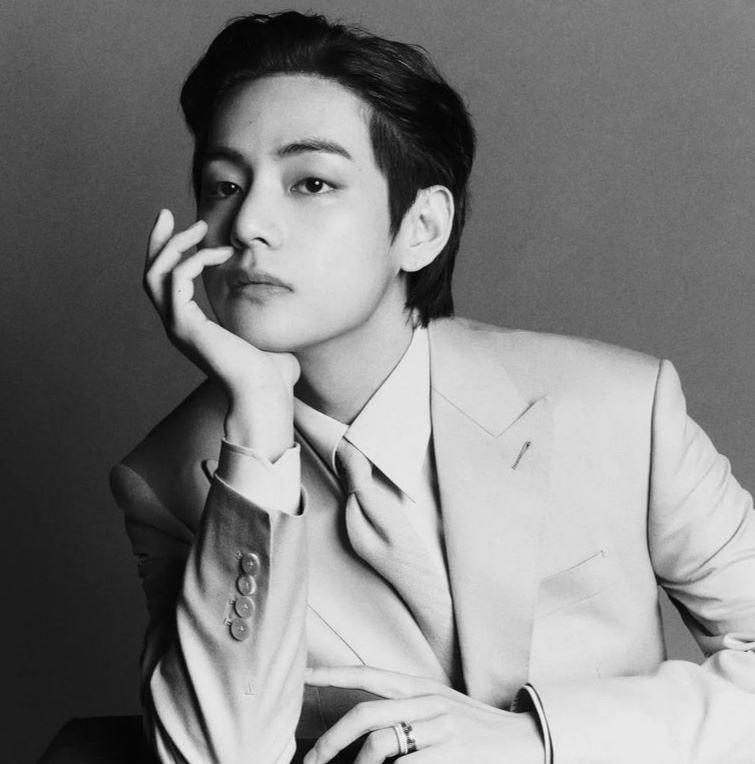
V’s approach to art collecting is subtle, personal, and deliberately understated. While many of his peers engage publicly with the art world, his relationship with collecting unfolds quietly, often revealed only through glimpses of works within his living space. This creates a sense that his collection is not built for visibility, but for private meaning.
His acquisitions suggest a strong emotional connection to the works he chooses. Pieces like sculptures by Kim Woo Jin or paintings by Woo Kuk Won appear to be selected not for their market value or institutional recognition, but for the way they resonate with his inner world. There is an intimacy to his collecting that feels closer to companionship than ownership.
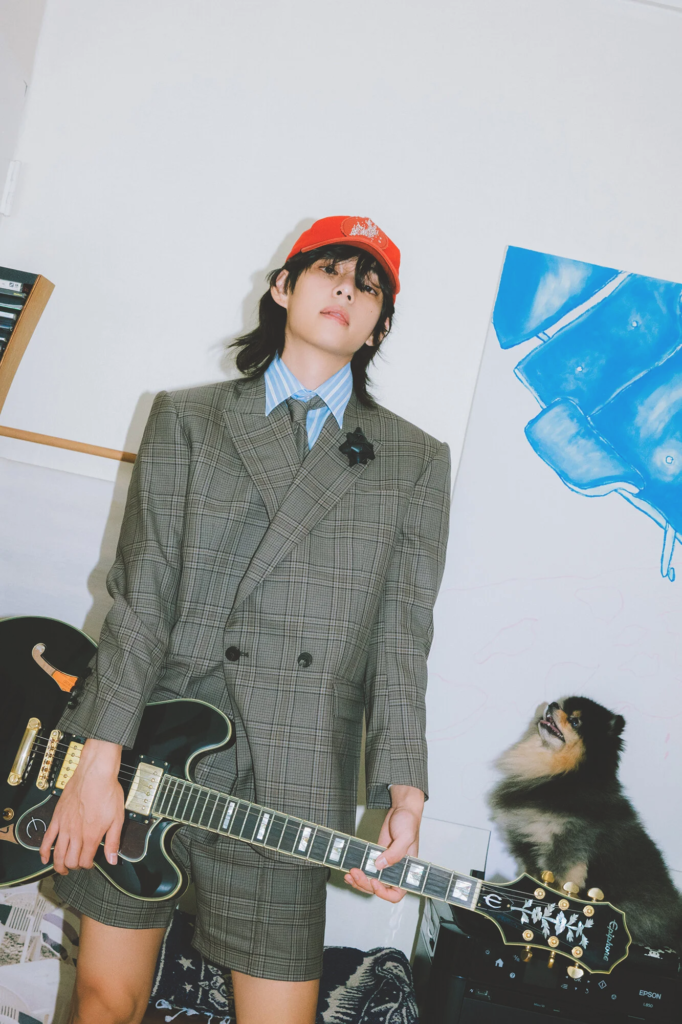
V has also shown a willingness to support emerging artists, purchasing works directly during travels and encounters. These moments of discovery, such as acquiring pieces from smaller galleries, highlight a collector driven by curiosity and immediacy rather than long-term strategy.
This instinctive approach results in a collection that feels organic and lived-in. Rather than constructing a narrative around art history or market trends, V allows his collection to evolve naturally alongside his experiences. In doing so, he offers a quieter perspective on collecting, one that values personal connection over public recognition, and emotional resonance over scale or prestige.
Taeyang (BIGBANG): The Established Buyer

Taeyang’s presence in the art world is marked by consistency and clarity of intent. His collecting gained widespread attention with his acquisition of a major work by Nam June Paik, a purchase that signaled both financial commitment and an appreciation for historically significant art. However, this moment was not an isolated gesture, it reflected a broader, sustained engagement with collecting.
His collection includes works by internationally recognized artists such as Takashi Murakami, indicating a global outlook that moves beyond regional focus. At the same time, his interest in post-war and contemporary art suggests a preference for works that carry both conceptual depth and cultural weight.
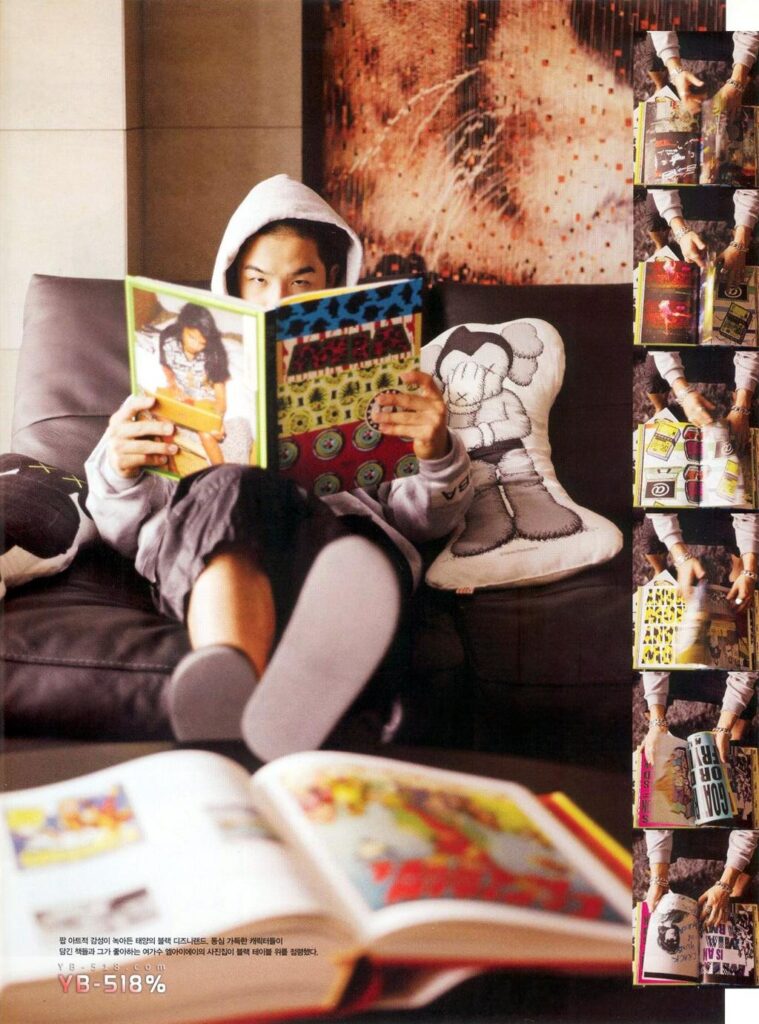
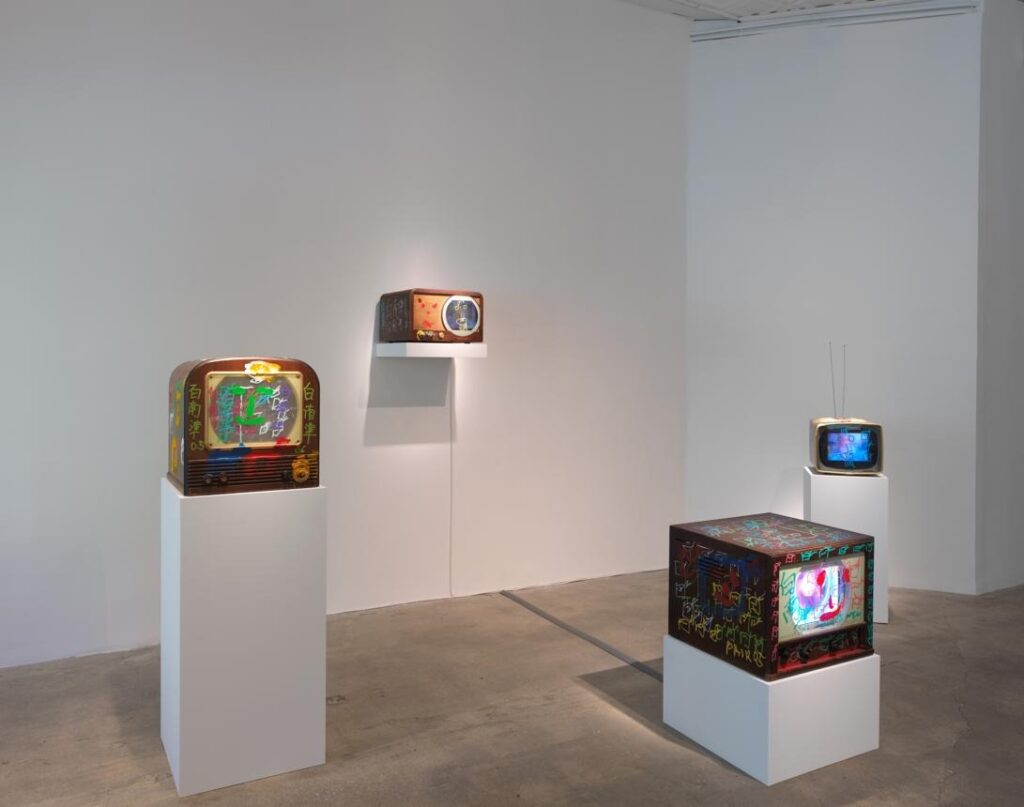
Unlike collectors who build their identity through visibility, Taeyang’s approach feels grounded and steady. He appears at art fairs and exhibitions, but without the performative aspect often associated with celebrity involvement. His collection, occasionally glimpsed through public appearances or interiors, speaks quietly but confidently.
What defines Taeyang is not experimentation, but commitment. His choices reflect a collector who understands the long-term nature of building a collection, one that evolves through careful acquisition rather than impulse. In this sense, he represents a more traditional model of collecting, adapted to a contemporary context where global access and cultural exchange play an increasingly central role.
Cha Eun-woo (ASTRO): The Emerging Collector
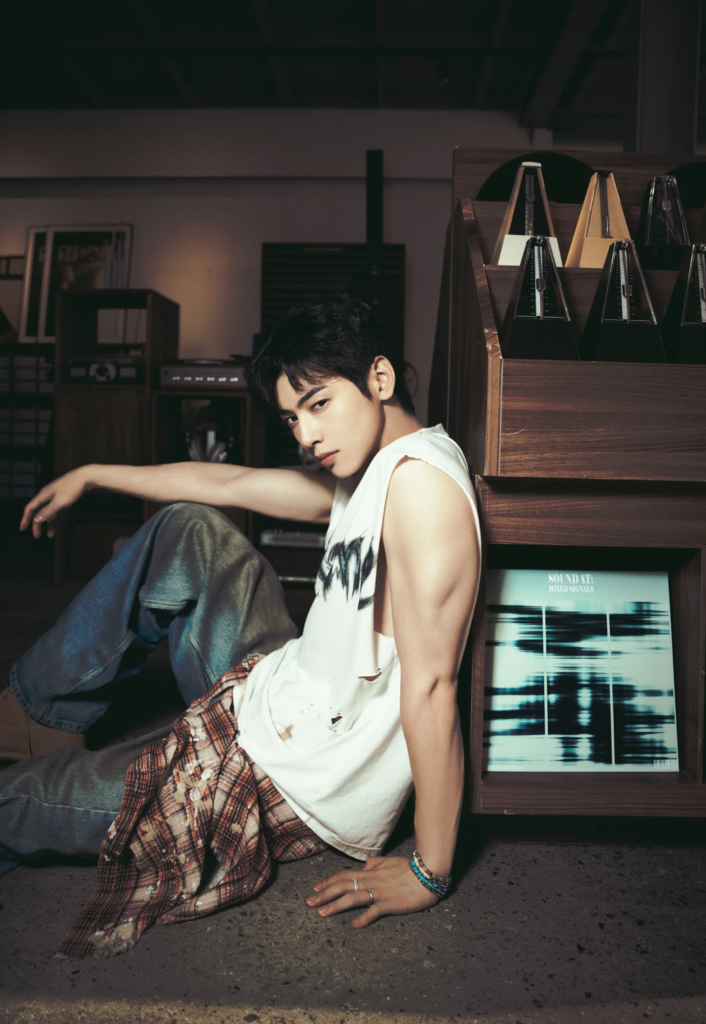
Cha Eun-woo’s entry into art collecting is still unfolding, making it one of the more interesting to watch. As someone whose global recognition stems primarily from music and acting, his engagement with art feels like a gradual extension of his personal space rather than a fully formed public identity.
His collection, though modest in scale, is grounded in ownership and daily interaction with artworks. Pieces by artists such as Hyun Ju Kim and Heesu Suh suggest an early interest in contemporary practices, particularly those that explore materiality and form. These are not headline acquisitions, but they are intentional, chosen to exist within his environment rather than as statements of status.
There is also an interesting overlap between art and design in his collection. Objects like collectible sculptures blur the line between fine art and functional aesthetics, reflecting a broader contemporary shift in how collections are built and experienced.
What stands out is the sense of beginning. Unlike more established collectors, Cha Eun-woo is still defining his taste, exploring different mediums and artists as he goes. This openness allows for a certain flexibility, his collection is not yet fixed, but evolving.
In many ways, he represents a new generation of collectors who approach art not through institutions or markets, but through personal space. His journey highlights how collecting often starts: quietly, privately, and with a focus on living with art rather than showcasing it.
Key (SHINee): The Commission-Led Approach
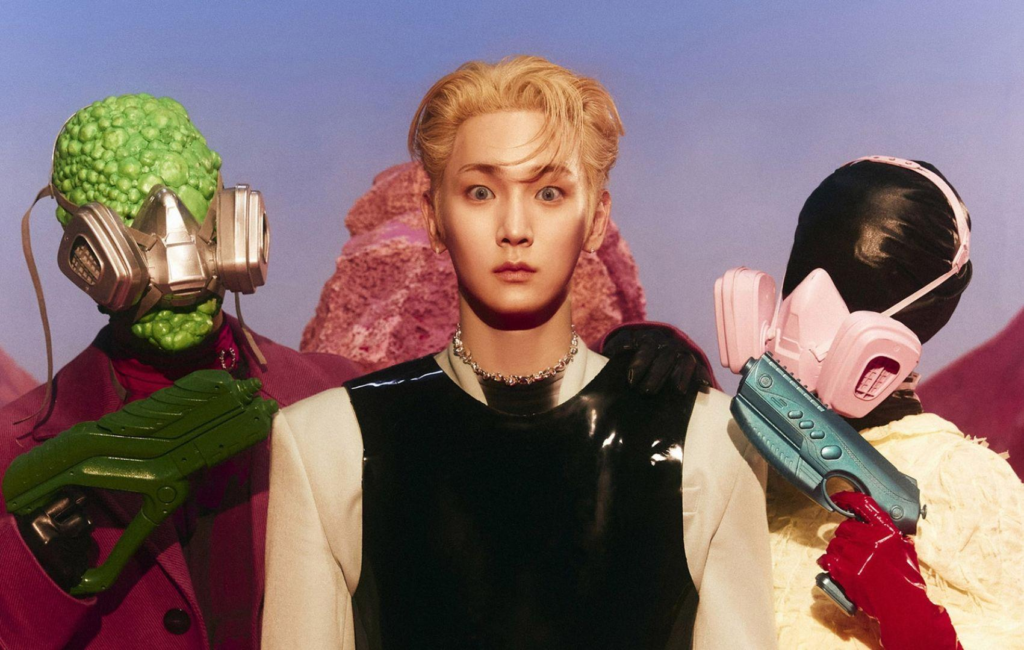
Key’s approach to collecting stands apart for its emphasis on collaboration. Rather than acquiring works that already exist, he often engages directly with artists to create pieces specifically for him. This transforms the act of collecting into a dialogue, where the final work carries both the artist’s vision and the collector’s influence.
One of the most notable examples is his collaboration with illustrator Kim Se-dong, also known as SAMBYPEN. Instead of simply purchasing a piece, Key commissioned an artwork inspired by SHINee’s visual identity, allowing the artist to reinterpret familiar imagery through a new lens. The result is a work that is both personal and artistically independent.
This method reflects a deeper level of engagement. By participating in the creation process, Key moves beyond the role of collector and into that of collaborator. It also shifts the focus from ownership to experience, the value lies not just in the finished piece, but in the relationship built during its creation.
His collection, though not widely publicized, is closely tied to his aesthetic sensibility. Known for his strong visual identity, Key uses art as an extension of that expression, integrating it into his broader creative world.
In this way, his collecting challenges traditional boundaries. It suggests that collecting is not only about acquiring objects, but about fostering creative exchange and supporting artists in more direct, personal ways.
Suho (EXO): The Quiet Patron
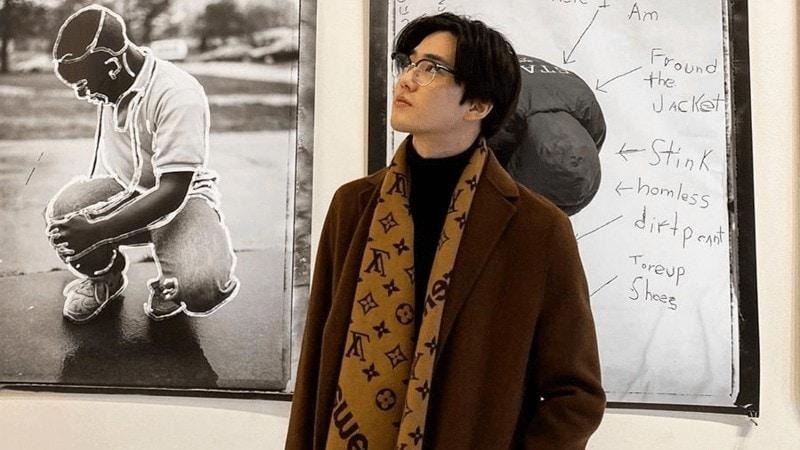
Suho’s engagement with the art world is measured, thoughtful, and largely private. While he has been present at exhibitions and art events for years, his transition into collecting has unfolded gradually, without the visibility often associated with celebrity collectors.
His involvement with platforms like Frieze offers one of the clearest indications of his role within the art ecosystem. By curating selections and making acquisitions through such platforms, he positions himself within a network that values both connoisseurship and critical engagement.
What distinguishes Suho is his restraint. Details of his collection remain limited, but this lack of visibility suggests a focus on personal engagement rather than public display. His choices appear to be guided by interest and reflection rather than external validation.
There is also a sense of continuity in his approach. His early interactions with artists and exhibitions have gradually developed into collecting, indicating a long-term relationship with art rather than a sudden shift. This progression mirrors how many serious collectors evolve, through sustained exposure, learning, and eventual acquisition.
Suho represents a quieter model of patronage. One that doesn’t rely on scale or spectacle, but instead values depth, consistency, and genuine interest. In doing so, he reinforces the idea that collecting can be both personal and meaningful, even when it remains largely out of view.

What emerges from these collecting practices isn’t a single narrative, but a spectrum of intent.
For some, art becomes a form of research, an extension of intellectual curiosity and cultural responsibility. For others, it is instinctive, shaped by emotion, memory, or visual attraction. And for a few, it becomes collaborative, opening up new relationships between artist and collector that feel more fluid than traditional models allow.
This diversity is what makes the phenomenon worth paying attention to. It resists the assumption that celebrity collecting is purely performative or market-driven. Instead, it reveals something quieter but more significant: a genuine engagement with art as a way of thinking, feeling, and living.
As K-pop continues to expand globally, its influence is becoming less about dominance and more about integration, seeping into spaces that were once considered separate from pop culture. Galleries, museums, and private collections are now part of that landscape.
And perhaps that’s the most interesting shift of all.Not that these artists collect but that through collecting, they are slowly reshaping the cultural conversation itself. If you were to start your own art collection today, what would guide your choices?
If you enjoyed reading this, you might also like this piece on the art behind iconic album covers.