

The Latest in the Art World: From Museum Closures to Coachella’s Art Installations
👁 29 Views
A lot is shifting in the art world right now, but not in ways that feel loud or immediate. It’s more gradual than that, institutions changing how they operate, artworks moving between formats, and audiences encountering things differently than they used to.
Museums, for one, aren’t just expanding or renovating; they’re rethinking how people actually experience them. What used to feel fixed, gallery layouts, programming, even leadership structures, is starting to loosen. There’s a clear push toward making spaces more open, more flexible, and more in tune with how people move through them.
At the same time, art itself is showing up in new places. Works that were once tied to a physical setting are being adapted into digital or interactive formats, reaching people far beyond the museum. It’s not necessarily replacing the original experience, but it is changing how that experience begins, and who gets to be part of it.
Then there’s the opposite movement: artworks that are disappearing from view, not because they’re forgotten, but because they need to be protected. Some of the most important pieces right now are only visible for a limited time, reminding us that access isn’t always permanent. Beyond institutions, large-scale installations are taking shape in the open desert at Coachella, where artworks are experienced physically, temporarily, and collectively.
Put together, it doesn’t feel like the art world is heading in one clear direction. It feels like it’s adjusting, quietly, but constantly.
Guggenheim Appoints Melissa Chiu as Director, Reshaping Global Leadership
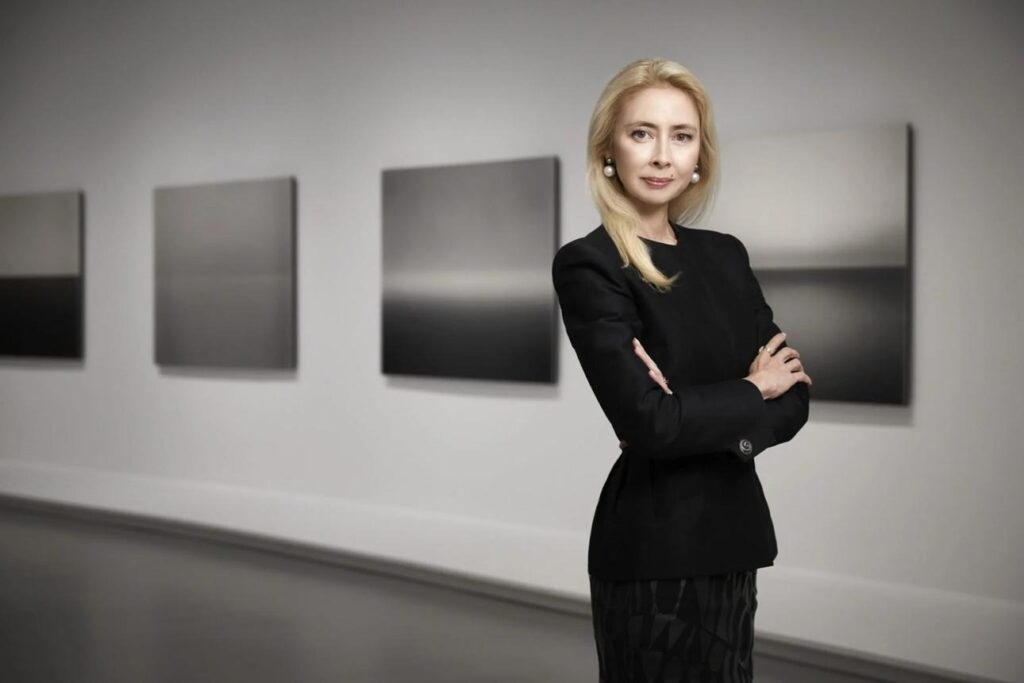
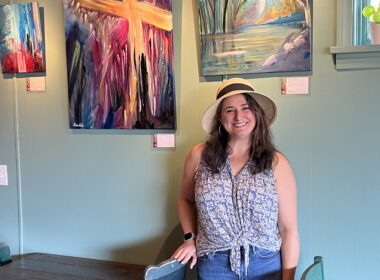
The Solomon R. Guggenheim Foundation has appointed Melissa Chiu as the next director of the Guggenheim Museum, marking a significant leadership shift within one of the world’s most influential museum networks. Currently leading the Hirshhorn Museum and Sculpture Garden since 2014, Chiu will assume her new role on September 1.
The move, first reported by The New York Times, also signals a restructuring at the top. Mariët Westermann will transition away from overseeing the day-to-day operations in New York to focus on the Guggenheim’s international “constellation,” including institutions in Bilbao and Venice, as well as the forthcoming Abu Dhabi museum.
Chiu’s appointment continues a growing exchange of leadership between major U.S. institutions, following the earlier move of Hirshhorn chairman Daniel Sallick to the Guggenheim’s board. Her tenure in Washington has been marked by ambitious institutional growth, raising nearly $250 million, expanding the museum’s board internationally, and overseeing the redesign of its sculpture garden.
While her departure comes amid a politically charged climate surrounding the Smithsonian Institution, Chiu has framed the transition as an opportunity rather than a response. Describing the role as a “dream job,” she emphasized continuity in her vision for institutional expansion and global engagement.
Her appointment underscores the Guggenheim’s ongoing shift toward a more internationally coordinated structure, one that balances local leadership with an increasingly global institutional identity.
Coachella 2026 Expands Its Art Program with Immersive Desert Installations
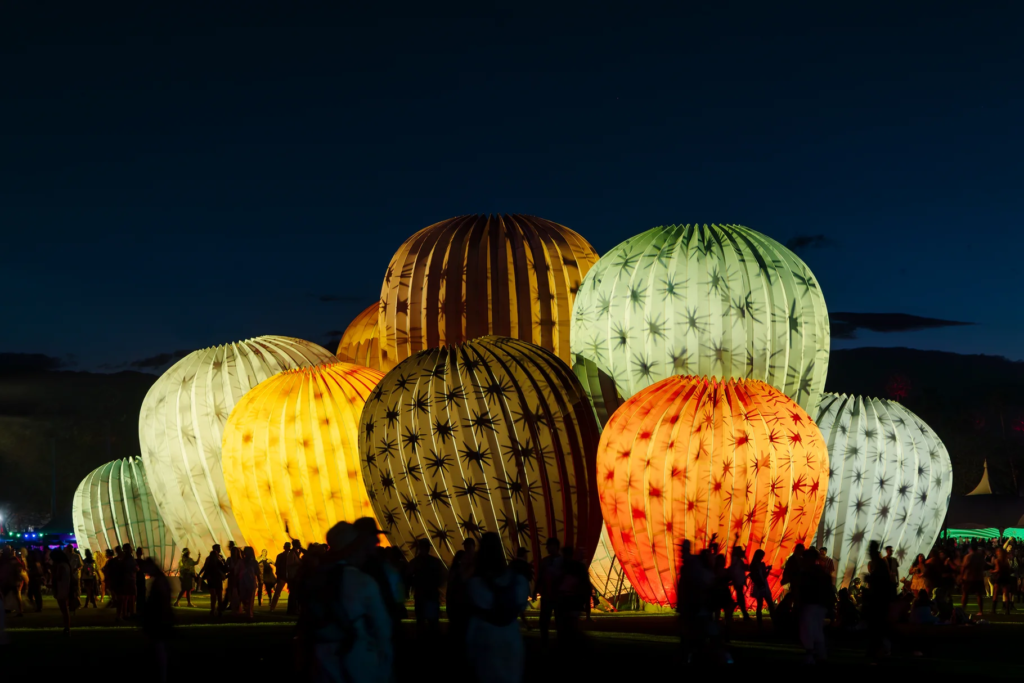
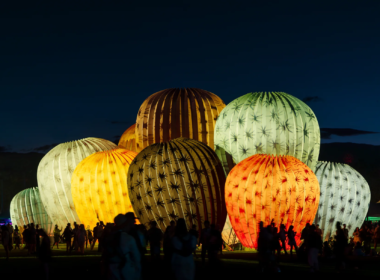
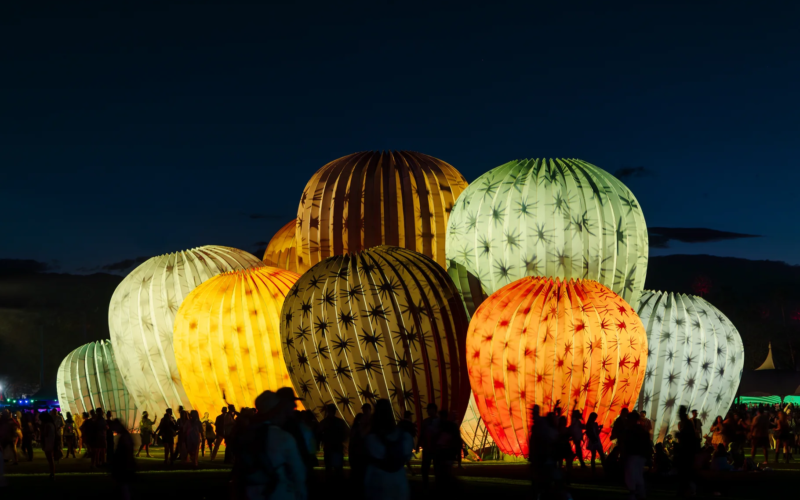
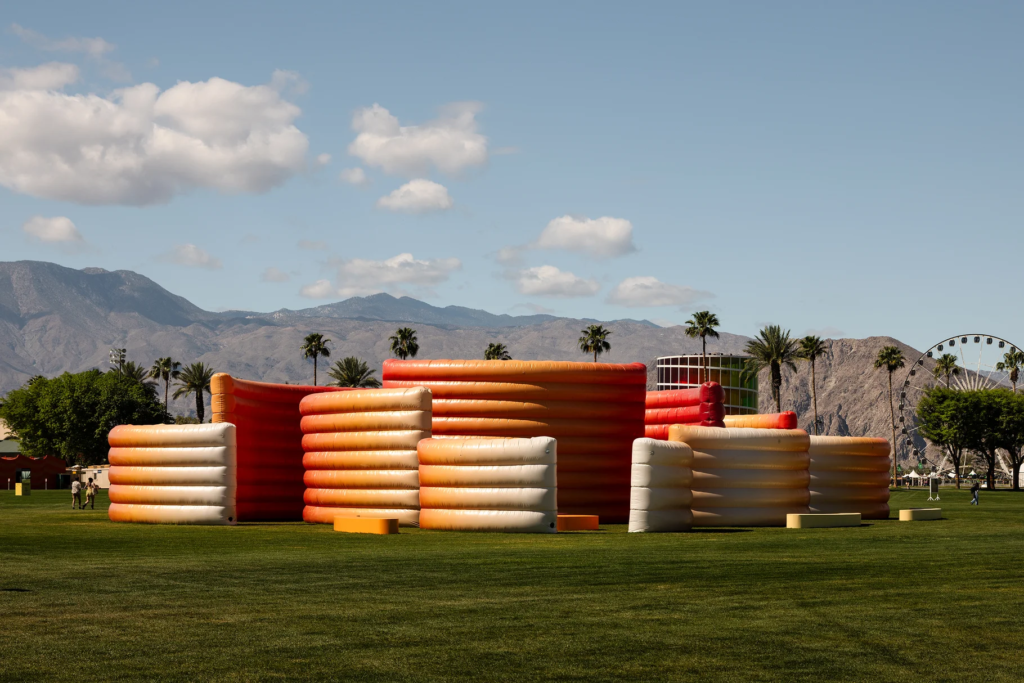
At Coachella 2026, art once again moves beyond the periphery of the festival to become part of its central experience. This year’s program brings together large-scale, immersive installations by Sabine Marcelis, Kyriakos Chatziparaskevas, and The Los Angeles Design Group, transforming the desert landscape into a space of interaction as much as spectacle.
Rather than functioning as static backdrops, the works are designed to be physically engaged with, entered, walked through, and inhabited. Marcelis’s Maze (2026), composed of inflated, curving forms, draws on the mirage-like qualities of the surrounding desert, shifting in appearance from day to night as it begins to glow. Similarly, Chatziparaskevas’s Starry Eyes (2026) reimagines the region’s native barrel cactus as towering geometric structures, some reaching nearly 40 feet, which visitors can step inside to encounter illuminated interiors.
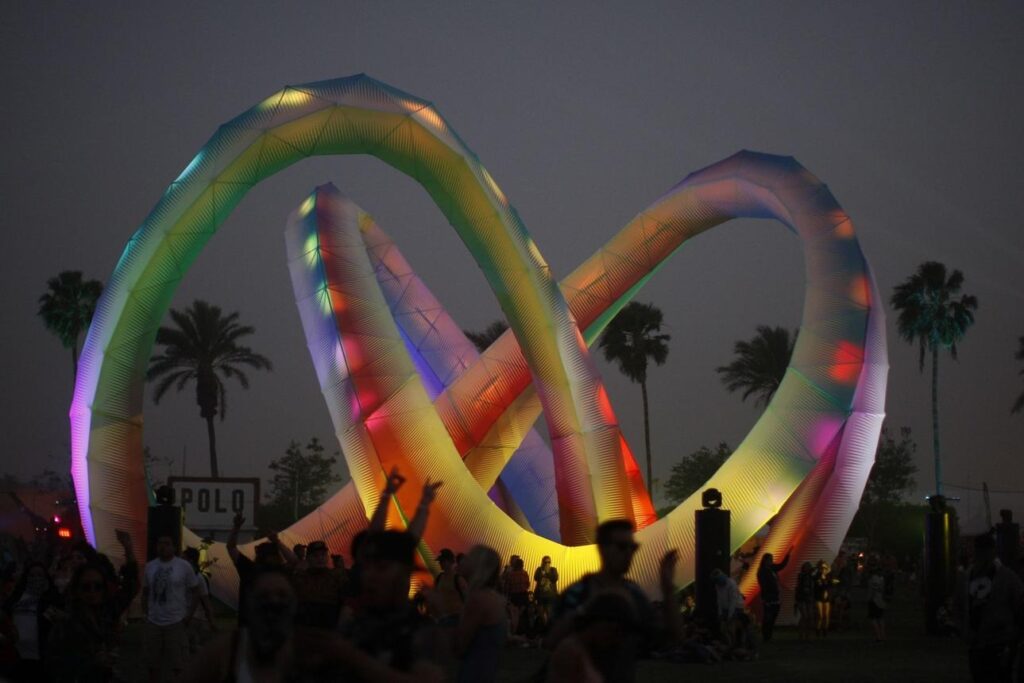
The program also includes Visage Brut (2026), a modular sculptural tower by LADG that emerges as a luminous presence after dark, reinforcing the festival’s emphasis on transformation through light and scale.
Organized by Public Art Company and Goldenvoice, the initiative reflects a broader shift toward art that prioritizes experience and participation. Notably, several works are intended to outlive the festival itself, finding permanent homes in nearby communities, extending their impact beyond the event and into the public realm.
Getty Center to Close for Major Renovation Ahead of 2028 Olympics
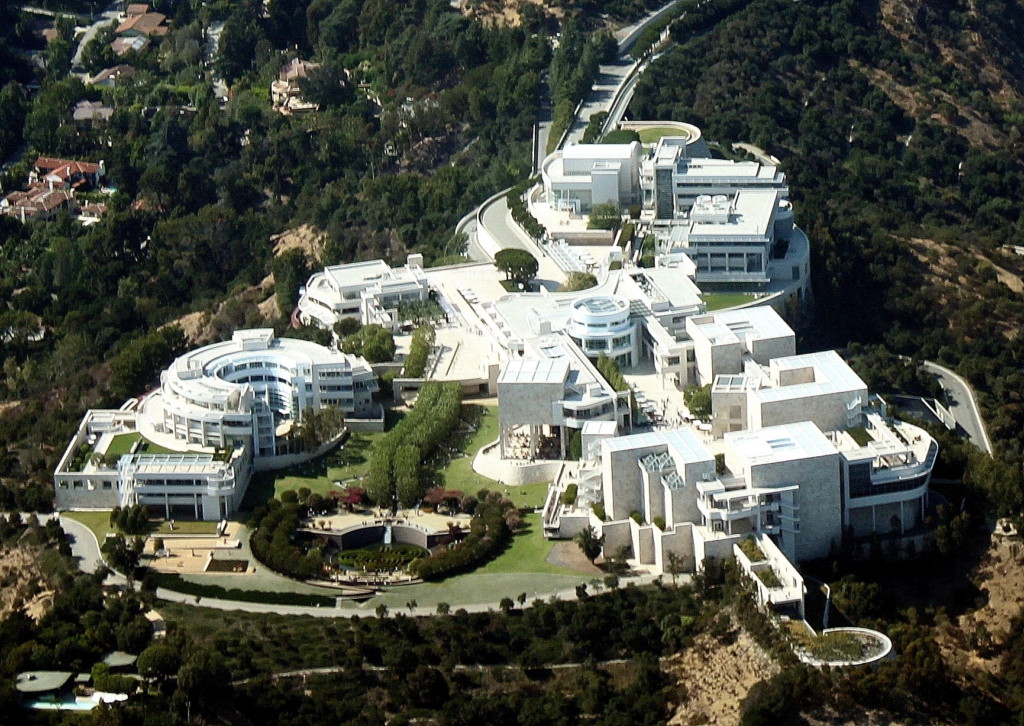
Los Angeles’s Getty Center will close on March 15, 2027, for what is being described as its most significant renovation since its 1997 opening. The museum is expected to reopen in spring 2028, strategically timed ahead of the 2028 Summer Olympics.
Overseen by the J. Paul Getty Trust, the project reflects a broader rethinking of the museum experience. Alongside updated gallery spaces, the institution plans to introduce new artist commissions, signaling a shift toward more dynamic and evolving programming.
The welcome hall will also be reconfigured to accommodate expanded retail and public engagement opportunities. As noted in coverage by the Los Angeles Times, these changes are intended to open up possibilities for more experimental and flexible uses of space, suggesting a move beyond traditional exhibition formats.
Accessibility and infrastructure remain central to the overhaul. Improvements to the tram system and wider campus upgrades aim to support a surge in international visitors, while ongoing sustainability efforts, including HVAC enhancements, point to long-term environmental considerations.
During the closure, programming will transition to the Getty Villa, subtly expanding its role within the institution’s ecosystem.
Framed within the timeline of the Olympics, the renovation reads less as maintenance and more as repositioning, aligning the Getty with a moment of global cultural attention.
Yoko Ono’s Play It By Trust Becomes Playable in New Chess.com Bot
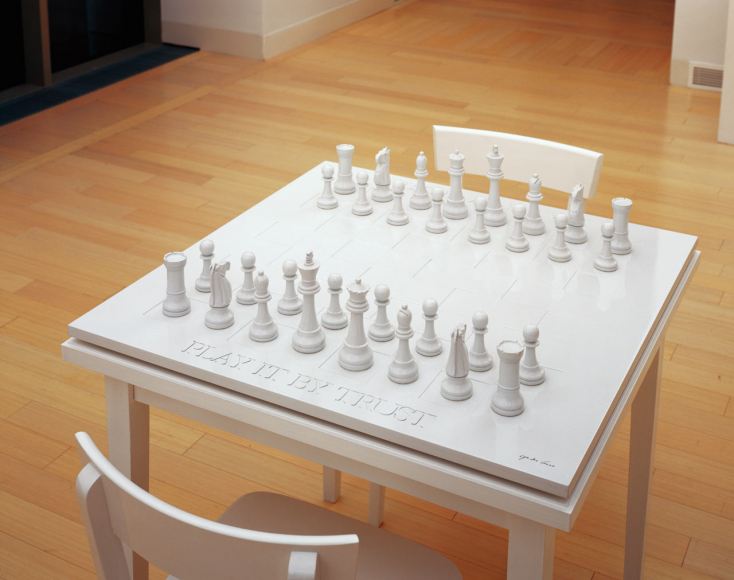
Yoko Ono’s conceptual practice has entered the digital arena with a new collaboration on Chess.com, where users can now play against a bot inspired by her 1966 work Play It By Trust. Released in conjunction with her 93rd birthday, the feature translates one of her most enduring participatory pieces into an interactive online format.
Originally presented as the White Chess Set at Indica Gallery, the work replaces the traditional opposition of black and white pieces with an entirely white board. The result is a game that gradually collapses into ambiguity, as players lose track of ownership, subtly reframing competition as a question of memory, perception, and trust.
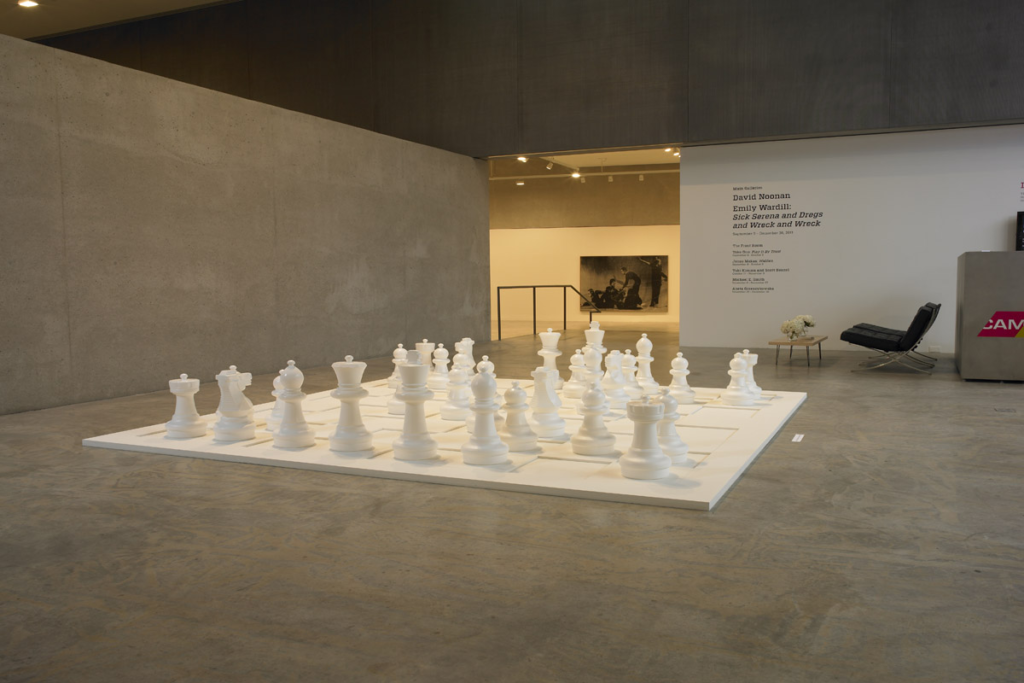
The digital version retains this logic. By removing visual distinction, the bot transforms a structured game into a conceptual experience, echoing Ono’s longstanding interest in audience participation and anti-war narratives. The launch also coincides with renewed attention around War Is Over!, the Academy Award–winning short inspired by the music of John Lennon and Ono, where chess becomes a metaphor for empathy across conflict.
While Chess.com has previously introduced celebrity-driven bots, this collaboration stands apart for directly adapting a historical artwork. In doing so, it extends Ono’s conceptual gesture into a contemporary, networked space, where play becomes both interaction and reflection.
Obama Presidential Center Unveils Major Artist Commissions Ahead of Opening
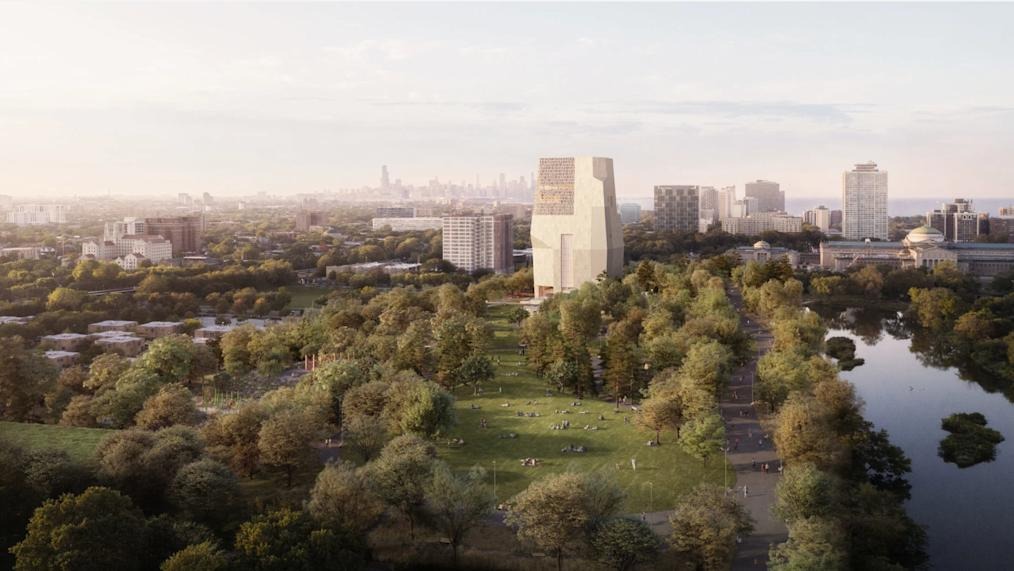
The forthcoming Obama Presidential Center is positioning art at the core of its identity, announcing a sweeping roster of new commissions ahead of its June 19 opening. As detailed in recent coverage , the 19.3-acre campus will integrate works by artists including Jeffrey Gibson, Rashid Johnson, Lorna Simpson, and Njideka Akunyili Crosby, among others.
Rather than isolating art within gallery spaces, the Center embeds these works throughout its architecture, across gathering areas, gardens, and communal sites, reflecting a curatorial vision grounded in public life and civic engagement. This approach aligns with the broader ethos of Obama Foundation, framing art as an active participant in shaping dialogue around democracy, memory, and community.
Several commissions directly engage with personal and political narratives. Crosby’s portrait of Barack Obama and Michelle Obama weaves archival imagery with cultural references to Chicago, while Johnson’s mosaic Broken Men reflects on layered identities and lived experience. Simpson’s contribution continues her exploration of landscape and temporality, while Gibson’s circular prints draw connections between Indigenous visual culture and contemporary symbolism.
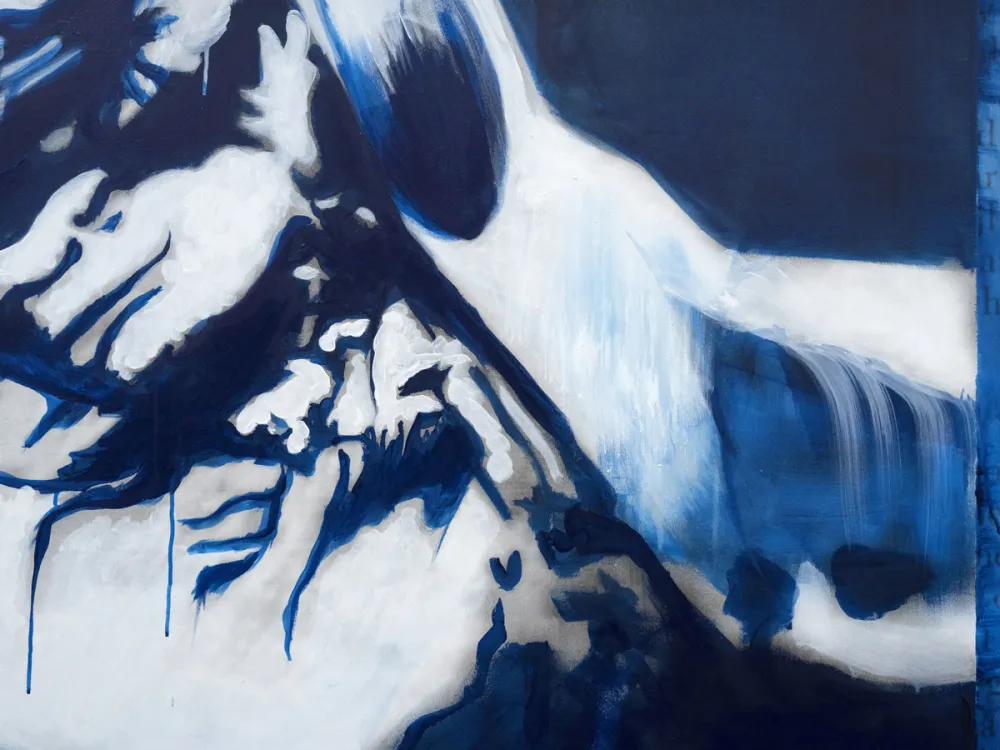
Among the most prominent works is Julie Mehretu’s monumental stained-glass façade, conceived as both an architectural centerpiece and a symbolic gesture of openness.
With many participating artists tied to Chicago’s South Side, the program underscores a deliberate effort to root the Center within its local context, suggesting a model where art, place, and public memory remain inseparable.
Dürer’s Monumental Triumphal Arch to Return to Storage in New York
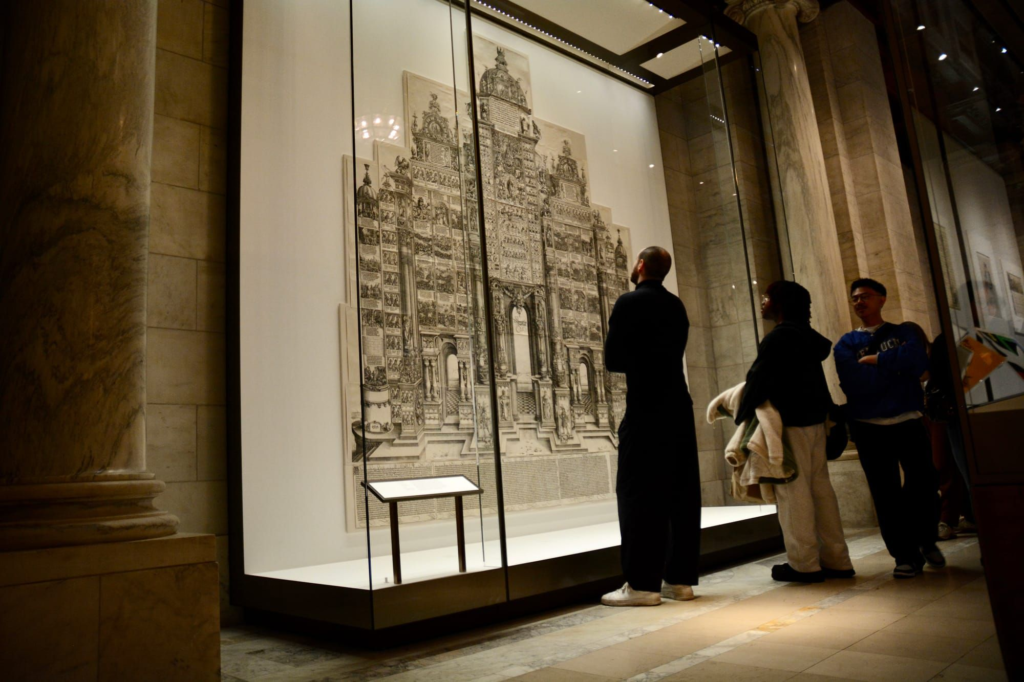
One of the most ambitious prints in art history, Triumphal Arch by Albrecht Dürer, is currently on view at the New York Public Library, but not for long. As highlighted in recent coverage , the work will be removed from display this October due to its fragility, marking a rare and possibly final opportunity to experience it in full.
Originally commissioned in 1512 by Maximilian I, the sprawling woodcut, composed of multiple panels and standing roughly 13 feet tall, was conceived as a form of imperial propaganda. Designed for wide distribution, it reimagined the triumphal arches of ancient Rome as a reproducible image, blending political messaging with the emerging power of printmaking.
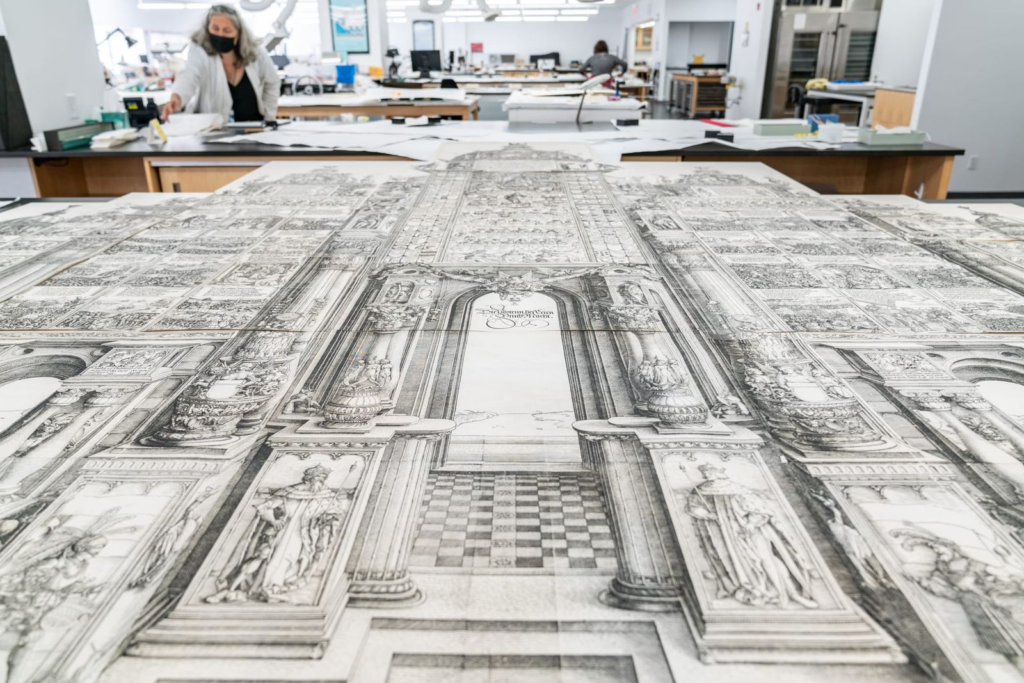
Its scale and complexity continue to captivate viewers, not only for its dense symbolic program tracing Maximilian’s lineage and military triumphs, but also for the collaborative effort behind it. Produced with the help of a large workshop, the print underscores the often-overlooked collective nature of early large-scale image production.
The decision to return the work to storage reflects ongoing conservation concerns. Despite periods of restoration and occasional exhibitions, its size and material sensitivity make long-term display difficult.
What remains striking is the paradox at its core: a work designed for mass visibility now largely hidden from view, its historical ambition preserved, but increasingly inaccessible.
Looking across all of this, what stands out isn’t any single story, but the way they sit next to each other. Expansion and closure. Access and restriction. Old works coming back into focus while others slip out of sight again.
Museums are clearly trying to keep up with a changing audience, one that expects more flexibility, more access, and maybe a different kind of experience altogether. At the same time, they’re still dealing with very real limitations, whether that’s physical space, conservation needs, or the weight of their own histories.
Artists, meanwhile, are working across all of it. Some are adapting their work into new formats, others are being placed into large institutional frameworks, and some are part of projects that are as much about public space as they are about art itself. There’s no single model anymore, and that’s probably the point.
What this moment really shows is how much of the art world depends on timing. When something is on view, when it’s accessible, when it’s being talked about, none of that is fixed. It shifts.
And maybe that’s the bigger change. Art isn’t just about what exists, but about when and how we’re able to encounter it.
For a different lens on how visual culture shapes what we see, read our piece on the art behind iconic album covers.