


How this Artist Shapes Ideas into Realities

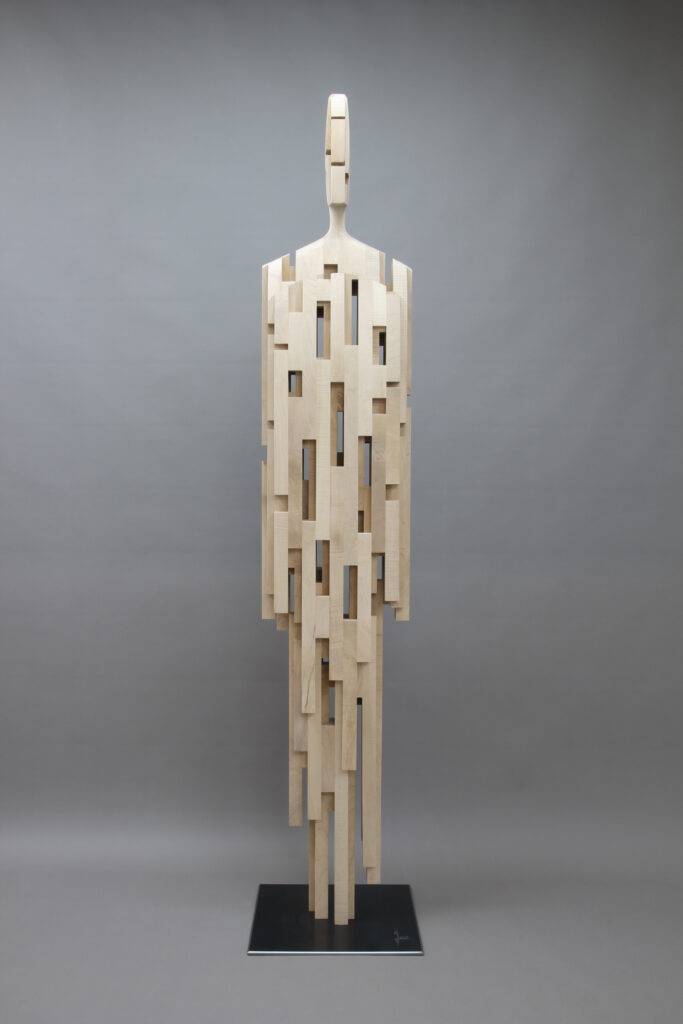
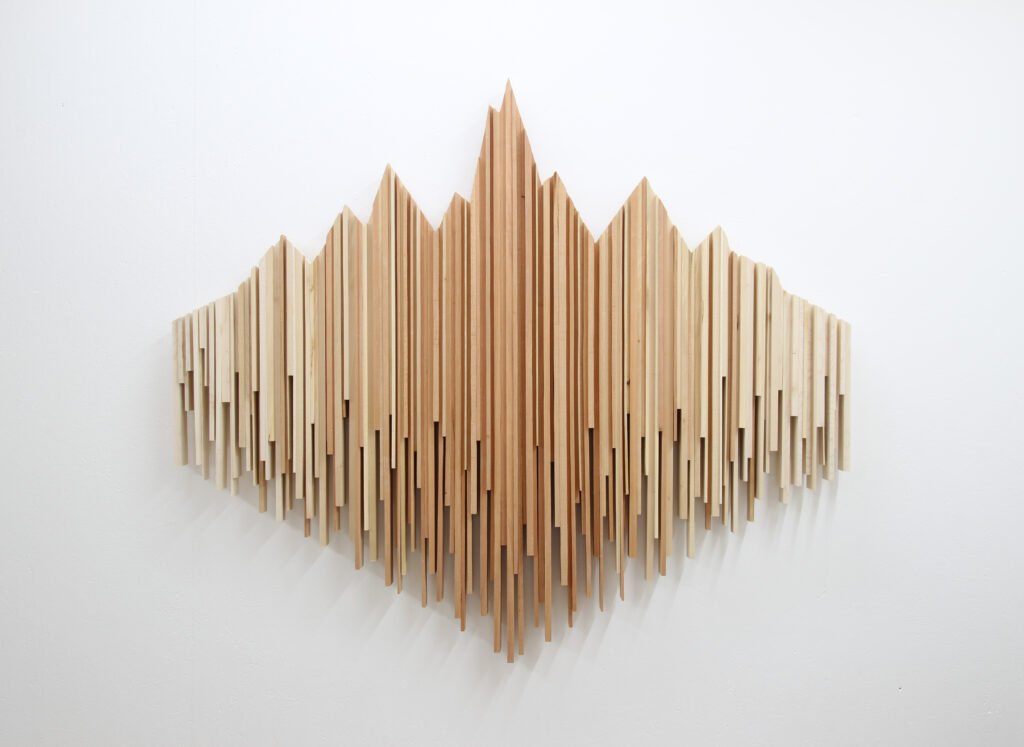
Manfred’s artistic journey is built on patience, precision, and a deep respect for materials. His work is never accidental; each piece begins with detailed sketches and careful planning before it takes shape. Trained first in classical wood carving, he still holds a deep love for wood as a material, while also exploring the durability and strength of stone and metal. Series like Human Flow, Human Cubes, and Mountain Flow reveal his ability to give each body of work its own mood and meaning, showing how materials and forms can speak to human connection, movement, and balance.
Over the years, Manfred has taken part in more than 30 international symposia, experiences that not only sharpened his artistic and technical skills but also connected him with artists from all over the world. His sculptures now live in collections across countries, and he continues to collaborate with galleries, such as the Cafmeyer Gallery in Belgium. Driven by too many ideas rather than too few, his practice reflects both discipline and imagination. Today we sit down with Manfred to understand how sculpture is not only about building forms but also about building bridges between people through art.
Can you walk us through how you plan and assemble the different elements in your sculpture, whether in wood, steel, or stone?
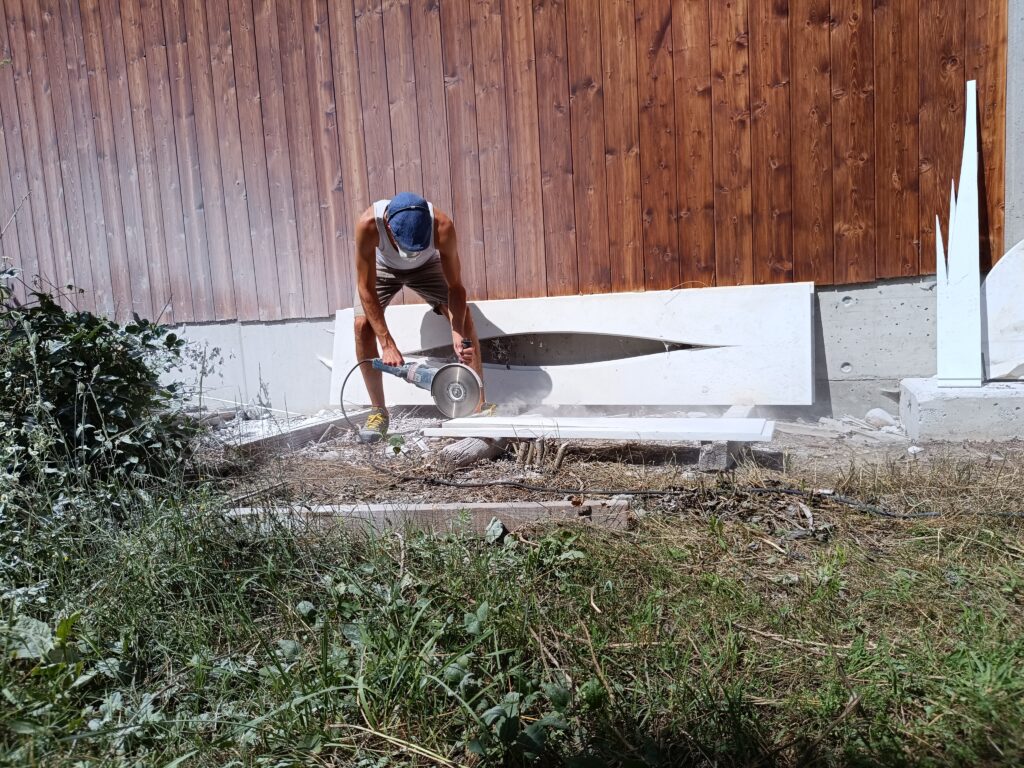
None of my sculptures is created randomly or spontaneously; each one is planned out in detail beforehand. First, I make a sketch, usually at a scale of 1:10. This ensures that the proportions are correct and helps me arrange the individual parts correctly. I work in a similar way to modelling something with clay, except that I use wooden strips, nails or stone strips.
What are the main materials you use and which is your favourite?
My main materials are wood, metal and stone. I originally trained in classical wood carving, so wood remains my favourite material. It has many great properties that I really appreciate: It smells good, feels pleasant to the touch and is easy to work with, not to mention being a renewable resource. There are also so many different types of wood, which I often combine with each other. On the other hand, metal and stone have the great advantage of being more durable and therefore suitable for outdoor use.
Do you face creative blocks while working on a piece? How do you overcome the same? 1 response
Fortunately, I don’t (yet) suffer from creative blocks. It’s more that I have too many ideas but too little time to implement them all.
You’ve participated in over 30 international symposia, and your work is now in collections worldwide. What did working across countries teach you about your art?
Sculpture symposia are a great opportunity to exchange ideas with other artists and gain new experiences. I learned a lot during this time and was able to improve my technical and artistic skills. What fascinates me most is that you usually get along well with other artists right away, because art has the power to connect people.
Your work has been featured in multiple galleries. Which one are you the most proud of?
This question is easy to answer. I worked with the Cafmeyer Gallery in Knokke, Belgium, for the first time this year. It is a beautiful gallery in the centre of town with over 300 square metres of exhibition space. The owner is extremely friendly and has handled everything very professionally so far. I would definitely like to see more galleries like this.
What is a piece of advice you’d like to give to young emerging sculptors?
The one piece of advice I always take to heart is to never give up. If you really want something, you will achieve it.
Manfred’s journey reminds us that sculpture is as much about discipline and planning as it is about intuition and expression. From his love for wood’s tactile warmth to his embrace of stone and metal’s enduring strength, his practice reflects both technical mastery and artistic curiosity. With his advice to “never give up” echoing through his words, Manfred continues to shape not just forms, but also the ways we experience flow, balance, and resilience in art.
To learn more about Manfred, click the following link to visit his profile.