
This Artists Portrays Layers of Self through Colours

Fabien’s journey as an artist began in the grand halls of the Opéra de Bordeaux, where his training in photography, audiovisual techniques, and decorative arts shaped a unique multidisciplinary voice. From creating murals alongside celebrated colleagues to exhibiting his own works across France, Belgium, Germany, Canada, and China, Fabien has carved a path rooted in both discipline and imagination.
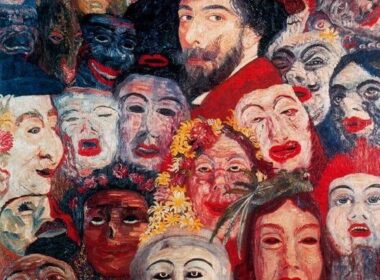
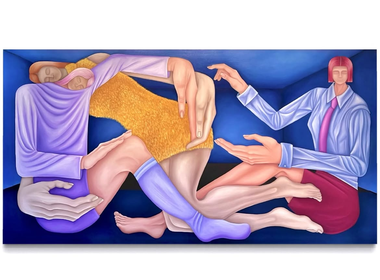
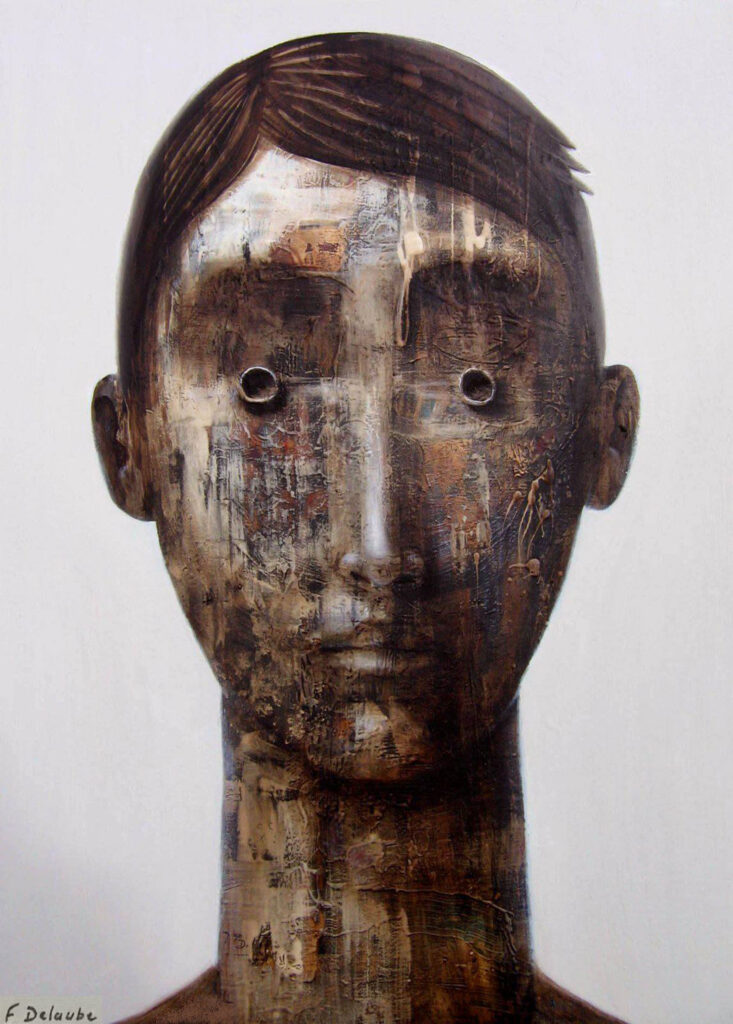
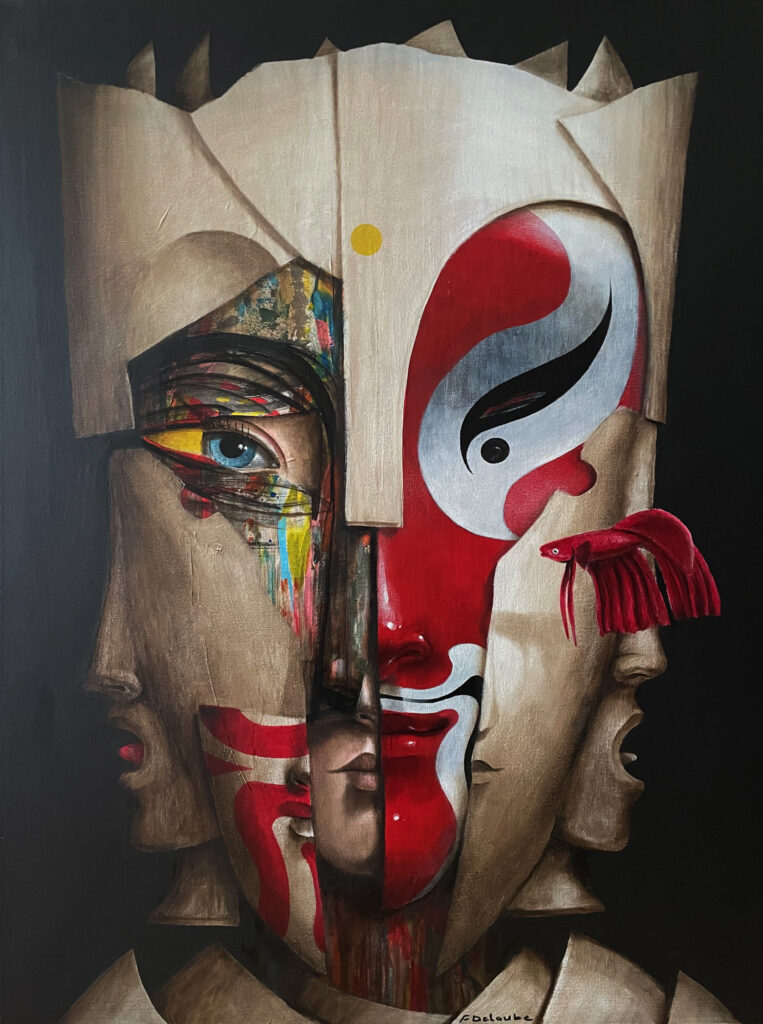
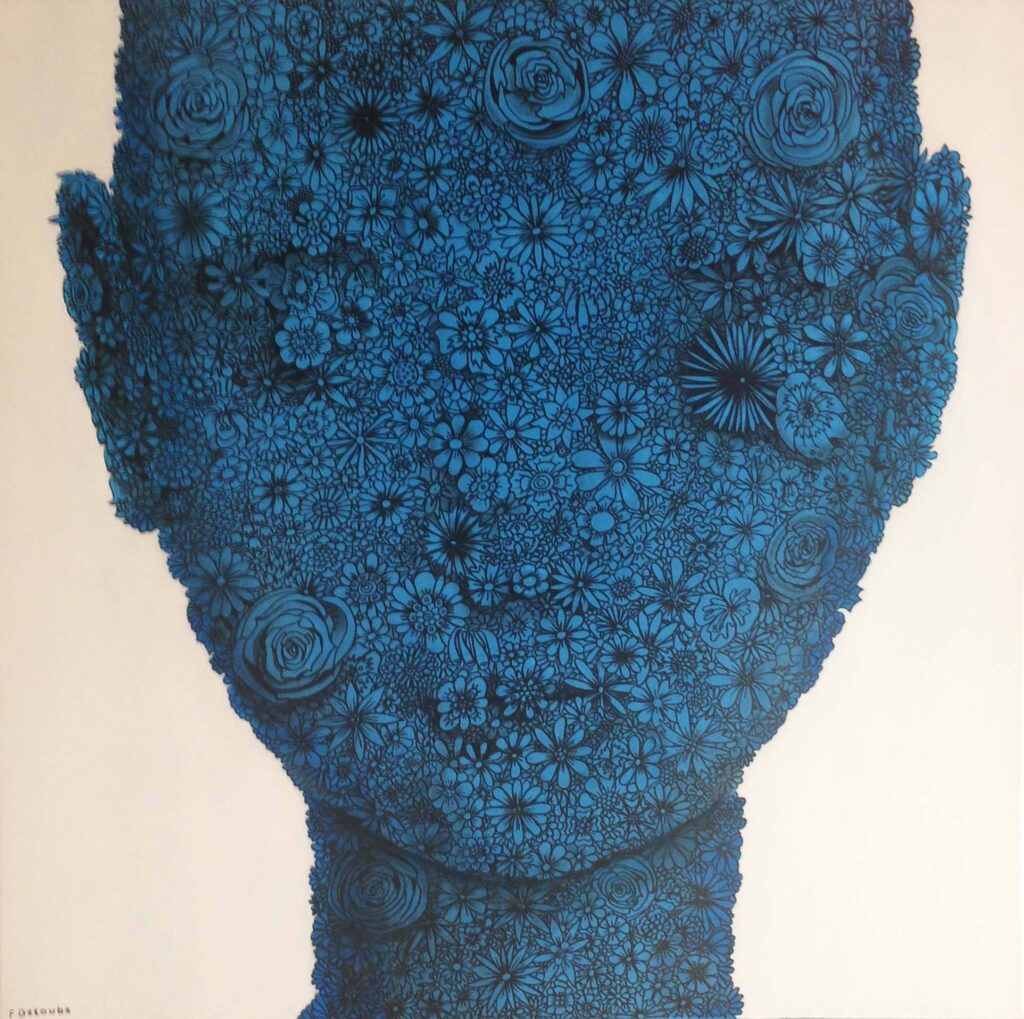
At the heart of his practice are faces—rendered like masks—symbols of the social and cultural filters we wear. Through his paintings, these rigid masks dissolve, revealing fragility, humanity, and truth. Working with charcoal, acrylic, and oil patinas, Fabien embraces transformation in each piece, allowing colors and contrasts to shift until the work unveils its own identity. With multiple awards in Paris, including a gold medal at the Société Nationale des Beaux-Arts, this interview highlights how his art continues to resonate across cultures, speaking to the universal language of portraiture.
Hi Fabien, you began your visual training in photography, audiovisual techniques, and decorative arts at the Opéra de Bordeaux. How did this multidisciplinary path shape your creative voice?
I eventually worked as a set decorator at the opera. My colleagues became my friends, and we often spent time visiting cultural sites, museums, or exhibitions. Together, we created murals using leftover paints we made after work. My colleagues were famous artists, and I dreamed of exhibiting like them. Today, I’ve achieved that dream.
Your paintings present faces like masks. Do they exhibit something hidden in all of us like a collective mask or inner identity?
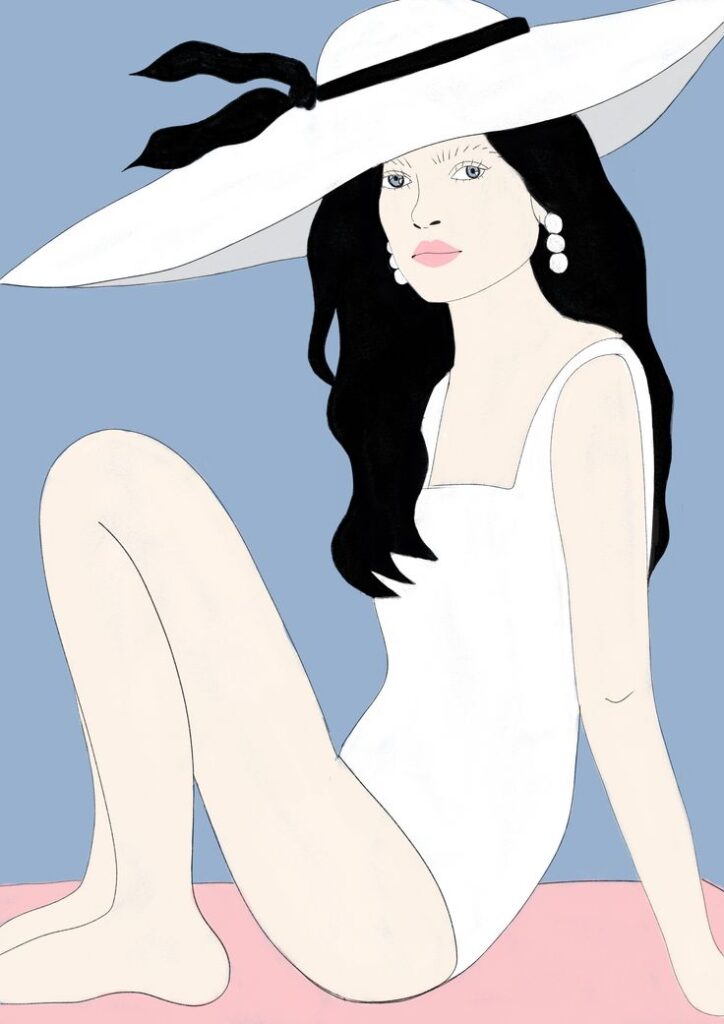
Yes, masks are our social identities. We all hide behind these opaque and rigid filters to protect ourselves—masks of our ancestors, cultural masks, masks of coldness, masks of smiles. In my paintings, these masks gradually peel away, revealing fragile flesh and truth.
What are the main mediums that you use in your art and how do you decide which medium to use in each artwork?
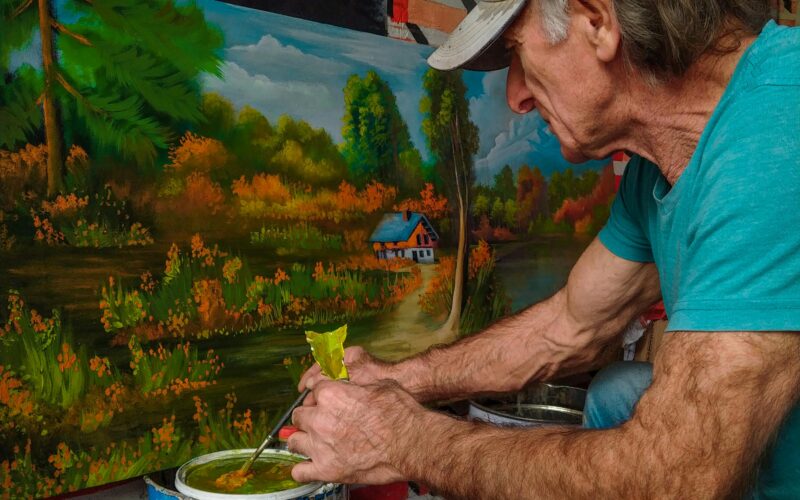
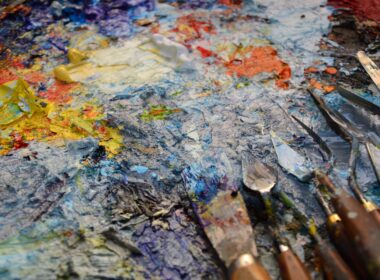
I often begin my sketches with charcoal, then work with highly pigmented acrylic, and always finish with oil painting patinas.
What according to you comprises a good shot in photography? Do you comprehensively plan these or keep them organic?
Once my sketch feels balanced, I move into painting—and nothing is ever definitive. The tones I use transform, the contrasts shift, and the work becomes something different from what I had initially imagined. It takes me a few days to decide if the piece is finished. I often turn the canvas upside down to check the coherence of the gaze, colors, and balance. I also look at it through a mirror to be more certain.
Your work has been shown across France, Belgium, Germany, Canada, and China. How does audience reception vary in different cultural contexts?
Portraiture, my main theme, is appreciated in all cultural contexts, and I’ve always received a warm welcome. Even in Hong Kong, they asked me to create a series on the Cultural Revolution (Mao) from a Western perspective. It was ambitious and very interesting.
Have you participated in international exhibitions? Could you share one experience that you’ll always remember?
I’ve participated in several Shanghai and Beijing Art Fairs, but the most memorable was in Hong Kong. It was very difficult to negotiate with the gallery owner about pricing and commissions—an absolute nightmare. But in the end, it worked out well.
You’ve earned multiple awards in Paris, including a gold medal at the Société Nationale des Beaux-Arts. How have these honors shaped your path as an artist?
Let’s just say that any recognition in this field provides “credibility” for communication and sales. Without it, people less sensitive to my work might overlook it or not even try to understand it.
Your works are mostly subtle. What challenge do you face painting such a restrained expression?
I place everything in my choice of colors and contrasts. But even when I keep my works at home, I keep retouching them over the years.
What’s next and keeping you excited? Any exhibition, new launches, or a painting that is on the cards?
I visit many exhibitions and often go to the Musée du Quai Branly (Museum of First Arts). I always find inspiration there.
For Fabien, art is not a final statement but an evolving dialogue—between colors, contrasts, cultures, and the masks we wear. His works are living entities, retouched and revisited, reflecting both personal growth and universal truths. As he continues to draw inspiration from exhibitions and the Musée du Quai Branly, Fabien’s journey remains one of exploration, curiosity, and relentless pursuit of authenticity. Through his portraits, we are reminded that behind every mask lies a story waiting to be seen.
To learn more about Fabien, click on the links below.