
Keeping Memory Alive in Photos and Textiles | Kimberlea Bass

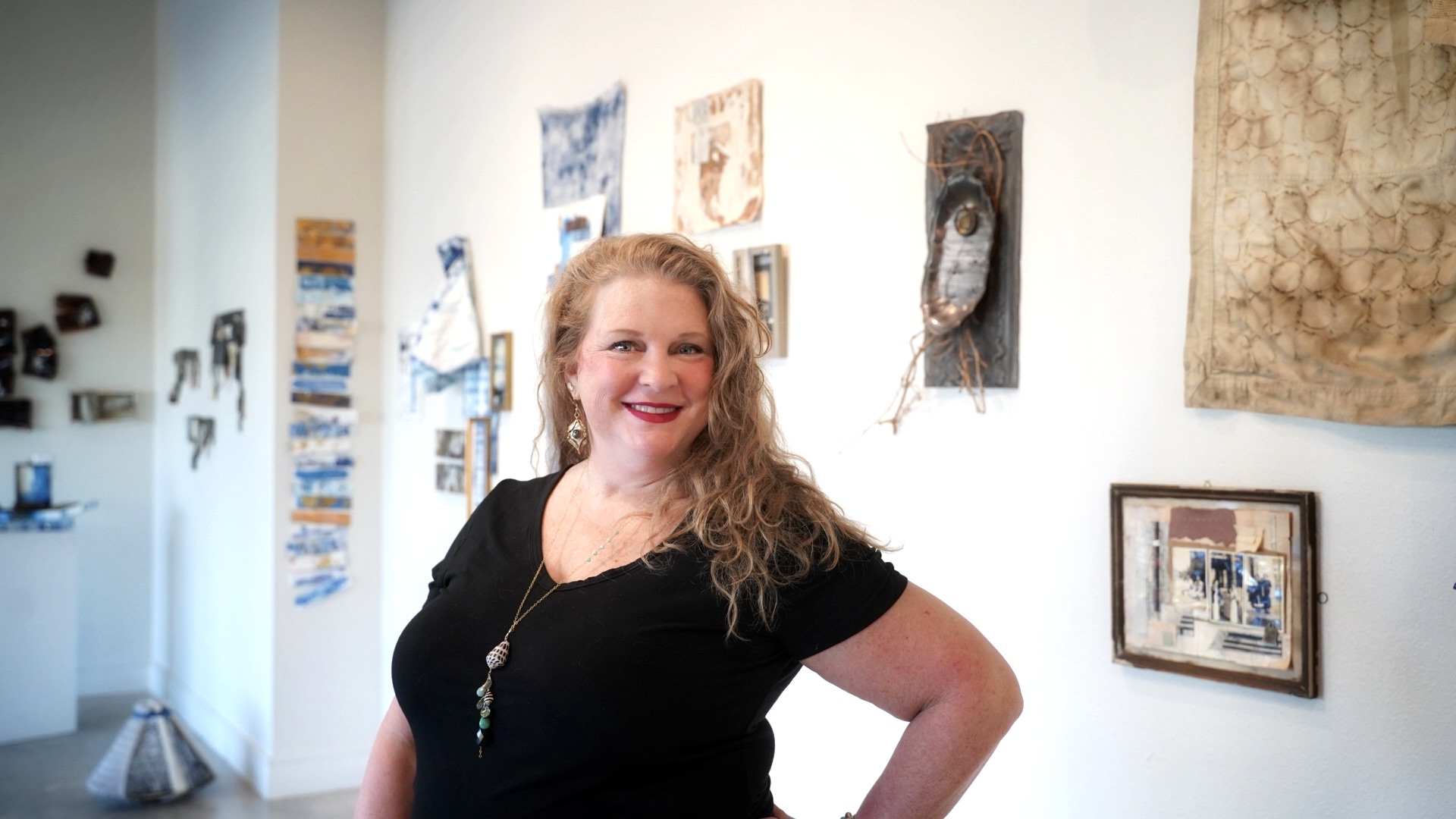
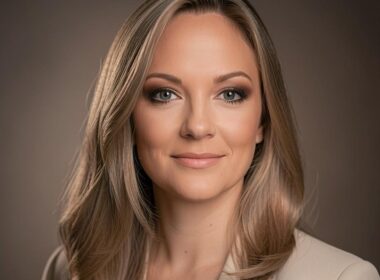
At Arts to Hearts Project, we love conversations that reveal the stories behind materials, processes, and the memories artists carry into their work. In this interview, we sit down with multidisciplinary artist Kimberlea Bass, whose practice draws on family history, memory, and the passing of time. Based in Fort Worth, Texas, Kimberlea works across photography, mixed media, and assemblage, often beginning with discarded photographs, heirlooms, and found objects that she reimagines into layered works of art.
In our conversation, Kimberlea opens up about what draws her to overlooked items like doilies, vintage photographs, and silver trays, and how these materials carry traces of lives and traditions that might otherwise fade away. She shares how stitching, layering, and weaving function both practically and symbolically in her work—binding fragments together while questioning how women’s roles, labor, and identity are passed down and reshaped across generations.
We also learn how her experiences as a daughter, granddaughter, mother, and teacher inform her practice, and how time spent at residencies in France expanded her approach to seeing and creating. Throughout the interview, Kimberlea invites us to think about nostalgia—whether it is an act of holding on, or a way of letting go and giving discarded objects new meaning.
This conversation offers a thoughtful look at how memory and history live in material form, and how one artist transforms what has been set aside into something that invites all of us to connect, remember, and reconsider what endures.
Kimberlea Bass is a featured artist in our book, “100 Emerging Artists 2025” You can explore her journey and the stories of other artists by purchasing the book here:
https://shop.artstoheartsproject.com/products/the-creative-process-book

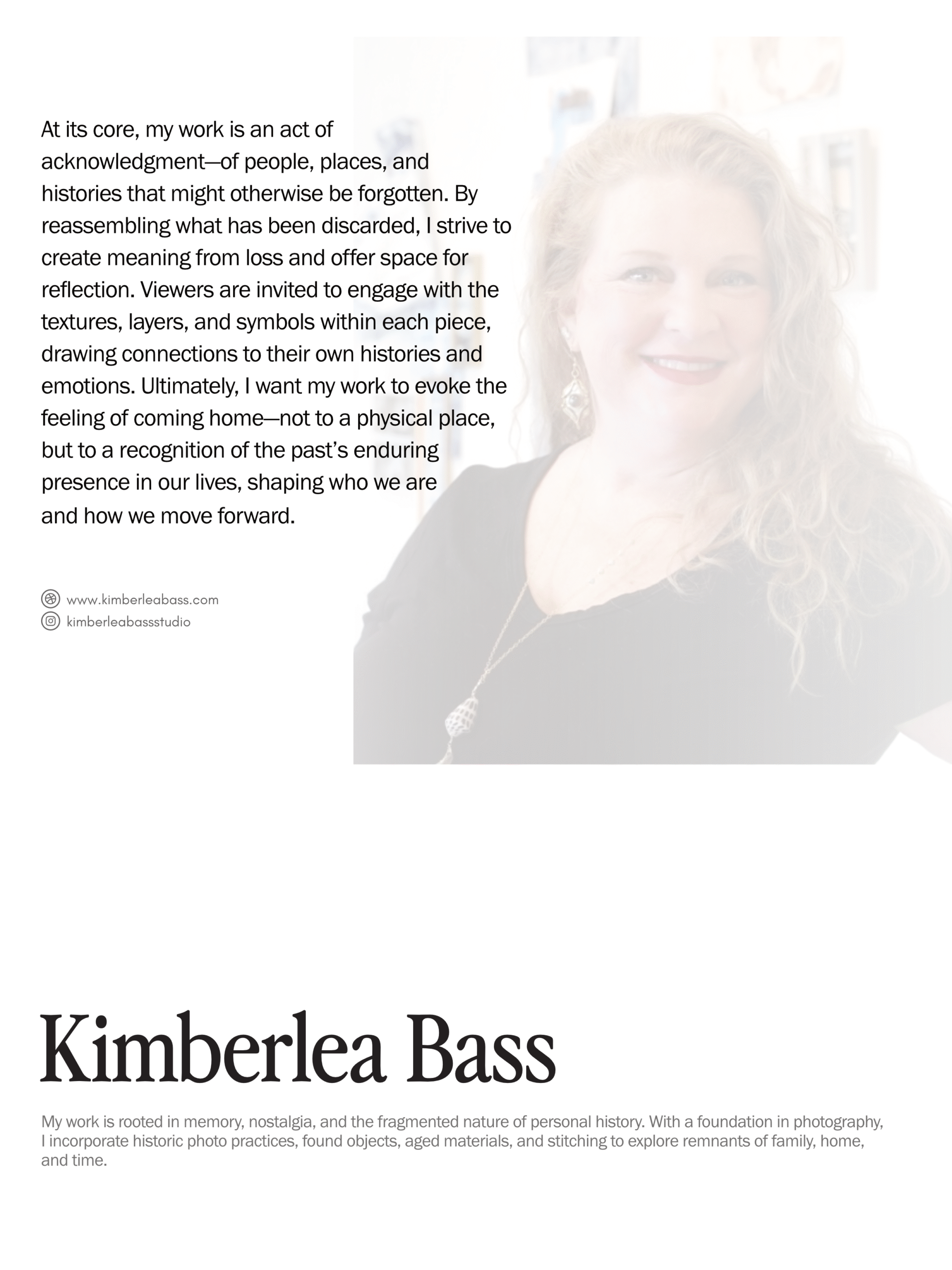
Kimberlea Bass is a multidisciplinary artist based in Fort Worth, Texas, exploring time, memory, home, and family history through 2D and 3D mixed media. She earned her MFA from the Savannah College of Art and Design in 2022 and her BFA in Studio Art from Southern Methodist University in 1995. Her work has been featured in juried exhibitions across the U.S., including New Orleans Photo Alliance (LA) Fotofoto Gallery (NY), Cedar House Gallery (GA), Fort Works Arts (TX), Fort Worth Community Art Center (TX), and Laguna Art Gallery (CA). Her work is held in public and private collections nationwide, including Drake Field Airport in Fayetteville, Arkansas. Create! Magazine, Art of the Hearts Project, The Visionary Arts Collective, and Shout Out DFW have all featured Bass in print.
She has also been recognized multiple times by LensCulture as an Editor’s Pick. Bass has attended international residencies, including Studio Faire, Château Orquevaux in France, and Photo Trouvée. In 2024, she was invited by The Photographer’s Gallery in London to present her portfolio and engage with local artists. That same year, she joined the Flusser Club’s summer session in Rubion, France, where scholars from around the world studied and debated Towards a Philosophy of Photography by Vilém Flusser. Beyond her studio practice, Bass teaches foundational art courses at the University of North Texas, where she also trains fellow educators. She additionally teaches middle and high school students through Crimson Global Academy.
1. Your work often starts with found photos and heirlooms—what draws you to these overlooked or discarded materials?
Each photograph and discarded heirloom at one time held great significance to a family. Now that these items are discarded I feel led to rescue them and elevate their significance once again. I have found viewers easily connect with the items in way of remembrances from their own experiences with their own families. Vintage images and objects become a universal symbol of memory.
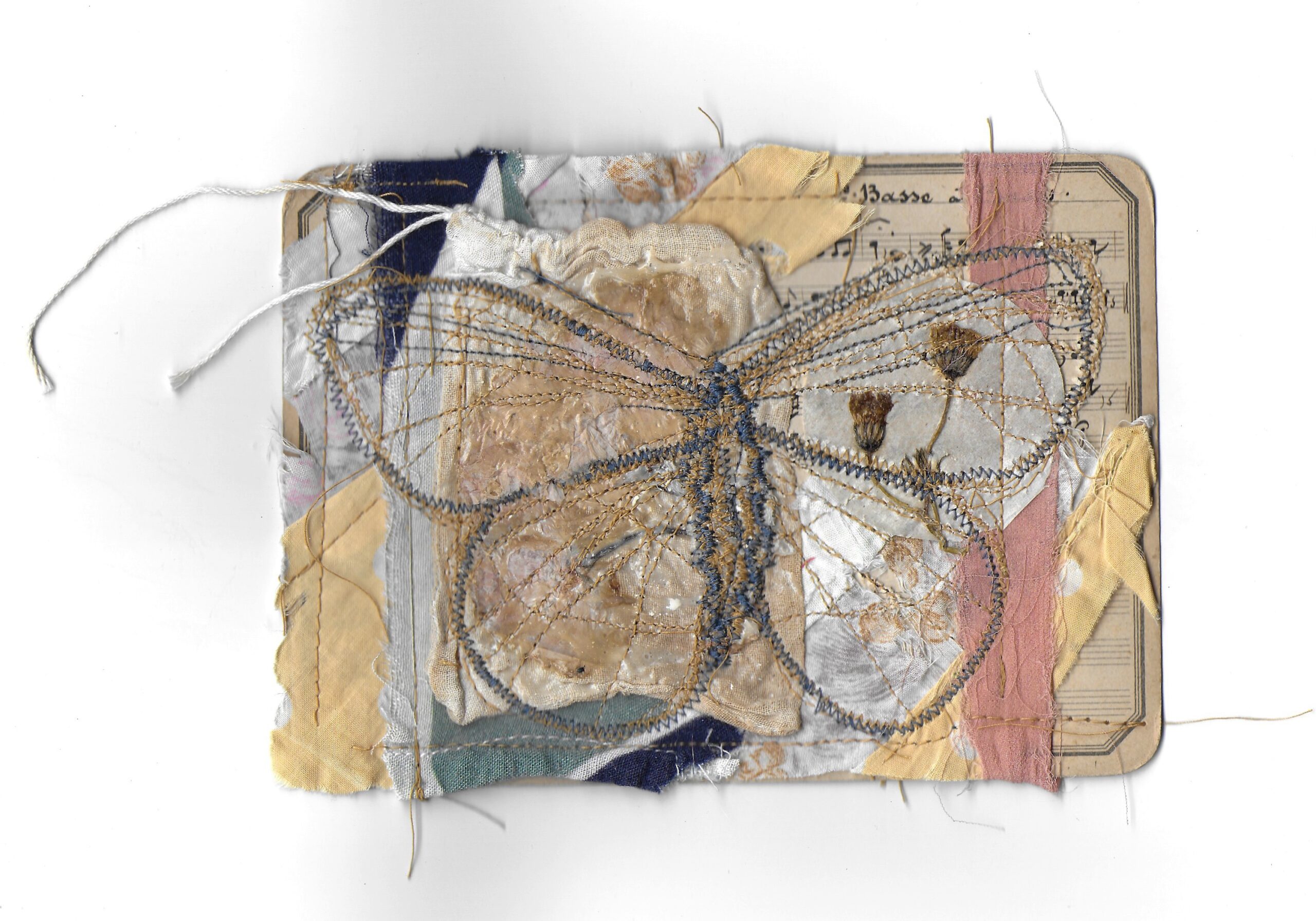
2. You describe stitching and layering as part of your process—how do those acts connect to the ideas of memory and loss in your work?
In my work stitching and layering serve several purposes. Stitching is literally necessary to hold items together. It is a way of binding and preserving. Stitching is also a metaphor for the tradition of labeling things women’s work. I have been exploring the line between craft and fine art and can the exist in the same space. I also like to challenge what materials can be stitched into. When stitching on images I usually obscure the figure. I want to hide the identity of the individual. It opens interpretation to they could be anyone from anyones family. I opens the visual narrative for the viewer to connect to the piece.
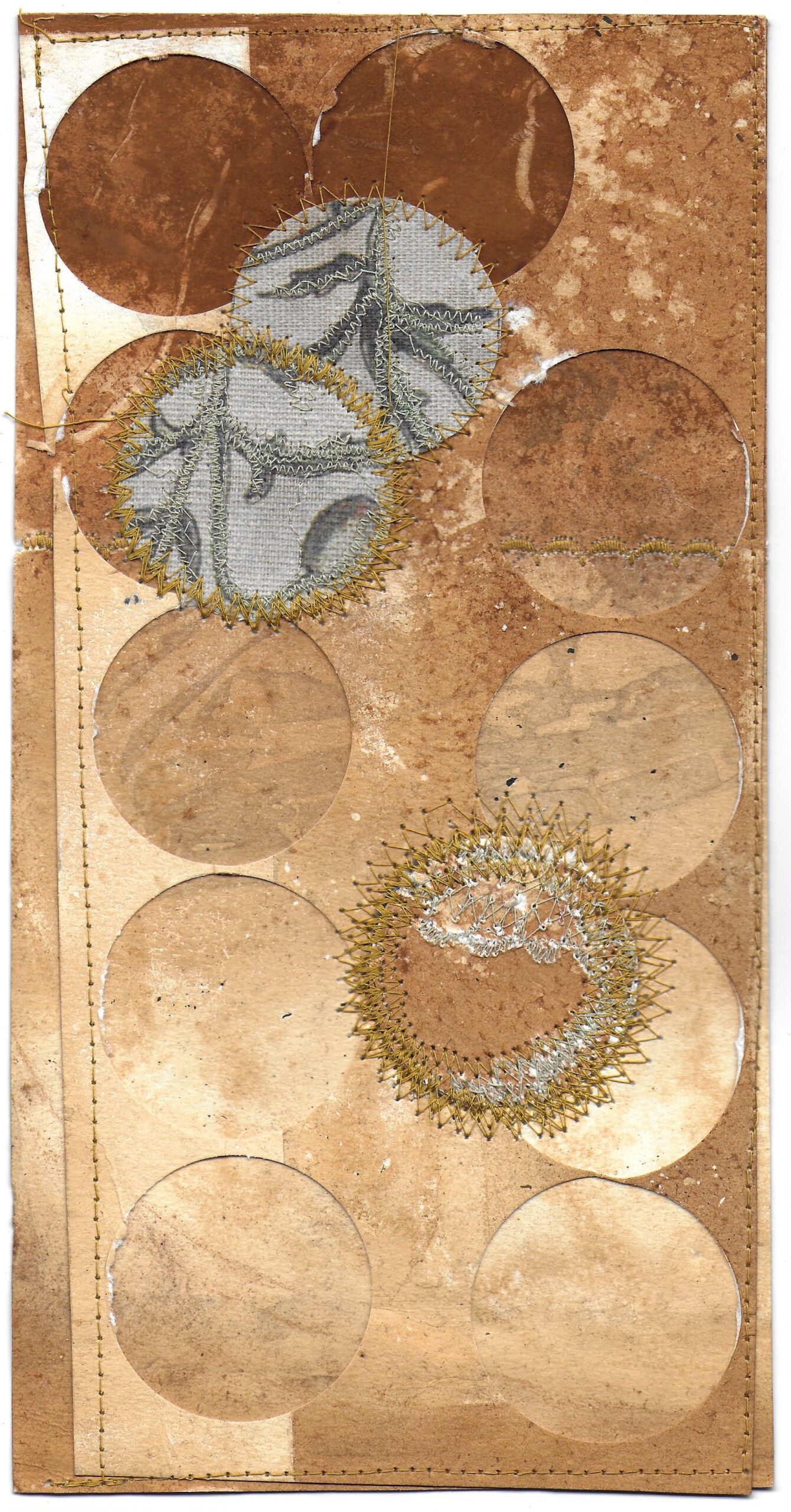
Each photograph and discarded heirloom at one time held great significance to a family. Now that these items are discarded I feel led to rescue them and elevate their significance once again.
3. Motherhood and family history play a strong role in your pieces—how has your relationship with those themes changed over time?
I have been through the journey of moving from a daughter and granddaughter into a sister, an aunt, wife and mother. I am currently in the middle of figuring out what comes next. It has given me time to reflect on how my grandmothers and my mother navigated motherhood, marriage, and simply being a woman. Their traditional journeys seem removed from how I now navigate the world. I also feel removed from the way my daughter and daughter-in-law have unending confidence in how they charge forward with the rights of equality for women. I treasure motherhood as both a receiver and a giver of that love. It shapes and molds in love, grief and all the emotions in between. In my practice, these themes and questions of transition through these stages are continuing to be explored.
4. How do you decide when an object like a doily or vintage photo becomes part of an artwork rather than something to preserve as-is?
Have you ever been halfway through a puzzle? All the pieces are on the table; some are assembled, while others are in piles. Additionally, all the edge pieces are snapped together and defined. You have the lid sitting up to give you an idea of where these pieces will go. As you pick up a piece, you may think it is blue sky, and you try to make it work, but it just will not fit, so you set it aside. After a few minutes, you realise it is a cast shadow on the side of the white building in the picture. When I create my table, it is full of ephemera, photographs, dried flowers, torn paper, fabric, thread, beads, and so much more. I am almost always working on 3-5 pieces at the same time. It is like working on 3-5 puzzles at the same time. I know that all the items are essential and will fit. I also have a good idea of what the concept I am following is. Then it is a matter of letting the materials dance together on the table, moving in and out of piles or works until it all falls into place. Those who need each other find their way to one another. The ones that are left as-is have proven through the process that they tell their own story and stand alone.
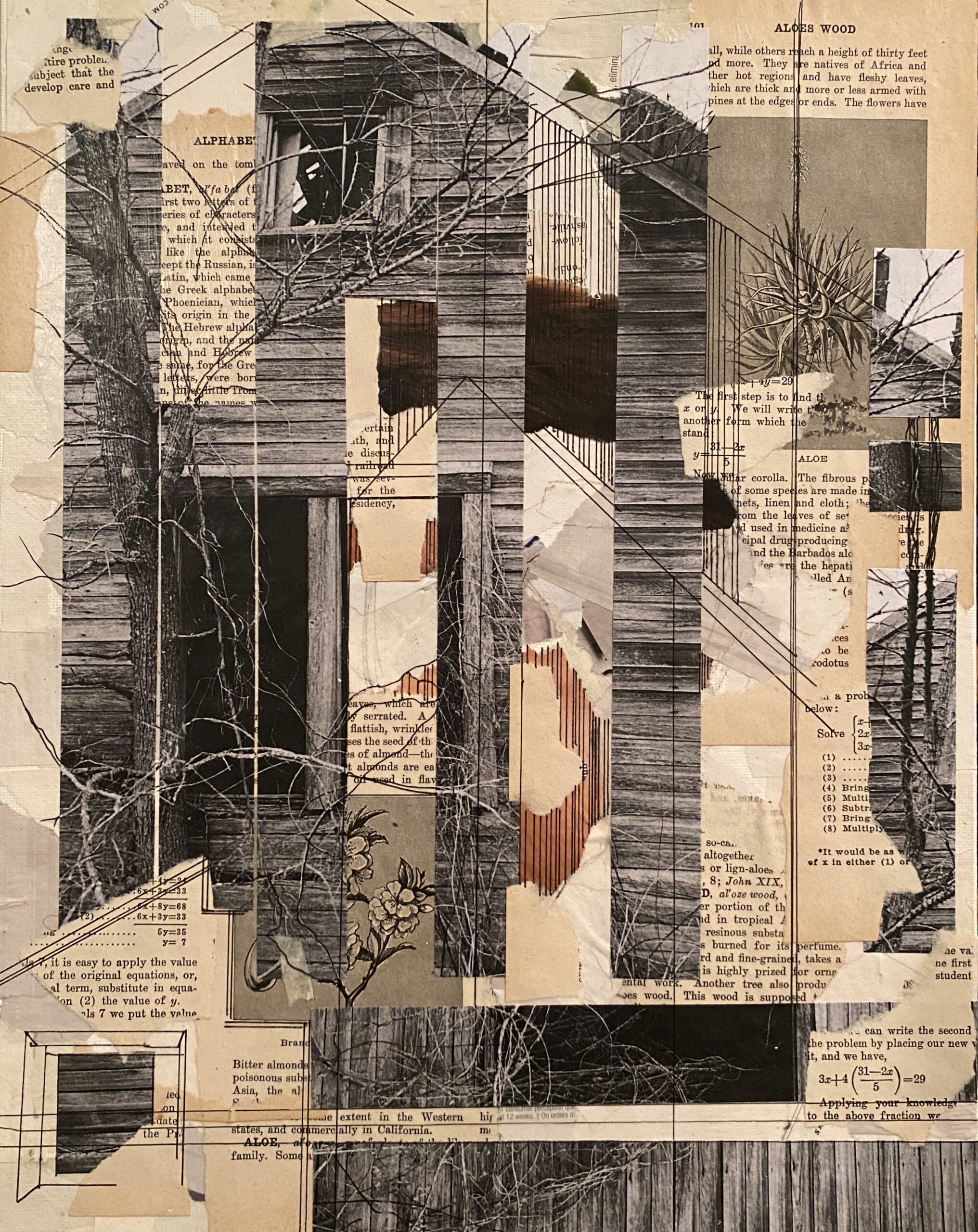
In my work stitching and layering serve several purposes. Stitching is literally necessary to hold items together. It is a way of binding and preserving.
Kimberlea Bass
5. You’ve shown work across the U.S. and participated in residencies in France—how do these different environments shape what you make?
I have been a photographer since I was a teenager. I trained myself from a young age to stop, look and appreciate that small details of everyday that we so easily miss. Seeing the world though a tiny view finder always on the search for the perfect (fill in the blank) has continued to heighten my observation of people, places and things. In my residencies in France it was an artistic explosion of ideas, inspiration and connections with so many people from all over the world. Creating in a place that is only intended to support whatever it is artists are exploring is inspiring. Taking myself out of my comfort zone and immersing myself into a place where every experience and adventure are new unlocked ideas and exploration I could not have planned for. It was magical to allow the materials to share my story without me ever having to utter a word about the work.
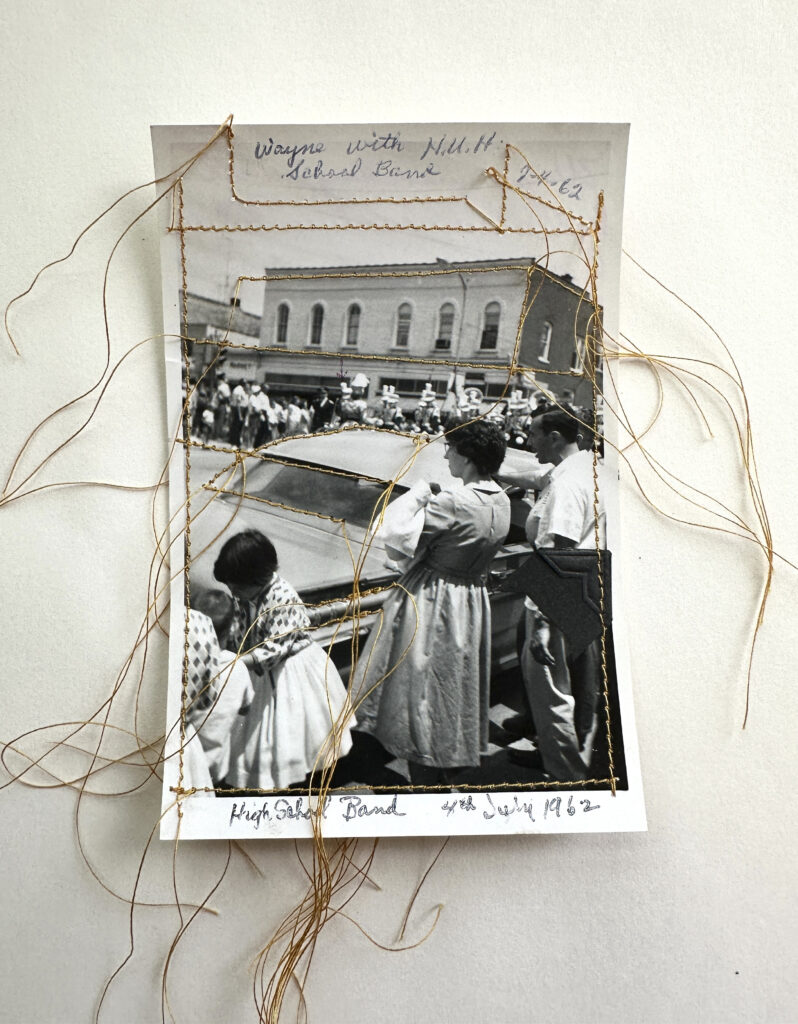
6. How do you think nostalgia functions in your work—is it more about holding on, or about letting go in a new way?
This is a great question and one that I consider often. When I began this body of work it was holding on. I felt that I was responsible to save these objects. I took it personally when I would find a silver serving tray at a thrift store that reminded me of the one my grandmother had. I wanted to honor the family who sat at the dinner table and used that tray. When I would use it as a foundation to an assemblage it felt as if this tray now had a new purpose and story to tell in a new way. I have begun to transition into a new way of letting go with my stitching into vintage photographs. I feel like with each puncture of the needle into these images I am able to set free the story of the people in the photographs.
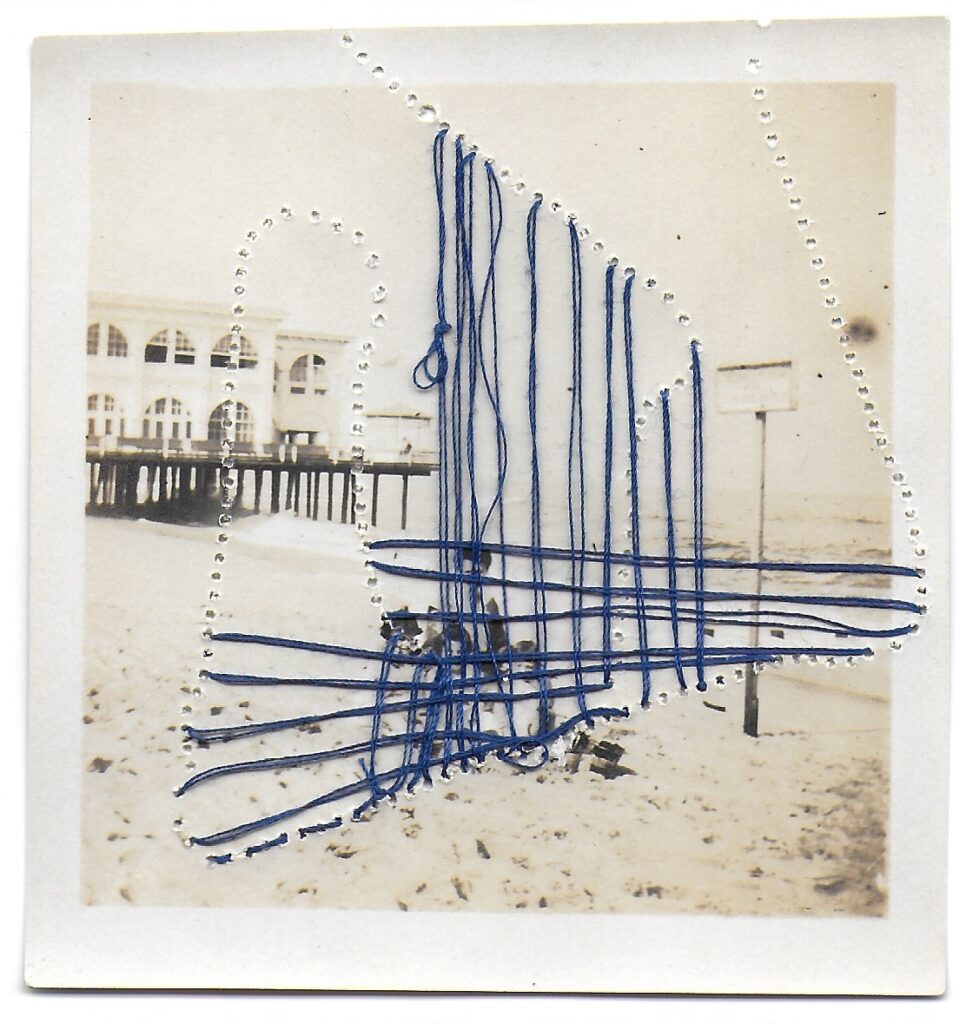
Kimberlea Bass’s work reminds us that memory lives not only in our minds but also in the objects that surround us. Through her use of stitching, layering, and repurposed heirlooms, she asks us to look closer at the histories we inherit and the ones we let slip away.
From family traditions to discarded photographs, her practice shows how materials can carry untold stories and how transformation can happen through care and attention. What we learn from her journey is that art can preserve, question, and even release memory, giving both the artist and the viewer a way to reconsider what it means to hold on and when it is time to let go.
To learn more about Kimberlea, click the following links to visit her profile.
Arts to Hearts Project is a global media, publishing, and education company for
Artists & Creatives: An international audience will see your work of art, patrons, collectors, gallerists, and fellow artists: access exclusive publishing opportunities and over 1,000 resources to grow your career and connect with like-minded creatives worldwide. Click here to learn about our open calls.