

7 classic paintings artists would love to recreate

If you’ve ever stood in front of a famous painting and felt something stir not just admiration, but a sense of connection across time you’ll understand exactly what this question is about.
Great artworks endure because they continue to speak to us long after they were created. They carry the ideas, emotions, and perspectives of their time, yet somehow remain relevant to each new generation that encounters them.
For artists, that experience can feel especially personal. They notice the choices behind every detail the composition, the colour, the symbolism, the atmosphere. They study the artist’s vision, admire their mastery, and often find themselves wondering how those same themes might resonate in today’s world through their own creative lens.
It’s not about changing or improving what already exists. The originals remain timeless. Rather, it’s about exploring how a conversation begun centuries ago might continue today. What contemporary experiences, perspectives, or questions could be brought into dialogue with a work that has already inspired millions?
So we asked our Arts to Hearts community
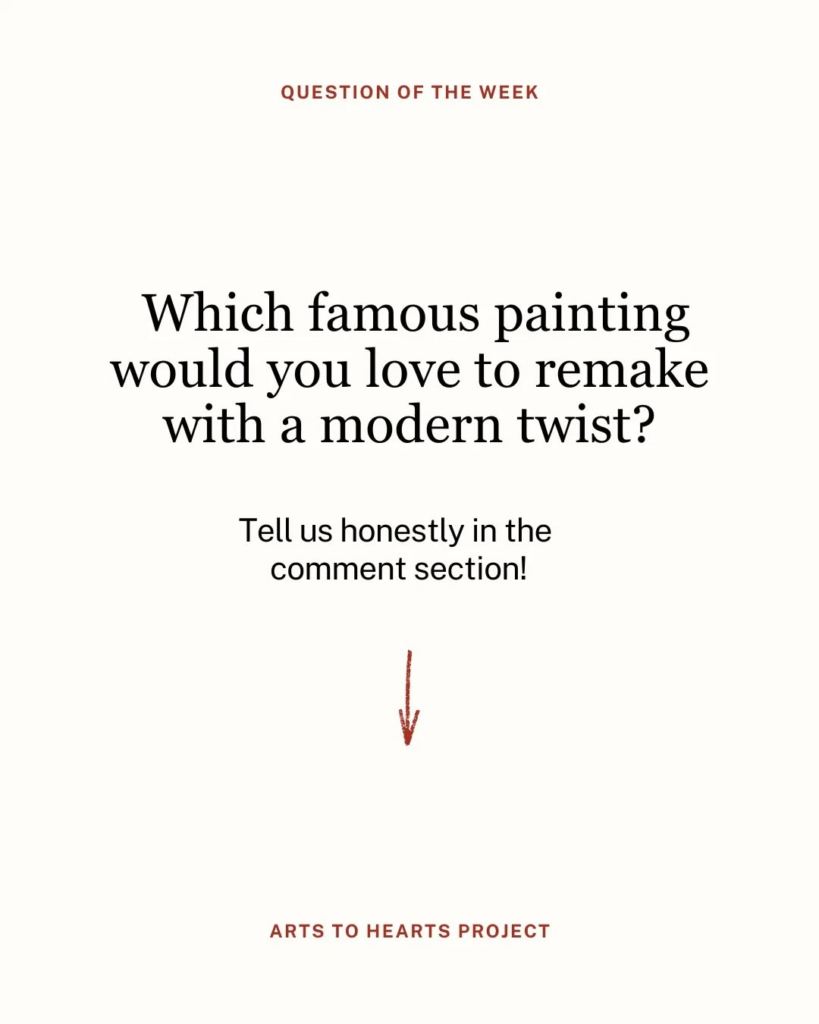
The responses were thoughtful, passionate, and deeply revealing not only about the paintings themselves, but about the artists who chose them.
What does it mean to be human in an age of machines?
Da Vinci’s Vitruvian Man was never just a drawing. It was a way of understanding humanity’s place in the world a study of proportion, balance, curiosity, and the remarkable complexity of the human body. More than five centuries later, it remains one of the most powerful symbols of human potential ever created.
But great artworks have a way of continuing the conversation long after the artist is gone.

For Jackie @pkrukfura.visuals, Vitruvian Man raises a fascinating question: how might we think about humanity today, in a world where technology has become such an intimate part of our lives? Their imagined reinterpretation envisions the figure as half human and half machine, with both existing in perfect harmony rather than opposition.
One detail makes the vision especially compelling. Inside the circle behind the figure, Jackie would place the Tree of Life. It transforms the image from a simple reflection on technology into something deeper a reminder that progress does not have to come at the expense of our connection to nature, growth, or one another.
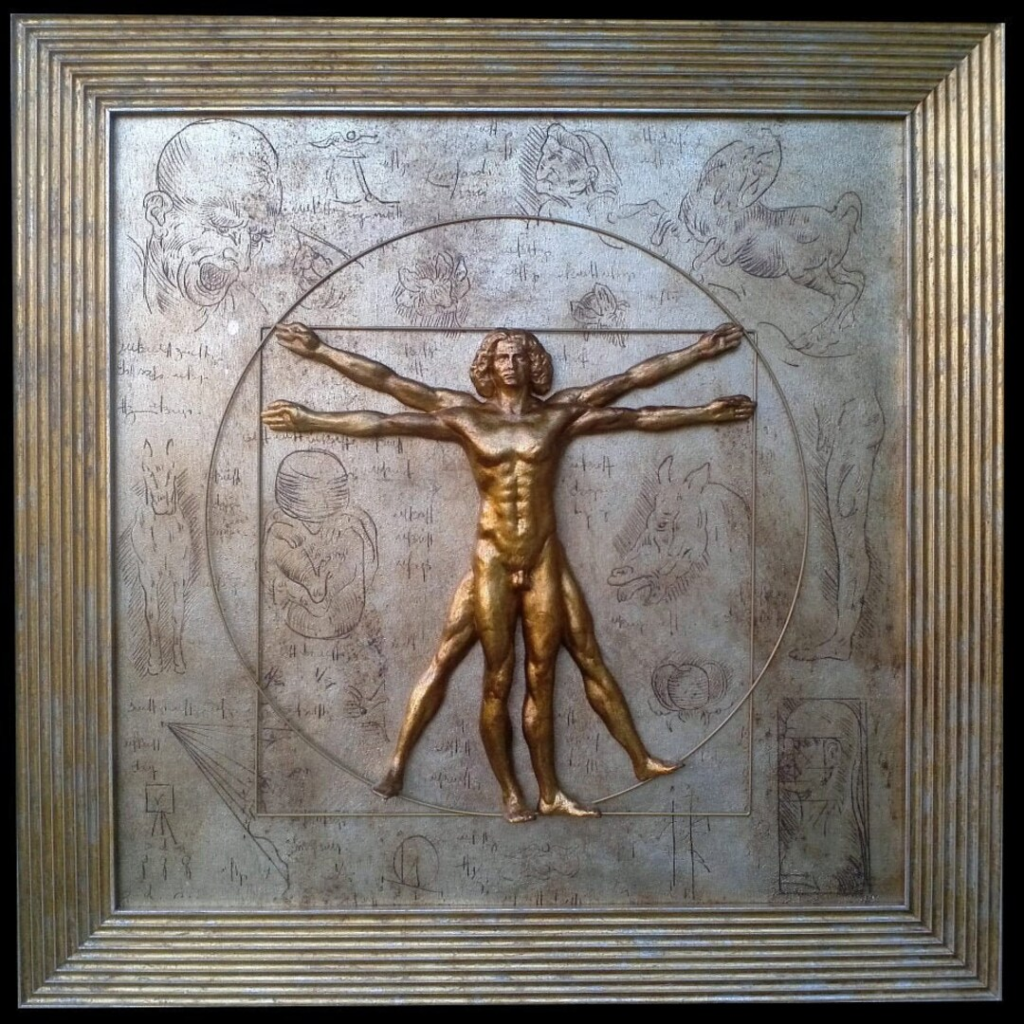
Rather than changing the meaning of da Vinci’s masterpiece, Jackie builds upon the questions it has inspired for generations. If Vitruvian Man was once a reflection of humanity’s relationship with science and discovery, this contemporary vision asks what that relationship looks like in the age of artificial intelligence, machines, and rapid technological change.
It’s exactly the kind of question that keeps great art alive.
What Would The Scream Look Like Today?
Few paintings have captured a feeling as universally as Edvard Munch’s The Scream. Created in 1893, the work has become an enduring symbol of anxiety, uncertainty, and emotional overwhelm. More than a portrait of a single figure, it reflects a deeply human experience one that continues to resonate across generations.
What speaks to Calandra Strickland @ calandrastrickland is how timeless the painting’s emotional core feels. Munch captured a feeling that transcends time one that continues to surface in a world shaped by constant connectivity, uncertainty, and the pressures of everyday life.
Calandra imagines revisiting The Scream through the lens of these contemporary complexities, exploring what a modern existential crisis might look like while preserving the expressive energy that made the original so powerful. The result wouldn’t be an attempt to replace Munch’s vision, but rather a reflection on how the emotions he captured more than a century ago continue to echo through our lives today.
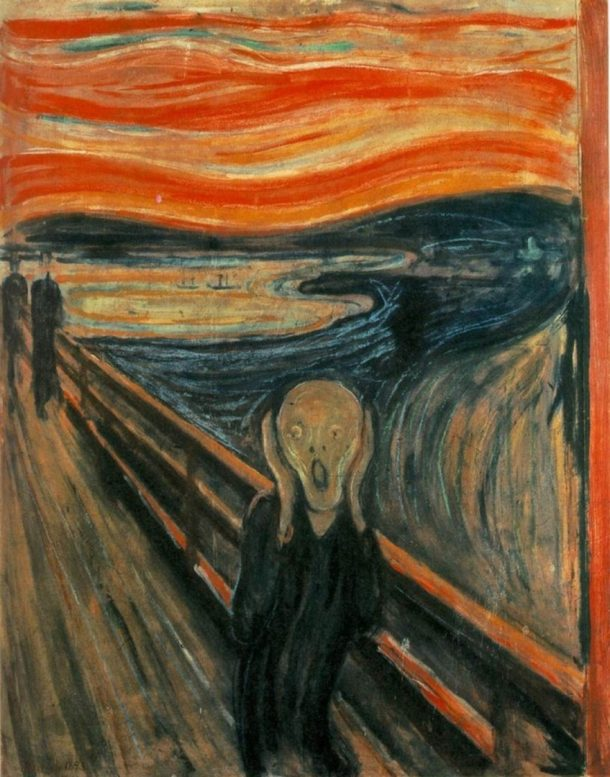
That’s the remarkable thing about The Scream: although the world has changed dramatically, its central question remains the same. What does it feel like to be human in a world that can sometimes feel overwhelming?
Still Searching for a Signal
Théodore Géricault’s The Raft of the Medusa is one of the most dramatic paintings in art history. Based on a real shipwreck, it captures a moment suspended between despair and hope, as survivors stranded at sea strain toward the horizon, desperately searching for a sign of rescue. More than two centuries later, its emotional power remains undiminished.
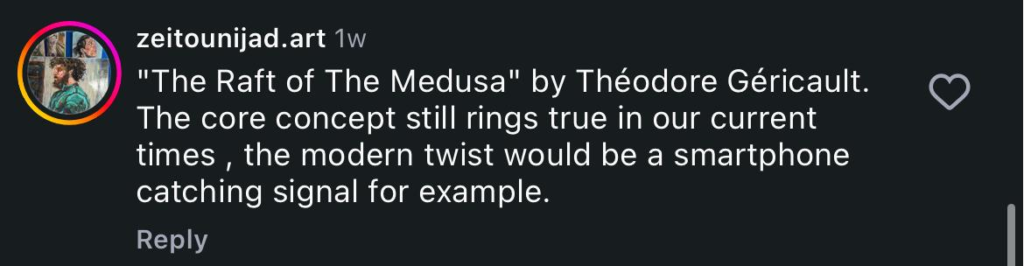
Jad Zeitouni @zeitounijad.art is drawn to how surprisingly relevant The Raft of the Medusa still feels today. While the circumstances may be different, the experience of waiting, hoping, and reaching for connection is something many of us continue to understand.
His modern reinterpretation imagines one small but powerful change: instead of searching for a distant ship, a survivor holds up a smartphone, trying to catch a signal. It’s a detail that instantly places the scene in the present day while preserving the heart of Géricault’s original vision.
What makes the idea so compelling is that it highlights how technology has changed the way we seek help, connection, and reassurance but not the human emotions behind those searches. We may no longer be scanning the horizon for a passing vessel, but we are still looking for ways to be seen, heard, and rescued from moments of uncertainty.
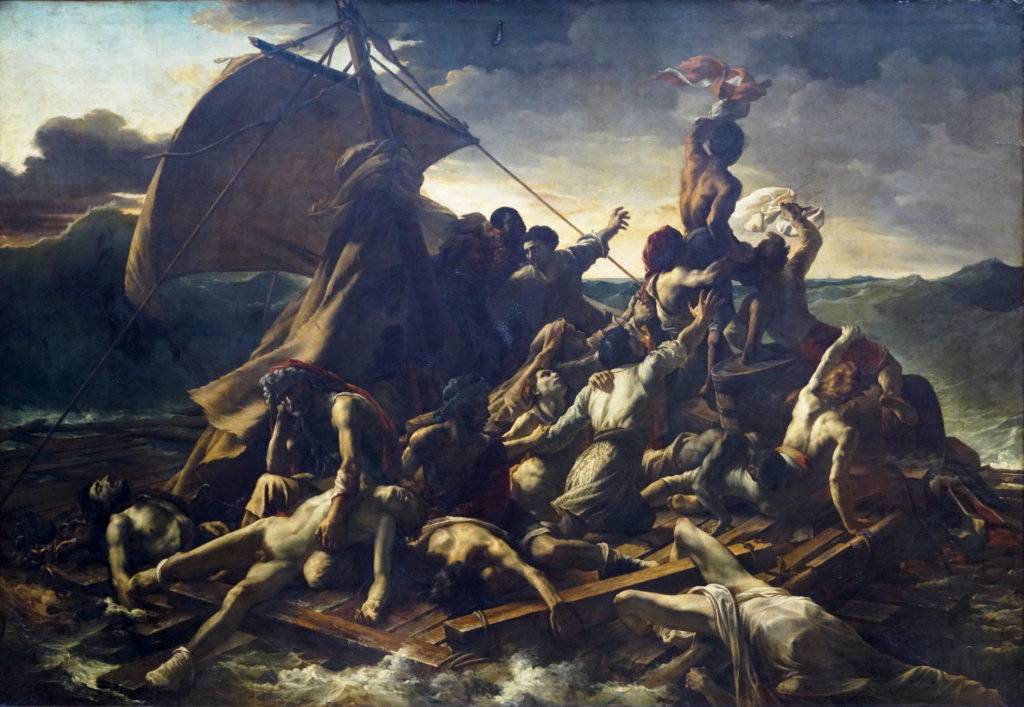
Maybe that’s why the idea feels so natural. We may no longer be waving at ships on the horizon, but we’re still searching for connection, still hoping for a response, and still looking for signs that we’re not alone.
Looking Up, Then and Now
There is something beautifully timeless about Vincent van Gogh’s Starry Night Over the Rhône. The painting isn’t dramatic or loud; instead, it captures a quiet moment of reflection. The glowing stars, their reflections dancing across the water, and the figures strolling along the riverbank all come together to create a scene filled with calm, wonder, and possibility.

Some paintings never stop speaking to us, and Starry Night Over the Rhône is one of them. Although the world has changed dramatically since Van Gogh painted it, the sense of wonder it evokes remains timeless. That enduring feeling is what inspires Đorđe Art Avramović @djokavlart to imagine the work through a contemporary lens.
His contemporary reinterpretation would explore what that experience looks like today. How do we encounter beauty in an age of screens, notifications, and endless distractions? Can we still experience the same sense of awe when we look up at the night sky?
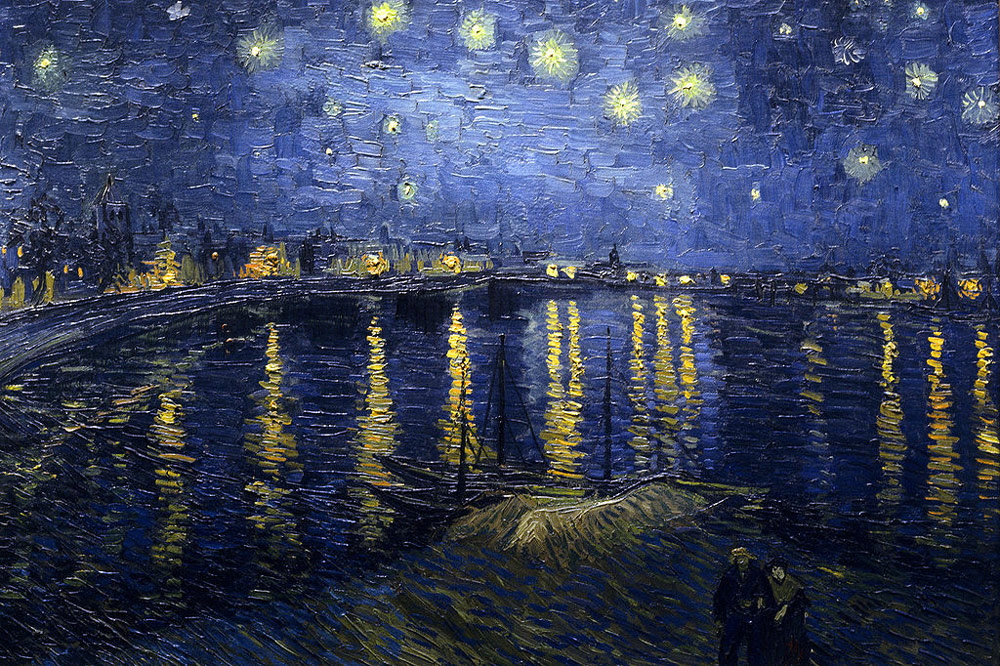
What makes this idea so compelling is that it builds upon the spirit of Van Gogh’s original rather than moving away from it. The setting may change, and the details may belong to the present day, but the feeling at the heart of the painting the simple wonder of standing beneath a sky full of stars remains as powerful now as it was more than a century ago.
Who Is Really Looking at Whom?
Few paintings have fascinated viewers quite like Diego Velázquez’s Las Meninas. Since its creation in 1656, the masterpiece has sparked endless questions about perspective, observation, and the relationship between artist, subject, and viewer. The painting doesn’t simply invite us to look at it, it makes us aware that we are looking, and perhaps even being looked at in return.

That sense of intrigue is what continues to make Las Meninas feel so contemporary. Long before selfies, surveillance cameras, and social media, Velázquez was already exploring ideas about identity, visibility, and the act of observation itself.
It’s this timeless quality that draws Orly Ammon @orly ammon to the work. Their contemporary reinterpretation would explore how these questions have evolved in an age where we are constantly documenting ourselves, curating our image, and existing before countless digital audiences.
What makes the idea so compelling is that it doesn’t require changing the heart of the painting. Las Meninas has always been about perspective—about who holds the gaze and who becomes the subject of it. Today’s world simply offers new ways of asking the same questions.
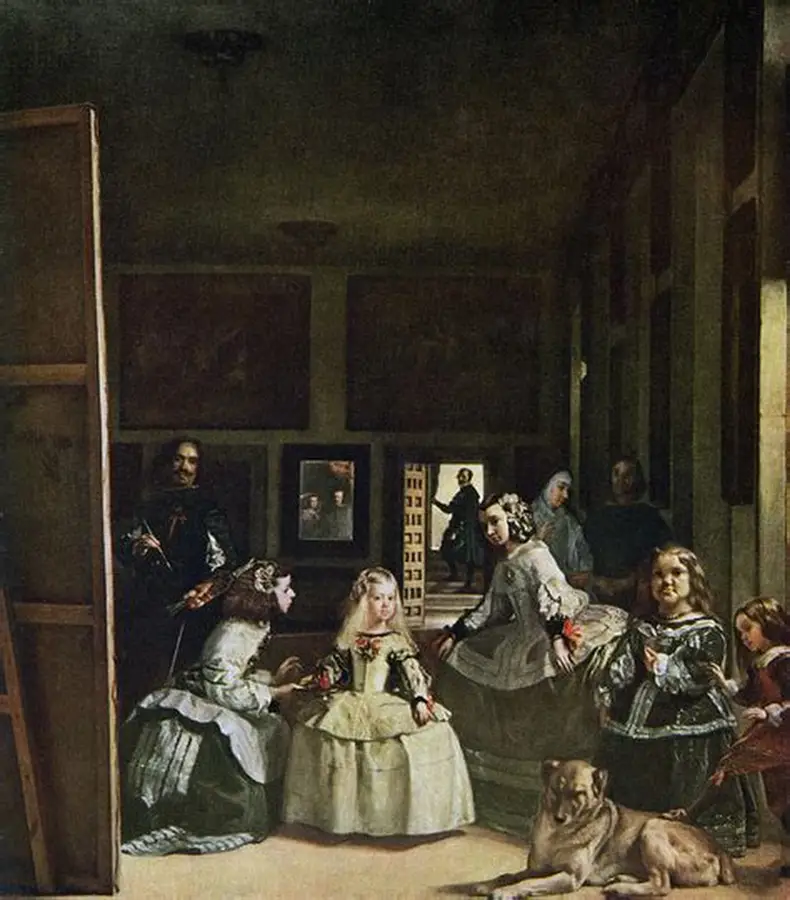
More than three centuries later, Velázquez’s masterpiece still feels astonishingly relevant, reminding us that the desire to be seen, understood, and represented is as old as art itself.
Love Letters in the Digital Age
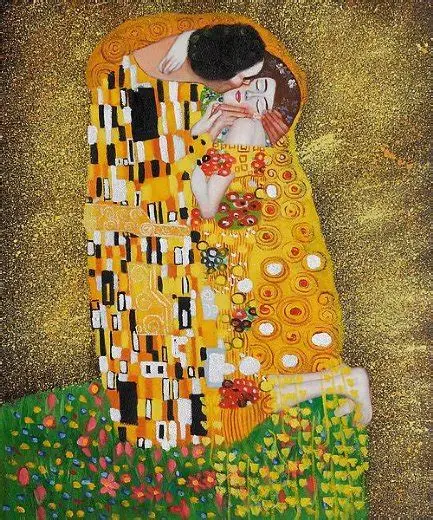
More than a century after it was painted, Gustav Klimt’s The Kiss remains one of the most recognizable images of love in art history. Created between 1907 and 1908, the painting captures two lovers wrapped in an embrace, surrounded by luminous gold and intricate patterns that make the moment feel both intimate and timeless.
What makes The Kiss so special is that it isn’t just about two people. It’s about closeness. About the traces we leave on one another’s lives. About the small moments, memories, and emotions that become part of a relationship over time.
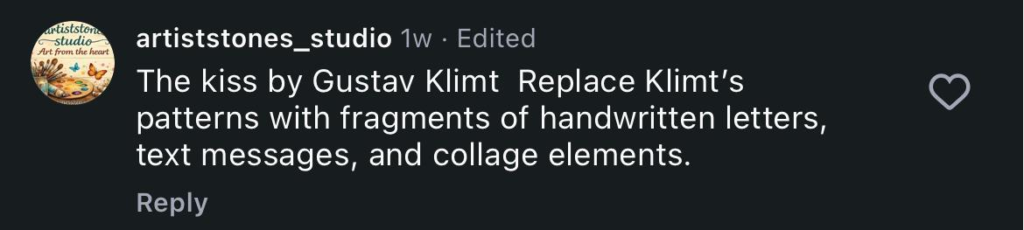
That’s what drew Leanne @ artiststones_studio to the painting. Her contemporary interpretation imagines Klimt’s iconic patterns transformed into fragments of handwritten letters, text messages, photographs, and pieces of collage. It’s a simple idea, but a powerful one. If Klimt used decorative motifs to tell a story of connection in the early twentieth century, what would that visual language look like today?
Perhaps it would look like saved messages, cherished notes, screenshots we can’t bring ourselves to delete, or photographs that instantly transport us back to a particular moment.
What makes Leanne’s vision so compelling is that the heart of the painting remains exactly the same. The embrace, the tenderness, and the feeling of being deeply connected to another person don’t change. Only the details surrounding that moment evolve, reflecting the ways we now document, remember, and carry our relationships with us.
Because while the language of love may change from one generation to the next, the feeling itself never really does.
Venus Belongs to Everyone
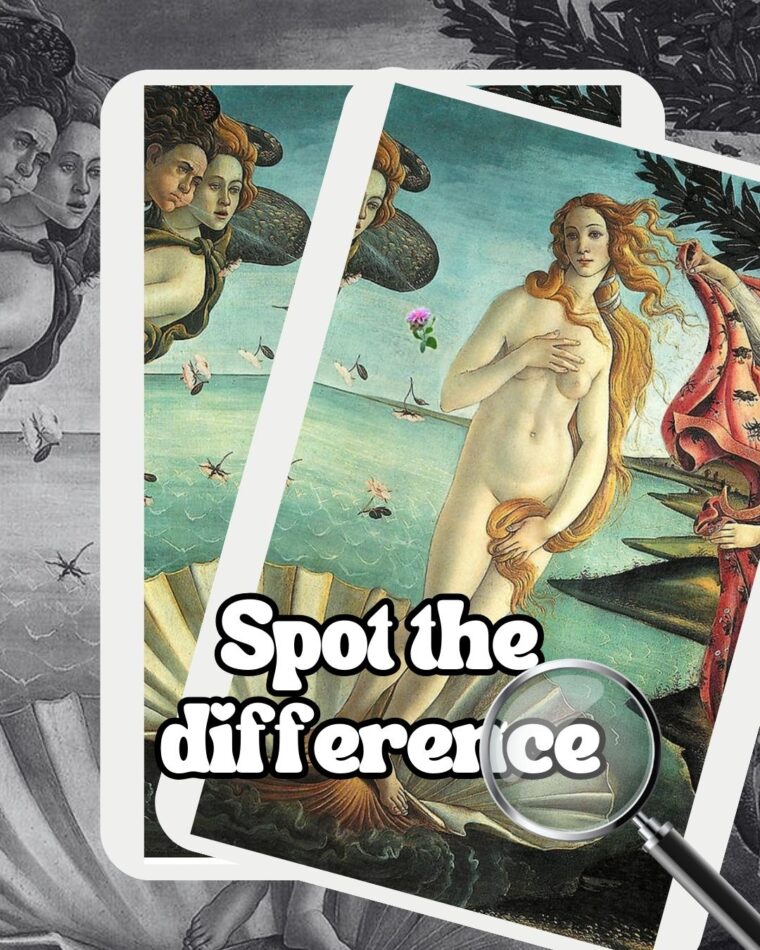
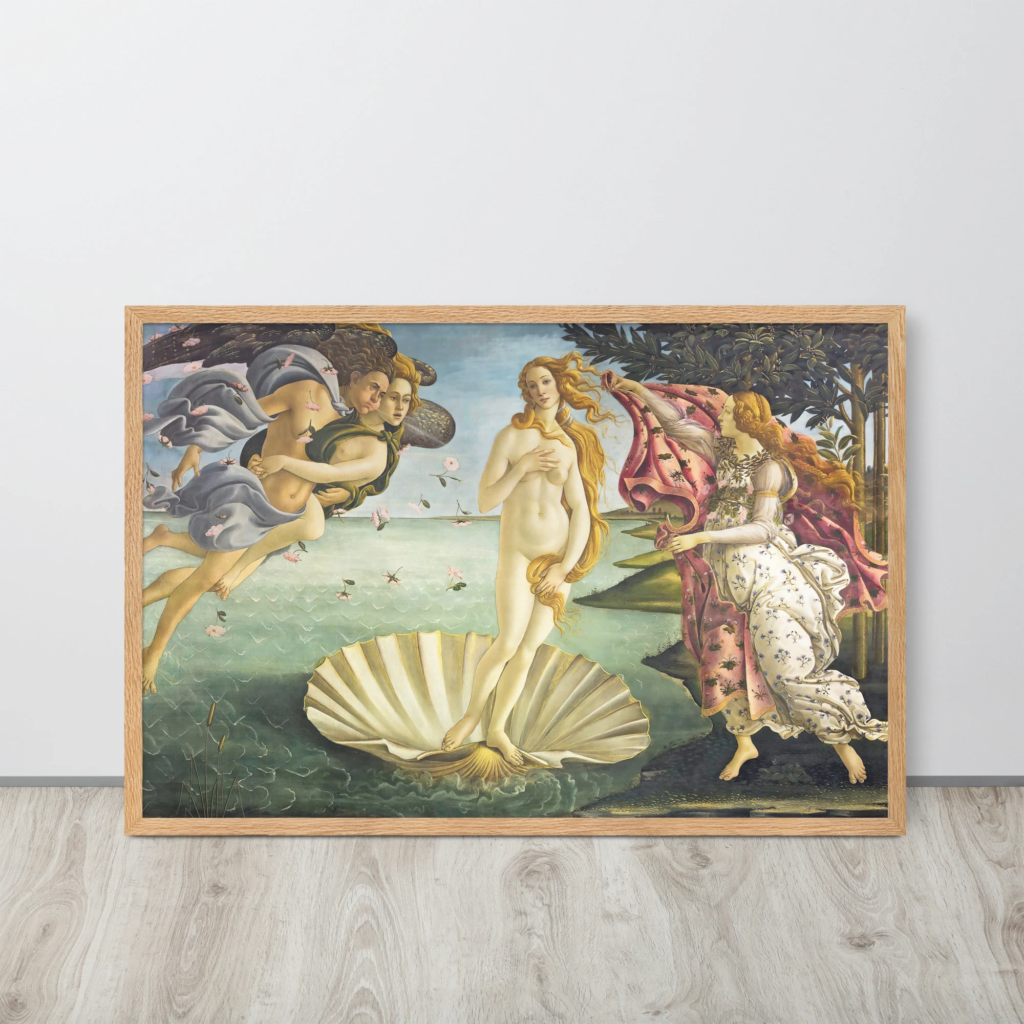
Few paintings have had the cultural impact of Sandro Botticelli’s The Birth of Venus. Painted in the mid-1480s, the masterpiece depicts the Roman goddess Venus emerging from the sea, becoming one of the most celebrated images of beauty in Western art history.
For centuries, the painting has inspired admiration for its elegance, symbolism, and craftsmanship. Yet like many iconic works, it also reflects the ideals and perspectives of the time in which it was created.

That’s what makes Gabrielle’s @ rie._elle response so thought-provoking. Rather than changing the story itself, she imagines broadening who gets to be represented within it. Her contemporary reinterpretation would feature figures with different skin tones and ethnic backgrounds, reimagining Venus through a more diverse and inclusive lens.
It’s an idea rooted in a simple but powerful question: what happens when more people can see themselves reflected in the images that shape our cultural imagination?
What makes this vision compelling is that it doesn’t move away from Botticelli’s masterpiece. Instead, it builds on its enduring legacy by inviting a wider range of people into the conversation. The themes of beauty, identity, and belonging have always evolved alongside society, and each generation finds new ways to engage with them.
More than five hundred years after it was painted, The Birth of Venus continues to inspire dialogue not only about art and beauty, but also about representation and who gets to occupy the center of the frame.
What we loved most about these responses was the care behind them.
No one was trying to improve a masterpiece. No one was suggesting that these paintings needed to be updated or corrected. Instead, each artist approached their chosen work with curiosity, asking what new perspectives, experiences, and questions might emerge if they entered into a conversation with it.
Some imagined timeless scenes through the lens of technology. Others explored identity, representation, connection, or the challenges of modern life. Yet despite their differences, every response shared something in common: a deep appreciation for the original work and the ideas that have allowed it to endure for generations.
That’s the remarkable thing about great art. It never truly belongs to a single moment in history. It continues to inspire new interpretations, new conversations, and new ways of seeing ourselves and the world around us.
Reading through these responses reminded us that artists are always in dialogue—with the past, with the present, and with one another. And sometimes, a simple question reveals just how alive those conversations still are.
Thank you to every artist who shared their thoughts with us. Your answers were thoughtful, imaginative, and deeply personal, and we’re grateful to have been given a glimpse into the artworks that continue to inspire you.
If you’d like to read all the responses, we’ve linked the original Instagram post below. There were many wonderful answers we couldn’t fit into this article, and they’re absolutely worth exploring.
If you’ve enjoyed this conversation, we’d love for you to join us on Instagram. Every week, we ask thought-provoking questions about art, creativity, and the realities of life as an artist from creative blocks and artistic influences on studio habits, inspirations, and the stories behind the work.
So, the next time one of our community questions pops up in your feed, we’d love for you to join the conversation. Share your thoughts, your experiences, and your perspective. You never know who might be inspired by what you have to say.