

8 Zürich Art Weekend Exhibitions Worth Seeing During Art Basel Week
Every June, the art world turns its attention to Switzerland. While Art Basel remains the week’s headline event, many collectors, curators, artists, and art lovers begin their journey in Zürich, where Zürich Art Weekend exhibitions offers a rich program of installations, talks, and performances across the city.
Taking place alongside the excitement of Art Basel Week, Zürich Art Weekend 2026 brings together established names, rising talents, and long-overdue retrospectives in museums, galleries, and independent art spaces. From thought-provoking paintings and immersive installations to intricate textiles and experimental performances, the event offers a glimpse into some of the most compelling conversations happening in contemporary art today.
Whether you’re making the trip to Switzerland or following the art world’s busiest week from afar, these eight exhibitions stand out for their originality, cultural significance, and ability to stay with you long after you’ve left the gallery.
1. What Happens When Two Images Look the Same -But Aren’t?
Exhibition: “Double Gaze” by Michel Pérez Pollo
Venue: Mai 36 Galerie, Zürich
Dates: June 12–August 8, 2026
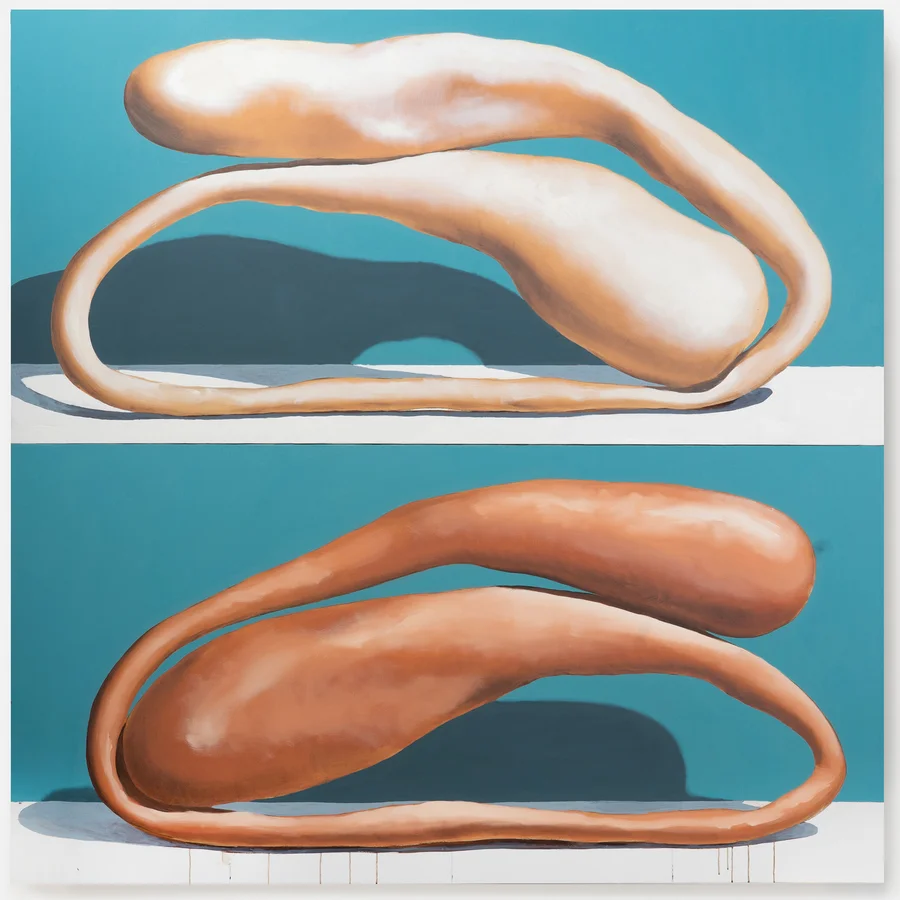
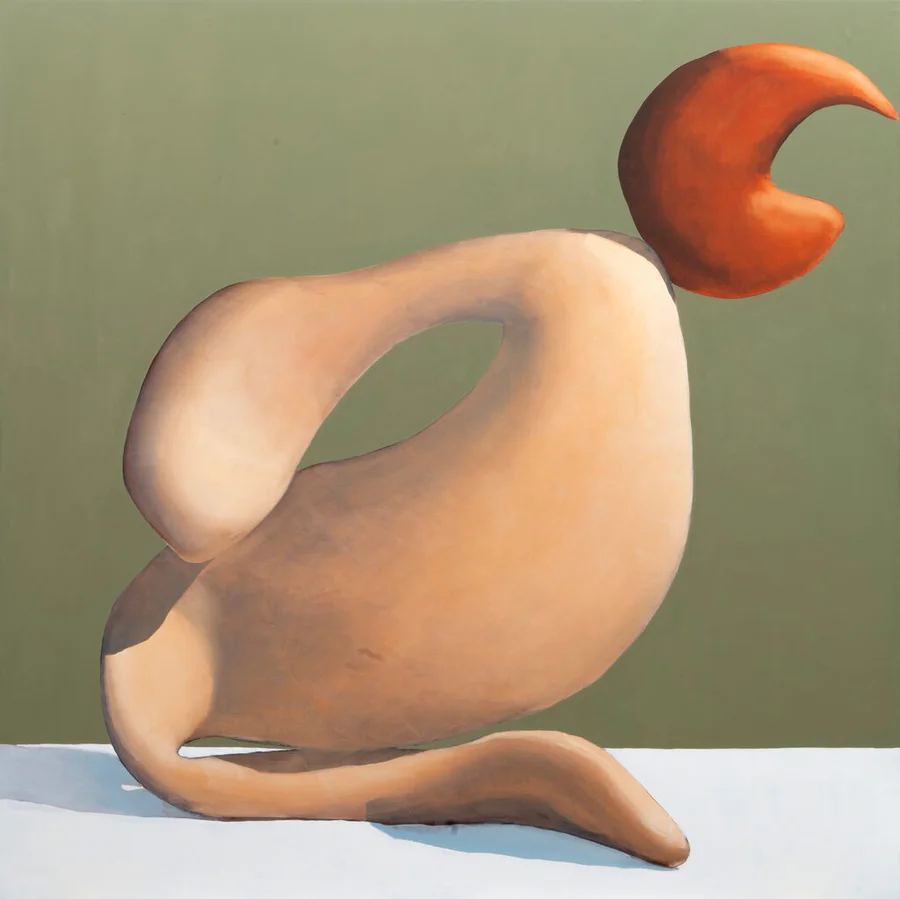
At Mai 36 Galerie, Michel Pérez Pollo’s exhibition “Double Gaze“ invites visitors to slow down and question what they think they see. Built around the idea of repetition and duplication, the exhibition presents paintings in which familiar forms appear twice, close enough to feel identical, yet different enough to create a sense of uncertainty. It is a deceptively simple concept that quickly becomes a fascinating exercise in observation.
Born in Cuba and now based in Madrid, Pérez Pollo has developed a practice that transforms ordinary objects into something slightly surreal. For this body of work, he begins by creating small clay models before translating them into large-scale paintings. Along the way, proportions shift, details soften, and forms take on a dreamlike quality. What emerges are images that feel recognizable and unfamiliar at the same time.
The exhibition’s title, “Double Gaze,” captures this experience perfectly. Viewers are encouraged to look once, then look again. The works resist immediate interpretation, revealing subtle distinctions between paired subjects that challenge ideas of originality, memory, and perception. Is one image the original and the other a copy? Are they two versions of the same reality? Pérez Pollo never fully answers these questions, allowing the uncertainty itself to become part of the artwork.
What makes this exhibition especially memorable is its quiet confidence. Rather than relying on spectacle, it draws visitors into a slower, more attentive way of seeing. In an era saturated with endless images, “Double Gaze” reminds us that careful looking can still be a meaningful act. It is an exhibition that rewards patience, and proves that sometimes the smallest differences can completely change the way we understand what is in front of us.
Why it’s worth seeing: Few exhibitions this year explore the relationship between perception and reality with such elegance. Pérez Pollo’s paintings encourage viewers to trust their eyes a little less and their curiosity a little more.
2. A Powerful Conversation Between Teacher and Student
Exhibition: “Sometimes a Straight Line Has to Be Crooked” by James Jarvaise and Henry Taylor
Venue: Hauser & Wirth, Zürich
Dates: June 12–September 5, 2026
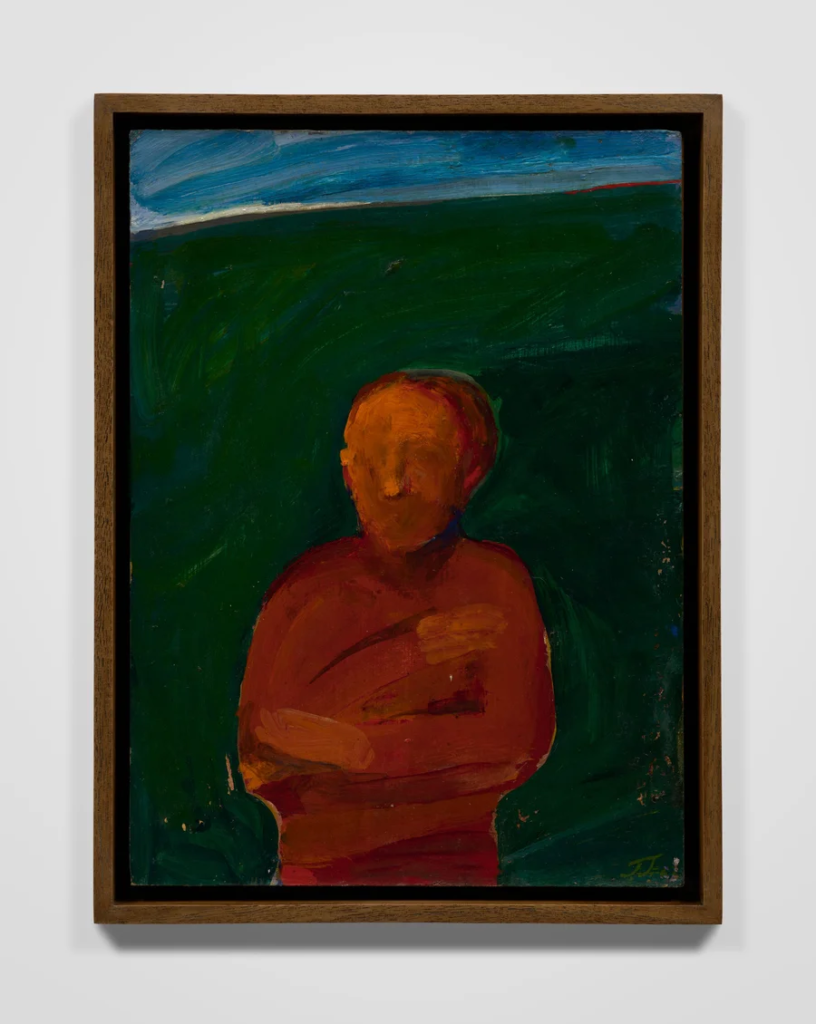
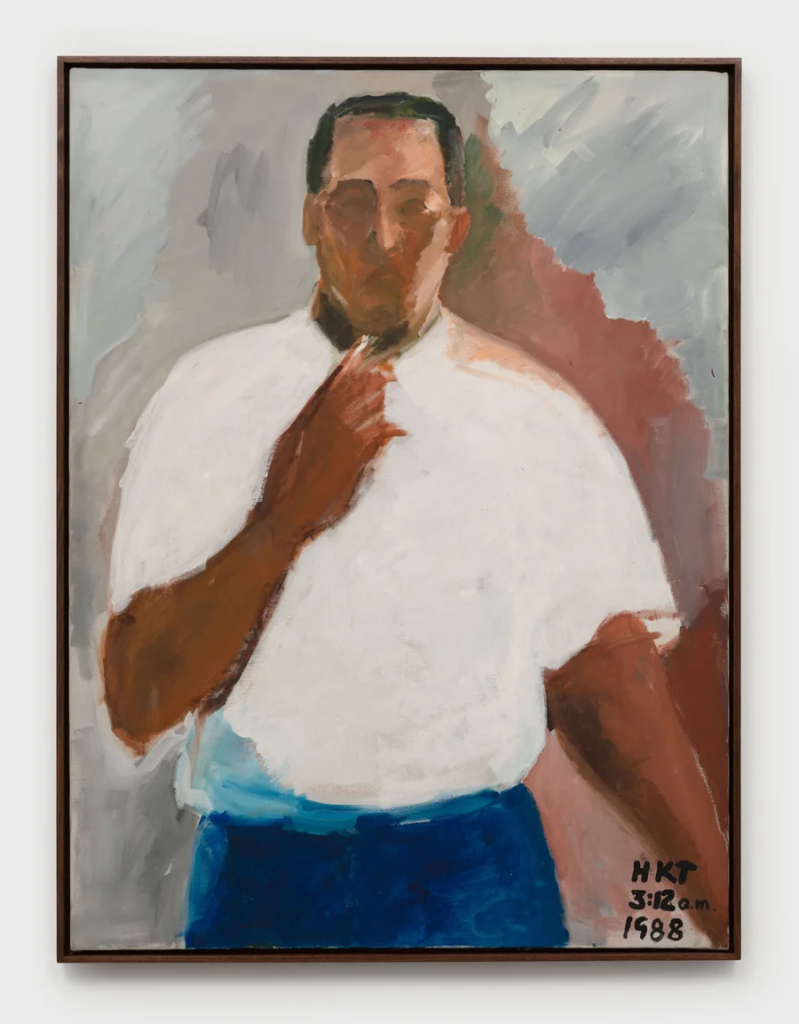
Some exhibitions introduce us to a single artist. Others reveal the relationships that shape artistic careers. “Sometimes a Straight Line Has to Be Crooked” does the latter, bringing together the work of celebrated contemporary painter Henry Taylor and his former teacher, James Jarvaise, in a rare cross-generational dialogue.
For many visitors, Taylor’s name will already be familiar. Over the past decade, he has become one of the most influential painters working today, known for his deeply personal portrayals of everyday life and his ability to capture the humanity of his subjects. Less widely known is the artist who helped shape his early creative journey. James Jarvaise spent decades teaching in California, quietly influencing generations of artists while maintaining a practice that often remained outside the spotlight.
The exhibition places their works side by side, allowing viewers to trace both similarities and differences. Jarvaise’s paintings are thoughtful and restrained, often built around structure, geometry, and landscape-inspired abstraction. Taylor’s works, by contrast, pulse with narrative, emotion, and social observation. Yet despite their distinct visual languages, there is a shared sensitivity to painting itself, a belief in the power of line, composition, and observation.
What makes this exhibition particularly moving is the story behind it. It offers a reminder that artistic legacies are rarely created in isolation. Behind many celebrated artists are teachers, mentors, and influences whose contributions deserve recognition. Rather than presenting art history as a series of individual achievements, this exhibition highlights the relationships that help shape creative lives.
Visitors may arrive expecting to see Henry Taylor’s work, but they are likely to leave with a newfound appreciation for Jarvaise as well. Together, their paintings create a compelling conversation about learning, influence, and the ways artistic ideas evolve across generations.
Why it’s worth seeing: Few exhibitions offer such an intimate look at the connection between mentorship and artistic development. It’s a rare opportunity to see how two distinct voices can remain connected through a shared commitment to painting.
3. Small Drawings, Big Questions About Reality
Exhibition: “Pastels” by Adam Cruces
Venue: Blue Velvet, Zürich
Dates: June 11–September 5, 2026
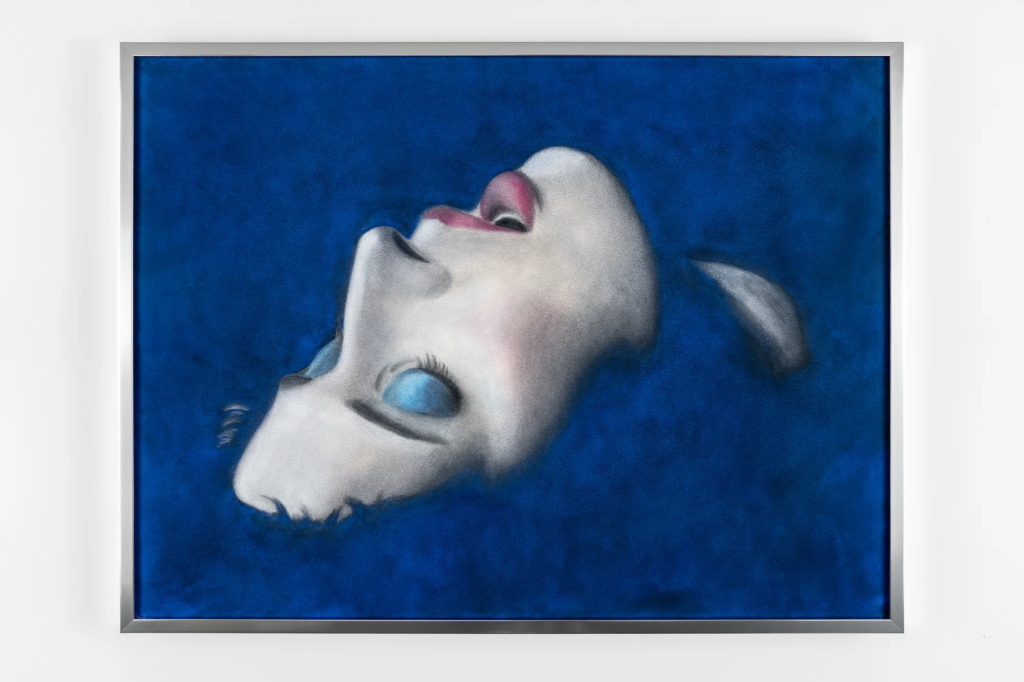
Not every exhibition demands attention through scale. Adam Cruces’s “Pastels“ proves that some of the most compelling artistic experiences can emerge from works that ask viewers to come closer rather than step back.
Presented at Blue Velvet, the exhibition brings together a large collection of small pastel drawings that range from landscapes and interiors to faces, animals, film references, and fleeting everyday moments. At first glance, the works may appear disconnected, almost like pages torn from different stories. But as visitors move through the exhibition, patterns begin to emerge, creating a visual rhythm that feels both personal and universal.
Cruces approaches image-making in a way that mirrors how many of us experience the world today, not as a single, coherent narrative but as a series of fragments, memories, and observations. A room, a gesture, a face, a scene from a film: each drawing captures a moment that feels familiar, yet difficult to fully place. Together, they create an experience that is less about storytelling and more about association.
What makes “Pastels” particularly engaging is its openness. Rather than guiding viewers toward one interpretation, Cruces leaves space for individual connections to form. The exhibition feels almost like stepping inside someone’s visual diary, where personal references coexist with cultural images and everyday observations. The result is intimate without being confessional and thoughtful without feeling overly structured.
In a cultural moment dominated by endless streams of images, Cruces encourages a different pace. His drawings ask us to pause, reflect, and consider how meaning is built from fragments rather than certainty. It is a subtle exhibition, but one that lingers long after you leave.
Why it’s worth seeing: For anyone interested in memory, visual culture, and the way images shape our understanding of the world, “Pastels” offers a thoughtful and deeply contemporary experience.
4. Why Marisol Deserves a Place Back in the Art History Conversation
Exhibition: Marisol
Venue: Kunsthaus Zürich
Dates: Through August 23, 2026
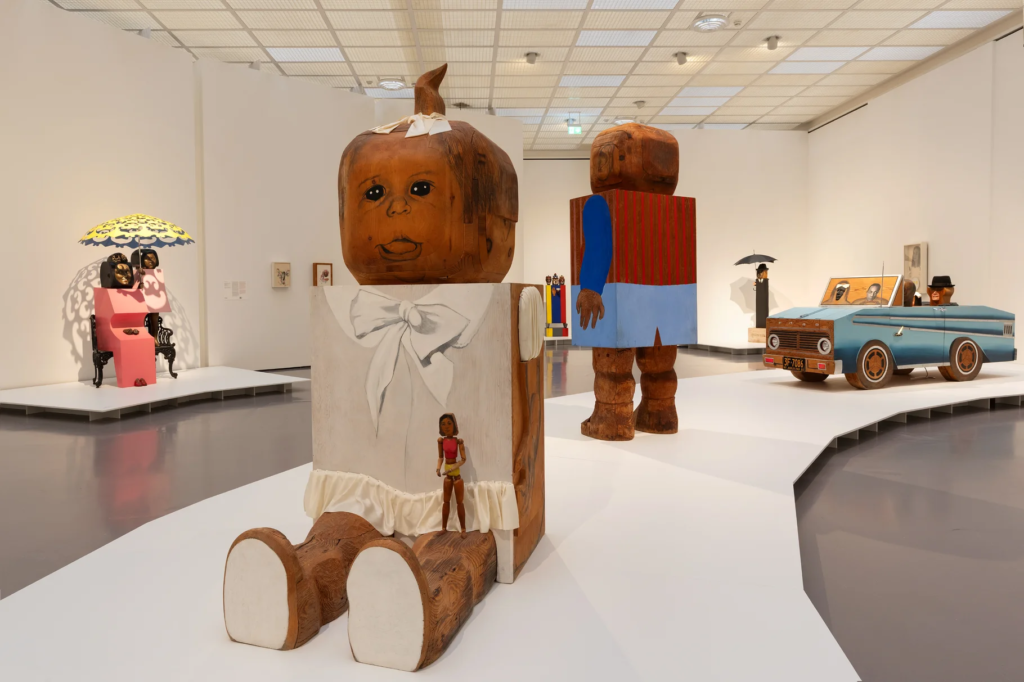
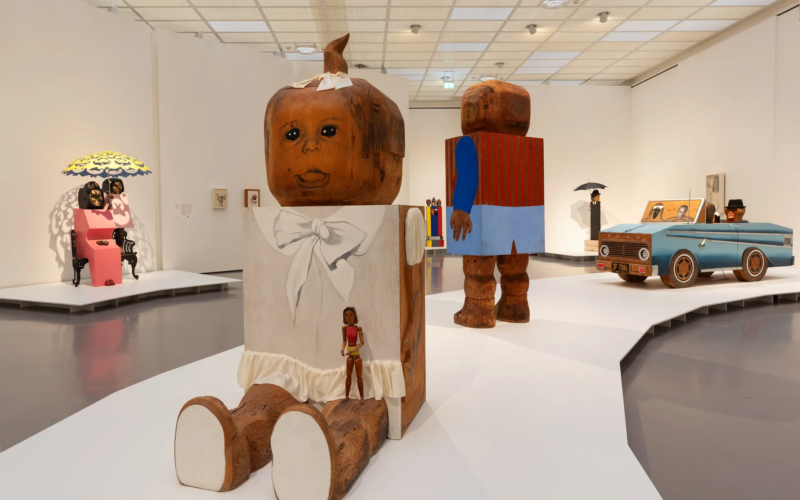
Some exhibitions introduce audiences to new artists. Others invite us to reconsider figures who should never have been overlooked in the first place. The major retrospective Marisol at Kunsthaus Zürich does exactly that, offering a timely reexamination of one of the most distinctive artists of the twentieth century.
Marisol, born María Sol Escobar, was a prominent presence in New York’s art scene during the 1960s. Her work attracted widespread attention, and even some of the era’s most influential artists admired her unique approach. Yet over time, her name gradually faded from mainstream art history discussions. This exhibition seeks to correct that imbalance by presenting a comprehensive look at her remarkable career.
Moving through the galleries, visitors encounter the artist’s signature sculptural works, life-sized figures constructed from carved wood, painted surfaces, found objects, and cast elements. These sculptures are playful, theatrical, and often surprisingly humorous. Politicians, celebrities, socialites, and everyday individuals appear transformed into exaggerated characters that challenge viewers to think about identity, performance, and public image.
What makes Marisol’s work feel so contemporary is her ability to combine sharp social observation with visual experimentation. Long before conversations about representation and self-image became central to contemporary art, she was creating works that questioned how people present themselves and how society assigns meaning to those presentations. Many of her sculptures even incorporate versions of her own face, further blurring the boundaries between artist, subject, and observer.
Beyond the iconic sculptures, the retrospective also traces the evolution of her practice across decades, revealing an artist who continually reinvented herself while remaining committed to exploring the complexities of human behavior. The exhibition offers a fuller picture of her achievements and demonstrates why her influence extends far beyond the Pop Art movement with which she is often associated.
Why it’s worth seeing: As the first major European survey of Marisol’s work, this exhibition provides a rare opportunity to rediscover an artist whose contributions feel every bit as relevant today as they did more than half a century ago. It is both a celebration and a long-overdue reassessment of a pioneering creative voice.
5. Finding Beauty in the Things Most People Overlook
Exhibition: “Not-Yets” by Hana Miletić
Venue: Galerie Tschudi, Zürich
Dates: On view during Zürich Art Weekend 2026
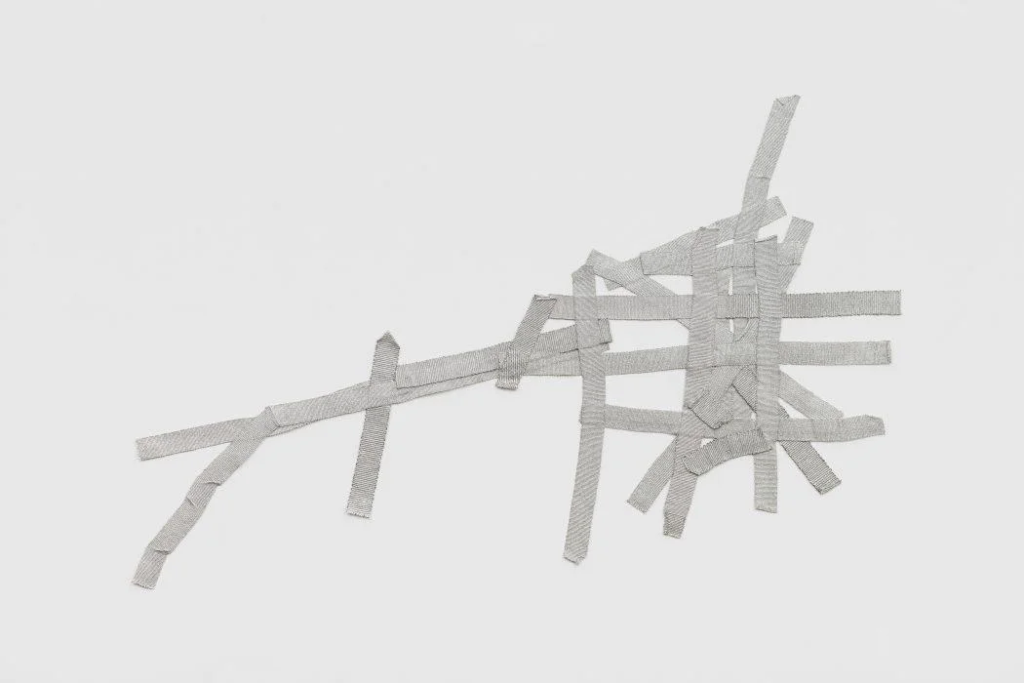
Most people walk past a crack in the pavement without giving it a second thought. Hana Miletić sees something else entirely. In “Not-Yets,” the Croatian artist transforms overlooked signs of wear, repair, and maintenance into intricate woven artworks that ask us to reconsider the everyday environments we inhabit.
Miletić’s process begins with observation. She photographs small interventions in public spaces, patched walls, repaired fences, fractured sidewalks, and improvised fixes that reveal evidence of care and resilience. These seemingly ordinary moments then become the basis for large handwoven textiles, painstakingly created thread by thread. What might have been a quick glance on a city street is transformed into an artwork that demands time, attention, and reflection.
The exhibition’s title, “Not-Yets,” feels especially fitting. Rather than focusing on completion or perfection, Miletić draws attention to things that are still in transition. Her works celebrate repair rather than replacement, highlighting the quiet labor that often goes unnoticed in modern life. In doing so, she challenges conventional ideas about value and permanence, asking viewers to see maintenance as a creative act rather than merely a practical necessity.
There is also something deeply human about these textiles. Every woven surface carries evidence of patience and care, mirroring the acts of repair that inspired them. The artist’s slow, deliberate process becomes a form of respect for the people and places represented in her work. What emerges is not simply a record of urban infrastructure but a meditation on community, resilience, and the traces people leave behind.
At a time when contemporary culture often prioritizes the new and the polished, “Not-Yets” offers a refreshing alternative. Miletić reminds us that imperfections can tell important stories, and that beauty is often found in the marks of use, adaptation, and survival.
Why it’s worth seeing: Few artists elevate everyday acts of repair into something so visually compelling and emotionally resonant. “Not-Yets” encourages viewers to look more carefully at the world around them and discover significance in places they might otherwise overlook.
6. When Functional Objects Start Feeling Like Living Characters
Exhibition: “It’s All a Big Mystery” by Carmen D’Apollonio
Venue: Tobias Mueller Modern Art, Zürich
Dates: June 12–August 29, 2026
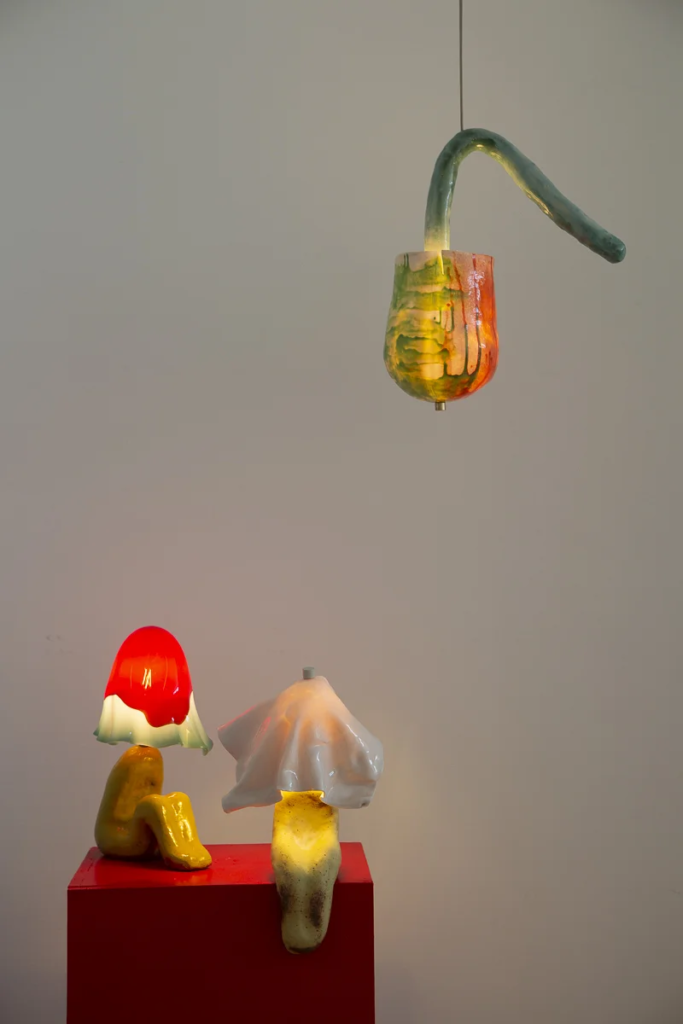
Design and sculpture often occupy separate worlds, but Carmen D’Apollonio has built a career exploring the space between them. In “It’s All a Big Mystery,“ the Zürich-born artist presents a series of ceramic lamps that are as expressive as they are functional, transforming everyday objects into playful personalities.
At first glance, the works resemble lighting fixtures. Look a little longer, however, and they begin to feel almost human. Some lean awkwardly to one side, others appear to stretch, bend, or balance in unexpected ways. Their asymmetrical forms give each piece its own character, making the exhibition feel less like a display of objects and more like a gathering of individuals sharing a room.
What makes D’Apollonio’s practice particularly compelling is her willingness to embrace imperfection. Rather than pursuing sleek, industrial precision, she allows irregularities to become part of the work’s charm. Curves bulge where viewers might expect straight lines, surfaces shift unexpectedly, and proportions often feel delightfully unconventional. These decisions bring a sense of spontaneity and humor to the exhibition, encouraging visitors to engage with the works emotionally rather than simply admire their craftsmanship.
The artist’s background offers insight into this approach. Before focusing on ceramics, D’Apollonio worked in the film industry and later assisted renowned artist Urs Fischer. That experience is evident in the theatrical quality of her sculptures. Each lamp feels like a character caught mid-performance, frozen in a moment of expression.
Beneath the exhibition’s playful exterior lies a deeper question about how we relate to the objects around us. By giving functional pieces a sense of presence and personality, D’Apollonio blurs the boundary between utility and art. The result is an exhibition that feels both whimsical and surprisingly thought-provoking.
Why it’s worth seeing: Few artists bring so much warmth and humor to contemporary sculpture. “It’s All a Big Mystery” reminds us that art doesn’t always have to be serious to leave a lasting impression, and that sometimes the most memorable works are the ones that make us smile.
7. Myth, Ritual, and Transformation Take Shape in Lily Ludlow’s Paintings
Exhibition: “Hunting the Wren” by Lily Ludlow
Venue: Grieder Contemporary, Küsnacht (Zürich)
Dates: June 12–September 25, 2026
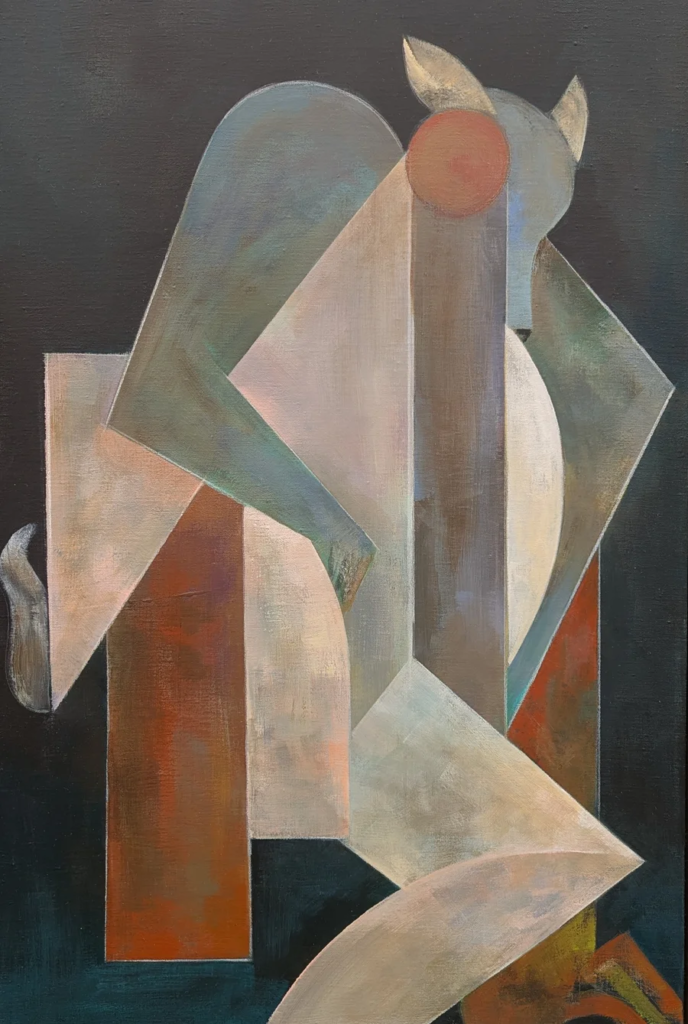
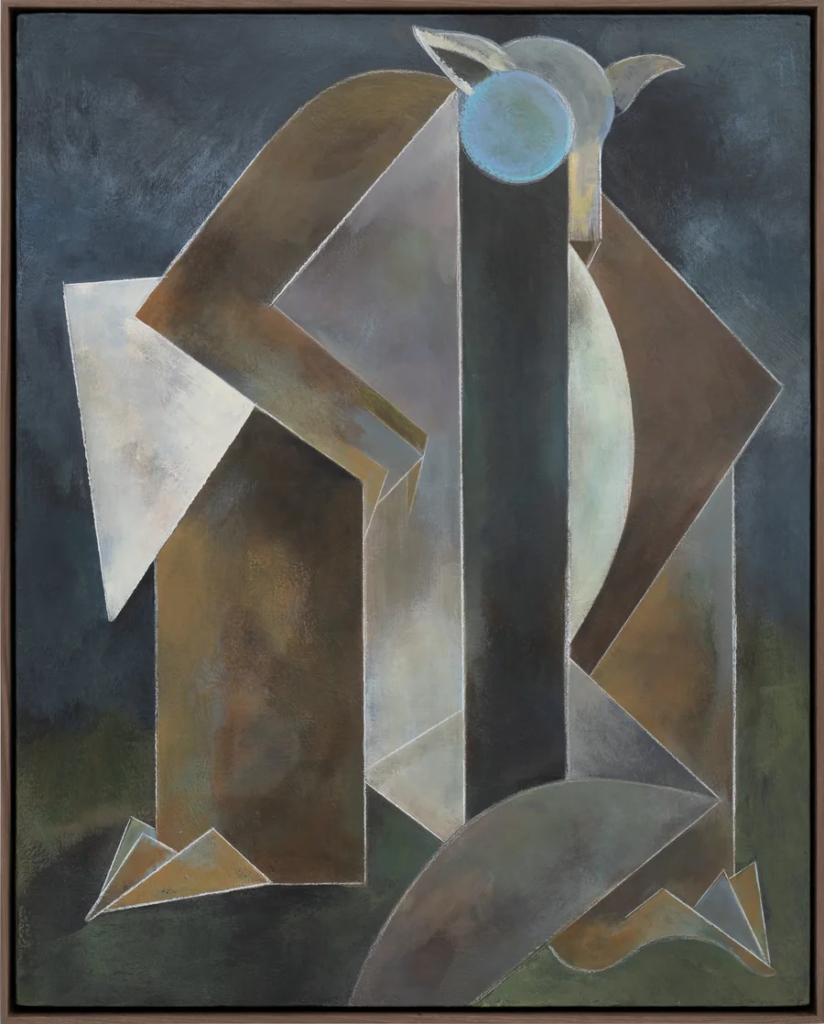
There is something quietly mysterious about Lily Ludlow’s paintings. In “Hunting the Wren,” figures emerge from swirling patterns, animals appear as symbolic companions, and decorative forms blend seamlessly with the bodies that inhabit her canvases. The result is a world that feels suspended somewhere between mythology, ritual, and dream.
Born in Los Angeles and now based in New York, Ludlow creates richly layered paintings that reward slow looking. Her surfaces are built through the accumulation of acrylic, chalk, and graphite, giving each work a textured quality that feels both delicate and substantial. Rather than depicting straightforward narratives, she constructs scenes filled with ambiguity, inviting viewers to create their own interpretations.
Throughout the exhibition, recurring motifs connect one painting to the next. Human figures bend and stretch into graceful, looping forms that echo patterns found in decorative arts, architecture, and dance. These repeated curves create a visual rhythm that gives the paintings a sense of movement, as though the subjects are participating in a ceremony that exists just beyond our understanding.
The exhibition takes its title from an old Celtic folk tradition involving the ceremonial hunting of a wren, a ritual associated with themes of sacrifice, renewal, and transformation. While Ludlow does not directly illustrate this story, its atmosphere permeates the exhibition. Animals, gardens, and symbolic figures appear throughout the works, creating a sense of ancient storytelling filtered through a contemporary lens.
What makes “Hunting the Wren” particularly captivating is its ability to balance beauty with mystery. The paintings never reveal everything at once. Instead, they unfold gradually, encouraging viewers to return to them again and again in search of new details and meanings.
Why it’s worth seeing: For those drawn to symbolism, folklore, and richly imaginative painting, “Hunting the Wren” offers one of the most visually enchanting experiences of Zürich Art Weekend. It is an exhibition that celebrates the power of mystery and reminds us that some artworks are most rewarding when they leave questions unanswered.
8. Reimagining Strength Through Performance and Participation
Exhibition: “Caryatids Go for a Swim” by Katja Schenker
Venue: Museum Haus Konstruktiv, Zürich
Dates: Through September 6, 2026
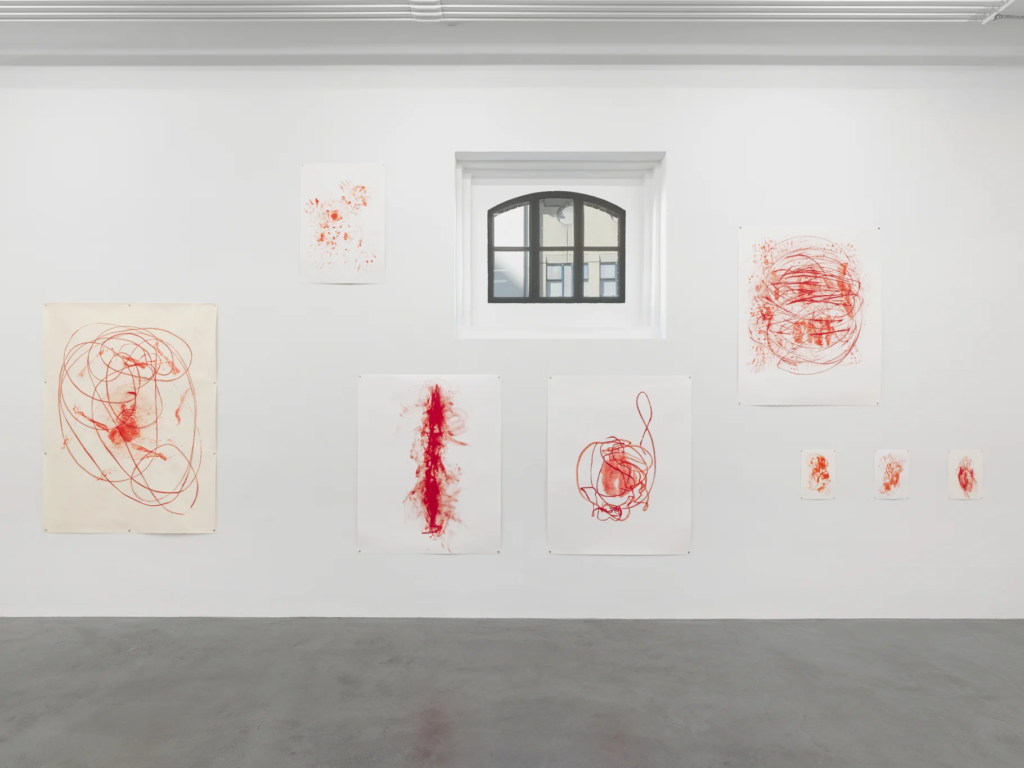
Some exhibitions ask visitors to observe. Katja Schenker’s “Caryatids Go for a Swim“ asks them to think about movement, labor, and the body itself. Presented at Museum Haus Konstruktiv, the exhibition combines performance, drawing, installation, and video to explore what happens when physical action becomes a form of artistic expression.
The exhibition takes its name from the caryatids of classical architecture, sculpted female figures traditionally used as columns to support buildings. Schenker reimagines these historical symbols in a contemporary context, asking a simple yet powerful question: what happens when those figures are no longer burdened by the weight they are expected to carry?
This idea comes to life most dramatically through the exhibition’s performance component. During the opening presentation, performers interacted with the museum’s towering pillars by throwing balls of string between one another, gradually creating a complex web-like structure that stretched across the space. What began as a simple gesture evolved into a constantly changing installation shaped by collaboration, movement, and chance.
The theme of physical presence continues throughout the exhibition’s drawings. In a series of striking works, Schenker used her own body as both tool and subject, pressing herself against paper before extending the resulting impressions with energetic marks and lines. These works blur the boundaries between performance and image-making, preserving traces of movement long after the action itself has ended.
Videos documenting earlier performances further reveal the artist’s ongoing interest in gravity, tension, materiality, and the relationship between bodies and space. Whether working with rope, wood, string, or paint, Schenker consistently transforms ordinary materials into experiences that feel both immediate and deeply symbolic.
What makes “Caryatids Go for a Swim” particularly memorable is its sense of liberation. Rather than presenting the body as something fixed or passive, Schenker treats it as a force capable of shaping environments, creating connections, and challenging established structures.
Why it’s worth seeing: As both a major survey of Schenker’s practice and a celebration of Museum Haus Konstruktiv’s expanded spaces, this exhibition offers visitors an opportunity to experience contemporary art that is active, participatory, and impossible to reduce to a single medium. It is a powerful reminder that art can be something we do, not just something we look at.
Zürich Art Weekend 2026 proves that some of the most exciting conversations in contemporary art are happening beyond the walls of major fairs. From Michel Pérez Pollo’s meditations on perception to Katja Schenker’s dynamic performances, these exhibitions demonstrate the extraordinary range of ideas, materials, and perspectives shaping today’s art world. Whether you’re drawn to painting, sculpture, textiles, performance, or interdisciplinary experimentation, this year’s program offers countless opportunities to encounter art that challenges, surprises, and inspires. More importantly, it reminds us that the best exhibitions don’t simply show us something new, they change the way we see.
And if you’re interested in how artists have captured fleeting moments of beauty throughout history, you may also enjoy our exploration of sunset paintings that continue to captivate viewers across generations: 10 Sunset Paintings That Make You Fall in Love With Evening Again.
Which of these exhibitions would you most love to see in person?