

Watch & Listen to this podcast Episode.
At the Arts to Hearts Project, our world has always revolved around artists their stories, their process, their struggles, their resilience, and the deeply human experiences that shape what they create. Over the years, through conversations with artists, collectors, curators, and creatives from around the world, one thing has remained constant: art is never just about the final work. It’s about the life behind it. The emotions, memories, doubts, and transformations that quietly find their way onto the canvas.
And somewhere along the way, something beautiful happened.
You happened.
You wrote in. You shared episodes with friends. You sent us long, thoughtful, generous messages about how a single conversation changed the way you thought about your work, your pricing, your confidence, or even your place in the art world. What started as a podcast slowly became a growing community of people trying to build more honest, sustainable, and meaningful creative lives.
And now, after five incredible seasons, we’re excited to return with Season 6 of the Arts to Hearts Podcast hosted by Charuka Arora.
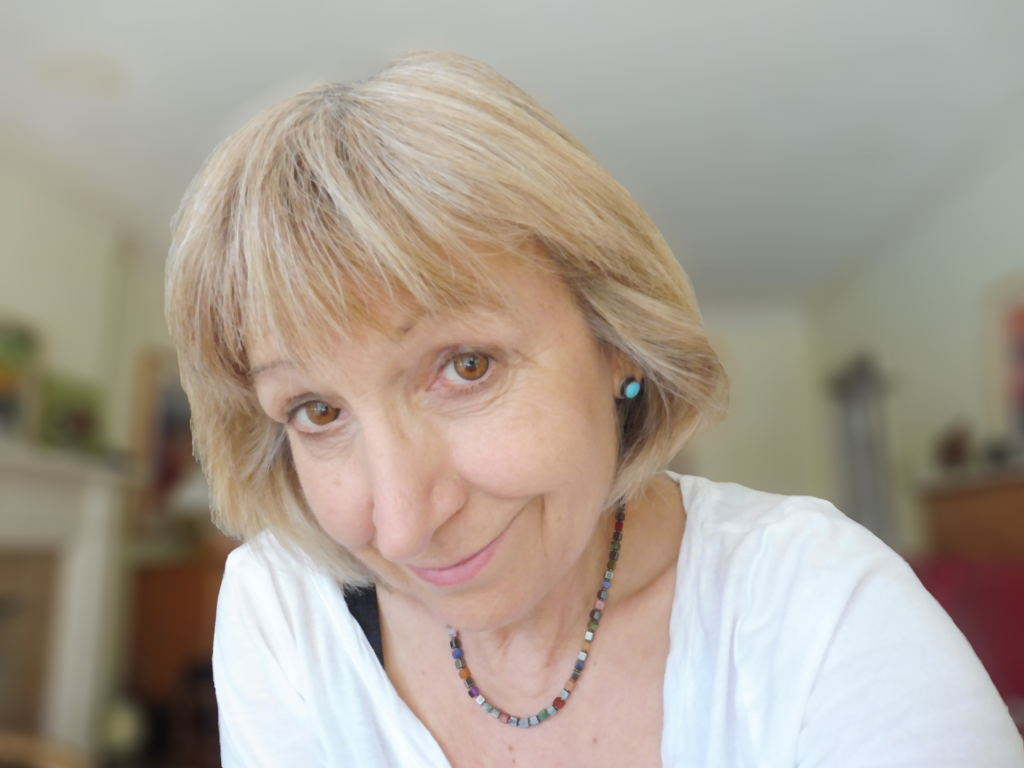
To begin this new season, we couldn’t have asked for a better conversation to start with. Charuka Arora is joined by Will Ramsay, the founder of Affordable Art Fair and someone she genuinely wanted to bring onto the podcast for years.

Twenty-five years ago, Ramsay did something the traditional art world found almost embarrassing. He put price tags next to artworks.
At the time, galleries often felt intimidating, exclusive, and difficult to navigate for ordinary people. Prices were hidden, conversations felt formal, and many visitors walked into art spaces already feeling like they didn’t belong there. Ramsay questioned all of it.
That question eventually became the Affordable Art Fair — a fair built around the idea that art should feel approachable, welcoming, and accessible to everyone, not just seasoned collectors or insiders.
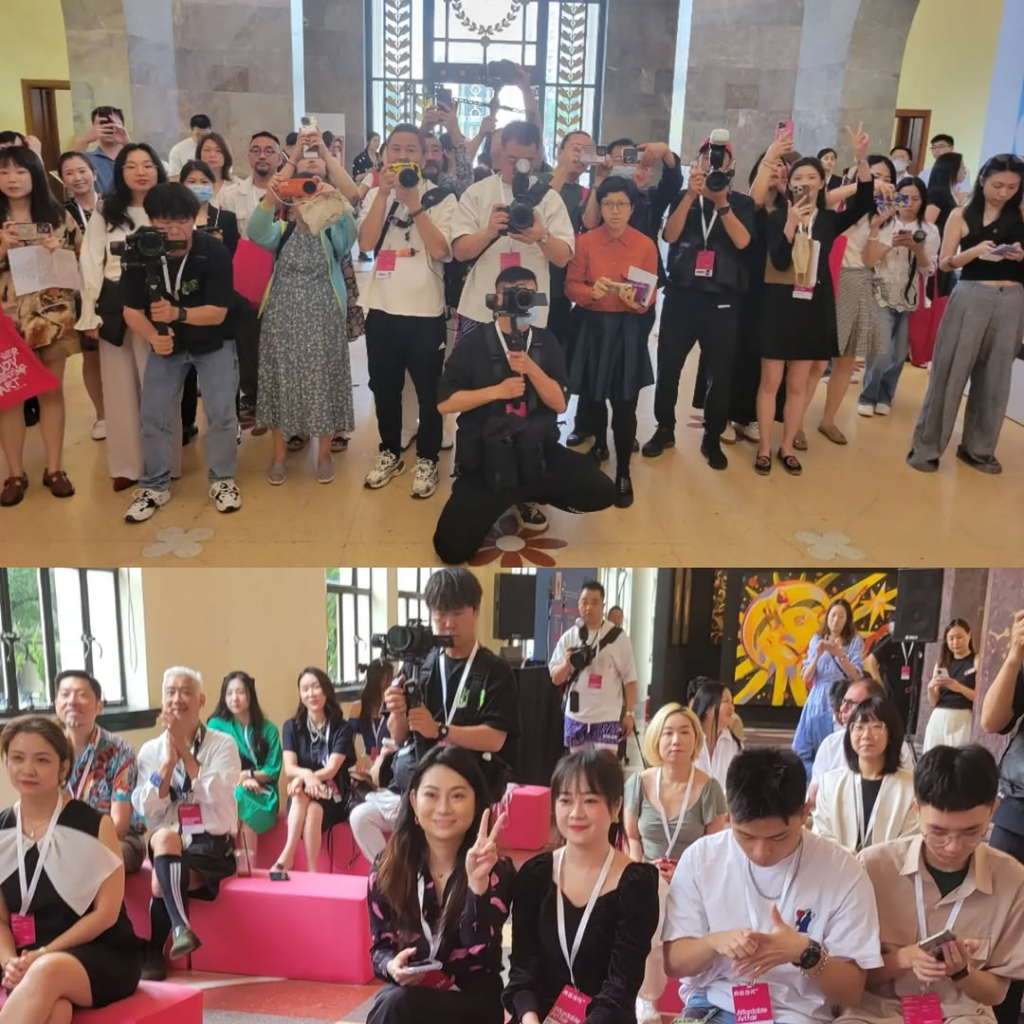
Today, Affordable Art Fair runs across 16 cities globally and has welcomed millions of visitors through its doors, helping countless people buy their first artwork while supporting thousands of living artists along the way.
So, If you’ve ever walked into an art fair and felt comfortable enough to ask questions, look around freely, or even think about buying your first artwork without feeling intimidated, there’s a good chance that the influence of the Affordable Art Fair has reached you in some way.
Maybe the Problem Was Never the Art
One story Ramsay shares during the episode explains the entire philosophy behind the fair.
A friend of his attended an art fair hoping to buy work for his home. After asking the price of a few pieces and realizing they were far beyond his budget, he became too uncomfortable to continue asking and eventually left without buying anything.
That moment stayed with Ramsay because it revealed something important: people weren’t disconnected from art because they lacked interest. They were disconnected because the experience itself made them feel excluded.
Affordable Art Fair changed that dynamic by removing some of the invisible barriers surrounding art spaces. And perhaps that’s why the fair resonated globally.
Not simply because works were more affordable, but because the environment itself became less intimidating.
The Price Tags Made the Room Feel Friendlier
One of the most fascinating things about the Affordable Art Fair is how simple the original idea actually was. Visible prices. That’s it. No guessing games. No awkward conversations. No pretending to already understand how everything worked.
Ramsay explains during the conversation that he never understood why art spaces couldn’t feel as welcoming as bookstores, restaurants, or shops where people comfortably browse, ask questions, and explore without fear of embarrassment.
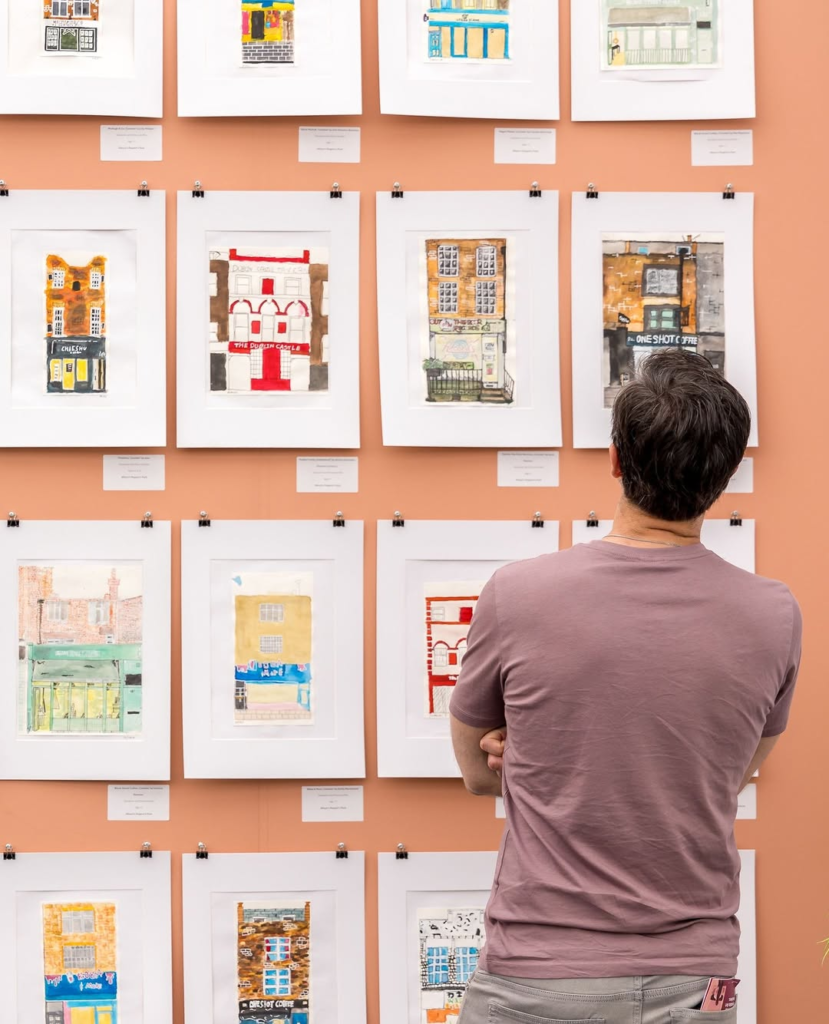
And that small shift changed far more than sales. It changed the emotional experience of being around art. Suddenly people could imagine themselves buying something one day, even if they weren’t collectors yet. They could look around without pressure. They could ask questions without feeling judged.
In many ways, Affordable Art Fair didn’t just make art more affordable. It made the art world feel less intimidating.
People Don’t Connect to Art Through Logic Alone
Throughout the conversation, Ramsay keeps returning to one idea again and again:
People buy art emotionally. Not because they perfectly understand art theory. Not because they can academically explain every painting. But because something connects with them.
As he says during the episode:
“Buying art is about emotion, feeling, and stories.”
Will Ramsay
That perspective completely changes the way he talks about collectors and audiences.
Some people walking into fairs are nervous first-time visitors trying to understand whether they even belong there. Some are first-time buyers slowly building confidence. Others are collectors who continue buying work long after their walls are full because supporting artists has become part of who they are.
That distinction becomes one of the most insightful parts of the conversation. At one point, Ramsay mentions receiving an exhibition invitation that said:
“If you’ve got empty walls, come along.”
Will Ramsay
Immediately, he noticed the problem. That sentence speaks to someone decorating a room. It doesn’t speak to collectors emotionally invested in artists themselves.
It’s such a small observation, but it reveals something important about how audiences engage with art today. People aren’t always buying because they need something to hang. Often they’re buying because they want connection, meaning, memory, or simply the feeling of living around work that moves them.
The Algorithm Trained Us to Want Quick Wins
Another part of the discussion that feels especially relevant right now is Ramsay’s honesty about artistic careers. Social media has made creative success feel immediate. One viral post. One sold-out exhibition. One successful fair.
But Ramsay repeatedly pushes against that idea. According to him, audiences usually need time to build familiarity with an artist’s work.
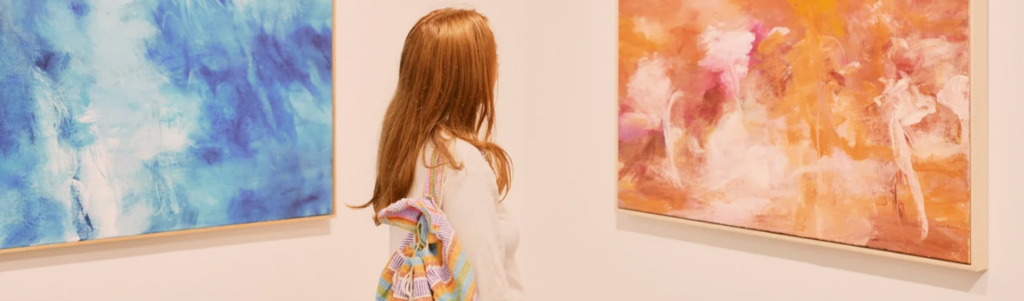
The first year they notice you. The second year they remember you. The third year they come back ready to buy. That slower timeline runs against almost everything the internet teaches artists today, which is probably why this part of the conversation feels so refreshing.
It’s a reminder that most creative careers are built gradually through consistency, visibility, relationships, and trust. Not instant momentum.
Art Feels Better When People Aren’t Intimidated
What makes this conversation between Charuka Arora and Will Ramsay so engaging is that it never really feels like a conversation about business alone. It becomes a conversation about people.
About nervous first-time buyers. About artists trying to build sustainable careers. About collectors searching for emotional connection. About why so many ordinary people love art but still feel intimidated by the spaces surrounding it. And maybe that’s the real reason Affordable Art Fair resonated with so many people around the world. Not simply because it made art more affordable. But because it made people feel welcome enough to finally walk through the door.
If You Take One Thing From This Episode…
You are allowed to do the thing the art world says shouldn’t be done.
Put a price tag where one has never been. Commit to a market for three years before deciding it does not want you. Write your captions like every kind of buyer is welcome. Refer the collector back to the gallery, even when it costs you a sale. Engage on your stand. Wear comfortable shoes. Practice talking about your work in the mirror until it stops feeling weird.
That is basically the whole episode.
Will Ramsay built a front door in 1999 that nobody else had thought to build. Twenty-five years later, four million people have walked through it. And the only reason any of it exists is because somebody the art world had already rejected decided his rejection was not a verdict.
Watch the full conversation to hear more about the story behind the Affordable Art Fair and Ramsay’s perspective on making the art world feel more accessible for everyone.
Listen to this & other episodes on