


Why Your Artwork Isn’t Selling (And Fix It)

👁 157 Views
Ever notice how making art feels like the most natural thing in the world, but selling it feels like learning a whole new language? You can spend weeks in the studio, totally in the zone, and come out with something you know has heart and soul. Then the big moment comes, you put it out there, and… silence. It’s not that the work isn’t good, it’s that the path between your art and the people who would love it is full of hidden potholes.
The hardest part for emerging artists isn’t the creating, it’s the connecting. Buyers don’t just stumble into your studio with their wallets open. They need an invitation, a reason to pause, a little nudge that says, “This piece belongs with you.” Without that bridge, even the most powerful artwork can end up sitting unseen.
And when nothing happens? Your brain jumps to the worst-case scenario. Maybe you tell yourself the colors weren’t right, or your style isn’t “in,” or you’ll never figure out social media like the artists who seem to sell out overnight. That spiral is real, but it’s also misleading. Nine times out of ten, it’s not about your talent, it’s about the systems around your art.
The good news is, those systems are buildable. They’re not giant marketing machines reserved for galleries or full-time professionals, they’re simple shifts that any artist can start with: better ways to show your work, clearer pricing, smarter platforms, and more authentic storytelling.
So instead of wondering if your art is good enough, let’s flip the question: how do we make sure the right people see it, fall in love with it, and feel confident bringing it home? That’s what this guide is here to unpack.
We’re diving into the real reasons artwork sometimes struggles to sell, the sneaky blocks between you and your buyers, and practical steps you can take right now to turn visibility into actual sales. And no, it doesn’t involve changing who you are as an artist, it’s about amplifying the brilliance that’s already there.

Wait… People Actually Buy This Stuff?
Let’s be real. Sometimes selling your own art feels like a strange dream. You’ve spent hours, days, maybe weeks on a piece, and suddenly your brain whispers, “Who would actually pay for this?” It’s almost hilarious how insecure we can feel about work that took our heart and sweat to make.
But here’s the truth: people do buy art. The trick is getting them to see it as theirs. If they can imagine it hanging in their home, brightening a corner, or sparking a conversation, they’re halfway to opening their wallet. Your job isn’t just creating, it’s helping someone connect emotionally with your work.
Think of it like matchmaking. Your art isn’t a wallflower. It needs the right context, the right person, and a little charm in the way you present it. No stalking required, just thoughtful exposure.
That means your social media, emails, or in-person chats are all part of the sales journey. Sharing your process, snippets of studio life, or tiny stories behind the piece makes it feel human and relatable. People don’t just buy objects, they buy experiences and meaning.
Emerging artists often assume good work sells itself. Spoiler alert: it doesn’t. Even the most breathtaking piece won’t generate interest if it stays hidden in a folder or sits quietly on a shelf. Visibility is everything, and it’s easier than you think to increase.
The exciting part? Once you embrace that selling is part of the creative process, it can actually feel fun. You’re not forcing anyone to buy anything, they’re discovering your world, one image, story, or conversation at a time. That’s the first step to transforming curiosity into sales.
Stop Hiding Your Art Like It’s Embarrassing
If your work is tucked away in folders, on a dusty shelf, or behind a “coming soon” post, buyers can’t see it. It’s that simple. The more you hide it, the longer it takes for anyone to fall in love with it.
Your art deserves to be shown off in all its glory. High-resolution images, clean backgrounds, and captions that reflect your personality can make a huge difference. Don’t just post and hope, it’s not magic; it’s strategy.
Show the story behind the piece. Tiny process shots, your messy studio, or even your morning coffee next to the painting humanizes you and creates connection. Buyers want to feel like they know the artist, not just the object.
Visibility isn’t bragging. It’s giving your audience a chance to choose your art for themselves. If they don’t see it, they can’t love it, and they certainly can’t buy it. That gap is where sales disappear.
Consistency matters more than perfection. Showing up regularly on social media, newsletters, or local events builds trust and familiarity. Over time, those small nudges add up to interest and eventually, sales.
Finally, remember: your art has value, and it deserves to be seen. Think of it like a VIP event, you’re inviting people into your world, and the more doors you open, the bigger the crowd that notices you.
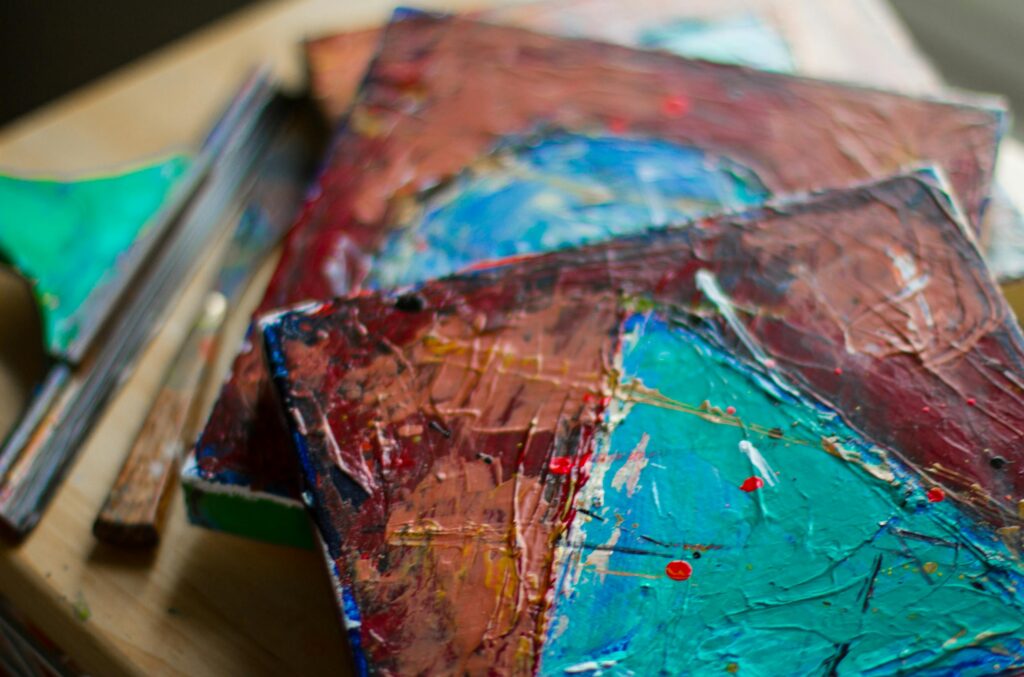
Your Photos Are Probably Lying to People
Bad photos are sneaky sales killers. That vibrant painting? It can look dull and flat if your lighting is off or your angles are wrong. People aren’t buying the piece, they’re buying the impression of the piece.
Good photos are like a silent salesperson. They convey quality, professionalism, and care without you saying a word. Natural light, clean backgrounds, and multiple angles make your work irresistible.
Show scale. A small painting in someone’s hand or a medium piece on a wall beside a chair helps buyers imagine it in their own space. Context makes art feel tangible and attainable.
Close-ups aren’t optional, they’re essential. Textures, brushstrokes, and unique details allow people to connect to the craft, not just the image. These intimate shots can trigger that “I need this” moment.
Editing is fine, but don’t overdo it. Colors should reflect reality, not fantasy. No one likes disappointment, and accurate representation builds trust faster than any marketing gimmick.
The takeaway: your photos are your front line. Make them strong, clear, and inviting, and suddenly your work becomes impossible to scroll past. Selling begins with what people see first, not what you say.
Pricing Without Fainting
Pricing art can feel terrifying, especially when every emerging artist wonders, “Am I asking too much? Too little?” Stop sweating, it’s not rocket science, it’s math plus confidence.
Start with basics: materials, time, and effort. Then add your skill and experience. That’s your minimum. From there, adjust for market value and what feels fair. You’re not just covering costs, you’re valuing your creativity.Testing is okay. Sometimes a small bump makes your art feel more professional, and yes, people often equate price with value. Underpricing can hurt you more than overpricing.
Confidence sells. When you price boldly and clearly, buyers trust that your art is worth it. Hesitation makes them hesitate too. Stand behind your numbers, it’s part of your credibility.Remember, fear of losing a sale can backfire. Undervaluing your work sends the message that it’s not worth much. That’s not what you want when you’re trying to build a following or a collector base.
Finally, see pricing as a conversation, not a trap. You can explain materials, size, and effort. A little transparency goes a long way. Buyers often respect honesty and clarity more than a “secret” deal.
Managing your art business can feel exciting but chaotic. That’s where the Artist Income and Expense Tracker Template comes in. It’s a simple, yet powerful tool that helps you keep a clear record of your sales, commissions, print revenue, and studio expenses in one place. By tracking your finances consistently, you’ll know exactly where your money is going, which pieces are actually profitable, and how to budget for future projects. No more scrambling at tax time or wondering if you can afford that next batch of supplies. It turns financial chaos into clarity, leaving you free to focus on what you do best: creating art.
You’re Probably Saying Yes Too Much
Opportunities are exciting. You see an open call, a pop-up, a collaboration, and your brain screams, “Yes! Yes! Yes!” But here’s the secret: too many yeses can kill your focus.
Every yes consumes time, energy, and creative bandwidth. Saying yes to everything spreads you thin, leaving little space for the work that really matters.
Quality beats quantity. A few well-chosen shows, galleries, or events are worth ten random ones. Each choice shapes your reputation, so choose strategically.
Saying no isn’t rude, it’s smart. Protecting your energy means you can show up fully for the opportunities that truly move your career forward.
Think of it like gardening. You could scatter seeds everywhere and hope something grows, or you could nurture a few plants that bloom beautifully and consistently.
Ultimately, less hustle and more focus builds credibility and consistency. Saying no strategically gives your yeses more power, and your audience will notice the difference.
The Waiting Game Doesn’t Mean Stop Creating
Sold a piece or sent out applications? Congrats! But now comes the hardest part: waiting. That limbo can feel frustrating, but here’s a fresh perspective, it’s not downtime, it’s prep time.
Use this period to experiment. Try new techniques, revisit ideas you shelved, or explore styles outside your comfort zone. You’re growing, even when sales haven’t landed yet.Keep your audience engaged. Share behind-the-scenes updates, small sketches, or studio snapshots. Even small touches show you’re active and invested.
Patience is a skill in itself. The quiet moments are opportunities to refine, reflect, and recharge without the pressure of immediate results.
Remember, momentum is built over time. Every social post, email, or portfolio tweak is moving you closer to someone falling in love with your work.Embrace the pause. Waiting isn’t failure, it’s part of the creative rhythm. Your art continues to evolve, your skills sharpen, and your next big moment might just be around the corner.
Stop Hoping People Just ‘Get’ Your Work
One of the trickiest traps for emerging artists is thinking that your work should speak for itself. You post it online, display it in a café, or send it to a gallery and hope someone magically understands its value. That hope? It rarely works. People don’t buy magic, they buy connection, clarity, and context.
Your job isn’t to dumb down your art, but to give it a voice. A title, a short story, or a little peek into your process can make a huge difference. Someone scrolling through Instagram isn’t going to spend three minutes analyzing your brushstrokes, they need a nudge to feel invested in it. That nudge could be a few sentences that explain your inspiration or the emotion behind the piece.
Context isn’t just about words, either. Show your work in environments people can imagine themselves in. A painting in a cozy living room, a sculpture next to a stack of books, a print hanging above a plant, it helps buyers picture your art in their world. The more they can see it as theirs, the more likely they are to reach for their wallet.
It’s okay to repeat yourself. Sometimes people need to hear the story multiple times in slightly different ways to really understand it. Social media, newsletters, exhibitions, they all offer different angles for people to connect. Every touchpoint is a chance to clarify why your work matters and why it’s worth owning.
Stop assuming people can read your mind. Emerging artists often feel frustrated when sales don’t come immediately, but clarity solves a huge portion of that problem. You’re not begging for attention, you’re giving people the tools to appreciate your work fully.
Finally, embrace storytelling as part of your craft. Your artwork is the visual part, your story is the emotional hook. Together, they make your work impossible to ignore. When someone feels the meaning behind a piece, it’s no longer just art, they feel like they own a piece of your world.
Social Media Is Not Optional (But Stop Overthinking It)
I get it, social media can feel overwhelming, intimidating, and sometimes just plain exhausting. You scroll through feeds, see other artists killing it, and think, “Why isn’t anyone noticing me?” But here’s the secret: social media isn’t about instant sales, it’s about consistent connection.
Consistency beats perfection. Posting once a month won’t cut it, and obsessively posting daily without strategy can burn you out. Find a rhythm that works for you, two to three posts a week is a solid start. Show your work, yes, but also show the process, your studio chaos, your wins, your experiments, even your doubts. People love authenticity, not a polished façade.
Engage with your audience like a real human. Reply to comments, ask questions, and even slide into DMs politely to share pieces with people who seem genuinely interested. Social media is a conversation, not a bulletin board. The more authentic your interactions, the more people feel like they know you, not just your art.
Stories, reels, short videos, they’re game changers. People want movement, context, and behind-the-scenes glimpses. Showing your work in progress, a time-lapse of a painting, or even your workspace setup makes your art approachable and tangible. You don’t have to be viral, just relatable.
Avoid comparison traps. Everyone’s journey looks different online, and metrics like likes and followers don’t tell the full story. Focus on building meaningful connections, not vanity numbers. A small, engaged audience often leads to more sales than a massive, passive one.
Lastly, treat social media as part of your creative practice. Sharing your work publicly can actually inform your art, inspire new ideas, and help you gauge what resonates with people. Instead of stress, see it as a playful extension of your studio time.
Networking Without Feeling Gross About It
The word “networking” can make most artists squirm. We imagine stiff cocktail parties, awkward handshakes, or fake conversations just to land a sale. But here’s the refreshing truth: networking doesn’t have to be gross, transactional, or uncomfortable.
Start small. Comment genuinely on another artist’s work, attend local art walks, or join online communities where conversations happen naturally. Networking is about relationship building, not exchanging business cards. Treat it like making friends, not hunting for clients.
Share your enthusiasm. When you connect authentically, people notice. If someone asks about your work, don’t downplay it, talk about it passionately. Your excitement is contagious, and people gravitate toward energy, not just talent.
Don’t underestimate email introductions. A simple, polite email with a portfolio link, a personalized note, or a compliment about someone’s work can open doors. It doesn’t have to be pushy, just respectful and specific. That’s often more effective than showing up at events hoping to be noticed.
Follow-ups are key. If someone expresses interest, reply promptly, share updates, and keep the connection warm. People remember consistency, professionalism, and authenticity far more than a flashy first impression.
Finally, shift your mindset: networking isn’t self-promotion, it’s community-building. The more you connect, the more your work finds homes, your ideas evolve, and your support system grows. It’s about meaningful exchange, not selling at all costs.

Pricing Is About Respect (Not Bragging)
Pricing art is one of the scariest parts of selling, but let’s reframe it: pricing is about respect, for your work, your time, and your creative energy. You’re not being greedy, you’re valuing what you make.
Start with materials and time. If it took five hours to make and $50 in materials, that’s your base. Then factor in skill, experience, and uniqueness. You’re not just selling supplies, you’re selling a vision.
Look at market context, but don’t obsess over it. Other artists’ prices can guide you, but your work is unique. Undervaluing makes your art seem less worthy; overpricing without justification can alienate buyers. Find your balance.
Clarity matters. Display prices openly online and in galleries. Confusion around cost discourages potential buyers, and guessing creates unnecessary friction. Clear pricing signals confidence and professionalism. Don’t fear negotiation. Some buyers will ask for flexibility, and that’s okay, but know your minimum, set boundaries, and don’t undervalue your worth. Every “yes” should feel fair to both parties.
Pricing is also part of your story. Higher prices can communicate the level of care, expertise, and effort invested. It’s not about ego, it’s about letting people see your art as the investment it truly is.
Your Website Shouldn’t Look Like a Time Capsule
Having a website isn’t optional if you want people to buy your art. But here’s the catch: a neglected or outdated site can do more harm than good. It’s the first impression many collectors and galleries will have, and first impressions matter.
Keep it simple, clean, and easy to navigate. Your portfolio should load quickly, images should be high-quality, and purchasing or inquiry options should be obvious. Confusing layouts or broken links scream “I don’t care”, even if you care deeply.Update your work regularly. Add new pieces, remove sold or outdated work, and keep bios and contact info current. A living, breathing site shows professionalism and energy.
Storytelling matters here too. Use captions, process notes, and artist statements strategically. Your website is your gallery, your studio, and your sales pitch all in one place.Don’t forget mobile users. Many people browse on phones, so responsive design isn’t optional, it’s essential. A clunky phone experience can cost you sales without you ever knowing.
Finally, treat your website as a hub. Link social media, newsletters, exhibitions, and press features. Make it easy for people to explore your universe and feel confident about buying. Your site is often the bridge between curiosity and purchase.
Patience Is a Skill You Didn’t Know You Needed
Emerging artists are often caught between excitement and impatience. You send work out, post online, or exhibit, and then the waiting begins. Silence can feel deafening, but it’s also fertile ground for growth.
Use waiting periods strategically. Develop side projects, explore new mediums, or experiment with styles. You’re still creating, refining, and expanding your voice, even if the world hasn’t noticed yet.
Track what’s working. Social media engagement, inquiries, and website traffic all offer insight. Patience combined with observation helps you make informed tweaks to your approach without panic.
Celebrate small wins. Every inquiry, like, comment, or share is a victory. They indicate interest and signal that your art is connecting, even if it hasn’t sold yet.Keep learning. Attend workshops, read about marketing, or connect with mentors. Growth during waiting periods compounds, so you’re ahead when opportunities finally click.
Finally, embrace the rhythm. Selling art isn’t instant, it’s cyclical. Patience paired with consistent effort ensures that when your moment comes, you’re ready, not just for the sale, but for the career you’re building.