


👁 91 Views
Watch & Listen to this podcast Episode.
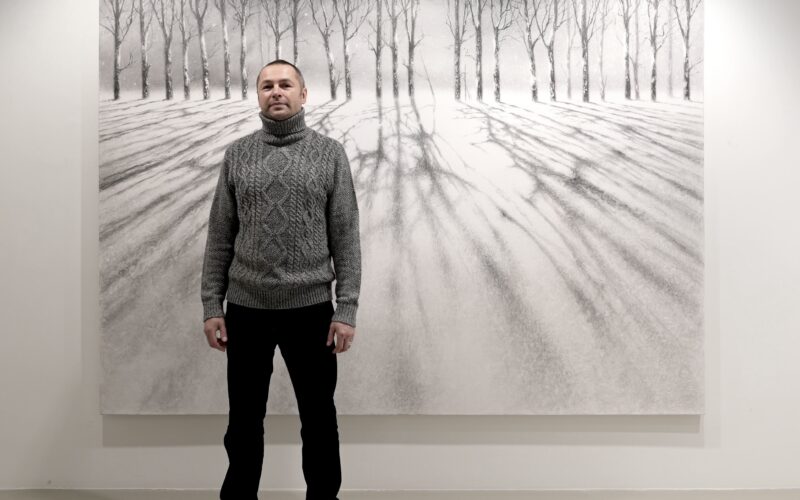
In this episode of the Arts to Hearts Project Podcast, Charuka talks with Australian painter and co-director of Boom Gallery, Ren Inei. Ren shares the story of how he began making art, what led him to co-found Boom Gallery with his partner Kate, and the many steps it took to grow it into a space that welcomes both artists and audiences. The conversation extends beyond simply running a gallery; it’s about striking a balance between being an artist and managing a business, the everyday challenges and decisions that come with it, and the small yet significant moments that can alter the course of an artist’s journey.
Charuka and Ren dive into how Boom Gallery was built with the idea of community at its heart, how opportunities can create lasting impact, and what it truly means to develop and support others simultaneously.
Whether you’re an artist, someone interested in starting a gallery, or just curious about the behind-the-scenes of the art world, this episode offers meaningful but straightforward insights into building a life connected to art.
This set effectively summarizes and segments the detailed content of the interview into easily navigable chapters for viewers.
00:00 Introduction to Ren Inei and Boom Gallery
02:52 The Journey of an Artist and Educator
05:48 Building a Community Through Art
08:53 Creating Accessible Art Spaces
11:51 The Role of a Gallery in an Artist’s Career
14:49 Challenges of Running a Gallery
17:36 Finding the Right Artists to Showcase
20:57 Success Stories and Artist Development
23:45 Navigating the Art Market
26:50 The Importance of Relationships in Art
29:49 The Future of Art and Artists
32:56 Conclusion and Resources for Artists
Charuka (00:01.04)
Welcome to the podcast Sran, joining us from Australia.
Ren Inei (00:03.733)
thank you.
Ren Inei (00:08.778)
thank you for having me. it’s really nice to be with you, tonight for me anyway, it’s nighttime. I am talking to you from near Geelong in, which is a city, in Victoria, Australia. it’s quite a large city, about an hour out of Melbourne. And so we, I’m one of the directors of an art gallery in Geelong called Boom Gallery. and.
Charuka (00:15.324)
Charuka (00:20.313)
Okay.
Charuka (00:24.271)
Yeah. Okay.
Charuka (00:30.074)
Okay.
Yeah.
Yeah.
Ren Inei (00:38.89)
Jalon itself is a city of around 200,000, maybe 220,000 people and has a few people in its region. And so we are running a regional gallery. My background is someone who’s always had a love for making artwork and, you know, went to university and studied fine art back in the late eighties. And from that
Charuka (00:44.537)
Okay.
Charuka (01:07.057)
Okay.
Ren Inei (01:08.142)
Yeah, from that degree, I started. Well, I ended up going back to university again and starting to be a teacher. Because, you know, as you find as a young art student, there’s not a lot of jobs out there for you and the reality of, you know, working and making an income. So I chose the path of becoming a teacher, which I did for about 15 years. Yeah.
Charuka (01:16.441)
Okay.
Charuka (01:21.749)
literally yeah yes yeah
Charuka (01:33.145)
wow, and you taught art?
Ren Inei (01:35.95)
Yeah, taught art and graphic design. So we call it visual communication and design here. Yeah, would have different names all around the world. And that was really fun. That was a high school student. So probably for about age of 12 to about 16, 17, 18 sort of age group. And while I was teaching, I was also organizing small group exhibitions with other local artists. And we would
Charuka (01:39.521)
wow. Yeah, yeah.
Charuka (01:45.626)
Yeah.
Charuka (01:54.69)
Okay.
Charuka (02:05.808)
Okay.
Ren Inei (02:05.87)
utilize venues like cafes and other public spaces. And it was something I really enjoyed. And I suppose that led me into the idea of running a gallery and organizing slightly a bit more formal. Yeah. So in 2000, I’m sorry, in 2011, we opened the gallery. That was the start of.
Charuka (02:11.546)
Okay.
Charuka (02:22.142)
Okay. Okay. Yeah.
2011 that makes it about 60 and my match really bad. 15, 14.
Ren Inei (02:33.998)
- Yeah, we got about 14 years. Yeah. So, you know, we started off the gallery with a whole bunch of local artists. So artists from Geelong and our surrounding region, people that I knew mostly, as you do, and we started off a very small budget. And we utilized an old industrial building in Geelong. It was actually an old woolen mill.
Charuka (02:45.979)
You’re good.
Okay.
Hmm.
Charuka (02:58.017)
Okay.
Ren Inei (03:02.168)
So as a place, Geelong’s got a long history of the, within the wool industry. It really made its wealth from wool here in Australia.
Charuka (03:09.722)
I’m sorry I missed you in between.
Ren Inei (03:13.175)
Yes, I
Yeah, so Geelong has a real history of wool production and made a lot of its wealth out of wool and sheep. So we were able to use one of the old industrial buildings and set up a gallery within this old factory, pretty much. And we had a coffee bar in there as well, like a very simple cafe to try to attract people into the space.
Charuka (03:26.614)
Okay.
Charuka (03:32.217)
Okay.
Charuka (03:38.351)
wow, okay.
Ren Inei (03:42.146)
Look, things just grew and grew and we then saw a need for artists who needed studios. We often meet a lot of artists asking us, do you have studio spaces? And then that was something we’ve really took up and we have something called Boom Creative Spaces and that’s a network of studios and creative offices. So we have over. Yes. Yes. Yeah.
Charuka (03:59.29)
Okay. So you, so that’s real estate and physical studio spaces that you release or lease out to artists.
Ren Inei (04:06.584)
Yes.
Ren Inei (04:09.91)
We do. Yeah, we have about 60 different tenants. And some of them have, you know, staff and, you know, our businesses. Others are single artists who have studio spaces. So it’s actually a wonderful aspect of our business because it keeps you in touch with people working at, you know, a ground level as well. A few of those show an exhibit with the gallery, but not all of them. Yeah.
Charuka (04:23.267)
Community, yeah.
Yeah.
Charuka (04:33.493)
Okay. Tell me something, how was growing up for you in Australia? Were you very
I don’t know how it is in Australia, specifically where you’re from. Is art very accessible? It’s ingrained in your daily lives? Do you often buy, depending on how accessible or how integrated it is into lives and how? Growing up in India, art is not as integrated. Art is fine art. We have to create a craft to be integrated country first.
But I wouldn’t say every household specifically below a certain, it’s only for the affluent, let’s say. That’s the cultural norm. But it’s gotten better. It’s changed. How was it for you growing up? Like, did you see, did you, your parents, and that influenced your perspective as being an artist?
Ren Inei (05:21.358)
Mmm.
Ren Inei (05:27.998)
good, good questions. And I’ll try to describe as best I can. So my parents came to Australia as migrants in the 50s, 1950s. And so my father’s. So, yeah, my father’s Italian, and he was an Italian migrant. So he came here after the war in 1951. And he was came from a very simple farming background, very poor upbringing. And he really came here for work and
Charuka (05:32.534)
And no fraud.
Charuka (05:37.365)
Okay. And where did they came from?
Charuka (05:43.538)
wow.
Charuka (05:48.021)
Okay.
Ren Inei (05:57.39)
for a new life. Um, and he met my mother who’s, um, from Holland. She’s a Dutch migrant. She came here in the 1955, a very large family. And she came from more of a middle-class, uh, family. Uh, and they fell in love and she was only very young and, um, got married and I’m the third child. Um, so I grew up in the house, suppose that had the European influence and probably my mom is very creative.
Charuka (06:17.077)
Okay.
Charuka (06:23.381)
Yeah.
Ren Inei (06:27.214)
Um, and said, yeah. So she was always very keen for me to go to art school. And even my father who didn’t really understand it very well, never interfered really, or never gave me advice contrary to doing it. He was just happy that I was doing something that he, that he could say that I thought was meaningful. So I had a lot of support. Um, so in school here in primary school and in high school,
Charuka (06:28.232)
she is?
Charuka (06:46.881)
Yeah. Okay.
Ren Inei (06:53.262)
Art is a key subject is taught all the way through to year 12. So right, you know, from grade from a five year old to 18. So it is quite important as you get older, probably around that 14 years of age, then you get to choose your subjects. But before that, it’s pretty compulsory that you do art and design. So pretty much every student going growing up here in Australia would be exposed to the arts at a fairly good level, I think.
Charuka (07:09.163)
Yeah.
Charuka (07:14.059)
Okay.
Charuka (07:18.616)
Exposed to it.
Ren Inei (07:21.45)
It doesn’t necessarily mean they will end up leaving school wanting to go to galleries and, you know, different things, but we probably all have an arts education of some sort. Yeah. Yeah. Yeah. So, and then you have all the different tiers of galleries and, and, and levels of interacting with the arts. We purposely put a cafe, a cafe into our gallery all those years ago.
Charuka (07:28.79)
Yeah.
Charuka (07:33.206)
Yeah.
Charuka (07:43.04)
Yeah.
Ren Inei (07:50.286)
to try to get people into the gallery that wouldn’t normally maybe visit a gallery. So the idea was you can come in for a coffee, you know, you can buy some biscuits or a cake, yeah, accessible. Yeah. So we, yeah.
Charuka (07:55.894)
Yeah, yeah, it makes it more accessible. And like, know, even in India, even in India, like, you know, how many people really do go to the galleries? And even if somebody does, they are afraid to ask questions, they’re afraid to look at art because they feel, they may not understand me, they may not even ask relevant questions, or that, they can’t even afford it. What’s the point of even, you know, going like,
like having these spaces really change the perspective and also creates a bridge between the viewer and the art and makes it like an easy encounter than an intimidating one.
Ren Inei (08:39.318)
Hmm. Yeah, well, look, if anyone’s out there listening and they’re thinking about maybe starting a gallery and they’re wanting to get engagement with the general public and I think having a hospitality, like a food aspect to it, a cafe or restaurant or a bar or something like that, just something to help soften. And the other thing we did, we also put like a
Charuka (08:55.424)
Hmm.
Ren Inei (09:03.894)
What held you describe it like a design gallery in the entrance to our gallery. So a space that people could feel comfortable in. So small ceramics, jewelry, things that are a bit softer than the sort of items you might find in a gift store, but very elevated, very handmade, very bespoke, very beautiful. But it felt like an easier entrance than just stepping straight into a gallery. We sort of funneled people through this safe space. And suddenly we might get people who have ordered the coffee.
Charuka (09:15.986)
Yeah.
Yeah. Yeah.
Charuka (09:27.161)
Yeah, yeah. Yeah, I like that idea.
Ren Inei (09:34.37)
And they got waiting for the takeaway coffee. And while they’re waiting for the coffee, they go for a walk and they’ve just done a lap of an exhibition. So there was a really wonderful way to get people involved in exhibitions in that regular, you know, monthly different shows up and we found people starting to, to engage in an ongoing way. Yeah. Yeah.
Charuka (09:37.93)
you look good.
Charuka (09:45.216)
Hmm.
Bye.
Charuka (09:56.267)
that. Okay, so let’s say, can you also take me through your perspectives, specifically, like even myself, like, you know, once your, your one perspective of everything is while you’ve experienced things as an artist.
And then there’s another perspective while you are in the ecosystem as an organization, curator, gallery, the business side of things. How has that shaped your overall perspective and do you feel like were you not enough prepared or what you didn’t know then but know now and that could really shape artists for the future?
Ren Inei (10:19.054)
Yes.
Yes.
Ren Inei (10:39.498)
good question. And, know, we’ve been, we’ve been running our business now for 14 years and it’s, it’s slowly built up over a period of time. And, you know, coming from an artist perspective and still practicing, even though I’ve, let my practice go dormant over the last year or two and have really, I found it too much to be having my own practice plus running our business. It’s a small business.
Charuka (11:01.939)
Yeah. Yeah.
Ren Inei (11:04.738)
There’s myself and Kate who run and own the business and then we probably have a staff of three or four that are part time. So there’s a lot to manage and there’s a lot just to remain viable as a business as well. It’s not an easy, we’re in regional Australia. It’s not an easy path to take. It’s not, it’s not a money making venture. That’s for sure. We would, you know, I could probably make a better income over the last 14 years from just teaching.
Charuka (11:20.661)
Absolutely.
Charuka (11:25.141)
Hmm.
Ren Inei (11:33.838)
If I, if I look at all 14 years, I’m not saying that you cannot make money from it, but if you’re just going into it to make money, then it’s probably going to compromise how you run the gallery. Yeah. Um, so being an artist and coming from an artist back background, I feel like I am always thinking about how would this, how would this interaction with the business look like from their perspective?
Charuka (11:34.195)
Hmm.
Charuka (11:42.703)
Maybe. Right.
Ren Inei (12:02.606)
So I’ve built up a lot of really great friendships with our artists. mean, I feel like our artists, we don’t have contracts like formal contracts that bind the artist to our gallery. We’re in a regional, we’re in regional Australia. it’d be very hard for us to, to make an artist sign up just with us exclusively for our whole state. Whereas the bigger, some bigger galleries above us would, would do that. It’d be quite a general practice. So what we have are relational, you know,
Charuka (12:27.689)
Hmm.
Ren Inei (12:31.264)
relational sort of arrangements, you know, where it’s, they trust us, we trust them, we enjoy their company, they enjoy our company, we look after them, they look after us, we have integrity, we ask them to have integrity back. And so you get a, you get a relationship of people wanting to work with you, because they can trust you to not only show their work in a good context, and to represent them in a great way, but also to treat them well. In other words, paying people on time, you know, just basic stuff.
Charuka (12:40.863)
Hmm.
Charuka (12:59.443)
Yeah, absolutely.
Ren Inei (13:00.706)
photographing their work professionally when it comes in and maintaining a good website, know, speaking about their work correctly, not allowing work that you do not think is strong enough to sit alongside their work. So protecting the integrity of their art practice. you know, it’s been a curator running a gallery, managing an artist stable, being an artist as well. It’s very interesting combination. Yeah.
Charuka (13:04.529)
Hmm. Yeah.
Charuka (13:24.349)
Yeah.
Charuka (13:28.273)
Absolutely. Like, you know, also keeping in touch with the creative, like, and I also love the idea of having artist studios because having so many artists in one place, I think that the benefit it does for artists and the community having that community angle. then also, you know, there’s so much more potential of what one can do one day together. And then also have your own isolation because a lot of artists feel very lost. And, you know, somebody who’s just starting out.
I think the amount of direction they can get in their own work and careers is incredible. Okay, tell me something. What were your biggest challenges starting out? Now you’ve been around for 14 years. So that’s pretty long. yeah.
Ren Inei (14:11.854)
starting out, what were the challenges starting out? The big challenge starting out is building credibility. You know, that’s a big challenge because you’re always trying to attract, you know, what you would look. There’s a lot of arty people out there, a lot of creative people out there. But I’m very careful with that word artist because I feel like that word should be sat. It’s like there’s a lot of cooks, but there’s only a few chefs, you know.
Charuka (14:39.291)
Absolutely.
Ren Inei (14:41.376)
Everyone could be artistic and we can all be creative and we can all make things and do things. the designation of artist, I sort of reserve as much as I can reserve that for people that have a practice that spans over a period of time. They don’t have to be trained. That’s not got anything really to do with it, although it can help. But I look for a practice that’s consistent. You know, some people
Charuka (14:43.655)
Hmm.
Charuka (14:59.923)
Hmm.
Ren Inei (15:11.34)
they walk through this world as an artist, they can’t change. It’s like it’d be impossible for them to do something else because that’s their greatest gift. You know, like that’s who they are. That’s how I see the world and that sort of stuff. So I try to work with people that because, you know, I don’t want to run a picture gallery. I don’t want to create a space. It’s just images that we’re just trying to sell. You know, it has to have some integrity about the work and the practice.
Charuka (15:19.537)
Yeah. Yeah.
Charuka (15:35.996)
Yeah. Yeah.
Charuka (15:40.957)
Hmm.
Ren Inei (15:41.078)
So it’s so important for us to be working actually with artists. Now those artists can be on all different levels. They’re not all just, you know, you have emerging artists, mid-career and then established artists. Well, we probably work a lot with emerging artists and early mid-career to mid-career artists. That’s our thing. Now, you know, one of the reasons why we can’t necessarily work with that next level of artists that has been
Charuka (15:48.293)
Yeah, same level.
Charuka (16:00.069)
Okay. Yup, yeah.
Ren Inei (16:09.646)
you know, practicing at a really high level for a long, long time is because we’re a regional gallery and they probably, you know, there’s a tier system in the galleries. You know, there’s entry level galleries for anyone can participate. Then there’s, you know, let galleries that it’s harder to get into. And then then there’s galleries that are really hard to get into. And then there’s galleries where you don’t approach them. They approach you, you know, it’s the whole thing. And, know, there are galleries where you go in there as a, as a customer.
Charuka (16:30.547)
they approach you.
Ren Inei (16:37.23)
And these would exist more in the capital city. So in Australia would be Melbourne and Sydney, where they look you up and down when you come in to see if you’ve got money or not, you know, you’re the kind of person that would buy art, you know, that kind of thing. So there’s that type of gallery right down to the very bottom community led, you know, not for profit, very accessible spaces. And I’m a great supporter of actually all the levels because I think all the levels are important. Even the snobby ones at the very top are important.
Charuka (16:38.023)
Yeah. Yeah. Yeah.
Charuka (16:46.375)
Yeah.
Charuka (17:02.106)
Yeah, have their own values.
Ren Inei (17:06.882)
You know, and then the entry level ones are just as important. So I like to support those as much as can locally. Yeah. Yeah.
Charuka (17:11.949)
Absolutely. I think
The entry ones are specifically so important because the amount of artists that we have like you know today as in we’re moving forward every day the number is increasing and even then artists need avenues and you know it’s also a chicken egg problem once you go to someone people ask you to have more exposure and more work and show you more work and etc and then while they want to show more work everybody wants a history so people who are focusing on emerging artists they become launch pads
for artists to get confidence. We have this feedback so many times while artists submit on our platform and I think this is one of the biggest takeaway while we curate the books and do everything is once they submit their applications, there is a certain structure they have to follow. They have to follow, they have to document their work a certain way, they have to photograph their work a certain way and then if they’re selected, the book, the editorial, the questions we ask them.
you know, that has to be done in a sorting way. So if we are doing digital interviews, so we ask them a lot of questions, which gives them and helps them the entire experience. If they go through the system, they are once, you know, before publishing and after publishing the whole differences, they now know how to package their work. They now know a lot more about themselves and questions. They never had the time or somebody asked them or gave them a platform. So nobody has to, I feel like you don’t have to reach
on top of the funnel to be able to go through such experiences that can help you shape your practice more than internal than external. And I think they’re really, really helpful. How do you find as a gallery? How did you find your sweet spot when it came to what kind of work you wanted to show that had commercial success, but also brought you satisfaction as a creator, as a gallery, as a curator? Like finding that
Ren Inei (19:12.664)
God, that’s yeah. Yeah, really interesting question because I feel like as a gallery, it’s never fixed. You never do find that sweet spot because it’s the artist you work with, even though you have a stable and the idea of a stable of artists sort of means they are stable and they stay with you for a long period of time. But in reality, that’s not how it works. We have artists that we’ve that we’ve found that we’ve helped that we’ve elevated.
Charuka (19:38.543)
Hmm. Hmm. Hmm.
Ren Inei (19:41.122)
And then we see them apart from us and friend in, on friendly terms, because this is part of the process. They will then go to a really good gallery in Melbourne or Sydney and sign contracts with those galleries and we can’t show them anymore. So we’ve experienced that multiple times. I’m happy about that. I’m glad that I’m part of that conduit of, helping someone take them. And now that’s not always the case. We have others that stay with us and who actually
Charuka (19:48.603)
Hmm. Yeah.
Charuka (19:55.446)
Yeah. Yeah.
Charuka (20:02.107)
Yeah.
Yeah.
Ren Inei (20:10.488)
would prefer to stay with us and have been offered other opportunities and say, no, we’re going to stay with Boom because we have a good relationship with the directors. We love, we like the gallery. We’ve found it’s good for our art and for us as people. So that’s fantastic too. So in terms of a sweet spot, you know, there are some highlights. Like I would like to share one story with you. That happened a few years ago. We had this young guy come into the gallery.
Charuka (20:34.211)
Okay, absolutely.
Ren Inei (20:40.334)
probably on a weekly basis with his skateboard under his arm. And he was only 16 after, you know, cause I I’m to have to go and talk to this guy. Cause what he would do, he’d just stop in front of every artwork in an exhibition and spend two or three, maybe four minutes in front of each work staring at it, holding his skateboard, quiet, just interacting with the work. And so I started having a conversation with him and he was a fantastic young guy.
Charuka (20:46.021)
Look, okay.
Ren Inei (21:08.372)
And I could tell he was an artist and he would make artwork on anything. He was a skater, a very good skater. And he would find rubbish like junk, cardboard, bits of old timber, old bits of signs and stuff like that. He’d collect them, bring them back to his house and paint on them. And his whole bedroom was covered in artwork. His lounge room was covered in artwork. And that’s what he loved doing. And so I went to his studio and I said,
We can have a little exhibition of your work. Would you like to do that?” He’s like, yeah, that’d be great. And so at the age of 16, turning 17, he had a little exhibition just in our cafe area in the gallery walls. And it went really well. And he was actually a fantastic person. And then after that we gave him another opportunity and then another opportunity and another opportunity. And he had a lot of solo exhibitions. And now he’s actually having a break at the moment because he’s at university study and he’s doing his fine arts degree at Victoria College of the Arts.
Charuka (21:39.693)
Hahaha.
Wow.
Charuka (21:47.555)
Okay.
Charuka (21:59.077)
wow.
Ren Inei (22:06.862)
And it’s just, that’s that, that makes your day, you know, as a, as a person, it also has a gallery. I only just felt that that’s, that was all that’s been awesome. And we hope to show his work again down the track, but at the moment he’s at university, he wants to have some free space without the commercial part of practice. Yeah. Yeah. So that’s been, you know, things like that are lovely here.
Charuka (22:11.861)
Yes, absolutely.
Charuka (22:24.053)
Yeah validation, yeah.
Charuka (22:33.293)
Interesting. What’s the most challenging part as a gallery while you’re trying to sell art, build a collector base, share your insights and experience stories from that weird experience to something that you feel is not often talked about?
Ren Inei (22:54.338)
Yeah. Well, running a gallery, it was like, well, you know, it’s a small business. So running a business for two people that aren’t from a business background is a challenge to begin with. So, you know, you’ve got to learn a lot of things about a lot of stuff. And one thing I learned years ago was when you can’t do something while yourself, you should engage a specialist. So if I’m not good, if I’m not good at graphic design, I don’t know how to build a website. I don’t know how to do accounting. I don’t know how to do my bookwork. Yeah.
Charuka (23:15.83)
Absolutely.
Charuka (23:20.174)
Yeah. Yeah. Yeah.
Ren Inei (23:24.322)
So engage professionals and you don’t want to pay the money at first because it’s very small business. You need an accountant. can’t, you need and actually you don’t just need them. They actually help you to have a successful business. So I think engaging specialists has been really great. Working with artists like one of my passions is the city I live in. So we live in Geelong.
Charuka (23:32.099)
Yeah.
Charuka (23:36.685)
You can’t exist.
Charuka (23:41.815)
Yeah.
Ren Inei (23:52.778)
And it’s sort of always been looked down upon a little bit from, well, we, we feel that way anyway, cause it’s like the second largest city in Victoria. You know, Melbourne gets all the glory and the, you know, the spotlights. So there is a sense that, know, we’re going to show you that we can do something great to here in Geelong. And, and I have that attitude for our artists as well. Cause we have a lot of local artists that we still represent. Now we have artists from all across Australia. Now a lot of our artists are based interstate.
Charuka (23:58.244)
What?
Charuka (24:02.787)
Okay. Okay.
Ren Inei (24:20.354)
Now we also have a couple of artists who operate overseas who send work to us as well, which has been really wonderful. So for me, mixing local artists in with some of the best artists from around the country and then some artists from overseas, I think that’s really good for our culture here in Geelong.
Charuka (24:21.355)
Okay.
Charuka (24:26.763)
Okay.
Charuka (24:40.342)
Yeah, yeah. So at the moment, at the moment it’s just not Australian artists, it’s not just Geelong artists, you also have artists from different parts of the world and you try to inculcate a mix.
Ren Inei (24:42.624)
And the other thing is… Yeah.
Ren Inei (24:52.98)
right. We’re just starting to branch out a little bit with that and we’ve got someone from Ireland that shows with us. We’ve just had someone from the UK that’s had a small show with us. So we’ve not had anyone from India, not yet. But I’m sure there’s many great artists over there, you know, it’s just the logistics of it are quite difficult. So you tend to work with artists who work small, because it’s cheaper and easier to post and things like that.
Charuka (25:01.6)
Ever had someone from India?
Charuka (25:06.687)
Yes, not yet, but you should. Oh, absolutely. Yeah, yeah. Small, yeah, yeah.
Ren Inei (25:20.846)
or they might come unframed and then we have to frame them here. And it just makes it trickier. Also with unsolved work, how do you get that work back to the artist? So you really, you really need to trust that relationship. need to trust the work you need to, you know, you want it to be an ongoing relationship as well, I think.
Charuka (25:26.008)
Yeah.
Charuka (25:39.316)
apps and the energy that goes into putting everything together. You want to make sure that it’s worth it for you and for the artists.
Ren Inei (25:46.412)
Yeah, that’s right. Yeah. So, but it’s fun and it’s, it’s exciting. but yeah, it’s, it’s been a really good journey. not this next month or the month after we have another younger artist showing with us at the gallery and he’s from Tasmania. Now, do you, do you know Tasmania? It’s, it’s, sits on its own Island below Australia and it’s its own state. And so, it’s really interesting. He does figurative work.
Charuka (25:50.038)
Yeah.
Charuka (26:01.728)
Okay. wow.
Yeah. Yeah, it’s good.
Ren Inei (26:13.686)
And so working with him, he was really looking for an opportunity to show work on the mainland, you know, and we were able to provide that opportunity. So little things like that are quite lovely to be a part of someone’s journey, especially for an emerging artist. So yeah.
Charuka (26:18.815)
Charuka (26:22.635)
Yeah, that matter. Yeah.
Charuka (26:30.785)
How do you figure out, okay, this is the artist that I want to work with, this is the artist I want to show, or this is a good fit for our gallery? Do you have a specific aesthetic that you are interested in a story, a narrative, a medium? What’s your language?
Ren Inei (26:45.548)
Hmm. Well, it’s very interesting. That’s a big question because we get a lot of emails every week. We would have three to four. Sometimes we might get five emails from artists from all around the world looking to show us. There’s a lot of demand out there. There’s a lot of creative people that are looking to exhibit. And I think we have a fairly good profile online, especially through our social media account. So I think a lot people follow us.
Charuka (27:02.999)
Yeah.
Charuka (27:08.555)
Yeah.
Ren Inei (27:11.074)
And then a lot of people approach us as well. They probably think we are approachable. We have a mixture of styles and age groups and, you know, media and techniques in our stable of artists. So I think we do get approached a lot. Often we, we only have two exhibition spaces and we already have a lot of artists that we work with. So sometimes it’s very hard to put new artists into the mix, but
Charuka (27:13.43)
Yeah.
Charuka (27:33.502)
You are just, yeah.
Ren Inei (27:36.302)
Sometimes someone approaches us where we go, we’re going to have to find a way to get this person into the mix because they really excite us as an artist. So there’s no formula for that though. I can’t tell you what that looks like, but what I would say is it might be, see, say, say gallery might have a little landscape based artists and, they really would like to get a figurative artist into their space. So if a figurative artist approaches this at the correct time and it’s good work, then there might be an opportunity for them.
Charuka (27:44.301)
And you like it.
Charuka (27:49.471)
Okay.
Charuka (28:04.939)
Yeah. yeah.
Ren Inei (28:05.998)
You know what mean? It’s a timing thing. It’s, you know, some people just have that bit of that X factor as well, where you just go, Oh, wow, that’s pretty amazing work. You know, and I think when you aren’t trained, that’s the other thing too, when you’re running the gallery and you’re an actually an artist yourself, you’ve had art training. And so as my business partner, you know, you see things in work that maybe the general public may miss, you know,
Charuka (28:26.036)
Yeah. Yeah.
Ren Inei (28:35.094)
So you’re looking for things and I can’t describe to you what those things are because you know, they might just be specific to me. Yeah, I am looking for skill, but skills only one attribute. know, it’s only one thing.
Charuka (28:49.118)
It’s awesome. Yeah. Yeah. But what’s going goes deeper. I think the kind of stories you want to the people, the feeling that you can tell with the work or the show that can also a message.
Ren Inei (29:02.882)
And we always have this great, yeah, this great balancing act because we’re a commercial gallery. the end of the day, we are a commercial art gallery. But I feel like we also offer a big community service as well with our gallery and what we do in our city. And it’s important. And, but we are a commercial gallery. that’s really hard though, isn’t it? Because, you know, then you’re trying to think, well, would that be desirable for someone to purchase?
Charuka (29:08.926)
Yeah, I did. Yeah, you’re also absolutely.
Charuka (29:17.184)
Yeah.
Ren Inei (29:32.278)
Now, but that can’t be the only factor either. We can’t just go, that’ll sell really well. We’ll have that work in. If that’s, if that’s our standard, then we would allow a lot of work coming to the gallery that might not actually be good for the gallery or might not be good for our stable of artists, but it might sell well. So we’re to be very careful. So some things that we’re very careful about in terms of our own gallery is we love original work made by the artist. We don’t deal in.
Charuka (29:32.352)
Hmm.
Charuka (29:40.266)
Yeah.
Ren Inei (30:01.738)
secondary prints of a painting. Someone made a painting and then they did a limited edition run of 50 posters of that painting. We won’t sell those posters nor will we sell the original artwork because we don’t want it to be reproduced like that. Right. So it’s that’s just one of the things we do. All right. So that we understand that artists need to make money and need to put food on the table and need to eat. So if they need to
Charuka (30:13.483)
Yeah.
Charuka (30:18.342)
Okay. New.
Charuka (30:26.758)
Absolutely, yeah. And there’s a one-fixed part.
Ren Inei (30:30.54)
That’s the heartbeat, you know, but I would see sometimes I would, depends what the artist wants to achieve with their practice and where they want to get to. But sometimes I would see those things as shortcuts to success. So you might do that and it might bring in some extra money at the time, but it may erode your integrity as an artist long-term. You know, if you, if you do want to get into a top tier gallery in a capital city,
and do the international art fairs, they’re not going to be very happy that you’re doing print runs of your paintings. But that’s only if you’re wanting to go there. If you’re not trying to get up there, it doesn’t matter. You can do whatever you want. And you know, good on you.
Charuka (31:09.991)
If you… Yeah.
Yeah, you can build a brand independent artist. can run your own website store. There’s so many possibilities today. Yeah.
Ren Inei (31:18.734)
It’s right. So many possibilities. I, you know, we work with artists all the time that are struggling to get by in life. And sometimes they have to do things that they know it’s not the best thing either, but they still have to do it. And that’s fine. And we can work with that. You know, it’s a reality of life. Unfortunately.
Charuka (31:27.529)
Yeah.
Charuka (31:35.113)
Yeah, that’s fine. Yeah. Yeah. And we have to know like, you know, I’d rather be an independent successful artist than a starving one and whatever it takes. Like you can’t prove right. Okay.
Ren Inei (31:48.162)
Hmm. Well, we have actually had some artists in the past that have actually made artwork under a different name, like a pretend name and have made a different bunch of what I mean, it’s not common, but people do do it because they don’t they don’t they almost want to. It’s very commercial. It’s too commercial. It could erode their practice, how people view them. So they do it separately. You know, we don’t we don’t work with artists like that, because that would be too challenging for us to try to.
Charuka (31:57.298)
Okay.
Charuka (32:03.123)
Yeah.
Hmm.
Ren Inei (32:18.028)
resolve and present because our job is to represent the artists and also the artists represent us though. So it’s a two way, you know, so yeah, I would like to say something maybe that might help some artists out there. And because a lot of artists, it’s very easy to build a website now. And it’s obviously there’s lots of templates out there and you could build a pretty good website and you could self represent. And that’s, that’s fine. You can do that. It might.
Charuka (32:23.752)
Yeah, absolutely. absolutely. It’s always a two way relationship.
So.
Ren Inei (32:45.802)
If you do self-represent and have your own shoppable website, it might then discount the opportunity of working with a gallery. That is the byproduct of having that. Cause sometimes I will come across an artist and think, I really like that person’s work. But then I see that they live in Australia here, not far from us. And they have a shoppable website themselves. Well, then the gallery would be competing with the artists themselves. So it’s fine. I can do that, but it just might mean that we might not go ahead with that relationship.
Charuka (33:08.722)
Hmm. Hmm.
Charuka (33:15.718)
Yeah, yeah and it’s also what stage you are in like you know if you’re a local artist but if there’s you know if you if your work goes international I think a lot of dynamics play into it and what goes you know what the aim of the whole thing is.
Ren Inei (33:16.942)
Exactly.
Ren Inei (33:28.447)
so much.
Ren Inei (33:35.224)
Some of our artists, of our best art, like best artists, some of the artists that we work with that like really sell quite well, it’s so, this sounds very counter-cultural, right? And it doesn’t sound like it should make any sense, but some of them have really amazing websites, but they only sell through the galleries. And it’s actually, limit the supply that can go out from the artists, but by limiting the supply and making people wait for an exhibition to purchase, they build attention up before the show.
Charuka (33:55.538)
Yeah. Yeah.
Ren Inei (34:05.08)
And then there’s a surge on their work and they have a concrete exhibition in a real space with other people. And that could be quite good for their practice and very good for the next show and the next show and the next show. So the price point can actually move up with that method as well, where I’ve seen the opposite happen with some other ourselves self represented and think, I’ll just do this all myself. And it actually gets really difficult. And you almost, you start taking on commissions that maybe you shouldn’t have, or you, know, and
And the opportunities can sometimes dry up. Now it doesn’t sound right. Cause there’s a thing here in a minute. Surely I’ve got more control myself, but sometimes, and this is only for some artists, not going to up all, but sometimes the gallery system can actually benefit artists in a really big way. Cause I’ve actually seen a couple of artists and we’ve actually had one or two that have come through our space that have completely blown up and like they won’t even answer my phone calls anymore. You know what I mean? Cause they’re, they’re so successful and they’re, they’ve gone international.
You know, and it’s crazy. I don’t even know how it happens, right? But it does happen to some people. And yeah, I wish I knew what the Fong War was.
Charuka (35:04.67)
Yeah.
Charuka (35:08.041)
Hmm.
Yeah, I think it’s also weighing in with your pre-strengths and weaknesses if you’re somebody, let’s say, who’s more extrovert, who can write about your work, you can do the tech things, you can do the marketing. I think today artists have shown some incredible ways how they can build their own brands, their art-based brands and independent artists as well and create multiple revenue sources.
It’s a choice. also means it does not mean that you’re sitting in the studio and you’re only doing one part of the job. If you’re running a business, there’s so much more that you have to take care of or have extended supply and people who can really you can rely on and build a team. And the other base, if you think that’s not you, this is not the path you want to take and you want to have an extension, a gallery, which is kind of a business partner, an interim base.
Ren Inei (35:47.693)
Yes.
Charuka (36:08.134)
that can turn into more potential long-term collaborator, which is they can take care of a lot of things for you. They help you manage. So there’s a few downsides to everything, I think. And not all artists have the same part and not you even all through your years need to have the same part. You can choose to self-represent and then at some point you can be like, okay, if you need to get to the ground, you do whatever it takes. And then you decide where in life you are and what…
Ren Inei (36:19.566)
Absolutely.
Charuka (36:38.524)
direction you want to go in.
Ren Inei (36:38.744)
Yeah, absolutely. I mean, you asked me earlier about the challenges of running a business. Well, these are the same challenges that face every artist out there. And each each artist has to make decisions as well on a daily basis. How am going to show my work? Who am I going to show up with? Am going to show up myself? Am I going to build a website? They’re going to deal with me. Am I going to do I need galleries? You know, and they’re all decisions that people have to make for themselves. One thing I would say we actually have had a few of our artists whose work has now gone into public collections.
Charuka (36:43.196)
Yeah.
I think, yeah.
Yeah.
Charuka (36:58.94)
Yeah.
Charuka (37:08.794)
Okay. Yeah.
Ren Inei (37:09.708)
You know, like state, state owned galleries, you know, that’s an interesting thing because often that can occur a bit easier if you do have gallery representation. Sometimes you’re overlooked. If you don’t, that’s almost like credibility sort of thing. Look, you know, I don’t know what that really means. That’s another consideration, but it’s not the bail and all of everything, but it just, there’s so many paths you can take.
Charuka (37:20.646)
Yeah, yeah. Yeah.
Charuka (37:34.854)
Yeah.
Charuka (37:39.494)
Yeah, you choose, Yad. Yeah.
Ren Inei (37:39.512)
The main thing is your practice is strong. know, whether you represent yourself, we have a gallery or you have a bit of both. You know, you’ve got to invest the time and energy into your practice. It’s like me as my business. was doing my own artwork, but actually at the moment I need to invest my creativity and time and energy actually into my business, but specifically working with artists and curating exhibitions. Like that’s like the most core.
Charuka (37:49.797)
Yeah.
Ren Inei (38:07.382)
fundamental part of our business, representing the artists and curating shows because an exhibition, often I think about digital exhibitions, you know, where people just have a show online. I think it’s almost like, you know, on Spotify, when you listen to individual songs, and you can just listen to different songs and it’s fantastic. It’s awesome way to meet a lot of new artists. But when you listen to an album, and you listen to a classic album, you’ll listen from the start to the
Charuka (38:08.924)
part of the young.
Charuka (38:18.927)
Yeah.
Charuka (38:25.272)
Yeah. Yeah.
Charuka (38:33.976)
Absolutely.
Ren Inei (38:37.006)
end how it was intended by the maker. That’s really incredible. So that’s why I think an exhibition, a concrete exhibition in a physical space, even though a lot of our work that we sell, people don’t even come into the gallery. A lot of our work sells across Australia and internationally. Now those people don’t get a chance to view the exhibition, but we’re still showing it as an exhibition. And it’s important for the artists to see their work in the context of an album.
Charuka (39:00.177)
There’s also tactile relationship.
There’s also conversation. Look at the people. You look at the nuances of how to respond to your work. Little, little details. think both really like I think the beauty of being an artist at today’s time is that there’s so many different experiences and every experience teaches you a different skill set. Like if you have your own thing, you’re doing it online or whatever. It’s not easy. We all know that. You know, however, whatever people think, it’s not easy. Marketing your work is one of the
and I had to watch this who do themselves and are very successful because we all know it’s not easy running a business. also do all of those things and it’s incredibly hard to be able to create a demand for your own work incredibly hard to be able to then get a work in a physical space and then pull together the show. We all know it’s incredibly hard. So all of these are such different experience and I feel like all artists would be able to you know, you should pour your hands in different experience and figure out okay.
Which one aligns the most with you at the time and space that you are?
Ren Inei (40:06.68)
Yeah, absolutely. I couldn’t agree more. Yeah, well, it’s not an easy journey for people. And like you said, artists, gee, the makeup of artists, they’re such a you can’t there’s not one type of person that is an artist. They can be every kind of different personality group. You know, some are quiet and very timid and, just, you know, the most incredible artists that have disabilities and different, you know,
Charuka (40:08.973)
I love this conversation. Yeah.
Charuka (40:21.723)
Yeah.
Charuka (40:34.064)
Yeah.
Ren Inei (40:35.734)
you know, challenges in their life. There are artists who struggle with mental health issues. There are artists that, you know, have a really successful business and they don’t need money from their practice. You know, there’s all sorts of people out there. So there’s not one size fits them all in terms of where to show and how to show. But we’re just a small, very small part of an ecosystem. Our gallery is a very small part of an Australian ecosystem of of where to show work and how to show work.
But then you’re part of a global thing as well, which is so much bigger than us.
Charuka (41:09.241)
Yeah, yeah, yeah. Thank you so much, Ren. This was a wonderful conversation. I really appreciate you sharing your experience about your work and your insights. Thank you so much. And before I let you go, how can people, anyone who’s listening to this episode, how can they learn more about your work, about the gallery, and if they’d like to follow you, support you.
Ren Inei (41:23.917)
entry.
Charuka (41:36.974)
Ask more questions if you’re okay with that. Can you let us know?
Ren Inei (41:42.19)
Well, I feel like our Instagram account is a good way to get an idea of our business in terms of its day to day running and you know what we’re up to on a daily sort of basis. Our website is quite, I think it’s a good website. It’s made well, it looks good, it functions well. It’s a good way to sort of have a look at the current exhibitions, but also the past exhibitions, even shows that are coming up and also some of the artists that we work with all the time.
We’re very fortunate to have a very good staff member who’s very good at photography. So we have beautiful product shots of objects, but also of the artworks as well. there’s a good clarity there. If you want to visit our website, that’d be wonderful. Have a look on our Instagram account. Maybe follow it if it interests you. I hope everything I’ve said tonight helps someone out there and makes sense. So yeah, it’s been really nice talking to you.
Charuka (42:15.835)
Yeah.
Charuka (42:39.014)
Thank you so much. Thank you for your time. I really appreciate this.
Ren Inei (42:44.728)
Thank you. Thank you so much.
Charuka (42:48.162)
I will just stop recording.
.
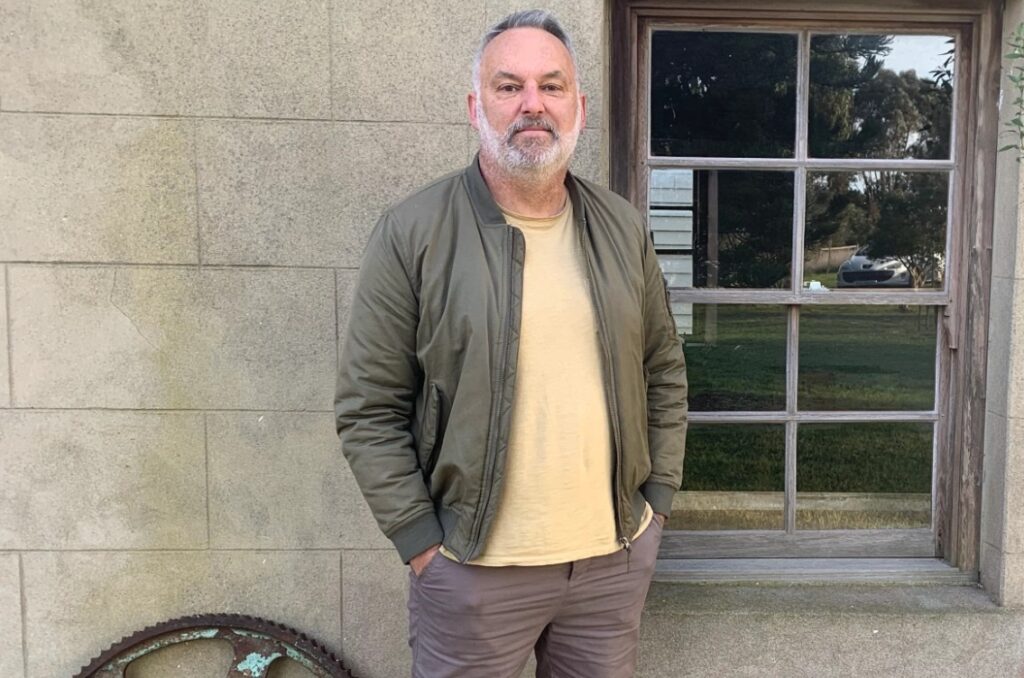
About the Guest(s):
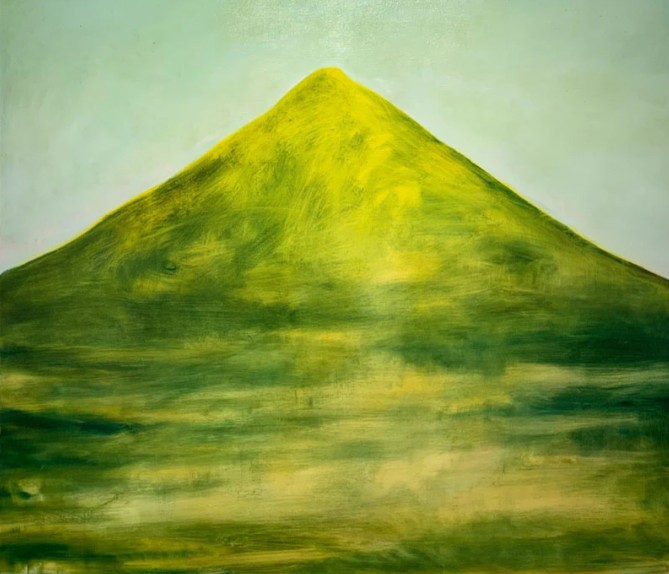
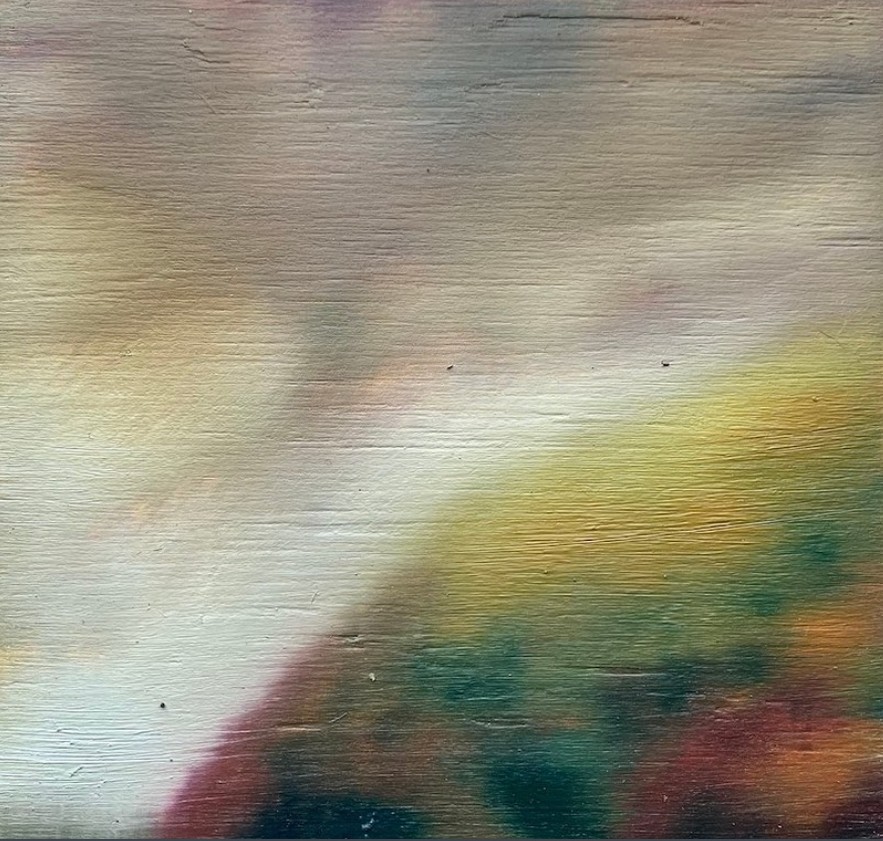
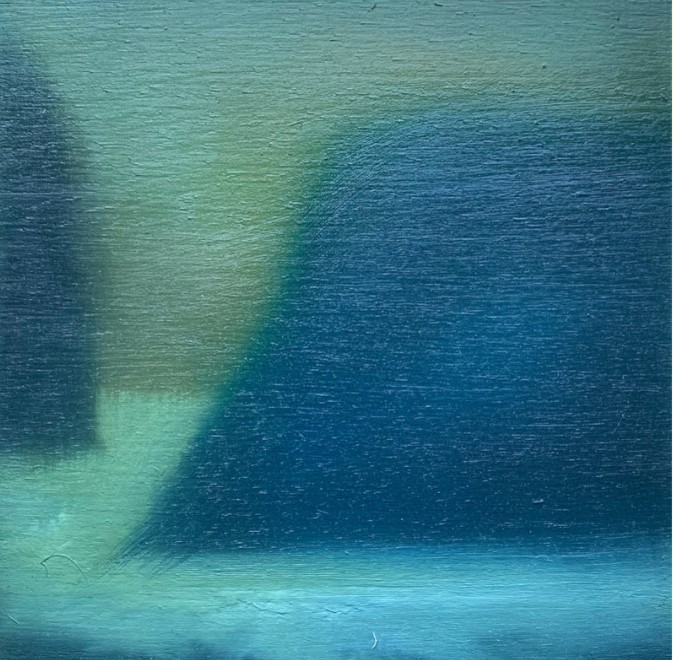
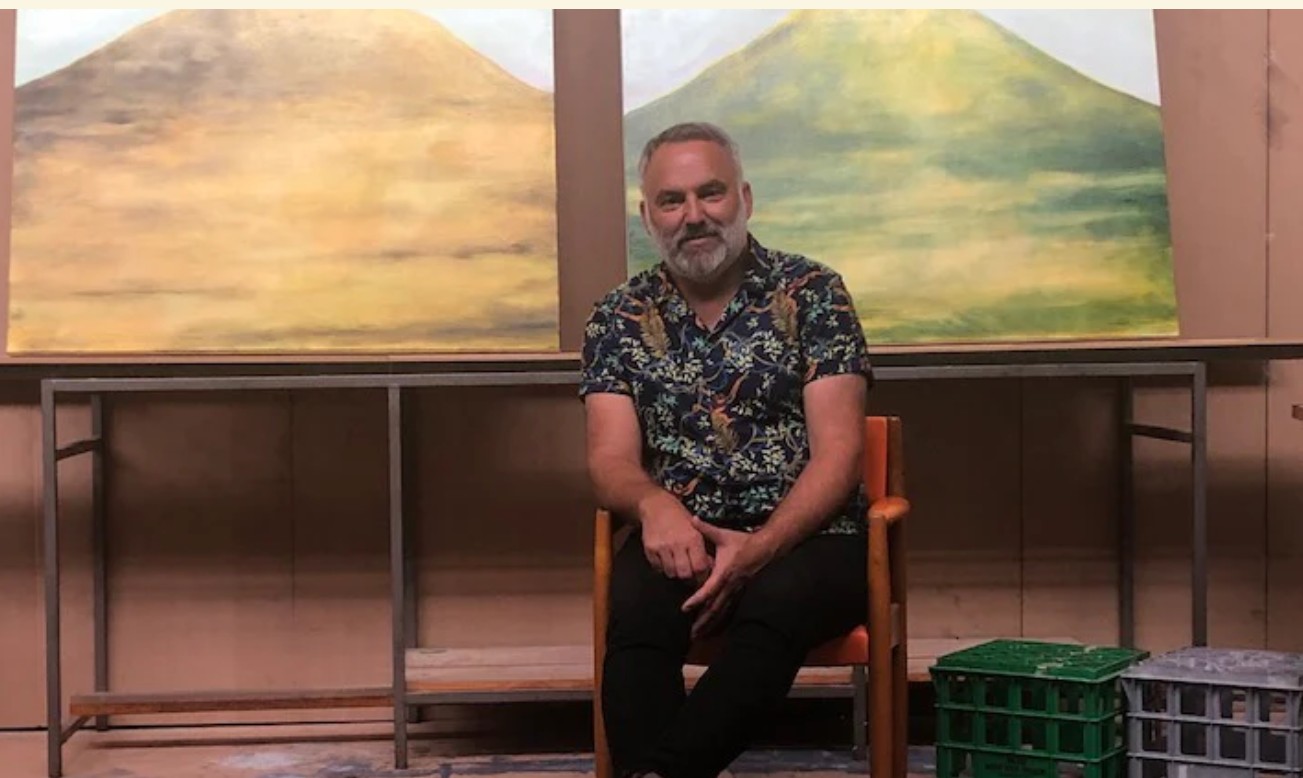
Ren Inei is a painter; he is also one half of the team behind Boom Gallery, curating and hanging the exhibitions and liaising with the many artists who show at Boom. Ren completed studies at Deakin University in the early 1990s and has sustained a consistent art practice since, participating in many exhibitions (both group and solo). His work is rich with texture and tonal depth, achieved through techniques of layering and exploration of differing materials.
Episode Summary:
In this conversation, Ren Inei shares his journey as an artist and director of Boom Gallery in Geelong, Australia. He discusses the importance of community in the art world, the challenges of running a gallery, and the role of accessibility in engaging the public with art. Ren emphasises the significance of building relationships with artists and the impact of gallery representation on their careers. He also highlights the evolving nature of the art market and the various paths artists can take in their careers.
Key Takeaways
- Ren Inei is the director of Boom Gallery in Geelong, Australia.
- He has a background in fine art and education.
- The gallery started with local artists and has grown over the years.
- Creating accessible art spaces is crucial for community engagement.
- Building credibility as a gallery is a significant challenge.
- Ren emphasises the importance of relationships with artists.
- The gallery supports emerging and mid-career artists.
- Navigating the art market requires understanding both commercial and community aspects.
- Artists need to invest time and energy into their practice.
- The art ecosystem is diverse, with many paths for artists.
Notable Quotes:
“For me, it’s always been about making space for artists, not just for their work but for their stories to be seen and heard.”
“Running a gallery is as much about people as it is about art—you’re building trust, connections, and a place where conversations can start.”
“The balance between painting in the studio and managing the gallery is never perfect, but both feed into each other in surprising ways.”
“Sometimes the smallest opportunities—like a local show or meeting the right person—can completely change the course of an artist’s journey.”
“When Kate and I started Boom Gallery, we wanted it to be more than walls and white space—we wanted it to feel alive with the community around it.”
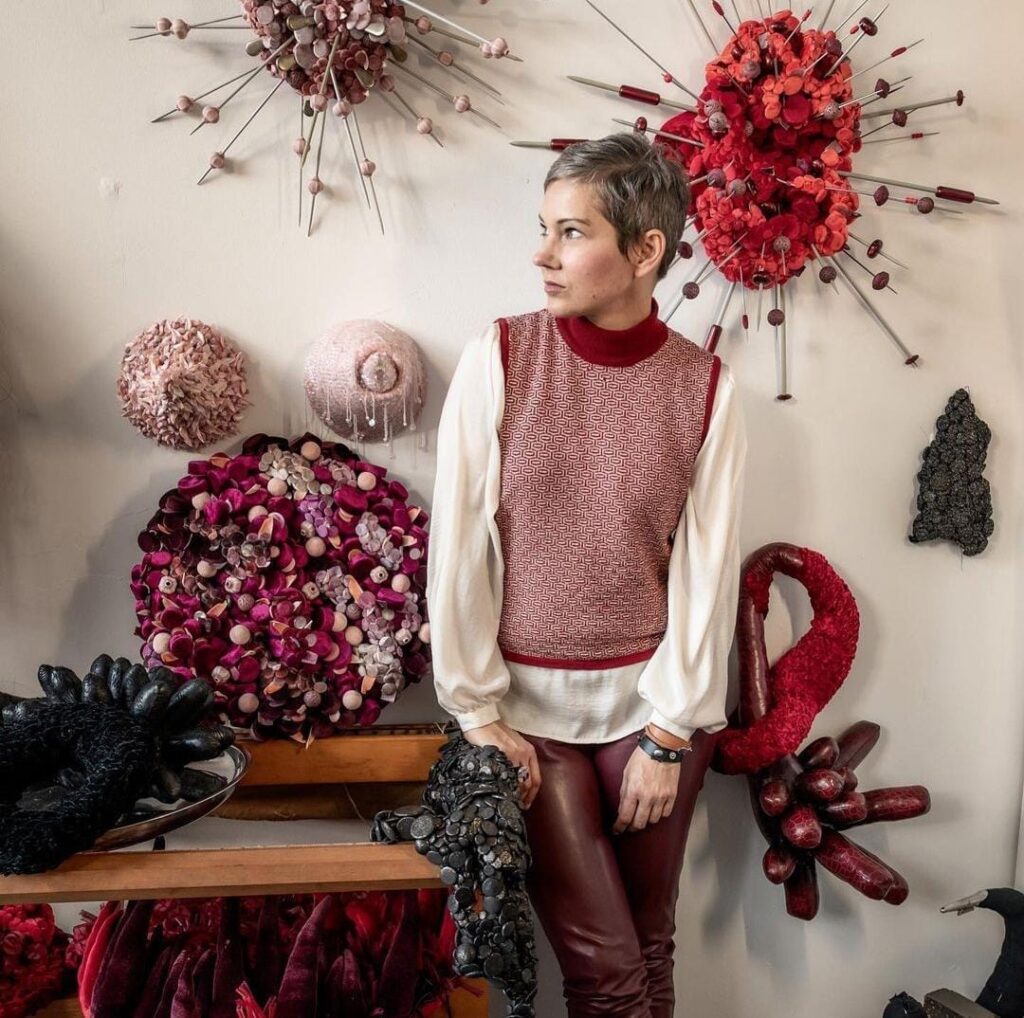
Charuka Arora is the founder of the Arts to Hearts Project and Host of the Arts to Hearts Podcast. She is also an acclaimed Indian artist known for her contemporary embellished paintings. Her unique blend of gouache, collage, embroidery, painting, and drawing explores the intersection of art, culture, heritage, and womanhood. Through her work, she tells stories of female strength and encapsulates them in pieces that can be treasured for generations.

Charuka’s work draws inspiration from Hindu mythology, recognizing women as vessels of Shakti, the cosmic energy. She beautifully portrays powerful goddesses like Durga Maa riding a tiger or lion, symbolizing their unlimited power to protect virtue and combat evil.
Through her art, Charuka invites us into the world of women, showcasing their beauty, strength, and resilience. Her creations not only exhibit exceptional talent but also serve as an inspiration and a symbol of hope for those challenging societal norms.
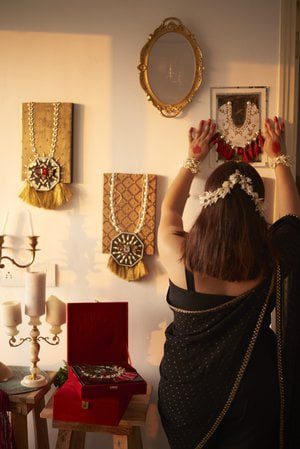
Arts to Hearts Podcast is a show delving into the lives and passions of renowned artists. From running creative businesses and studio art practices to cultivating a successful mindset, Charuka Arora engages in heartfelt conversations with her guests. Experience your personal happy hour with your favorite artists right in your studio.
Through candid discussions, Charuka and her guests reveal the joys and challenges of a vibrant creative life, both within and beyond our studios. Get ready to be inspired and uplifted as you tune in.
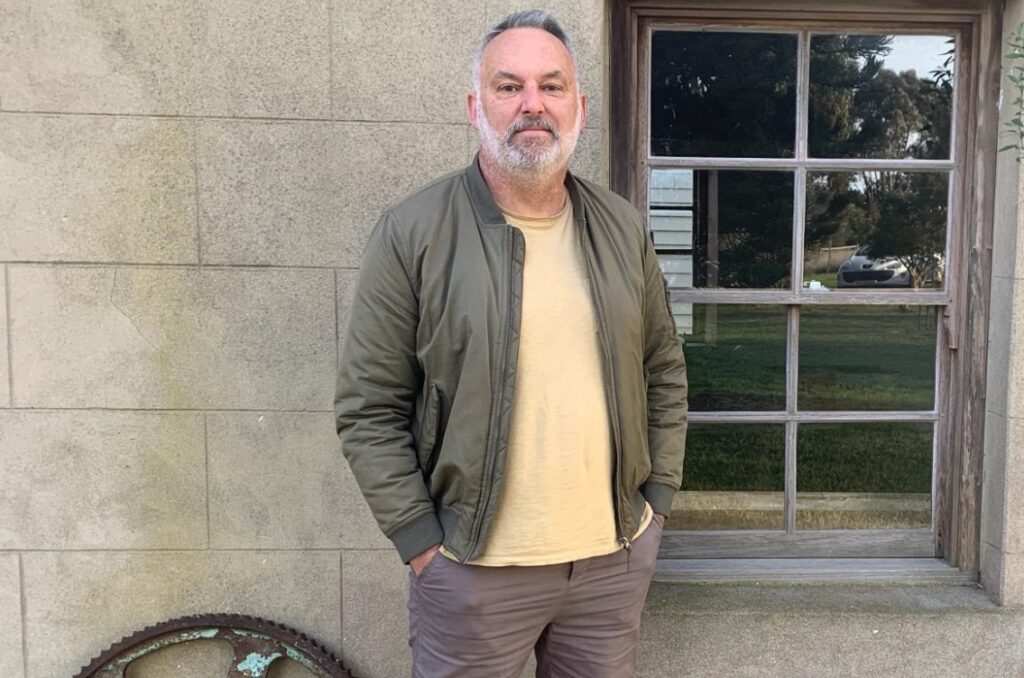
Ren Inei is a painter; he is also one half of the team behind Boom Gallery, curating and hanging the exhibitions and liaising with the many artists who show at Boom. Ren completed studies at Deakin University in the early 1990s and has sustained a consistent art practice since, participating in many exhibitions (both group and solo). His work is rich with texture and tonal depth, achieved through techniques of layering and exploration of differing materials.
In this episode of the Arts to Hearts Project, Charuka speaks with Ren Inei, painter and co-director of Boom Gallery in Geelong, Australia. Ren shares his journey from being a young painter, figuring things out, to running one of the most talked-about galleries outside Melbourne. The conversation moves between art, business, community, and the small but powerful stories that keep him going. Ren’s story traces decades of painting, experimenting, and eventually co-founding Boom Gallery with his wife, Kate.
The early pull toward painting
Ren laughs when he recalls how young he was when painting caught his attention. “I remember being in school and knowing there was something about painting that pulled me in. It wasn’t about being good or bad, it was about the curiosity of it,” he shares.
That curiosity stayed with him, guiding him through years of exploration to determine what kind of painter he wanted to be.
The many phases of an art journey
Talking about his journey, Ren is clear that it wasn’t straightforward. He describes going through phases — times of painting obsessively, then stepping back to focus on family, teaching, or work.
“There were periods where I thought, maybe this isn’t for me. But the thing is, I always came back to painting. It never went away,” he says.
How a skateboarder reminded him why art matters
One of Ren’s favourite stories from the gallery is about a teenager who kept walking in with a skateboard under his arm.
“He was only 16 and would stop in front of every artwork for three or four minutes, just staring at it quietly. Eventuall,y I had to go and talk to him,” Ren recalls.
The boy turned out to be an artist himself, painting on scraps of cardboard, timber, and whatever he could find. His bedroom was covered with his work. Ren offered him a chance to show some of it in Boom’s café space.
“At 16, turning 17, he had his first exhibition with us. Then we gave him more opportunities. Now he’s at university doing a fine arts degree. That makes your day, not just as a person but as a gallery,” Ren says.
From paint to curation: the start of Boom Gallery
Ren and Kate started Boom Gallery over a decade ago, not with a grand plan but with a simple need. At the time, they were both seeking more connection with artists and their community.
“We opened Boom because we wanted a space where artists could show their work and people could actually see it. That was it. There wasn’t some big business plan behind it,” Ren recalls.
That decision changed everything. Today, Boom Gallery is a hub in Geelong, bringing together established and emerging voices under one roof.
The hardest part about running a gallery
For someone without a business background, the gallery world came with a steep learning curve. “Running a gallery is running a small business. And when you don’t know how to do something, you have to hire someone who does. Whether it’s accounting, building a website, or design — those specialists actually help you succeed,” Ren explains.
It was never just about art — it was about learning to survive as a business while still creating opportunities for artists.
Balancing two worlds
Running a gallery while also making time to paint hasn’t always been easy. Ren admits there were years when the gallery consumed most of his energy. But eventually, he found a rhythm.
“I realised I couldn’t let one part of my life cancel out the other. The gallery is a big part of me, but so is painting. They feed into each other,” he explains.
“I keep painting because I need to. It’s how I make sense of things. Sometimes it’s frustrating, sometimes it’s rewarding, but it always feels necessary.”
Ren Inei- Arts to Hearts podcast s05e07
Why access to art matters
One theme Ren keeps coming back to is accessibility. He remembers how intimidating galleries once felt to him, and he didn’t want Boom to carry that same atmosphere.
“I never wanted people to feel they had to know the right words or wear the right clothes to walk into Boom. Art should be something people can experience without feeling out of place,” he says.
The role of family and support
Ren credits much of his path to the support of Kate and their family. From the start, Boom was a family endeavour, built with shared values.
“It’s not just my journey. Kate’s been there every step, and our kids have grown up around this space, too. That makes it feel whole,” he reflects.
Ren doesn’t pretend there’s a perfect formula for making a life in art. But he does share this advice:
“Stay curious. Don’t measure yourself too much against others. If you feel drawn to creating work, keep showing up for it. The rest tends to unfold over time.”
How Boom decides who to show
With three to five emails from artists arriving every week, Boom has no shortage of people wanting to exhibit. But Ren admits there’s no strict formula for choosing.
“Sometimes someone approaches us and we just know we need to find a way to get them in. There’s no checklist. It might be timing, or it might be that their work excites us in a way we can’t ignore,” he says.
But one thing is non-negotiable: originality. “We only deal in original work. We don’t take secondary prints or posters. We’ve always wanted to stand by that.”
The delicate balance between sales and integrity
Running a commercial gallery means sales are essential, but Ren insists that’s not the only factor.
“Yes, it has to be desirable for people to purchase, but if that’s the only standard, we’d end up with work that sells but doesn’t actually serve the gallery or our community. So we’re careful,” he explains.
Ren also warns artists about shortcuts. “Sometimes prints or easy commercial moves might bring in money at the time, but they can erode your integrity if you want to get into bigger galleries or art fairs. But it depends — if you don’t want that path, it’s your choice. There are many ways to build a career.”
Self-representation vs. gallery representation
With social media and websites, many artists today represent themselves. Ren agrees it can work, but notes the trade-offs.
“If I find someone with a shoppable website selling work directly, then the gallery would be competing with the artist. That makes it harder for us to take them on,” he says.
Interestingly, he’s seen some of Boom’s strongest artists do the opposite: keep great websites but only sell through galleries. “By limiting the supply, they build anticipation for their shows. It helps their practice and even pushes their price point up,” Ren explains.
Opportunities for Emerging Artists
Boom Gallery has become renowned for providing younger artists with an opportunity to showcase their work, often for the very first time. Ren shares a story about students fresh out of art school who walked into Boom with portfolios under their arms, hoping to be seen.
“I remember how daunting it felt when I was younger, approaching galleries. So we’ve always tried to keep our doors open. Sometimes that first step makes all the difference.”
Ren Inei- Arts to Hearts podcast s05e07
The Australian Art Scene
Ren also reflects on the state of art education and opportunities in Australia. He discusses the balance between practical realities—such as making a living—and the drive to create. For him, it comes down to persistence and community: finding ways to support each other in what can otherwise feel like an isolating field.
Words for Emerging Artists
When asked what advice he would give to those starting, Ren doesn’t sugarcoat the realities:
“It’s not easy, but if you keep showing up for your work, and if you find people around you who support what you’re doing, it makes a huge difference. Don’t wait for permission, start.”
If you enjoyed this conversation with Ren Inei, take some time to discover more about the work happening at Boom Gallery. You can explore their current shows, artists, and projects on their website and stay connected with them on Instagram for updates and behind-the-scenes glimpses.
Click here to read more about the Arts to Hearts Podcast and its episodes.
Listen to this & other episodes on
How Artist Sarah Fishbein Turns 1950s Romance Comics into Modern Paintings
Inside Susie Sprinkel’s Art Stories Woven with Fabric and Thread
How The Restless Creative Anita Clipston Turns Trauma into Art
Inside Radhika Gupta-Buckley’s Creative Journey with Indian Roots