

Why Artists Need to Sleep More Than They Think
👁 108 Views
You cannot outsource rest. Seriously, no amount of coffee, adrenaline, or sheer stubbornness will make up for it. Sleep serves as maintenance for your brain, your hands, and your whole creative engine. Every night you shrug it off thinking, “I’ll catch up later,” you’re quietly stealing focus, patience, and those little sparks that turn a decent idea into something worth remembering.
Most artists underestimate how much missing sleep sneaks into their work. It affects clarity, instinct, and emotional balance. When you run on scraps of rest, tiny decisions feel exhausting, ideas don’t stick, and you might not notice your own standards quietly slipping. You feel productive, but really, you’re just spinning your wheels a bit slower than usual.
Sleep actually does a lot of quiet work behind the scenes. Those moments when a solution suddenly clicks or an idea rearranges itself in your mind? That happens while your body rests. Your subconscious is connecting dots you didn’t even notice, filing away details, and sorting out problems. Skipping sleep is like walking past your own studio without seeing half the work sitting right in front of you , the progress is happening, but you’re missing it.
And let’s talk about that myth artists cling to , that being tired proves dedication. We wear exhaustion like a medal, as if it shows seriousness about our craft. Honoring sleep shows respect for your work. It provides a simple way to protect the quality of your output without living in a constant state of panic or overdrive.
When you start treating sleep as part of your creative toolkit instead of downtime, everything changes. Sleep stops feeling optional or like giving in. It becomes a strategy, a secret weapon for keeping your focus sharp, your energy steady, and your ideas flowing. Suddenly, your creativity feels more reliable, more playful, more alive , exactly what you need to keep making work you actually love.
Focus: How Sleep Sharpens Your Attention
Running on just a few hours of sleep feels like your brain has turned down the contrast. Every decision takes longer, every line feels heavier, and even simple tasks become exhausting. Sleep deprivation affects memory, attention, and decision-making, three things artists rely on constantly. When your focus is low, mistakes creep in that slow you down and sap confidence. Even small errors, a misaligned stroke, a color that doesn’t match, a deadline you misread, pile up over time. With enough rest, these errors happen far less often and your work flows smoother.
When you’re tired, your brain struggles to hold information in short-term memory. That means you lose track of ideas mid-project, forget instructions from a client, or reread your own notes multiple times. Sleep resets your brain’s “working space,” allowing you to retain important details and execute ideas clearly. A rested mind is like a clean desk: everything is visible and organized, and you can actually start creating instead of scrambling to remember.
Studies show that lack of sleep decreases the brain’s ability to focus and slows reaction time. Even moderate sleep deprivation can reduce cognitive performance almost as much as staying awake for a full day. For artists, this translates to slower problem-solving and muddled judgment. When your mind is well-rested, decisions come faster and mistakes feel less catastrophic.
Sleep also improves your ability to filter distractions. When you’re fatigued, emails, notifications, and random thoughts derail your attention. You end up switching between tasks constantly, reducing quality and efficiency. A good night of rest helps you stay immersed in your project, notice details you’d otherwise miss, and approach your work with clarity. Focus feels easier because your brain is clear enough to actually notice what matters.
Lack of sleep often tricks you into thinking you’re being productive. You sit at the studio for hours, but your output is slow, distracted, and filled with small errors. Sleep fixes that. With proper rest, you don’t need to work longer hours, you work smarter. Your mind naturally prioritizes what’s important, letting you spend energy on decisions that matter most.
When you treat sleep as part of your creative toolkit, it stops being optional. You start respecting it as preparation rather than downtime. You arrive at your studio sharper, calmer, and more focused. The work you create benefits, your confidence improves, and the small but important details you care about no longer get lost. Focus becomes something you can rely on, not a fleeting state.
Creativity: Sleep Helps Your Ideas Bloom
Artists often notice that ideas strike while drifting off to sleep or even in dreams. Science supports this: people awakened during light sleep solve creative tasks 43% better than those fully awake. Sleep helps your brain combine pieces of information that didn’t connect while awake, making creative insights possible. Without rest, your mind is limited to obvious patterns and safe choices, and you miss the subtle leaps that make art memorable.
Sleep isn’t just downtime, it’s active preparation for creativity. While your body rests, your subconscious sorts through experiences, organizes impressions, and connects ideas that seem unrelated during the day. This is why solutions often arrive when you’re not actively working. You think you’re doing nothing, but your mind is quietly solving problems you didn’t even realize you had.
Being rested opens your mind to experiments you’d normally avoid. Colors, forms, or techniques that once felt risky suddenly feel accessible. Small adjustments that might have taken hours to figure out in a tired state appear naturally after a good night’s sleep. Your work becomes more playful, dynamic, and unexpected because your mind has room to explore.
Short naps also support creative growth. Even twenty minutes of rest can trigger problem-solving and spark new ideas. It’s not laziness, it’s using your brain efficiently. When you step back, sleep helps you see patterns, discover hidden opportunities in a piece, and approach your art from a fresh perspective. You come back to your studio ready, not just refreshed, but smarter.
Ignoring sleep leads to safe, formulaic work. You finish projects, but they lack curiosity and playfulness. Over time, this can make your portfolio predictable and your own motivation drop. Rest keeps experimentation alive, allowing you to approach challenges with flexibility instead of frustration. Creativity thrives in a mind that has had time to incubate ideas.
When your work starts reflecting subtle surprises or moments of brilliance, sleep has played a quiet but powerful role. The ideas were brewing while you rested, and now they’re available when you need them most. Proper rest doesn’t slow you down, it enhances everything you do, letting your art feel alive, intuitive, and fully your own.
Emotional Resilience: Staying Calm When Things Get Stressful
The studio can be emotionally draining. Clients critique, deadlines loom, materials arrive late, or a piece simply doesn’t work. When you’re sleep-deprived, every small stress feels enormous, and you react from tension rather than thought. Rest improves emotional regulation, helping you navigate challenges without burning out. Studies show that sleep directly impacts mood, patience, and resilience.
When you’re tired, minor setbacks can spiral. A delayed email may trigger worry, a minor mistake might feel catastrophic, and frustration becomes constant. Sleep helps you maintain perspective. You recover faster from disappointment, see solutions clearly, and avoid unnecessary emotional drain that slows down your work.
Sleep builds emotional “muscle.” Over time, consistent rest helps you respond thoughtfully instead of reacting impulsively. This matters in the studio, where patience and adaptability can mean the difference between finishing a project successfully or abandoning it halfway. A rested artist is calmer, steadier, and more confident.
Fatigue amplifies self-criticism. When you’re exhausted, mistakes feel like personal failures, and rejection hits harder than it should. Sleep provides a buffer that helps you separate yourself from your work. You recognize problems without letting them define your value as an artist, and that protects both your mental health and your creative flow.
Your emotional resilience also affects collaboration. Clients, colleagues, and collaborators pick up on your mood. When you’re rested, your patience and composure make interactions smoother. You can negotiate, explain, or adjust without frustration clouding judgment. Emotional stability leads to better work and healthier relationships.
Ultimately, sleep helps you sustain your career over the long term. It isn’t just a comfort, it’s a professional tool that allows you to face challenges without being knocked off balance. Your emotional resilience becomes reliable, giving you the endurance to keep creating and growing season after season.
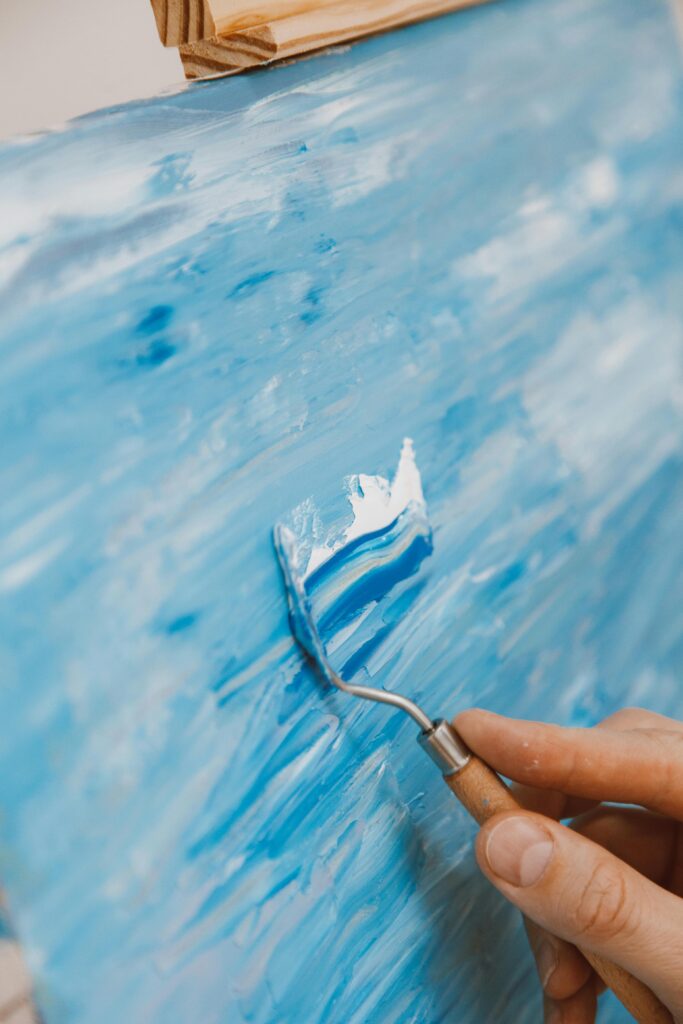
Idea Incubation: Let Your Mind Work While You Rest
Sleep feels like doing nothing, but your brain is quietly solving problems in the background. Studies show that after a good night’s rest, people solve creative challenges nearly twice as effectively as when awake.For artists, this means your brain is connecting details, exploring alternatives, and testing solutions while your body sleeps. It’s like having a secret studio working behind the scenes.
Your subconscious mind sifts through all the material you absorbed that day. Colors, forms, and textures mingle in ways you never consciously considered. Patterns emerge, small mistakes reveal themselves, and new approaches naturally surface. That mental sorting makes your waking creative work faster and sharper, and often more inspired.
Short naps also trigger this incubation process. Even twenty minutes of rest can reset your perspective, allowing you to revisit a piece with fresh eyes. You suddenly notice compositional solutions or color tweaks that were invisible when your mind was fatigued. These small insights can transform a good piece into something memorable.
Ignoring sleep means you rely entirely on conscious effort. You repeat habits and obvious solutions instead of discovering subtle, creative leaps. Rest gives your mind the freedom to experiment without pressure. It’s in these quiet hours that your work gains depth, subtlety, and originality that can’t be forced.
Incubation also affects decision-making. When you’re well-rested, you can evaluate options calmly and intuitively. You notice which ideas resonate and which feel forced. You make choices that feel confident and natural instead of desperate or rushed. Sleep gives your creative mind space to operate fully.
When your studio sessions start feeling effortless, that’s sleep at work. Your brain has done much of the thinking while you rested, and your conscious work becomes more about refining and exploring rather than brute forcing solutions. Rest isn’t wasted time, it’s an essential part of creating with depth and intelligence.
Physical Recovery: Your Body Needs Sleep Too
Creativity isn’t just mental; it’s physical. Your hands, eyes, and posture are constantly engaged in studio work. Without sleep, fatigue builds up, fine motor skills falter, and even simple tasks feel heavier. Your body slows down before your mind does, and that affects quality and stamina. Sleep gives your muscles and brain the chance to repair and recalibrate, making studio sessions more effective.
When you’re sleep-deprived, subtle coordination suffers. Holding a brush steady, cutting paper accurately, or using tools precisely becomes harder. Small errors mount, mistakes feel more frustrating, and progress slows. A rested body supports focus, coordination, and endurance, every artist’s secret superpower.
Sleep also helps your eyes recover. Long hours in front of a canvas or screen strain them, making details harder to see and color judgments trickier. Rest gives your visual system a reset, allowing sharper observation, better color perception, and less eye strain during long sessions.
Beyond coordination, fatigue affects posture and energy. Your back stiffens, your shoulders ache, and your overall physical stamina declines. Even short sessions become uncomfortable. Sleep supports physical health, letting you work longer, sustain focus, and approach challenges with energy instead of dread.
Good sleep also reduces the likelihood of injury. Overworked muscles, sore joints, and repetitive strain are more likely when tired. Your body repairs itself during rest, maintaining strength and flexibility for the studio. Consistent sleep isn’t optional, it’s part of caring for the tools you rely on most: your hands, eyes, and body.
Ultimately, when your body is rested, your mind follows. You can work longer, think more clearly, and produce work that reflects both your creative skill and physical readiness. Studio life is demanding, but sleep ensures you meet it with energy, precision, and confidence every day.
Habit-Building: Make Sleep Part of Your Studio Routine
Your studio routine likely includes warm-ups, reviewing projects, or prepping materials. Sleep deserves a permanent place in that routine. Consistent rest isn’t indulgent, it’s part of sustainable creative practice. Just as you schedule studio time, deadlines, and breaks, your sleep schedule supports every other part of your work.
Start with small, consistent habits: a set bedtime, limiting screen time before rest, and allowing at least seven hours for your brain and body to recover. Treat it like a studio task because the effects show directly in your focus, creativity, and emotional stability. Regular sleep becomes invisible scaffolding for your art.
Track how you feel in relation to sleep. Notice mornings when ideas flow easily, afternoons when you’re productive, and evenings when mistakes spike. Connecting these patterns to your sleep schedule reveals just how much your creative performance depends on rest. You start valuing sleep as insight into your process.
Sleep affects your long-term stamina, not just day-to-day performance. A rested artist can sustain intense focus without burning out, maintain consistency across projects, and approach challenges with patience. Over time, this consistency becomes one of your greatest creative advantages.
By integrating rest into your routine, you also normalize recovery. Breaks, naps, or early nights stop feeling like indulgences. You start to see them as essential tools to protect your energy and your work. Productivity becomes about quality, not just hours logged.
When sleep is part of your routine, your creativity and confidence grow together. You maintain energy for challenging projects, recover faster from setbacks, and approach every session with a clear mind. Making sleep a habit ensures your art, body, and mind remain aligned and strong for the long haul.
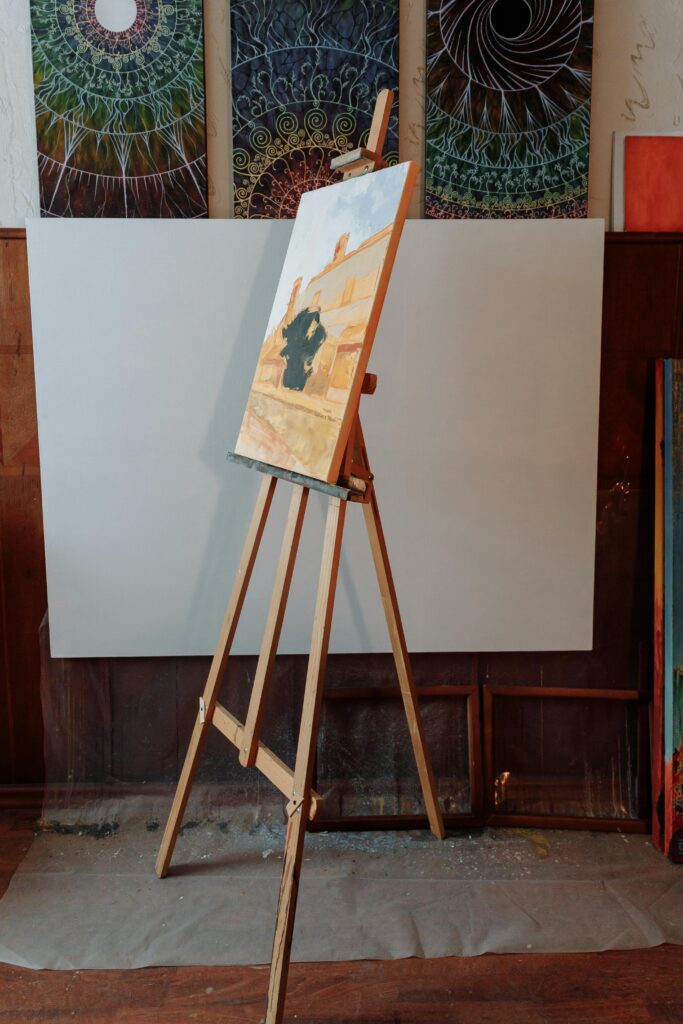
Mental Clarity: Sleep Helps You See the Big Picture
It’s easy to get lost in details and deadlines when you’re tired. A lack of sleep narrows your focus, making small problems feel overwhelming while obscuring larger goals. Rest restores perspective, allowing you to see both the details and the bigger vision at the same time. This is critical for artists balancing multiple projects, commissions, or exhibitions.
Sleep strengthens cognitive functions like planning and problem-solving. When rested, you spot opportunities you might otherwise miss. You notice patterns, connections, and potential risks in your work. A sharp mind makes your decisions more intentional and less reactive, improving both efficiency and creativity.
Fatigue often encourages impulsive choices. You grab the first solution that seems “good enough” and move on. Proper sleep allows time for reflection and intuition to guide you. You can assess your ideas calmly and choose directions that truly serve your work, rather than defaulting to what feels easy in the moment.
Clarity doesn’t just improve decision-making, it reduces frustration. When you see the whole picture, you stop spinning in circles over small details. You work with confidence instead of panic. Your creative process flows more naturally, and problem-solving becomes less stressful and more satisfying.
Even small improvements in mental clarity compound over time. Fewer mistakes, better planning, and faster learning create a cumulative advantage. Sleep ensures your work is more intentional, consistent, and reflective of your vision, rather than a product of exhaustion.
By making sleep a priority, you equip your mind to see clearly, act decisively, and connect ideas in ways that push your art forward. Clarity becomes habitual, not a lucky moment, and your creative decisions feel grounded rather than frantic.
Memory: Sleep Locks in Lessons and Ideas
Memory is the hidden engine of creative growth. Sleep helps your brain consolidate experiences and lessons, turning new skills and insights into long-term knowledge. Without it, mistakes repeat, techniques feel harder to master, and learning slows. For artists, sleep ensures progress is retained, not lost.
When you sleep, your brain organizes information from the day, connecting new ideas to existing knowledge. This is why revisiting a tricky painting after rest feels easier, you’ve already internalized lessons while your body slept. Progress becomes cumulative, not repetitive.
Short naps also help. Even brief rest strengthens recall, allowing you to retrieve details about color combinations, techniques, or feedback more efficiently. Your creative decisions are informed by a richer, better-organized mental library.
Sleep also supports emotional memory, which matters for art. The feelings and intuition behind ideas are preserved. You remember not only the technical steps, but the emotional choices that made a piece compelling. Without sleep, those subtleties fade.
When memory is strong, you can iterate faster. Revisions feel purposeful rather than trial-and-error. Lessons from past failures or successes become tools for future projects instead of missed opportunities. Sleep converts experience into actionable insight.
Artists who prioritize sleep retain more than ideas, they retain confidence. Knowing that your brain is absorbing lessons and storing them safely reduces anxiety and frees mental space for exploration. Memory becomes a silent partner in every creation.
Stress Reduction: Sleep Calms the Studio Storm
The studio can be demanding, especially with deadlines, client expectations, or personal goals. Sleep reduces the physiological effects of stress, lowering cortisol levels and helping you respond calmly instead of reacting impulsively. A rested artist approaches challenges with composure, not tension.
When exhausted, small obstacles feel huge. A misprinted commission or delayed shipment can spiral into frustration. Sleep gives your brain and body the energy to handle setbacks logically, preserving patience and problem-solving ability.
Quality rest also enhances your ability to regulate emotions. Instead of panicking over mistakes, you notice them, analyze them, and adjust. You’re less likely to let frustration influence your work, relationships, or creativity. Stress becomes manageable rather than controlling.
Chronic sleep deprivation, on the other hand, amplifies negativity and reduces motivation. You may push through out of obligation but produce work that feels forced or flat. Proper rest keeps your mind sharp, ideas flowing, and energy steady.
Sleep also protects your long-term health, which is essential for sustaining a creative career. Artists often underestimate the cumulative toll of exhaustion, but a rested mind and body can endure the ups and downs of a demanding schedule.
By making sleep non-negotiable, you reduce stress before it even starts. Studio life feels smoother, setbacks feel smaller, and creative energy lasts longer. Calm, consistent energy is a hidden secret of sustainable artistic practice.
Productivity: Sleep Fuels Sustainable Output
Working longer hours doesn’t always mean producing better art. Sleep improves efficiency, focus, and decision-making, allowing you to do more in less time. Productivity is no longer about grinding but about leveraging energy intelligently.
Sleep-deprived artists tend to make more mistakes, take longer to finish projects, and feel drained. Rest allows you to tackle complex tasks without slowing down. Your ideas flow more naturally, and your hand follows your mind with confidence.
Even short naps increase output. The brain uses sleep to reorganize tasks and prioritize important goals. You can work on multiple projects, handle feedback, and refine your pieces with greater ease. Productivity becomes about strategic effort rather than sheer endurance.
Rested artists also experience less procrastination. Mental fatigue triggers avoidance, self-doubt, and perfectionism. Sleep reduces these tendencies, allowing you to sit down, start, and maintain momentum without hesitation.
Consistency matters more than bursts of frantic work. Regular sleep ensures every studio session is productive, energy-efficient, and aligned with your creative vision. Small daily wins add up faster than occasional marathon sessions.
By valuing sleep as a productivity tool, you maintain long-term output without burning out. The work you produce is better, your mind is sharper, and your energy lasts across projects, exhibitions, and commissions.