


What makes her reach for a torn poster instead of clean paper | Lise Bjerkan
👁 1 Views
This conversation with Lise Bjerkan unfolds at her pace, which is to say, slowly, with careful attention to what lies just beneath the surface. She talks about her work the way she seems to make it: by circling ideas, testing them, and leaving room for what can’t quite be pinned down.
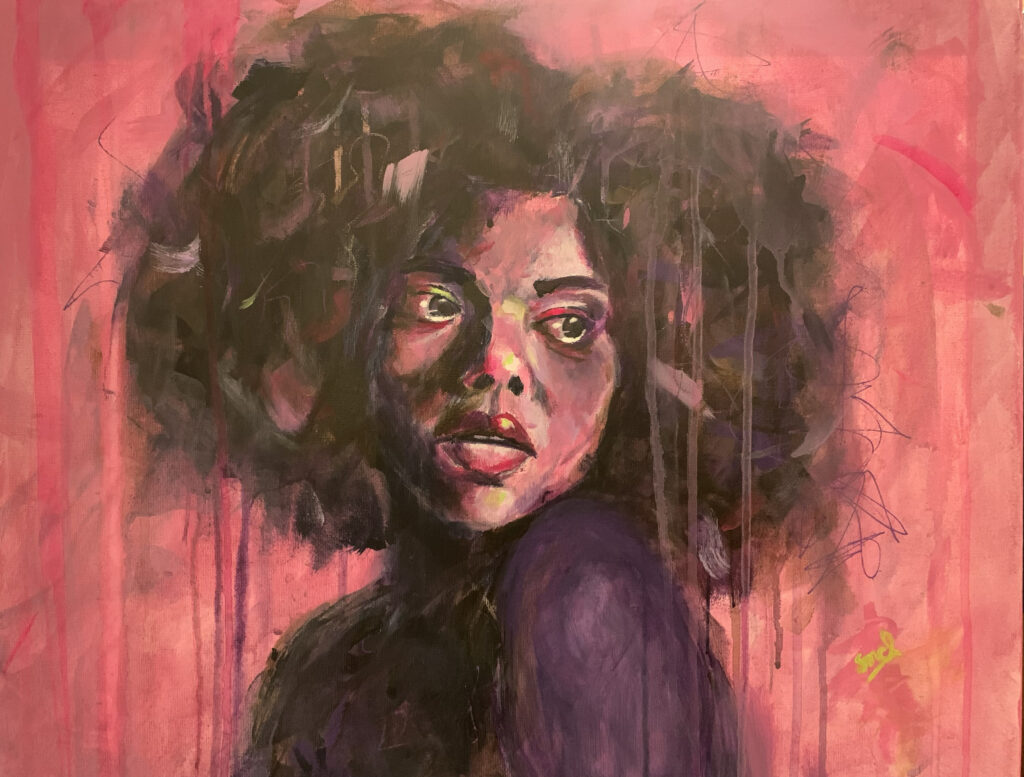
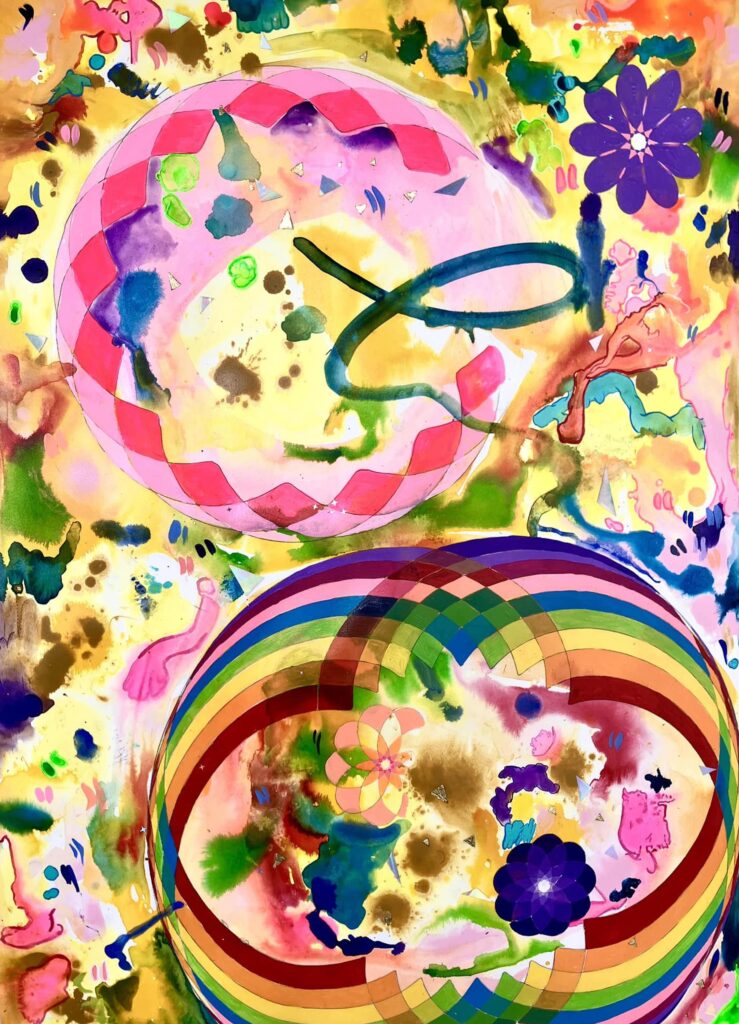
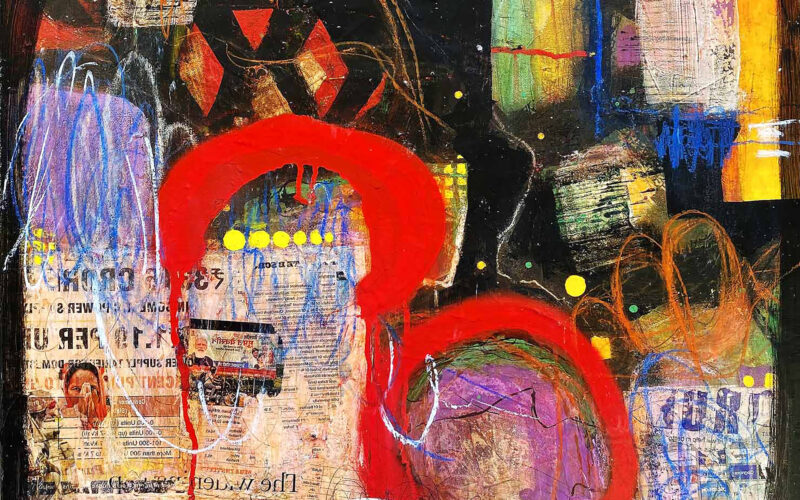
Bjerkan paints with photographs, scraps of old maps, torn posters, and lecture notes that once held meaning. These aren’t decorative choices. They’re material decisions that shape how an image holds together or falls apart. She describes looking for a quiet alignment between what a fragment carries and what the painting needs, and she’s quick to pull back when something starts to explain too much. What matters is whether a material deepens the mood without spelling it out.
Her background comes up throughout. Years spent in social anthropology and journalism trained her to notice small gestures, to wait, to sit with uncertainty. That habit of looking closely shows up in how she layers images and builds surfaces, allowing different moments and perspectives to press against each other. She doesn’t treat observation as a way to document the world, but as a form of presence that informs how she works.
Travel surfaces too, but not in the usual way. Cities like Berlin and Rome stay with her as sensations rather than places. A rhythm of walking, a shift in light, the feeling of being slightly off balance. These impressions come back in the studio as textures and spatial shifts, long after the trip has ended. She’s interested in cities where time is visible, where history hasn’t been smoothed over, and that same layering shows up in her paintings.
The interview moves between painting and photography, and she’s clear about how differently each one handles narrative and space. Photography locks onto a moment that’s already happened. Painting lets time fold back on itself. Moving between the two keeps her work unsettled, which seems to be exactly what she wants. She stops not when something feels resolved, but when it risks becoming too certain. What comes through is a practice built on hesitation, where finishing means knowing when to step back before the image closes itself off..
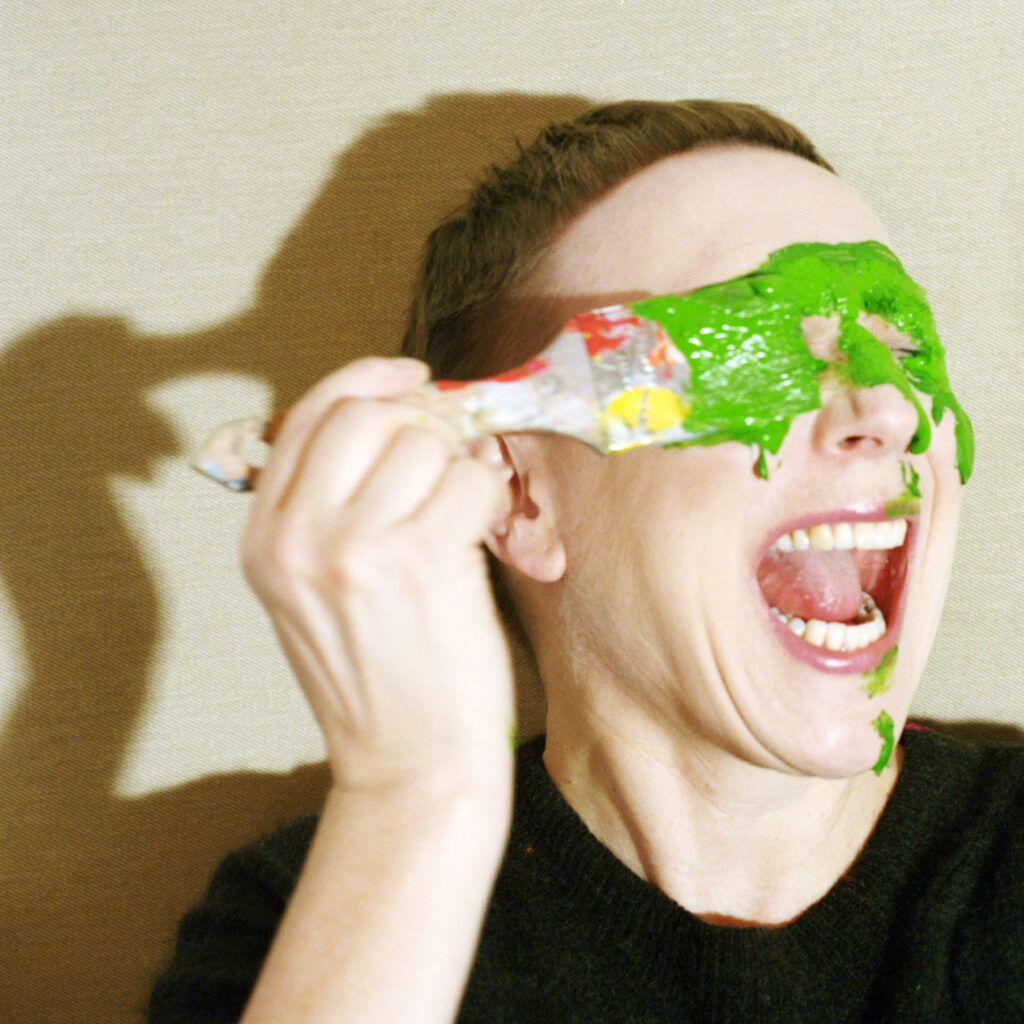
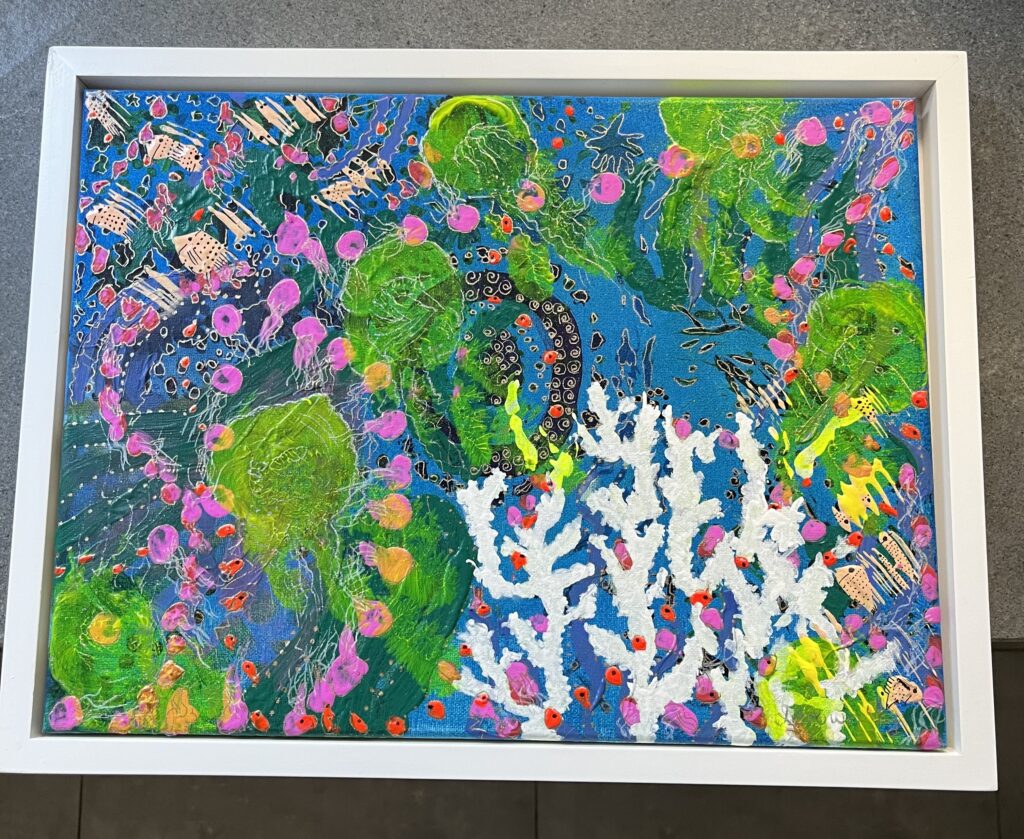
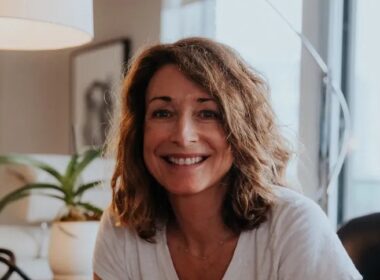
Lise Bjerkan is an Oslo-based visual artist working with painting, photography, and text. In her abstract and layered approach, she creates images that convey both joy and gravity, inviting curiosity, recognition, and reflection. She often incorporates her own photographs alongside collage, charcoal, ink, pencil, and paint. Text fragments and photographic traces serve as anchors within her abstract landscapes, giving her work a sensuous, poetic, and energetic presence. Bjerkan holds a two-year visual arts education from Nydalen Art School (2022) and has also studied at the Oslo School of Photography (2022). She holds a PhD in Social Anthropology (2002) and a Master’s degree in Journalism (2023). This interdisciplinary background informs her artistic practice with a humanistic perspective and a socially engaged sensibility. Her work draws inspiration from travel, human encounters, and the shifting rhythms of everyday life. The finished pieces can be seen as visual diaries in which inner and outer landscapes intertwine.
1. Everyday paper objects like old books, maps, newspapers, and notes appear often in your work. How do you decide which found materials deserve a place on the surface?
I don’t choose materials for what they are, but for what they carry. Old books, maps, notes, or fragments of text come with a history of touch, use, and attention. I’m drawn to paper that has already lived a life — folded, annotated, worn, sometimes forgotten. When I work, I look for materials that resonate emotionally with the painting as it develops. A map might suggest orientation or disorientation, a book page a shared language or a loss of words, a handwritten note a trace of presence. If a fragment feels too descriptive or too loud, I leave it out. What earns its place is a quiet alignment — when the material deepens the mood without explaining it. In that way, the surface becomes a meeting place between the inner and outer worlds, where everyday paper objects act as subtle witnesses rather than illustrations.
I often reach that point when I notice myself hesitating rather than adding. If a mark feels like it would resolve too much or make the image safer, I stop.
Lise Bjerkan
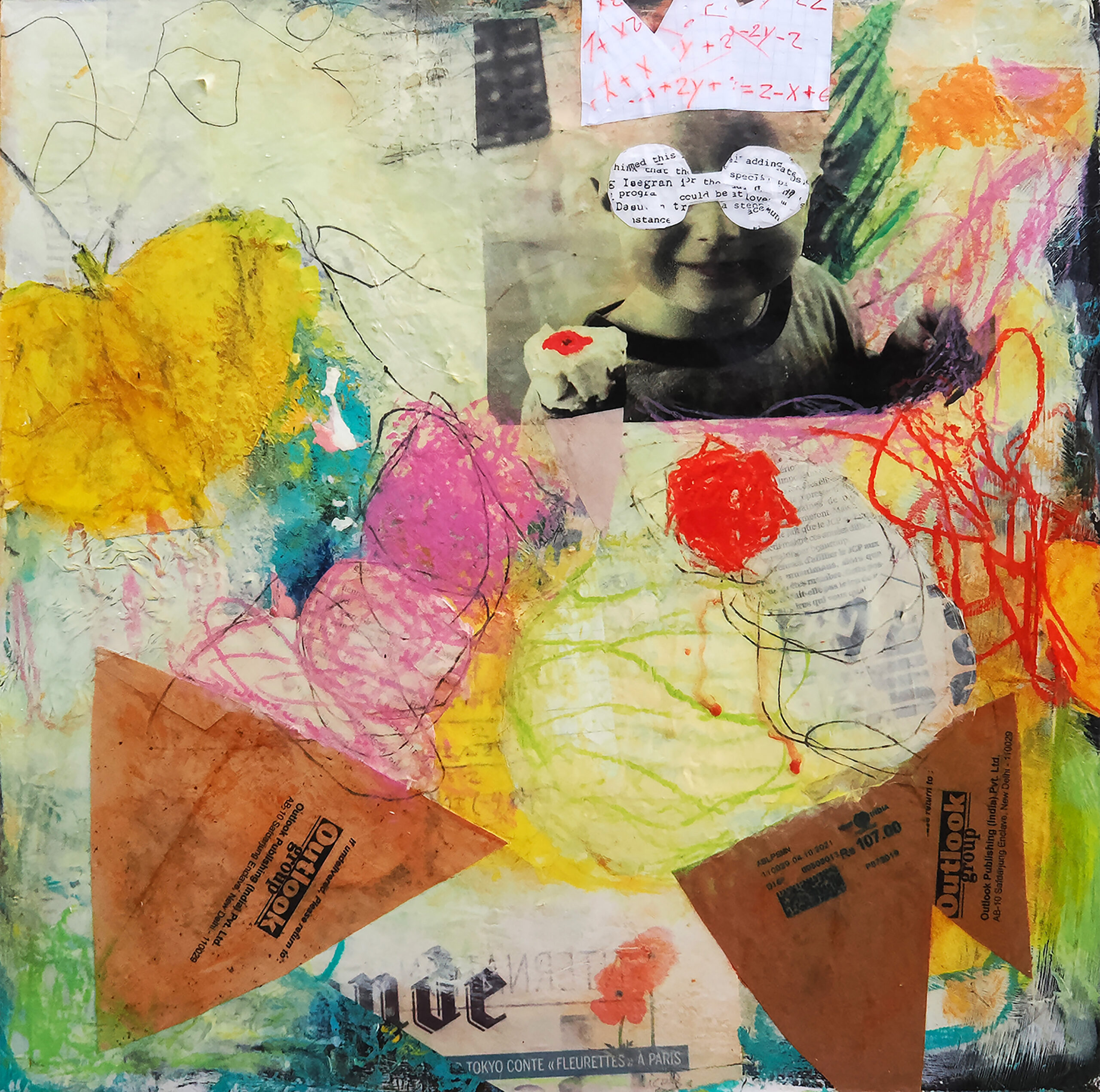
2. Photography functions as an anchor within your abstract paintings. What usually leads you to choose a specific photograph to build an image around?
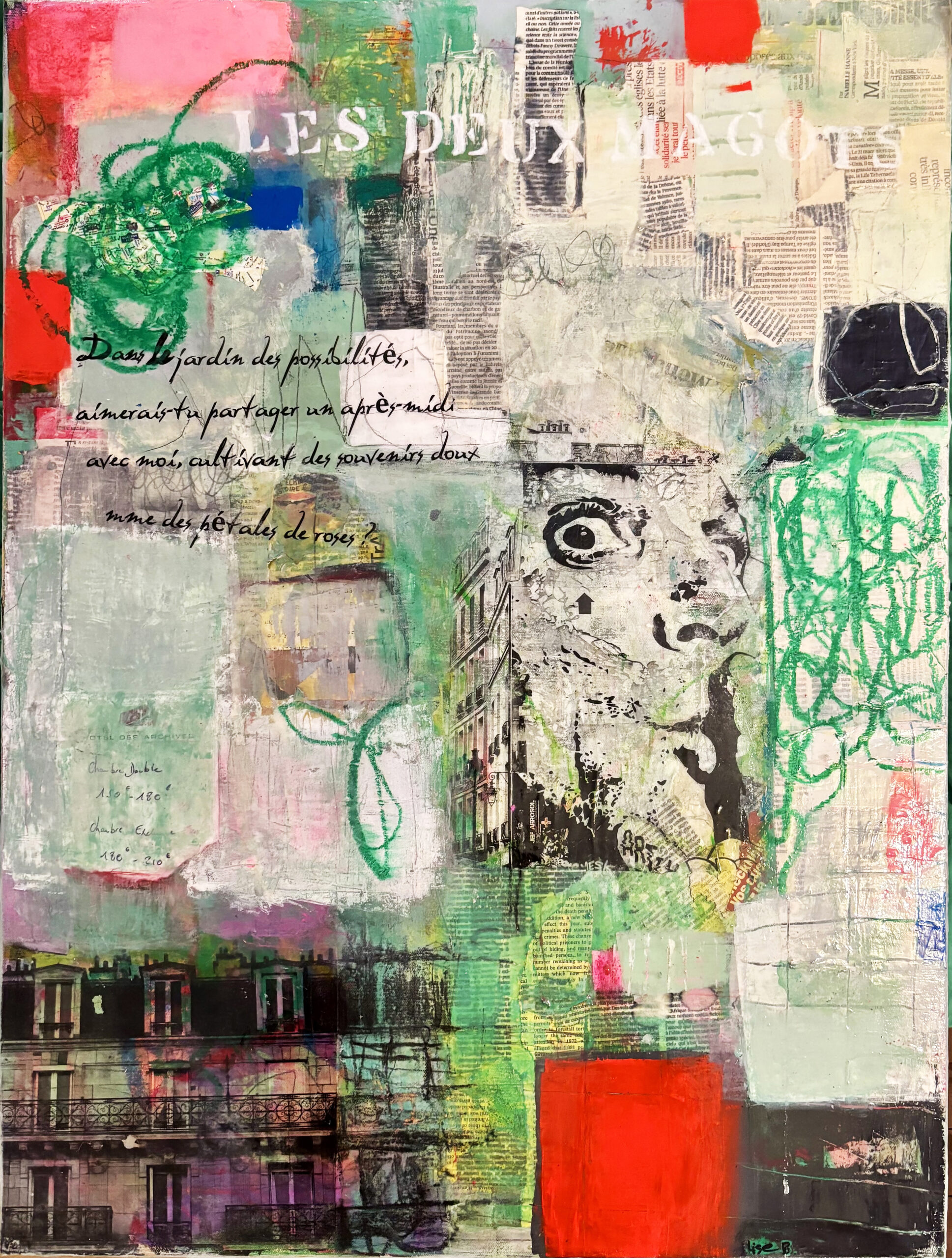
The photographs I work from are not chosen for their clarity, but for their charge. They are often taken in passing — a street, a window, a fragment of a place — moments that might seem insignificant at the time but linger afterwards. What draws me back to a particular photograph is a feeling of pause, as if something in it resists being fully remembered or fully understood. I use the photograph as a point of orientation rather than a destination. It gives the painting a sense of gravity — a place to return to — while abstraction allows the image to loosen, blur, and breathe. As layers are added, the photograph may be partly obscured or altered, but it continues to hold the work together, quietly anchoring emotion, memory, and lived experience within the surface.
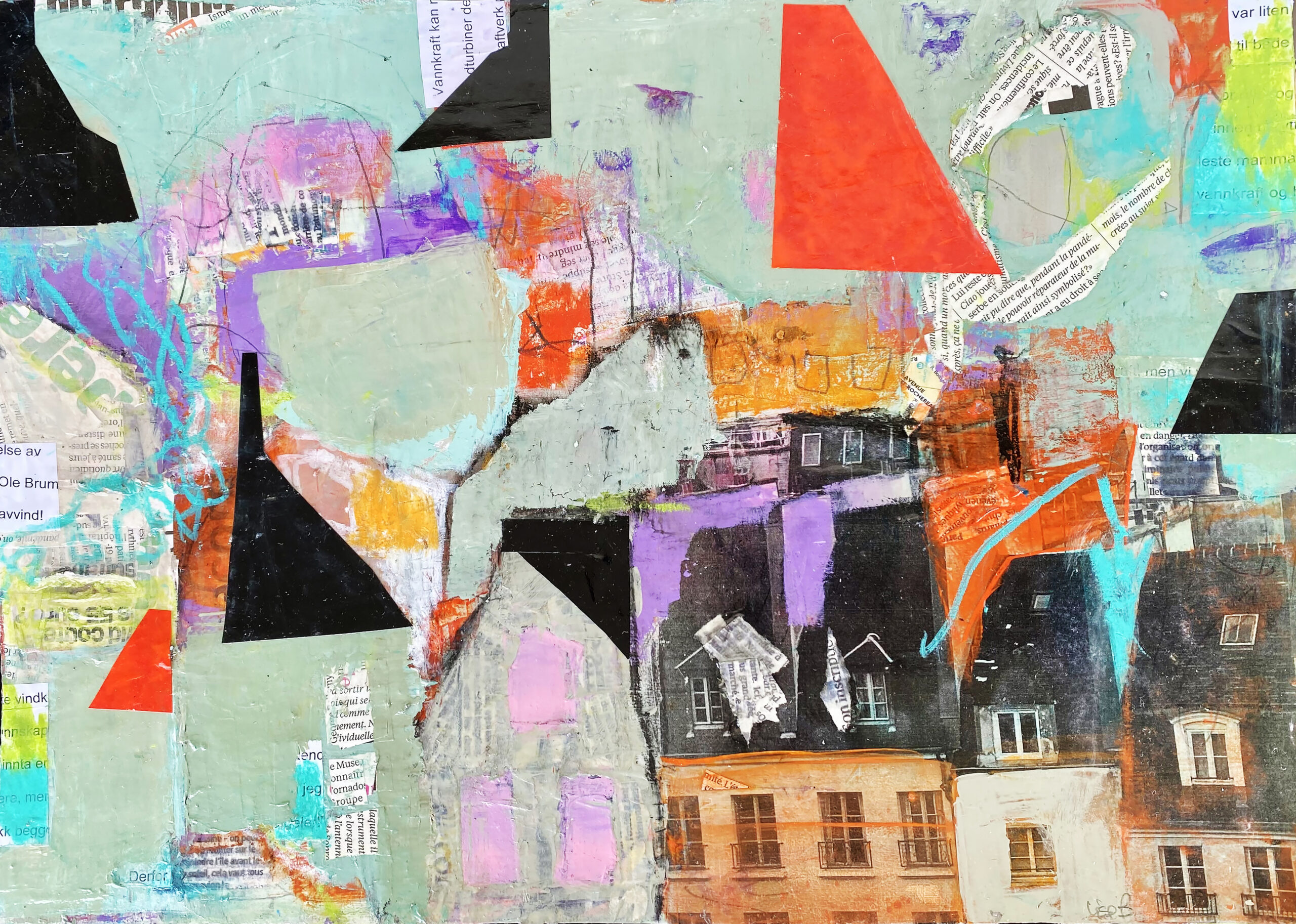
3. You describe your works as existing between light and dark. How do you know when a painting has reached the right balance and needs no further changes?
For me, balance between light and dark isn’t something I calculate — it’s something I listen for. A painting feels finished when the tension settles into a kind of stillness, when neither light nor shadow is trying to dominate or explain the other. I often reach that point when I notice myself hesitating rather than adding. If a mark feels like it would resolve too much or make the image safer, I stop. I want the work to retain a sense of openness — a space where vulnerability and strength can coexist. When the painting can hold both without collapsing into certainty or despair, I know it has found its balance, and I leave it as it is.
My training in social anthropology and journalism taught me to pay close attention to what is said, what is left unsaid, and how meaning is carried through small, everyday details—that way of looking stays with me in the studio. I approach painting less as an act of invention and more as a form of attentive presence. Observation, for me, is not about documenting reality, but about noticing patterns, gestures, and traces of lived experience. Research habits shape how I layer images, photographs, and found materials, allowing different temporalities and perspectives to coexist on the surface. Much like fieldwork or reporting, the process involves listening, waiting, and accepting uncertainty. I let the image build slowly, guided by intuition informed by years of looking closely at people, places, and the quiet spaces in between.
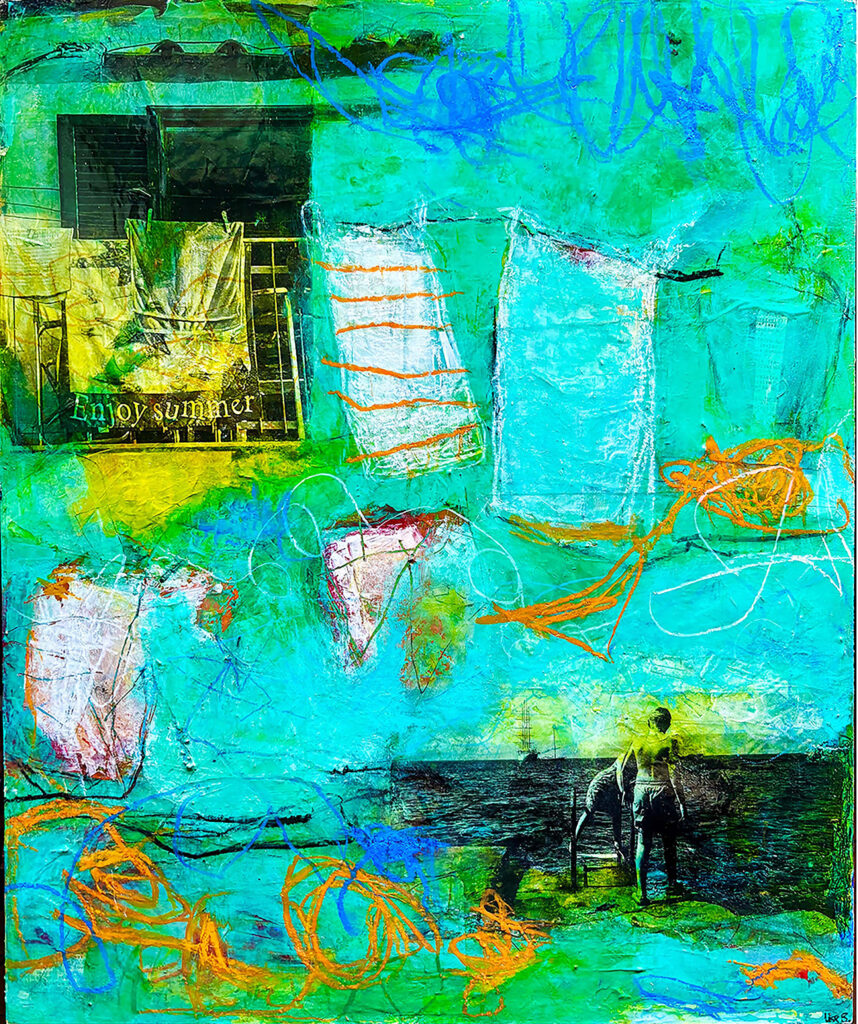
I don’t choose materials for what they are, but for what they carry. Old books, maps, notes, or fragments of text come with a history of touch, use, and attention.
Lise Bjerkan
5. Travel and encounters seem central to your process. How do cities like Berlin and Rome continue to surface in your studio practice long after the journey ends?
Travel stays with me less as recollection and more as residue. Cities like Berlin and Rome don’t return as complete places, but as fragments — a rhythm of walking, a particular light, the feeling of being slightly unmoored. Long after the journey ends, these impressions resurface in the studio as textures, spatial shifts, and photographic traces. I’m drawn to cities with visible layers of time, where history isn’t sealed off but embedded in everyday life. Berlin and Rome both embody the tension between permanence and vulnerability, mirroring my own approach to work. In the studio, I allow those places to reappear indirectly, filtered through memory, emotion, and the present moment. The paintings aren’t about representing a city, but about translating the experience of having passed through it — and being quietly altered in the process.
6. Your recent group exhibitions and the Street Photography Award place your work in different contexts. How does shifting between painting and photography affect how you think about narrative and space?
Moving between painting and photography makes me aware of how differently narrative and space behave in each medium. Photography often suggests a moment that has already happened — a fragment of time that invites interpretation but resists alteration. Painting, on the other hand, allows time to stretch, fold, and overlap, making space more fluid and open-ended. Shifting between these contexts sharpens my attention to what a surface can hold. In photography, narrative tends to condense; in painting, it expands and becomes layered. Working in both fields enables me to challenge linear storytelling and instead create spaces where multiple interpretations can coexist. The dialogue between the two keeps my practice unsettled productively. It encourages me to think of narrative not as something that unfolds clearly, but as something that lingers — shaped as much by absence and silence as by what is visible.
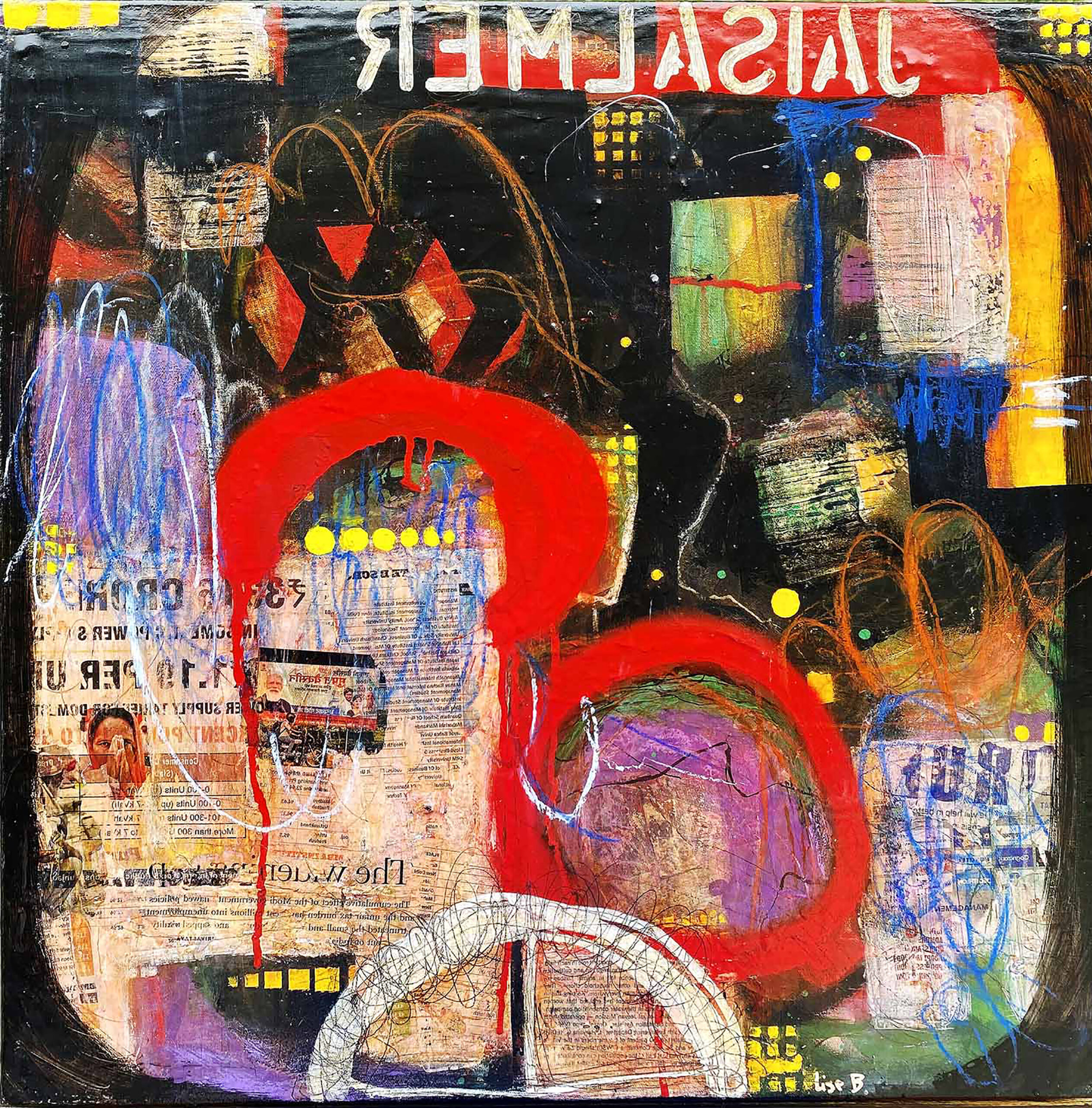
Bjerkan’s work sits where memory meets material, where a crumpled map or a photograph taken without thinking can hold an entire image together. Her paintings don’t try to resolve anything. They have multiple things at once: joy and weight, clarity and blur, what happened and what stays with you afterwards. She uses abstraction not to dodge meaning but to keep it from settling too fast into something neat.
What comes through in this conversation is how much her practice depends on knowing when to stop. She’s figured out when to add something and when to leave it alone, when a scrap of text makes the surface stronger and when it would just explain what should stay unclear. Her years working as an anthropologist and journalist taught her to look without rushing to conclusions, and that same patience shows up in how she builds images, letting them shift until they feel right.
Her work asks you to sit with not knowing, to recognise something without needing to pin it down entirely. What you take away from talking to her is that finishing doesn’t mean cleaning everything up. It means stopping before the image gets too confident, leaving enough space for something to stay open. That hesitation, that willingness to leave things a bit undone, is what makes her paintings work.
To learn more about Lise Bjerkan, click the following links to visit her profile.
Arts to Hearts Project is a global media, publishing, and education company for
Artists & Creatives. where an international audience will see your work of art patrons, collectors, gallerists, and fellow artists. Access exclusive publishing opportunities and over 1,000 resources to grow your career and connect with like-minded creatives worldwide. Click here to learn about our open calls.