
What It Looks Like to Begin Without a Plan | Jimena Castro

👁 160 Views
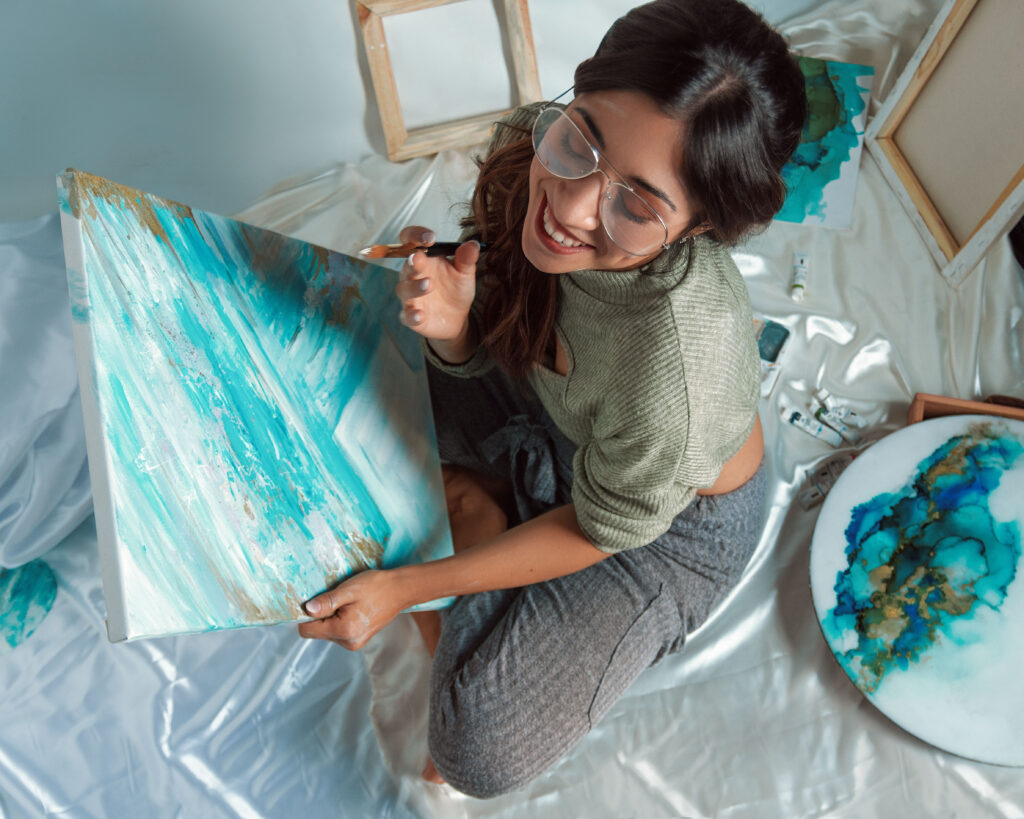
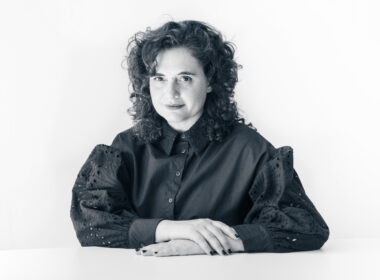
In this interview for the Arts to Hearts Project, we sat down with self-taught artist Jimena Castro to talk about what it means to create from instinct, experience, and emotion. In this interview, Jimena shares how her journey began without formal training, how a break from painting helped her reconnect with her purpose, and how her background in tech and design subtly influences her approach to art.
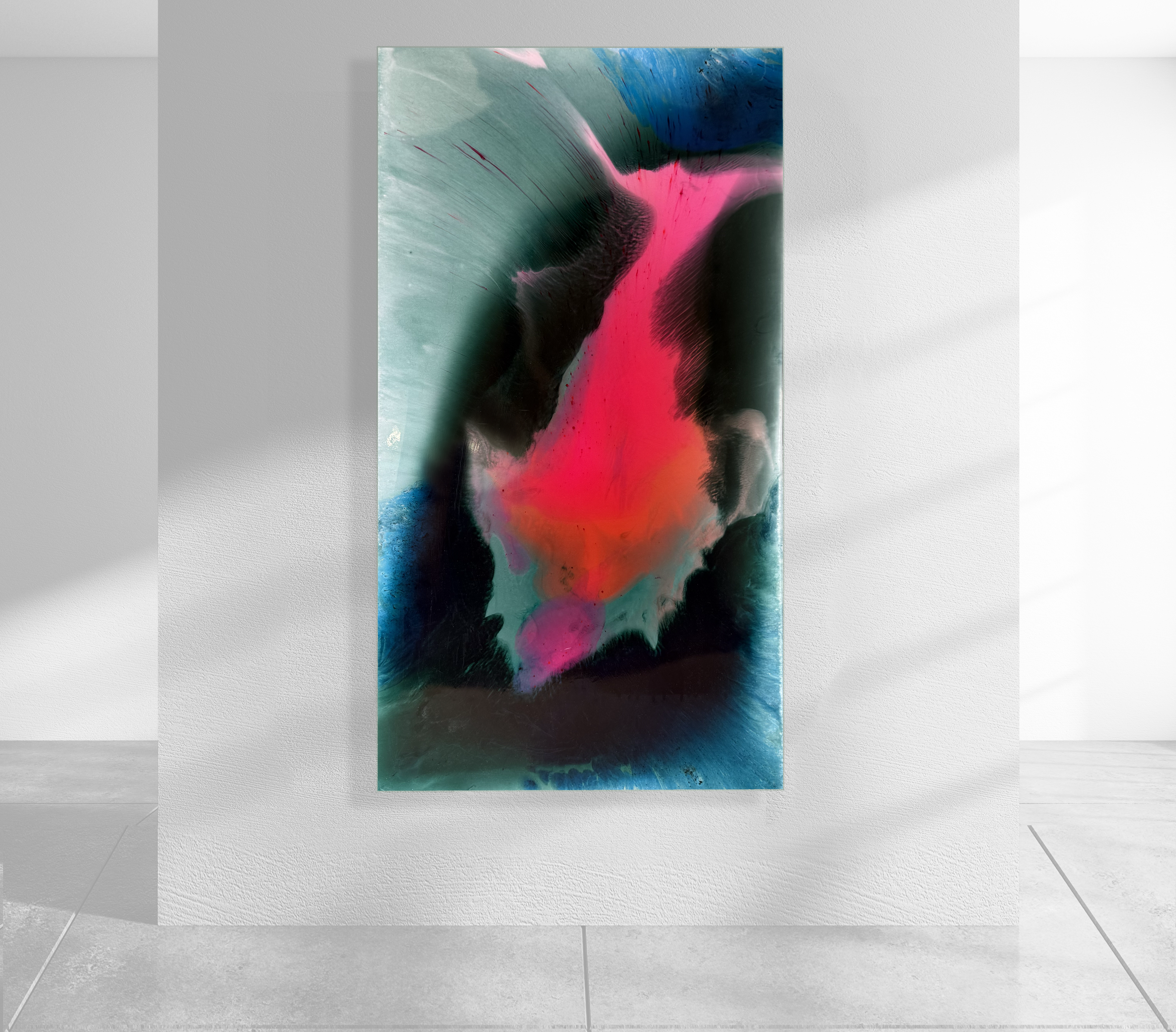
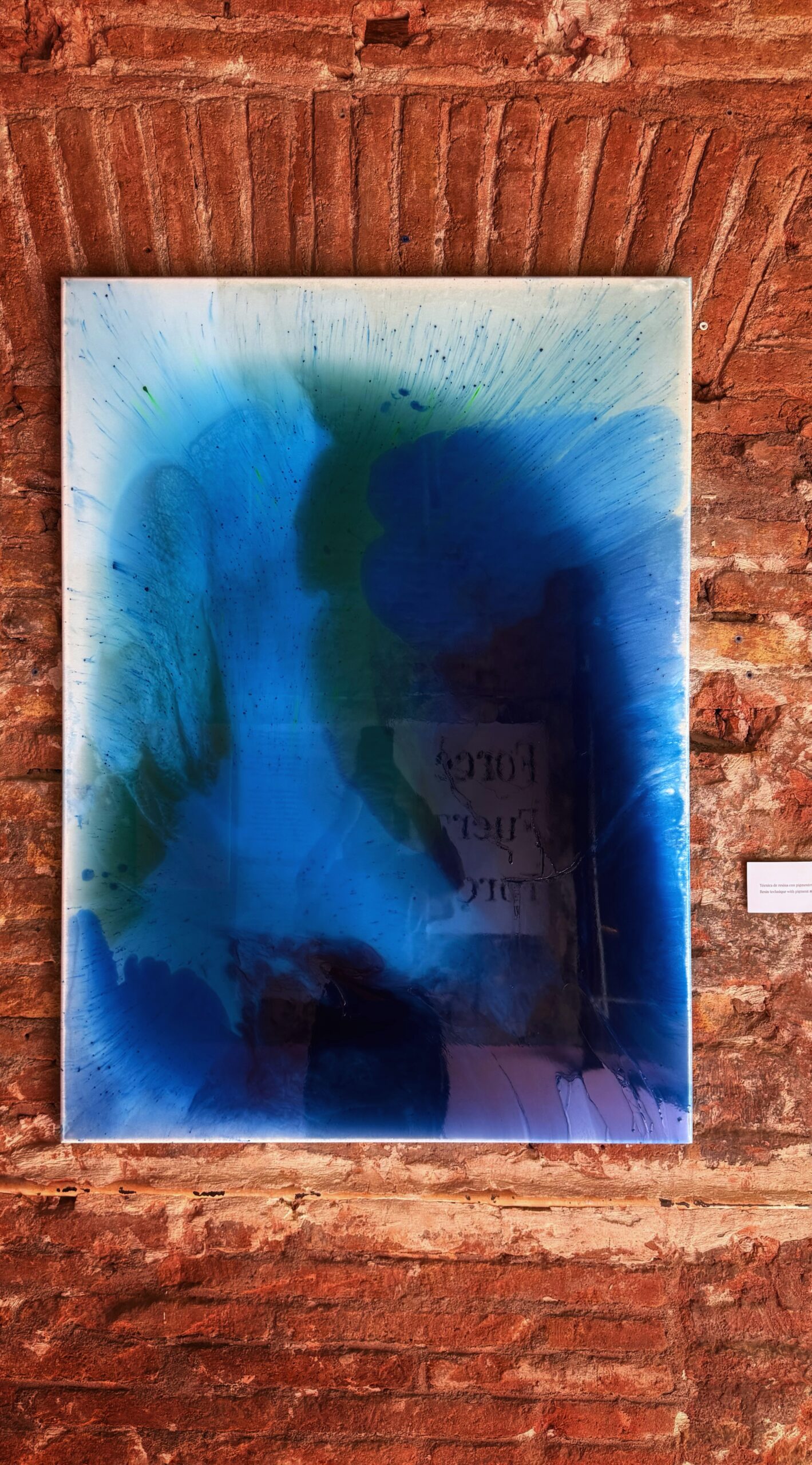
She talks about returning to the studio, letting go of control, and finding her rhythm through exploration and curiosity. We also learn about the making of her Force collection, what it feels like to connect with people through her work, and what she’s looking forward to next in her practice.
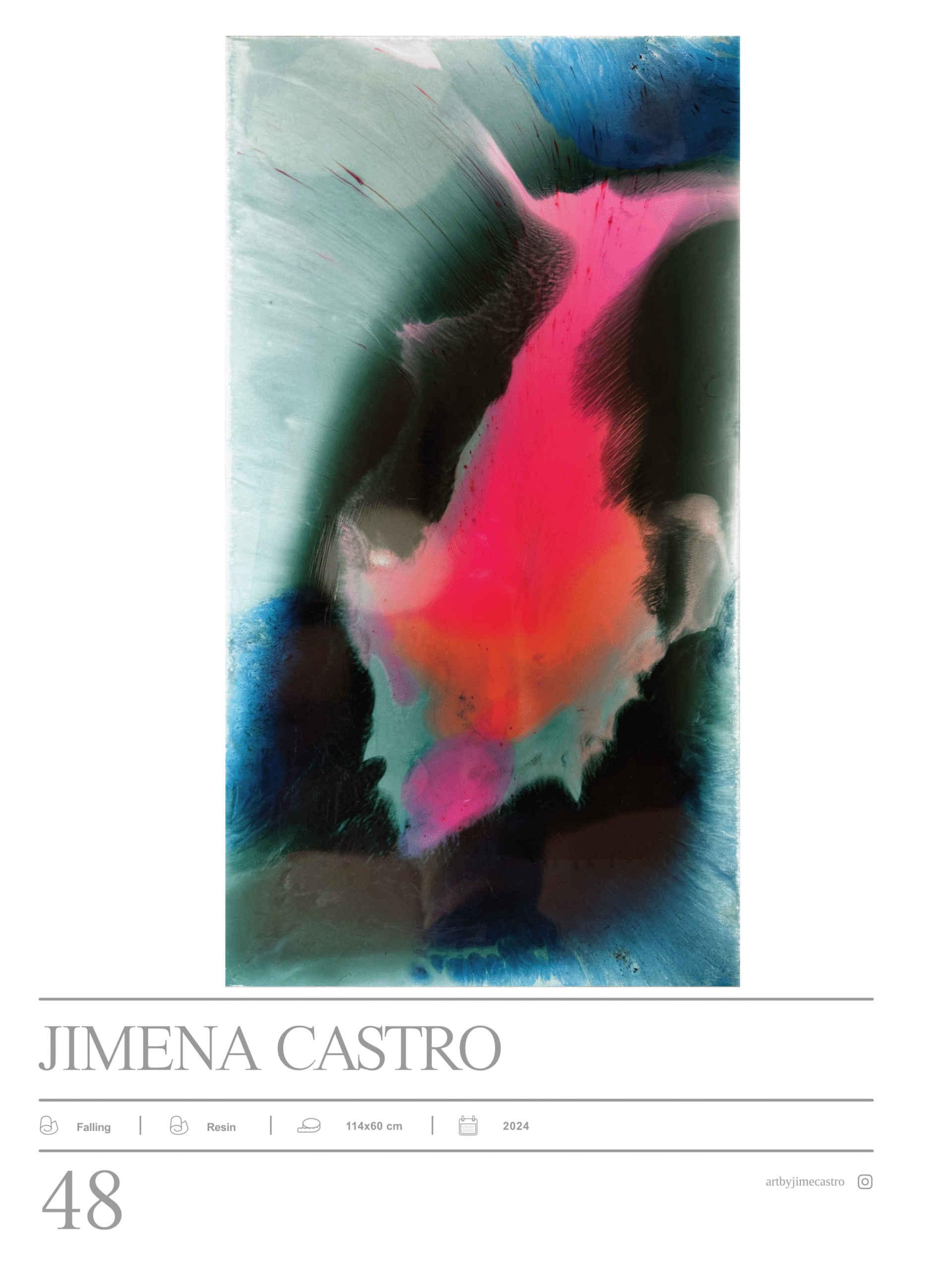
Jimena Castro is a featured artist in our book, “101 ArtBook – Abstract Edition” You can explore her journey and the stories of other artists by purchasing the book here:
https://shop.artstoheartsproject.com/products/the-creative-process-book

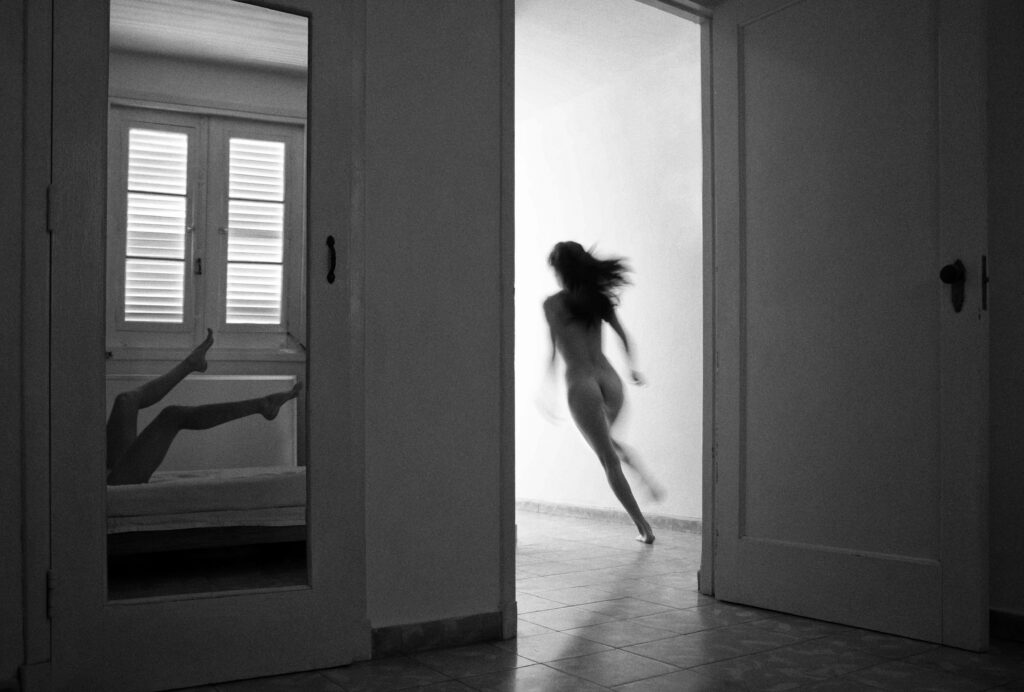
1. Your early work in the Netherlands centred on fine art photography—what drew you to self-portraiture and visual storytelling through body language?
In my early work as a fine art photographer in the Netherlands, I was drawn to self-portraiture as a means of expressing emotions I didn’t yet have words for. I would sit or stand in front of the camera, waiting until I could feel the emotion settle into my body—until I could embody what I was trying to say without speaking. I became captivated by the quiet expressiveness of hands—how, when people talked about things that mattered deeply, their gestures often revealed more than their words. That unspoken language of movement and emotion became central to my visual storytelling. This sensitivity continues to shape my mixed-media practice today. Whether I’m layering flowers, painting, or pastel, I’m still reaching for a form of expression that lives beyond the boundaries of English—where art becomes its own language, speaking in colour, gesture, and feeling.
“I wasn’t creating to meet a certain standard—I was creating to feel free, to move through emotions, and to reconnect with my creative force.
Jimena Castro
2. How did becoming a mother influence your shift from photography to daily painting, and what surprised you most about that transition?
Becoming a mother marked a profound turning point in my life as a creative person. We had moved to a friend’s ranch, twenty minutes from the nearest town—a quiet, expansive place far removed from the cities where I’d always lived and worked. At home with my daughter, surrounded by vast skies and stillness, I found myself with time to reflect, observe, and begin again. My background in photography had focused on portraiture, but in that season of solitude and slowness, something shifted.
I came across an article on Joan Mitchell in Art in America, and seeing her work ignited a deep longing to paint abstractly, freely, without the constraints of the lens. I bought my first set of paints, stretched a few canvases, and after that, I never looked back. I eventually sold my large-format camera to invest in more art supplies. We gave away our television, and my days began to fill with reading, writing, wandering outdoors, and making art alongside my daughter. That rhythm—rooted in presence, simplicity, and discovery—found its way into my paintings. It surprised me how naturally the visual language of abstraction could hold all of it: the quiet joy, the sensory richness of motherhood, and the transformation unfolding inside me.
3. You describe your current work as vibrant and non-representational—what emotions or experiences are you channelling through these inner landscapes?
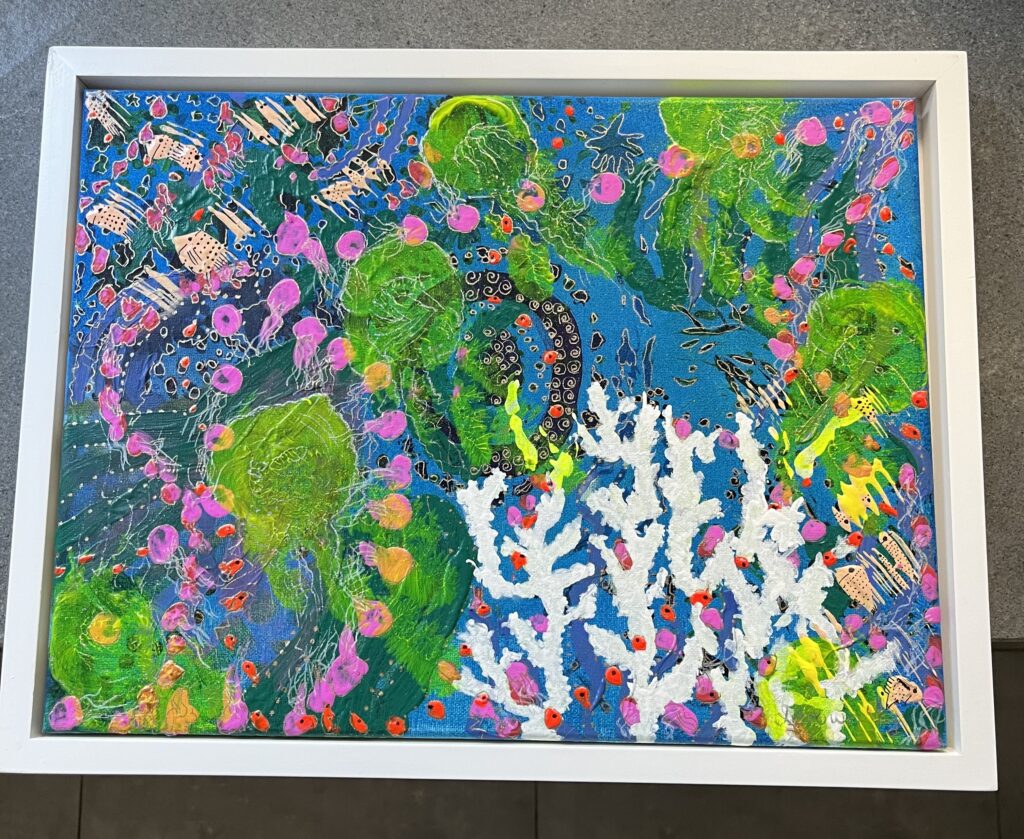
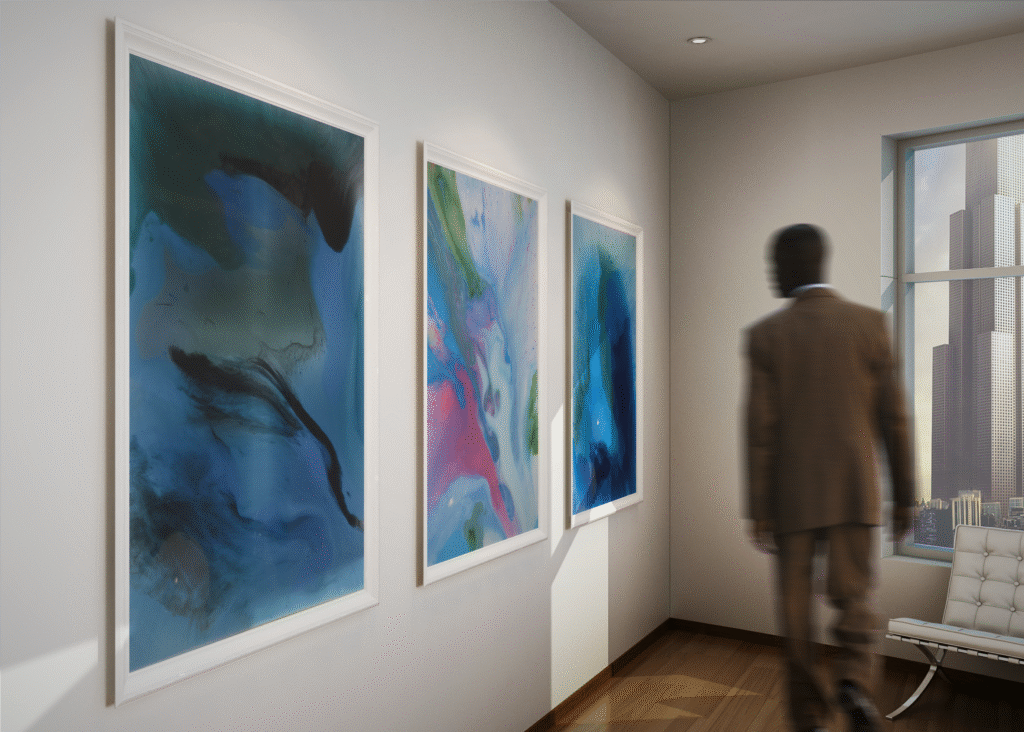
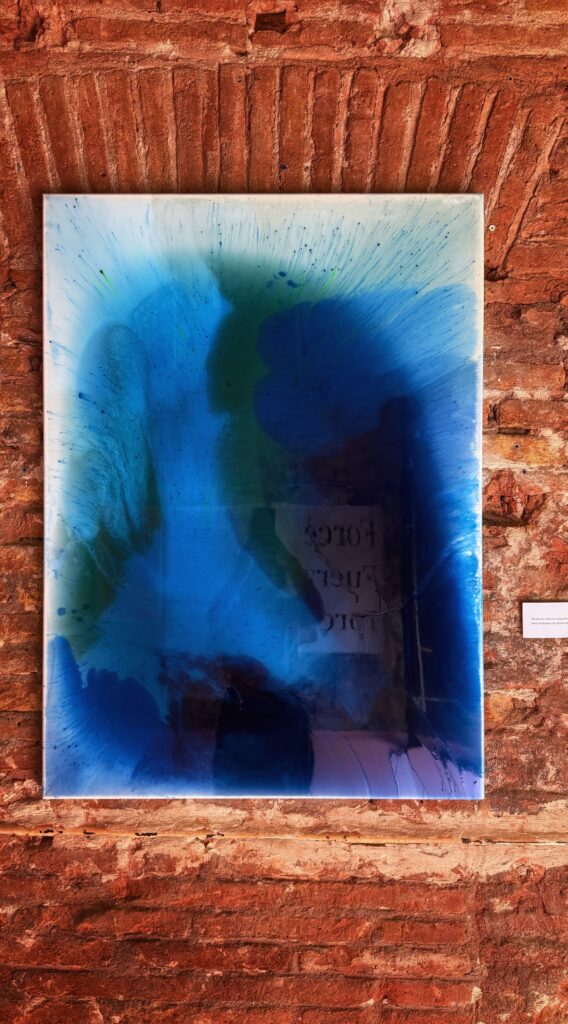
Honestly, I don’t begin a painting with the intention of expressing a specific emotion or experience. My work isn’t conceptual or representational in that way. I’m not trying to depict something defined—instead, I allow the painting to unfold from within. Whatever I’m thinking, feeling, or processing internally often finds its way into the work, whether I mean for it to or not. I respond to what appears on the surface—each brushstroke leading to the next, each colour interaction shaping the mood. Over time, these choices form a kind of visual language, and a story begins to emerge. It’s a process of discovery, where I’m both listening and responding, letting the painting evolve into what it wants to become.
Honestly, I don’t begin a painting with the intention of expressing a specific emotion or experience. My work isn’t conceptual or representational in that way. I’m not trying to depict something defined—instead, I allow the painting to unfold from within. Whatever I’m thinking, feeling, or processing internally often finds its way into the work, whether I mean for it to or not. I respond to what appears on the surface—each brushstroke leading to the next, each colour interaction shaping the atmosphere. Over time, these choices form a kind of visual language, and a story begins to emerge. It’s a process of discovery, where I’m both listening and responding, letting the painting evolve into what it wants to become.
4. What role did flowers play in helping you merge photography and painting into one creative language?
Honestly, I don’t begin a painting with the intention of expressing a specific emotion or experience. My work isn’t conceptual or representational in that way. I’m not trying to depict something defined—instead, I allow the painting to unfold from within. Whatever I’m thinking, feeling, or processing internally often finds its way into the work, whether I mean for it to or not. I respond to what appears on the surface—each brushstroke leading to the next, each colour interaction shaping the atmosphere. Over time, these choices form a kind of visual language, and a story begins to emerge. It’s a process of discovery, where I’m both listening and responding, letting the painting evolve into what it wants to become.
In 2023, I began photographing flowers as if they were portraits—capturing their quiet gestures and emotional presence. It felt like a return to my early work in portraiture, but this time through the lens of nature. Instead of printing on traditional photo paper, I used a giclée printer and cold-press paper, which imparted a painterly quality to the images. When I discovered clear gesso, I began painting directly onto the prints, merging photography and painting into one expressive surface. From there, collage naturally entered the process—monoprints, digital fragments, torn textures—all layered with oil sticks, pastels, cold wax, and charcoal. Flowers have become a bridge between my past and present work, serving as symbols of beauty, memory, and transformation, and a means to unify all my mediums under a single visual language.
I reached a point where I needed art again, not as a hobby, but as a way to process, to heal, and to reconnect with myself.
Jimena Castro
5. Surface pattern design seems to bring your art into everyday life. How does it feel to see your work on fabrics and home goods?
I’ve dreamt of creating artistic wallpaper and fabric for nearly 15 years. I could always envision creativity blooming across the walls of a home, infusing everyday spaces with colour, story, and a sense of joy. Now, as my skills begin to catch up with that long-held vision, it truly feels like a dream coming to life. I’ve just ordered my first wallpaper samples, and I’m thrilled to start bringing them into our own home. The idea that these designs might bring joie de vivre into other people’s spaces, too—that’s the most meaningful part of it all.
6. What advice would you give to women artists who are navigating motherhood, identity shifts, and creative reinvention?
I believe you can live many lives within one lifetime. Don’t be afraid to pivot—to say, this no longer serves my well-being, and to bravely invest your time and talents in a new direction. Reinvention is not failure—it’s a sign of growth, clarity, and trust in your voice. And know this: raising a child is a monumental creative act in itself. When your children witness you making art, honouring your intuition, and embracing change, they learn to do the same. They become more self-aware, expressive, and open to the inevitable transitions in life. Sharing creativity with them becomes not only a joy but a gift that echoes far beyond your studio walls. All three of my daughters are now studying art, and watching them grow into such thoughtful, talented artists has been one of the greatest affirmations of my path.
Jimena Castro’s artwork is about expressing what can’t always be said with words. Through instinct, emotion, and exploration, she creates pieces that carry stories, tension, movement, and feeling. Her journey reminds us that there’s no one right way to become an artist—you can learn by doing, by showing up, and by allowing yourself to grow through the process.
From her background in tech to her time away from painting, everything has shaped how she approaches the canvas today—with curiosity, courage, and a willingness to let go. We’ve learned that creativity doesn’t require permission, and that making art can be a way to return to yourself.
To learn more about Jimena, click the following links to visit her profile.
Arts to Hearts Project is a global media, publishing, and education company for
Artists & Creatives: An international audience will see your work of art, patrons, collectors, gallerists, and fellow artists: access exclusive publishing opportunities and over 1,000 resources to grow your career and connect with like-minded creatives worldwide. Click here to learn about our open calls.