


10 Art Magazines Every Artist Should Know
👁 104 Views
Contemporary art doesn’t live only inside museums and galleries. Much of the thinking, debate, and discovery around art actually unfolds in print and editorial spaces, through essays, interviews, reviews, and critical commentary. Art magazines have long played a crucial role in documenting the movements, artists, and ideas shaping the cultural landscape.
For artists, they offer visibility. For critics and curators, they provide a space for dialogue. And for readers, they are often the most accessible way to stay connected to what is happening across the global art scene.
From long-standing institutions that have defined art criticism for decades to publications that spotlight emerging voices and alternative movements, art magazines function as both archive and catalyst. They chronicle exhibitions, challenge ideas, and sometimes even introduce artists who later reshape the art world.
Below is a carefully curated selection of ten influential art magazines with global reach and strong editorial reputations. Some have been shaping discourse since the mid-20th century, while others have emerged more recently with fresh perspectives and inclusive missions.
Rather than ranking them, we’ve highlighted each magazine for the role it plays in the broader art ecosystem.
1. Artforum
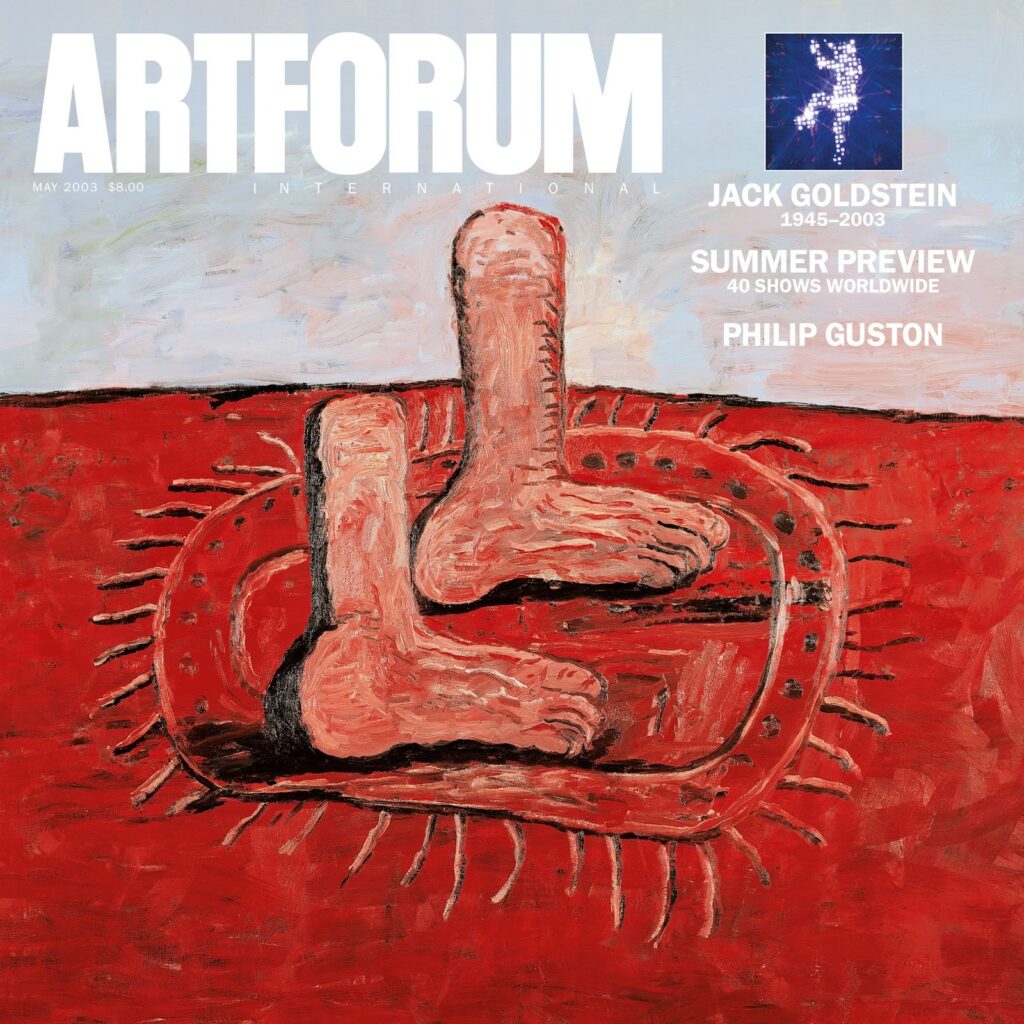
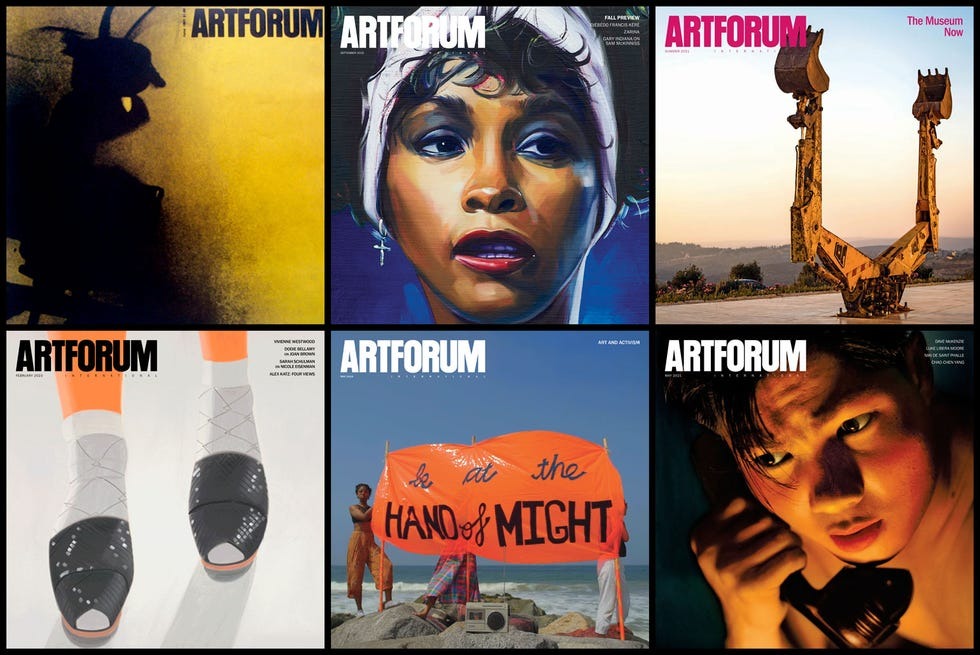
Founded in 1962, Artforum has long been considered one of the most influential voices in contemporary art criticism. Published in New York, the magazine emerged at a moment when the art world was undergoing rapid transformation, with movements such as Minimalism, Conceptual Art, and Pop Art redefining artistic practice. Over the decades, Artforum has positioned itself at the center of these conversations, documenting and often shaping the intellectual discourse around contemporary art.
One of the magazine’s most recognizable characteristics is its distinct square format, which has become iconic within art publishing. Yet its influence goes far beyond design. Artforum is widely respected for its rigorous editorial approach, publishing essays, exhibition reviews, artist projects, and critical commentary written by leading curators, critics, historians, and artists themselves. The magazine’s writing often leans toward thoughtful and analytical perspectives, making it a key platform for deeper engagement with contemporary art rather than simply reporting on trends.
Artforum’s pages have historically introduced readers to artists and ideas that later become central to the art world. For many emerging artists and scholars, appearing in its pages can represent an important moment of recognition. Its exhibition reviews, in particular, are closely followed by curators, collectors, and institutions across the globe.
In recent years, the magazine has also expanded its digital presence, publishing online essays, archives, and artist features that extend the reach of its print editions. While many publications attempt to capture the fast pace of the art world, Artforum continues to prioritize thoughtful criticism and sustained dialogue, ensuring that it remains a cornerstone of contemporary art publishing more than six decades after its founding.
Explore more: https://www.artforum.com
2. Frieze
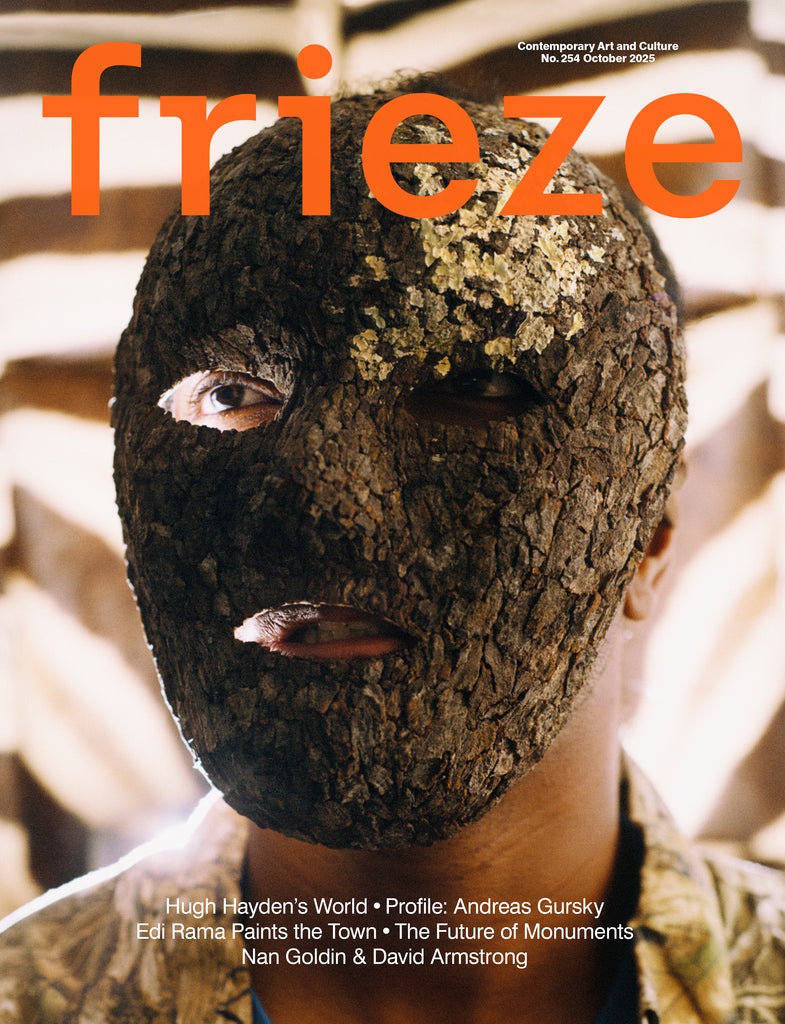
Since its founding in 1991, Frieze has grown into one of the most recognizable voices in international contemporary art publishing. Originally launched in London by Amanda Sharp, Matthew Slotover, and artist Tom Gidley, the magazine quickly established itself as a platform for thoughtful criticism, cultural commentary, and conversations around emerging artistic practices.
Unlike many traditional art publications that focus purely on art history or exhibition reporting, Frieze has always positioned itself at the intersection of art, culture, and contemporary thought. Its editorial approach blends artist interviews, critical essays, exhibition reviews, and opinion pieces that explore how art interacts with broader social, political, and cultural conversations. The result is a magazine that not only documents the art world but also actively participates in shaping its intellectual landscape.
Over the years, Frieze has expanded far beyond its original role as a print publication. Today it operates a global ecosystem that includes influential art fairs such as Frieze London, Frieze New York, Frieze Los Angeles, and Frieze Seoul, which bring together galleries, collectors, and institutions from around the world. This connection between editorial content and the international art market gives the magazine a unique perspective on both artistic developments and the evolving dynamics of the global art industry.
The publication’s tone remains both accessible and critically engaged, appealing to artists, curators, collectors, and readers who want to stay connected to the most current conversations in contemporary art. Through its carefully curated articles and global outlook, Frieze continues to serve as an important platform for discovering artists, examining new ideas, and understanding the forces shaping contemporary culture.
Explore more: https://www.frieze.com
3. Art in America
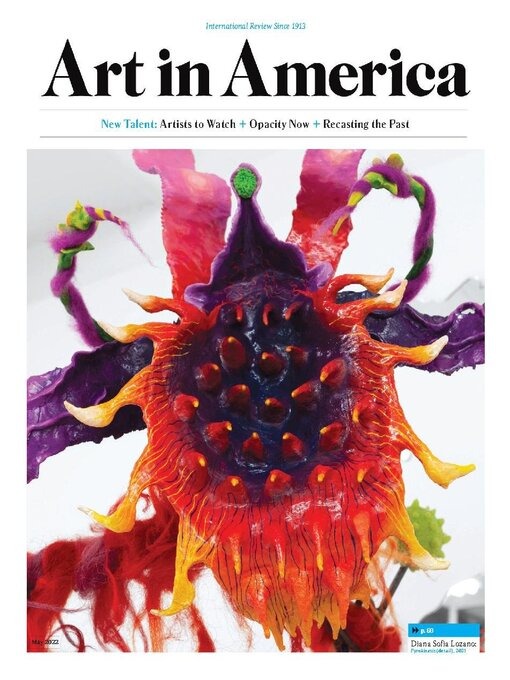
Founded in 1913, Art in America stands among the most enduring publications dedicated to the visual arts. Over more than a century, the magazine has chronicled shifts in artistic movements, institutional developments, and the changing dynamics of the art market, making it a valuable historical record of modern and contemporary art.
Originally created to document the rapidly expanding American art scene of the early twentieth century, the magazine gradually evolved into an internationally recognized platform for art criticism and cultural commentary. Today, Art in America covers a wide spectrum of topics from major museum exhibitions and gallery shows to artist profiles, institutional analysis, and broader reflections on the cultural forces shaping artistic production.
One of the publication’s strengths lies in its ability to balance historical awareness with contemporary relevance. Its writers often situate current exhibitions within longer artistic lineages, helping readers understand how today’s artists connect to, or diverge from earlier movements and traditions. As a result, the magazine appeals not only to artists and collectors but also to scholars, curators, and readers interested in the deeper contexts behind contemporary art.
Throughout its history, Art in America has published contributions from some of the most respected voices in art criticism. These essays and reviews frequently shape conversations around major exhibitions and artists, influencing how work is interpreted within the broader art world.
In recent years, the magazine has expanded its digital presence while maintaining its reputation for thoughtful editorial content. Through both print and online platforms, Art in America continues to serve as a key source for readers seeking informed perspectives on the evolving landscape of contemporary art.
Explore more: https://www.artinamericamagazine.com
4. ARTnews
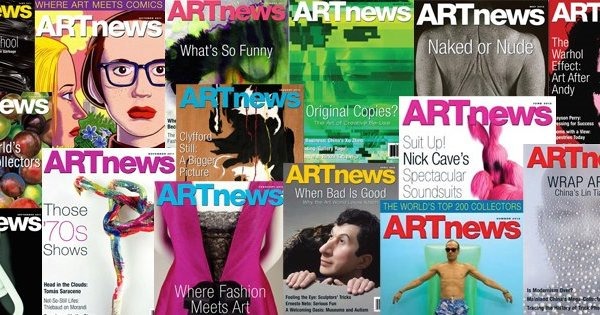
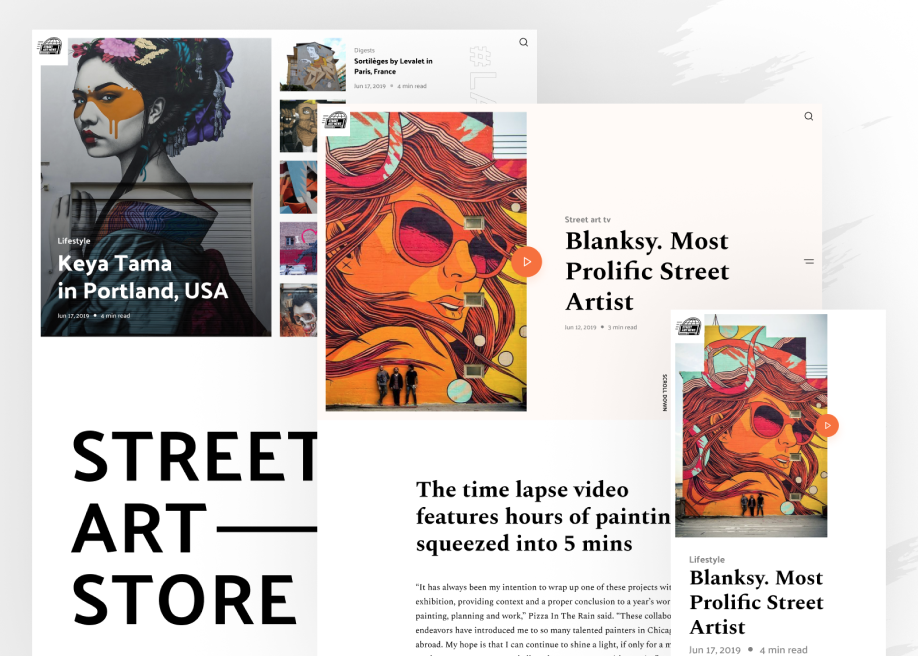
Founded in 1902, ARTnews is widely recognized as the oldest continuously published art magazine in the world. Over more than a century, the publication has played a pivotal role in documenting the evolution of the global art world from early modern movements to today’s complex ecosystem of galleries, museums, biennials, and art fairs.
Originally launched in New York, ARTnews began as a publication that reported on exhibitions and developments within the American art scene. As the international art market expanded during the twentieth century, the magazine grew alongside it, gradually becoming a global authority on art world reporting. Today, its editorial coverage spans everything from museum openings and artist profiles to investigative stories about cultural institutions and the international art trade.
One of the magazine’s most widely recognized contributions is its annual lists and reports that track key figures within the art ecosystem. Among these, the Top 200 Collectors list has become particularly influential, offering insight into the collectors and patrons who play significant roles in shaping the global art market. These features have helped establish ARTnews not just as a magazine about art, but also as an important observer of the systems that support and circulate it.
What distinguishes ARTnews from many other art publications is its strong emphasis on journalistic reporting. While many magazines focus primarily on criticism or artist interviews, ARTnews often investigates the business, politics, and infrastructure surrounding art, areas that increasingly influence how art is produced, exhibited, and collected.
More than a century after its founding, the magazine continues to serve as an essential source for readers seeking a deeper understanding of both the cultural and economic forces shaping the contemporary art world.
Explore more: https://www.artnews.com
5. ArtReview
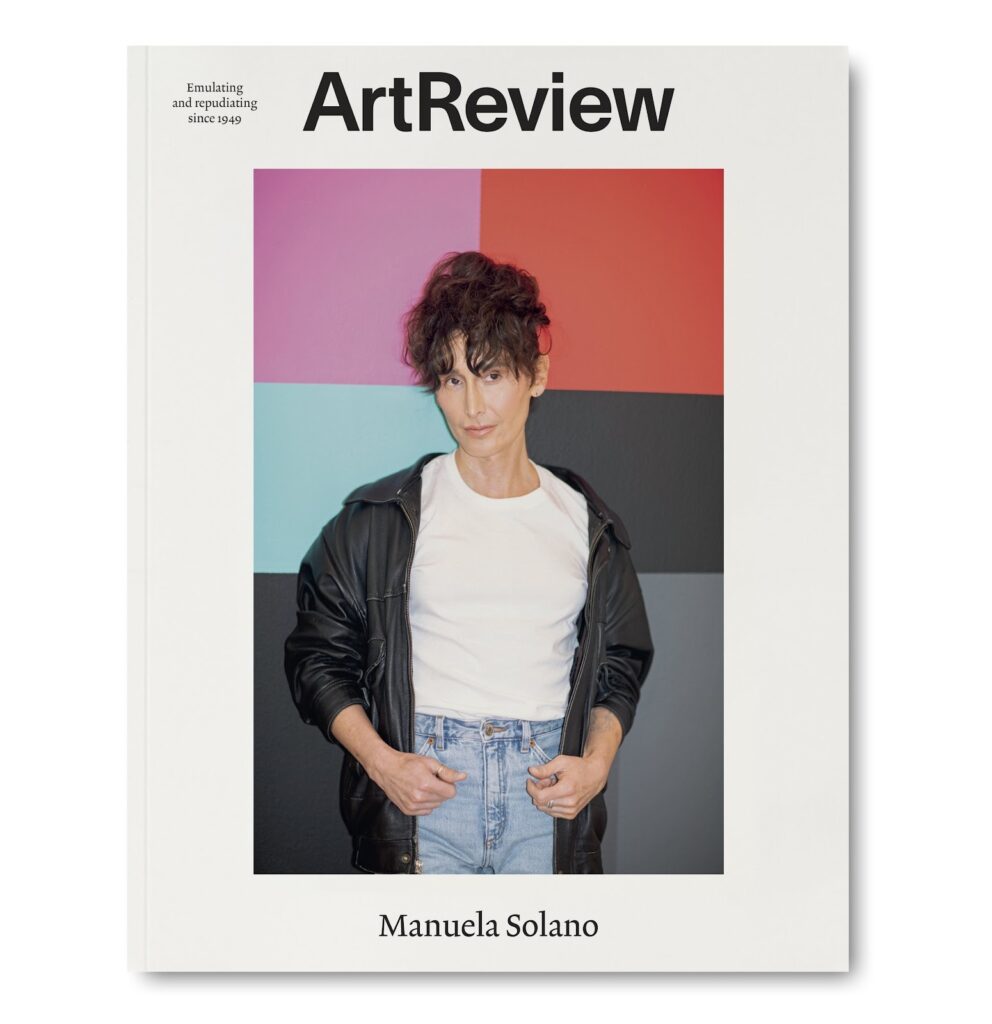
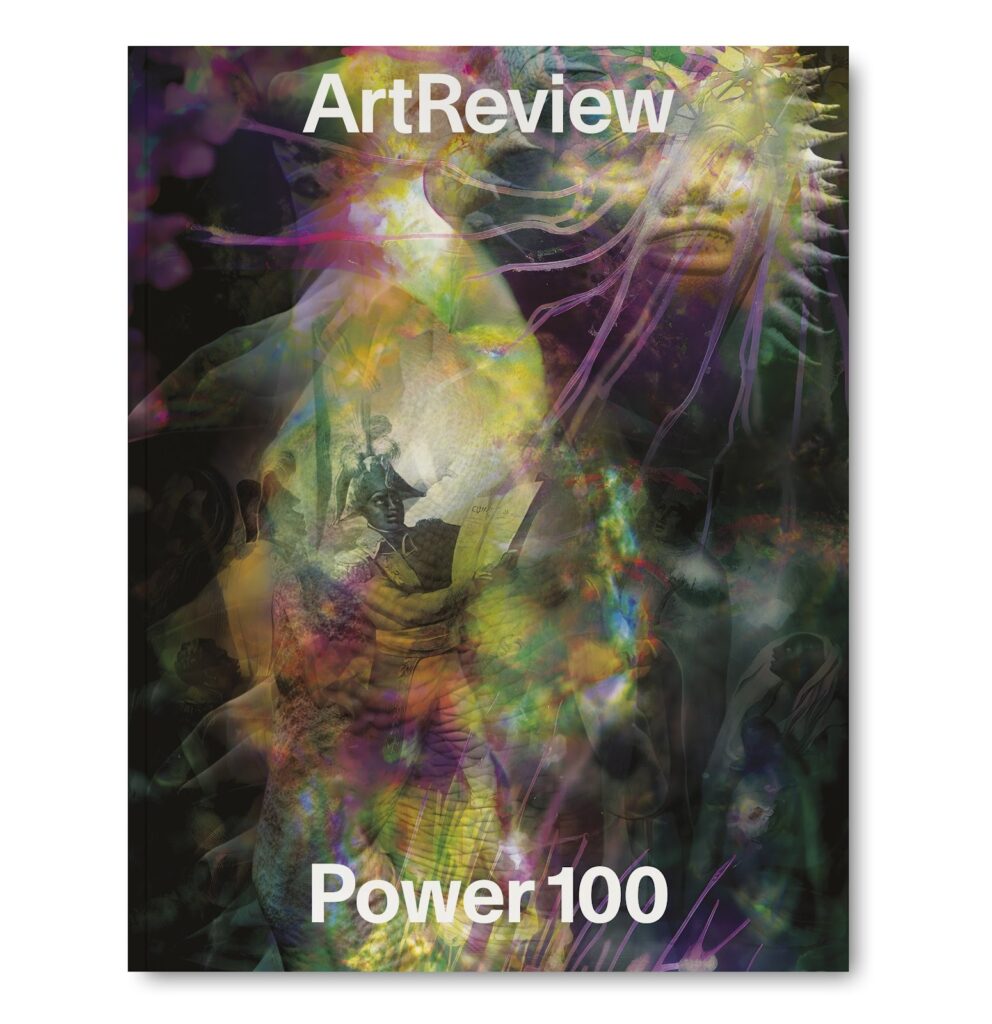
Founded in 1949, ArtReview has established itself as one of the leading publications examining the relationship between contemporary art and the broader cultural, political, and social forces that shape it. Originally launched in the United Kingdom, the magazine has evolved into a globally recognized platform for critical writing, essays, artist features, and commentary on the international art scene.
While many art magazines focus primarily on exhibition reviews or artist interviews, ArtReview distinguishes itself through its commitment to critical discourse and intellectual inquiry. The publication regularly explores how contemporary art interacts with issues such as power, politics, identity, and global cultural shifts. Its contributors include respected critics, curators, scholars, and artists who offer perspectives that often extend beyond the immediate art world.
One of the magazine’s most widely discussed features is the annual Power 100 list, which identifies the individuals considered most influential within the global art ecosystem. The list includes artists, curators, museum directors, collectors, and cultural figures whose decisions and ideas shape the direction of contemporary art. Over the years, the Power 100 has become a closely followed indicator of shifting influence within the art world.
In addition to its main publication, ArtReview has also expanded its reach through ArtReview Asia, a sister publication launched to highlight developments within the rapidly growing Asian art scene. This expansion reflects the magazine’s broader commitment to examining contemporary art from a global perspective rather than a strictly Western viewpoint.
Through thoughtful essays, investigative commentary, and global coverage, ArtReview continues to serve as an important forum for conversations about how art operates within an increasingly interconnected world.
Explore more: https://artreview.com
6. The Art Newspaper
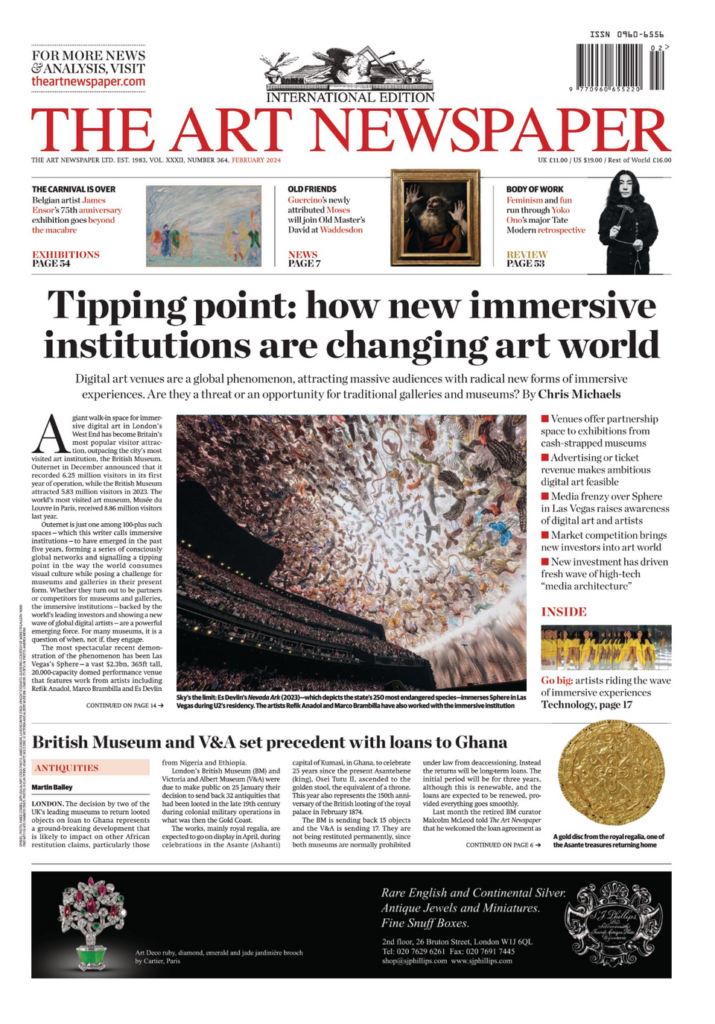
Founded in 1990, The Art Newspaper has become one of the most trusted sources of journalism covering the global art world. Often described as the newspaper of record for the art industry, the publication focuses on reporting that connects art with the broader systems that shape it, museums, cultural policy, art fairs, auctions, and international institutions.
Unlike many art magazines that concentrate primarily on criticism or artist profiles, The Art Newspaper approaches the art world through the lens of investigative journalism and industry reporting. Its articles frequently examine the structures that influence how art circulates globally, from museum funding and cultural diplomacy to restitution debates and the impact of the international art market.
The publication was originally launched in London but quickly developed an international network of correspondents reporting from major cultural centers including New York, Paris, Rome, and Beijing. This global perspective allows the magazine to provide detailed coverage of exhibitions, museum expansions, art fair developments, and policy decisions affecting cultural institutions across continents.
One of the magazine’s defining strengths is its ability to translate complex art world developments into accessible reporting. Whether covering major museum appointments, blockbuster exhibitions, or controversies surrounding cultural heritage, The Art Newspaper provides readers with context that goes beyond the immediate headline.
Over time, the publication has expanded into digital platforms, podcasts, and special reports, allowing it to reach a broader audience interested in the intersection of art, politics, and economics. For professionals within the art ecosystem, curators, collectors, gallerists, and scholars, it remains an essential resource for staying informed about the rapidly evolving global art landscape.
Explore more: https://www.theartnewspaper.com
7. Juxtapoz
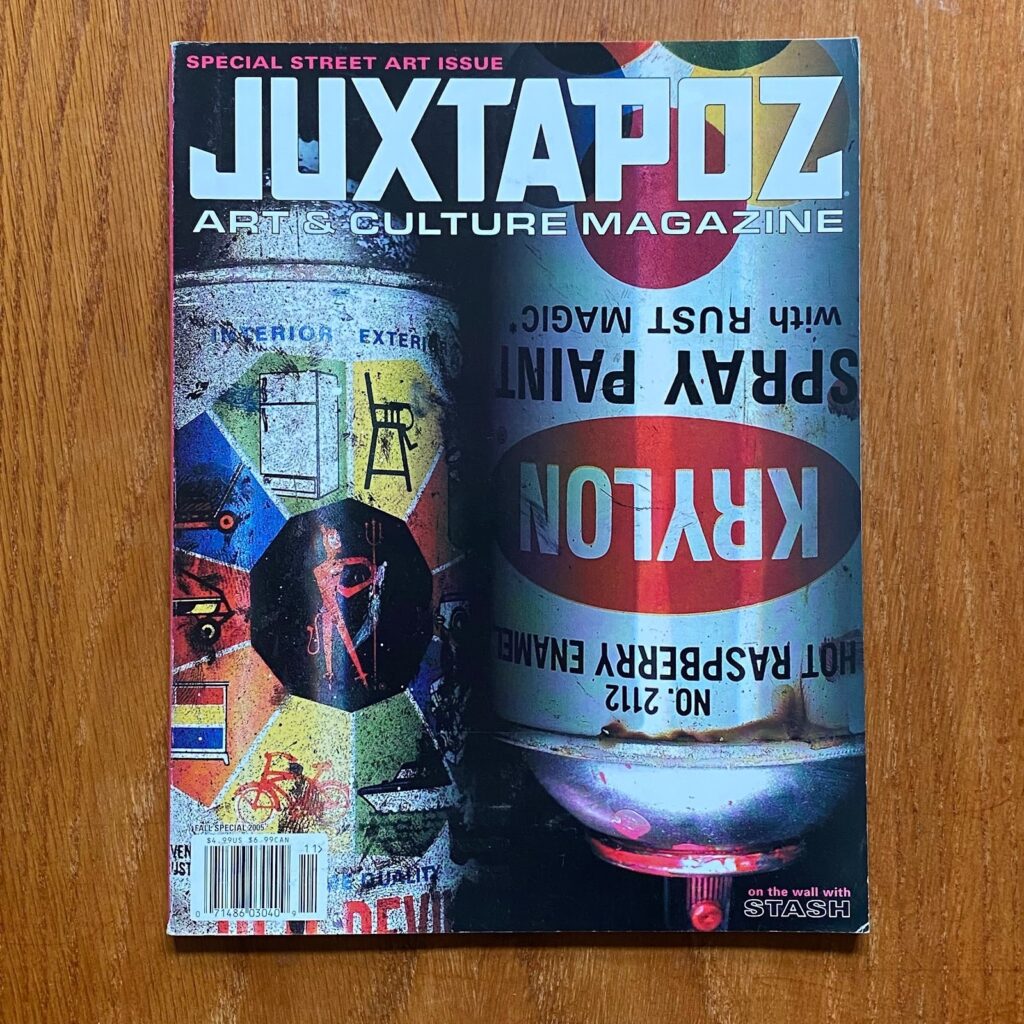
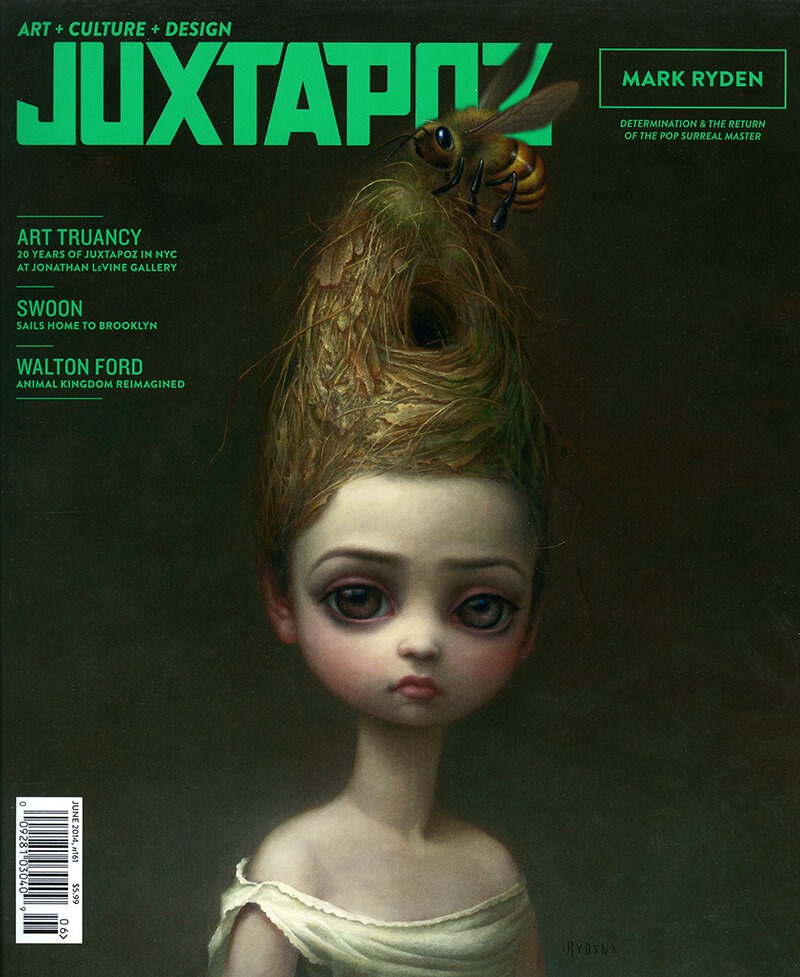
Founded in 1994 in San Francisco, Juxtapoz emerged with a clear and distinctive mission: to highlight artistic movements that had long existed outside the traditional structures of the contemporary art world. At a time when institutions and major publications focused largely on established forms of fine art, Juxtapoz turned its attention toward street art, illustration, pop surrealism, tattoo culture, and underground creative communities.
The magazine was founded by a group of artists and collectors, including Robert Williams, an influential painter associated with the Lowbrow art movement. Their goal was to create a platform that celebrated artists working beyond conventional gallery systems and to explore the visual culture shaping everyday life. This approach helped Juxtapoz become one of the earliest publications to document the rise of urban contemporary art, long before many of these artists gained institutional recognition.
What makes Juxtapoz particularly distinctive is its editorial voice and visual style. The magazine leans heavily into bold imagery, artist-led storytelling, and accessible writing that speaks to a broad audience. Rather than focusing exclusively on academic criticism, the publication highlights the personal narratives, inspirations, and creative processes behind artists’ work.
Over the years, the magazine has featured many artists who later achieved international acclaim, helping introduce readers to creative voices from diverse backgrounds and disciplines. Its pages often blur the boundaries between fine art, design, music, and popular culture, reflecting the increasingly fluid nature of contemporary creative practices.
Today, Juxtapoz remains a vital platform for artists working at the intersection of contemporary art and visual culture. By consistently championing alternative and emerging movements, the magazine continues to broaden the definition of what belongs within the global art conversation.
Explore more: https://www.juxtapoz.com
8. Aperture
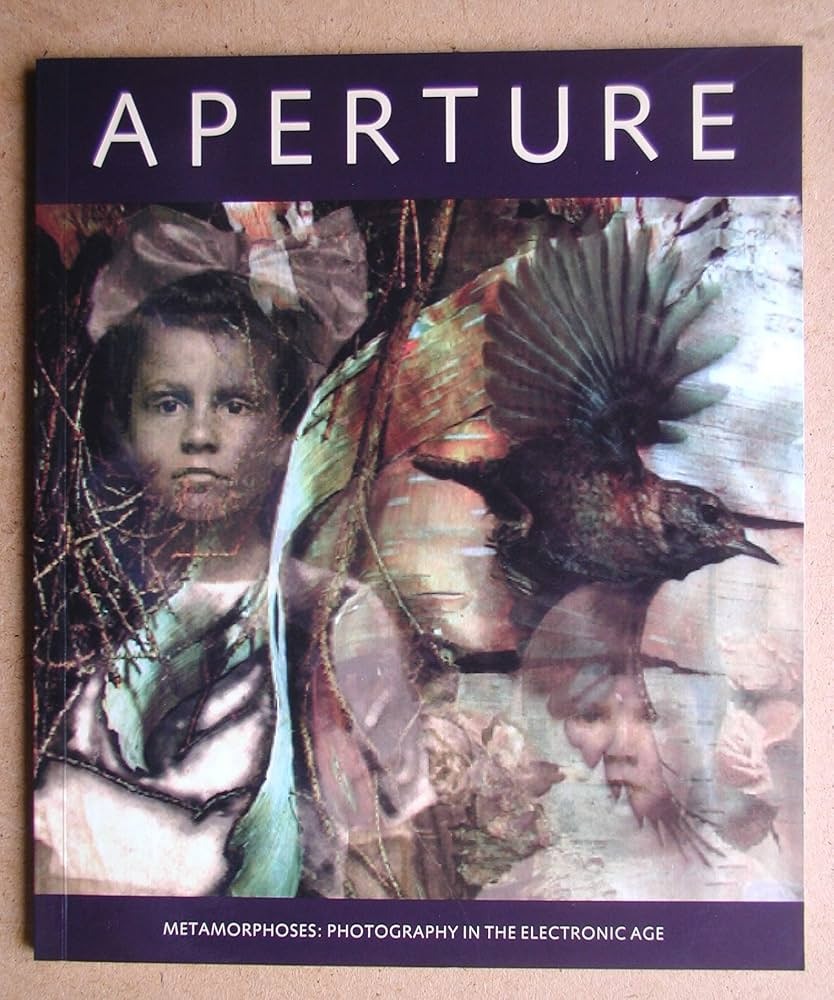
Founded in 1952, Aperture has long been regarded as one of the most influential publications dedicated to photography as an art form. Established by photographers and writers including Minor White, Dorothea Lange, Ansel Adams, and Barbara Morgan, the magazine was created with a clear purpose: to elevate photography as a serious artistic and cultural practice.
From its earliest issues, Aperture distinguished itself through its thoughtful editorial approach. Rather than simply presenting photographs, the publication explored the ideas, contexts, and philosophies behind the medium. Through essays, interviews, portfolios, and critical writing, the magazine offered readers a deeper understanding of how photography functions both as an artistic discipline and as a powerful tool for documenting the world.
Over the decades, Aperture has played a significant role in shaping the discourse around contemporary photography. The magazine frequently dedicates entire issues to thematic explorations examining topics such as identity, politics, memory, and visual storytelling through the lens of photography. This format allows artists, scholars, and curators to engage in nuanced conversations about the evolving possibilities of the medium.
In addition to its magazine, the Aperture Foundation has expanded its activities into publishing photobooks, organizing exhibitions, and supporting educational programs that encourage critical engagement with photography. Many photographers who later achieved international recognition first gained broader visibility through the pages of Aperture.
Today, the magazine remains an essential resource for photographers, curators, collectors, and anyone interested in the intersection of photography, visual culture, and contemporary art. Through its carefully curated issues and enduring commitment to thoughtful storytelling, Aperture continues to shape how photography is understood and appreciated around the world.
Explore more: https://aperture.org
9. Whitehot Magazine of Contemporary Art
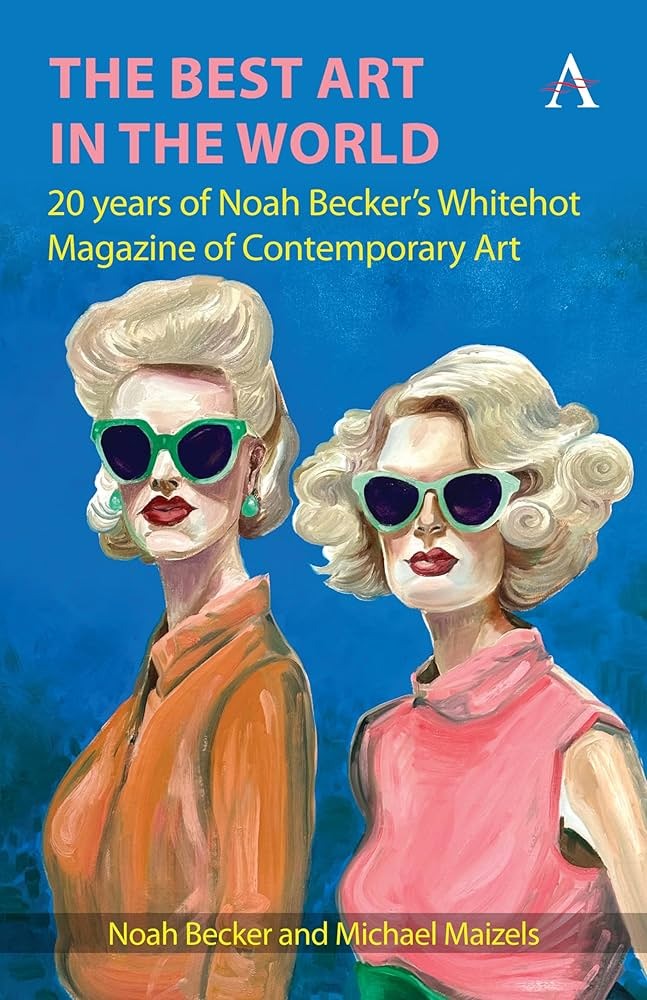
Founded in 2005 by artist and writer Noah Becker, Whitehot Magazine of Contemporary Art has become a notable voice within the digital art publishing landscape. At a time when many art publications still relied primarily on print formats, Whitehot embraced the possibilities of the internet, creating an accessible platform for criticism, interviews, and commentary on contemporary art.
The magazine was conceived as a space where artists, critics, and writers could engage in conversations about current exhibitions and artistic practices without the constraints often associated with traditional print publishing. This approach allowed Whitehot to respond quickly to developments in the art world, publishing timely reviews, opinion pieces, and interviews that reflect the constantly evolving nature of contemporary art.
One of the defining characteristics of Whitehot Magazine is its emphasis on artist voices and direct dialogue. Many of its features include interviews and conversations with artists, curators, and cultural figures who are actively shaping today’s art landscape. These discussions often provide readers with insights into artistic processes, conceptual frameworks, and the broader cultural context surrounding new work.
Because it operates primarily online, the magazine reaches a global readership and publishes contributions from writers and critics based in cities across North America, Europe, and Asia. This international perspective allows Whitehot to highlight exhibitions and artistic developments happening both within major art centers and in emerging cultural hubs.
Over time, the publication has built a reputation as an independent and approachable platform within contemporary art media. While maintaining a conversational tone, it continues to foster thoughtful discussions about exhibitions, artistic experimentation, and the shifting dynamics of the global art scene.
Explore more: https://whitehotmagazine.com
10. Arts to Hearts Magazine
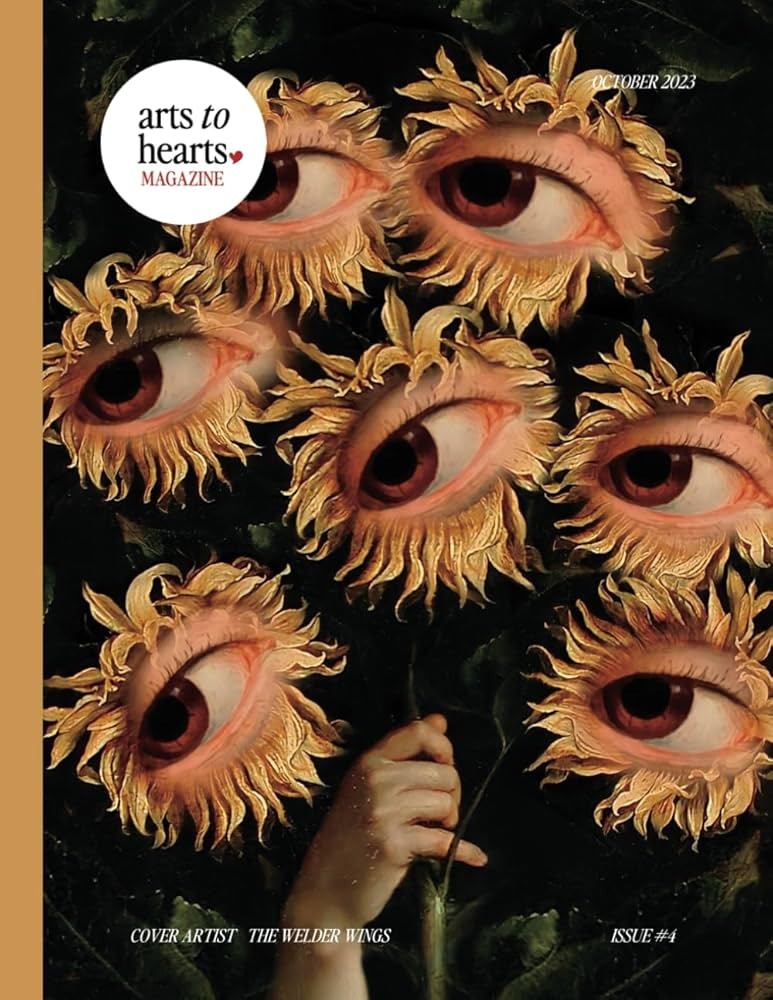
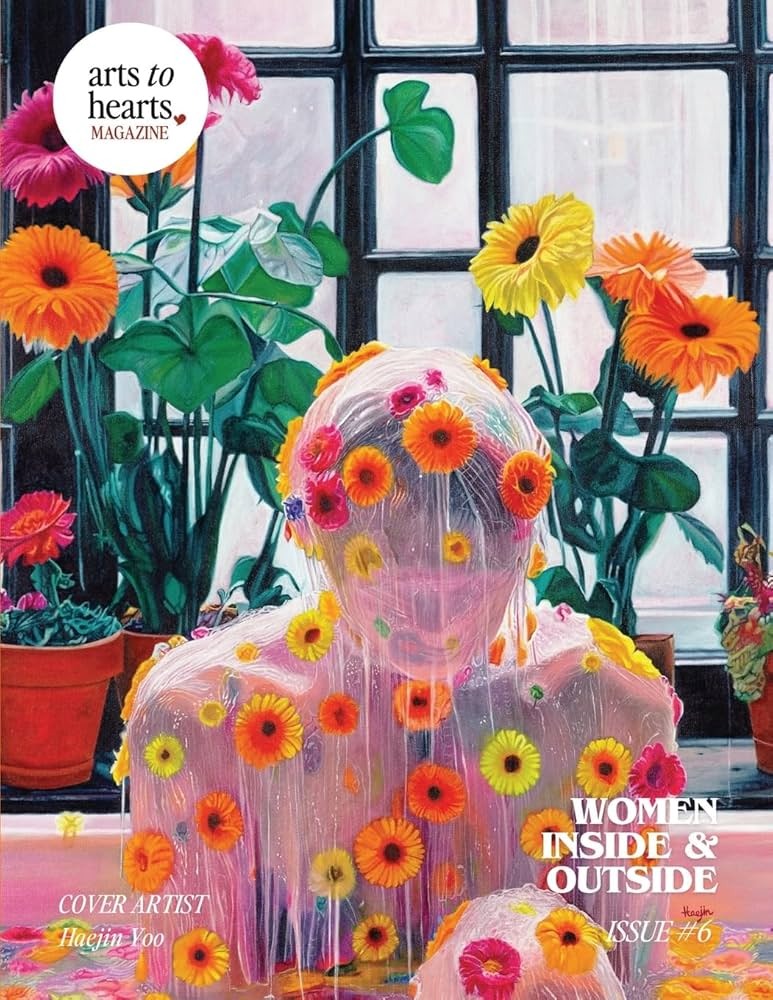
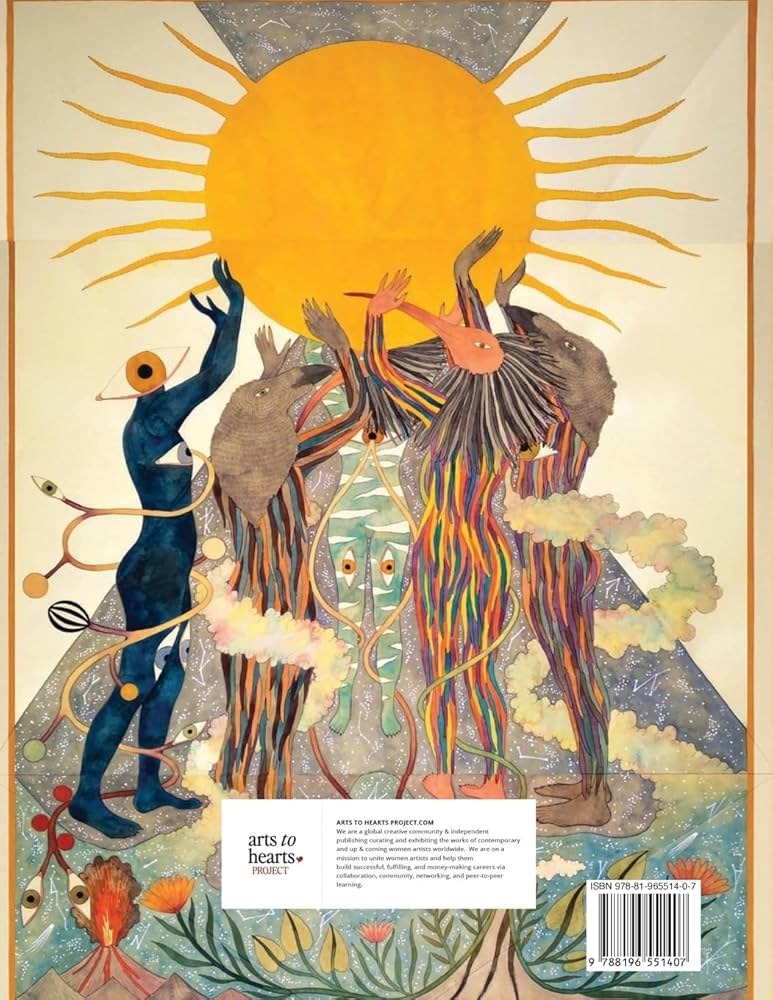
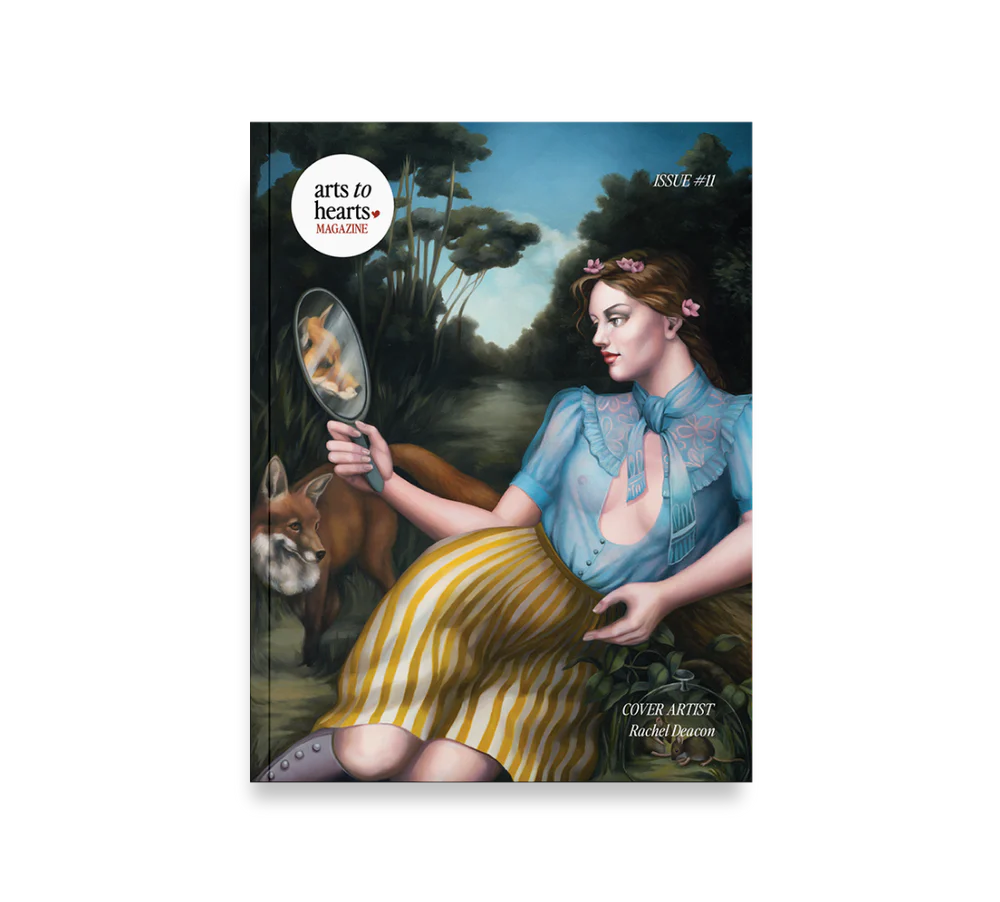
In recent years, a growing number of independent platforms have begun reshaping the way artists are discovered and supported, and Arts to Hearts Project is among the most notable of them. Through its publications, open calls, interviews, and community initiatives, the organization has created a global platform dedicated to connecting and uplifting women artists. At the center of this effort is Arts to Hearts Magazine, a publication that highlights artistic voices from around the world while fostering meaningful conversations around creativity and artistic practice.
Unlike many traditional art magazines that primarily spotlight established figures, Arts to Hearts focuses on emerging and mid-career women artists, offering them visibility through thoughtfully curated features, interviews, and editorial storytelling. Each issue brings together artists working across a wide range of disciplines from painting and sculpture to photography, mixed media, and digital practices reflecting the diversity of contemporary artistic expression.
The magazine is part of a broader ecosystem developed by Arts to Hearts that includes global open calls, curated books, mentorship initiatives, and community-driven projects designed to support artists at different stages of their careers. By combining publishing with opportunities for participation, the platform functions not just as a magazine but as an active network connecting artists, curators, collectors, and readers.
Editorially, Arts to Hearts places strong emphasis on storytelling. Rather than focusing solely on finished artworks, many of its features explore the journeys behind artistic practice, how artists develop their ideas, navigate creative challenges, and build sustainable careers in the arts. This perspective helps create a more personal and accessible entry point for readers interested in contemporary art.
As conversations around representation and inclusivity continue to grow within the art world, publications like Arts to Hearts Magazine play an increasingly important role in ensuring that diverse artistic voices are seen, heard, and celebrated on a global stage.
Explore more: https://artstoheartsproject.com
Other Notable Art Magazines Worth Exploring
While the publications listed above represent some of the most influential voices in contemporary art publishing, the art media landscape is far broader and constantly evolving. A number of other platforms also contribute significantly to critical dialogue and cultural coverage.
For example, Hyperallergic has become known for its sharp commentary and fast-paced reporting on art, politics, and culture. Similarly, BOMB Magazine offers a distinctive editorial format centered around artist-to-artist conversations that provide rare insights into creative processes. Publications like CURA Magazine in Italy focus heavily on curatorial research and critical writing, while others explore experimental approaches to art publishing and visual storytelling.
Together, these publications alongside the ten highlighted in this article help create a vibrant editorial ecosystem where artists, writers, and readers can engage in ongoing conversations about contemporary art. In many ways, art magazines remain one of the most important spaces where the ideas, debates, and discoveries that shape the art world are recorded and shared.
The Continuing Role of Art Magazines
Despite the rapid growth of digital platforms and social media, art magazines continue to hold a unique place within the cultural landscape. They remain spaces where ideas unfold more slowly and thoughtfully, where artists, critics, and curators can explore the context behind artworks, debate new movements, and document the shifts shaping contemporary culture. Whether through long-standing institutions like Artforum and ARTnews, influential publications like Frieze, or newer platforms such as Arts to Hearts Project, these magazines collectively create a living archive of the global art conversation.
For artists, they offer visibility and recognition. For readers, they provide insight into the people, ideas, and institutions shaping the art world today. And for the broader cultural ecosystem, they serve as an ongoing record of how art evolves across time and geography.
In many ways, following art magazines is like watching the story of contemporary art unfold issue by issue. Which brings us to a question worth considering: Is there a particular art magazine that has shaped how you discover artists or understand the art world today and what is it about that publication that keeps you returning to it?