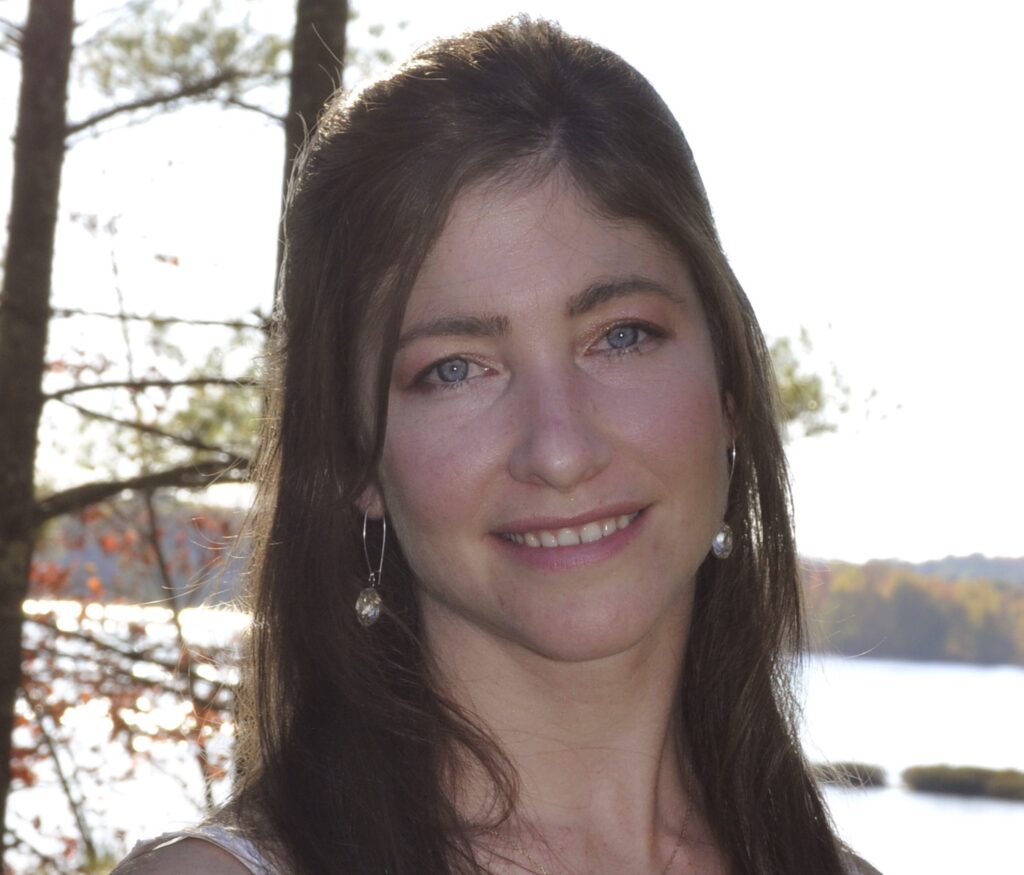

Tom D. Smith’s luminous oil paintings are what falling in love actually looks like

At Arts to Hearts project, not every artist begins in a studio or a classroom. Some begin at a crossroads standing between the life they planned and the life they actually want and making the decision that changes everything.
Our Best of the Art World editorial was built to celebrate artists at every stage of that journey. And today we are so excited to introduce you to someone whose story is still very much at the beginning and is already extraordinary for it.
Tom D. Smith only picked up a paintbrush in 2023. Before that, his life revolved around swimming. He studied Sport and Exercise Science at university, following a path that seemed practical and well-defined.
But after graduating, when the certainty of that roadmap disappeared, he found himself asking a question many people eventually face: What do I actually want to spend my life doing? The answer wasn’t in the pool. It was in painting.

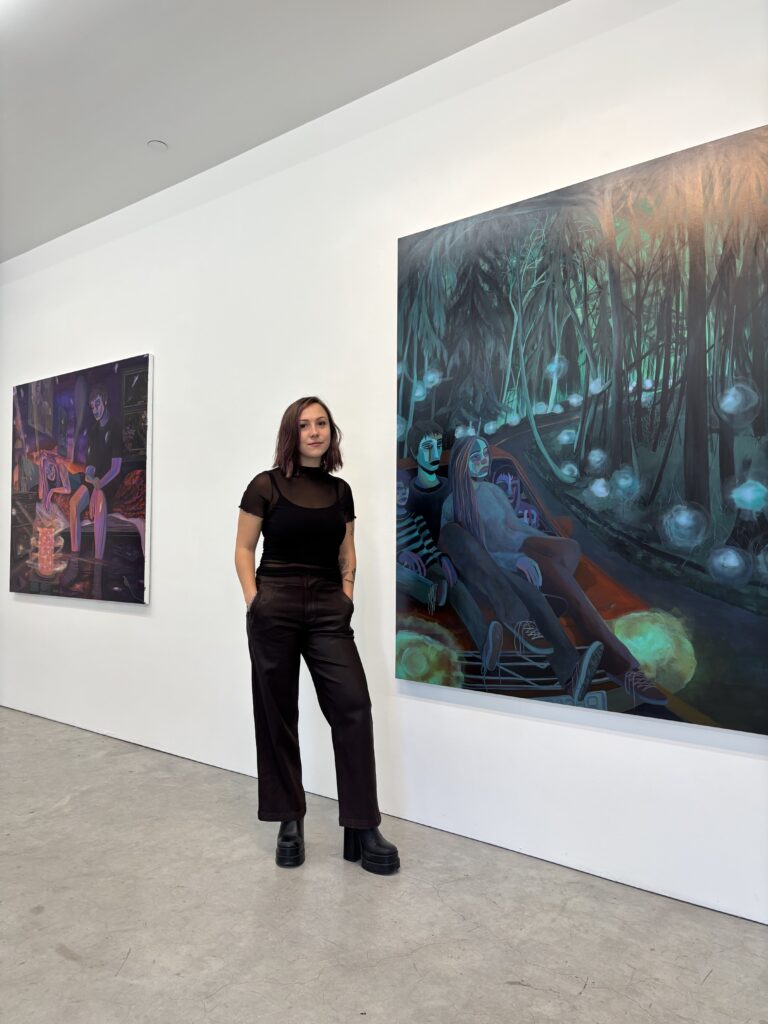
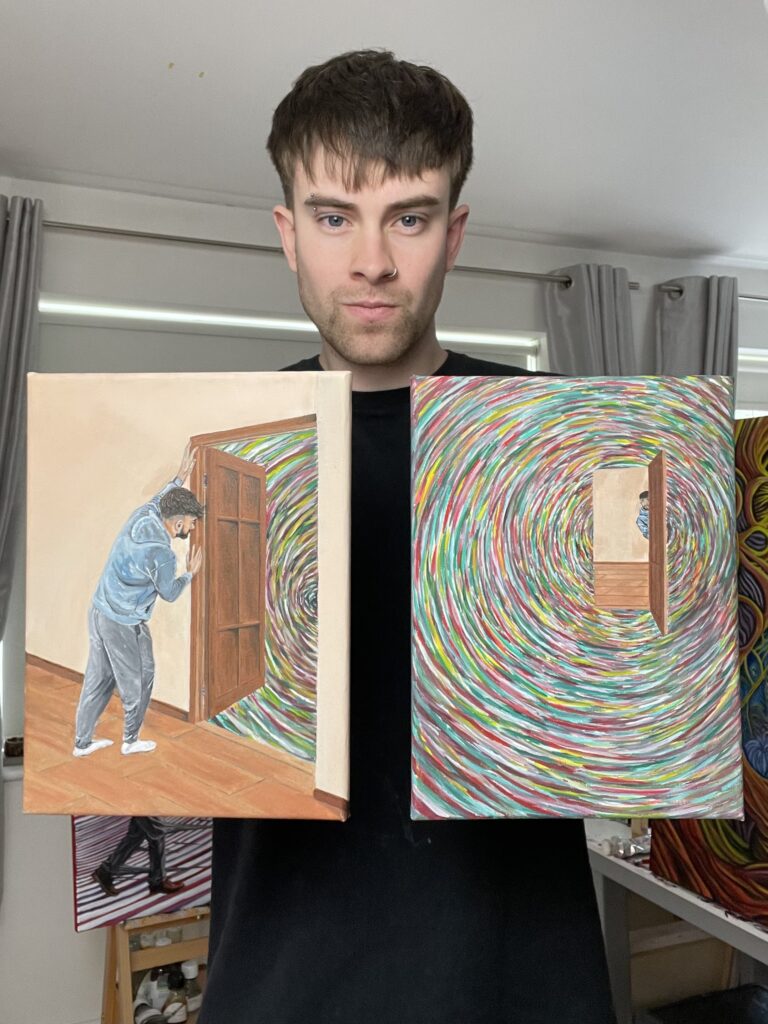
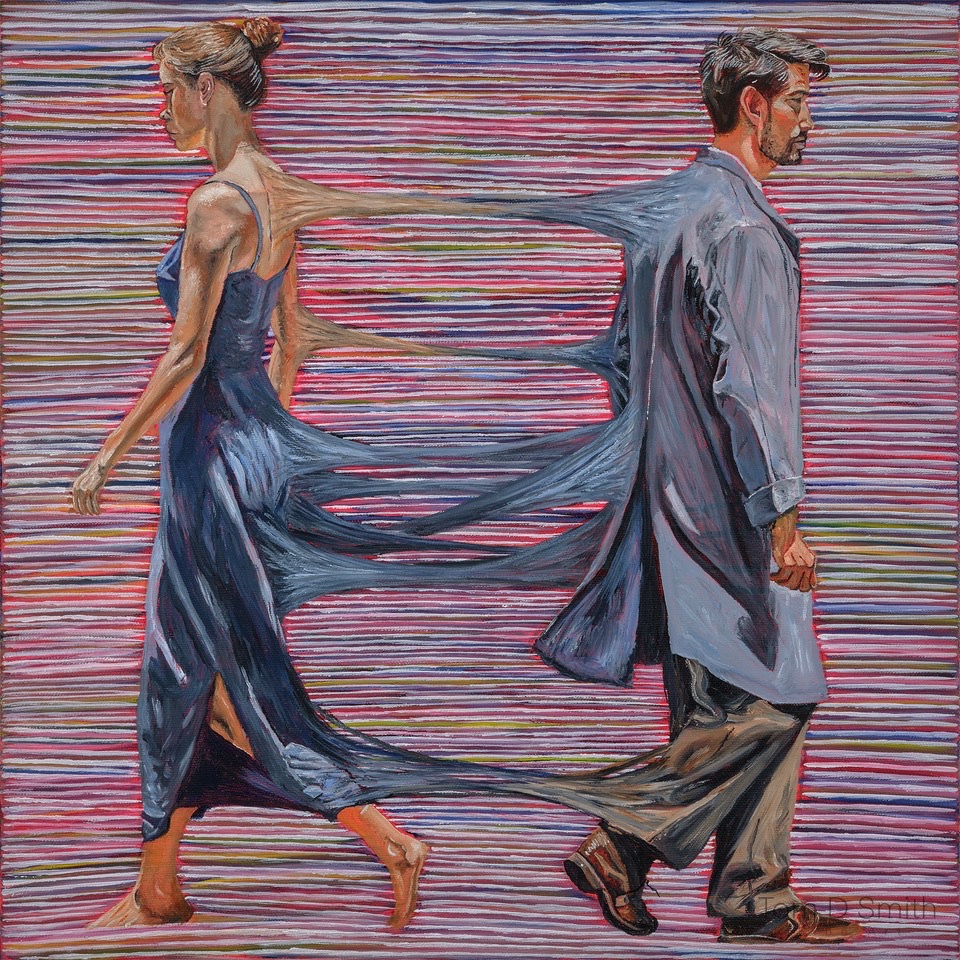
What happened next is the kind of thing that makes you believe in following the thing that genuinely matters. In under two years, Tom has developed a visual language that is entirely and unmistakably his own expressive oil paintings that explore human connection, emotional experience, and the invisible forces that bind people to each other and to time.
His work draws on concepts like quantum entanglement and invisible string theory not as intellectual references but as deeply personal metaphors ways of making visible the things we feel most powerfully but struggle most to name.
The anxieties. The attachments. The sense of being connected to someone across distance and time in ways that logic alone cannot explain.

He is self-taught, which shows not as a limitation but as a kind of freedom, a willingness to experiment, to follow what the paint wants to do, to develop a style that was never constrained by what he was told it should look like. His paintings are emotionally immediate and technically developing in real time, and there is something genuinely exciting about encountering a practice this early in its life that already has this much to say.
Tom paints for himself first because it gives him purpose, because it quiets his anxieties, because it is the most honest thing he has ever done. And then he paints for others. Because he wants people to feel something. And they do.
Let’s get to know Tom through our conversation with him, where he shares the crossroads that changed everything, the emotions he is trying to capture, and what it really means to start over with nothing but a brush and a need to make something true.
Q1. Tom, can you share a little about your background and what led you to start painting in 2023?
I always loved drawing and creating but I actually came from a sporting background, swimming to be specific. I went down that route education wise too and studied sport and exercise science at university. Then I graduated and decided actually, this is not me. I guess the reality of finishing education and needing to get a job made me reevaluate what I want from life so I had a think and decided to take the risk of starting fresh and pursuing painting as a career. I guess I asked myself the question what I love and what could I make a career out of and I didn’t take long to find the answer.

Q2. You’ve described painting as a source of solace. When did art become something, you truly needed?
Honestly those periods after education where life isn’t as planned out for you and you have to stand on your own two feet a bit more. I did feel very lost at times. I’d always resorted to art in the past when I felt like this or was struggling mentally but especially so during this time. All my anxieties feel as though they disappear when I start to paint. It gave me a purpose and I know I’ll always have that with art.
Q3. What keeps drawing you back to oil paint as your medium of choice?
The fluidity and expressiveness of it. I’d only used acrylics beforehand but I definitely prefer the slower drying that comes with oil paints. It means I can take my time and really settle into the journey of creating a piece with oils. I also love how they blend and I do find them easier and more fun to use compared to other mediums because of this. I like experimenting with them to see what effects they can produce, and as I’m self taught this has really helped develop my style.
Q4. What inspired you to connect ideas like invisible string theory and quantum entanglement with human relationships?
I guess my own experiences with people and relationships. These concepts deeply resonate with me. I find the idea of two people being connected and destined for each other extremely fascinating.
I also think quantum entanglement is the scientific explanation for love.
Then trying to capture this intangible force in a painting comes as a challenge but a welcome one as I love thinking of ideas to show this.
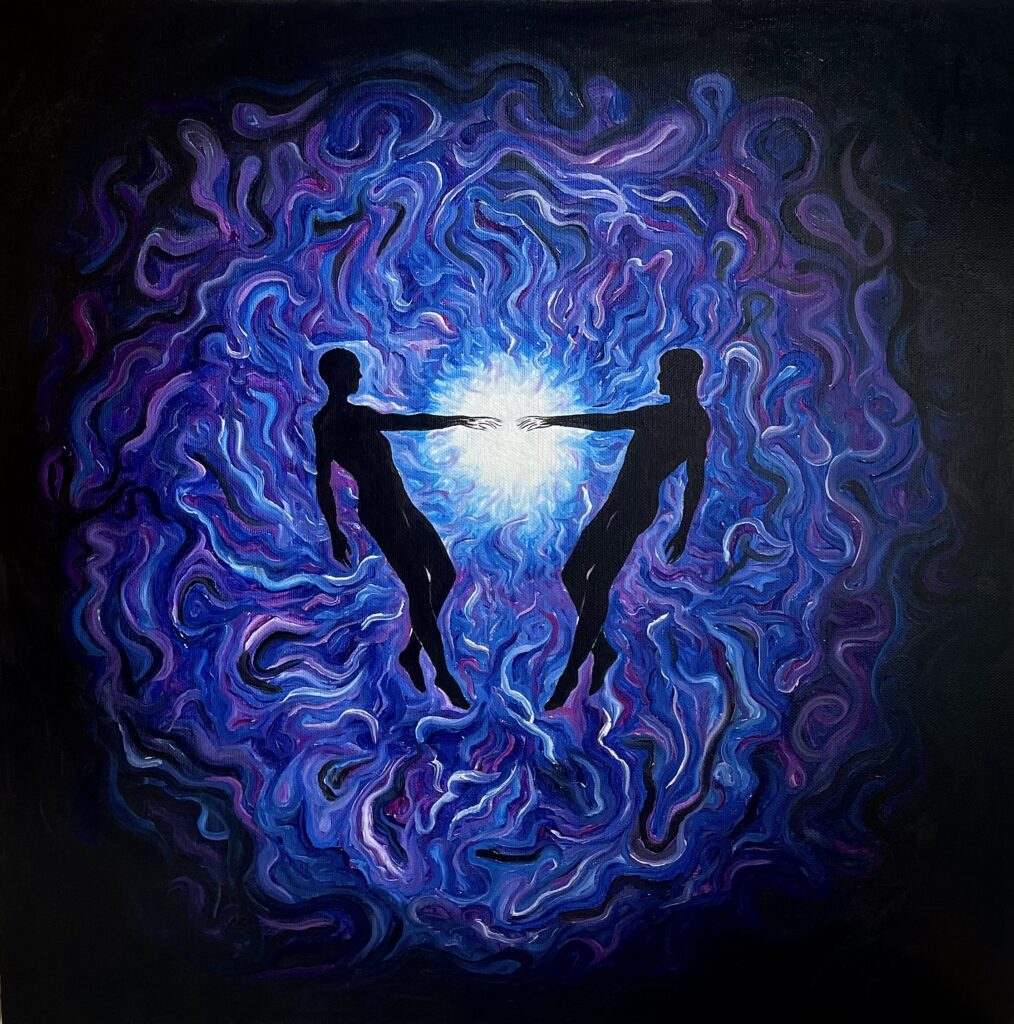
Q5. Soul Ties explores the idea of two people becoming one. What inspired this painting?
I’d previously done a painting called Linger, where two people are separating yet still attached to one another in a literal way to show emotional attachment after losing someone. I wanted to paint the inverse of this where two people are coming together as one. That’s how I ended up with Soul Ties.

Q6. The Youngest You’ll Ever Be Again reflects on childhood & change. What led you to create this painting?
My own experience of growing up. As a child there were a lot of dreams I had and ideas for who I wanted to be when I grew up. Originally when I was younger I wanted to make the Olympics in swimming. Those dreams slipped away, much like the child and youth is slipping away from his older self through time in the painting. The person you become changes because of time. Fortunately I am now able to pursue the dream of being an artist as a career which I didn’t even think was possible as a child.
Q7. Hope means something different to everyone. How did you choose to represent it in this painting
Having been through some difficulties with my mental health, and then finding art which gave me hope, this experience really helped me come to how I wanted it to look. The idea of the light at the end of the tunnel and coming out of the darkness representing hope seemed appropriate for this.
Q8. When creating a painting, do the titles come first or emerge during the process?
The idea for the concept or emotion I want to capture usually comes and as I am painting or once I’ve finished I will think of a title that fits the idea best. As a concept can sometimes change or develop while I’m painting this can also then change the title of the final piece.
Q9. Your work explores deeply personal emotions. What can painting express that words cannot?
It’s a way of showing the intangible. Through the use of different colours, composition, and surreal elements it allows me to capture the rawness of emotions and create a feeling within the viewer based on their own experiences.
Q10. Do you see a painting as a conversation between the artist and the viewer?
Maybe to understand it the same way I do and I think it can help but it’s not necessary as everyone can look at art and interpret it in their own way. I think that’s one of the most beautiful things about art, an interpretation of a painting can be a reflection of our own soul.
Q11. Is there one painting that feels especially personal or difficult to part with?
The original Soul Ties painting was probably the hardest to part with because of how much it’s helped me with my artistic career but I don’t think any of my paintings are easy to part with. That’s said, while I create for myself, I mainly create for others and to make people feel something, so to be able to give my artwork to someone because it resonates with them so much – that brings me far more joy than holding on to my work would.
Q12. As a self-taught artist, has learning on your own given you greater creative freedom?
Absolutely, but I only think this because I’ve heard from the perspective of someone who did have a formal art education and how they’ve said it constrained what they do. I think it allows me to work freely without worrying about what I should and shouldn’t do during the process. Maybe I’m not doing things as would be taught in education but I don’t mind and I enjoy my approach and how my pieces turn out, so to me that’s the most important thing about it.
Q13. As your practice evolves, what tells you you’re growing in the right direction?
First comes the internal validation of looking at my own artwork and comparing to my artwork in the past and saying to myself “I’ve improved” or “that looks way better”. Then the external validation and feedback, which plays quite a big part as an artist. At the end of the day other people will be looking at my art and I want them to like it. If they like it my following on social media, my recognition, and sales will grow.
Q14. Has reaching collectors around the world changed the way you see your work?
It’s always a bit of a pinch me moment when I see where my art is going and how globally it is selling. I wouldn’t say it’s changed the art itself but it’s certainly made me have to wise up in terms of the business side of things that are involved with selling internationally.
Q15. Social media plays a huge role in today’s art world. Do you see it as more of a help or a hindrance?
It’s extremely useful and for me, how well my art is doing is extremely dependent on it. I have a love hate relationship with it. While I’m so grateful it allows me to show my art to so many people around the world, I don’t like how heavily reliant we have to be on it. I also feel that there’s so many talented artist out there that can get lost and overlooked amongst endless algorithms and doomscrolling, but it is a tool that can be used by every artist to help show the world their work.
Q16. What would you say to someone who wants to start painting later in life with no formal training?
Don’t worry about messing up a painting. Experiment over and over again. Paint what you like to paint and how you like to because if you don’t, how long are you going to stay motivated and inspired.
As our conversation with Tom came to an end, one thing stayed with us: his willingness to make paintings that are unapologetically emotional. In a time when so much contemporary art leans on complex concepts, theory, or references, there’s something refreshing about work that simply wants you to feel.
Today’s art world often celebrates paintings that reveal themselves slowly—works that reward those who know the history, understand the context, or can unpack layers of meaning. There’s value in that, of course. But sometimes it creates distance, asking viewers to think before they can connect.
Tom’s paintings take a different path. Whether he’s exploring quantum entanglement, invisible connections between people, or the quiet loss that comes with growing older, his work isn’t asking you to solve a puzzle. It’s asking you to remember a feeling.

His paintings give shape to experiences that are deeply familiar yet incredibly difficult to describe: falling in love, drifting apart, carrying memories, wondering who we once were, and feeling connected to people across time and distance. They’re not trying to prove an idea—they’re trying to make the invisible visible.
Perhaps that’s what makes Tom’s work resonate. It reminds us that painting doesn’t always need to explain the world. Sometimes, its greatest strength lies in helping us feel understood. And in that sense, his work continues a tradition shared by artists across generations: using paint to capture the parts of being human that words can never quite hold.
For those who collect art because a piece stops them in their tracks because it stirs something they can’t quite explain, Tom’s work offers exactly that. These are paintings that come from a genuine place, shaped by real emotion and a sincere desire to make sense of what it means to be human.
There’s something special about discovering an artist at the beginning of their journey. You’re not simply collecting a finished work; you’re becoming part of a story that’s still unfolding. You’re witnessing a practice finding its voice, growing with every painting, every question, and every new direction.
Many collectors look back on the artists they discovered before the wider world took notice. Those early acquisitions often become the works they cherish most not only because of their value, but because they remember what drew them in from the very beginning.
Follow Tom D. Smith through the links below and see it for yourself.