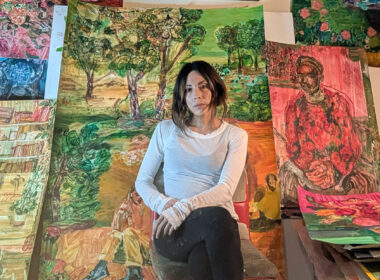


Watch & Listen to this podcast Episode.
What if the version of yourself you are trying so hard to hold onto is the very thing keeping you from becoming who you are next?
Most people spend years building an identity and then become afraid to leave it. An artist finds a medium that works. An actor becomes known for a certain kind of role. A career finally gains momentum, and suddenly changing direction feels less like curiosity and more like risking everything that has already been built.
But Micky Hoogendijk’s life makes a strong case for doing the opposite.
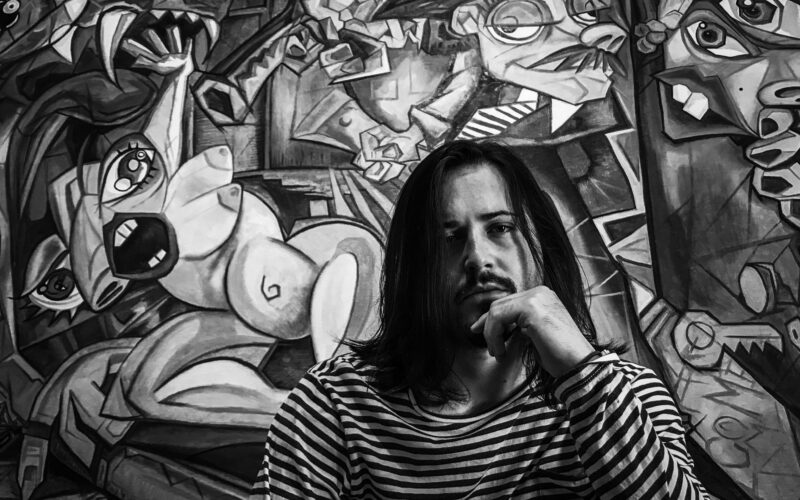
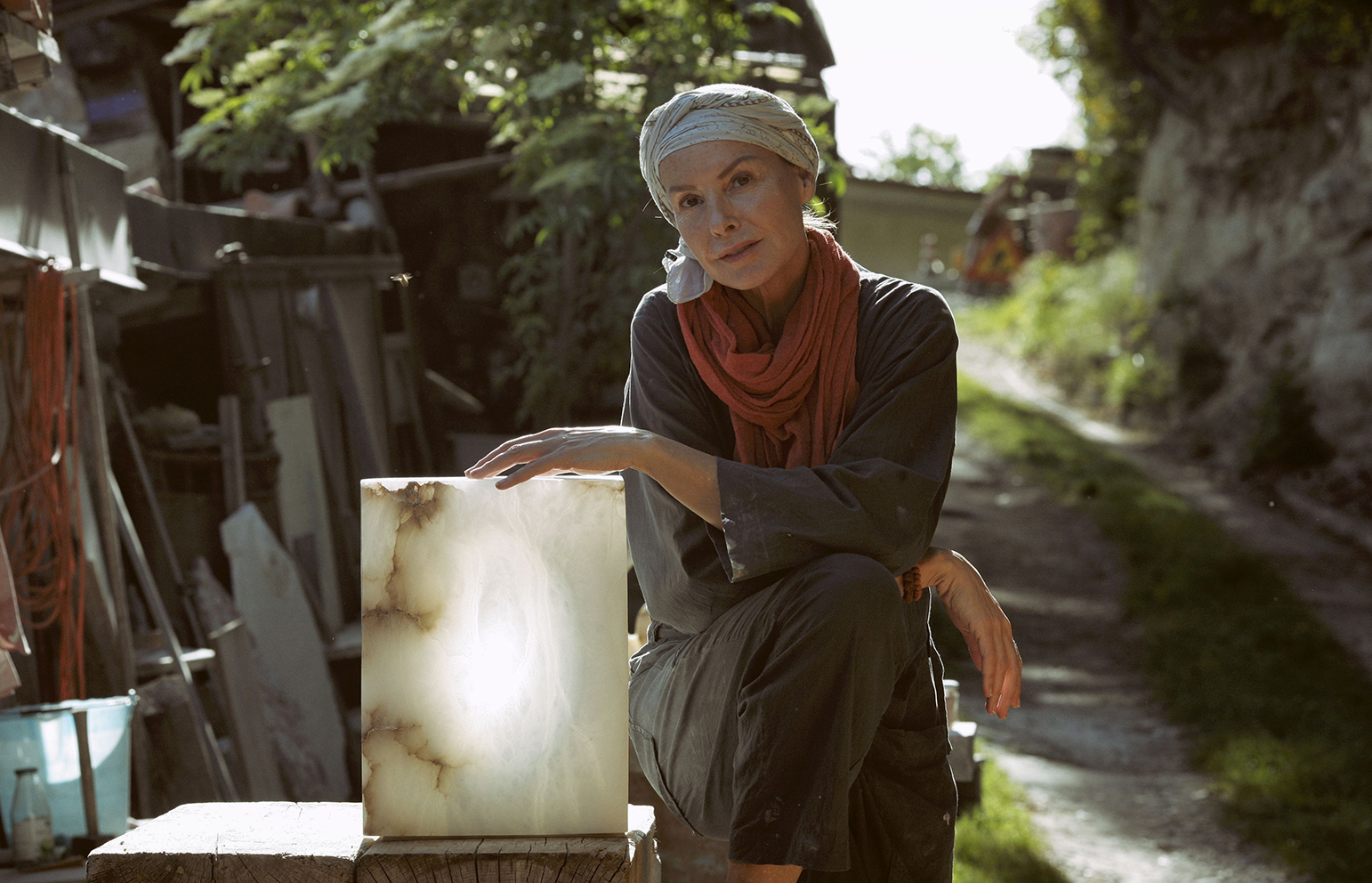
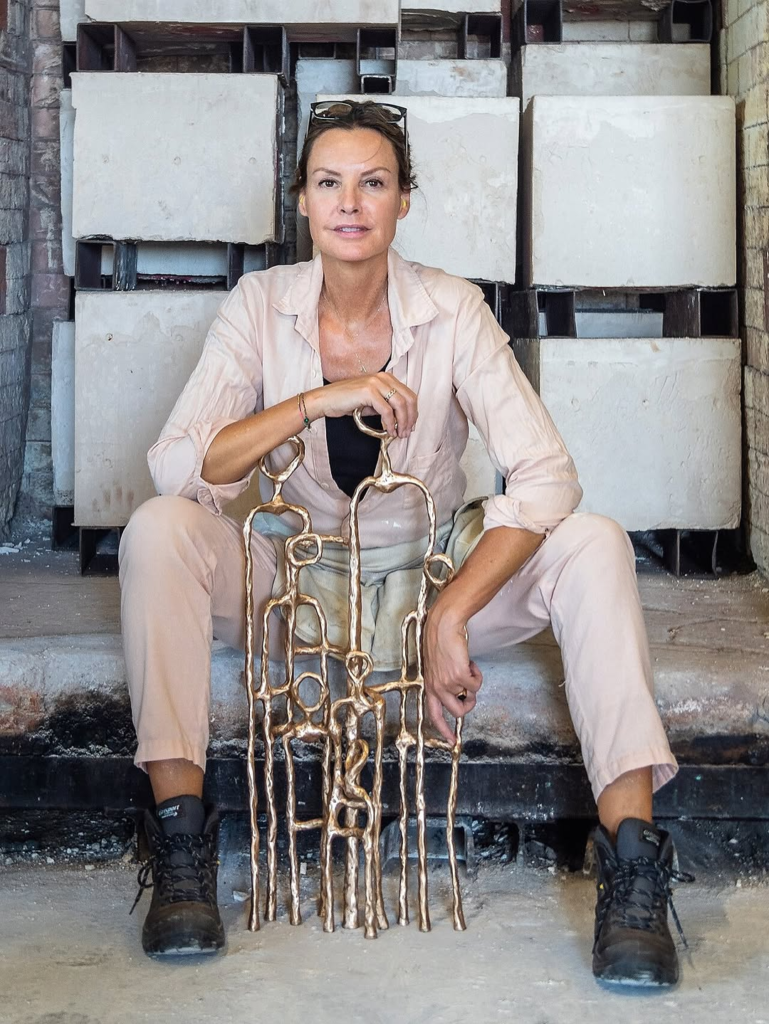
In Episode 8 of Season 6 of the Arts to Hearts Podcast, Charuka Arora is joined by Micky Hoogendijk, the Amsterdam-born artist, photographer, sculptor, former actress, and author whose creative life has moved through more mediums, cities, careers, and personal reinventions than most people would attempt in a lifetime.
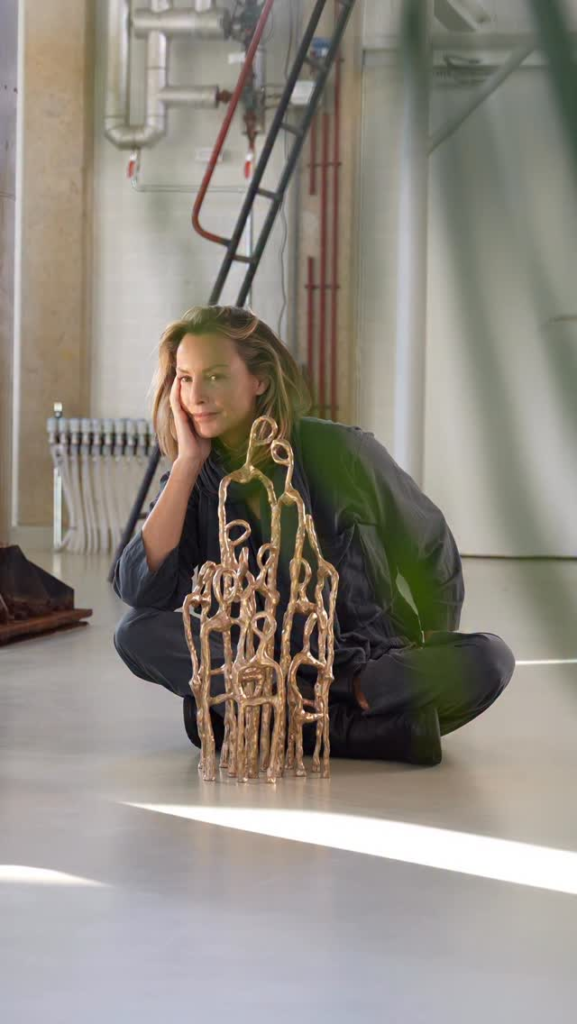
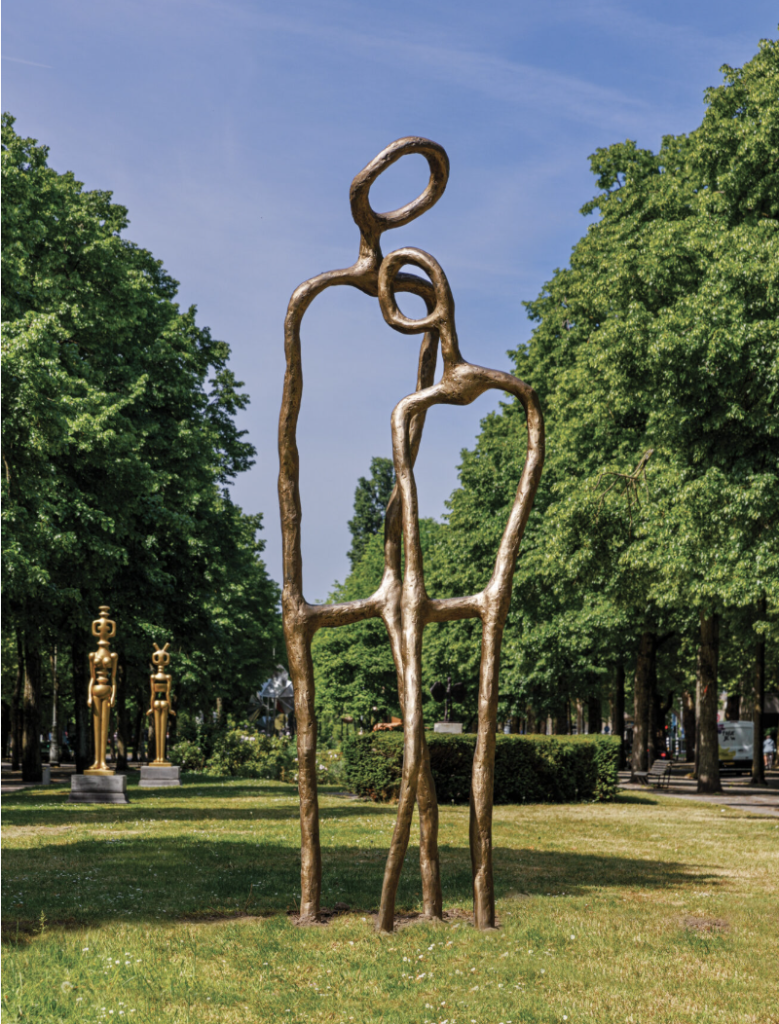
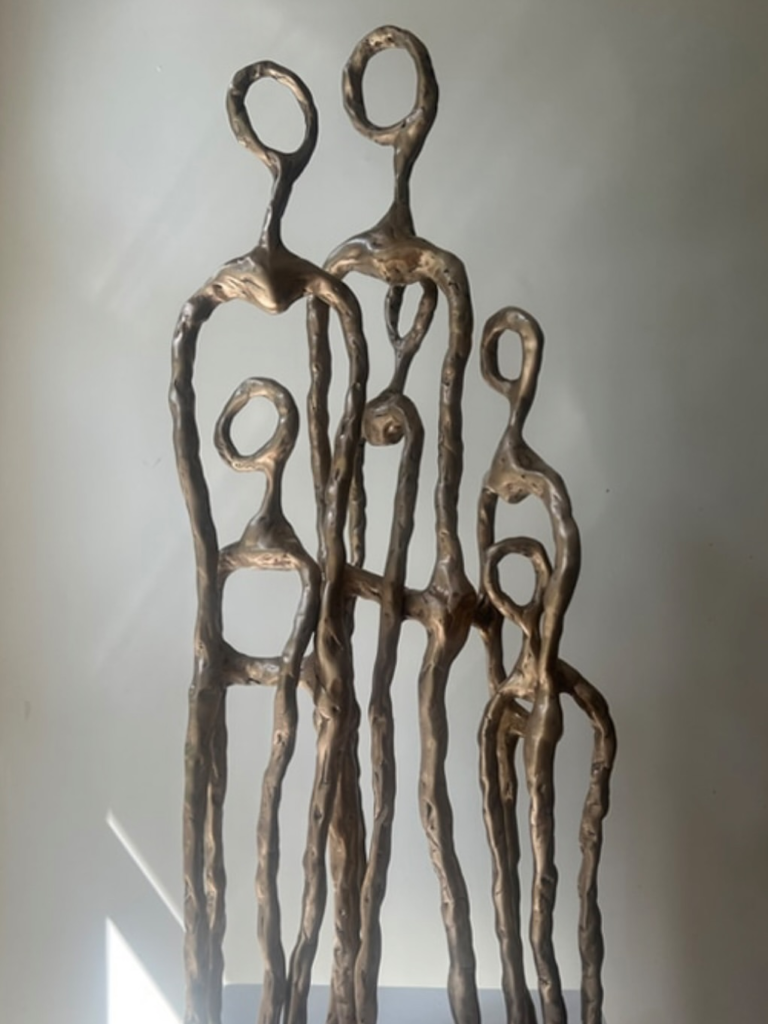
Raised around artists and art dealers, Micky grew up believing that making things with your hands and imagination was a completely normal way to live. She went on to act, make independent films, move behind the camera after receiving a camera from her mother shortly before her death, build an internationally exhibited photography practice, and eventually begin creating monumental bronze sculptures.
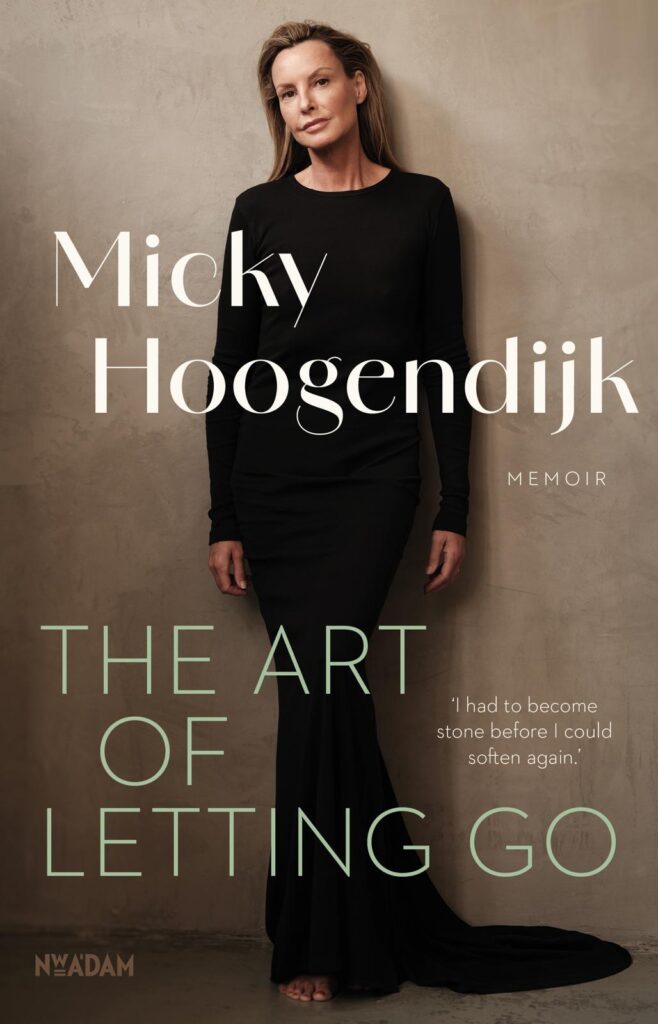
Her latest chapter is The Art of Letting Go, a memoir that takes readers through love, loss, trauma, ambition, motherhood, survival, and the many times she had to begin again.
And perhaps that is what makes this conversation so interesting. It is not really about how one person managed to do so many different things. It is about what becomes possible when a creative person stops treating every version of themselves as permanent.
What If You Never Had to Pick Just One Thing?
The creative world loves telling people to find their thing. Find your medium, develop a recognizable style, build a brand and stay consistent long enough for people to remember you.
There is practical truth in some of that advice. But it can also create a strange kind of fear. Once something starts working, changing direction begins to feel irresponsible. Micky’s career challenges that entire way of thinking.
She believed acting would be her creative language. Then she realized how much of her ability to work depended on other people saying yes: producers, directors, scripts, casting agents.
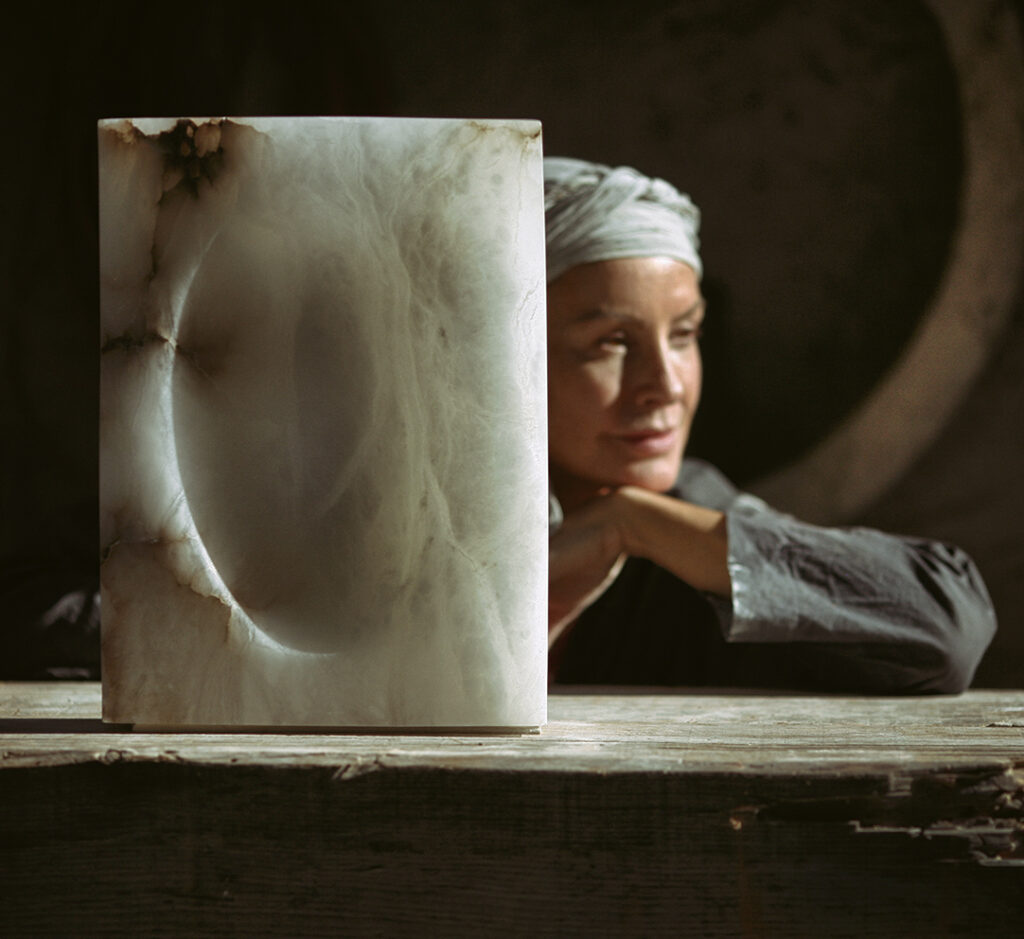
Making the independent film Blind Spot with friends showed her something different. Creating her own opportunities meant she no longer had to wait for permission to make something meaningful. Years later, photography entered her life. Then sculpture. Then painting. Then stone. Then writing.
Listening to her talk about these changes, none of them feel like calculated reinventions designed to keep a career interesting. They feel more like a person continuing to follow herself.
And maybe that distinction matters.
There is a difference between constantly changing because nothing is working and allowing yourself to change because something inside you has moved forward.
Grief Doesn’t Leave Just Because Life Keeps Moving
The conversation becomes much more personal when Charuka and Micky begin talking about grief.
Charuka shares how losing her mother changed the way she understands loss. The grief was not limited to one devastating moment. It continued appearing in everything that came afterward: family relationships, other losses, creative work, and the person she became in the years that followed.
Micky understands that experience deeply. Her life has included painful losses and traumatic experiences, and she explains something that many people only understand after living through grief themselves: when something devastating happens, the body often protects us by shutting down.
Life continues. Work continues. Responsibilities continue. And from the outside, a person may appear to have moved on. But pain that has never been felt does not necessarily disappear. It waits.
The perspective that emerges from their conversation is not that suffering automatically makes someone stronger or more creative. It is that what people do with painful experiences over time can change the direction of their lives.
Micky would never have chosen many of the things that happened to her. But looking back, she can see how confronting them changed both the person and the artist she became.
Sometimes Art Arrives Before You Know You Need It
For both Charuka and Micky, art has been much more than a profession. Charuka describes how, after some of the most difficult periods of her life, she found herself creating before she fully understood what she was trying to process. The work was not necessarily being made for an exhibition, an audience, or even to be shared.
It simply gave her somewhere to put what she could not yet explain. Micky speaks about her own work in a similar way. Photography, sculpture, and other creative practices became part of how she moved through experiences that were too complicated to resolve through thought alone.
That raises an interesting question for artists who spend so much time worrying about whether their work is successful, original, sellable, or relevant.
What if some of the most important work you make is doing something for you long before it does anything for your career? Creative industries naturally encourage artists to think about outcomes. Where will the work be shown? Will people respond to it? Is it good enough? Does it fit the direction of the practice?
But sometimes the work has another job. Sometimes it helps the artist survive long enough to understand what happened.
Why Micky Keeps Her Seven-Year-Old Self on Her Phone
One of the most memorable parts of the episode has nothing to do with galleries, exhibitions, or career strategy. Micky keeps a photograph of herself at seven years old as the wallpaper on her phone.
Every time she opens it, she sees the child she was before adulthood, expectations, fear, and experience complicated everything. And according to Micky,
That child is still running the show. She creates for her.
That idea sounds simple until you think about how most adults actually make creative decisions. Will people like this? Does it fit my brand? Will the art world take it seriously? Should I be making something more commercial? What if I fail?
Children do not begin creating with those questions. They make things because they want to see what happens.
For Micky, protecting that part of herself has become a practical way of protecting her creative freedom. She talks about morning pages, artist dates, wandering through unfamiliar places, putting on specific clothes when she enters the studio, and finding ways to move the critical adult voice out of the room for a while.
Maybe staying creative as you get older is not only about learning more. Maybe part of it is remembering how to know less.
What Happens When You Stop Making Work for the Art World?
AArtists are constantly told to find their voice, but they are also surrounded by an industry that has very specific ideas about what that voice should look like. They are expected to be recognizable, stay consistent, make work galleries can place, build a coherent practice, and think carefully about what audiences will respond to.
During the conversation, Charuka and Micky discuss what happens when artists allow themselves to move beyond those expectations. Micky has worked across acting, filmmaking, photography, sculpture, painting, stone, and writing, and her journey shows that exploring different mediums does not necessarily mean losing your artistic voice.
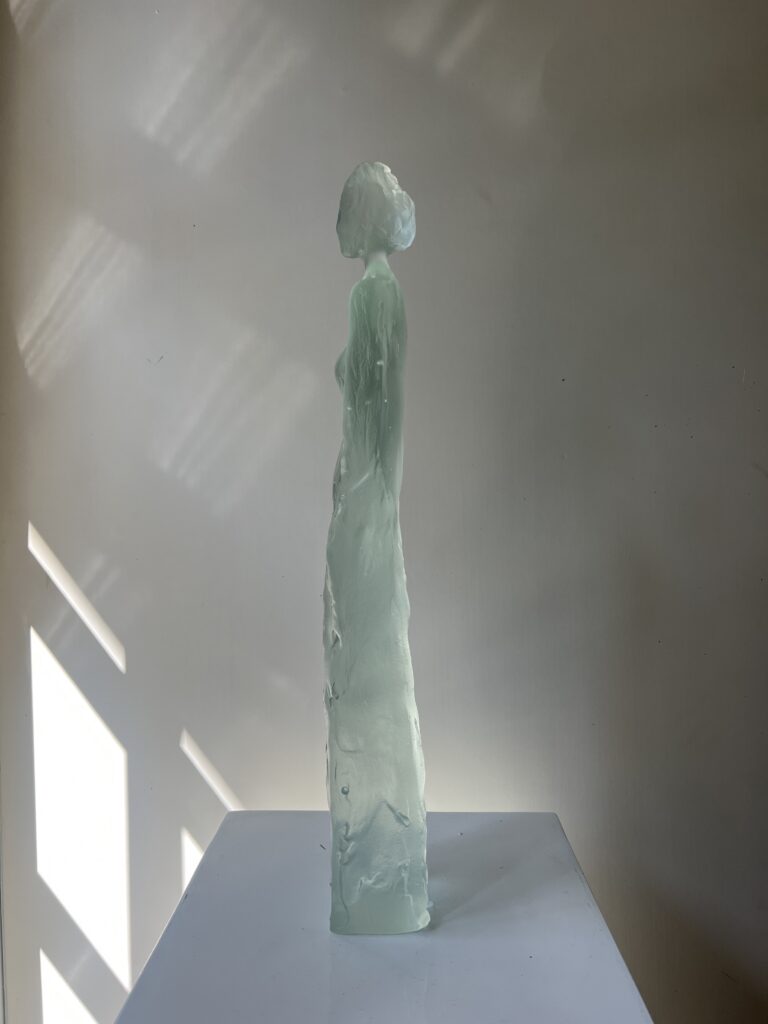
In fact, artists should be able to follow their curiosity without constantly worrying about whether every new direction fits neatly into the career they have already built. We should be allowed to experiment, learn new skills, change our minds, and make work that surprises even us. A creative voice does not have to come from repeating the same thing forever; it can grow stronger as artists gather new experiences and find different ways to express the questions they continue to care about.
Perhaps the goal should not be to become so recognizable that we are afraid to change. It should be to build a creative life flexible enough to keep growing with us.
What If Letting Go Is Really About Making Room?
Letting go is usually treated as a kind of loss. We imagine walking away from something, giving up on a plan, or leaving behind a version of life we worked hard to build. But during the conversation, Micky offers a much more freeing way to think about it. For her, letting go is not about discarding something; it is about creating enough space for something else to evolve.
That perspective feels especially important for artists because creative careers can easily become shaped by attachment. We become attached to the outcome of the work, the medium we are known for, the career we imagined having, or the version of success we spent years working toward. Micky’s approach to sculpture is different. She does not begin by trying to control exactly where the work will end because leaving room for uncertainty is part of how discovery happens.
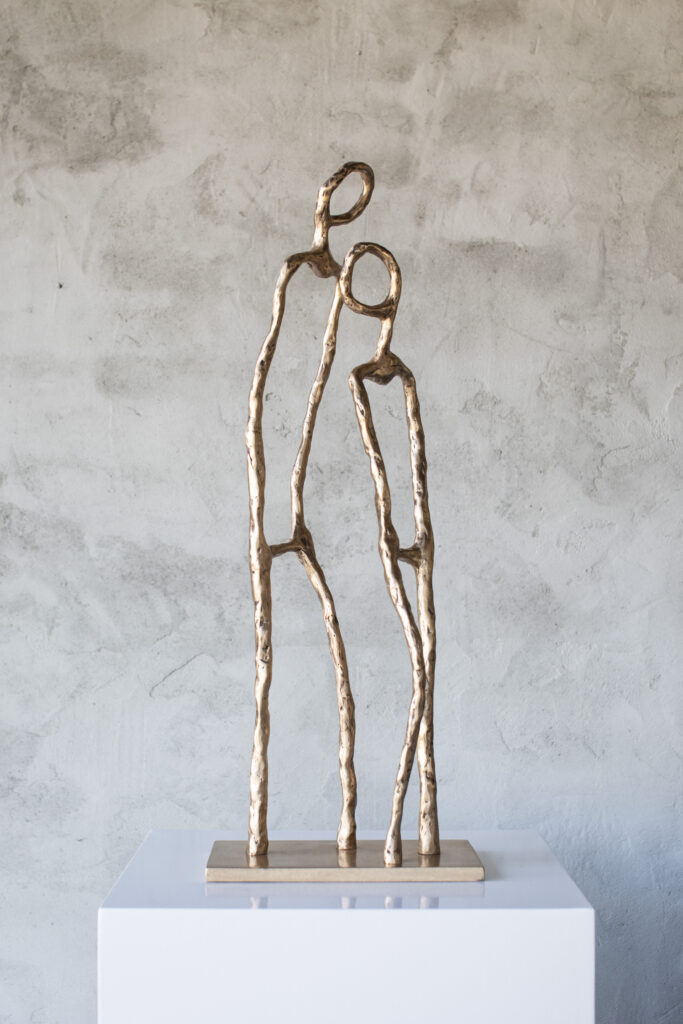
And artists should be allowed to approach their lives in the same way. We should be able to outgrow old ambitions, change directions, leave behind ideas that no longer fit, and make room for new versions of ourselves without treating every change as evidence that we failed. Holding onto something simply because we spent years building it can sometimes keep us from seeing what else we could become.
Micky’s journey is a reminder that letting go does not always mean losing something valuable. Sometimes it means trusting ourselves enough to stop controlling every next step and creating enough room for our work, our careers, and our lives to continue evolving.
Writing the Book Meant Going Back to Everything She Had Survived
When Micky was asked to write her memoir, her first question was whether she could actually write. She had spent her life working through images, performance, photography, sculpture, and physical materials. Writing meant entering an entirely different creative territory.
So she approached it the way she had approached so many other things. She tried. But returning to traumatic experiences on the page revealed something she had not fully understood before. She had survived many periods of her life by disconnecting from what she felt.
The first version of the manuscript described what happened, but readers told her they could not understand how she had actually felt while living through it. That realization changed both the book and Micky herself.
Writing forced her to return to experiences she had survived but not fully processed. She began paying attention to the physical pain and exhaustion her body had been carrying and sought ways to understand what those signals were trying to tell her. The memoir gradually became more than the story of her life.
In Micky’s words,
She wrote her own medicine
Perhaps that is also why deeply personal work can connect so strongly with other people. The more honestly an artist is willing to explore their own experience, the more space there is for someone else to recognize something of their own life inside it. Micky wrote a memoir about what happened to her, but the responses she receives are often people telling her what the book helped them understand about themselves.
What If Fear Is Not Where the Story Has to End?
Most of us will experience things we would never have chosen for ourselves. Loss, disappointment, rejection, heartbreak, and entire chapters of life that do not make sense while we are living through them. We cannot always control what happens to us, but Micky’s journey raises a more useful question: what are we going to do with what happened?
For artists, that does not mean every painful experience has to become an artwork, a book, or something productive. But we can allow what we have lived through to deepen the way we create, the way we connect with people, and the stories we are willing to tell.
We can take experiences that once made us feel isolated and turn them into work that helps someone else feel understood.
That may be the most important thing Micky’s story offers us. Creative work can become a way of transforming what we carry rather than simply escaping from it. The things that hurt us do not have to define the rest of our lives, but they can teach us something about what matters, what we want to say, and what we are capable of giving to others.
We may not get to choose every experience that shapes us. But we do get to decide what we make from it.
To hear Micky Hoogendijk and Charuka Arora talk about grief, creative freedom, childhood curiosity, reinvention, and the experiences behind The Art of Letting Go, listen to the full conversation on the Arts to Hearts Podcast.
Watch & Listen to this podcast Episode.
Listen to this & other episodes on