

Sonia Borrell and the Rise of StudioToGallery
👁 59 Views
At Arts to Hearts Project, we have always known that being talented and building a sustainable creative life are two very different things. So many artists pour everything into their work but struggle when it comes to visibility, opportunity, and knowing they are not alone. That is why we exist to build a space where artists don’t just create, they grow, they connect, and they find the doors that were never opened for them.
And that is exactly why today feels so special. Because when we meet someone, whose mission runs parallel to ours someone who looked at the same gaps we did and decided to build something about it featuring them is not just an interview. It is a celebration. And this woman does not need an introduction. If you’ve been anywhere near the contemporary art conversation if you’ve followed the pulse of what’s real, what’s raw, what’s actually moving the needle for artists you already know her name.
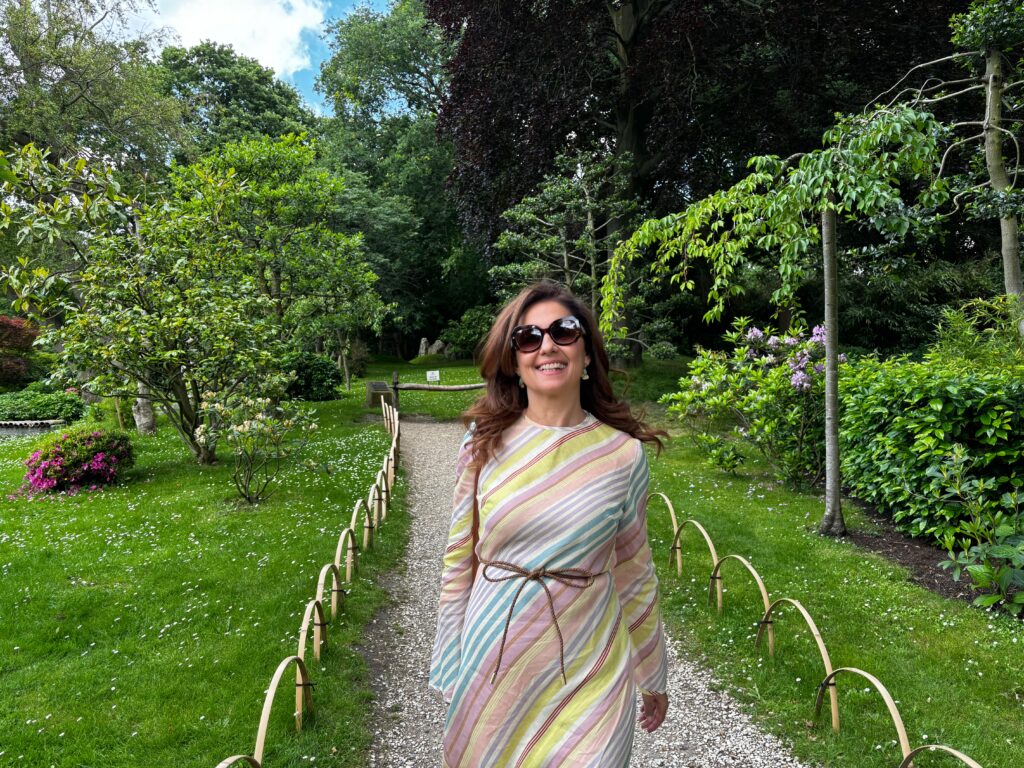
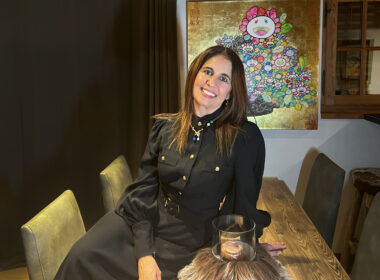
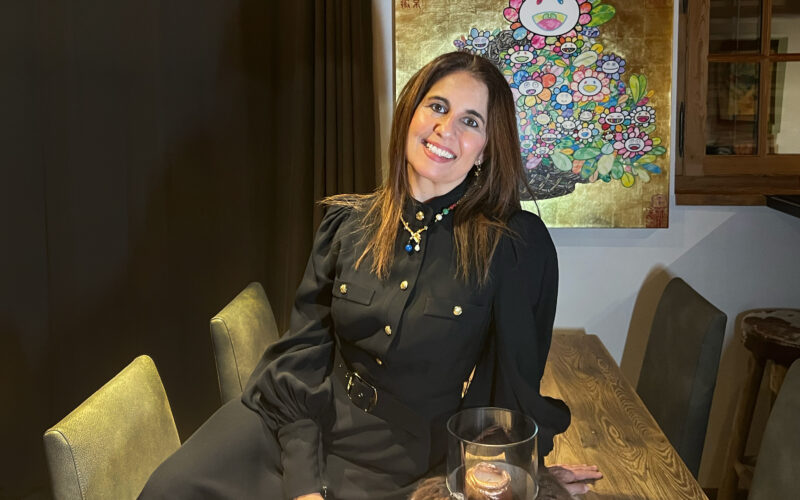
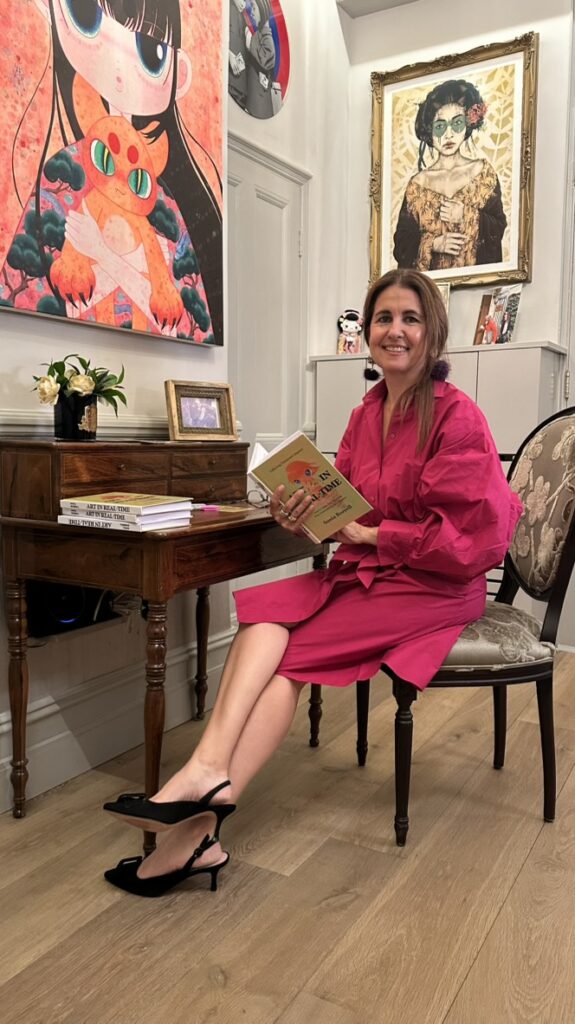
Sonia Borrell, also known across the art world as SoniaBBLondon, is a London-based collector, curator, and art advisor whose journey into art began not from an MFA or a gallery internship, but from the world of law and advisory. Art found her the way, it finds most honest people through feeling. She started collecting because something in the work moved her. But the deeper she went, the more she realised that the art world’s biggest problem was never a shortage of talent. It was a shortage of open doors.
For those of you meeting Sonia Borrell for the first time let us catch you up, because her story is one you’ll want to know.
Sonia Borrell didn’t come from the typical art world pipeline. She came from a legal and advisory background, but something pulled her in that unmistakable gravity that art has when it’s not just hanging on a wall but speaking to the state of the world. She started collecting, and what began as instinct and emotion quickly became something much bigger. She walked into studios. She listened. She saw what most people overlook: that the real story isn’t always the finished piece on the gallery wall. It’s the silence behind it. The struggle. The artist who hasn’t been given a door to walk through.
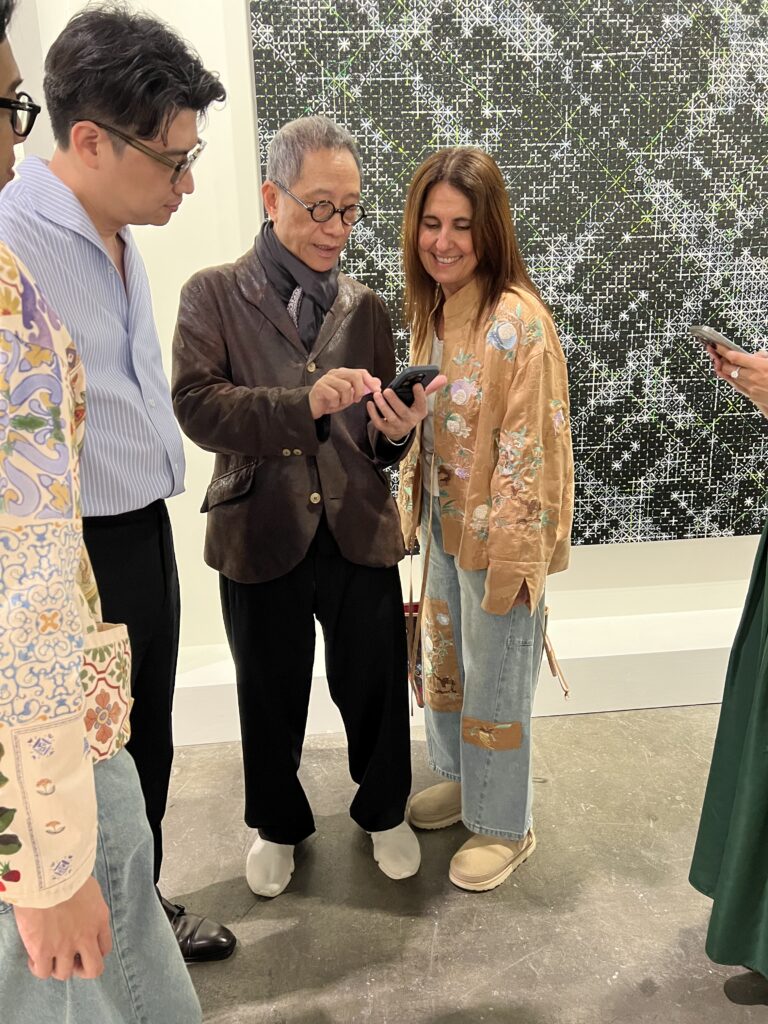
She could have stayed a collector. She could have enjoyed the art world from a comfortable distance. But that is not who Sonia is. She stepped in. She started listening to artists, connecting them with opportunities, curating, advising, and building bridges between artists, collectors, and institutions across the world. Artists began reaching out to her first a handful, then dozens, then hundreds, and now literally thousands. That kind of trust is not built through marketing. It is earned through showing up, again and again, with honesty and intention.
She recently launched StudioToGallery a platform, a community, a movement built on one devastatingly simple truth: there is no lack of talent in this world. There is a lack of access. And if that doesn’t hit you right in the chest, read it again.
What started as personal collecting turned into something far bigger. Artists began reaching out to her at first a handful, then dozens, then hundreds. She became the person people trusted not just for her eye, but for her honesty, her accessibility, and her genuine desire to help. She didn’t just look at art. She looked at the artist. The conditions they were working in. The isolation. The barriers no one was talking about.
And that’s where StudioToGallery was born from the sheer weight of that need. With over 2,300 artists currently on her waiting list, Sonia built StudioToGallery as the platform she wished had existed when she first started connecting with artists. It’s not just a directory or a showcase. It’s a living, breathing ecosystem weekly mentoring sessions, direct introductions to curators, collectors, and gallerists, monthly wellbeing check-ins, and a growing international community that’s already opening doors from London to Shenzhen. Her mission is disarmingly simple and that is bridge the gap between the studio and the gallery. Between creation and visibility. Between being talented and being seen.
And now, let’s hear it all in Sonia Borrell ‘s own words.
1. Can you share a bit about your background for those who may not be familiar with your journey, and how you first became involved in the art world?
I’m Sonia Borrell, and many people also know me as Soniabblondon. That name started very naturally, almost like a diary of what I was seeing, learning, and living inside the art world. Over time it became a way for people to follow my perspective as a collector, curator, advisor, and someone who genuinely spends a lot of time with artists and their processes.
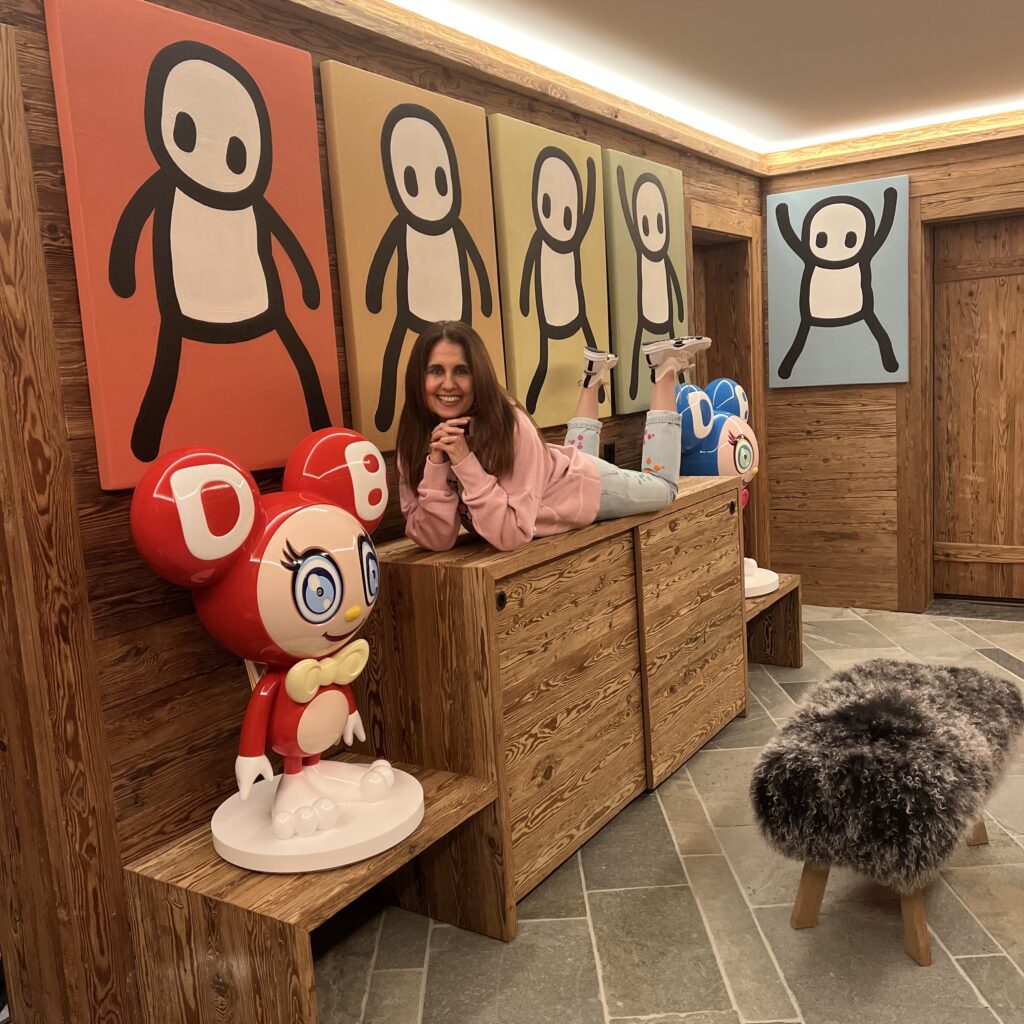
My journey into the art world wasn’t a traditional one. I come from a legal and advisory background, but I was always drawn to art as a direct reflection of what is happening in society in real time. Collecting was my entry point. At first it was instinct and emotion, but as I met more artists and spent time inside studios, I understood that the real story wasn’t only the finished work, it was also the conditions around the artist, the obstacles, the isolation, and the lack of access.
That’s when my role began to shift from collecting to supporting. I started connecting artists with opportunities, curating, advising, and building relationships between artists, collectors, and institutions internationally.
2. Sonia, you have recently launched StudioToGallery, can you share the vision behind it, and what prompted you to create a platform dedicated to supporting artists in this way?
StudioToGallery is very personal. It comes from years of artists reaching out to me, first a few, then dozens, and now thousands. At some point, I realised this wasn’t individual, it was structural. There is no lack of talent. There is a lack of access. Artists contact me constantly. It used to be around 50 a year. Now, in some months, it’s thousands. I currently have over 2,300 artists on the waiting list. That scale made it clear that something bigger was needed. The vision is simple: to open doors. But also to stay present, mentoring, guiding, and creating real opportunities.
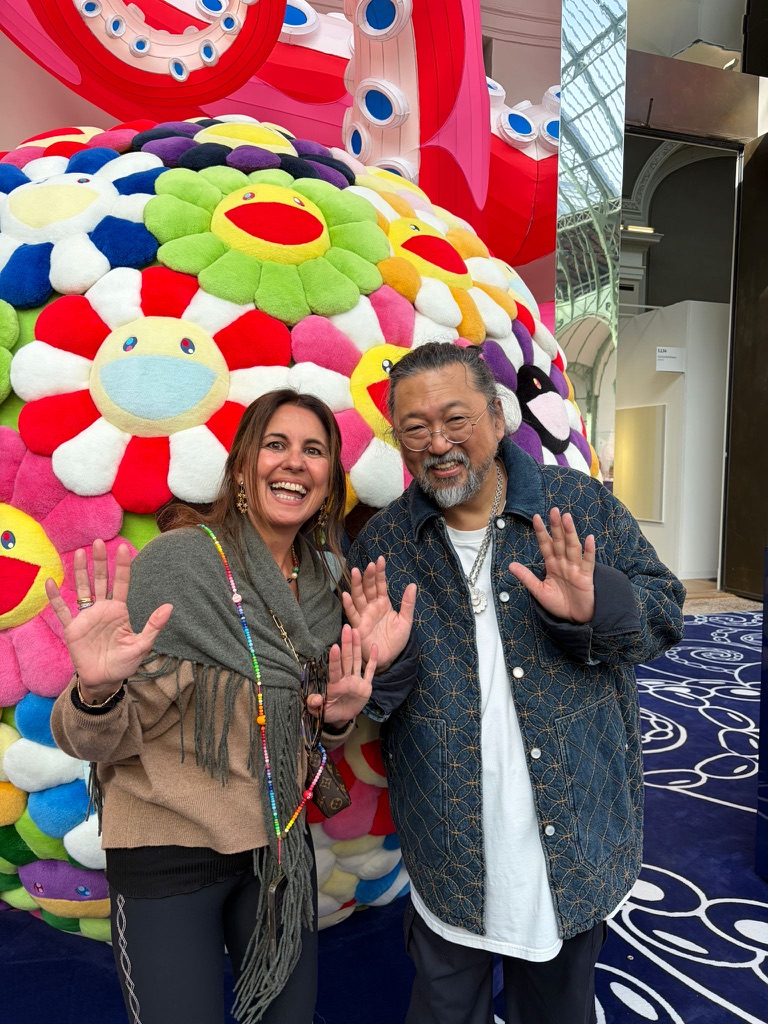
3. The name itself, StudioToGallery suggests a journey or transition from creation to visibility. What gap did you see in the art world that made you feel this platform was necessary?
The gap is not talent, it is access and translation. When nearly 90% of artists believe connections matter more than talent, something is clearly not working. Many artists don’t struggle with their work, they struggle with visibility, positioning, and entering the right networks.
StudioToGallery exists to bridge that gap, and to make that transition from studio to visibility more accessible and more human.
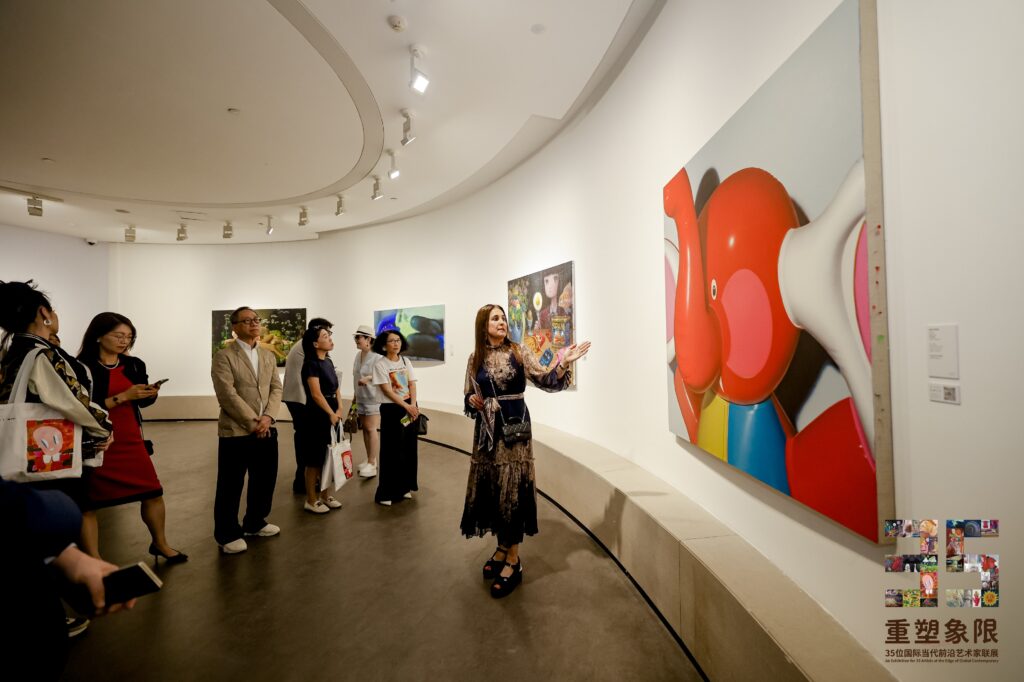
4. Many emerging artists struggle not with talent, but with self doubt. How do you help artists move from hesitation into confidence without losing their authenticity?
I listen to them, because behind the work there is often isolation, pressure, and doubt. Many artists feel alone. They feel that only a small number of artists are repeatedly shown, while others are never included. They feel the art world is full of gatekeepers. Confidence doesn’t come from forcing visibility, it comes from support and clarity. When artists feel seen, when they understand their own voice more deeply, confidence follows naturally. Authenticity doesn’t need to be protected, it strengthens.
5. As a curator, you are constantly making decisions about what to show, who to support, and how to framework. How do you balance your personal instinct with the responsibility of shaping wider narratives?
Instinct is always the starting point, but I’m very aware that curating means shaping visibility.
I try not to impose one narrative, but to create space where different voices can exist meaningfully. It’s about connection, not control.
6. Your collection spans contemporary, pop surrealism, and urban art, and continues to evolve over time. How do you allow your taste to change without losing clarity in your vision?
Clarity is not about staying the same, it’s about staying true to your intention. My collection is guided by emotion, cultural relevance, and authenticity. As long as those pillars remain, evolution is natural. Growth is necessary, for both artists and collectors.
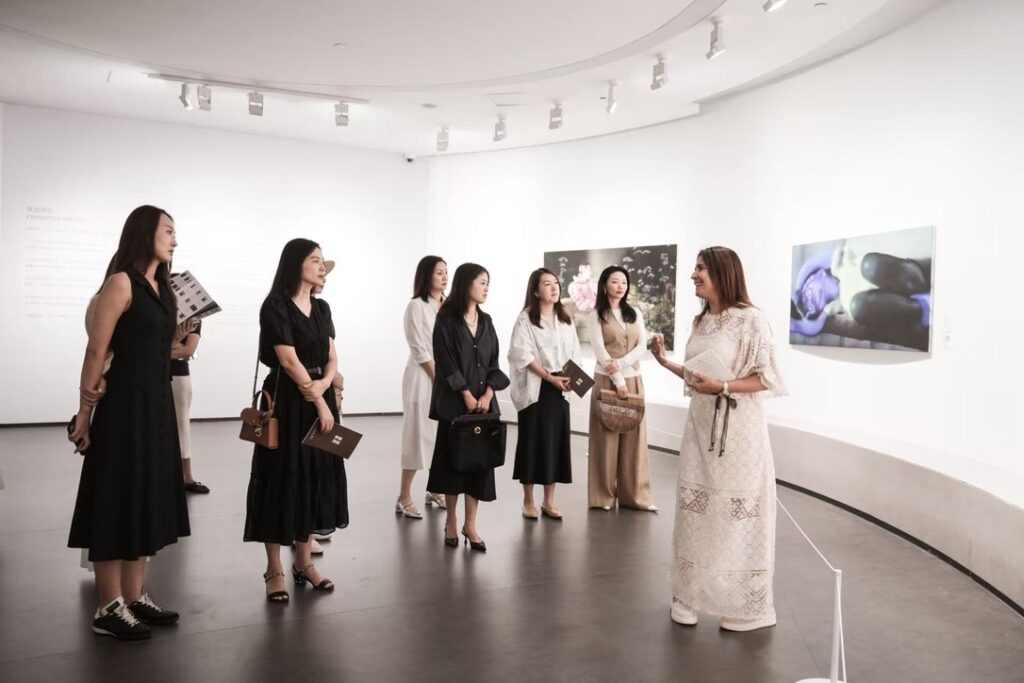
7. You are not only presenting artists but also shaping how they are introduced to collectors. How do you approach building that bridge between artist and collector?
Through trust and storytelling. Collectors are not just acquiring works; they are connecting with the artist’s world. And artists need to feel respected in how they are presented. That bridge has to be human, not transactional.
8. Through your work, you have a unique perspective on both sides of the art world. How do you ensure that StudioToGallery supports artists in a way that is sustainable, not just momentary exposure?
For me, sustainability is about rhythm and continuity. I organise two to three Zoom sessions every week, members only. These are spaces where artists can ask questions, share openly, and receive real guidance. Every week, I invite a new art professional, a curator, collector, gallerist, or advisor, so artists are not just learning, they are connecting directly with the ecosystem. We also hold monthly wellbeing sessions, because burnout and pressure are real. Artists are not machines, they need support beyond strategy. And importantly, we are building a strong community. We have a large Instagram group where artists support each other daily, sharing opportunities, feedback, and encouragement.
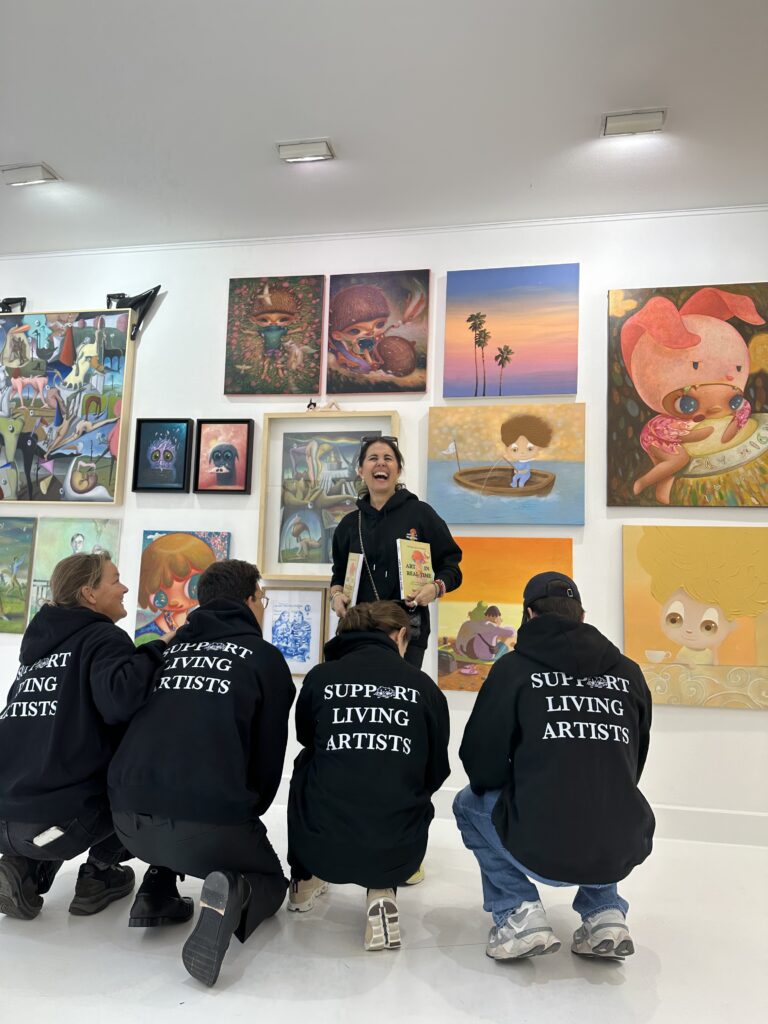
And I’ve already seen how powerful this is. From the first week, artists started receiving opportunities, one from a curator, six connected to opportunities in China, and one approached by an international gallery. There are also many galleries interested in collaborating, and we are in conversations with publications as well. I love collaborations, they create movement, and they open real doors.
9. Have you seen a change in artists once they begin to receive recognition through the platform? What kind of transformations stand out to you?
Yes, very clearly. The biggest transformation is internal. Artists begin to feel that they belong. And from that, everything changes, their confidence, their consistency, their ambition. Recognition, when it comes with support, becomes a catalyst, not pressure.
10. The traditional art world can feel closed and hierarchical. Through StudioToGallery, are you trying to challenge that structure or create an alternative to it?
I am trying to open it. The traditional system has value, it has supported many important careers. But it is also limited, and many artists remain outside of it, not because they lack talent, but because they lack access. StudioToGallery creates another path, more inclusive, more connected, more supportive, and more democratic.
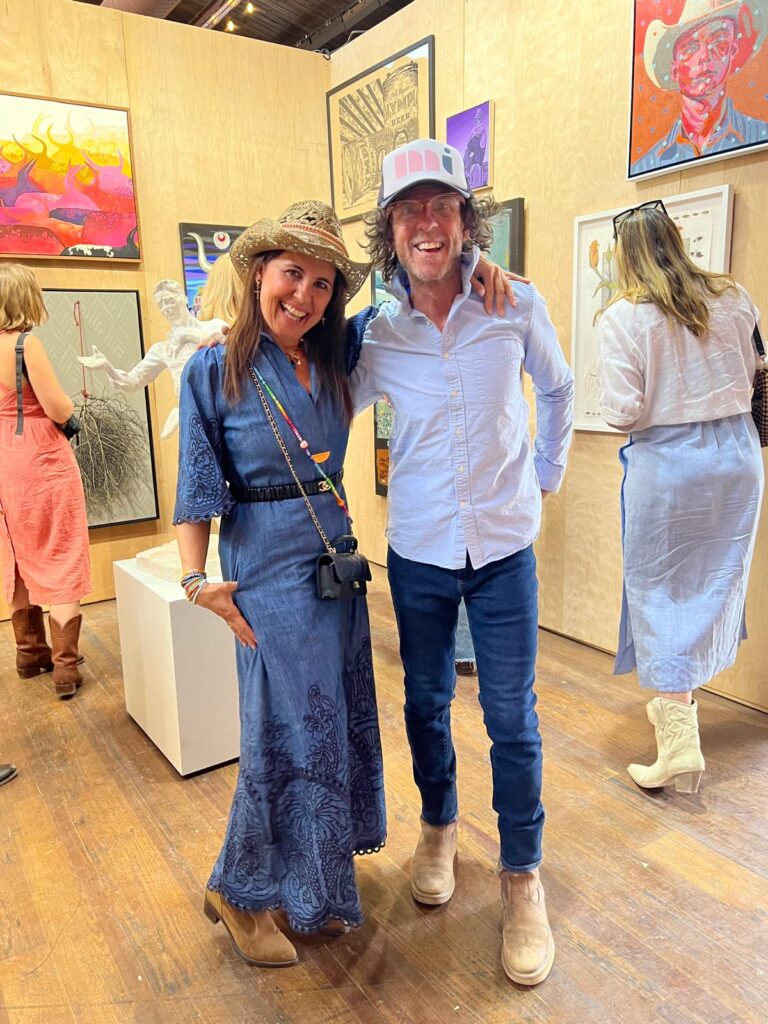
The reality is that around 95% of artists are outside the traditional system. That’s the part we don’t talk about enough. I want to bring as many of them as possible into real opportunities and real networks. And the world has changed. The 21st century is different. Young collectors don’t connect with the traditional model, they want transparency, authenticity, and direct relationships. Many feel disconnected from the system as it is.
11. For many artists, success is often external. From your perspective, what does meaningful success actually look like for an artist over time?
To continue. To sustain a practice without losing integrity. Sales and exhibitions matter, but real success is longevity, being able to keep creating, evolving, and staying relevant over time. And it has to be organic growth. No speculation, no hype, no flippers. Artists are not assets. Meaningful success is when an artist is supported enough to keep going, and to grow in a way that feels true.
12. You are positioned at the intersection of artists, collectors, and institutions. How do you see the relationship between these roles evolving in the coming years?
It is becoming more fluid. Collectors are more engaged, artists are more independent, and institutions are adapting. There is more dialogue, less hierarchy. The future will be more collaborative and more global.
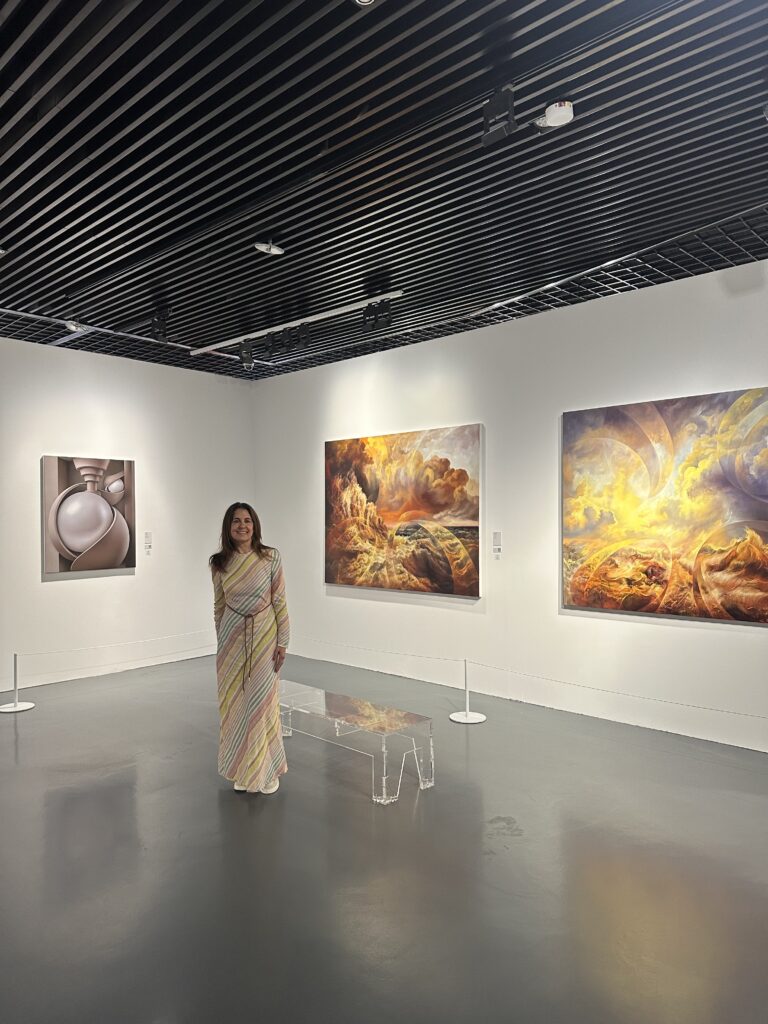
13. When you think about StudioToGallery, do you see it as a platform, a community, or a long term shift in how artists are supported?
It starts as a platform, but it becomes a community. And I hope it contributes to a long-term shift towards a more supportive, more connected, and more inclusive art world. For me, it is about long term change. Artists need structures that support them beyond a single exhibition or moment. They need continuity. And globally, the timing is right. China is opening its doors to me, and I see a strong momentum. There is also growing interest in art across India, Thailand, China, the Philippines, and the Middle East. The art world is no longer centred in one place. The world is different now. People want more transparency, more access, and more honesty. StudioToGallery responds to that reality.
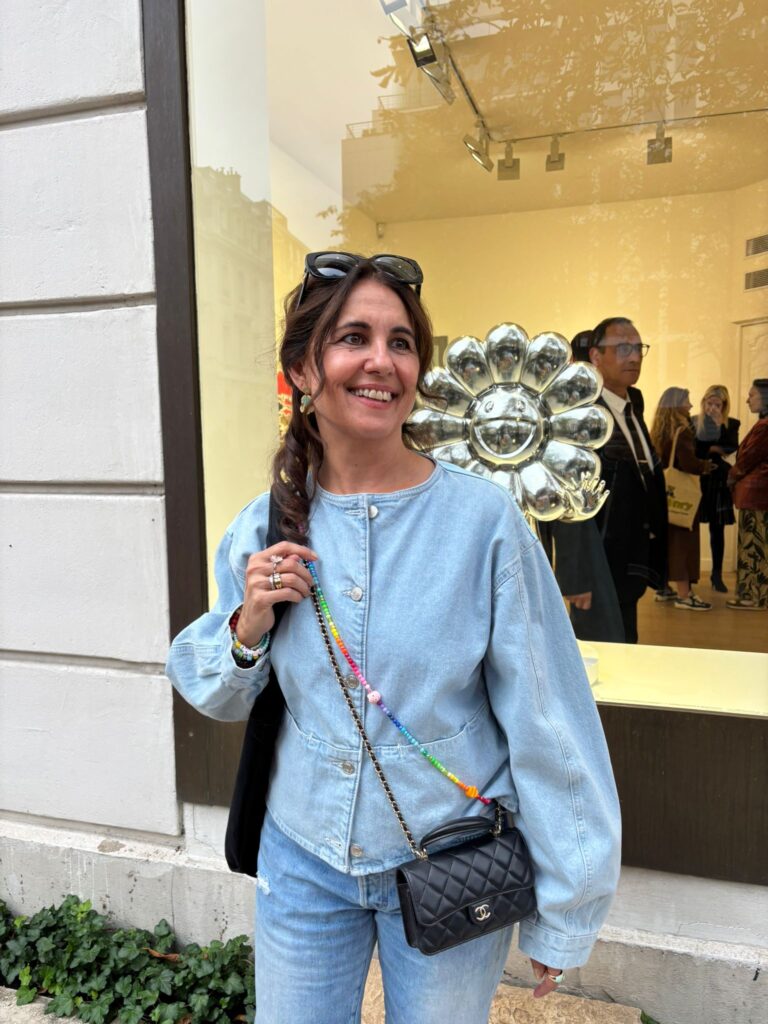
14. How has working so closely with artists through StudioToGallery influenced your own perspective as a collector?
It has made me more conscious, and more human in my approach. When you see the realities artists face, financial pressure, isolation, burnout, you cannot collect in the same way. You become more aware of your role and responsibility.
15. What advice would you offer to artists who are trying to move from creating in isolation to building a visible and sustainable presence in the art world?
Do not wait to be discovered. Position your work. Understand it. Communicate it clearly. But also do not do it alone. Build relationships. Seek support. Find the right community. Talent is important, but connection is what allows it to exist in the world. Final Reflection Right now, I am seeing these ideas come to life in a very real way. In Shenzhen, at the Shenzhen Bay Culture Centre, we are inaugurating a new space with Art Belina, a museum shop and two solo exhibitions with August Vilella and Laura Mas, Okokume. This is what StudioToGallery is about, not theory, but opportunity. Creating real access, building bridges across cultures, and opening doors for artists internationally. For me, everything connects back to this, supporting artists not just to exist, but to truly enter the art world, and to stay in it.
You know, some conversations you walk away from and you feel lighter. And some conversations you walk away from and you feel changed. This was the second kind.
What strikes you about Sonia is not just what she’s doing it’s how quietly and how fiercely she’s doing it. There’s no performance here. No loud manifesto. Just a woman who looked at an art world that was built on exclusivity and said, “That’s not good enough.” And then she did something about it.
She didn’t wait for the system to change. She didn’t write think pieces about it. She built a bridge studio to gallery and she’s standing on it, holding out her hand.
What moves us most is how she has built StudioToGallery with so much care. This is not someone rushing to scale a platform. This is someone who holds Zoom sessions every single week, who personally brings in curators and gallerists so artists can connect with the people who shape their futures, who runs monthly wellbeing check-ins because she knows that burnout and isolation are just as real as the art itself. She is not just opening doors. She is making sure artists are strong enough to walk through them.
And the fact that she is doing this globally building bridges from London to Shenzhen, seeing momentum across China, India, the Middle East, Southeast Asia tells you something important about the moment we are living in. The art world is no longer one city, one system, one set of rules. And Sonia understood that before most people did.
But perhaps what we admire most the thing that sits with us after this entire conversation is what Sonia believes success actually looks like for an artist. Not the hype. Not the speculation. Not the flipping. Just the ability to keep going. To sustain a practice with integrity. To grow in a way that feels true. In a world obsessed with overnight stories and viral moments, Sonia is quietly building something that is designed to last. And that takes a different kind of courage.
We cannot wait to see where StudioToGallery goes from here. And we know, with everything in us, that the best is yet to come.
Follow Sonia Borrell and her journey from studio to gallery through the links below.