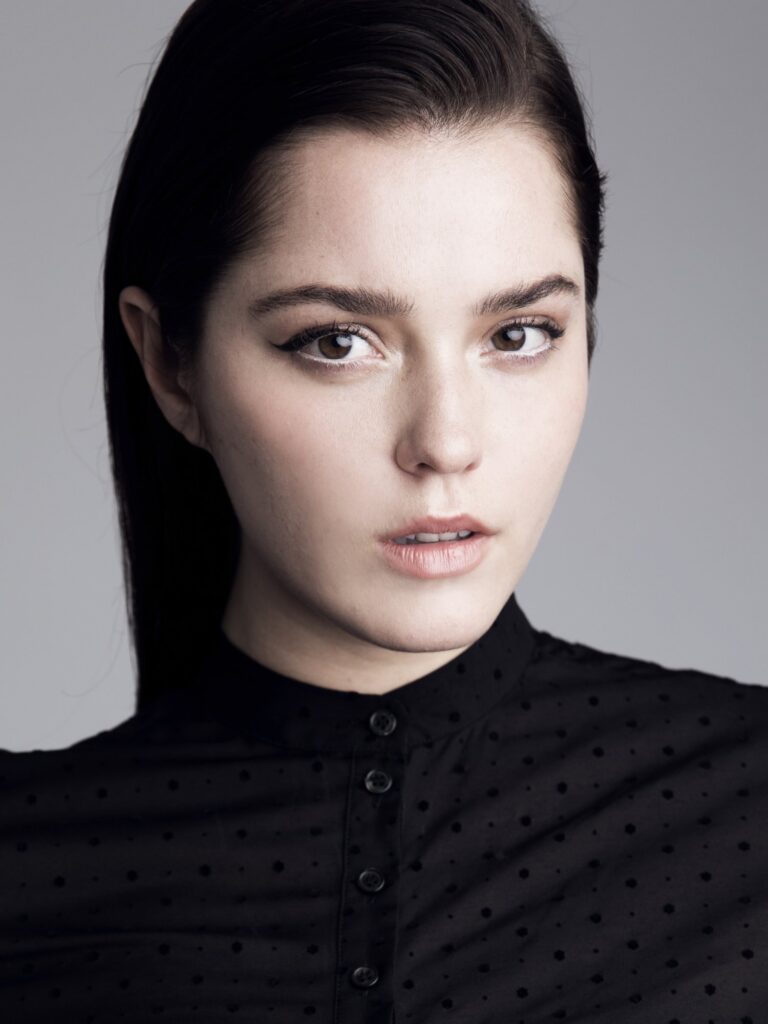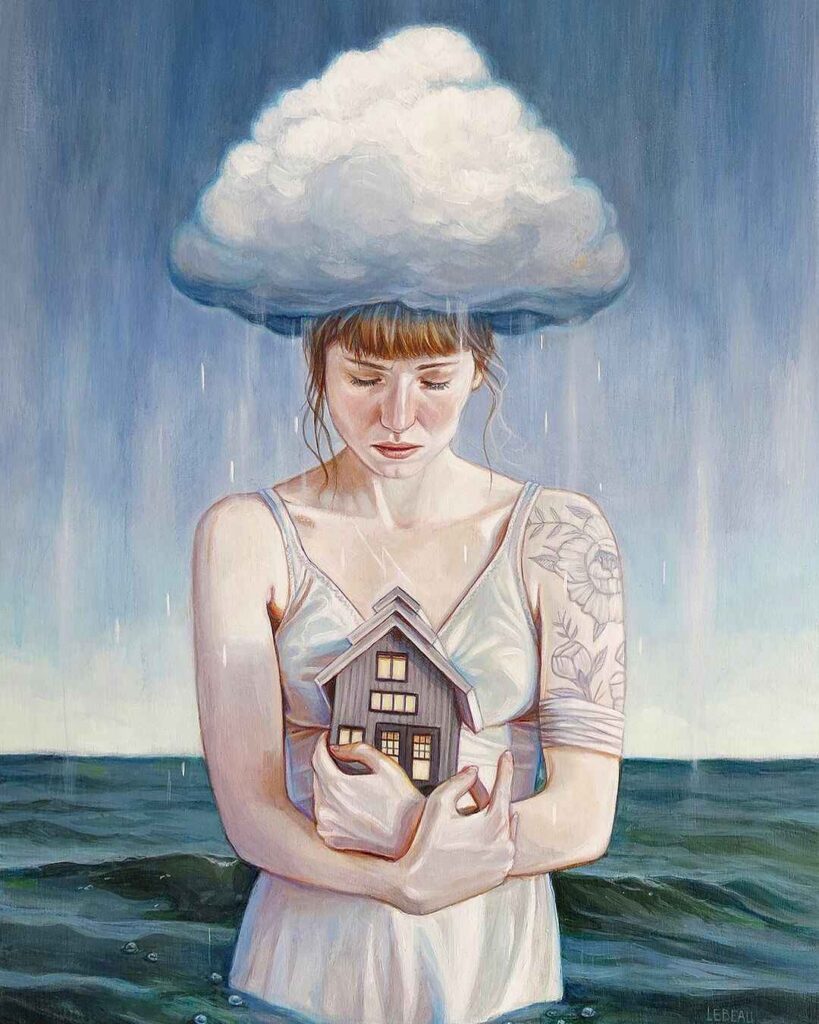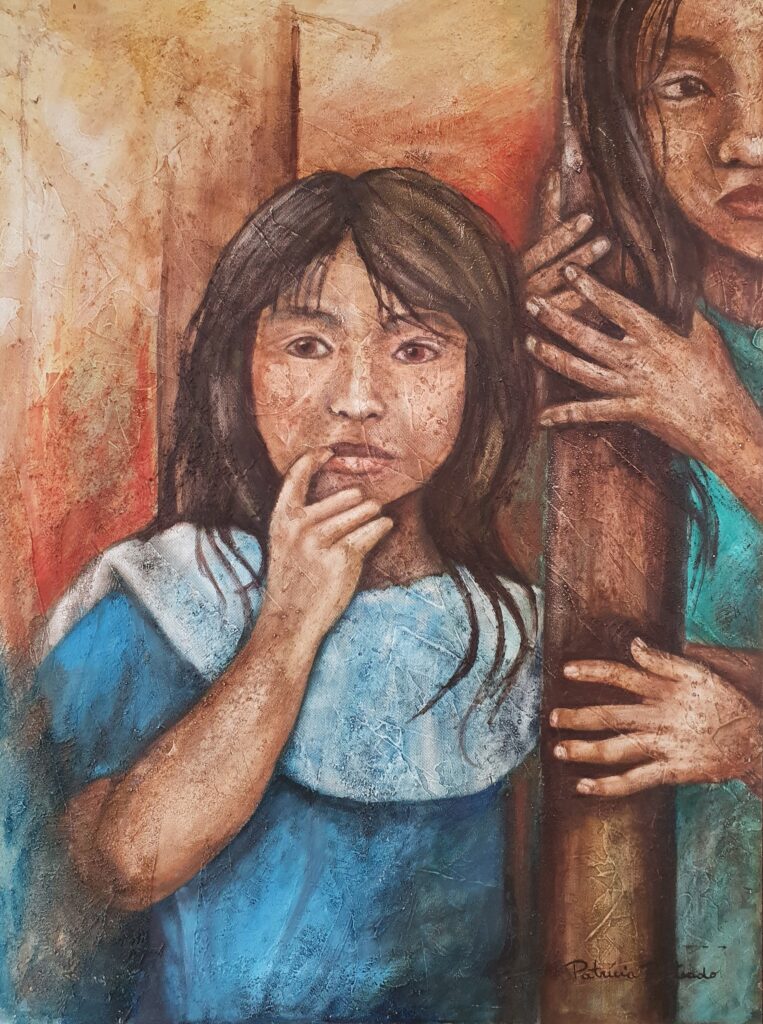

Soli Moradi balances documentary truth & fine art through her photography
At Arts to Hearts Project, Art and Woman Edition 3 brought us artists working in every medium. But photography holds a particular place in this edition because the women photographers we selected are not simply capturing images.
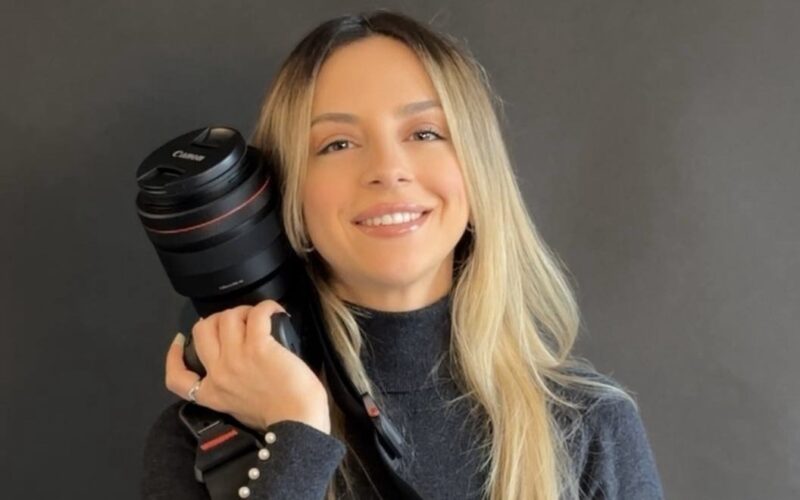
They are creating spaces where people can be seen in ways they have rarely been seen before. Soli Moradi is one of those photographers. She is one of our selected artists for this edition and her work carries a weight and a tenderness that you feel immediately.
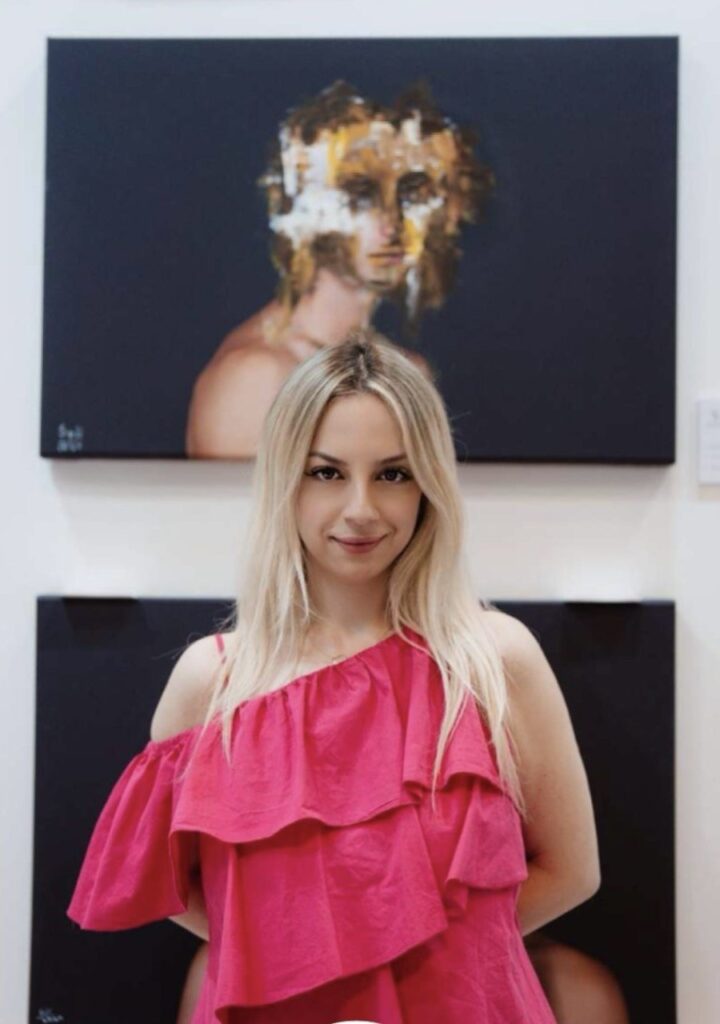
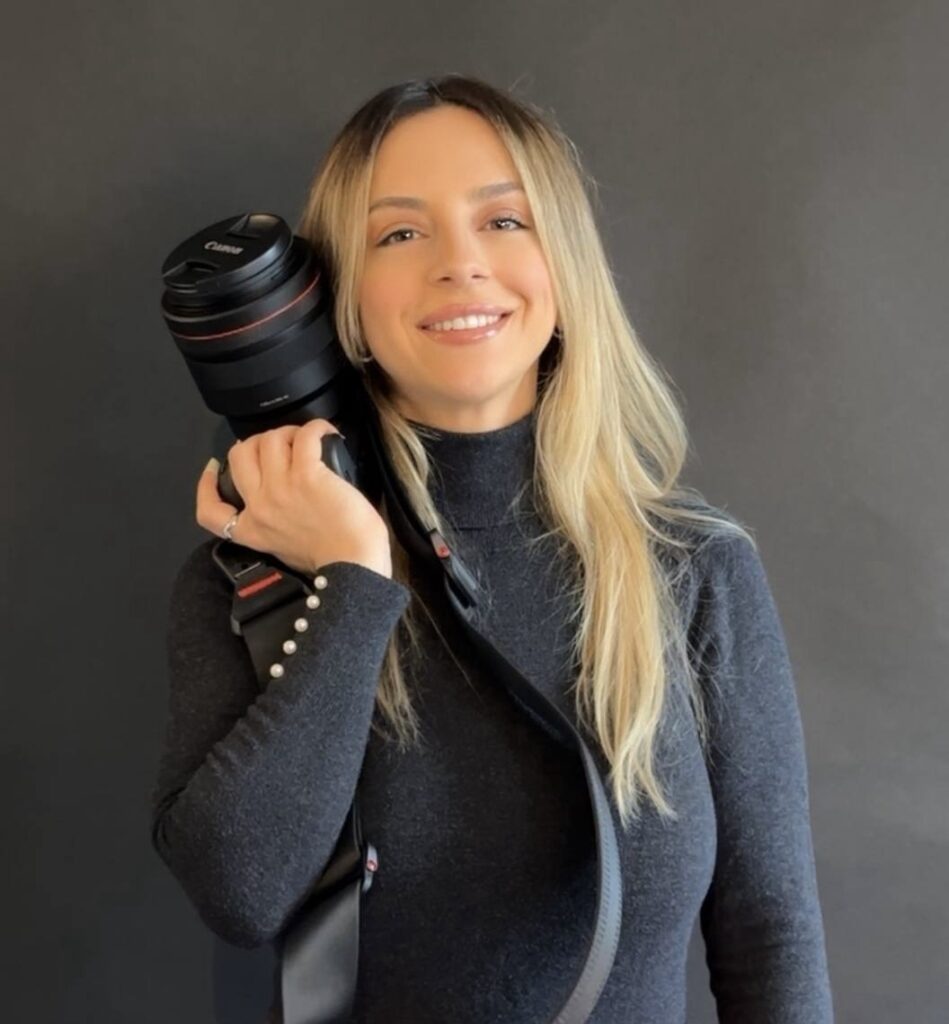
Soli is an Iranian-born fine art and documentary photographer based in The Hague, Netherlands. Her fine art photography explores the boundaries between reality and imagination, from surreal perspectives to expressive portraits to abstract visual narratives.
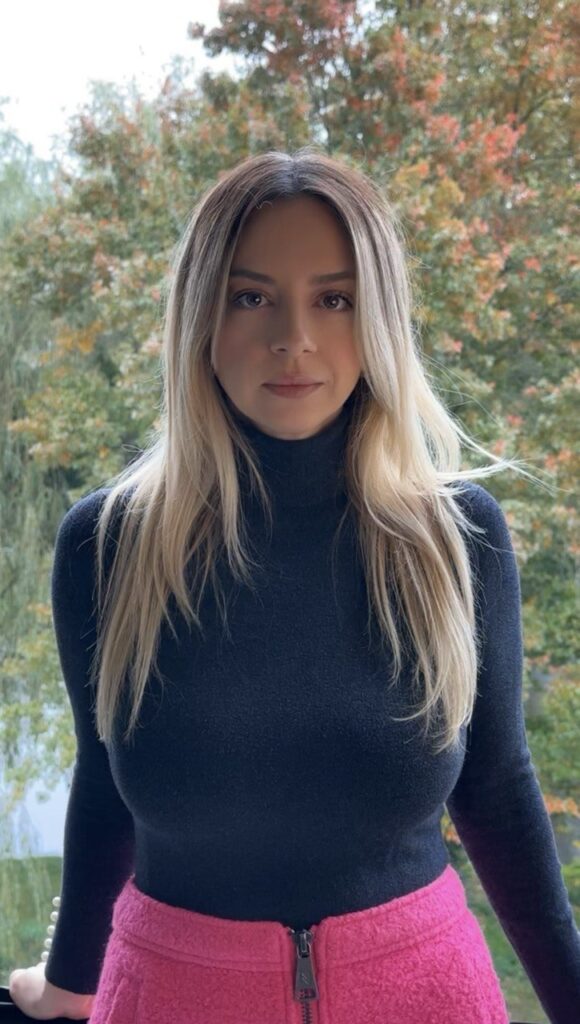
She has won awards in birth photography and her work spans fine art, family documentation, portraiture, and deeply personal projects that sit at the intersection of art and advocacy. Every image she makes is crafted to evoke feeling, curiosity, and depth.
But what drew us to Soli for this edition is not the breadth of her practice. It is the humanity at the centre of it. She photographs people. And the way she approaches that act, the care and the respect and the sensitivity she brings to every single encounter, turns the camera into something most photographers never think of it as. A tool for listening. For paying attention.
For creating a space where someone can be exactly who they are without performing or explaining or hiding. Her experience of growing up in Iran and the impact of censorship on how she understands images and visibility and what it means to be seen or hidden runs through everything she does.
It has shaped her sensitivity to silence, to boundaries, to the things people are not allowed to show. And that sensitivity gives her portraits a quality you do not often find in photography. They feel safe. Not in a bland way. In a genuine way. Like the person in the photograph trusted the person behind the camera completely. And you can feel that trust in the image.
She describes photography as a form of listening with her eyes. And honestly after spending time with her work and her words we think that is one of the most accurate descriptions of what a camera can do when the right person is holding it.
Let’s get to know Soli through our conversation with her about trust, visibility, censorship, and what the camera can hold when care comes before the image.
Q1. Soli, can you share a little about your journey and what first drew you to photography?
I think what first drew me to photography was not the image itself, but people. I have always been fascinated by how much emotion, silence, fear, strength, or tenderness can live in a person’s face and body, even when they are not saying anything. In the beginning, photography was a way for me to preserve moments: light, form, a gaze, a brief expression that might only exist for a few seconds.
But over time, I began to understand that a strong photograph is not just a beautiful image. It can reveal something that words often fail to hold. It can give someone space to be seen without forcing them to explain themselves. That became clearer to me as I moved more deeply into portraiture and personal stories. When you sit with people, you realize that every face is more than an appearance. Behind it there is experience, memory, vulnerability, resilience, and sometimes an entire life.
From that point on, photography became a form of listening for me: listening with my eyes, with light, with silence, and with respect. That is still at the heart of my work today. Whether I am documenting a very real moment such as birth, creating an intimate portrait, or combining photography with painting, what matters to me is that the image is not only visually beautiful. It has to hold something human; something honest, alive, and deeply felt.
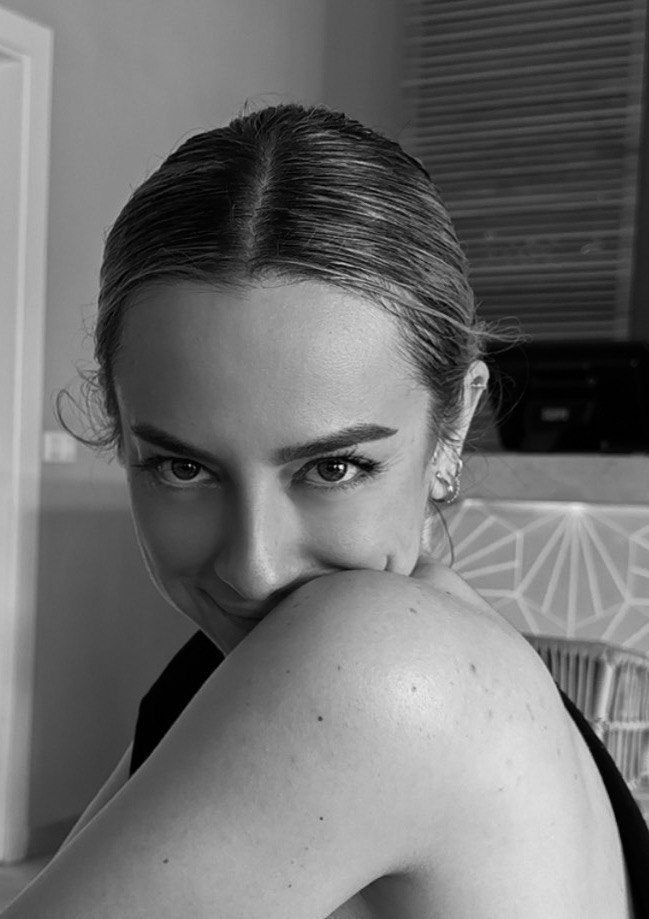
Q2. How do you create an environment where people feel comfortable in front of the camera?
For me, making a portrait is never only a technical process. Of course, light, composition, angle, and detail are all important, but without trust the image will only show the surface of a person, not something of their real presence. Before the camera becomes important, I try to see the person in front of me. I speak with them, pay attention to their energy and their space, and I do not rush the process.
I think people become more open when they feel genuinely seen, not judged, and not overly directed. That is when something more natural begins to appear. It is important to me that the person does not feel they have to perform or present a perfect version of themselves. Sometimes a quiet look, a pause, the position of a hand, or even a moment of silence can be much more truthful than a prepared pose.
I do not try to force something out of someone. I try to create a space where, if they feel ready, something honest can come forward. In that process, trust goes both ways. I also have to be present with care, respect, and sensitivity. Especially when I work with personal stories, the body, identity, or vulnerability, the responsibility of the photographer is not only to create a strong image. It is also to take care of the human being standing in front of the camera. When that care is present, a portrait can become more than an image. It can become an honest moment between two people.
Q3. What does it mean when someone trusts you with their story?
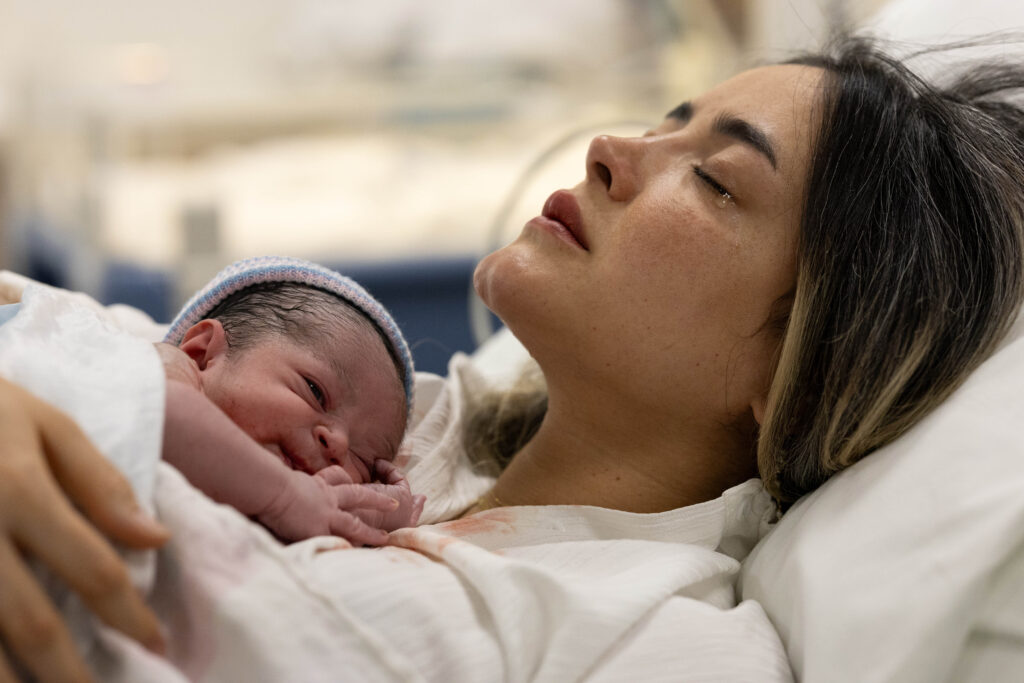
When someone trusts me in front of the camera, it means much more than simply giving me permission to take their photograph. It means they are allowing me to come close to something personal: a part of their presence, their experience, or their emotion. I see that as a real responsibility. I believe every person carries a story, and that story is not always told through words.
Sometimes it appears in the eyes, in the body, in a silence, or in that small moment of hesitation before someone allows themselves to open up. When someone gives me access to that kind of moment, I try to approach it with care and respect. It is very important to me that a photograph does not use someone’s vulnerability only to create a beautiful image. I want the image to give something back to the person.
I want it to create a space where they can be seen as they are, without judgment and without pressure to become more perfect or more dramatic. The trust people give me has shaped the way I understand photography. It reminds me that the camera is not only a tool for seeing, but also a way of caring. When someone looks at their portrait and feels that they have truly been seen, that moment means more to me than anything else.
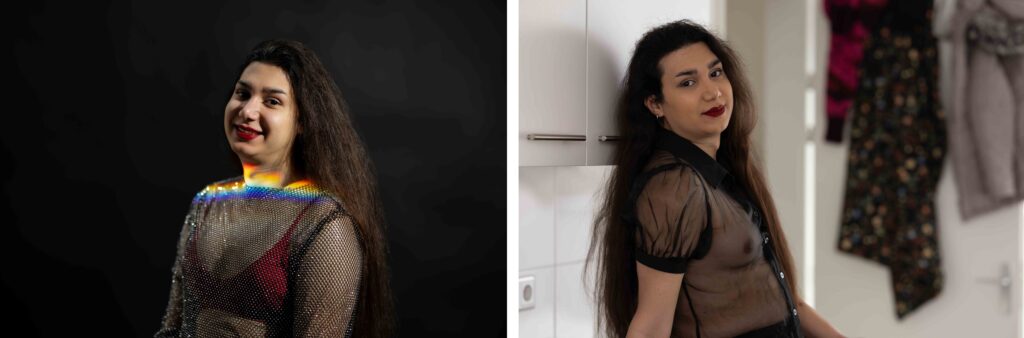
Q4. How did those conversations shape the way you approached Within Safe Boundaries?
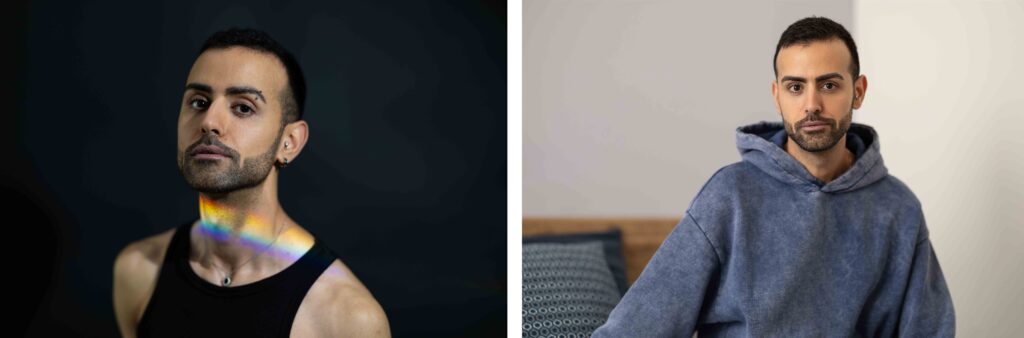
Those conversations taught me that being seen does not mean the same thing for everyone. While creating Within Safe Boundaries, with Iranian LGBTQ+ people living in the Netherlands, I became very aware that visibility can be both powerful and delicate. For many, censorship and social restrictions were part of the reason they had to leave Iran and build a life elsewhere.
For some, being seen can feel like freedom; for others, it can still carry memories of fear, judgment, or the need to protect themselves. So when I make a portrait, I do not try to reveal everything. It matters to me that each person can choose their own level of closeness, silence, and presence.
Sometimes a quiet look, a distance, or even what remains unspoken can be more honest than a completely direct image. I want my portraits to create space for people to be seen, while still allowing them to keep ownership of their own story and boundaries.
Q5. How do you ensure people feel represented rather than interpreted?
For me, there is an important difference between seeing someone and defining them through my own point of view. When a portrait is connected to identity or lived experience, I try to listen first and understand how that person wants to be seen. I do not want the image to become my interpretation of someone’s life.
I prefer the portrait to grow out of a quiet conversation, where the person has a real presence in the choices around space, posture, distance, and how much they wish to reveal. What matters to me is that when they see the photograph, they recognize themselves in it. Not as a symbol, an idea, or someone else’s narrative, but as a person with dignity and ownership. If the image gives them that feeling, then the portrait has succeeded.
Q6. Can photography challenge people’s assumptions?
Yes, I believe photography can gently challenge the way people look at communities they may not personally know. Often, we understand others through news, stereotypes, or social assumptions before we ever meet them as individuals. A strong portrait can move past those layers and bring the human being forward first.
For me, it is important that the image does not reduce someone to a group or a label. When a viewer is faced with a real expression, a gaze, or a quiet human moment, it can become easier to close that emotional distance. Photography does not always give direct answers, but it can open a question. It can make someone pause a little longer, judge a little less quickly, and meet the humanity of the person in front of them.
Q7. How do you capture an identity that’s always evolving?
For me, a portrait is never meant to be a complete definition of a person’s identity. Identity is always moving. It changes through our experiences, fears, loves, wounds, and choices. Photography holds only one moment, but if that moment is honest, it can still suggest something of that inner movement.
I try not to see people as fixed images, but as human beings who are still becoming. That is why I am not looking for a final answer in my portraits. I am more interested in traces: a gaze, a gesture, a silence, or a layer of emotion that shows a person is always more complex than the single moment the camera captures.
Q8. Before taking a portrait, what matters most planning or getting to know the person?
Planning is important to me, but getting to know the person always comes first. The light, the space, and the composition should serve the person, not the other way around. Before photographing someone, I try to understand a little of their energy, their story, and their boundaries.
That helps me create an image that feels more natural and honest, not only visually strong. Sometimes the best portrait happens when I move away from the original plan and trust what is quietly unfolding between us in that moment.
Q9. How has storytelling changed your relationship with the camera?
Yes, my relationship with the camera has changed. In the beginning, the camera was mostly a way for me to capture beauty, light, and a moment. Those things are still important to me, but today I see the camera more as a bridge between myself and the person in front of me. As I became more drawn to stories and human themes, I realized that every image carries a responsibility.
What I choose to show, what I leave quiet, and how I approach someone’s presence are all part of the work. Today, the camera is not only a tool for seeing. It is a way of coming closer with respect, of listening, and of creating an image that is beautiful, but also holds something real about being human.
Q10. Can photography change perceptions, or does it simply deepen existing conversations?
I think photography can do both, but not always in a direct way. A photograph alone may not completely change someone’s beliefs, but it can create a moment of pause. It can allow someone to see a subject, a person, or a story from a more human point of view. Sometimes an image deepens a conversation that is already happening.
Other times, it becomes an entry point for someone who has not yet been part of that conversation. For me, that is where the value of photography lies. It can reduce distance, bring emotion into the discussion, and instead of explaining too much, allow the humanity of the person in the image to be felt.
Q11. How do you balance creative expression with social responsibility?
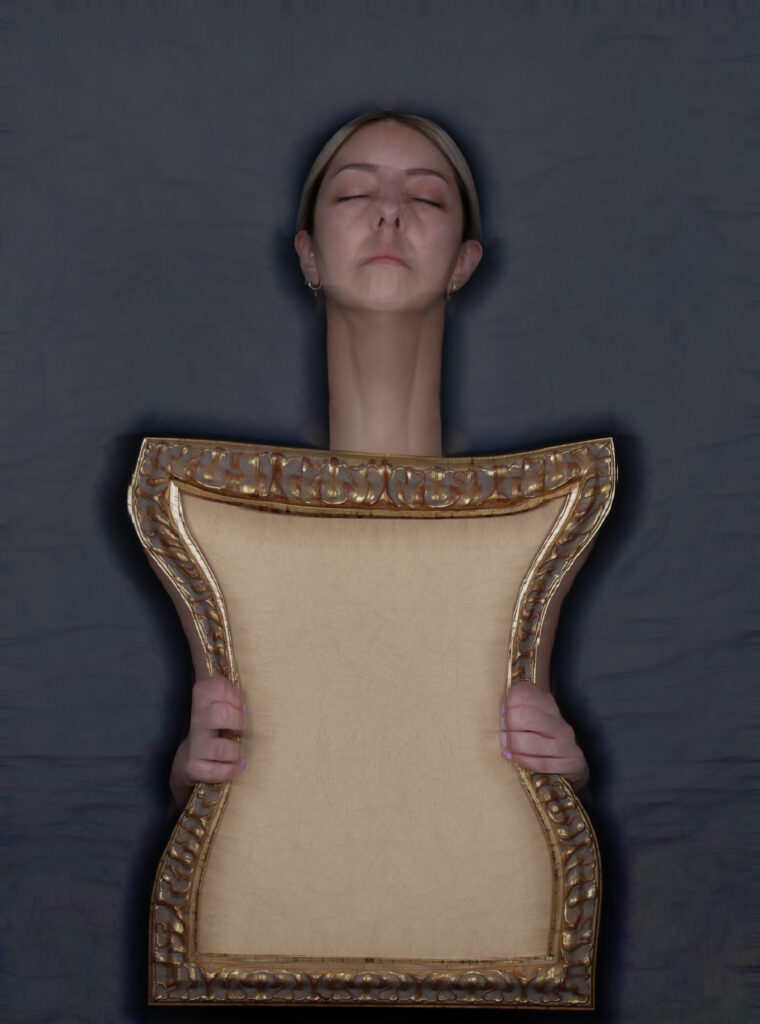
I try to begin with the human being, not with the message. For me, a photograph should not become a slogan, but it also cannot be disconnected from people’s lives, identities, and experiences. The experience of censorship in Iran has had a strong impact on me. Censorship is not only about removing an image or a word.
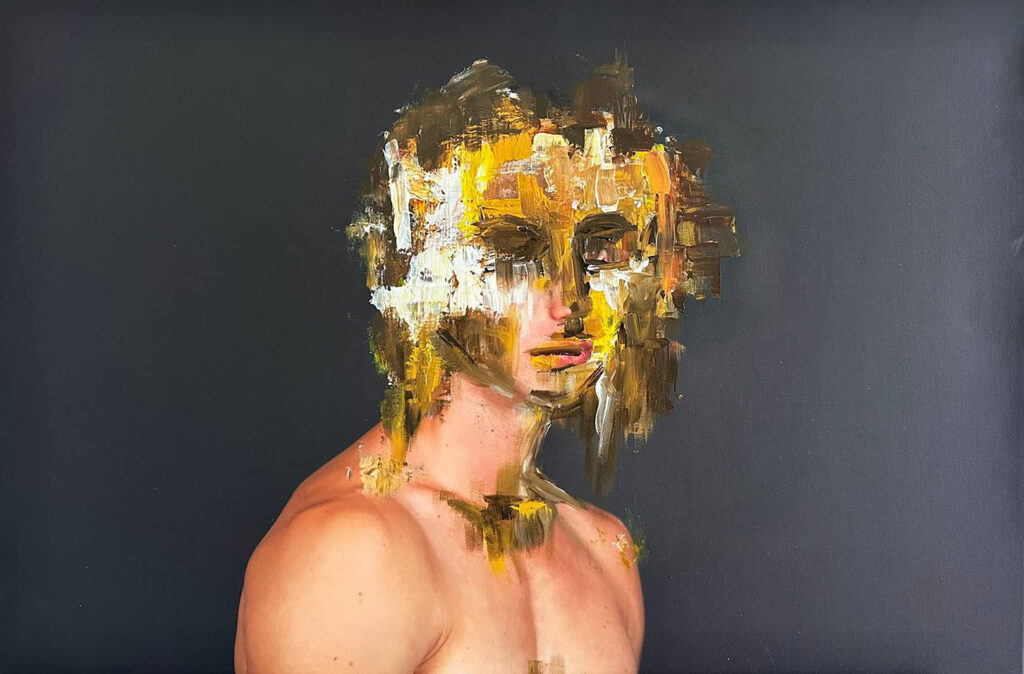
Sometimes it means that people learn to hide parts of themselves, to control their bodies, to hold back their emotions, or to express their stories only indirectly. That has made me more sensitive to silence, pressure, boundaries, and the things that are not allowed to be seen. In some of my works, such as the image where the person seems to be resisting the frame, that feeling is very important to me.
It is as if the person is both inside the image and trying to move beyond the limitation built around them. I do not want to tell the viewer exactly what to think, but I do want to bring them closer to a human reality that is not always possible to express directly.
Q12. Which project has had the greatest impact on you as a photographer?
Yes, working on Within Safe Boundaries, a series of portraits of Iranian LGBTQ+ people living in the Netherlands, had a strong impact on me. It was not only about creating beautiful images. It was about trust, safety, personal boundaries, and the courage it can take to be seen. All of the people I photographed had left Iran because censorship and social restrictions made it difficult or unsafe to live openly.
When you work with people whose identities have not always been easy or safe to express, you become more aware that a portrait is not only about a face. Sometimes it is also about silences, memories, and the things a person has carried with them for many years. That experience was very meaningful to me. It reminded me that photography can be both artistic and deeply human. It can be quiet, respectful, and still very powerful.
Q13. Has your definition of success changed over time?
For me, success is a combination of both, but over time the human meaning of the work has become more important. Artistic achievement matters. I want the image to have strength in its beauty, composition, and emotion. But if a photograph is only beautiful and has no human connection, it does not feel complete to me.
I feel the greatest sense of success when the person I have photographed recognizes themselves in the image and feels they have been seen with respect. If my work can be strong artistically, but also create a sense of visibility, dignity, or conversation for one person or a small community, that is the most meaningful kind of success for me.
Q14. What advice would you give emerging photographers who want to tell meaningful stories?
My advice to emerging photographers is to look for the right relationship before looking for the strongest image. When you are telling an important story, the person at the center of it should never become a tool for your idea. Listen first. Ask questions. Understand boundaries.
Allow trust to grow slowly. Sometimes respect means not showing everything. A photograph can be beautiful, powerful, and socially meaningful, but it only becomes truly valuable when the person in the image feels they have been seen with care and dignity.
As our conversation with Soli drew to a close, we found ourselves thinking about what it actually means to see someone. Not look at them. See them.
Because most of us are looked at constantly. Cameras everywhere. Phones out. Social media demanding that we present ourselves in curated performable versions every day. We are looked at more than any generation of humans has ever been looked at. And somehow most of us still feel unseen.
Because being looked at and being seen are not the same thing. Being looked at is passive and often extractive. Being seen requires attention and care and the willingness to let someone be exactly who they are without needing them to be anything else.
Soli sees people. That is the simplest and most important thing we can say about her practice. She does not use people to make strong images. She makes strong images because she genuinely cares about the person standing in front of her camera. And that order of priority matters enormously.
Because when the image comes first and the person comes second, even technically brilliant photography feels hollow. When the person comes first, even a quiet portrait of someone looking away from the camera can carry more emotional truth than the most dramatic image in the room.
Her experience of censorship in Iran gave her something that most photographers working in comfortable democracies never develop. An understanding that visibility is not automatically a gift.
That for some people being seen has been dangerous. That the act of photographing someone is not neutral, it carries responsibility, and that responsibility does not end when you press the shutter. It lives in how you approach the person before, how you hold their image after, and whether the photograph gives them dignity or takes it away.
Every photographer should think about that. Every artist working with people’s stories and identities and vulnerabilities should think about that. Because it is easy to make powerful work from other people’s pain. It is much harder to make powerful work that also protects the person at the centre of it. Soli does both. Every time.
For those drawn to fine art photography, Soli’s work is a reminder that a photograph can do far more than record a moment. It can shift perspective, spark curiosity, and encourage us to look more closely at the world around us. Each image offers a quiet conversation, revealing new layers the longer you spend with it.
Follow Soli Moradi through the links below and see her work for yourself.