



5 Oil Painters to Watch If You Love Thoughtful Art

👁 314 Views
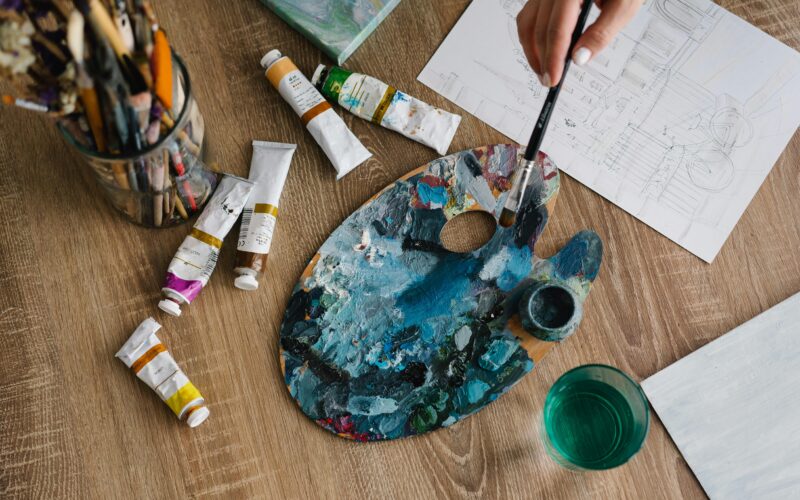
Oil painting is a meditation on time on how moments linger, how light drifts, how memory softens at the edges yet refuses to disappear. Long before a brush grazes the canvas, the process begins in silence: in the way the artist studies a room, listens to the hush inside a still life, or traces the emotional weight of an object with their eyes alone. Oil painters are observers of the subtle and the sacred. They notice the shy glow of morning on a kitchen table, the humility of a piece of fruit left waiting, the quiet honesty in the folds of a cloth. Through their work, they turn these whispers of daily life into images that resonate far beyond the frame.
What makes oil painting profoundly meaningful is not just its beauty, but its deliberateness. Oils dry slowly, inviting artists into a kind of dialogue with the canvas one where layers build like memories, where colours shift like emotions, where nothing is rushed and everything is considered. Every glaze holds intention; every stroke carries presence. A single highlight can breathe life into an object. A softened edge can evoke tenderness. In this medium, the mundane becomes poetic, the overlooked becomes illuminated, and the smallest moments gain the weight of revelation.
At Arts to Hearts Project, we’re continually inspired by artists who choose this timeless medium to explore the everyday. Oil painters see poetry in simple arrangements, emotion in ordinary gestures, and depth in familiar objects. They let colour speak gently, let shadows soften, and let the smallest details take centre stage. Through their work, a slice of fruit, a folded fabric, a shaft of morning light, or even an unfinished meal becomes a story worth lingering over.
In this feature, we are honoured to introduce you to painters who breathe life into figures, landscapes, and objects, who turn observation into story, and who remind us that art is never just about what we see, but about how it touches us.
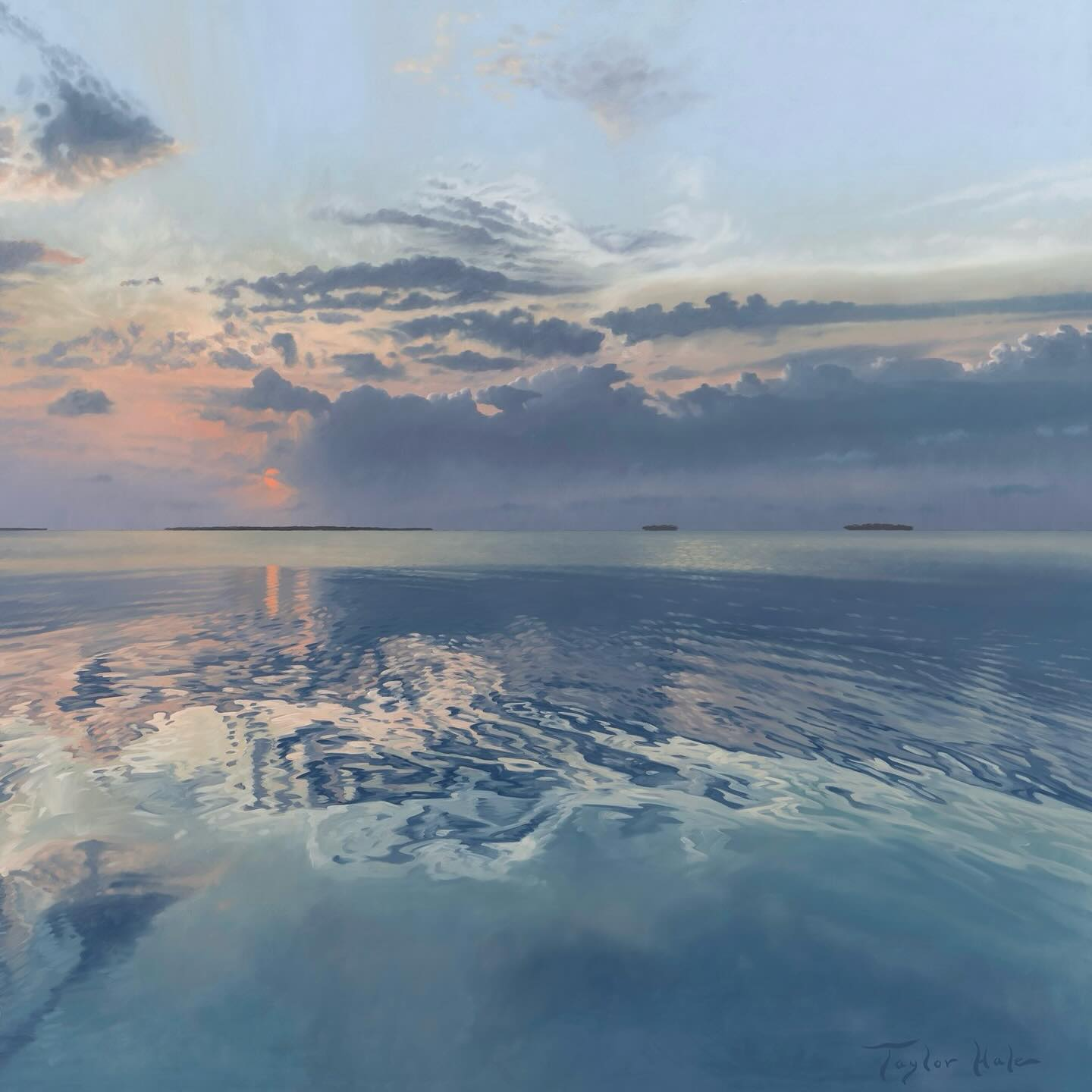
Taylor Hale @taylorhalepaintings
Taylor Hale paints the sky the way someone paints something they’ve lived with their whole life gently, attentively, and with a kind of quiet devotion. Growing up in the Florida Keys, he was surrounded by open water, soft horizons, and the ever-changing moods of light. Those landscapes shaped him, and today they ripple through every one of his oil paintings. Taylor’s work is rooted in observation. He pays attention to the subtle things: how clouds stretch and dissolve, how the sea catches light for just a second before shifting, how the day slowly folds into evening. His skies aren’t dramatic performances; they’re tender moments, those small, luminous pauses that you only notice if you let yourself really look. In his paintings, colour moves softly, blending into gradients that feel like breath, memory, or something almost unsayable.

What makes his paintings so deeply human is their simplicity. He doesn’t crowd the canvas. He lets air, light, and openness do the talking. Through patient layers of oil, he creates atmospheres that feel familiar places you’ve stood before, or wish you could return to. A warm horizon. A quiet morning. A sky that makes you feel held for a moment. Taylor’s art carries a sense of presence. It isn’t about capturing a scene; it’s about capturing a feeling, the calm that settles in your chest when you look out at the water, the softness that comes with the end of a day, the stillness that lives in light. His paintings offer that same stillness back to you, gently and without insistence. In Taylor Hale’s hands, the sky becomes more than weather or landscape. It becomes a story of home, of memory, of quiet moments that stay with us long after the light has changed.


Kit Lintin @kitlintin
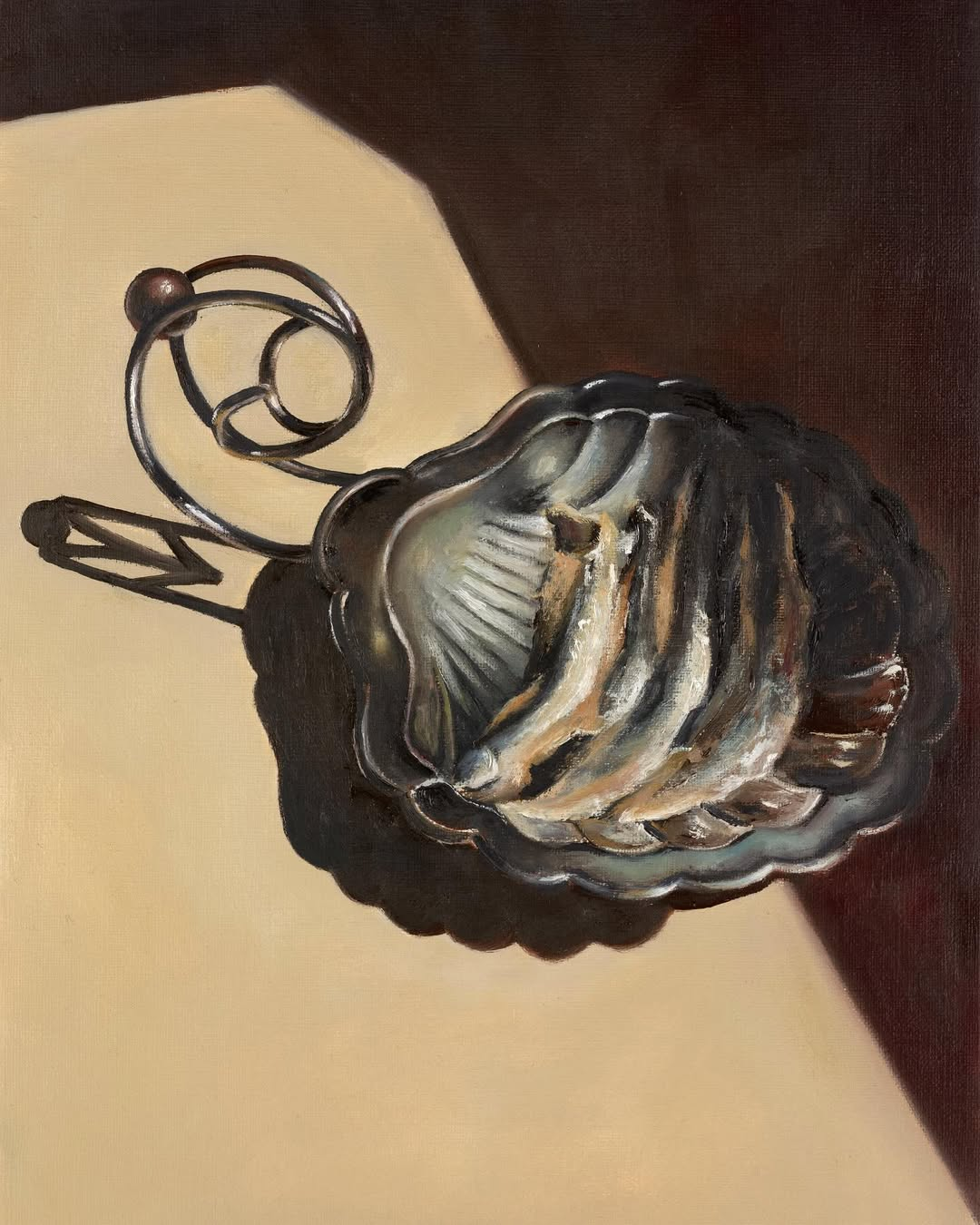
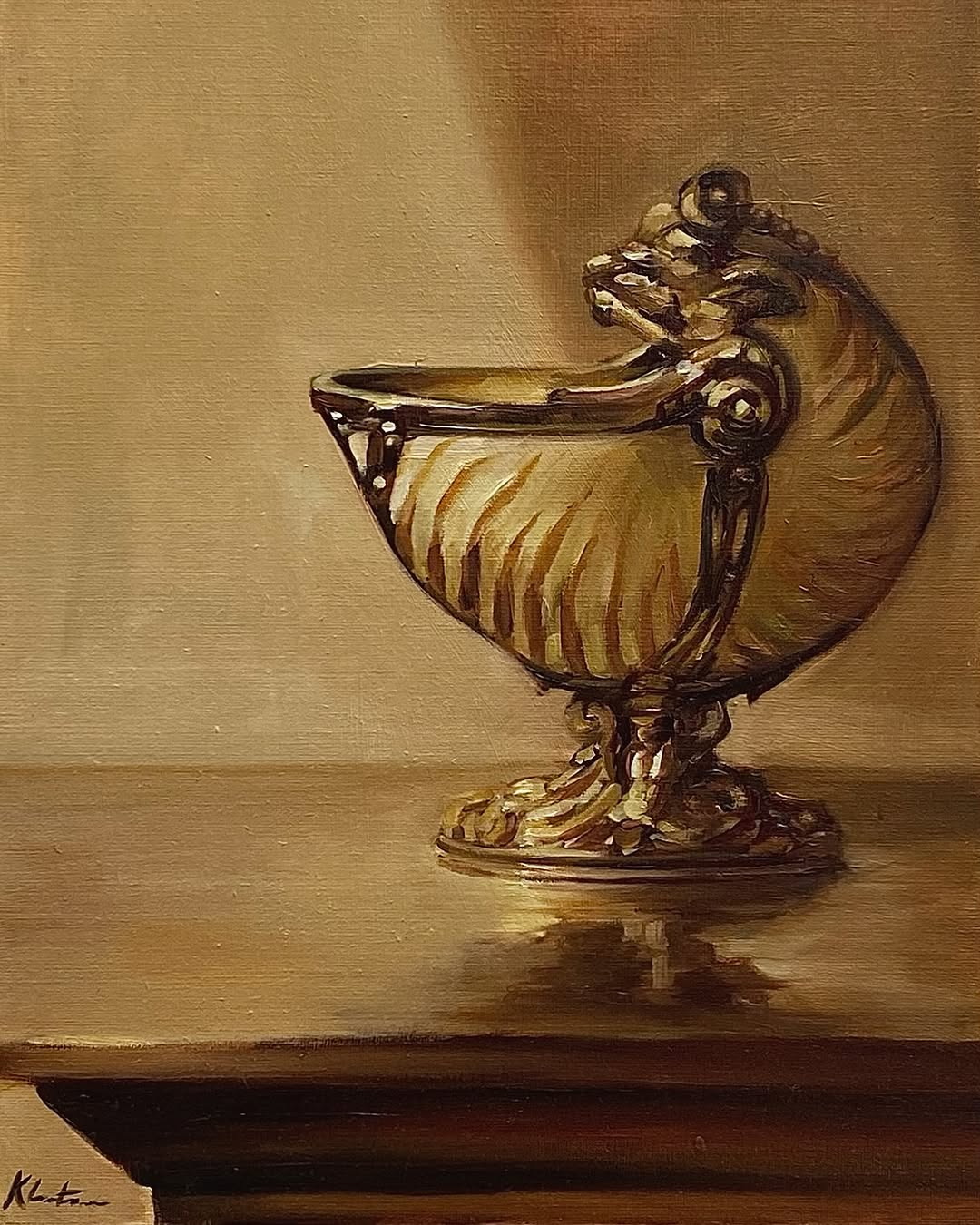
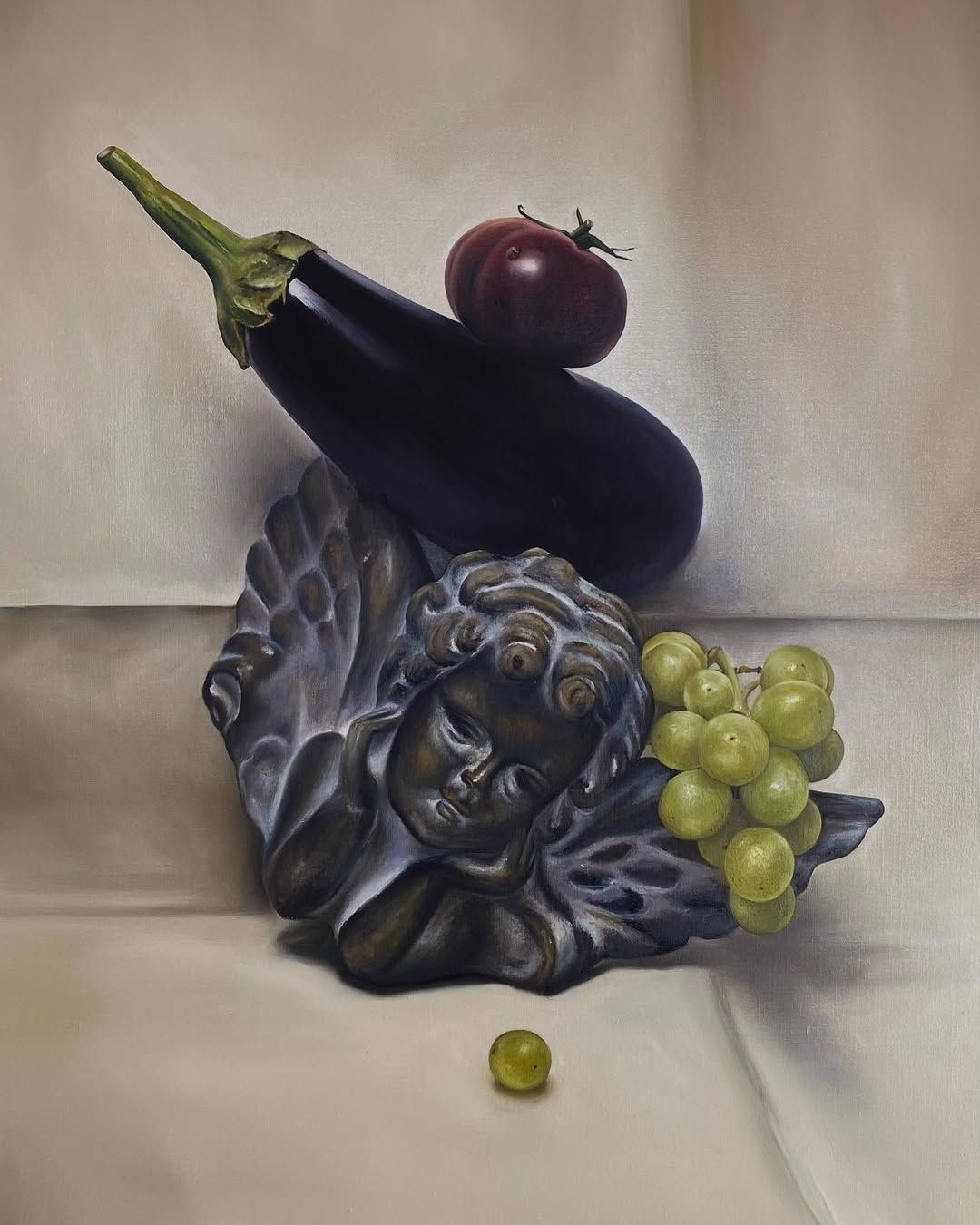
Kit Lintin is a London-based oil painter whose work feels like whispered stories told through objects. Born in Yorkshire, she studied Fine Art and eventually settled in South London, where her quiet, deeply considered practice is centered on still life but not as you might expect. Her paintings draw from classical still-life traditions the same eye for shape, light, and composition that old masters practiced but she weaves into that a gentle surrealism. Everyday objects in her work don’t just sit on a table: they float, they lean, they hint at stories beyond themselves. A folded fabric might feel like skin. A simple vessel, a cut fruit, a shadow each piece suggests something just out of frame, as though someone was there, or just left.
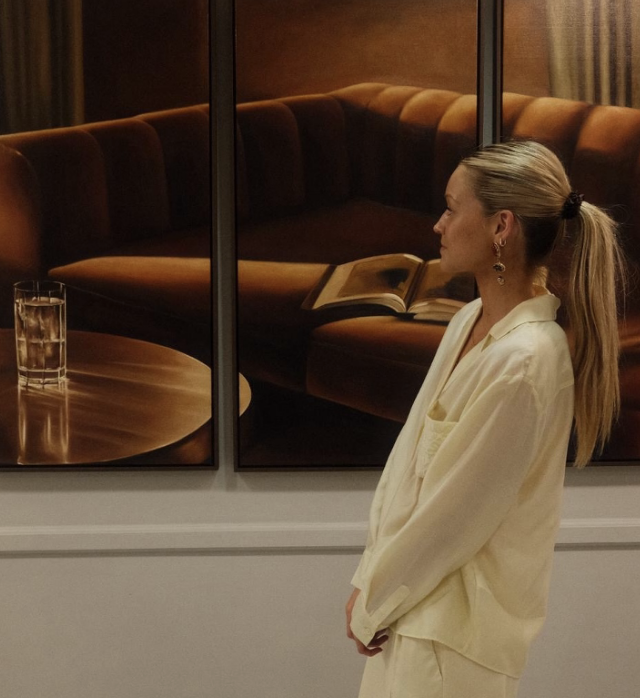
Her palette is measured and thoughtful: muted tones, deep shadows, restrained highlights. These choices deepen the sensation of stillness, letting texture, shape, and light carry the mood. In one sense, you see the object; in another, you sense its silence, its story, the moment before it disappears. Kit has also translated her practice into commissioned work collaborating with brands such as Bollinger, Pimentae and the iconic Burlington Arcade bringing subtle elegance, impeccable composition and quiet narrative into commercial spaces without losing the soul of her paintings. What makes Kit Lintin’s work so accessible and human is how she pauses an invitation to stop, look, and linger. Through familiar objects given unfamiliar weight, she reminds us that richness lives in the ordinary: the way light falls, the curve of a ceramic, the soft fold of cloth, the moment when a thing exists and we notice it. Her paintings quietly say: there is beauty here, if we will stay.
Éléonore de Gentile @eleonore_degentile
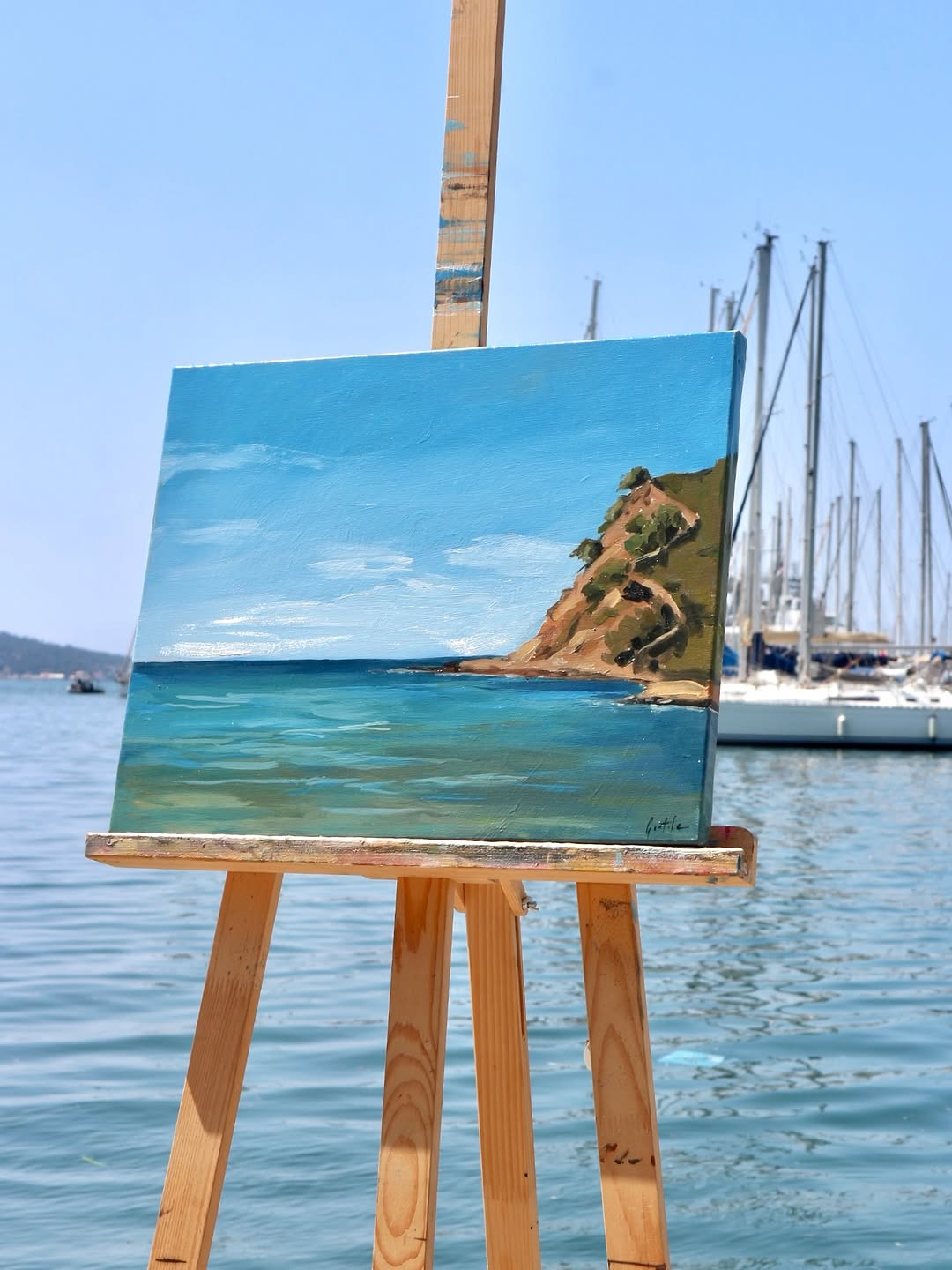
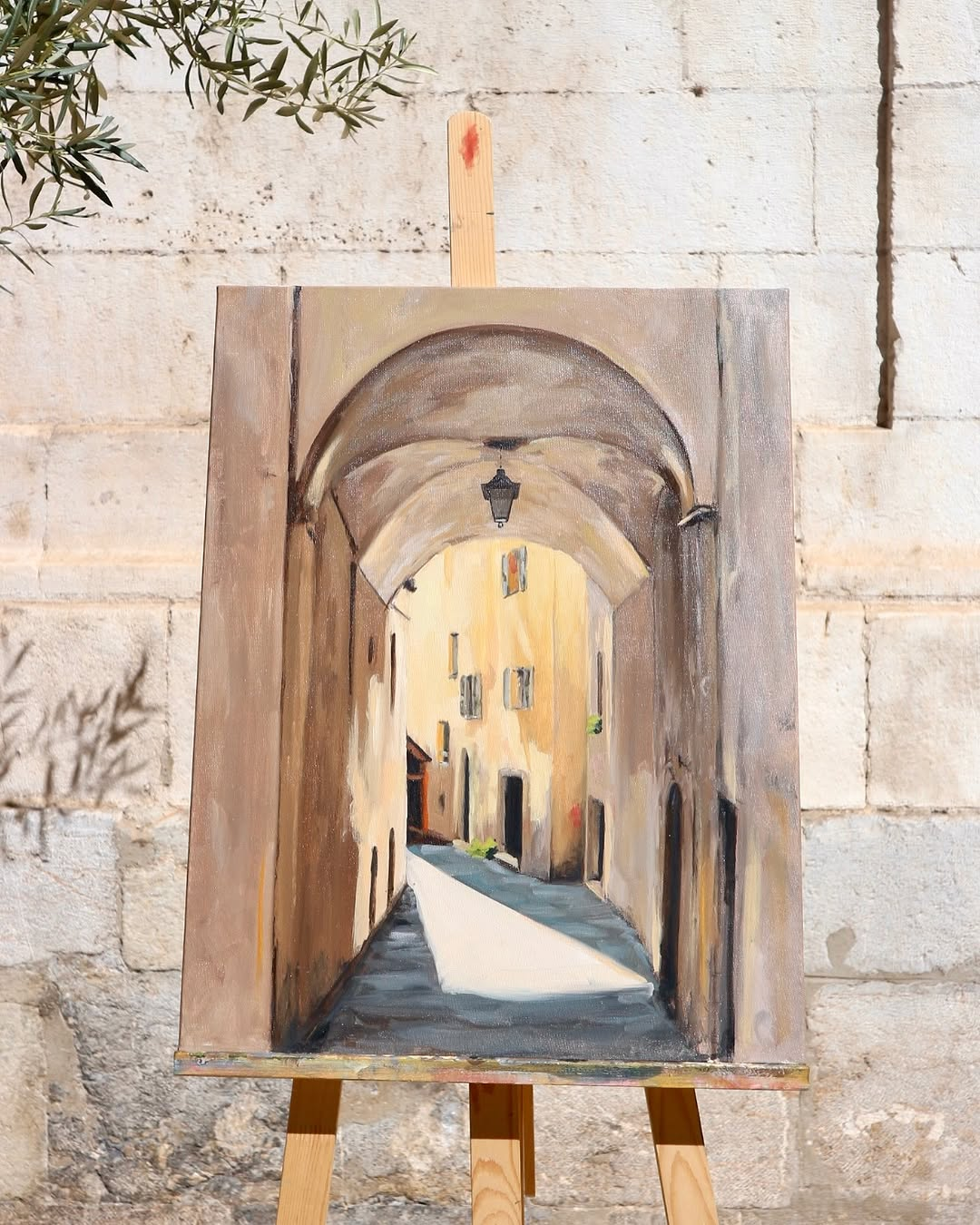
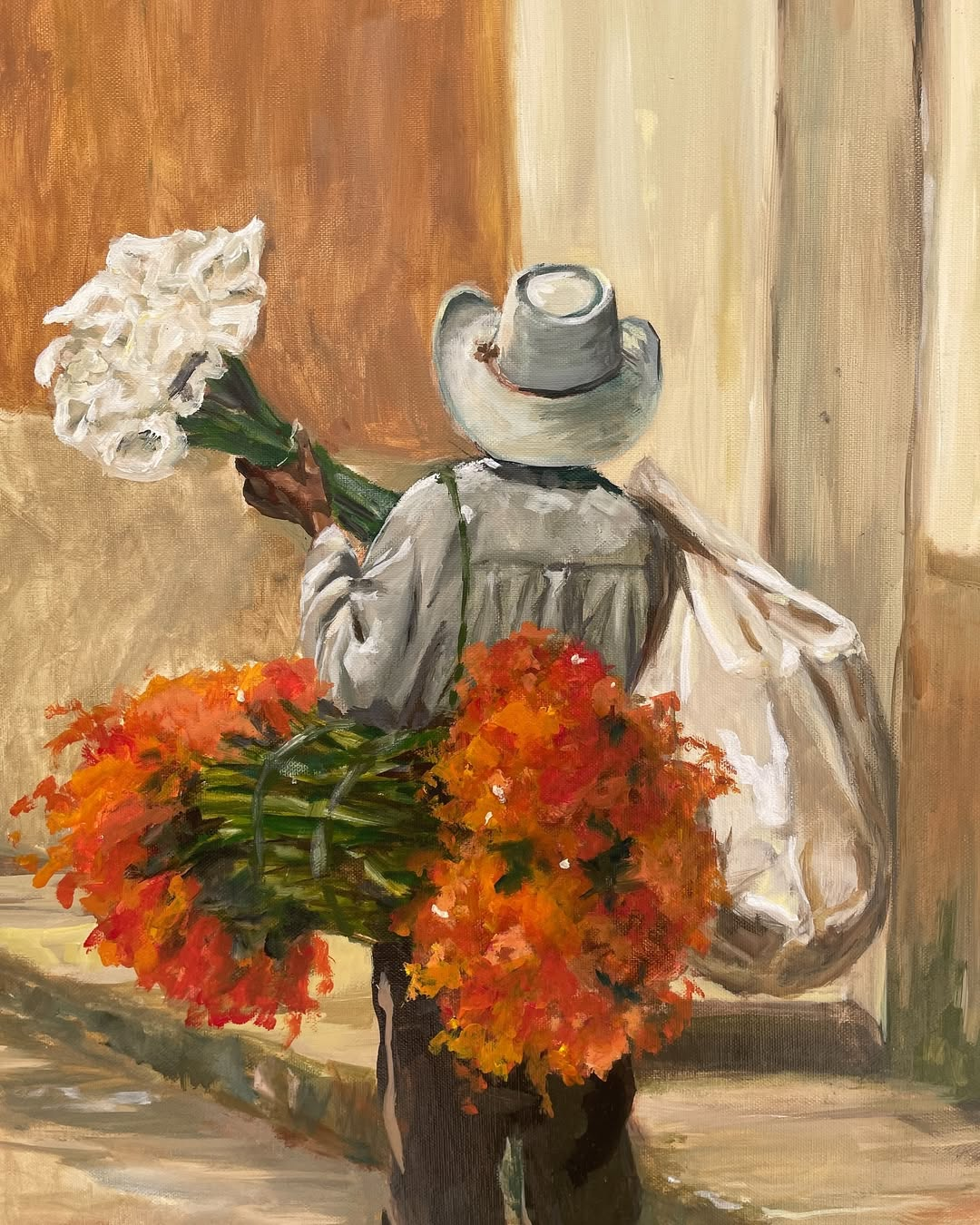
Éléonore de Gentile is a French painter whose work radiates warmth, light, and intimacy. Born in Nantes and now based in Toulon, she has built a practice that celebrates atmosphere, subtle emotion, and quiet moments. Through oil painting, Éléonore explores Mediterranean landscapes, softly lit interiors, and still lifes, transforming simple objects and familiar scenes into compositions filled with feeling and memory. She often begins outdoors, sketching fishermen, boats, and morning light with quick, attentive marks. These field notes become the foundation of her studio work, where she layers oil, watercolor, and chalk to build depth and texture. Her paintings carry both immediacy and softness, blending careful observation with emotion. You can sense the salt in the air, the warmth of the sun, and the brightness of a southern morning.
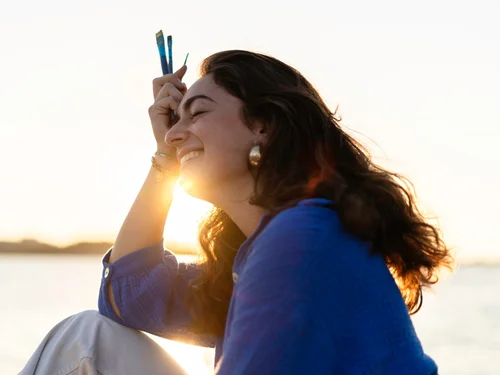
There is a gentleness to her practice that makes even simple scenes feel meaningful. A reflection on the water becomes a breath. A boat resting in the harbor becomes a moment of peace. A wash of warm light becomes something you want to hold onto. Through her work, Éléonore captures the power of small, quiet moments and how a single glimmer on the sea can stir memory, comfort, and presence. Éléonore de Gentile’s art transforms ordinary life into something extraordinary. Mediterranean vistas, humble interiors, and carefully arranged still lifes become studies of light, presence, and emotion. Each painting carries a sense of calm, intimacy, and poetic resonance, revealing the beauty that can be found in observation, subtlety, and care. In her hands, the Mediterranean is not just a landscape; it is a feeling a soft, luminous reminder of beauty, calm, and the simple grace of light moving through the day.
John Pototschnik @johnpototschnik
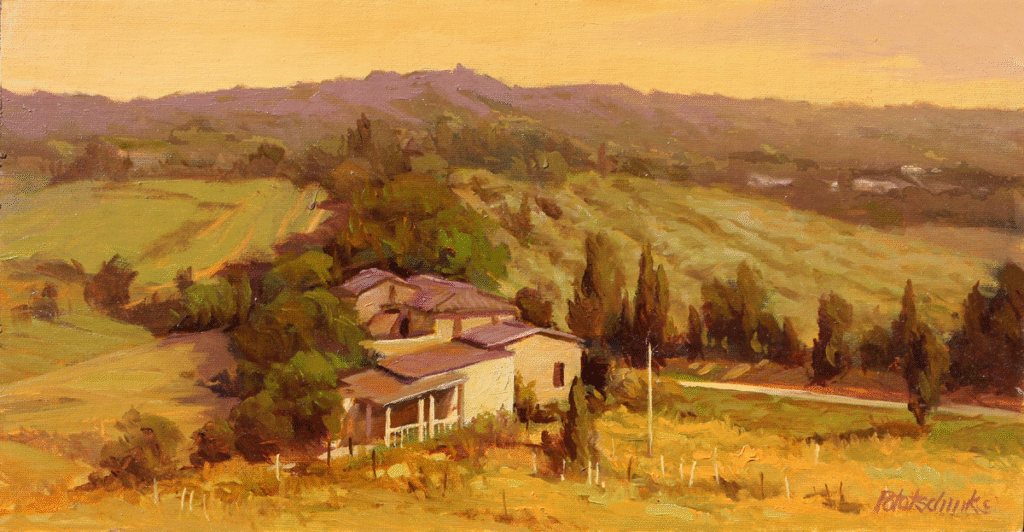
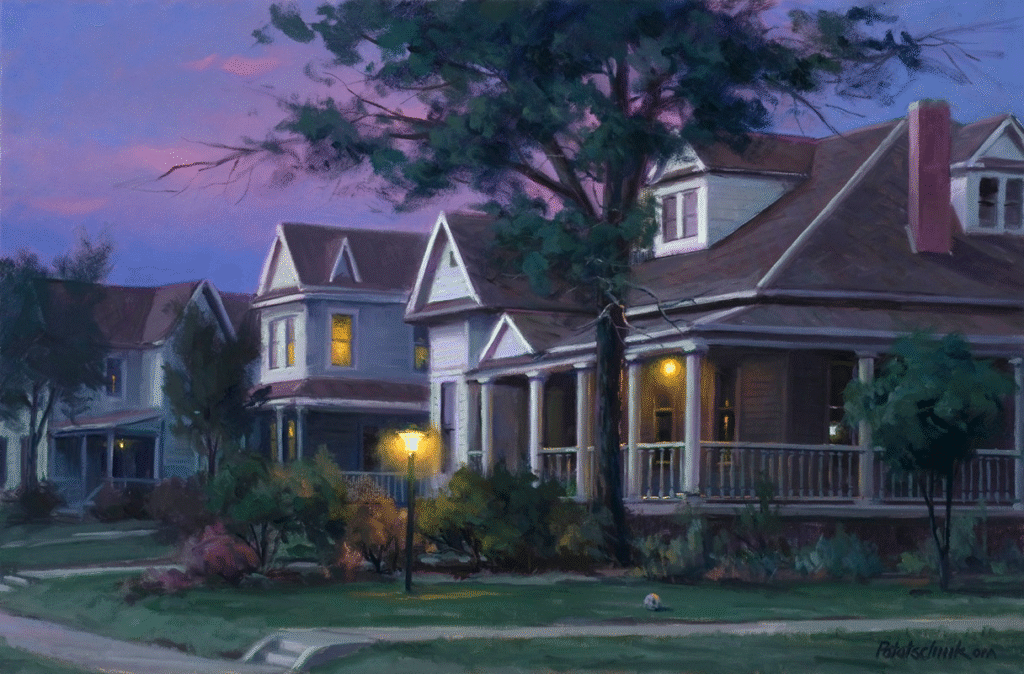
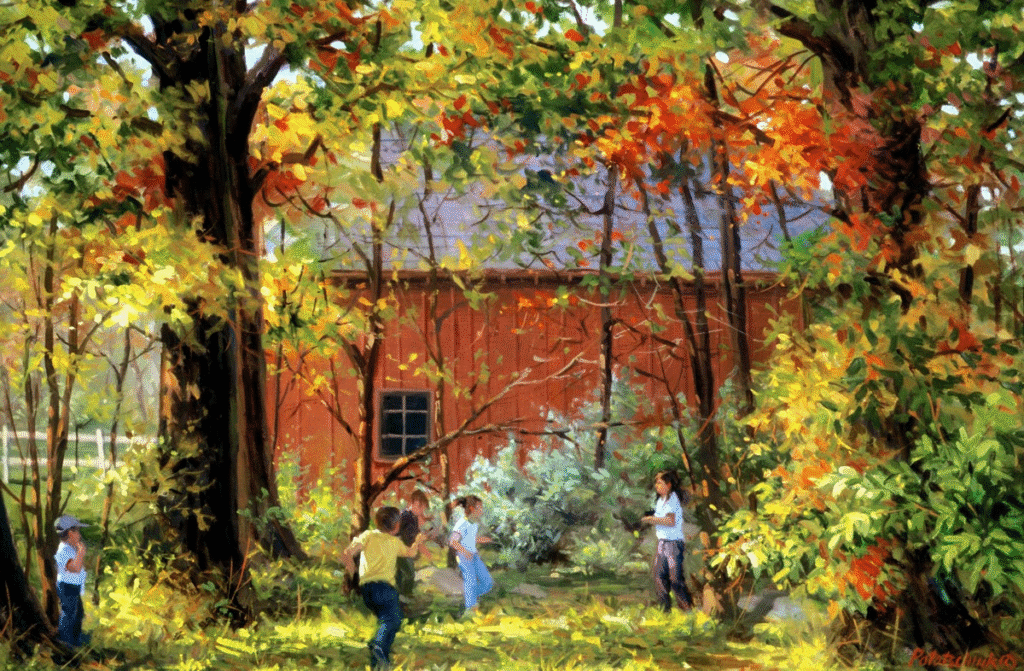
John Pototschnik is a realist painter whose work quietly honors memory, landscape, and simple pleasures. His oils make familiar sights feel timeless and full of presence. Raised in Kansas after being born in Cornwall, England, John discovered later in life that painting could be his path. He spent years as a commercial illustrator before turning full-time to fine art in the early 1980s. His paintings often reflect an “America we all love” — rural towns, open fields, quiet barns, small-town streets, and landscapes suffused with calm and nostalgia. He describes his mission simply: to depict life “in a naturalistic way free of frills and bravado,” showing dignity and value in ordinary subjects Pototschnik’s beginnings were humble but varied after studying advertising design at Wichita State University and later illustration and design at ArtCenter College of Design, he spent years working as a commercial illustrator. In 1982, he moved into fine art full‑time, embracing oil painting as his medium of choice.
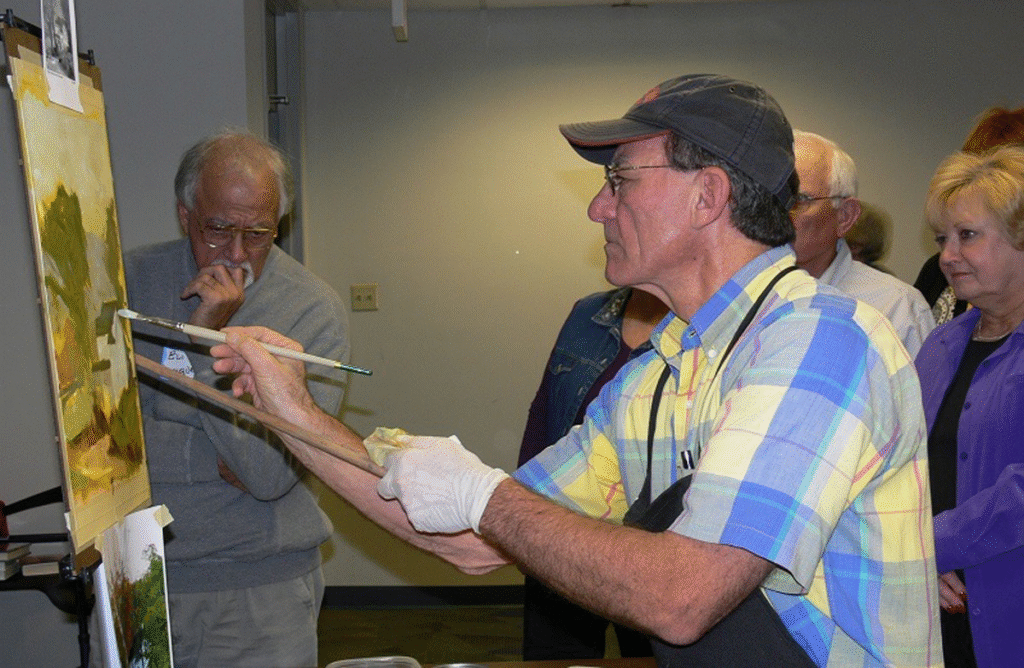
His technique reflects deep care and patience. Often he starts with plein‑air sketches or photographs, building a “memory bank” of light, colour, and atmosphere. In the studio, he uses a limited palette to layer oils in careful underpaintings and glazes, creating depth, mood, and light that feels lived-in and timeless. What makes John’s work deeply human is the emotional resonance behind every scene. A quiet country road, an old farm house, a group of trees at dusk through his brush, these become more than a place. They become memory, yearning, and a longing for simplicity and connection. As he puts it, his paintings are not flashy or dramatic, but honest reflections of life “as he sees it.” Over decades, his dedication and skill earned him significant recognition: he is a Living Master with the Art Renewal Center, a signature member of the Oil Painters of America, and a Master Signature Emeritus member of the Outdoor Painters Society. In John Pototschnik’s paintings, quiet landscapes and humble townscapes become profound meditations on memory, place, and the beauty of everyday life. His work quietly reminds us that dignity, peace, and belonging aren’t found in grandeur but in simplicity, authenticity, and the gentle unfolding of time.
Pie Herring @pie_herring_art
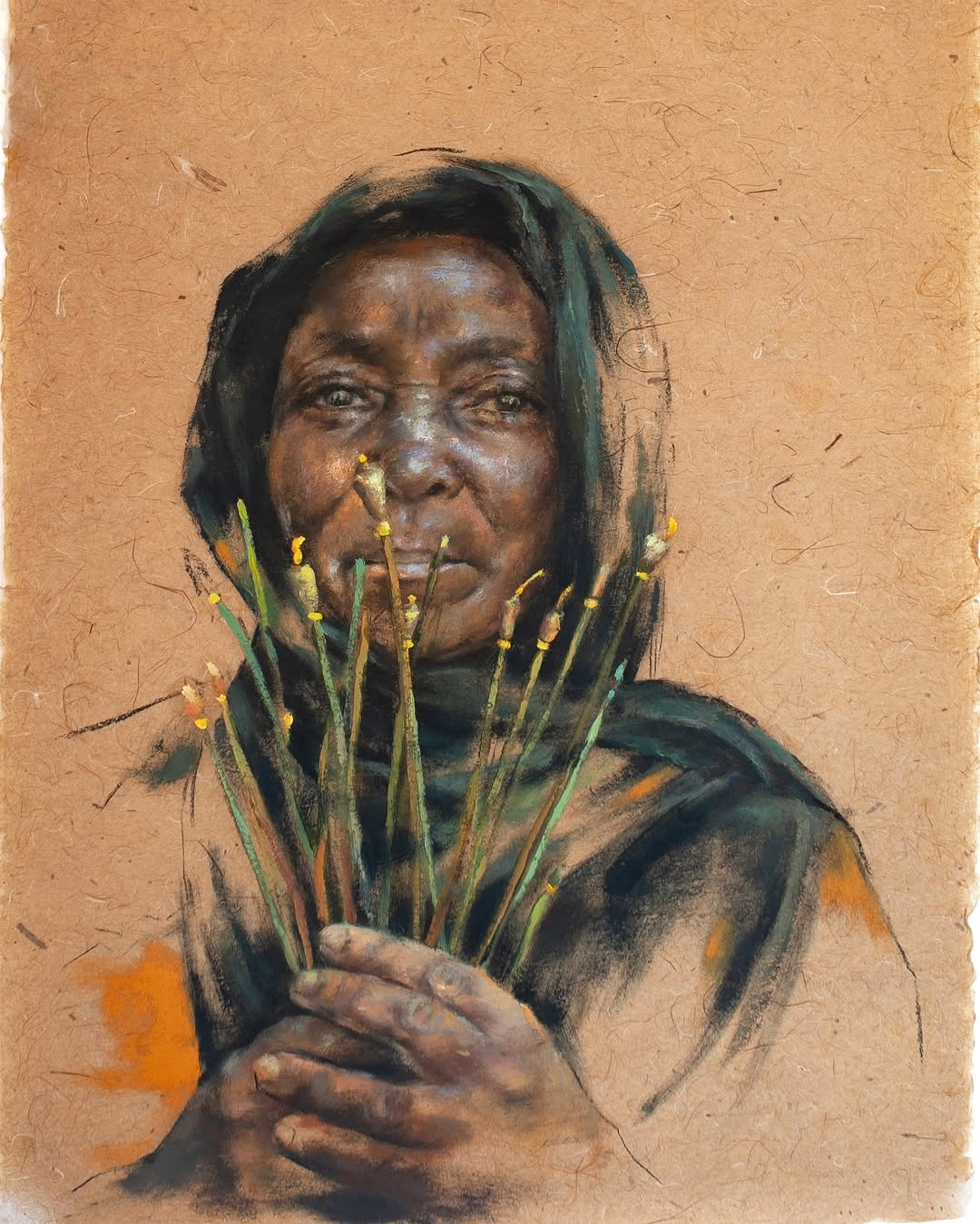
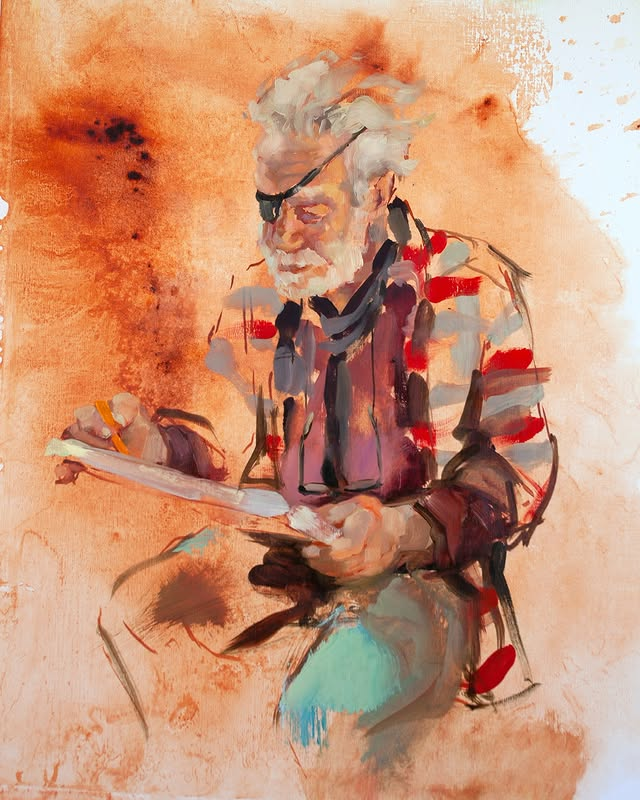
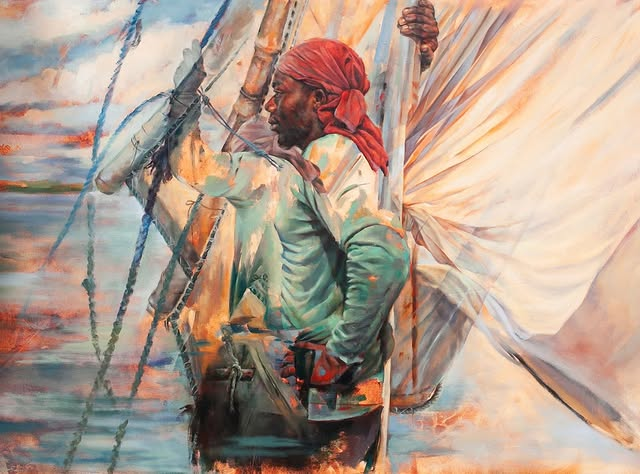
Pie Herring is a London‑based figurative painter whose work draws deeply from lived experience, cultural exchange, and community. A graduate of Edinburgh College of Art, she carries forward both technical skill and a heartfelt commitment to human stories. Her paintings often emerge from extended residencies around the world in Morocco, Kenya, Ghana, and beyond where she lives and works among local communities. These experiences fold into her art, shaping pieces that reflect not just a place, but relationships, history, and identity. While rooted in realism, her style embraces looseness and abstraction: she begins with broad gestural strokes, rivers of paint, sweeping textures, unpredictable marks before layering in detail, shaping faces and forms that feel fluid, alive, and emotionally resonant.
Her brushwork speaks of movement, memory, and connection. Through paintings made in Kenya during the pandemic, she explored resilience, community, and the ripple effects of global change. Her compositions blend pigment, brush, and frame, sometimes breaking beyond the canvas edges to reflect the unpredictability and expansiveness of human experience. Pie’s practice is rooted in reciprocity. She builds long-term relationships with communities she works in, collaborating with organizations on cultural and social projects, and channeling proceeds from her art back into humanitarian efforts. She treats painting as a form of listening, where each brushstroke holds respect for place and for people. Her work has been shown internationally from the Royal Scottish Academy’s New Contemporaries to group exhibitions in New York, and residencies across Africa. Pie Herring’s paintings are more than portraits or landscapes: they are visual stories shaped by movement, memory, and the shared lives she encounters. Through texture, colour, and form, she captures moments that feel both deeply personal and universally human.
Oil painting has a way of holding quiet moments, of capturing things that feel both real and tender. In the hands of these painters, that quiet becomes something we can feel. They take the everyday light over a field, a still harbor, a simple object, a stretch of sea or sky and turn it into something alive. Their paintings don’t demand attention; they invite it. They whisper rather than shout, offering little pauses in a world that rarely slows down.
What’s beautiful about their work is how personal it is. Every brushstroke carries the artist’s own way of seeing: the light they grew up with, the places they return to, the memories that linger in colour and shape. Their canvases hold small truths, simple scenes, gentle gestures, quiet atmospheres that remind us how much beauty lives in everyday life.
These oil painters show us that art isn’t only about what we look at. It’s about what we remember, what we feel, and what we learn to notice again. A sky becomes a breath. A boat becomes a story. A figure, a landscape, a reflection on water becomes a moment we didn’t know we needed.
So the next time you find yourself watching the light shift across a room, admiring the curve of a simple object, or pausing at the horizon for just a second longer let yourself stay there. Look closely. Notice the softness, the colour, the stillness.
Because, as these artists remind us, beauty is everywhere. It lives in the quiet moments, the familiar places, and the small details we pass every day. And when we take a moment to truly see them, life itself becomes a little more luminous.