



Non-profit organizations and cultural initiatives supporting artists
👁 15 Views
There is a tendency to view the art world through its most visible structures, galleries, fairs, auction houses, spaces where value is defined, circulated, and often measured. But beneath this surface lies a quieter, more complex ecosystem, one that sustains artistic practice long before it becomes visible. Non-profit organizations and cultural initiatives operate within this space, supporting artists not at the point of arrival, but at the point of uncertainty, when ideas are still forming, resources are limited, and outcomes are far from guaranteed.
Across different geographies and scales, these organizations take on varied roles. Some provide funding that allows artists to continue working without immediate commercial pressure. Others create environments for experimentation, where failure is not only possible but necessary. There are those that build communities, foster dialogue, preserve histories, or advocate for more equitable access to cultural production. Together, they form a network that does not simply support art, but shapes the conditions under which it can exist at all.
Creative Capital
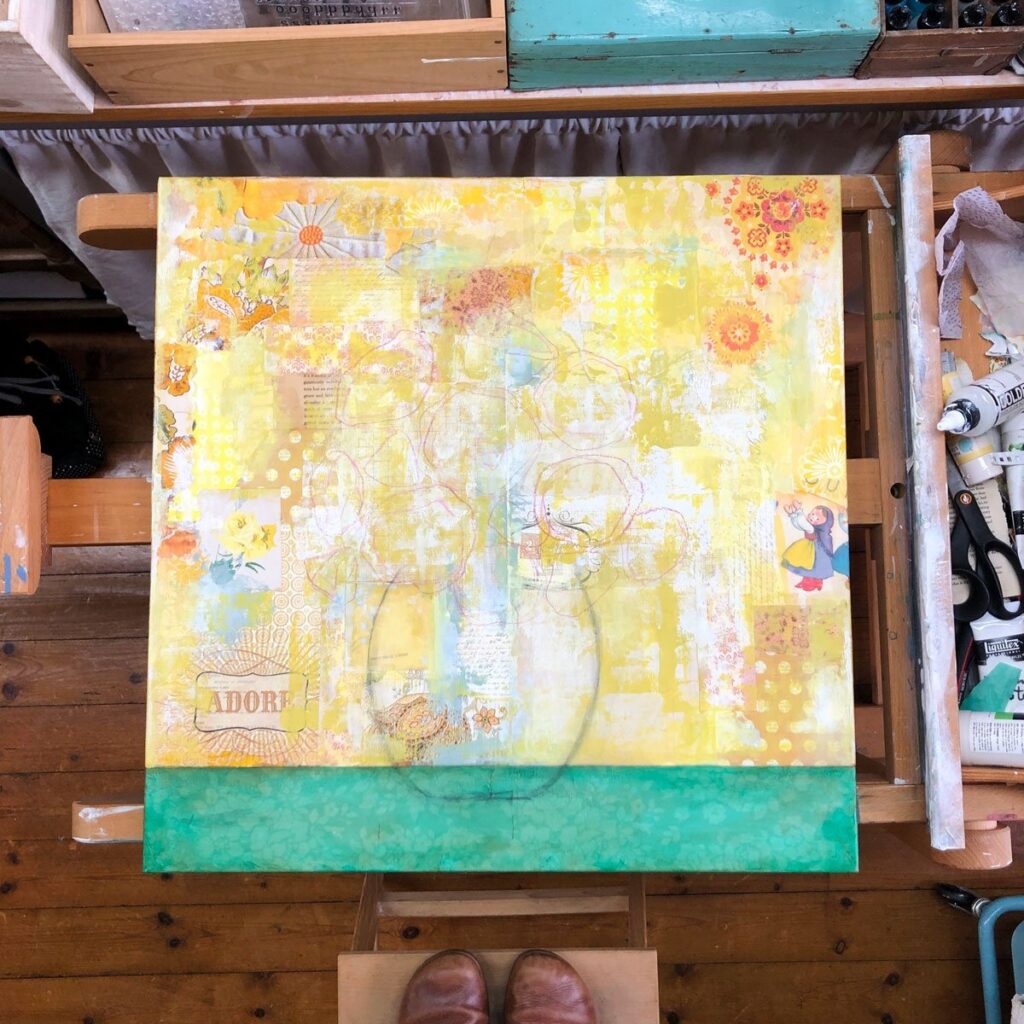
Creative Capital has, over the past two decades, reshaped how support for artists can function within a system that often prioritizes immediacy over development. Rather than offering one-time grants tied to finished outcomes, the organization structures its support around duration, often working with artists over several years, allowing projects to evolve at their own pace.
At the center of its model is a commitment to risk. The Creative Capital Award provides unrestricted project funding, often up to $50,000, alongside mentorship, professional development, and long-term advisory support. This combination reflects a broader understanding of what artists actually need: not just money, but guidance, networks, and time. Since its founding in 1999, the organization has supported hundreds of artists across disciplines, investing in projects that are experimental, interdisciplinary, and often difficult to categorize.
What distinguishes Creative Capital is the way it engages with work before it becomes legible. Many of the projects it funds are still in formation, conceptually ambitious but not yet fully resolved. By stepping in at this stage, the organization absorbs a level of uncertainty that commercial systems typically avoid. Its approach, often described as a form of “venture philanthropy” for the arts, combines funding with infrastructure, mentorship, and community-building support.
Its impact, then, is rarely immediate. Instead, it unfolds gradually, through the kinds of practices it sustains, the risks it enables, and the space it creates for artists to develop work that might otherwise never come into being.
Sources & Further Reading:
Artsy Coverage on Creative Capital Awards
Creative Capital Official Website
Creative Capital Award Details & Grants
Pollock-Krasner Foundation
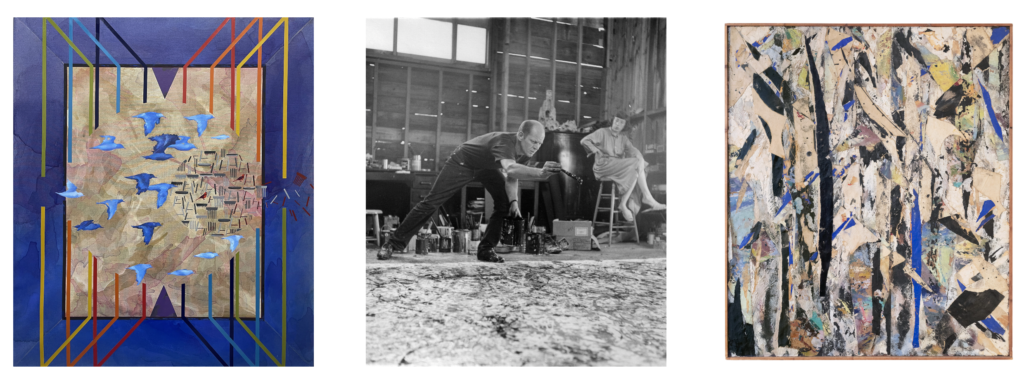
Pollock-Krasner Foundation operates with a quieter, but deeply consequential, approach to supporting artists, one that prioritizes continuity over visibility. Established in 1985 through the legacy of Lee Krasner and Jackson Pollock, the foundation focuses on providing financial assistance to working artists at critical moments in their careers, particularly when momentum exists but stability does not.
Unlike many funding bodies that center emerging talent or high-profile recognition, the Pollock-Krasner Foundation often supports mid-career artists, those who have developed a serious practice but may not yet have consistent institutional or commercial backing. Grants are typically unrestricted and can be used for studio rent, materials, or living expenses, reflecting a grounded understanding of what it takes to sustain an artistic life. This practical, needs-based model has made the foundation one of the most respected sources of support within the art community.
Over the years, thousands of artists across more than 70 countries have received funding, making its reach both global and deeply personal. The impact is rarely visible in headlines, but it is embedded in the continuity of practices that might otherwise have been interrupted.
In many ways, the foundation represents a different philosophy of support, one that values persistence over prestige, and recognizes that sustaining an artist is as important as discovering one.
Sources & Further Reading:
Overview of Foundation’s Global Impact
Pollock-Krasner Foundation Official Website
Grant Guidelines & Artist Support
Guggenheim Foundation
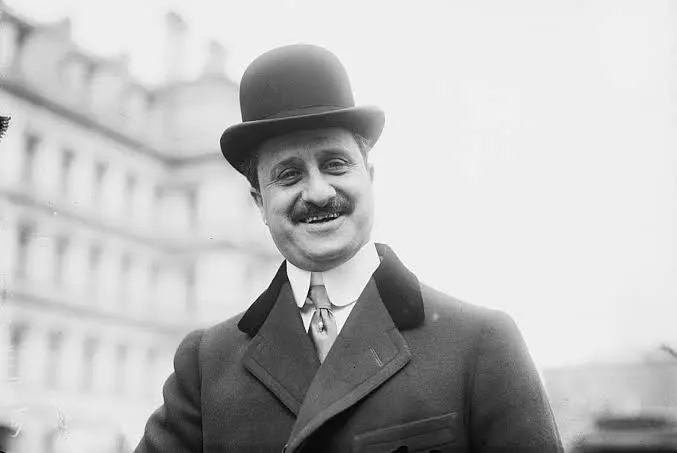
Guggenheim Foundation occupies a distinct position within the ecosystem of artist support, one that combines financial assistance with a powerful form of institutional recognition. Established in 1925, the foundation’s fellowships have long been associated with artistic and intellectual excellence, awarded to individuals who have already demonstrated significant capacity in their fields. Senator Simon Guggenheim wrote, “We all realize that some of the finest minds, some of the most constructive thinkers in the world, have been seriously hampered in turning their natural gifts to the best advantage by the lack of adequate financial backing. I want to do my part to meet this need.”
Unlike need-based grants, Guggenheim Fellowships are merit-driven, often marking a moment when an artist’s work begins to enter a wider critical and institutional conversation. The funding itself is flexible, allowing recipients to pursue projects independently, but the fellowship’s impact extends far beyond material support. For many artists, it functions as a signal, one that reshapes how their work is perceived by curators, critics, and institutions globally.
Over the decades, the foundation has supported thousands of artists, writers, and scholars, including figures who have gone on to define major movements in contemporary culture. Its selection process, based on peer review and expert evaluation, reinforces its reputation as one of the most respected fellowships in the arts.
In contrast to organizations that focus on early-stage experimentation, the Guggenheim Foundation often steps in at a moment of consolidation, when a practice is already strong, but ready to expand in scope, ambition, or visibility.
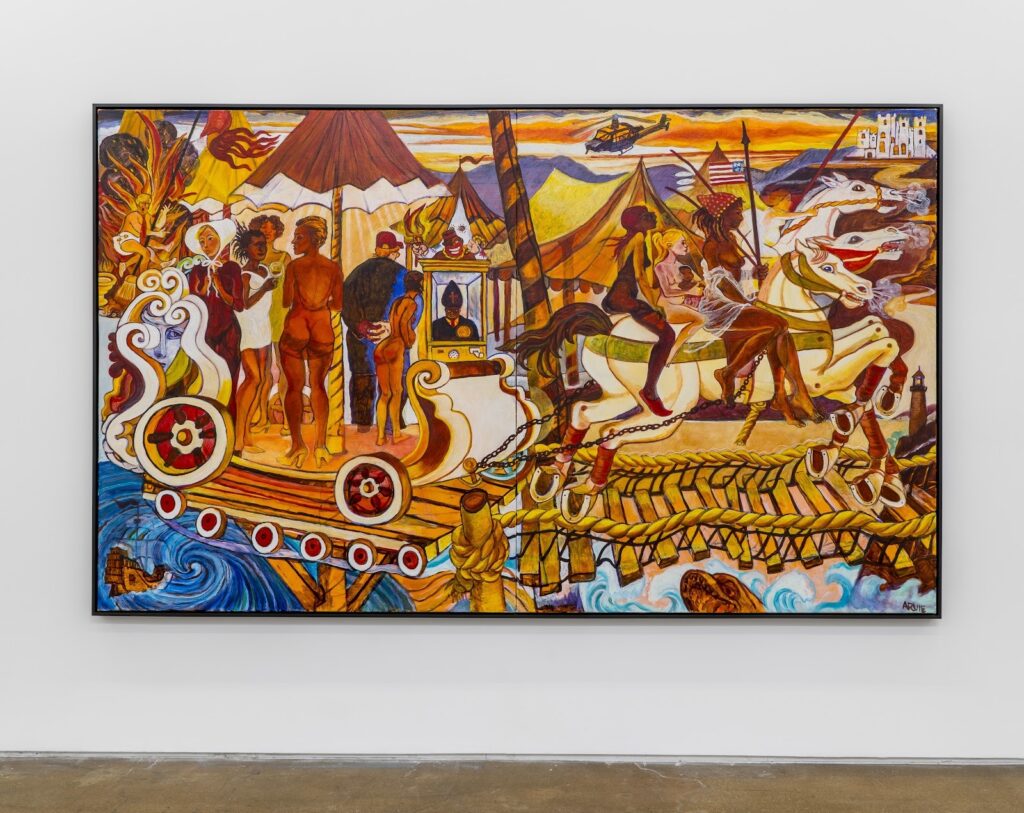
Sources & Further Reading:
Guggenheim Foundation Official Website
Artangel
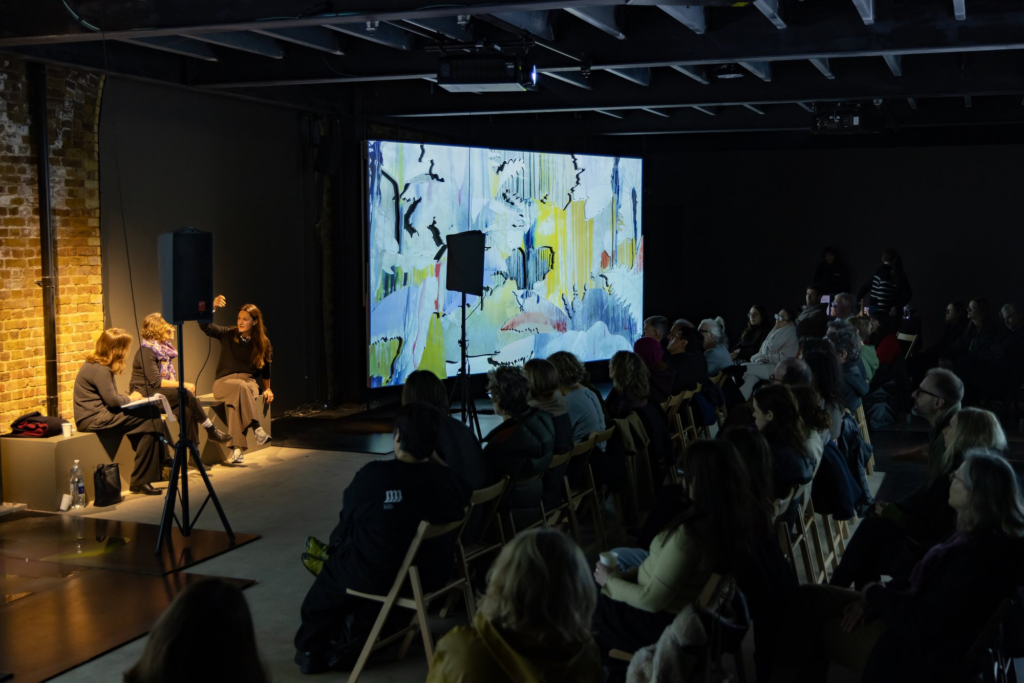
Artangel has built its reputation on fundamentally rethinking what it means to commission art. Since its founding in 1985, the organization has consistently supported projects that exist outside the conventional frameworks of galleries and museums, often unfolding in public spaces, abandoned buildings, or unexpected locations.
What defines Artangel is its commitment to works that resist permanence. Rather than producing objects for display or sale, it enables experiences, temporary, site-specific, and often impossible to fully document. A widely recognized example is The Floating Piers, a large-scale installation on Italy’s Lake Iseo that allowed visitors to walk across floating pathways connecting islands. The work existed for just over two weeks before being dismantled, leaving behind no permanent structure. Its impact was not in what remained, but in the experience itself.
This approach shifts the role of art from something to be owned to something to be encountered. Artists working with Artangel are given the freedom and the resources to think at a scale and ambition that would be difficult within commercial systems. Production budgets, logistical support, and curatorial collaboration all come together to make projects possible that might otherwise remain unrealized.
In doing so, Artangel has not only supported individual artists, but expanded the very definition of what contemporary art can be.
Sources & Further Reading:
The Floating Piers Project Overview
Eyebeam
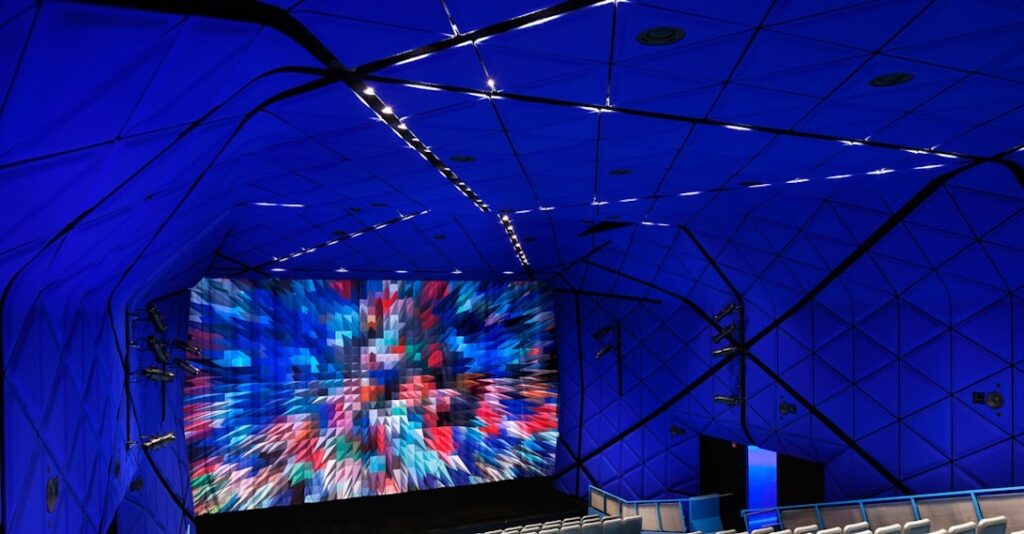
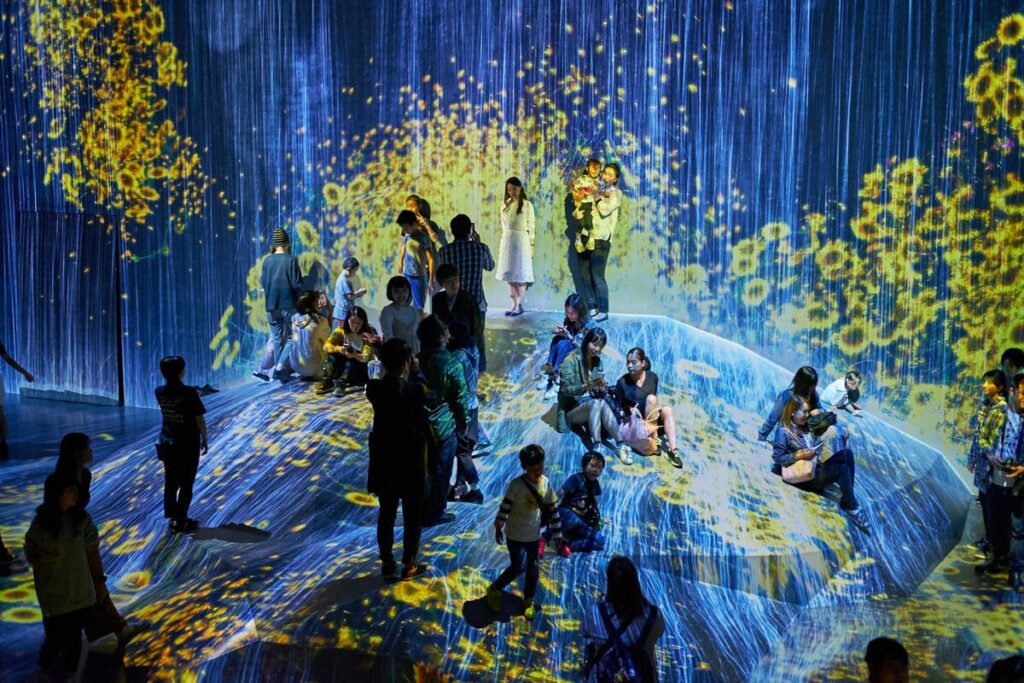
Eyebeam has carved out a distinct space within the contemporary art ecosystem by focusing on practices that emerge at the intersection of art, technology, and society. Founded in 1998 in New York, the organization has consistently supported artists working with tools and ideas that are still evolving, long before they become mainstream within institutional or commercial contexts.
What makes Eyebeam particularly significant is its emphasis on experimentation without immediate resolution. Through fellowships and residencies, it supports artists engaging with areas such as artificial intelligence, surveillance, digital culture, and data systems, fields that often resist traditional exhibition formats. The work produced here is frequently unstable, process-driven, and conceptually complex, existing in a space where artistic inquiry overlaps with research.
Unlike more conventional models of support, Eyebeam operates as both a studio and a think tank. Artists are not only given resources, but are placed within a network of technologists, researchers, and curators, encouraging cross-disciplinary dialogue. This structure allows projects to develop in ways that are not confined by medium or market expectations.
Over time, many ideas first explored within Eyebeam’s programs have moved into broader cultural conversations, shaping how digital and media art are understood today. Its role, then, is not just to support artists, but to engage with the future of artistic practice itself.
Sources & Further Reading:
Overview of Eyebeam’s Art & Technology Initiatives
Eyebeam Fellowship & Residency Programs
Khoj International Artists’ Association
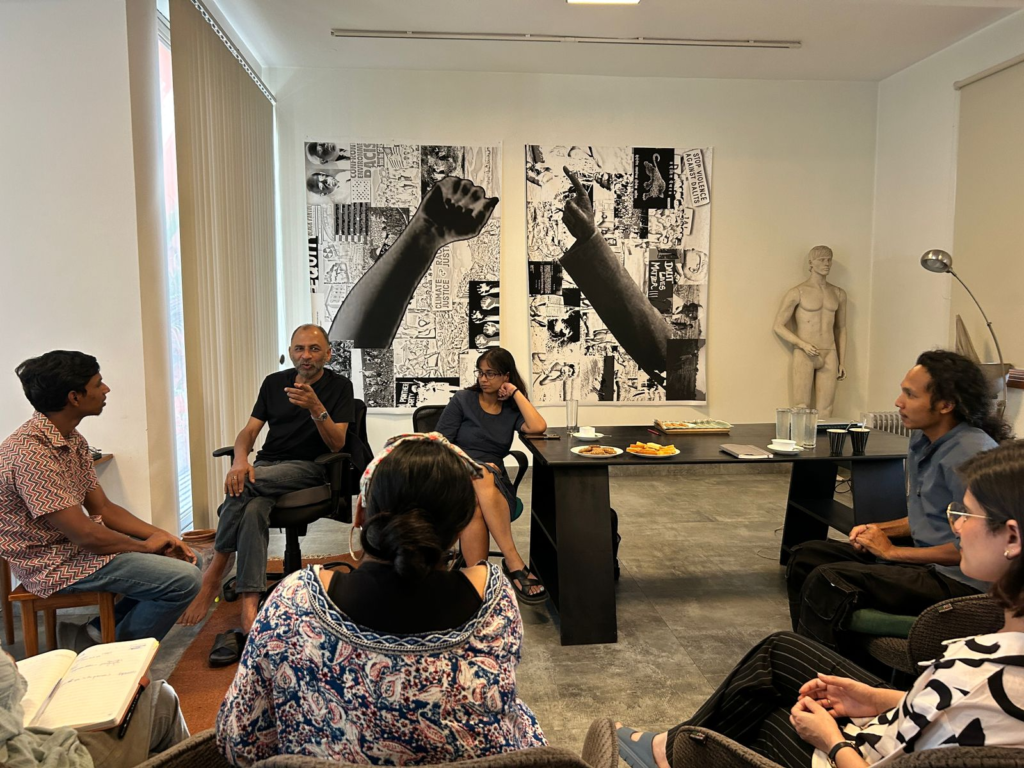
Khoj International Artists’ Association has, since its founding in 1997, played a pivotal role in shaping experimental art practices within South Asia. Based in New Delhi, Khoj began as an artist-led initiative and has evolved into one of the region’s most respected non-profit spaces for contemporary art, known for its emphasis on dialogue, collaboration, and process.
What distinguishes Khoj is its commitment to creating conditions where artists can engage deeply with ideas before they are formalized into finished works. Its residency programs bring together practitioners from diverse disciplines and geographies, encouraging exchanges that are as much about conversation as they are about production. These interactions often extend beyond the duration of the residency, forming networks that continue to influence artistic practices over time.
Khoj has also been instrumental in supporting work that engages with local contexts, social, political, and cultural, without isolating it from global discourse. This balance allows artists to develop practices that are both grounded and outward-looking. Over the years, it has supported emerging and mid-career artists alike, many of whom have gone on to exhibit internationally.
Rather than positioning itself as a gateway to the market, Khoj operates as a space of experimentation, one where uncertainty is not only accepted, but necessary for growth.
Sources & Further Reading:
Theertha International Artists Collective
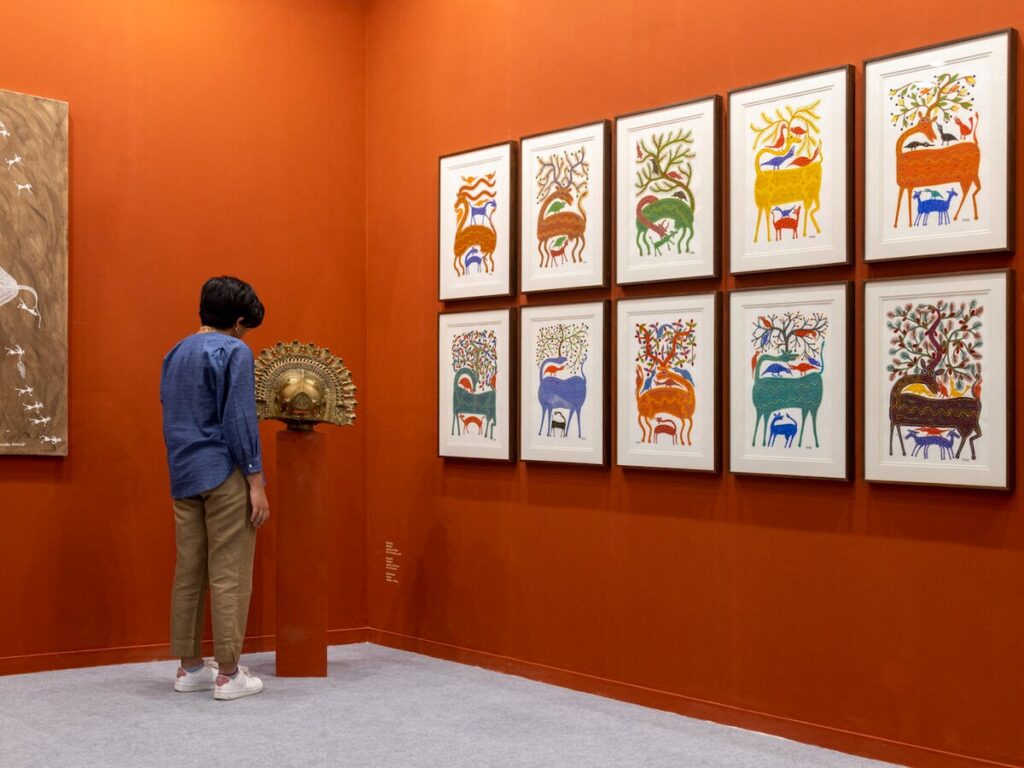
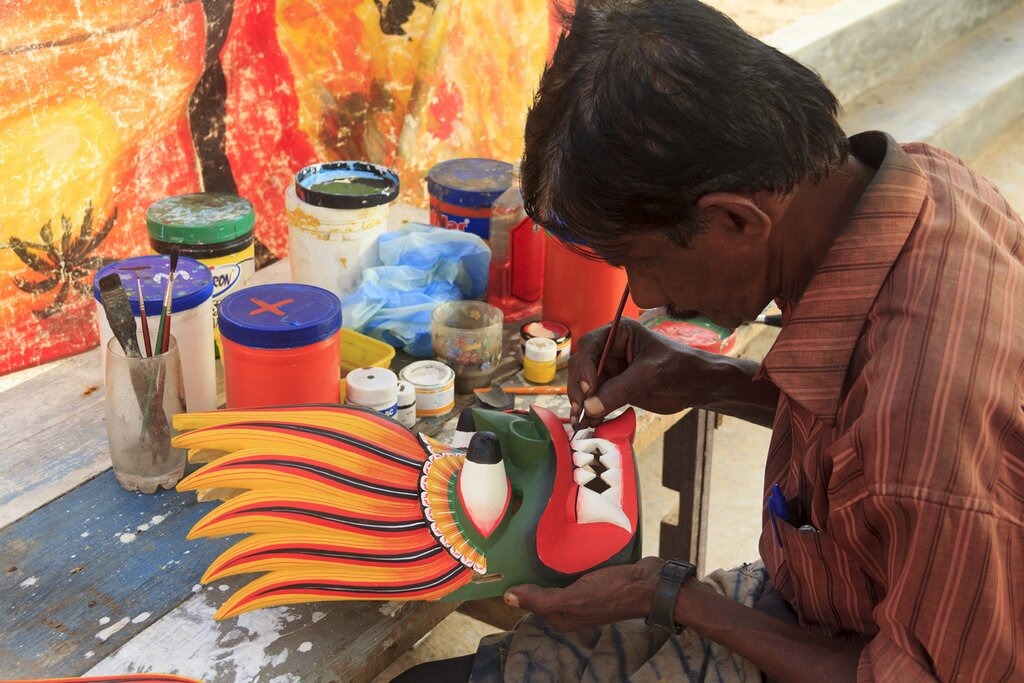
Theertha International Artists Collective was founded in 2000 in Colombo with a clear intention: to create a platform for contemporary artists in Sri Lanka at a time when such spaces were limited. Over the years, it has developed into a vital node within the region’s art ecosystem, one that supports experimentation while remaining closely tied to local histories and contexts.
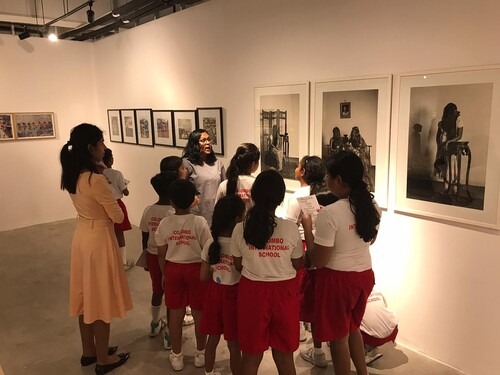
What makes Theertha particularly significant is its ability to operate across multiple scales. On one hand, it functions as a local collective, organizing exhibitions, workshops, and discussions that engage directly with Sri Lanka’s cultural and political landscape. On the other, it maintains an international outlook through residencies and collaborations, connecting artists from the region with global networks.
This dual positioning allows artists to navigate between local specificity and broader conversations without having to choose one over the other. The work emerging from Theertha often reflects this balance, grounded in lived experience, yet responsive to wider contemporary concerns.
As an artist-led initiative, Theertha also prioritizes collective agency. It is not simply a space that supports artists, but one that is shaped by them, constantly evolving in response to the needs of its community. In doing so, it demonstrates how smaller, regional organizations can play a crucial role in sustaining contemporary art practices beyond dominant centers.
Sources & Further Reading:
Triangle Network
Triangle Network represents a different kind of infrastructure, one that is less about a single place and more about connection. Founded in 1982 through the Triangle Arts Trust, the network has grown into a global platform linking artists, residencies, and organizations across more than 30 countries, with a strong presence in Africa, Asia, and Europe.
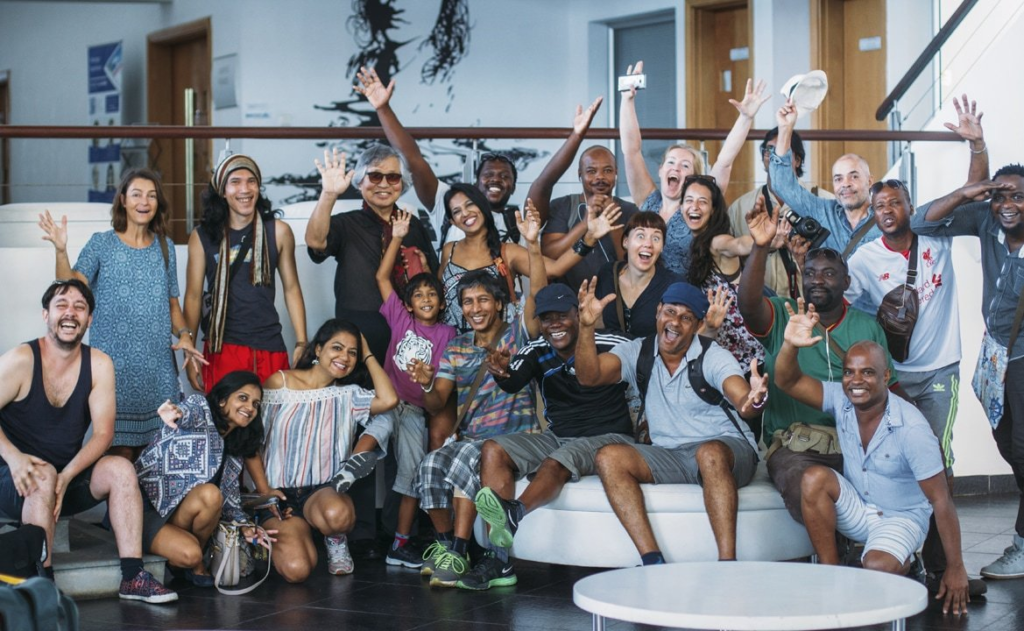
What defines Triangle Network is its emphasis on exchange rather than visibility. Its programs are built around workshops, residencies, and collaborative projects that bring artists together across cultural and geographic boundaries. These encounters are often informal and process-driven, creating space for dialogue that unfolds without the pressure of exhibition or immediate output.
Unlike more centralized institutions, Triangle operates as a decentralized network. Each partner organization maintains its own context and identity, while contributing to a larger system of shared knowledge and support. This structure allows ideas to travel in ways that are not always visible, but deeply influential shaping practices through conversation, collaboration, and long-term relationships.
Over time, the network has played a significant role in building artist communities that extend beyond national borders. Its impact is not measured through singular projects, but through the sustained connections it enables, connections that continue to shape artistic practices long after the residency or workshop has ended.
Sources & Further Reading:
Triangle Network Official Website
Triangle Network Programs & Residencies
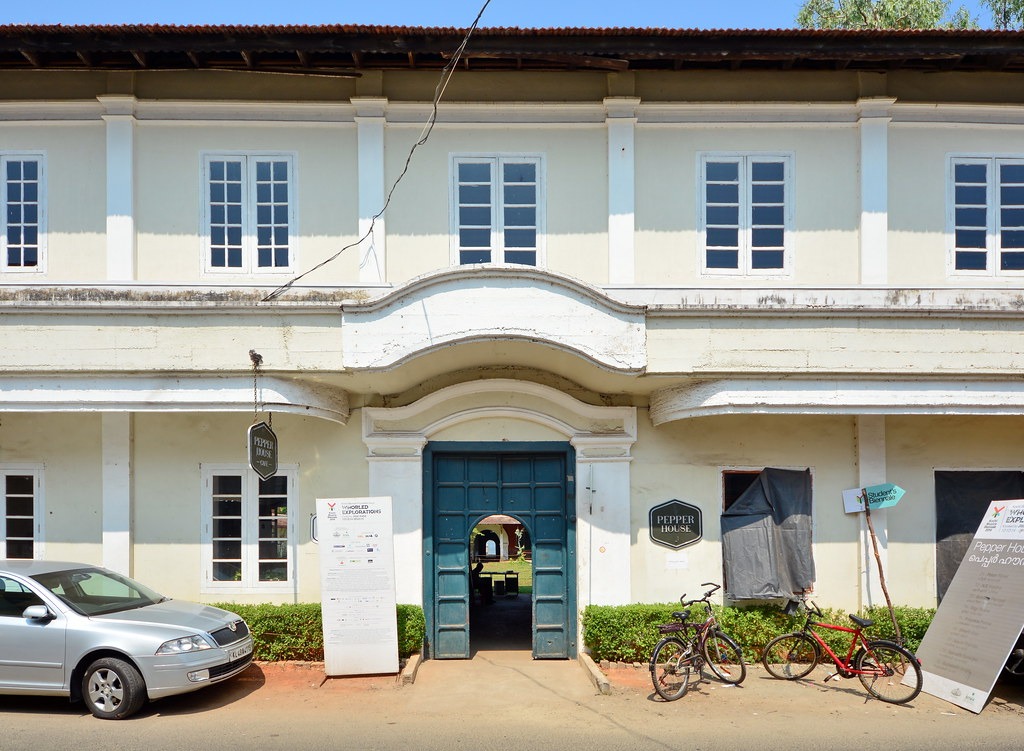
Pepper House Residency
Pepper House Residency offers a model of artistic support that is rooted in slowness, context, and immersion. Located in Kochi, within the historic setting of Pepper House, the residency is closely connected to the broader cultural ecosystem of the region, including the influence of the Kochi-Muziris Biennale.
What distinguishes Pepper House is its emphasis on time as a resource. Artists are invited to spend extended periods engaging with the space, its history, and its surroundings, without the pressure of immediate production. This creates conditions where ideas can develop organically, through observation, research, and interaction, rather than being driven by deadlines or expectations of output.
The residency often attracts artists working across disciplines, encouraging a fluid exchange of ideas that extends beyond individual practice. Its location in Kochi also plays a crucial role, offering a context that is both locally grounded and internationally connected. Artists are able to engage with the city’s layered histories while participating in a broader global dialogue shaped by the region’s growing visibility in contemporary art.
Rather than positioning itself as a site of rapid production, Pepper House functions as a space for reflection, one that values process, attentiveness, and the gradual unfolding of artistic work.
Sources & Further Reading:
Kochi-Muziris Biennale Context
Pepper House Official Website
Ford Foundation
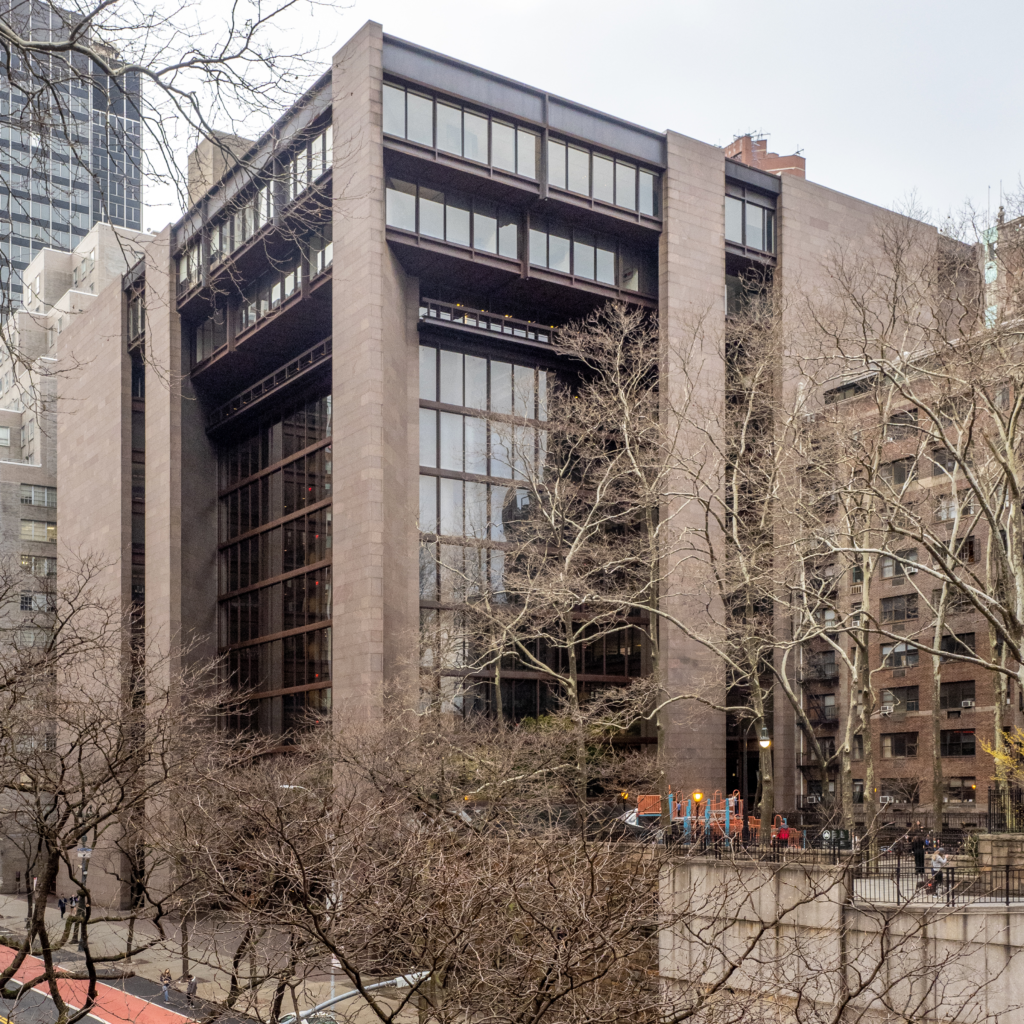
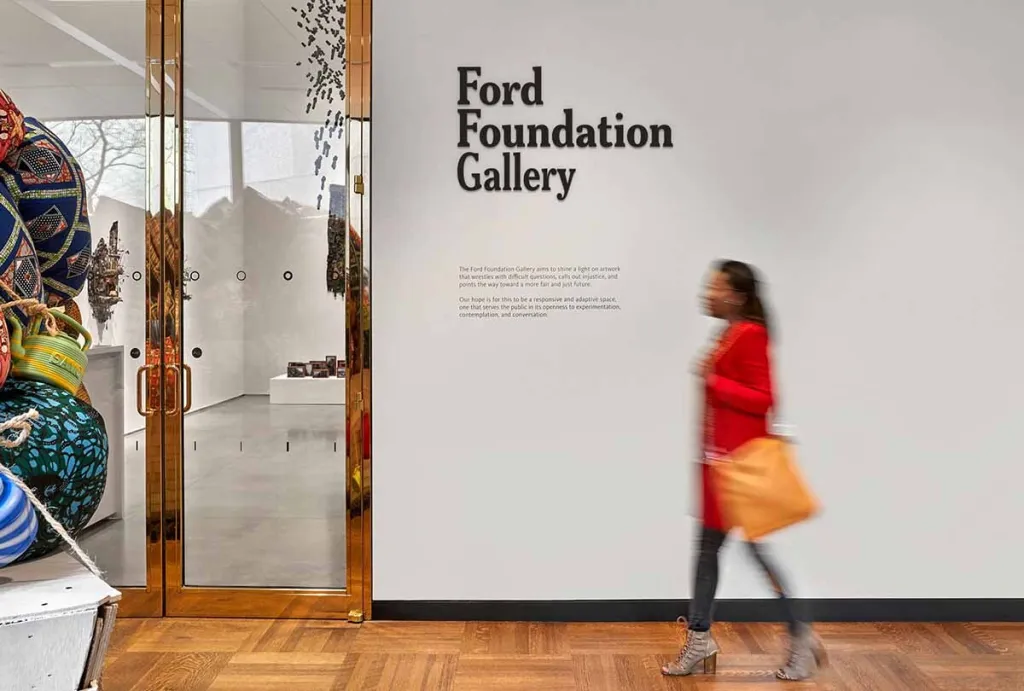
Ford Foundation operates at a scale that extends far beyond individual artistic practices, shaping cultural ecosystems through long-term investment in equity, access, and structural change. Established in 1936, the foundation has become one of the most influential philanthropic institutions globally, with arts and culture forming a key part of its broader mission.
Rather than focusing solely on individual artists, the Ford Foundation supports organizations, collectives, and initiatives that address systemic gaps within the cultural landscape. Its programs often center on underrepresented communities, funding projects that engage with issues such as identity, social justice, and public discourse. This approach reflects a broader understanding of art, not as an isolated practice, but as something deeply connected to the social and political conditions in which it exists.
In recent years, initiatives like Creativity and Free Expression have emphasized the role of artists as agents of change, supporting work that challenges dominant narratives and expands cultural participation. The foundation’s funding has enabled institutions and grassroots organizations alike to build sustainable platforms for artistic production and engagement.
While its impact may feel less visible at the level of individual artworks, it is significant in shaping the conditions under which art is made, circulated, and understood, positioning culture as a critical component of a more just and equitable society.
Sources & Further Reading:
About Ford Foundation Arts & Culture Programs
Ford Foundation Official Website
Creativity and Free Expression Initiative
Open Society Foundations

Open Society Foundations approaches artistic support through the lens of democracy, human rights, and open discourse. Founded by George Soros, the foundation operates across more than 100 countries, funding initiatives that intersect with social justice, governance, and cultural expression.
Within this broader framework, art is not treated as an isolated field, but as a critical tool for questioning power structures and amplifying underrepresented voices. The foundation has historically supported projects that engage with issues such as migration, identity, censorship, and civil liberties, areas where artistic practice often overlaps with activism. This positions artists not just as creators, but as participants in public dialogue.
Unlike traditional arts funding bodies, Open Society Foundations often work through partnerships with local organizations, collectives, and independent initiatives. This decentralized approach allows support to reach contexts where institutional infrastructure may be limited, enabling artists to work within their own communities while still engaging with global conversations.
Its impact is often subtle but far-reaching. Rather than producing singular, high-visibility projects, the foundation contributes to building environments where critical and socially engaged art can exist at all, especially in regions where such work may face political or cultural constraints.
Sources & Further Reading:
About Open Society Foundations
Open Society Foundations Official Website
Arts & Culture Programs Overview
UNESCO
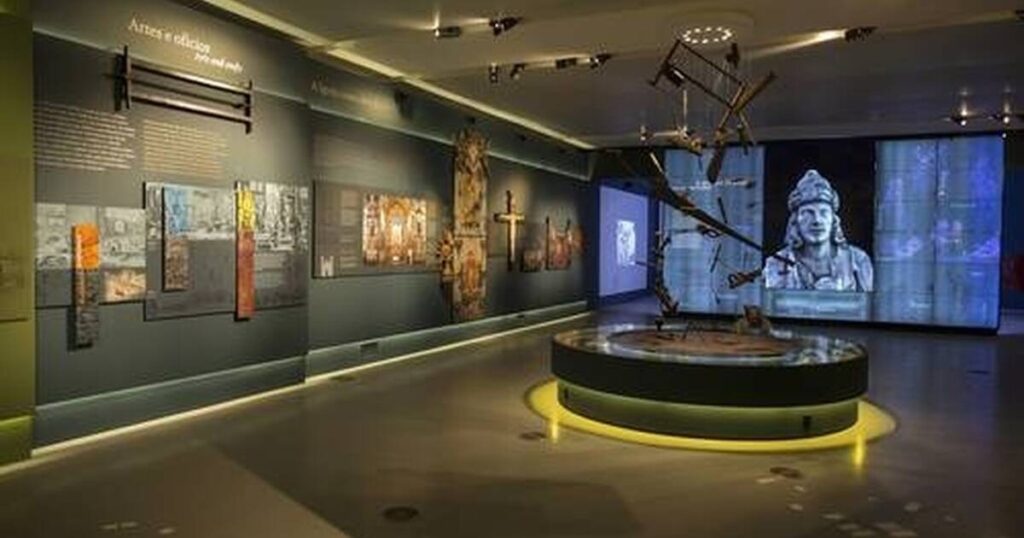
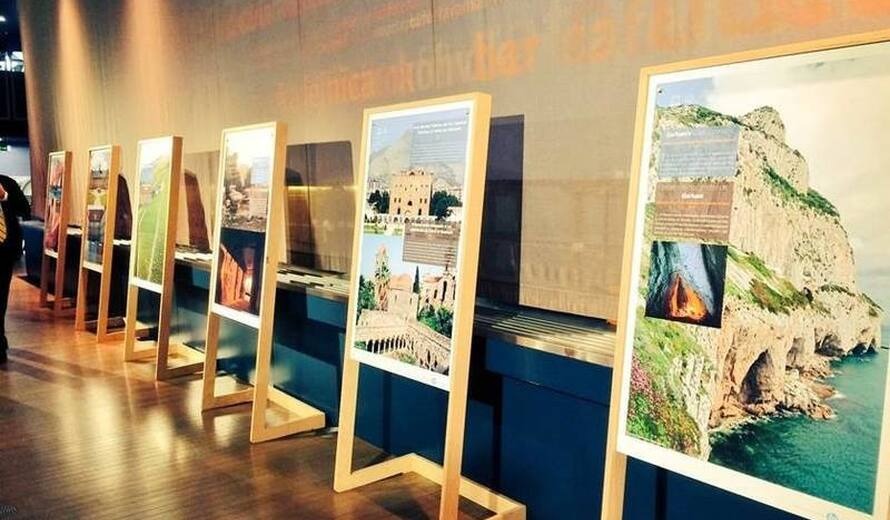
UNESCO approaches art not only as a creative practice, but as a vital component of cultural identity, heritage, and global development. Established in 1945, UNESCO operates at an intergovernmental level, working with member states to shape policies that support culture, education, and the arts worldwide.
Unlike many artist-focused organizations, UNESCO’s role is less about direct funding of individual practices and more about building the frameworks within which those practices can exist. Through initiatives such as the Creative Cities Network and conventions on cultural diversity, it supports the development of cultural infrastructure, museums, institutions, and programs that sustain artistic production at a systemic level.
Its work often intersects with preservation and access, ensuring that cultural heritage both tangible and intangible is protected while remaining relevant to contemporary practice. At the same time, UNESCO has increasingly emphasized the role of artists and cultural workers in addressing global challenges, from sustainability to social inclusion.
While its impact may feel removed from the day-to-day realities of individual artists, it is deeply embedded in the conditions that shape artistic ecosystems. By influencing policy, funding priorities, and international collaboration, UNESCO helps define how culture is valued across different regions.
Sources & Further Reading:
Convention on the Protection and Promotion of Cultural Diversity
UNESCO Creative Cities Network
Asia Art Archive
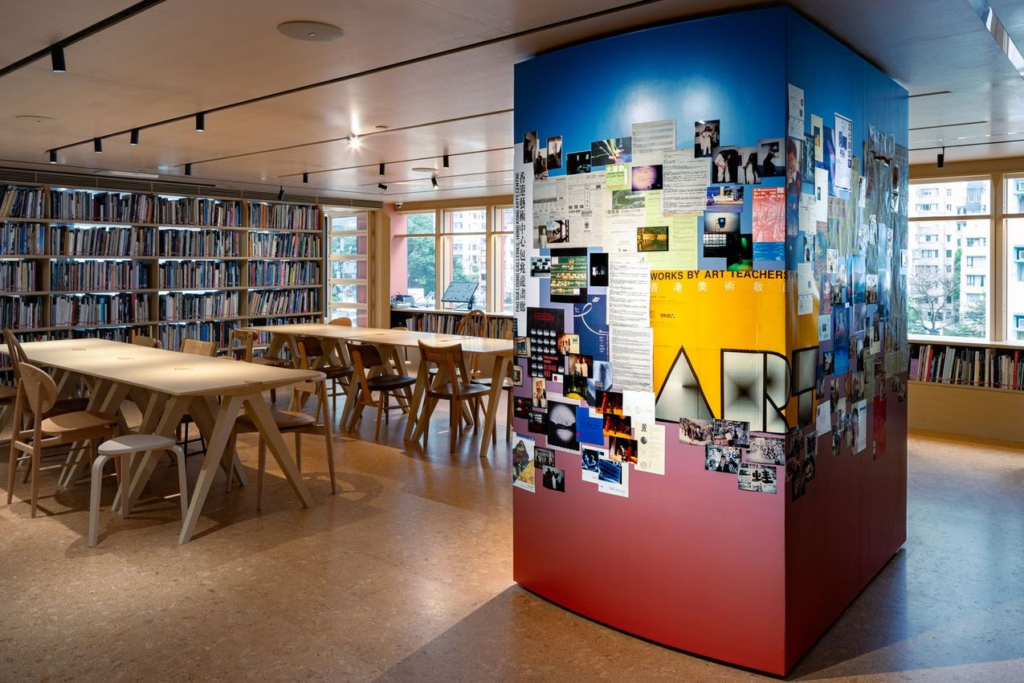
Asia Art Archive occupies a crucial, though often understated, position within the art ecosystem, one that centers not on production, but on memory, research, and access. Founded in 2000 in Hong Kong, it has grown into one of the most significant independent archives dedicated to modern and contemporary art from Asia.
What distinguishes Asia Art Archive is its focus on primary materials, letters, exhibition records, sketches, publications, and ephemera that document artistic practices across decades. By collecting and making these materials accessible, both physically and digitally, the archive enables artists, curators, and researchers to engage with histories that might otherwise remain fragmented or overlooked.
Its work extends beyond preservation. Through research initiatives, talks, and publications, the archive actively shapes how art histories are written and understood. It challenges dominant narratives that often center Western institutions, instead foregrounding diverse practices and contexts across Asia.
For artists, this kind of resource is invaluable. It provides a sense of continuity, placing contemporary work within longer trajectories of thought and practice. In a field that often prioritizes the new, Asia Art Archive insists on the importance of looking back, not as nostalgia, but as a way of deepening present conversations.
Sources & Further Reading:
Asia Art Archive Official Website
Collections & Research Materials
Project Art Works
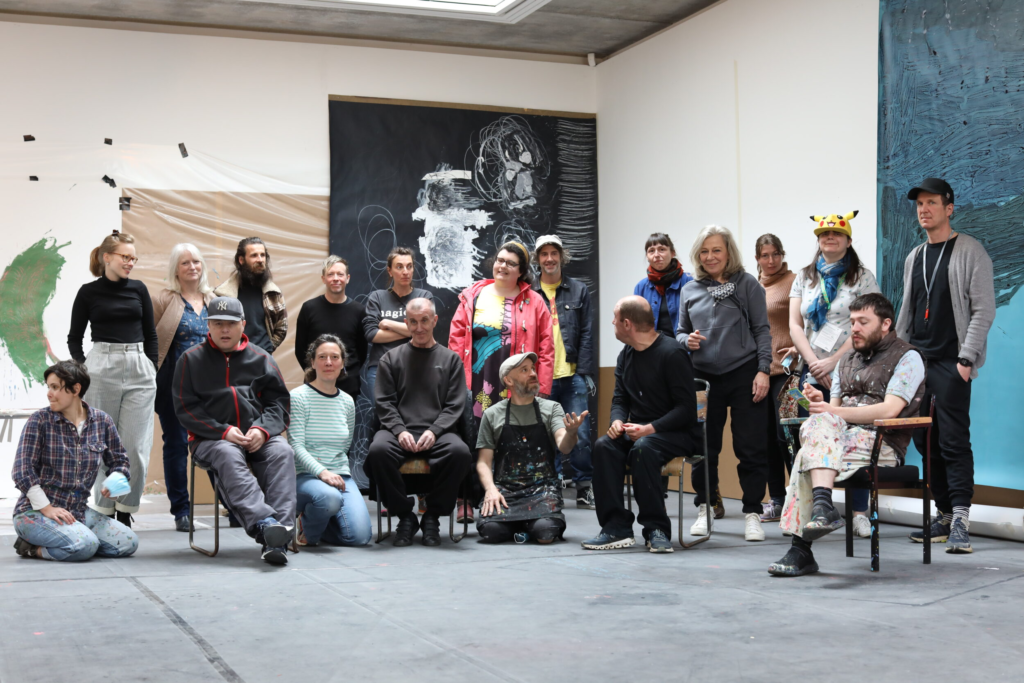
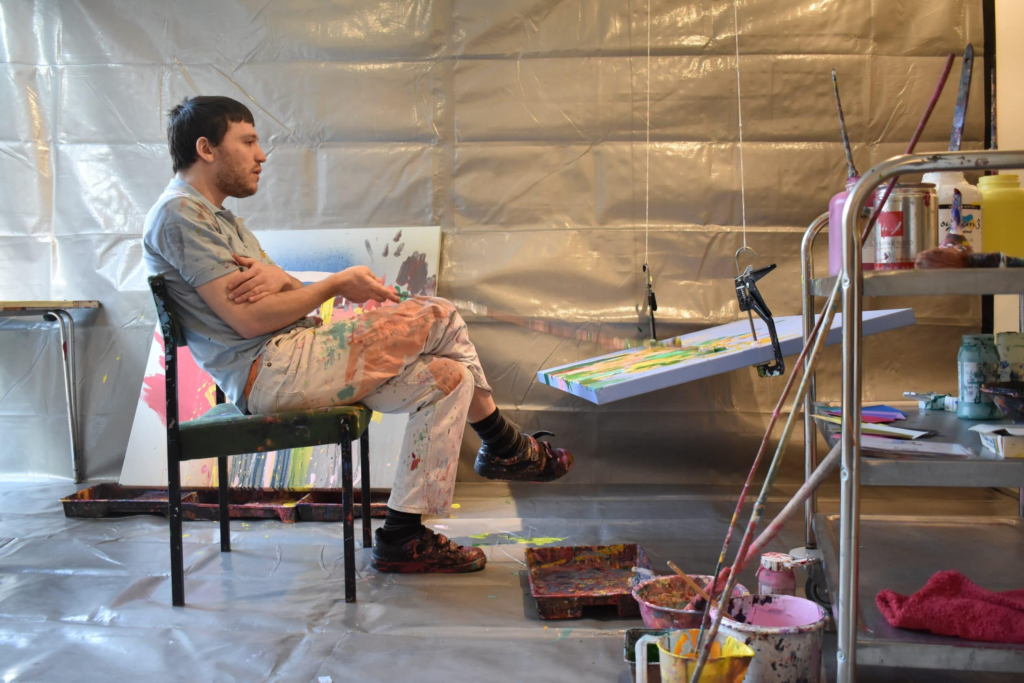
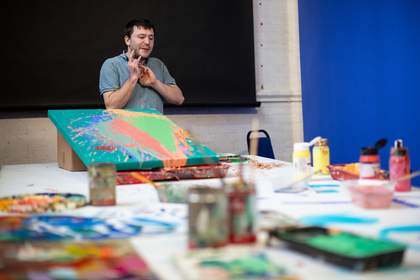
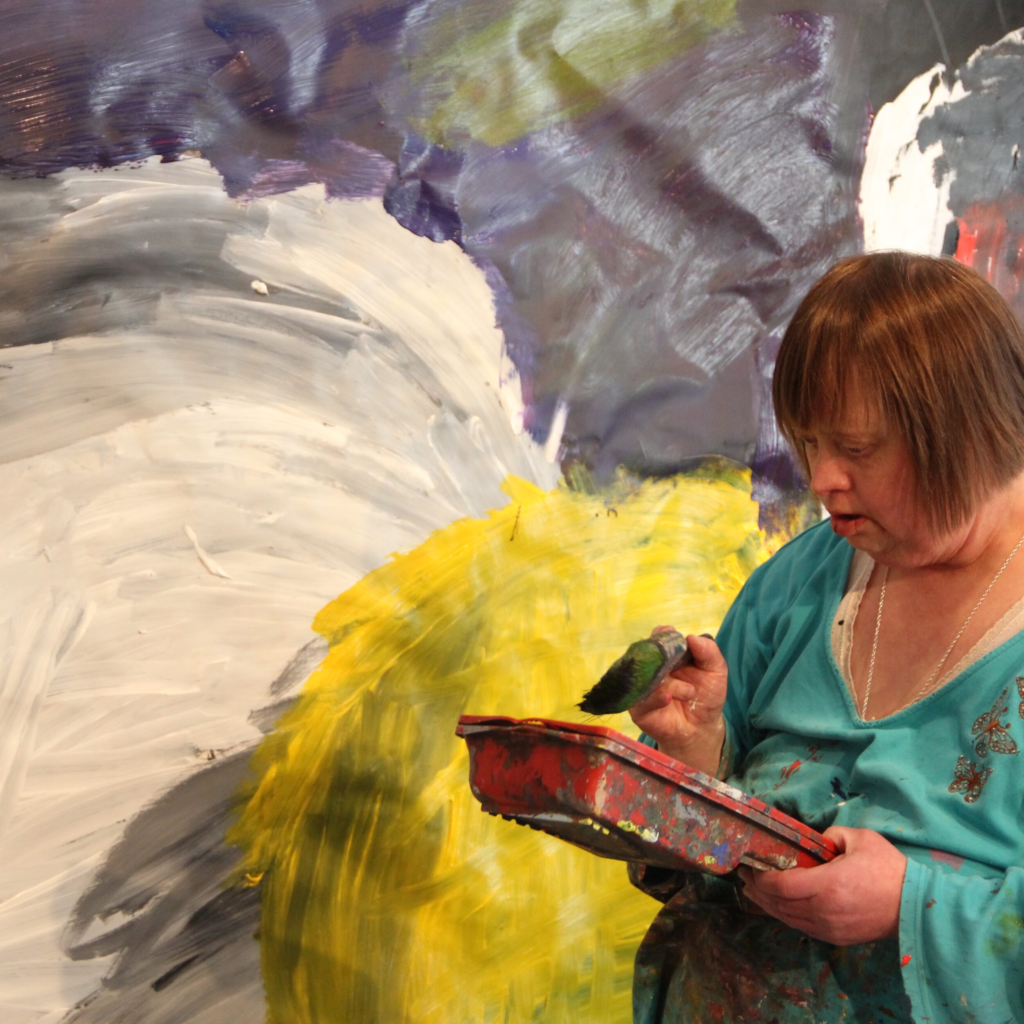
Project Art Works challenges conventional ideas of authorship, process, and participation within contemporary art. Based in Hastings, UK, the organization works collaboratively with neurodivergent artists and individuals with complex support needs, creating an environment where artistic practice is shaped collectively rather than individually.
What makes Project Art Works significant is not just its inclusivity, but the way it reframes what counts as art. The work emerging from the collective often resists traditional categories, spanning drawing, film, performance, and installation, while remaining deeply rooted in care, attention, and long-term engagement. Artistic production here is inseparable from relationships, with facilitators, artists, and participants working together over extended periods.
The organization has gained increasing recognition within the international art world, including nominations for major awards such as the Turner Prize. Yet its core ethos remains grounded in collaboration rather than individual recognition, challenging the idea of the artist as a solitary figure.
By foregrounding alternative ways of making and being, Project Art Works expands the field of contemporary art, demonstrating that artistic value does not lie solely in innovation or visibility, but also in process, care, and shared experience.
Sources & Further Reading:
Project Art Works Official Website