
Why Mistakes Are No Longer Something to Avoid in Contemporary Art I elisELIS

👁 178 Views
At Arts to Hearts Project, we’ve always believed in one thing: when artists rise, we all rise. We’re not just a publication we’re a community built on the idea that art deserves more than passive appreciation. It deserves platforms, opportunities, and real conversations. Over the years, we’ve worked to bring different opportunities to artists through various open calls and editorial features, always asking: how do we create space for voices that need to be heard?
In 2023, we launched the 101 Artbook series with a specific vision, what if we brought together exactly 101 artists to respond to one theme? What if we could see how wildly different minds interpret a single concept? Since then, we’ve published seven editions exploring Floral, Animal, Abstract, Nature, Portrait, Landscape, and for our seventh edition, we chose Collage, with Photography and Food currently in the pipeline as our eighth and ninth editions. Through these books, we’ve featured 909 artists from across the world. Each edition has shown us something new about how creativity works when you give it boundaries and freedom at the same time.
After exploring tangible subjects like flowers, animals, and landscapes, Collage felt like the necessary next step not because it’s a medium, but because it’s a philosophy. Collage is how we think when we’re being honest. It doesn’t ask you to choose one narrative; it asks you to see how they all exist together, messily, beautifully, imperfectly.
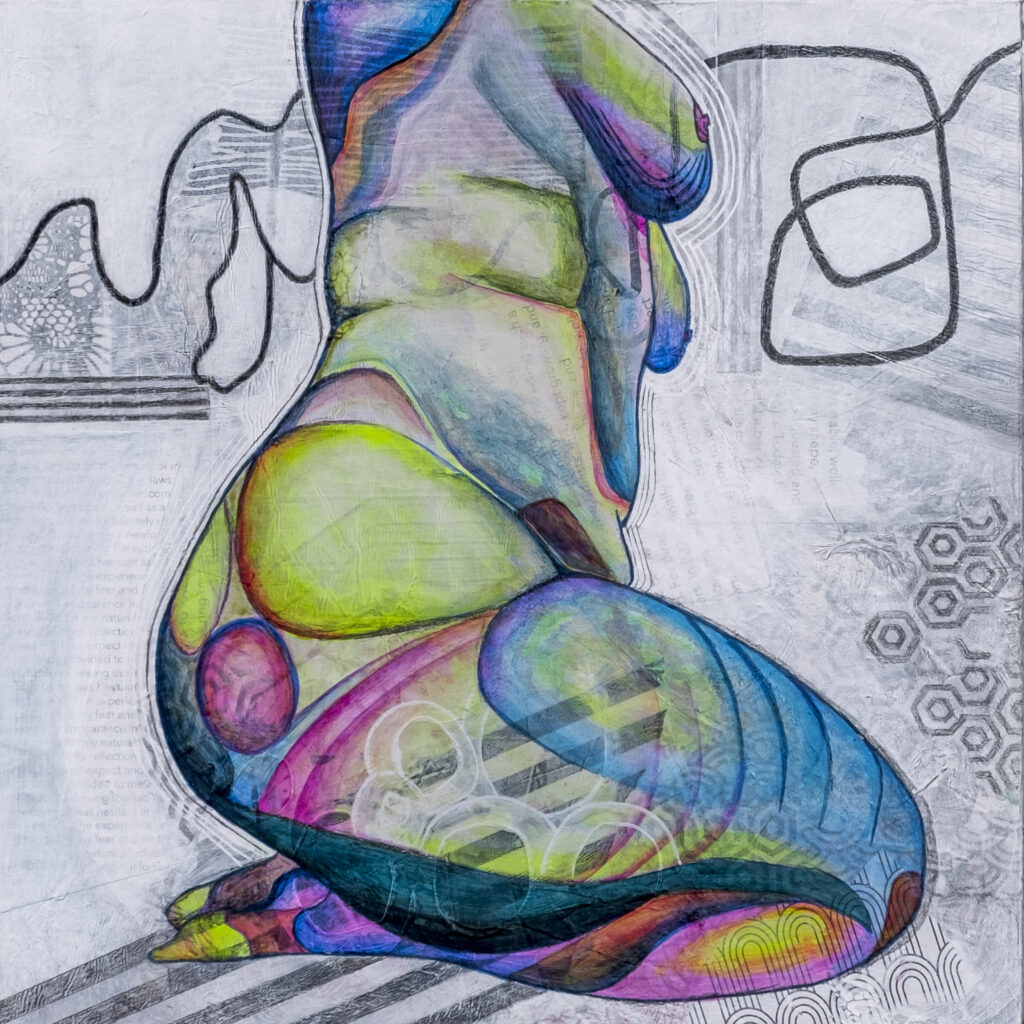
We knew we’d see cut-and-paste compositions, layered photographs, analog fragments pieced together with intention. What we didn’t expect was how deeply personal each submission would feel. These weren’t just visual experiments they were emotional maps. Artists weren’t just arranging images; they were arranging selves, memories, contradictions, survival. Collage became a language for holding what can’t be said in one piece, in one voice, in one fixed form.
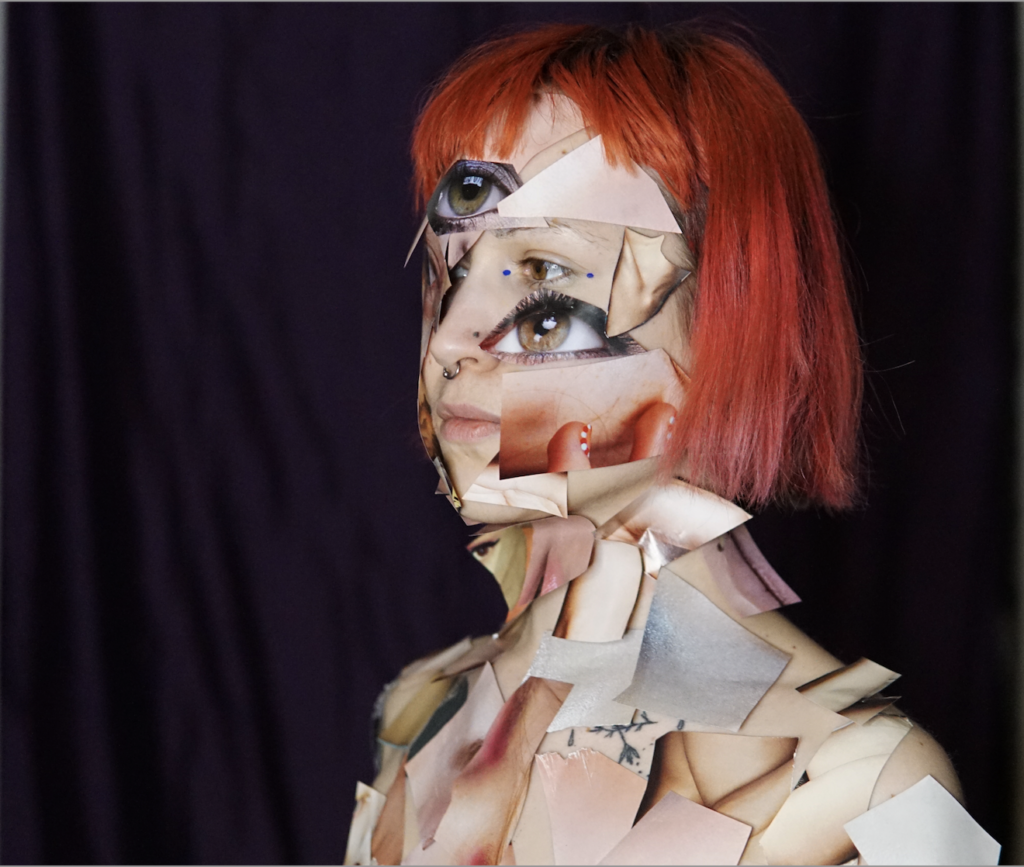
Among the selected artists in this edition, one submission stopped us completely. Not because it was the most polished or technically perfect, but because it felt alive in a way that refused to settle. The work was raw, intelligent, unafraid of its own contradictions. It didn’t try to resolve anything. It just held space for multiple truths to exist at once imperfect, fragmented, and completely honest. It was the kind of work that doesn’t just respond to a theme it redefines it.
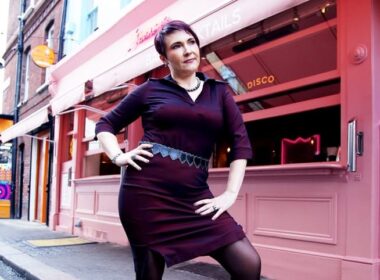
Her name is elisELIS, and honestly, she’s one of those rare artists who doesn’t just work across mediums she dissolves the boundaries between them entirely.
elisELIS is the kind of artist who makes you rethink what art can be. She’s a collage artist, yes, but also a performance artist, a poet, an experimental video maker, an installation creator. She doesn’t work in one medium and dabble in others she treats them all as equal, interconnected languages. A poem becomes a performance.
A collage becomes a video. The body becomes a landscape. She works the way some people think in multiple languages fluidly, instinctively, without needing one form to be final. And it’s not performative versatility. It’s deeply intentional, deeply intelligent.
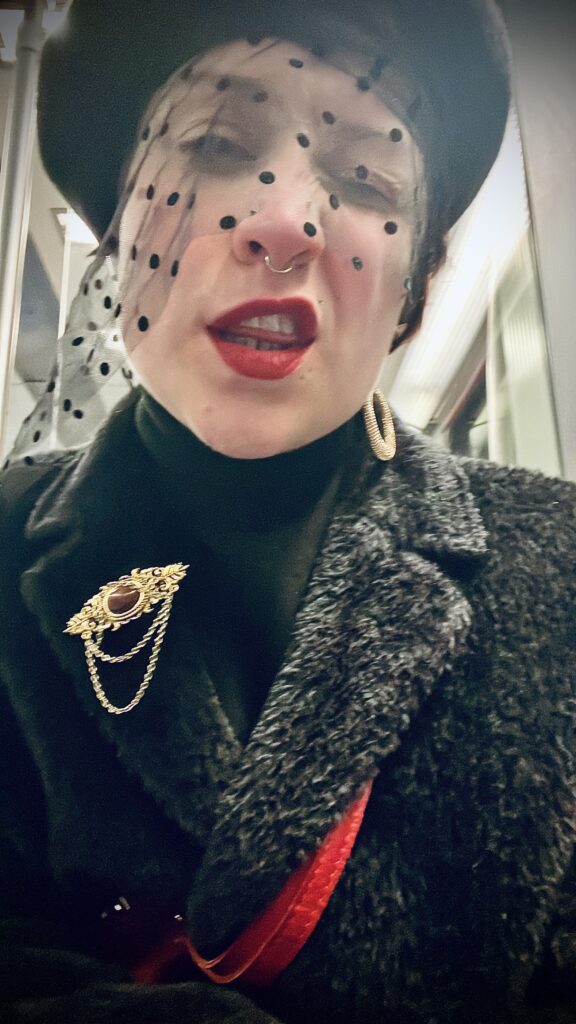
She began her visual practice through film photography in high school and studied fine art photography in the UK, where she experimented with video performances and photo montaging. But it was analog collage that became a turning point. She didn’t just adopt the medium she helped build a movement around it. She became a co-founder of the first platform for contemporary collage art in Ukraine, playing a pivotal role in popularizing the form across the country and among established artists.
Since then, she’s expanded into performance-happenings, installations, poetry, digital art, and experimental theatre, collaborating with artists and professionals internationally. Her work has been exhibited widely, and her influence within the collage community is undeniable.
What makes elisELIS extraordinary isn’t just her technical skill or her range it’s her philosophy. Her relationship with the body has never been neutral. Through displacement, illness, and living through war as a Ukrainian, the body shifted for her from something to perfect into something to listen to. In her work, healing isn’t about fixing but about allowing fragility, contradiction, and intelligence to exist.

She treats embodiment as a process rather than a form, and the body becomes a landscape of memory and survival. It’s rare to see an artist who uses their practice not just to create, but to heal both themselves and others.
Her creative process is just as remarkable. She multitasks, multi-thinks, reads multiple books at the same time. When she’s stuck in writing, she moves to collaging. If she doesn’t feel like creating visual works, she moves her body. She uses feeling creatively stuck as an opportunity to explore other mediums and ways of creation. It’s a kind of creative fluidity most artists spend their entire careers trying to achieve, and for elisELIS, it’s second nature. Her art feels alive because it’s allowed to be imperfect, allowed to breathe, allowed to change.
Now, let’s hear from elisELIS about how collage became therapy, how the body became a landscape, why mistakes are no longer something to avoid, and what she’d tell artists holding multiple forms and uncertainties in their work.
Q1. Can you share your background how your early experiences with photography, poetry, and self-expression shaped your creative voice before your practice became multi-disciplinary?
I began my artistic visual practice through film photography in high school. which led me to study photographic practice at university for the creative arts in rochester (UK), there i went deeper into fine art photography and video performances, i tried photo montaging as well. then in 2018 i discovered analogue collage, I co-founded of and lectured at Kyiv Collage Practice (2019–2021), the first platform for contemporary collage art in Ukraine, which played a significant role in popularising the collage art form across the country and among established artists. i began expanding my artistic practice with performance-happenings, installations, poetry, digital art, experimental theatre, and i still keep exploring and trying new things, collaborating with artists and professionals internationally. just like a feeling – no medium for me is final. it all happens intuitively and based on observations, sometimes practically, sometimes out of curiosity, sometimes out of experience. Mediums are interconnected, one can inspire the other. In the past I wrote a poem that became an inspiration for the performance, or a collage can become an idea for a video.

Q2. Many of your pieces explore the body as both a landscape and a political site. How has your own experience with body image, healing, and resilience shaped the way you approach embodiment in art?
My relationship with the body has never been neutral. Growing up in a beauty-oriented environment made me acutely aware of how bodies are evaluated, controlled, and “optimized,” often under the guise of care. Through displacement, illness, and living through war as a Ukrainian, the body shifted for me from something to perfect into something to listen to. Healing, in my work, is not about fixing but allowing fragility, contradiction, and intelligence to exist. This led me to treat embodiment as a process rather than a form. In my performances and installations, the body becomes a landscape of memory and survival, where scars, tension, and exhaustion are not concealed but held as meaningful traces. i used collage as therapy sessions with my selves and others. Then performance art became my door into going through fears and understanding its challenges. My hobbies became – psychology, anatomy, people-watching, improvisational dancing.
So whenever I use (my or someone else’s) body in my art I don’t put any preconceived stereotypical notions into it, for me it becomes a representation of power and “beauty”
Q3. You often describe collage as more than a technique, almost a way of thinking. How does this layered way of seeing shape how you approach ideas, images, or even daily life?
It’s like multi tasking, multi thinking, multi lingual, polyamory, multiple personalities, my selves. Reading a few books at the same time. everything is layered and exists simultaneously, and I catch it (metaphorically or sometimes literally) and make use of it, either it is an idea, or multiple ideas at the same time, through poetry, through visual languages, through dance, through silences.
Q4. Ikebana, motion, collage, and poetic text appear as motifs across your practice. How do you see nature and organic forms functioning as symbolic carriers in your work?
Natural elements are a reminder that this world is important and needs care, escaping into nature, is one of the best anti anxiety tricks. organic forms act as living symbols of impermanence, vulnerability, and balance. “happiness is holding a flower in each hand”- Japanese proverb.

Q5. Your work often blends human forms with objects and natural elements, creating surreal and hybrid compositions. What draws you to these juxtapositions, and what do they reveal about perception or transformation?
Experimentations with materials. I’m drawn to juxtapositions because they disrupt fixed identity and stable meaning. questions: what if I do that? trust in my own artistic visions. Not worried about mistakes and fuckups, and actually looking out for them because mistakes lead to new discoveries. process conducts the way, not the final “product”. I explore transformation as a constant state—where perception shifts, boundaries dissolve, and the human form becomes porous, adaptive, and relational rather than singular or complete.
Q6. When your work enters public space and meets an audience, does it continue to feel personal to you or does it take on a life of its own?
It’s always personal, even when interacting with the audience directly during actual performance. people’s perceptions and feelings are out of my control. i am delivering my own version of something (semi-)biographical – someone might relate, someone might not find any connection, someone might think it’s stupid, someone might get emotional, so on. there are so many ways it can be perceived by various people. their thoughts and feelings take on a life of its own based on my performances and artworks.
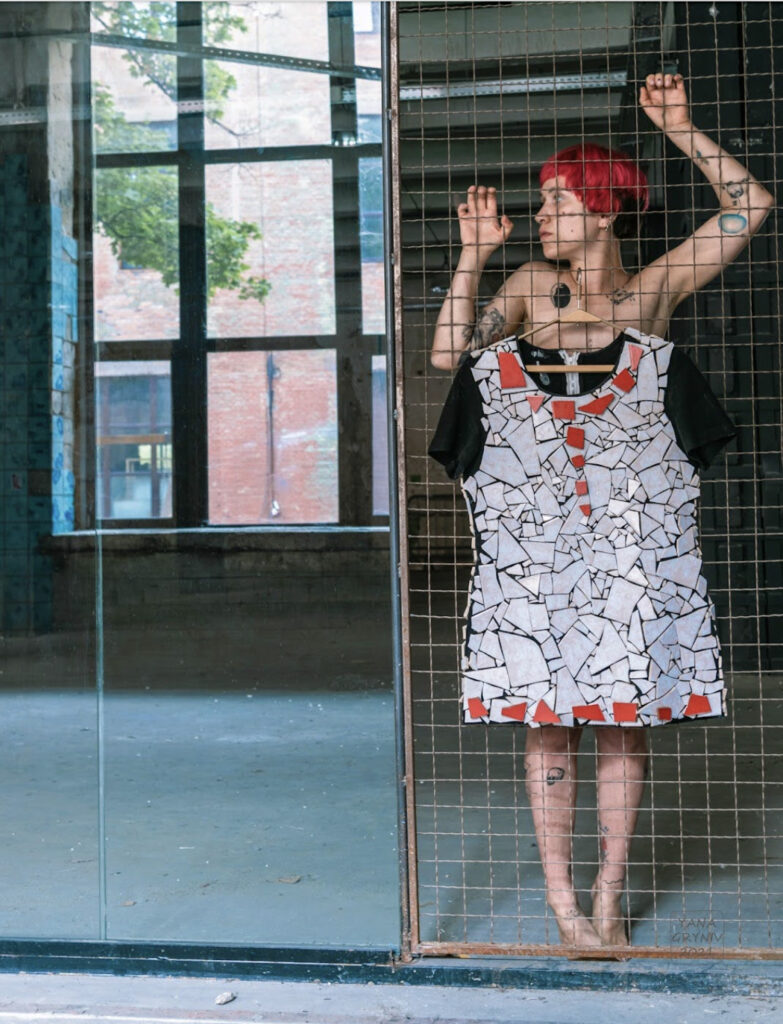
Q7. What helps you return to your work after stepping away or feeling creatively stuck?
If i am stuck in writing, i move to collaging, if i don’t feel like creating visual works, i move my body. I use “feeling creatively stuck” to explore other mediums and ways of creations. i don’t limit myself. i listen to my body and do yoga, meditate sometimes, make sure i eat well, empty my bowels every day, cry if i need to cry, be quiet if i have nothing to say, appreciate the silence and presence. rearrange my living environments, clean surfaces, create empty spaces, declutter. out of sight – out of mind.
Q8. Collage logic suggests simultaneity, multiple threads, ideas, and forms co-existing. How does this layered thinking influence the way you edit or revise ideas across media?
I just look at it and reposition and try new ways until i am satisfied with the image. i set it aside then come back to it in awhile, and if needed i add or reduce elements. it’s a visual communication, think before try, try as much as possible before settling down with the final image/ video.
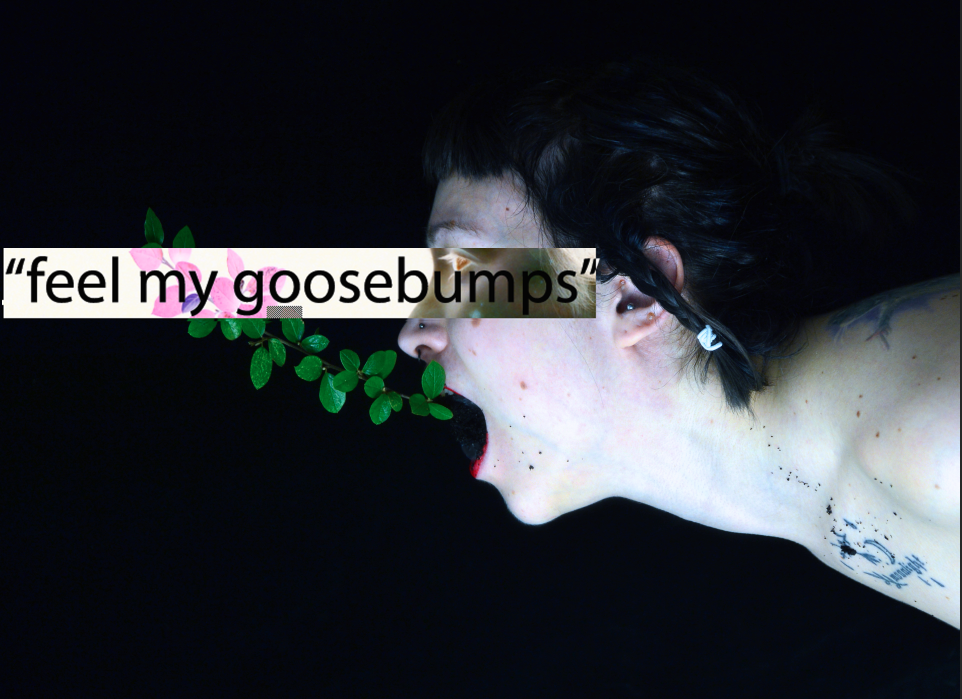
Q9. Improvisation requires trust, in yourself and in the moment. What has it taught you about uncertainty, both in art and in life?
For me it is important to have some sort of idea which I imagine as a skeleton, and then “the full body” will emerge during the actual performance, so sometimes I don’t even know which course it will take. My art direction happens in a collaged way, thoughts appear while we rehearse, or in a dream, or before the beginning of the performance or during. I am open to spontaneous interactions and various unplanned situations. Japanese philosophies (like wabi sabi, ma) taught me to appreciate impermanence and imperfections. when i adopt Japanese philosophies and get inspired by their aesthetical compositions.
I create intentional mistakes, I want these faults to happen and lead me into the unknown
elisElis
All my artistic practices relate to how life works- it’s never a straight line, or circle, it’s slightly fucked in a beautiful and unique way.
Q10. What advice would you give artists holding multiple forms and uncertainties in their work, drawing from your experience across collage, performance, poetry, and experimental practice?
Patience, confidence, forget about comfort zone(s), forget about the “out of the box” mentality – the box doesn’t exist. nobody knows what they are doing.

As our conversation with elisELIS came to an end, we realized something she doesn’t just make art. She lives it. Every medium she touches, every mistake she welcomes, every truth she holds simultaneously it all comes from a place of deep honesty. She creates because she has to. She experiments because she’s curious. She fails because failure leads somewhere new.
What stayed with us most was how unafraid she is. Unafraid of imperfection, unafraid of uncertainty, unafraid of holding contradictions without needing to resolve them. In a world that demands polish and perfection, elisELIS reminds us that the mess is where the magic happens.
elisELIS wanted to share a poem with our readers one that captures the fragmented, layered essence of how she sees the world:
night dreams echo in my head
elisElis
without clues without flues
i feel the blues of the distant past
emptiness is so delicious
in the darkness of some nights
i can kill you with my sight
without fight
royal blood from loyal soldiers
in the cocoon of perfect silence
under the heavy king-size duvet of today
i slay them all
behind this brick graffiti wall
Her work doesn’t ask you to understand it fully. It asks you to feel it, sit with it, let it be unresolved. Because life isn’t a straight line or a perfect circle it’s messy, layered, and beautifully imperfect. And maybe that’s exactly what makes it worth creating.
Follow elisELIS’s work through the link below and see how she continues to embrace the unknown, the imperfect, and the beautiful chaos of being human.