
The Latest in the Art World: From Market Recovery to New Voices and Institutional Shifts
👁 12 Views
Across the art world this week, a series of overlapping recalibrations, economic, institutional, and cultural are coming into sharper focus, pointing to what feels like the latest in the art world today. A modest market rebound, as outlined in the latest Art Basel and UBS Global Art Market Report 2026, signals renewed confidence, even as growth remains uneven and concentrated at the top. At the same time, new forms of visibility are reshaping how art is produced and circulated: from Netflix’s forthcoming series on Frida Kahlo and Diego Rivera, to Beeple’s AI-driven installations entering major museums. Parallel to these developments, initiatives like Conductor: Art Fair of the Global Majority and Lauren Halsey’s sister dreamer point toward a more structural shift, one that foregrounds global plurality, local communities, and alternative frameworks of cultural production. Meanwhile, major institutional programmes such as Tate’s 2027 exhibition lineup reflect how museums themselves are expanding both canon and context. Taken together, these moments suggest an art world not simply recovering, but actively redefining itself, expanding its narratives, renegotiating its power structures, and rethinking where and for whom art exists.
Netflix Announces New Series on Frida Kahlo and Diego Rivera
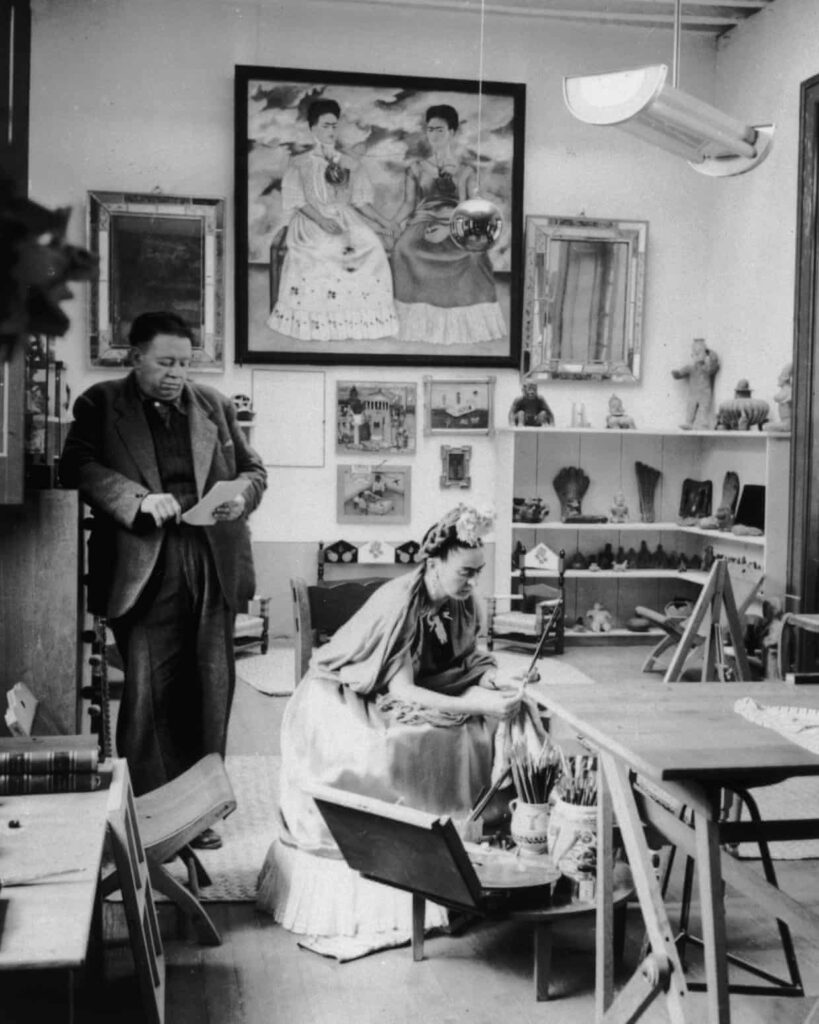
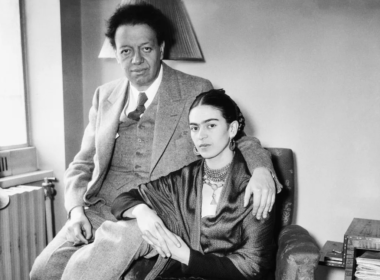
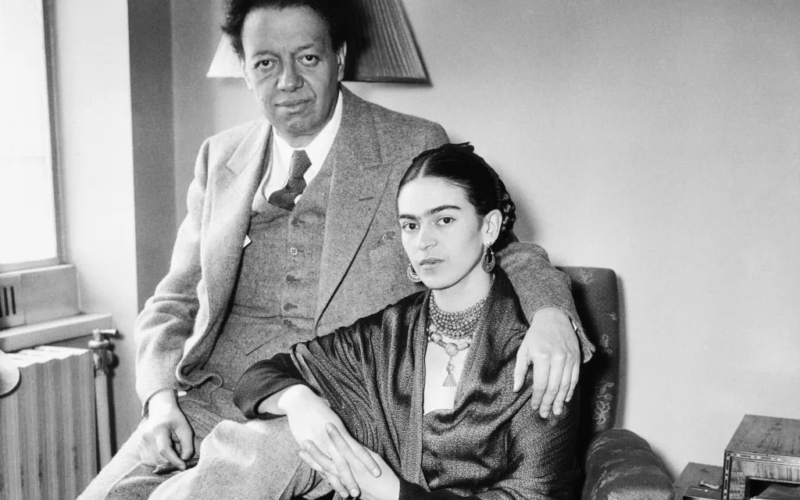
A new scripted series centered on Frida Kahlo and Diego Rivera is currently in development at Netflix, signalling yet another moment in the enduring global fascination with the Mexican artist couple. Announced by Netflix, the project aims to revisit their well-documented relationship through what creators describe as a distinctly “feminine and Mexican perspective,” with additional details reported by Variety.
The series will be adapted from Rien n’est noir (2019), a biographical novel by French author Claire Berest, with María Renée Prudencio attached as lead writer. According to statements shared with Variety, the narrative will move beyond familiar mythologies surrounding Kahlo and Rivera, instead foregrounding emotional complexity, artistic exchange, and the political climate that shaped their lives and work.
Co-directed by Patricia Riggen and Gabriel Ripstein, and produced by Mónica Lozano, the series remains in early development, with casting and release details yet to be announced. As Riggen noted in interviews, the intention is to present Kahlo not as a static icon, but as a dynamic figure whose story resonates with contemporary audiences, an approach echoed by Netflix Mexico’s content leadership, who emphasized the ambition to portray “a real Frida” shaped by her historical moment.
While Kahlo’s life has been revisited repeatedly in film and scholarship including Frida starring Salma Hayek this new series arrives at a time of renewed institutional and market interest in her legacy. In recent years, exhibitions such as those at the Brooklyn Museum and the Victoria and Albert Museum have expanded public understanding of Kahlo’s personal archives, particularly following the 2004 unsealing of materials at Casa Azul in Mexico City.
The announcement also coincides with a broader cultural resurgence around the artist. Major institutional programming continues to revisit the Kahlo, Rivera narrative, including an upcoming exhibition at the Museum of Modern Art and a related operatic production, El Último Sueño de Frida y Diego, composed by Gabriela Lena Frank with libretto by Nilo Cruz.
Together, these developments reinforce Kahlo and Rivera’s position not only as historical figures, but as continually reinterpreted cultural symbols, artists whose personal and political entanglements remain as compelling today as the work they left behind.
Tate Announces Major 2027 Exhibitions Featuring Hockney, Munch, and Sonia Boyce
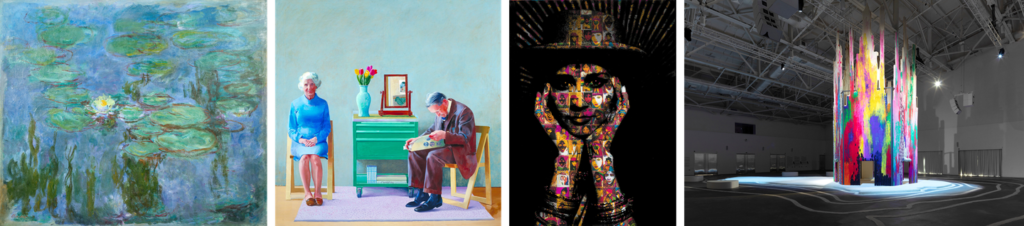
The Tate has announced an expansive programme of exhibitions for 2027, bringing together historic, modern, and contemporary voices across its four sites. Revealed as director Maria Balshaw departs after nearly a decade of leadership, the lineup reflects both institutional continuity and a broadening global outlook.
Anchored by major presentations of canonical and contemporary artists, the programme includes a landmark exhibition celebrating David Hockney’s 90th birthday, spanning more than six decades of work, alongside a multimedia installation at Tate Modern’s Turbine Hall. A new exhibition dedicated to Edvard Munch will explore his psychologically charged “soul paintings” through the lens of cinema, while Sonia Boyce will be the subject of a major survey at Tate Britain, building on her influential practice across installation, film, and performance.
The programme also foregrounds artists historically underrepresented in Western institutions. Tate Modern will host the UK’s first solo exhibition of Algerian modernist Baya, alongside a major survey of Indian artist Nalini Malani. A large-scale group exhibition dedicated to Asian ink painting will further expand this global scope, tracing the evolution of the medium across mainland China, Hong Kong, and Taiwan.
Historical perspectives remain central to the programme, with exhibitions dedicated to Claude Monet and Thomas Gainsborough, as well as a major show exploring Tudor-era art and its role in shaping early British painting. Elsewhere, Tate Liverpool is set to reopen following a major renovation, with a solo exhibition by Chila Kumari Singh Burman inaugurating the renewed space.
According to Tate, the programme is defined by both historical depth and geographic breadth, spanning from the 16th century to the present, and from Europe to Asia and Africa. As interim director Karin Hindsbo noted in the announcement, the exhibitions aim to reflect the diverse ways artists engage with the world, while reinforcing Tate’s role as a platform for both established narratives and emerging perspectives.
Taken together, the 2027 programme signals an institution balancing legacy with expansion, continuing to center canonical figures while making space for new geographies, histories, and artistic voices.
Beeple’s Viral Robot Dogs Move from Art Fair Spectacle to Berlin Museum
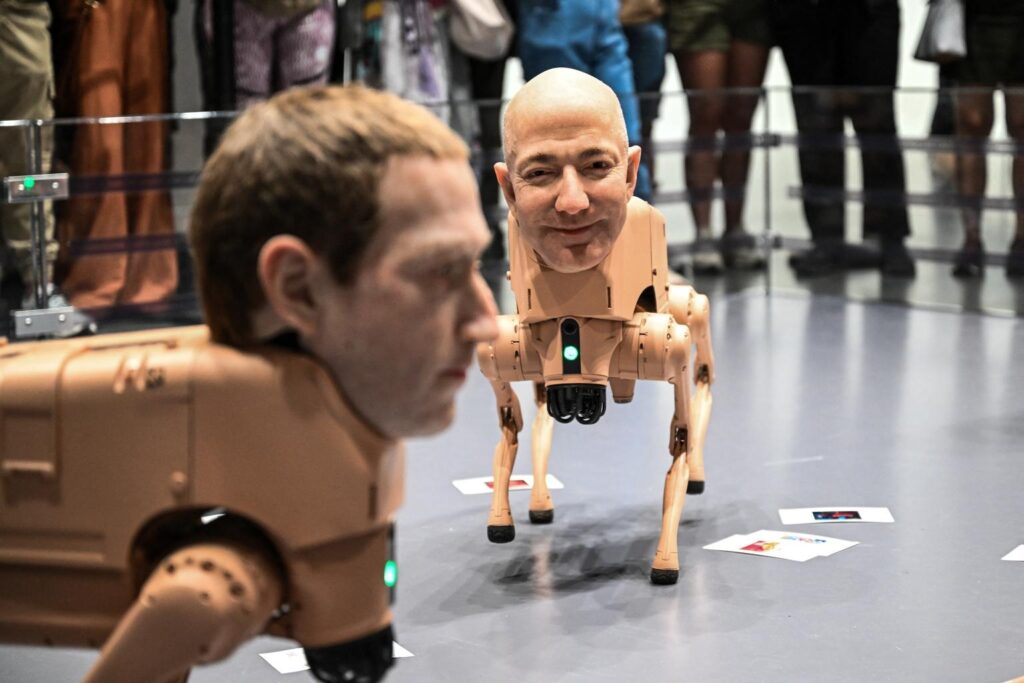
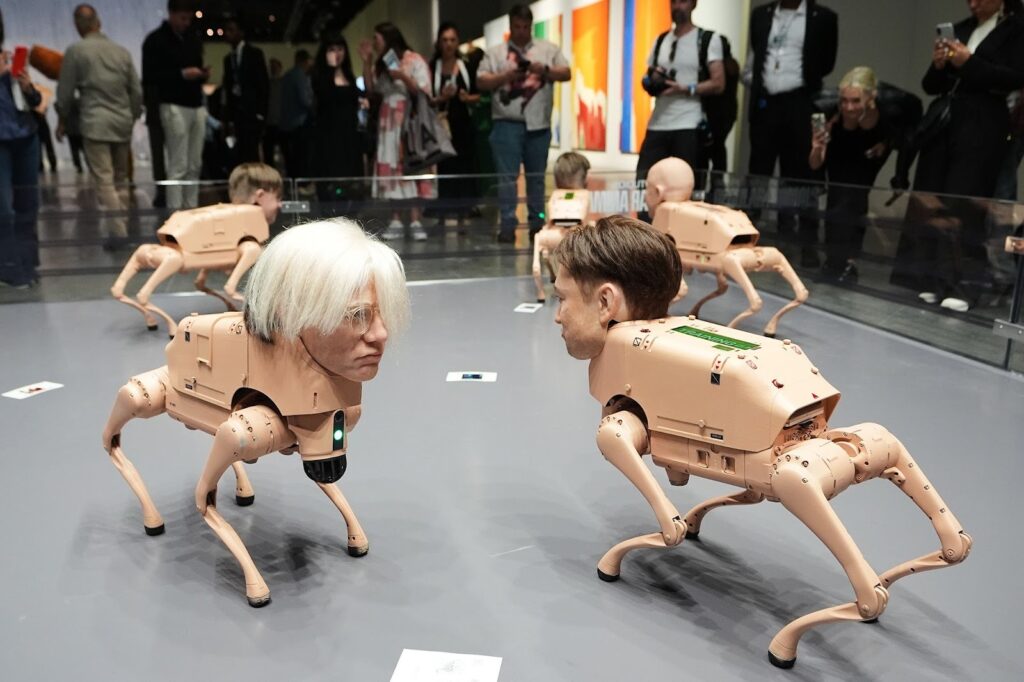
The line between digital spectacle and institutional validation continues to blur as Beeple, the artist who helped redefine the NFT-era art market, brings his viral installation Regular Animals (2025) to Neue Nationalgalerie this spring. First unveiled at Art Basel Miami Beach 2025, where it quickly became one of the fair’s most talked-about works, the installation will be on view in Berlin from April 29 to May 10, coinciding with Gallery Weekend Berlin.
The work features a pack of autonomous robotic dogs with hyperrealistic heads modeled after figures such as Elon Musk, Mark Zuckerberg, Jeff Bezos, alongside canonical artists like Andy Warhol and Pablo Picasso. As reported by Artnet News, the robots roam within a contained space, capturing images that are processed through AI systems and translated into visual outputs reflecting each figure’s stylistic language before being printed and dispensed for visitors to collect.
At once absurd and pointed, the installation functions as a critique of contemporary power structures, particularly the influence of technology companies over perception and information. Beeple himself has framed the work as a reflection on algorithmic control, noting in press statements that today’s tech leaders can reshape public experience without traditional political mediation.
Its presentation at the Neue Nationalgalerie, an institution designed by Ludwig Mies van der Rohe, marks a significant moment in Beeple’s trajectory, underscoring his transition from market-driven phenomenon to institutional subject. The move echoes a broader shift noted by curators and critics, in which digital and AI-driven practices are no longer peripheral but central to contemporary art discourse. As museum curator Lisa Botti observed in statements to Artnet News, cultural institutions must actively engage with technological forces shaping identity, politics, and reality itself.
Importantly, the exhibition situates Regular Animals within a longer history of art and media experimentation. Displayed alongside the installation is Andy Warhol Robot by Nam June Paik, a seminal work that merges sculpture with broadcast technology to reflect on mass media and celebrity culture. The juxtaposition positions Beeple’s AI-driven practice as a contemporary extension of Paik’s media critique linking late 20th-century video art to today’s algorithmic image production.
The Berlin presentation also reflects the evolving lifecycle of contemporary artworks: from viral fair highlight to institutional exhibition in a matter of months. Having sold out during preview hours at Art Basel Miami Beach, Regular Animals now enters a museum context that reframes it not simply as spectacle, but as a critical lens on the systems shaping contemporary life.
A New Brooklyn Art Fair Centers the “Global Majority”
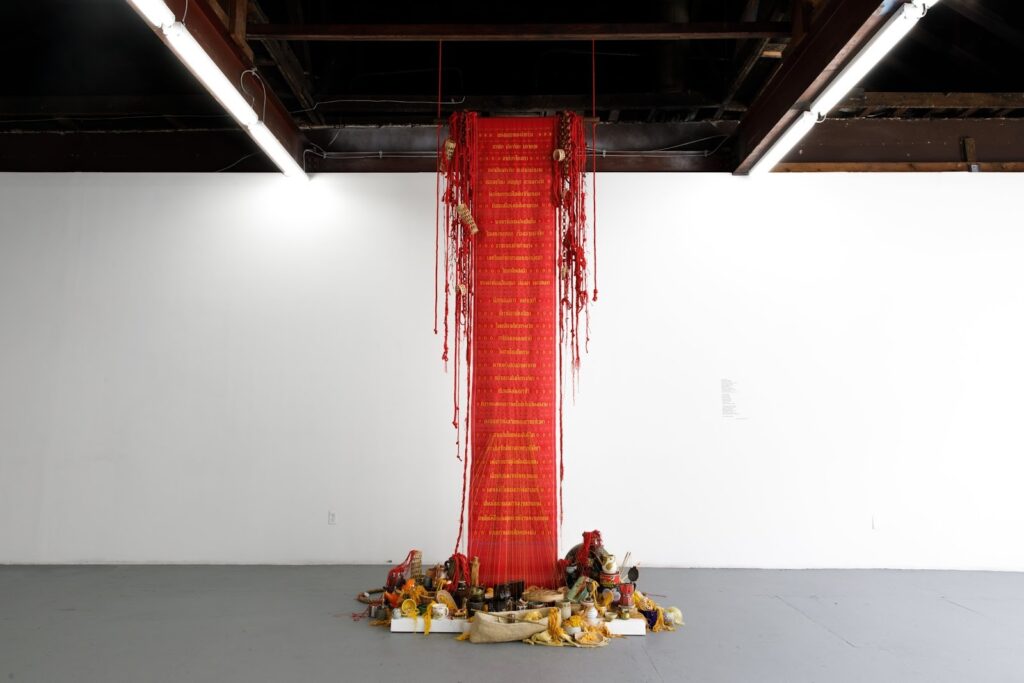
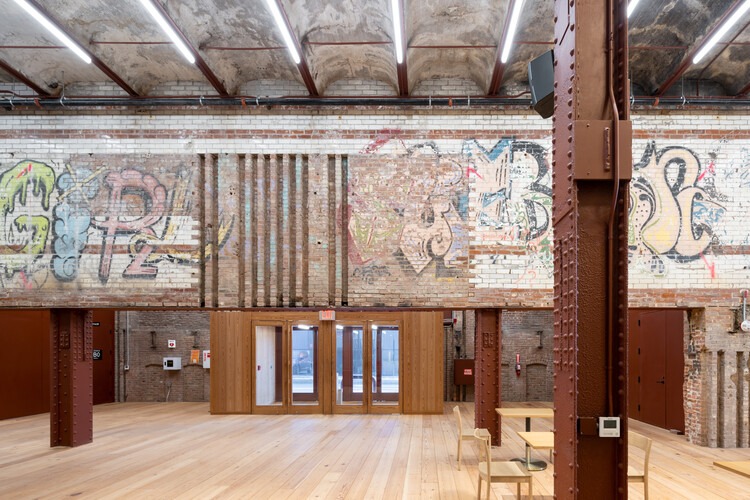
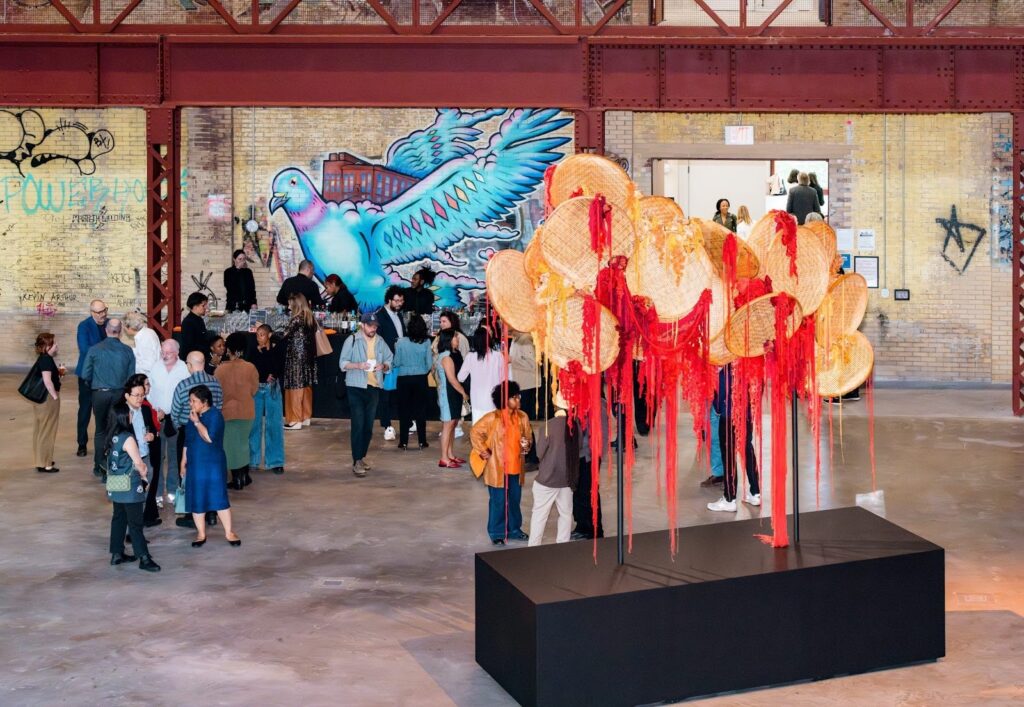
A new entrant to New York’s crowded art fair calendar is positioning itself with a distinctly global and corrective lens. Launching this spring at Powerhouse Arts, Conductor: Art Fair of the Global Majority brings together artists and galleries from across Africa, Latin America, Asia, the Caribbean, and Indigenous nations, foregrounding practices that have historically been underrepresented within the Western market.
First announced in 2025, the fair will hold its inaugural edition from April 30 to May 3, 2026, following a preview last year. Its framing around the “Global Majority” a term used to describe the vast populations outside the Western, white-dominated art canon, signals a broader shift in how art world geographies are being reimagined and rebalanced.
The fair will feature 27 gallery exhibitors alongside 17 special projects, spanning a wide network of participants including O Art Space, Light for the Amazon, Brihatta Art Foundation, and Galería Extra. U.S.-based participants such as Gladwell Projects and Proxyco further position the fair as a dialogue between local and international ecosystems.
According to statements from Powerhouse Arts president Eric Shiner, the initiative is not simply about inclusion, but about recognizing where artistic leadership already exists. Rather than expanding an existing canon, Conductor aims to reframe it, placing artists from these regions at the center of contemporary discourse. Fair director Adriana Farietta echoed this position, emphasizing the role of the fair in creating space for a “new vanguard” of globally situated practices.
Beyond its exhibitor list, the fair also integrates large-scale installations and programming through its Special Projects section, reinforcing its ambition to function as more than a marketplace. Several participating artists are also connected to the upcoming Venice Biennale 2026, including Annalee Davis, Tammy Nguyen, and Beya Gille Gacha, further linking the fair to broader international circuits.
As the global art market continues to grapple with questions of representation, access, and geography, Conductor enters the scene not as a peripheral addition, but as a pointed intervention, one that reflects a growing institutional and commercial recognition that the future of contemporary art is, fundamentally, plural.
Global Art Market Climbs Back to $59.6 Billion in 2025, Art Basel and UBS Report Shows
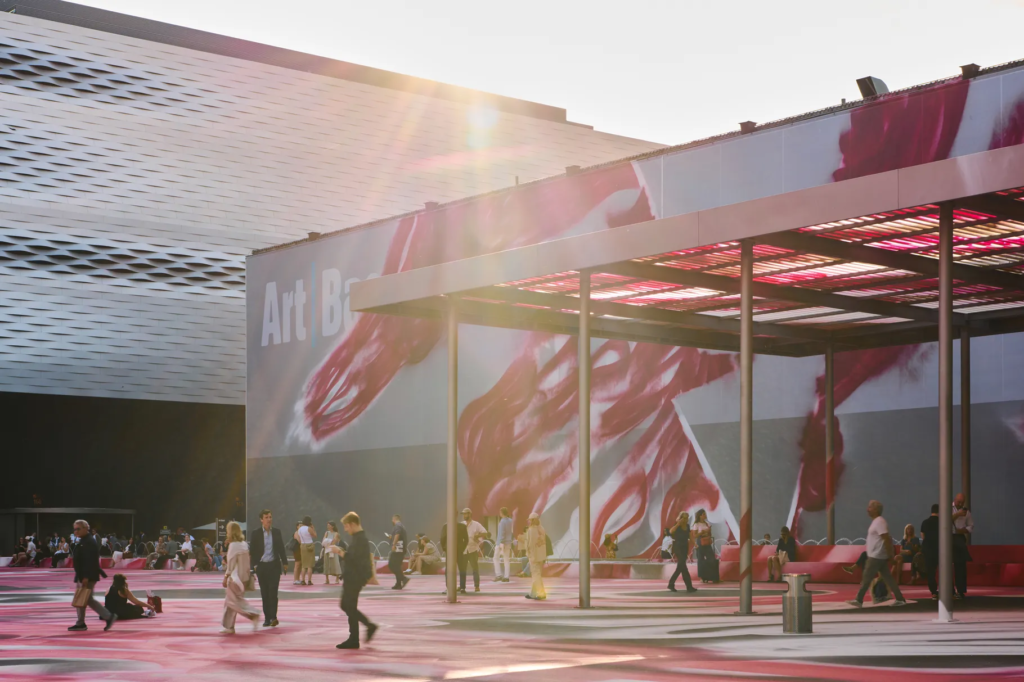
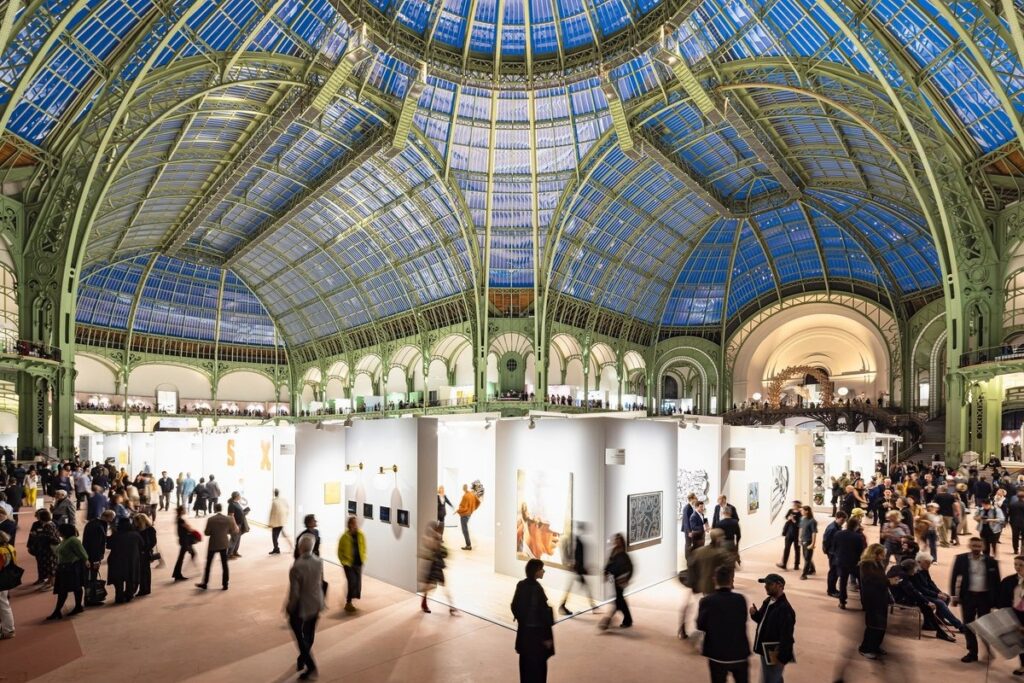
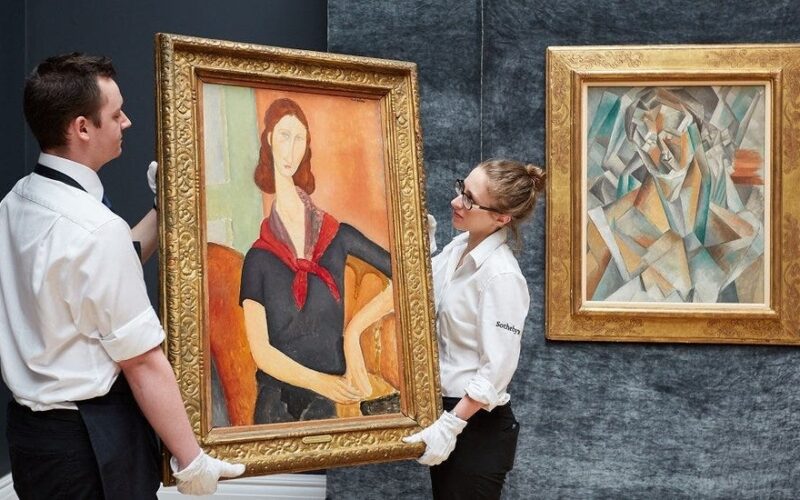
After two consecutive years of contraction, the global art market showed signs of recovery in 2025, reaching an estimated $59.6 billion in sales, according to the latest Art Basel and UBS Global Art Market Report 2026. The figure represents a modest 4 percent increase year-on-year—marking a turning point, albeit one shaped by uneven growth and persistent structural pressures.
Authored by economist Clare McAndrew, the report positions this rebound less as a full recovery than as a “recalibration.” While confidence has begun to return, particularly at the high end of the market, overall sales remain below the 2022 peak, underscoring a more cautious and selective collecting environment.
A significant driver of this recovery was the auction sector, where public sales rose by 9 percent, fueled by a resurgence in high-value transactions. Works priced above $10 million saw some of the strongest gains, with their total value rising sharply, reinforcing the extent to which a relatively small number of trophy works continue to shape the market’s overall performance. By contrast, lower-priced segments, particularly works under $50,000, experienced slight declines, widening the gap between the top tier and the broader market.
Dealer activity, while returning to growth, remained comparatively subdued. Gallery sales increased by just 2 percent to $34.8 billion, with results varying significantly by scale. Smaller galleries reported some of the strongest relative gains, while mid-tier dealers continued to face stagnation. Rising operational costs, including shipping, logistics, and participation in art fairs, further complicated this recovery, often outpacing sales growth and putting pressure on profitability.
Geographically, the market remains highly concentrated. The United States retained its position as the largest art market, accounting for 44 percent of global sales, followed by the United Kingdom and China. Together, these three regions represented 76 percent of total sales, highlighting the continued dominance of a small number of established hubs even as narratives of global expansion gain traction elsewhere.
At the same time, structural shifts are reshaping how the market operates. Art fairs have strengthened their role as primary commercial platforms, accounting for 35 percent of dealer sales, while online-only transactions have declined to their lowest share since 2019, reflecting a renewed preference for in-person engagement, particularly for high-value works.
Beyond immediate sales figures, the report also points to longer-term transformations. As noted by Noah Horowitz, the market is entering a more strategic phase, with dealers refining programs and collectors approaching acquisitions with greater selectivity. Meanwhile, broader economic and geopolitical uncertainties, from trade policy shifts to rising protectionism, continue to shape cross-border exchange and future growth.
In this context, the art market’s return to growth appears less like a rebound to previous highs and more like an adjustment to new conditions, one defined by concentration at the top, pressure in the middle, and an increasingly complex global landscape.
Lauren Halsey’s sister dreamer Reimagines Public Art as Community Infrastructure
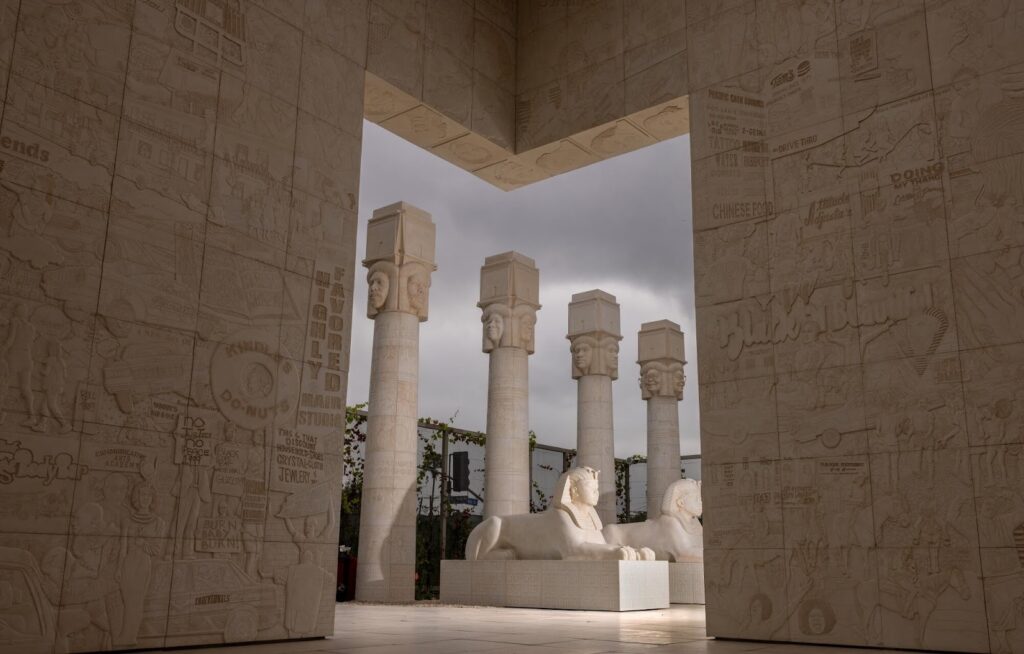
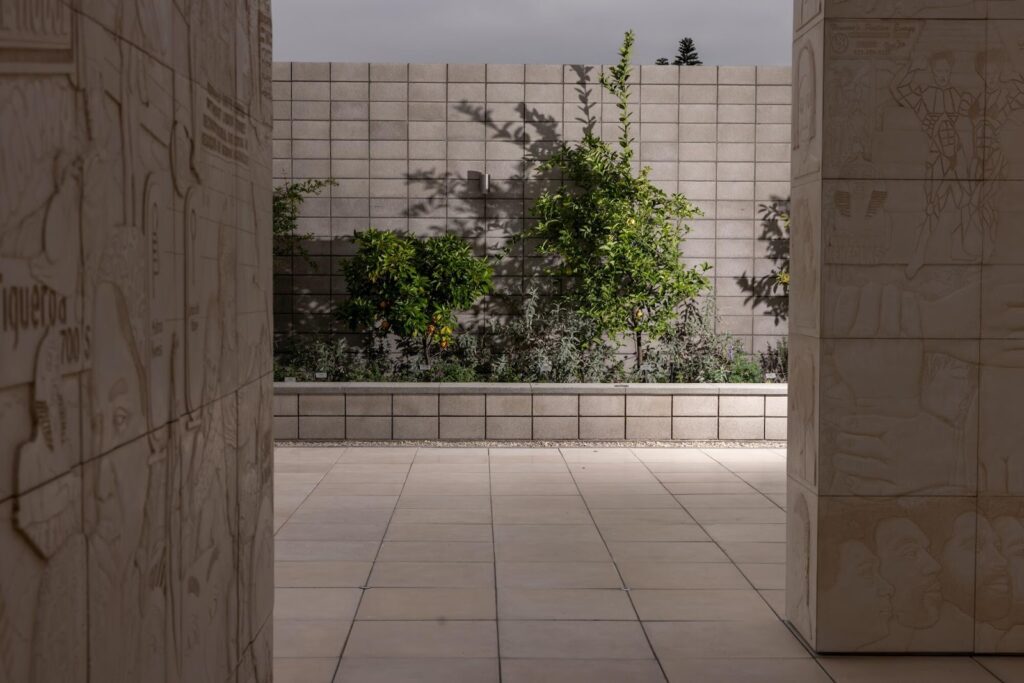
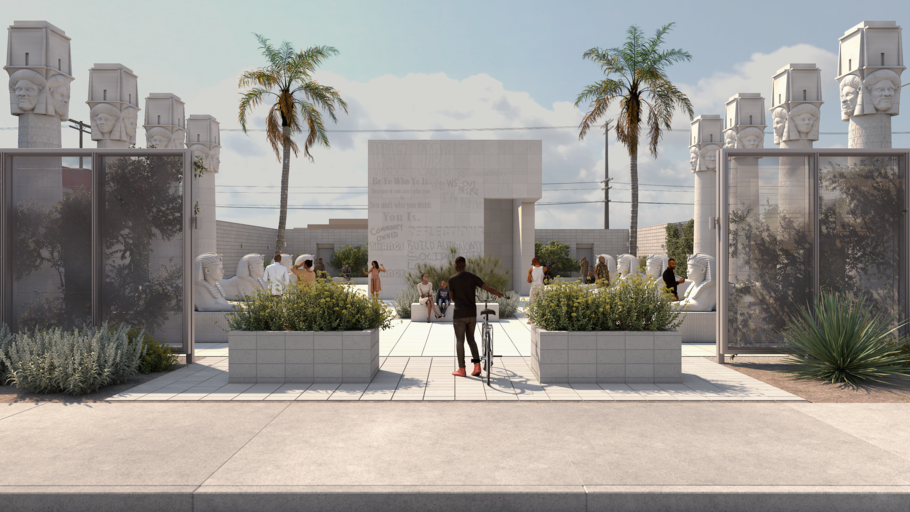
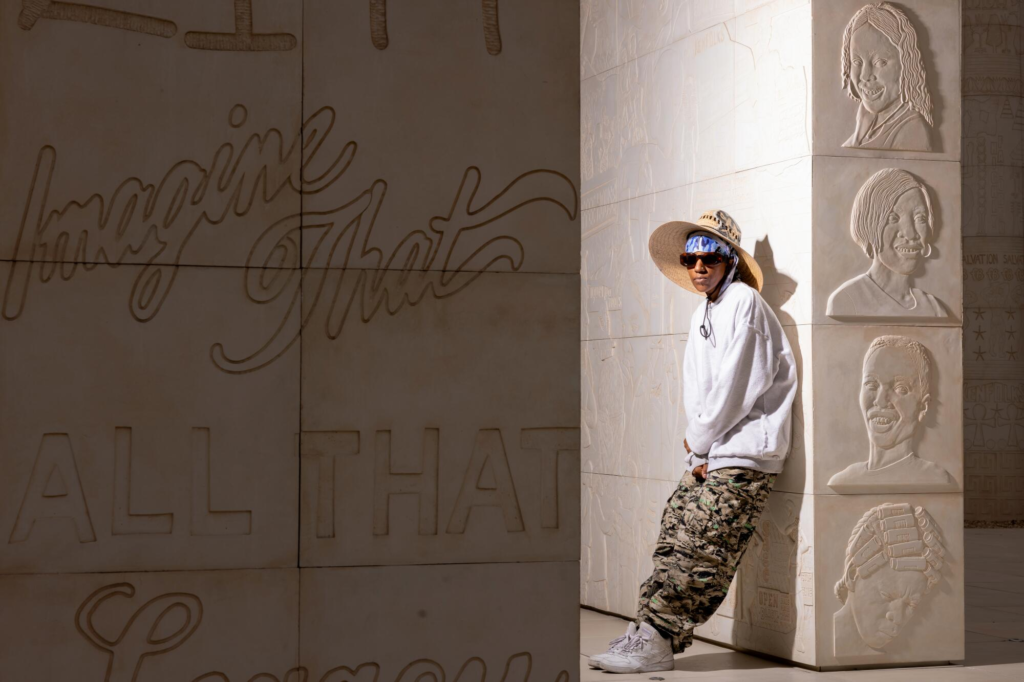
In South Central Los Angeles, Lauren Halsey has unveiled sister dreamer (2026), an ambitious public sculpture park that expands the role of art beyond representation into lived, communal space. Presented in collaboration with Los Angeles Nomadic Division (LAND) and curated by Christine Y. Kim, the project opened in March 2026 and will remain on view through November 2027.
Situated at the intersection of Western Avenue and 76th Street, the work is both deeply personal and spatially expansive, an “architectural ode,” as the artist describes it, to the cultural, social, and informal economies of South Central Los Angeles. As reported by the Los Angeles Times, the project has been nearly two decades in the making, originating from Halsey’s early architectural studies in 2006.
The installation itself takes the form of a courtyard constructed from interlocking concrete panels, punctuated by a central water feature and surrounded by fruit trees, vegetables, and native plants. At its entrance, carved sphinxes and Egyptian-inspired columns, inscribed with local iconography, bear the faces of community members, mentors, and personal heroes, embedding the neighborhood’s social fabric directly into the structure of the work.
More than a static monument, sister dreamer operates as an active site of gathering and exchange. Programming organized through Halsey’s nonprofit, Summaeverythang Community Center, includes film screenings, youth workshops, tutoring initiatives, and performances, transforming the space into what might be understood as a hybrid between sculpture, archive, and community center.
Halsey’s approach reflects a broader rethinking of public art, one that prioritizes participation and local specificity over symbolic gesture. Drawing from the improvised uses of space she witnessed growing up, vacant lots repurposed for markets, gatherings, and informal economies, the artist positions sister dreamer as both a tribute and a continuation of that ingenuity.
For LAND, which has long focused on commissioning site-specific works outside traditional institutional frameworks, the project represents its most ambitious undertaking to date. But more broadly, it signals a shift in how public art is being conceived: not as an object placed within a community, but as a structure built from it, one that is at once commemorative, functional, and forward-looking.