


How to Use Pinterest to Promote Your Art

👁 44 Views
Picture this: you’ve just finished photographing your holiday collection, the colors look rich, the textures almost pop off the screen, and now you’re thinking, “Okay, but where do I share this so it actually reaches people who want to buy art right now?” Instagram feels noisy, but Pinterest? That’s where people are quietly hunting for inspiration and planning their next purchase.
The magic of Pinterest is that it doesn’t rush your art through a 24-hour cycle like other platforms. A single pin of your work can live on for months, even years, popping up in someone’s saved board long after you first posted it. Imagine your snowy landscape print being saved to a “Cozy Winter Home” board in September, and then, without you lifting a finger, someone clicks back in November and decides, “This is the gift I’ve been looking for.” That’s how Pinterest works differently, and it’s why it deserves your attention this season.
For artists, this is a chance to stop shouting into the void and instead place your work right in front of people who are already searching for it. They’re typing things like “unique wall art,” “affordable art prints,” or “handmade holiday gifts,” and when your pin appears, it feels less like selling and more like answering their question.
This guide is here to show you how to do that, step by step. From setting up boards that attract the right audience, to creating pins that stand out, to making sure your art doesn’t just look beautiful but also links back to where people can actually buy it. Think of it as giving your collection its own stage, one pin at a time.
Stop Thinking of Pinterest as Social Media, Start Seeing It as a Search Engine
The biggest mistake most artists make is treating Pinterest like Instagram. You don’t need to worry about likes, followers, or comments. Pinterest is a visual search engine, which means people are using it to find ideas, plan purchases, and save inspiration. Think of it like Google, but way prettier.
This mindset shift is a game-changer. Instead of feeling the pressure to constantly post stories or interact in real time, you can focus on creating pins that are searchable and evergreen. A single pin could bring you buyers for months after posting, unlike Instagram where a post vanishes within hours.
Here’s the thing: people on Pinterest are in “planning mode.” They’re already looking for art to hang, prints to gift, or décor that makes their space cozy. If your work shows up in those searches, you’re not interrupting them, you’re helping them find exactly what they were looking for.
So when you post on Pinterest, don’t think, “I need to entertain.” Instead, think, “How can I help someone who’s searching right now?” That little change makes creating content feel less overwhelming and more strategic.
And the best part? Once your pin is out there, Pinterest does the heavy lifting. It’s less about chasing trends and more about planting seeds that grow over time.
Make Your Boards Feel Like Mood Boards Buyers Want to Step Into
Boards aren’t just categories, they’re like little worlds you’re inviting people into. Instead of dumping everything into one giant “My Art” board, think about themes that people are actually searching for. “Cozy Home Wall Art,” “Gift-Worthy Prints,” or “Nature-Inspired Décor” instantly feel more relevant.
When someone lands on your Pinterest page and sees carefully themed boards, it feels organized and inspiring. It makes them want to keep scrolling, saving, and eventually clicking through to shop. Think of it like designing a mini art gallery, but online.
Boards also give you a chance to showcase your art alongside inspiration that complements it. For example, if you sell botanical prints, mix them with photos of cozy living rooms or flat lays of seasonal tablescapes. Suddenly, your art feels part of a lifestyle instead of floating in isolation.
The more specific you are, the better. A board titled “Minimalist Holiday Gift Ideas” tells someone exactly what they’ll find, and it makes Pinterest’s algorithm more likely to show your content to the right people.
So don’t underestimate the power of a good board. It’s not just storage, it’s storytelling, and storytelling is what convinces people to imagine your art in their own lives.
Your Pins Need to Be Pretty and Practical
Yes, your art is gorgeous, but on Pinterest, presentation is everything. That means pins should be styled, clear, and easy to understand at a glance. A blurry phone snap won’t cut it. Instead, think of pins as mini ads for your work, eye-catching, professional, but approachable.
Vertical images work best because they take up more screen space. Add in a clean background, maybe some styled props, and you’re already miles ahead of most random uploads floating around. Remember, people save what inspires them visually, so give your art that polished look.
But pretty isn’t enough. Pins also need practical details. Clear titles, keyword-rich descriptions, and direct links back to your shop or website make the difference between a “save for later” and a “buy right now.”
Think about how someone might use your art. A winter landscape print could be pinned under “Holiday Gift for Nature Lovers,” making it instantly relevant to buyers searching in that category. That simple detail turns a pin into a solution.
In short: make it easy to look, easy to save, and easy to buy. That’s the golden trio for a pin that actually works for your art business.
If crafting beautiful pins sometimes feels like a scramble, the Customizable Digital Portfolio Template for Artists can be a huge helper. It gives you pre-designed layouts you can use to display your collection consistently (for pins, for your site, for promotions), so every image you pull looks like it belongs. When your visuals are clean, organized, and branded, your art catches the eye on Pinterest, and stays memorable.
Learn to Speak the Pinterest Language (Keywords Are Everything)
Pinterest isn’t random, it runs on keywords. The captions, board titles, and even the text you add to pins all tell Pinterest who should see your content. Skip this step, and your pins might look nice but vanish into the void.
Luckily, finding keywords isn’t rocket science. Just start typing into Pinterest’s search bar. The auto-suggestions that pop up? That’s gold. Those are the exact words people are already searching for. Use them naturally in your pin titles and descriptions.
For example, instead of titling your pin “Blue Painting,” call it “Abstract Blue Painting for Modern Holiday Décor.” It’s still honest, but now it’s specific and searchable. That little tweak means your art has a better chance of landing in front of the right buyer.
Don’t forget your boards. A board called “Gift Ideas” is vague, but “Affordable Art Gifts for Holiday Season” is specific. Pinterest’s algorithm eats up specificity and rewards you with more visibility.
Once you start thinking in keywords, everything clicks. You’re no longer just uploading pictures, you’re making sure your art shows up exactly where people are already looking.
Mix Your Art With Lifestyle to Spark Imagination
One of the best hacks for Pinterest is mixing your art with lifestyle imagery. Sure, you can pin just your work, but buyers want to see how it fits in real life. A print hanging above a cozy sofa, a painting styled with candles and books, or a set of small artworks wrapped as a gift, those images do the selling for you.
When people can imagine your art in their own homes, they feel less hesitation about buying. It’s not just “a painting,” it’s “the painting that completes my living room.” That tiny shift in perception is everything.
This doesn’t mean you need fancy equipment or a styled studio. A simple staged photo near natural light, or even a mockup template, can create the same effect. It’s about showing the possibility, not perfection.
Pins that blend lifestyle with art tend to get saved more often, too. Think about it: people aren’t just saving a product, they’re saving an idea for their future space or gift list. That gives your pin longevity.
So next time you’re planning content, ask yourself: how can I make my art feel lived in? That’s the content that makes people stop scrolling and actually save.
Don’t Forget to Add a Call to Action (Seriously, It Works)
This might sound obvious, but so many artists forget to actually tell people what to do next. A pin is only half the journey, where it leads matters just as much. That’s where a call to action (CTA) comes in.
Simple lines like “Shop the full collection here,” or “Discover more gift-worthy prints” make it crystal clear what someone should do. Without it, buyers might admire your pin, save it, and then forget about it entirely.
CTAs don’t have to be pushy. Think of them as gentle nudges. You’re basically saying, “Hey, if you liked this, here’s where to find more.” It makes the experience smoother for the buyer and helps you actually make sales.
Make sure every pin links back to the right place, your online shop, Etsy page, or a landing page for your holiday collection. A pin without a link is like a door without a handle. It looks nice but doesn’t take anyone anywhere.
Adding text overlay on the pin itself with a short CTA can also boost clicks. Something as simple as “Tap to shop” can make a big difference.
Bottom line? Never let a pin just sit there. Give it a purpose, a destination, and a gentle invitation. That’s how you turn saves into sales.
Seasonal Boards Are Your Secret Weapon
Here’s the thing about Pinterest: people love to plan ahead. By the time autumn leaves start to fall, users are already searching for “holiday gift ideas” or “cozy home décor.” That’s why seasonal boards can completely change the game for your art.
Think of it like a rotating gallery that you refresh with the seasons. A “Holiday Gift-Worthy Art” board in November, a “Fresh Start Wall Art” board in January, or a “Spring Refresh Prints” board later in the year. Each board taps into what people are already craving during that time.
This approach works because it matches the mindset of buyers. They’re not just looking for art, they’re looking for art that fits a moment in their life. Seasonal boards tell them, “This is exactly what you need right now,” which removes friction in the buying decision.
And here’s the fun part: you don’t have to reinvent the wheel every time. You can recycle your existing art into seasonal boards by presenting it differently. A forest painting can be “Fall Nature Vibes” one season and “Cozy Cabin Aesthetic” another. It’s all in how you frame it.
Don’t forget to add relevant seasonal keywords to those boards and pins. Words like “holiday,” “gift,” “cozy,” or “refresh” make your art discoverable at the exact moment people are searching for those terms.
If you do this consistently, your Pinterest page starts to feel alive, timely, and perfectly in tune with your buyers’ rhythms. That’s what keeps them coming back.
Behind-the-Scenes Pins Build Trust and Curiosity
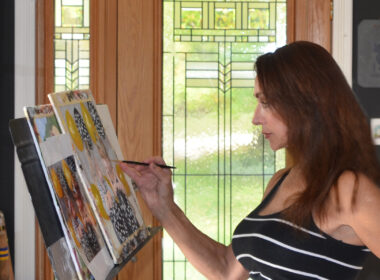
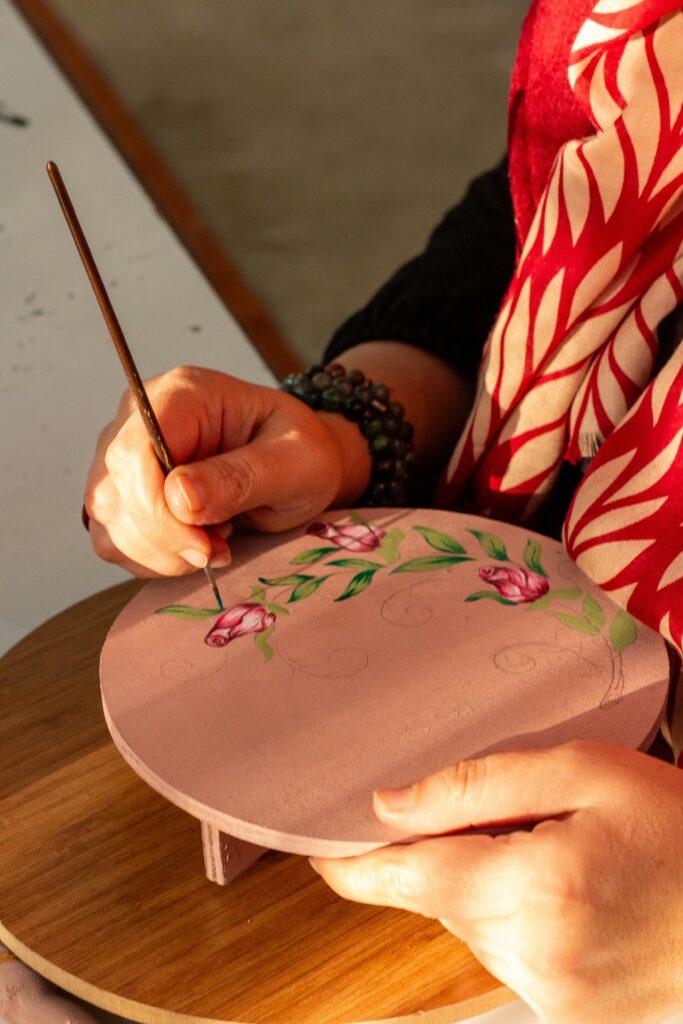
Your finished art is beautiful, but here’s a little secret: people also want to see how it came to life. That’s where behind-the-scenes content shines on Pinterest. Process pins, studio snapshots, even short videos of you sketching or painting can capture attention in a whole new way.
Think about it, when someone saves your art to a board, they’re connecting with the final product. But when they see your process, they’re connecting with you. They get to peek behind the curtain, and that builds trust and makes them more likely to buy.
The best part? Behind-the-scenes content doesn’t need to be polished. A quick photo of your messy paint-stained hands, a half-finished canvas on the easel, or the packaging process before shipping out a bundle, all of these moments feel authentic and relatable.
Pinterest users love process content because it feels inspirational and personal. They’re not just saving “a painting,” they’re saving the story of how a painting comes to life. That story sticks with them in a way that a plain product shot never could.
You can even create “step-by-step” pin series. For example: one pin shows the sketch, another shows the underpainting, and the final pin reveals the finished piece. Each pin can link back to your shop, building anticipation along the way.
Remember, people don’t just buy art, they buy the connection to the artist. Behind-the-scenes pins make that connection stronger than ever.
Collaborate With Trends Without Losing Yourself
Pinterest trends can be a goldmine, but they can also be overwhelming if you feel like you’re chasing every passing fad. The key is to collaborate with trends, not get swallowed by them. Use them as inspiration, but keep your voice and style front and center.
Start by browsing Pinterest Trends or the search bar auto-suggestions. You’ll see what people are looking for right now, maybe it’s “moody interiors,” “rustic holiday décor,” or “minimalist gift wrapping.” Ask yourself: does my art already connect with this? If yes, tailor a few pins to highlight that connection.
For example, if your work features muted tones, you can create a board called “Moody Holiday Art Aesthetic” to tap into the trend. You’re not changing your style, you’re just framing your art in a way that matches what buyers are already excited about.
The beauty of Pinterest is that you don’t have to jump on every trend. Pick the ones that genuinely align with your art. That way, your work feels relevant without looking forced or off-brand.
And remember, trends often loop back around. What’s big this season might resurface next year. By creating pins around timeless yet trendy themes, you’re building a library of content that keeps paying off long after the moment passes.
Think of it like joining a conversation at the right moment, but still speaking in your own voice. That’s how you stand out without losing yourself.
Make Pinning Part of Your Weekly Rhythm
Here’s where a lot of artists slip: they pin once, forget about it, and wonder why nothing’s happening. Pinterest is a slow burn, but it still rewards consistency. You don’t need to post daily, but making it part of your weekly rhythm keeps your art in circulation.
Think of pinning like watering plants. A little bit, regularly, is far more effective than flooding it all at once and then disappearing. Even 15–20 minutes a week of adding new pins, updating boards, or resharing older content can make a huge difference.
The nice thing about Pinterest is that you can schedule pins in advance. Tools like Tailwind or Pinterest’s own scheduler let you plan out content without babysitting it every day. That way, your art keeps circulating even when you’re deep in studio time.
Consistency also signals to Pinterest’s algorithm that your account is active and worth showing to more people. Sporadic posting doesn’t get the same momentum. It’s kind of like being the artist who always shows up, you become familiar and trustworthy.
Over time, your pinning rhythm starts to build a snowball effect. Old pins keep getting saves, new pins add fresh energy, and your boards become richer and more discoverable.
So, don’t think of it as another draining task. Think of it as a quiet investment, one that grows in visibility and reach while you get back to making art.
End With the Buyer in Mind, Always
At the end of the day, Pinterest isn’t about pin counts or board aesthetics, it’s about connecting your art to the right buyer. That’s why your strategy should always circle back to one question: how does this pin help someone see my art as part of their life?
When you’re writing pin descriptions, use language that speaks to the buyer. Instead of “8×10 Print,” try “A gift-ready 8×10 print perfect for cozying up your home or surprising a friend.” It paints a picture of how your art will actually be used.
The same goes for board curation. Don’t just think about what makes sense to you as the artist. Think about the buyer’s journey. Are they decorating? Gift shopping? Refreshing their office space? Shape your boards and pins to guide them.
Always include links that make purchasing seamless. Nobody wants to dig around for your shop after being inspired by your art. If they can get from pin to checkout in two clicks, you’ve done your job.
And never forget the emotional pull. Art buyers aren’t just making transactions, they’re making choices that feel personal. The more your pins evoke warmth, inspiration, or even a sense of identity, the more likely they are to click “buy.”
So, end every strategy, every pin, and every board with the buyer in mind. That’s how you turn Pinterest from a pretty gallery of images into a powerful sales engine for your art.