

How to Use Email Marketing to Drive Holiday Art Sales

👁 105 Views
Imagine this: your email inbox is buzzing, full of potential fans, collectors, collaborators, and curious browsers, all just a click away from discovering your art. Every message is a chance to show up, to make someone pause mid-scroll, and to give them a little glimpse into your world. But let’s be real, most emails don’t get that attention. Promotions, vague updates, generic newsletters, they all blur together into digital white noise. People scroll past without thinking twice, and your art deserves so much better than that.
Here’s the thing: email marketing isn’t about blasting “buy my art” messages into the void. It’s about creating invitations, tiny experiences, and moments that feel thoughtful, personal, and memorable. Think of each email as a mini exhibition where your art, your process, your personality, and even a little humor or warmth can shine. When done right, it’s not pushy, it’s a welcome into your studio, a peek behind the curtain that makes people care about what you’re doing.
Every email you send is a chance to tell a story, to share a spark, to give someone a reason to pause and connect. Maybe it’s the story behind a new piece, a small victory, or even a reflection on your artistic journey. Done consistently, your emails don’t just announce, they engage. They invite people to experience your art, understand your vision, and remember you when it’s time to collect, commission, or share.
And the beauty of email is that it’s personal, controlled, and infinitely flexible. Unlike social media, where algorithms decide who sees your post, your emails go straight into someone’s hands. You get to curate the experience, choose the tone, and share exactly what you want, without relying on likes, comments, or fleeting attention spans. It’s your gallery, your voice, your platform.
In this guide, we’ll dive deep into how to craft emails that feel human, authentic, and compelling. You’ll learn how to write subject lines that actually get opened, structure messages that make readers curious, and share updates that inspire action. We’ll also cover strategies to keep your audience engaged over time, so you’re not just sending messages, you’re building relationships that last.
By the end of this, your inbox won’t feel like a chore or a to-do list item. It’ll feel like your own curated gallery, a space to connect, delight, and grow your art career. You don’t need a huge budget, flashy gimmicks, or viral-level content, just thoughtful strategy, creative storytelling, and a little confidence in sharing your work with the people who actually want to see it. Your inbox is ready. Are you?

Stop Thinking of Emails as Chores (They’re Secret VIP Passes)
Let’s get real: most people treat their inbox like a necessary evil. Spam here, bills there, newsletters they didn’t ask for, it’s overwhelming. But here’s the twist: every email you send as an artist is like handing someone a VIP pass to your world. They’re not just reading words, they’re stepping into your studio, seeing your process, and connecting with your vision.
When you reframe your emails this way, the mindset changes. You’re not nagging or selling; you’re inviting. Think of it like hosting a small, intimate gallery opening that fits neatly into their morning coffee break or commute. One well-crafted email can make someone pause and feel, “Ah, this artist gets me.”
And here’s the beauty: unlike social media posts that disappear in seconds, emails linger. They sit in someone’s inbox, waiting for them to return. That subtle persistence builds recognition, trust, and eventually, action. Your art doesn’t need to scream to be noticed; it just needs to be seen consistently in the right way.
Every email is a tiny opportunity to tell your story. Whether it’s sharing the inspiration behind a new painting, a behind-the-scenes peek at your workspace, or a simple note about what excited you this week, it adds layers to the relationship. People start feeling like they know you.
Even small gestures matter. A friendly subject line, a personal anecdote, or a quick “thank you” note can turn a passive reader into a collector or fan who wants to see what’s next. It’s intimacy at scale, without the awkwardness of cold messaging.
So, stop seeing emails as tasks. See them as secret doors you’re opening for the people who care about your art. Every time you click send, you’re inviting someone into a private gallery, your gallery. And that’s powerful.
Make Your Subject Line a “Stop-Scrolling” Moment
Here’s a truth bomb: the first thing anyone sees is your subject line. If it doesn’t grab attention, your email might as well be invisible. But don’t stress, it’s not about clickbait or gimmicks. Think of it like a painting title: intriguing enough to make someone stop, but honest enough to deliver on the promise inside.
Imagine scrolling through your inbox. Which would you open: “New Work Available” or “How a Midnight Sketch Became My Boldest Piece Yet”? One whispers curiosity, the other barely nudges interest. Subject lines are your hook, they set the tone, create intrigue, and give a hint of the story that’s waiting inside.
You can play with questions, statements, or mini-stories. Sometimes humor works, sometimes mystery, and sometimes a touch of honesty. The key is to reflect your voice so people know this isn’t another generic newsletter, they’re about to meet you.
Timing also matters. Consider when your audience is most likely to check emails. Early morning, lunchtime, or evening scrolls all create different experiences. Experiment, observe what works, and refine your approach.
Personalization goes a long way too. Including a first name or reference to previous interactions subtly signals that this email is just for them. People notice those touches, they feel seen and valued.
In short, a subject line isn’t just a label; it’s the handshake, the first brushstroke, the first impression of your miniature gallery. Make it count.

Craft the Email Like a Mini-Exhibition
Think about every email as a tiny curated show. The design, the flow, and the images all contribute to the experience. A chaotic email feels like a cluttered room, but a thoughtfully arranged one invites people to linger, scroll, and explore.
Lead with your strongest work. Just like a gallery places the best pieces at eye level, your email should highlight what you want people to notice first. A strong visual paired with a little context immediately captures attention.
Follow up with the story behind the work. People love connecting with the human side of art, the challenges, the inspiration, the little moments that shaped a piece. Those narratives create emotional investment, which is far more effective than simple promotion.
Break content into digestible sections. Bullets, subheadings, and spacing help readers glide through without feeling overwhelmed. Remember, their inbox isn’t your studio, brevity is your friend, clarity is your ally.
Include a clear call to action, but keep it gentle. Whether it’s “Learn more,” “Shop now,” or “See the series,” the goal is to guide, not shove. People respond to invitations, not commands.
Finally, end with warmth. Sign off in a way that feels human, like you’re saying goodbye after a friendly gallery visit. That tiny touch makes your audience want to open your next email, building momentum over time.
Make Every Image Count
Your visuals aren’t just decorations, they are your work. Poor-quality images will tank an email faster than anything else. Crisp, well-lit, and thoughtfully composed shots let your art shine and show professionalism.
Multiple angles or process shots give depth. People love seeing how a piece comes to life, from sketch to final form. These glimpses create intimacy and trust, and they make your art feel more real and reachable.
Context is everything. Show the work in a real-life environment when possible. A painting on a wall, a sculpture on a shelf, or a print in a cozy corner helps people imagine it in their own space.
Include concise captions.
These don’t need to be long essays, just enough to give insight into the piece, medium, or inspiration. Pairing visuals with storytelling elevates the experience.
Size matters too. Test layouts so images are optimized for mobile and desktop. Many people read emails on phones, and poor formatting can ruin the experience before they even see your work properly.

Finally, consistency builds recognition. Use similar lighting, framing, and style throughout the email. It creates cohesion and reinforces your artistic brand, making each message unmistakably yours.
If you want your emails to feel less like another notification and more like a mini art experience, the Artist Series Catalog Template is perfect. It helps you showcase your pieces beautifully, organize them in a way that tells a story, and gives your audience an irresistible reason to click, explore, and connect. Think of it as your personal gallery in every email.”
Give Them a Reason to Click
A great email isn’t just about showing art, it’s about creating curiosity and engagement. Tease the next piece, hint at a story, or share a small secret from your process. Make readers feel like they have to know more.
Exclusive content works wonders. Maybe a subscriber sees a piece before anyone else, or gets first dibs on a limited edition print. That sense of privilege encourages clicks without being pushy.
Think of your links like doors in a gallery. Each click should open to something valuable, shop pages, detailed stories, videos, or even behind-the-scenes peeks. Don’t link to generic pages; guide them intentionally.
Engagement is two-way. Encourage replies, feedback, or even questions. Let your audience know they’re heard, not just marketed to. It’s a conversation, not a broadcast.
Track interactions. Open rates, clicks, and replies tell you what resonates. Use that info to refine future emails so each campaign feels smarter, sharper, and more personal.
And always end with a light nudge, never a shove. A simple “See the full collection here” or “Discover more behind the scenes” keeps the flow natural and inviting.
Schedule Like a Pro, Without Burning Out
Consistency is the magic ingredient. Sporadic emails are forgettable; regular ones build habit and trust. But don’t overdo it, spam drives people away faster than a blank inbox.
Create a rhythm that works for you. Maybe weekly, biweekly, or monthly. Stick to it like a gallery schedule, people know when to expect new exhibitions, even if it’s digital.
Plan content ahead. Mapping themes, new work, and stories in advance reduces stress and keeps emails polished. A little prep goes a long way in keeping your workflow smooth.
Batch creation helps too. Draft multiple emails in one session so you’re not scrambling last minute. It’s like preparing your gallery before opening day, everything is ready to impress.
Leave room for spontaneity. A sudden inspiration, studio breakthrough, or fun anecdote can become a delightful surprise for subscribers. Flexibility keeps things human and relatable.
Finally, review and reflect. Check analytics, see what worked, and celebrate small wins. Each email sent, read, and appreciated is progress. Over time, your inbox transforms into a curated, thriving space that supports your art career.
Personal Stories Beat “Buy This Now” Every Time
Let’s face it, emails that scream “buy my art” rarely get more than a glance. But personal stories? People eat them up. Sharing why a piece exists, what inspired it, or even the little struggles in creating it gives readers a reason to care. It’s like inviting someone into your studio for coffee and a chat, they feel involved.
Humans connect with humans, not promotions. When you reveal a small anecdote, a challenge overcome, or even a funny studio moment, it transforms a product into a story. Suddenly, they’re not just buying art, they’re buying a piece of your world, your process, your personality.
Even tiny details make a difference. Did a sketch take three sleepless nights? Did you almost abandon a piece but something clicked? Little confessions make you relatable and memorable. Those moments linger long after the email is closed.
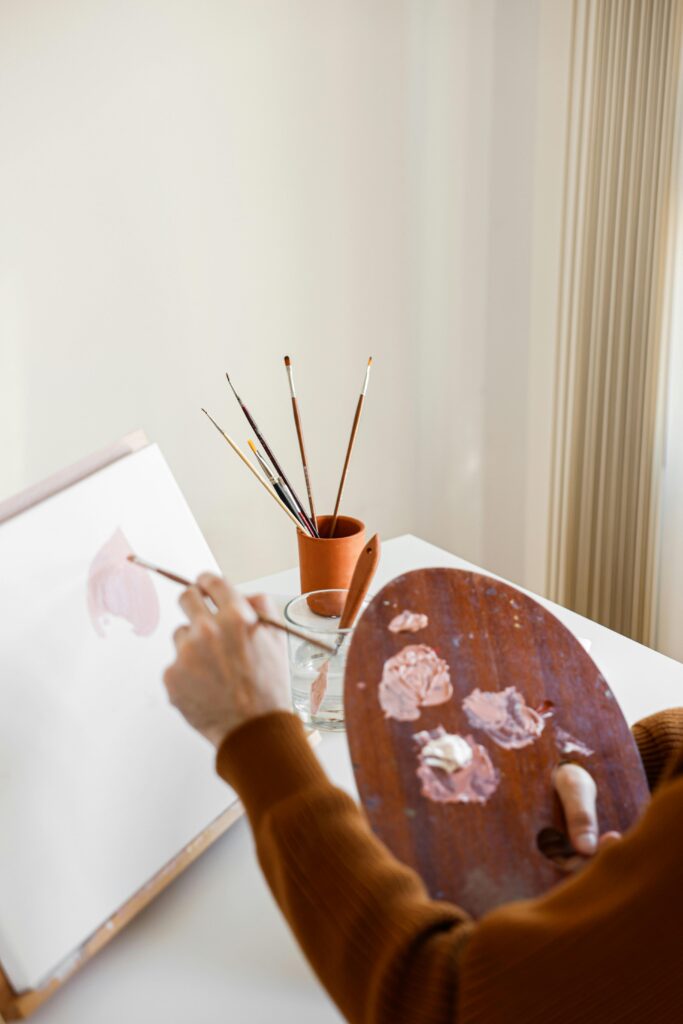
Pair stories with visuals for maximum impact. A behind-the-scenes photo of your workspace, your tools, or even a candid moment of creation makes the narrative tangible. It helps your audience feel present, not just informed.
Call-to-actions feel less pushy when they’re part of a story. “If this little sketch resonated with you, see the full series here” is inviting, not demanding. It’s a gentle nudge wrapped in human connection.
Over time, sharing stories consistently builds trust. People begin to recognize your voice, anticipate your updates, and feel a bond that lasts beyond any one email. Your inbox becomes a space where art and life intersect, not a chore.
Limited-Time Perks Without Feeling Salesy
Scarcity isn’t about pressure, it’s about excitement. People love knowing they might miss out on something special. Offering small, time-limited perks, early access, bonus prints, or exclusive content, creates enthusiasm without cheapening your art.
Think of it like an invitation-only gallery event. Not everyone needs to get in; only those who value and engage with your work. That feeling of privilege is magnetic, encouraging readers to act because they want to, not because they’re guilted.
Keep perks meaningful. A simple handwritten note, free shipping, or a small bonus print elevates the experience. It says, “I care about your purchase,” which resonates more than a generic discount ever could.
Timing is key, but subtlety is crucial. A gentle reminder mid-week or a last-call email feels natural if framed as a friendly nudge, not a countdown timer threatening doom. Tone makes all the difference.
Pair perks with stories or exclusive insights. “Subscribers see the evolution of this piece first” creates value beyond money, it’s insider access, connection, and a reason to engage with your emails consistently.
Lastly, track what resonates. See which perks get clicks, which drive purchases, and which spark conversation. Use those insights to refine future campaigns, creating a repeatable, stress-free system that excites rather than pressures.
Engagement Is a Two-Way Street
Emails aren’t one-sided. Every message is a conversation starter, not a broadcast. Ask questions, encourage replies, or invite opinions about new work. Let your audience feel heard. That human interaction is priceless.
Small gestures make a huge impact. A quick thank-you reply, acknowledging feedback, or celebrating a subscriber’s milestone can turn casual readers into loyal collectors. Personalized engagement is unforgettable.
Encourage sharing too. When people feel part of your world, they’re more likely to forward your email to friends, post on social media, or simply talk about your art. Word-of-mouth grows organically when relationships feel genuine.
Create polls or simple interactive content. “Which sketch should become a print?” gives readers agency, involvement, and fun. This type of engagement builds anticipation for your next email or release.

Celebrate milestones together. If you hit a gallery exhibition or finish a major piece, let subscribers in. They feel part of your journey, which strengthens the bond and creates loyal, repeat engagement.
Remember: engagement isn’t about forcing people to act; it’s about nurturing relationships. The more valued and included someone feels, the more naturally they’ll support your work, share your emails, and invest in your art.
Analytics Will Keep You In The Loop
Numbers aren’t boring, they’re your feedback loop. Open rates, click-throughs, and engagement stats tell you what’s working and what’s missing. Think of it like seeing which gallery walls draw the most attention and which get ignored.
Don’t obsess over perfection. Use analytics as a compass, not a critique. One poorly performing email doesn’t define your work or your audience, it just gives insight for the next round.
Test subject lines, content formats, visuals, and calls-to-action. Small tweaks can drastically change engagement. Treat your email like a living experiment, where every send is a learning opportunity.
Pay attention to patterns. Do certain story types get more clicks? Do visuals outperform text-only emails? Recognizing these trends lets you craft future campaigns smarter, not harder.
Segmentation is gold. Categorize your audience based on engagement or preferences. Tailored messages feel personal, increase trust, and dramatically improve results without adding extra stress.
Finally, celebrate data wins. Every click, reply, or share is proof your work resonates. Analytics aren’t cold numbers, they’re real people connecting with your art in measurable ways.
Consistency Wins, Even Over Perfection
It’s tempting to wait for the “perfect” email, best photos, perfect copy, flawless design, but guess what? Perfection often kills momentum. Consistency matters far more. Regular, thoughtful emails build habit and trust with your audience.
Create a manageable schedule. Weekly, biweekly, or monthly, whatever feels sustainable. Treat it like a gallery opening routine. The more predictable and reliable you are, the more your audience comes to expect and engage.
Batch content creation to reduce stress. Draft multiple emails at once, schedule them, and review later. You get the benefits of consistency without the daily scramble or panic before send-off.
Leave room for spontaneity. A sudden studio breakthrough, story, or artwork reveal keeps emails human. Subscribers notice authenticity, they appreciate it far more than a rigid, polished campaign.
Keep the tone consistent. Your voice is your brand. Even casual anecdotes, behind-the-scenes shots, or storytelling sections should feel like you, so readers recognize and enjoy your presence in their inbox.
Finally, track, reflect, and iterate. Learn what resonates, what inspires clicks, and what builds connection. With practice, your emails become a curated, reliable bridge between your art and the people who love it. You’re not just marketing, you’re building relationships, trust, and a loyal audience.