
How to Manifest More Art Sales

👁 68 Views
Let’s talk about something every artist secretly wants, more sales. Not someday, not when the algorithm finally likes you, but now. You’ve been showing up, making good work, maybe even getting a few bites, but nothing consistent yet. And you start to wonder, what actually makes art sell? It’s not just about pricing or luck. It’s about energy, focus, and how you present what you make.
Manifesting more art sales isn’t a mystical idea. It’s practical. It’s how you show up for your art, the way you talk about it, the effort you put into helping people see its value. The artists who sell more aren’t always the best ones out there , they’re just the ones who know how to make people feel connected to their work.
You’ve probably already seen it. Someone posts a piece with quiet confidence, and it sells within hours. You look at it and think, What did they do differently? Most of the time, it’s not the art itself , it’s the way they talk about it, the consistency in how they show up, and the belief that their work deserves attention. That belief comes through louder than any hashtag.
If you’ve ever thought “manifestation” sounds too vague or woo-woo, you’re not wrong. But in real terms, it’s simply building alignment between what you want and how you act. You can’t manifest sales by hoping, but you can by creating small habits that keep your art visible and your mindset steady.
This isn’t about pretending to be positive or forcing motivation. It’s about being intentional , with your words, your timing, and your effort. When all three line up, things move. Sales happen. Collectors notice. That’s what real manifestation looks like for working artists.
So before diving into strategy or pricing or visibility, start here: how you see your own work. Because once you treat it like it’s worth collecting, the world starts to agree.

Stop Waiting for Buyers to “Find” You
Most artists quietly hope the right people will just stumble across their work. You post online, tag a few things, and think maybe the algorithm will finally do its job. But sales rarely happen by chance. The artists who sell consistently know how to lead people to their work, not wait for them to discover it. That’s a huge mindset shift.
When you wait to be found, you give your power away. You start treating visibility like a lottery instead of a skill. But when you treat it like a craft , just like painting or sculpting , you get better at it. You start learning how to talk about your pieces, how to make someone stop scrolling and look twice.
Start simple. Make a list of where your potential buyers actually hang out online. Maybe it’s not Instagram , maybe it’s Facebook groups for interior design, or LinkedIn if you make corporate art. The point is to stop fishing in the same empty pond.
Every artist has an audience, but it’s your job to make them see you. That means showing up in conversations, commenting, sharing insights, not just links. People are far more likely to buy from an artist they’ve had a small human exchange with.
And once you stop waiting, everything changes. You start realizing how much control you actually have. Your visibility becomes something you build instead of something you wish for. That’s the start of real manifestation , turning passive hope into active effort.
So before anything else, ask yourself: are you waiting to be found, or are you building ways to be seen?
Talk About Your Art Like a Person, Not a Pitch
You know that moment when someone says, “Tell me about your work,” and your mind suddenly goes blank? You mumble something about “exploring themes of identity and space,” and they nod politely , which means they’re lost. That’s the trap most artists fall into. They talk like their statement, not like themselves.
Buyers don’t fall in love with descriptions. They connect with stories. When you talk about your art, think of how you’d describe it to a friend who doesn’t know the art world. No jargon, no performance, just honesty. What made you paint that scene? Why does that texture matter to you? That’s what people remember.
When you explain your work in real words, people feel closer to it. They can see your process, your thought pattern, your spark. Suddenly, it’s not just an artwork , it’s a piece of someone’s inner world. That emotional bridge is what turns “nice work” into “how can I buy this?”
You don’t need to force storytelling. Just practice saying what you mean out loud. Record yourself explaining your newest piece to a friend and listen back. You’ll start hearing what feels natural and what sounds rehearsed. Drop the robotic bits and keep the parts that feel true.
Collectors love confidence, but not the loud kind , the calm, clear kind. When you talk about your art with ease, it gives people permission to feel something. That’s what good writing and good selling have in common: they both make people care.
Next time you write a caption or send an email, read it out loud. If it sounds like something you wouldn’t actually say, rewrite it. Simple, real words sell better than fancy ones every single time.
Make Your Space Look Like You’re Already Selling
You’ve probably seen this: an artist posts a photo of their work hung in a real space , and suddenly everyone comments “Where can I buy this?” That’s because people can visualize it. If your page looks like a storage room, it feels like one. But if it looks like a gallery, it reads as value.
Your digital space matters just as much as your studio. Buyers don’t just buy your art , they buy the experience of having it. When your feed, website, or booth feels polished, people assume your work is worth collecting. It’s that simple psychology of presentation.
You don’t need a designer or a studio overhaul. Start with what you have. Photograph your art in natural light, show scale with everyday objects, and use short captions that feel conversational. People trust what looks real more than what looks perfect.
Think about the vibe you want your buyers to feel when they scroll your page. Is it calm? Vibrant? Playful? That emotional consistency builds brand memory. The moment someone recognizes your tone or colors, you’ve already made an impression.
If your art is beautiful but your space feels cluttered or random, people subconsciously hesitate. Clean presentation is a form of confidence. It tells people you take your work seriously, and they should too.
So before you post another image, look at your profile through a buyer’s eyes. Would you buy from yourself? If not, fix what feels off , not for vanity, but for clarity.

Build Small Habits That Create Momentum
Selling art isn’t about one viral post or one big collector. It’s a rhythm. The artists who sell consistently don’t hustle harder , they build habits that make showing up easier. That’s how manifestation works in the real world: through repetition, not random luck.
Try starting with one daily action that connects your art to the world. Maybe it’s commenting on three posts, sending one follow-up email, or sharing a behind-the-scenes story. Small, repeated moves stack up faster than big bursts of energy that fizzle out.
The more you show up, the less resistance you feel. You stop overthinking every caption and start trusting your process. Buyers notice that steady presence. They see you creating, sharing, and staying visible , and that makes you memorable.
Momentum builds credibility. Even if you’re not selling immediately, you’re building trust every time someone sees your name. Over time, that trust becomes the reason people reach out when they’re ready to buy.
You don’t need a strict schedule, just consistency. The same way a plant grows with regular watering, your audience grows with regular engagement. The energy you invest in those habits eventually comes back as opportunities.
So instead of chasing a “big break,” focus on building your rhythm. That’s what turns effort into flow , and flow into sales.
Match Your Energy to the Price You Want
There’s this quiet moment before you list a piece when you decide how much it’s worth. And sometimes, if you’re honest, the number you choose has more to do with fear than value. That’s where a lot of artists block their own sales , by underselling or apologizing for their prices.
Manifesting more sales isn’t about lowering your prices until someone says yes. It’s about raising your energy to meet the value you’re asking for. When you believe in your own pricing, you communicate it differently. You stop shrinking when someone asks “why so much?” and start explaining what goes into it.
Confidence isn’t arrogance; it’s clarity. It’s knowing how many hours, materials, and years of practice are behind every brushstroke. Buyers feel that energy. If you sound unsure, they hesitate. If you sound grounded, they trust you.
Next time you post a piece for sale, pay attention to your tone. Do you sound excited or nervous? Are you rushing to explain, or simply inviting people in? That small shift in how you feel about the sale changes how people respond.
Energy alignment sounds abstract, but it’s not. It’s just making sure your mindset and your message agree with your price tag. When they do, selling feels natural, not forced.
And here’s the thing , people love buying from artists who believe in their own worth. It feels safe, inspiring, and authentic. That’s the kind of energy that attracts serious buyers.
Learn to Follow Up Without Feeling Pushy
This one’s big. A lot of artists lose sales because they never follow up. Someone says, “I love your work!” and you say “Thank you!” , and that’s it. You wait, hoping they’ll circle back, but most don’t. Following up isn’t pushy; it’s professional. It shows you care and remember.
Think of it like this: people get busy. They forget. Your gentle reminder could be the reason they finally buy. A short message like, “Hey, I wanted to check if you’re still interested in that piece,” is not annoying. It’s thoughtful.
The best way to follow up is to keep it light and kind. No pressure, no guilt. You’re not chasing , you’re connecting. You’re reminding them that the opportunity’s still open.
And if they say no? That’s fine. You’ve still built a bridge for future interest. Many collectors circle back months later when they see your consistency and growth.
Make follow-ups part of your weekly routine. Treat it like a normal step in your process, not a special occasion. The more natural it feels for you, the easier it becomes for them to say yes.
Artists who follow up well don’t just sell more, they build relationships. And those relationships lead to repeat buyers , the most reliable kind of manifestation there is.
Create a Buying Experience, Not Just a Sale
Think about the last time you bought something special. It wasn’t just the item, right? It was how it was presented, wrapped, or even how the seller talked to you. Art buyers feel the same way. When you make buying your art feel like an experience, people remember it long after the payment clears.
Start with small touches. Send a thank-you note with each sale, or include a short story about the piece. That simple detail makes it feel personal and intentional, not transactional. It tells the buyer they’re part of your creative journey, not just a name on your invoice.
The buying experience starts even before the sale. The way your website flows, how your prices are displayed, or how easy it is to contact you , it all matters. A confusing checkout process or vague pricing turns people off faster than you think.
You don’t need a fancy e-commerce setup to make it special. Even if you sell through DMs, make it clear and kind. Confirm details, be quick to reply, and thank people for their interest, even if they don’t buy. That positive energy lingers.
People who feel good buying from you will talk about it. They’ll tag you, recommend you, and come back for more. Every collector wants to feel like they made a smart, meaningful purchase.
So think of every sale like hosting someone in your creative home. You’re not just handing over an object, you’re giving them a small piece of your world , make it feel that way.
Know When to Stop Tweaking and Start Showing
One of the sneakiest ways artists block their own sales? Endless tweaking. You keep adjusting, fixing, editing , not because it needs more work, but because sharing it feels scary. But perfectionism kills momentum faster than rejection ever could.
There’s a moment in every piece when it’s ready enough. That’s when you have to push it into the world, even if your brain starts listing all the tiny flaws. Most buyers aren’t looking for perfection; they’re looking for feeling.
When you delay sharing your work, you delay your growth. You miss out on feedback, visibility, and opportunities that only come once people can see what you’ve made. Progress doesn’t come from hiding behind process.
Try giving yourself a deadline for each piece , a “share date,” not just a finish date. Treat it like an exhibition opening. When that date hits, post it, list it, email it out. That structure keeps you accountable and reduces second-guessing.
Remember, your version of “not ready” is probably already impressive to others. Artists tend to magnify their flaws, but most people just see passion, texture, and story.
The art that sells isn’t always the “best” one , it’s the one that made it into the world. Every time you release something, you increase your chances of connection.
Let People See You, Not Just Your Work
If your social media looks like a gallery with no person behind it, it might be why sales feel slow. People buy from people, not faceless feeds. When they see your face, your studio, your hands painting, it builds familiarity , and familiarity builds trust.
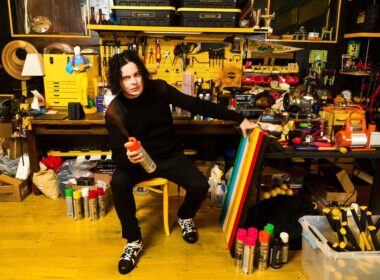
You don’t have to share your whole life. Just small, real glimpses of your process. A messy desk, your sketchbook, your morning setup. Those things make people feel closer to your practice. They show that there’s a human story behind the work.
Collectors like knowing who made what’s hanging on their wall. When they can picture you, the purchase becomes more personal. That connection is what turns a curious follower into a loyal buyer.
If being on camera feels awkward, start small. Try short captions about what inspired a piece or why you chose certain colors. As you get comfortable, add photos or quick videos. The goal isn’t perfection , it’s presence.
Being visible doesn’t mean being performative. It means being real. Share in your own tone, not what you think people want. That authenticity is magnetic.
Over time, people stop seeing “artwork by an artist” and start seeing “your artwork.” That’s the shift that brings consistent sales , when people connect with you first.
Use Words That Invite Curiosity
Your captions, bios, and website copy are often the first thing buyers read. If they sound flat or over-polished, people scroll past. But when your words spark curiosity, they pause. They click. They ask questions. That’s how sales start , with interest, not pressure.
You don’t have to write like a poet to be compelling. Just describe what you see and feel. Say, “This painting came from a memory of light after rain,” instead of “exploring light and texture.” That shift from vague to vivid makes people lean in.
Curiosity grows when you leave room for imagination. Don’t explain every detail of your work. Let people fill in some of the story themselves. When they engage mentally, they connect emotionally.
Good writing in art sales isn’t fancy , it’s felt. It sounds like you talking, not a press release. If you wouldn’t say it out loud to a friend, it probably doesn’t belong in your caption.
Try testing how people react to your words. Share two versions of a post , one formal, one conversational , and see which one sparks more engagement. That feedback teaches you how your audience listens.
Every time you write, think of it as a small conversation starter. You’re not announcing, you’re inviting. And that invitation might be the first step toward a sale.

Don’t Just Post, Participate
Posting your art is one thing. Being part of the conversation is another. If you only upload your work but never engage, you’re missing out on half the connection. The art world online runs on relationships, not algorithms.
Spend time where your potential buyers hang out. Comment on posts that genuinely interest you, reply to messages, and share things that inspire you. The more you interact, the more people remember your name , and that’s how they start caring about your work.
Engagement doesn’t have to feel like networking. Think of it as being social with intention. You’re not collecting likes, you’re building connections.
It’s easy to forget that collectors often follow artists long before they buy. Every genuine interaction plants a seed. You never know which one will bloom into an opportunity.
If social media feels draining, set limits. Even 15 minutes of authentic interaction a day can change your visibility. Quality matters more than quantity.
Artists who participate consistently become part of the community instead of background noise. And people support people they feel connected to , that’s one of the most natural forms of manifestation there is.
Make Space for Money in Your Mindset
Let’s be honest , a lot of artists have complicated feelings about money. You love your work, but the idea of pricing or promoting it might make you feel awkward. That inner tension quietly blocks abundance before it even shows up.
To manifest more art sales, you have to make peace with the idea of earning from your creativity. Selling your work doesn’t make you less authentic. It allows you to sustain the thing you love doing.
Start by reframing “selling” as “sharing.” You’re not pushing something on people, you’re offering beauty, emotion, and story in exchange for value. That’s a fair and beautiful trade.
If you catch yourself thinking, “No one will pay that much,” pause. Ask where that belief came from. Most likely, it’s not from you , it’s from old narratives about what artists “should” earn. You get to rewrite that.
Manifestation isn’t just mindset fluff , it’s about aligning your thoughts with your actions. When you believe your art deserves to be purchased, you start behaving like someone whose work is worth collecting.
And that shift, more than any marketing trick, changes how the world responds to you. The more open you are to receiving, the more opportunities start appearing naturally.