
How Canva Can Level Up Your Art Marketing

👁 70 Views
Every artist wants their work to stand out online, but getting it to look right can be exhausting. You spend hours tweaking fonts, resizing images, and wondering why your posts don’t feel like your art. Canva changes that. It gives you a way to design your marketing materials with the same creativity you bring to your studio, without getting stuck in technical chaos.
At first, it might just seem like another design tool , something to use for a quick social post or an event flyer. But once you start really using it, you see it’s a system that can shape your whole visual identity. Canva makes it easy to stay consistent across everything you share, from your website banners to your print catalogs. That kind of consistency builds recognition, and recognition builds trust.
What makes Canva different is that it lets you lead with your art, not marketing trends. You don’t have to copy what every other creative is doing. You can create designs that fit your own tone, colors, and rhythm. It’s not about making your feed look “perfect.” It’s about making it look like you. When your visuals match your work, your audience connects faster , because it feels authentic.
And yes, it saves you time too. You can build templates for show announcements, collection previews, or studio updates and just tweak them when needed. No starting from zero every week. You get to focus more on making art, while still keeping your presence sharp and professional.
Over time, those small design choices start working together. Your portfolio feels cohesive, your online posts feel intentional, and your overall presence feels more like a brand without trying too hard. That’s when opportunities start finding you , not because of luck, but because people finally understand what you do at a glance.
So no, Canva won’t make you a marketing expert overnight. But it can help you look like one, and more importantly, it helps your art get the attention it deserves , clear, confident, and consistent.
Stop Guessing Your Look: Build a Brand Kit that Feels Like You
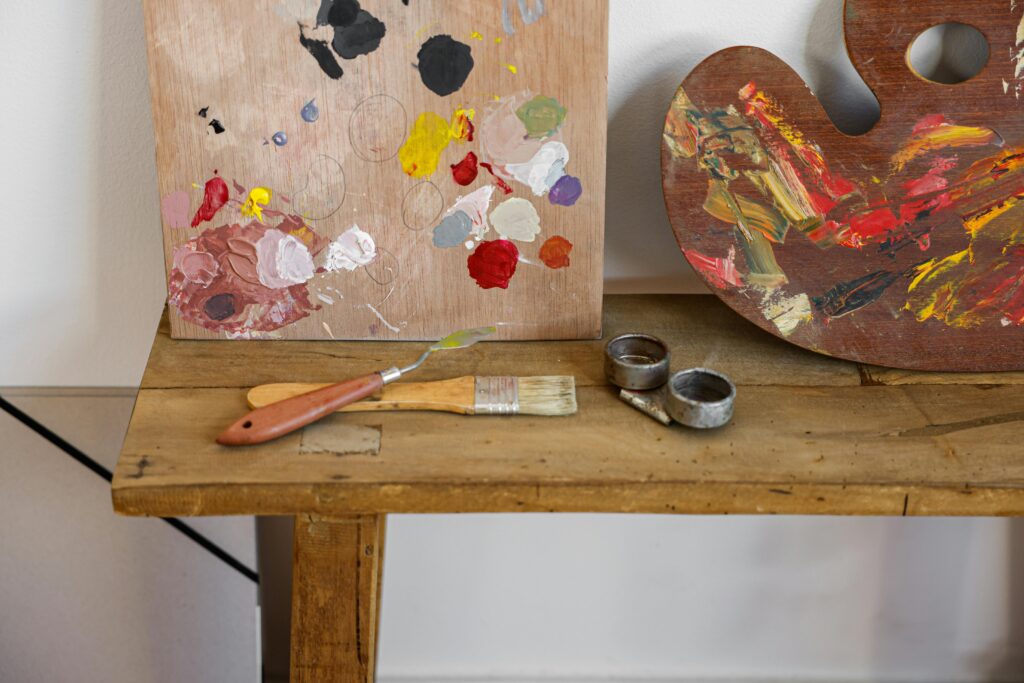
Most artists underestimate how much time they waste re-choosing fonts, colors, and layouts every time they post something new. Canva’s Brand Kit solves that problem instantly. It’s like your visual toolbox , everything you use to represent your art in one place. Once you set it up, you never have to guess again.
Start by adding your primary logo, a secondary version, and a few consistent colors that show up naturally in your work. Think of it like matching your online visuals to the mood of your studio walls. Then, pick two fonts: one for headings, one for body text. Keep it simple and easy to read , you want your art to shine, not get overshadowed by fancy typefaces.
Once you’ve locked in your kit, every design you make in Canva automatically suggests those brand elements. Flyers, posts, press kits , they’ll all feel cohesive without you having to remember a single hex code. That subtle consistency helps people recognize your work immediately, even before they see your signature or logo.
And the best part? You can tweak it anytime. As your art evolves, so can your brand kit. Maybe your palette softens, or your font feels outdated , just update it, and Canva updates everything tied to it. It’s branding that moves with you, not something that boxes you in.
So if you’ve been struggling to make your online presence “feel like you,” this is where to start. Once your Brand Kit is in place, every design decision becomes easier, faster, and more aligned with who you are as an artist.
Reuse, Don’t Redo: Create Templates that Save Your Sanity
Every time you announce a new artwork, open call, or exhibition, do you start from scratch? That’s a time trap. Canva’s real magic kicks in when you start reusing templates instead of redoing everything. The more consistent your formats, the more professional your visuals look , and the less time you waste reinventing the wheel.
Start by picking 3–5 designs you use often: maybe an announcement post, a price list, an exhibition flyer, a newsletter header, and a behind-the-scenes update. Create clean versions of each and save them as templates in Canva. Next time you need one, just duplicate and update the details. Done in minutes.
This little system saves hours every month, especially if you post regularly. It also builds visual rhythm. Your audience starts recognizing your updates without needing to read a word. That’s brand recall , and it’s powerful.
And here’s a pro tip: use Canva’s folders feature to organize those templates by category. Have one for social media, one for print materials, one for collaborations. It keeps your workspace neat and your brain uncluttered. You’ll stop dreading “marketing days” because you won’t be starting from zero every time.
Consistency doesn’t mean boring. It means your audience trusts what they’re seeing. Once your templates do the heavy lifting, you get to spend more time on what actually matters , creating new work.
Make Your Art the Hero: Design Layouts That Don’t Compete
Ever posted your art and felt like the design distracted from it? That’s one of the biggest mistakes artists make when using Canva , they overdesign. Canva’s templates are beautiful, but your art is the main attraction. The layout should highlight it, not compete with it.
The trick is to use negative space. Don’t crowd your image with too much text or too many shapes. Let your artwork breathe. Choose clean templates and adjust the colors so they don’t clash with your piece. If your art is bold, go for neutral backgrounds. If it’s minimalist, try a subtle accent tone.
Another useful feature is the frame and grid tool. Drop your artwork into different frames to see what presentation enhances it best. This is especially great for previews, print mockups, or catalog pages. It helps viewers imagine your work in a real setting without losing its essence.
And when it comes to text, less is more. Stick to a short caption, date, or call to action , like “Available now” or “New series launch.” Let your art do the heavy lifting visually. Canva’s design tools are there to complement your creativity, not to steal the spotlight.
Once you get that balance right, everything you post looks like a curated portfolio , clean, intentional, and visually confident. It’s the kind of polish that makes collectors take notice.

Plan Your Content Like a Pro , Without Losing the Fun
Posting consistently doesn’t mean losing spontaneity. Canva’s Content Planner can help you keep things organized while leaving room for creativity. You don’t need to turn into a social media manager; you just need a light system that helps you stay visible without stress.
Start by listing your regular content types: artwork drops, process videos, quotes, announcements, event invites, or artist tips. Then, create simple visuals for each one and schedule them ahead in Canva. It connects directly to platforms like Instagram and Facebook, so you can plan your week or month in one sitting.
The trick is to use this planner as a guide, not a rulebook. You can still post spontaneously when something exciting happens in the studio. The planner just ensures you always have something ready when life gets busy. It helps your audience see you regularly , even on days when you’re knee-deep in paint.
A helpful routine is to block out one morning a week for Canva work. That’s when you design, schedule, and update your visuals. Treat it like a mini creative session, not a chore. Put on your favorite playlist and play with colors, captions, or image pairings until it feels right.
Before long, your social feed starts to look like a curated gallery rather than a random stream of posts. That kind of consistency tells your audience you’re serious about your work , and that’s the kind of quiet professionalism that opens doors.
Show the Process, Not Just the Product
Artists often fall into the trap of only showing finished pieces. But people connect with process. They want to see how your work evolves, what inspires you, and what your studio looks like mid-chaos. Canva makes it incredibly easy to turn that behind-the-scenes content into something visually cohesive and engaging.
Try creating a series of templates for process updates , things like “Work in Progress,” “Sketch to Canvas,” or “Studio Snapshot.” Add your logo or initials in a corner so even casual viewers start recognizing your style. Use simple layouts that let your photos or videos stand out.
You can also use Canva’s video tools to compile short reels with text overlays or captions. Think of them like visual diaries of your creative journey. They make your work feel human, not just polished. That authenticity builds connection , and connection drives support.
Another fun idea is to design before-and-after slides for a project. Show the first sketch next to the final piece, or pair your color palette next to the finished canvas. It’s the kind of post people stop to look at, because it tells a story in one frame.
When you mix your final works with glimpses of your process, your feed stops looking like a sales page and starts looking like a living, breathing studio. And Canva gives you the flexibility to share that side of yourself with style, not stress.
Turn Your Portfolio into a Visual Story, Not Just a Slide Deck
Every artist needs a portfolio, but too many look like they were made in a rush. Canva changes that completely. Instead of a stiff, document-style PDF, you can turn your portfolio into a story that unfolds visually , one that feels like you from start to finish.
Start by choosing a clean presentation template. Canva has hundreds, but pick one that leaves space for your art to breathe. Then structure your portfolio like a conversation: an intro page with your name and a short artist statement, followed by sections for series, exhibitions, and highlights. Use consistent layouts so your art gets the attention, not the design.
Don’t overthink it , your goal isn’t to impress with graphics, but to guide the viewer’s eye. Add short notes about each piece, your inspiration, or materials used. Collectors and jurors love small bits of context that make the work memorable. Canva’s layout tools make that text easy to align and style without overwhelming the visuals.
Once your portfolio is ready, export it as a high-quality PDF or share it via Canva’s presentation link. That way, people can view it on any device without losing formatting. It feels clean, modern, and professional , all without hiring a designer.
Your portfolio isn’t just documentation, it’s a reflection of how you see your work. Canva helps you make that reflection clear, cohesive, and impossible to ignore.

Bring Your Prints, Merch, and Posters to Life with Mockups
Ever tried to show collectors what your art would look like framed or on a product? Mockups make that possible, and Canva makes it ridiculously simple. You don’t need fancy Photoshop skills to make your art look polished and professional in different settings.
Search “mockup” in Canva’s templates. You’ll find everything from framed wall art to tote bags, notebooks, and T-shirts. Upload your artwork, drop it into the mockup frame, and adjust placement. In seconds, you can create product visuals that look real enough to post or send to potential buyers.
This is especially handy if you sell prints or merch online. Instead of flat images, you can show your work styled in interiors or on products. It helps people visualize what owning your art might look like , which directly increases the chances of them buying it.
If you want to get more personal, upload photos of your actual studio or setup and add your artwork digitally into those spaces. It gives your visuals a more authentic touch while still looking professionally produced.
Mockups aren’t just marketing tools , they’re storytelling tools. They help people imagine your art in their lives. And that small shift makes a big difference in how they connect with it.
Collaborate Like a Pro: Sharing Canva Projects with Ease
If you’ve ever worked on a group show, residency, or creative collaboration, you know how messy shared visuals can get. Canva’s collaboration tools fix that chaos fast. You can invite teammates, curators, or gallery partners to edit, comment, or review designs , all in one place.
Start by creating a shared folder for the project. Upload your logos, artwork images, and shared color palettes. Then, share the folder or individual designs with your collaborators. You can control permissions , whether they can edit, view, or comment. That means no endless email threads or mismatched file versions floating around.
It’s also perfect for when you’re working with a marketing assistant or social media manager. You can build a shared visual system, so whoever helps you stays consistent with your tone and style. Canva keeps everyone aligned, even if you’re all in different time zones.
You can also leave comments directly on the design , just like sticky notes. It makes revisions faster and clearer. No more “which file?” or “what color version?” confusion. Everything stays tidy and visible.
Collaboration shouldn’t drain your creativity. Canva gives artists a way to stay in control while still working smoothly with others. It’s like having a shared digital studio wall where everyone can pin, tweak, and build together.
Go Beyond Social Media: Design Print Materials that Impress
It’s easy to forget that not everything happens online. When you’re showing at a fair, open studio, or gallery, physical materials still matter. Canva makes it simple to design professional print assets , business cards, postcards, flyers, even brochures , that match your online aesthetic perfectly.
Start small with a business card. Use your logo and brand colors, and keep it clean. Canva has templates sized perfectly for print, so you don’t have to worry about dimensions or margins. You can download print-ready files or order directly through Canva Print if it’s available in your region.
Next, create exhibition flyers or art show invitations. Add a high-quality image of your work, your show details, and a QR code that links to your website or shop. That little digital bridge makes a big impact when someone picks up your flyer at an event.
You can even use Canva to design packaging inserts or thank-you cards for print buyers. It’s those tiny touches , a note that says “Made with love in my studio” or “Thank you for supporting independent art” , that leave a lasting impression.
Your print materials don’t need to look mass-produced. With Canva, they can look personal, thoughtful, and distinctly yours , exactly how art marketing should feel.
Keep It Fresh: Updating Your Visuals as Your Art Evolves
Your style changes. Your work grows. And your visuals should grow with it. Canva makes that process easy because nothing you create there is fixed. You can revisit, refresh, or completely reimagine your designs anytime without losing your foundation.
Set a reminder to update your visuals every few months , maybe at the start of each new art series. Swap in new colors that match your current palette, adjust fonts, or try a different photo style. You’ll keep your brand consistent and evolving, which makes your presence feel alive, not static.
Canva’s Version History feature lets you explore older versions too. So if a new experiment doesn’t click, you can roll back instantly. No lost files, no panic. That flexibility makes it easy to try new looks without fear.
You can even create seasonal refreshes , one for your spring collection, one for holiday promotions, one for new exhibitions. It keeps your audience engaged because your content feels dynamic.
In art, growth is natural. Canva just gives you the space to reflect it visually, smoothly, and without the stress of starting over. Because your art deserves a brand that evolves as beautifully as you do.