

Paris to Welcome the First-Ever Giacometti Museum in 2028

👁 18 Views
In a landmark moment for the art world, Paris is set to open the First-Ever Giacometti Museum in 2028, entirely dedicated to the life and work of Alberto Giacometti. Scheduled to open in the second half, the Musée & École Giacometti will transform the historic former Gare des Invalides train station into a dynamic cultural institution, as confirmed by the Fondation Giacometti and first reported by The Art Newspaper.
For a sculptor whose elongated figures have become synonymous with existential modernism, it is perhaps surprising that no museum has yet been devoted solely to his oeuvre. That absence will soon be remedied in spectacular fashion.
Giacometti moves to Invalides
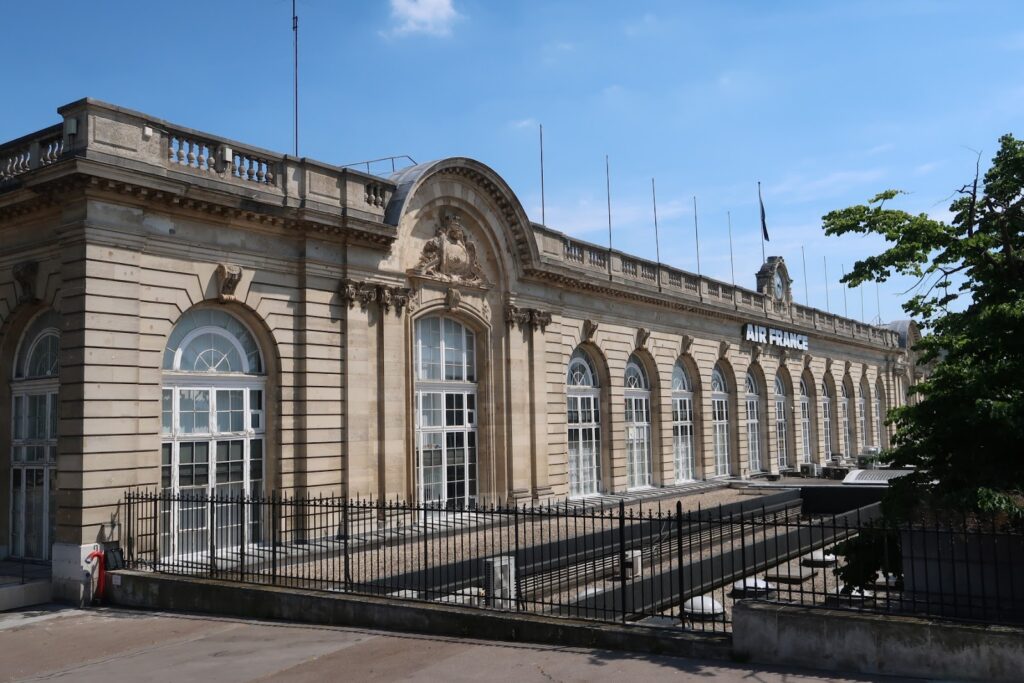
The new museum will take over the storied building of the former Invalides train station in Paris’s 7th arrondissement, along with its underground annexes, structures originally created for the 1900 World Fair. Ideally positioned along the Seine and near the Pont Alexandre III, the site places Giacometti’s legacy at the very heart of the French capital.
Spanning 6,000 square meters, the space will mark a dramatic expansion from the foundation’s current home, the Institut Giacometti in the 14th arrondissement, which opened in 2018 but offers only 350 square meters of exhibition space. The scale of the new project signals not just growth, but ambition.
The architectural transformation will be led by internationally renowned architect Dominique Perrault, working alongside heritage architect Pierre-Antoine Gatier and landscape architect Louis Benech. The development will be overseen by Group Emerige in partnership with Nexity. Together, they will renovate the historic structure while preserving its architectural integrity, ensuring that past and present coexist in dialogue.
Bathed in natural light and complemented by a leafy green courtyard, cafés, restaurants, and a bookshop, the museum promises not merely to exhibit art, but to offer a holistic cultural experience.
The World’s Largest Giacometti Collection, Finally on View
The Fondation Giacometti holds nearly 10,000 works: thousands of drawings, more than 400 sculptures, around 100 paintings, decorative art objects, prints, studio materials, and extensive archives.
A remarkable fact underscores the importance of this expansion: the majority of these works have never been publicly displayed.
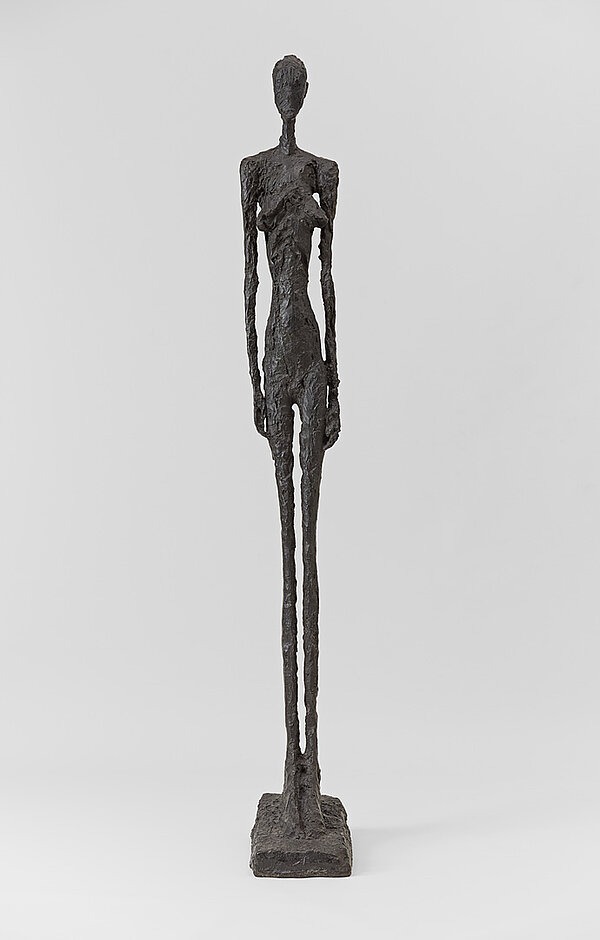
Visitors to the Musée & École Giacometti will encounter a permanent installation of several hundred works, spanning the entirety of Giacometti’s career, from his early experiments and Surrealist period to his wartime production and the iconic postwar figures that redefined sculpture in the 20th century.
Among the highlights will be plaster and bronze sculptures, paintings, drawings, and rare objects from his studio. The museum will also feature a reconstruction of Giacometti’s atelier, the intimate workspace in the 14th arrondissement where he lived and worked from 1926 until his death in 1966. More than a simple display, this recreated studio will immerse visitors in the artist’s creative environment, offering insight into the obsessive reworking and philosophical intensity that characterized his process.
The Foundation’s archives, library, and picture library will also be made accessible to the public, further establishing the museum as a site of scholarship and research.
Opening the Doors to Learners
What sets the Musée & École Giacometti apart is its dual identity. It is not only a museum but also a school, an institution that seeks to dissolve the traditional boundaries between viewing and making.
Organically linked to the museum, the School of Creation for All will offer non-degree art classes open to everyone, from professionals to amateurs. Rooted in the spirit of Giacometti’s studio, the pedagogical approach aims to transcend divisions between fine arts, applied arts, crafts, and contemporary creative practices.
This educational dimension aligns with the Foundation’s broader initiatives, including the École des modernités and the Giacometti Lab, which focus on research, experimentation, and interdisciplinary dialogue. In this way, the museum will not simply preserve Giacometti’s legacy, it will activate it.
By fostering conversations between artists, scholars, and the public, the institution proposes a new model for artist foundations: one that is porous, collaborative, and future-facing.
While Giacometti remains central, the museum will also host ambitious exhibitions featuring other modern and contemporary artists. These projects will create resonances between Giacometti’s work and broader artistic currents, situating his practice within ongoing creative debates.
This commitment to dialogue reflects the essence of Giacometti’s art itself. His attenuated figures, at once fragile and monumental, embody existential inquiry, solitude, and the search for human presence. To house them within a museum that encourages cross-disciplinary exchange feels particularly fitting.
The new institution aims to reinvent the concept of an artist’s foundation by positioning it not as a static shrine, but as a living organism, responsive to contemporary questions while grounded in historical depth.
A Defining Cultural Moment for Paris
The opening of the Musée & École Giacometti arrives at a moment when museums worldwide are reassessing their roles. No longer solely repositories of objects, they are increasingly sites of community engagement, research, and creative production.
In dedicating 6,000 square meters to a single artist, while simultaneously expanding access through education and programming, the Fondation Giacometti makes a powerful statement about the enduring relevance of modernism. It affirms that Giacometti’s inquiries into form, presence, and the human condition remain urgent today.
For Paris, a city already dense with cultural landmarks, the museum adds another major destination in its historic center. For the global art community, it provides unprecedented access to a vast body of work long held largely out of public view.
And for emerging artists and students, it offers something even more vital: a space where learning and looking coexist, where heritage fuels experimentation.
When the Musée & École Giacometti opens its doors in 2028, it will not simply mark the inauguration of a new museum. It will represent the culmination of decades of stewardship by the Fondation Giacometti and the realization of a long-held vision: to establish, on a permanent basis, the world’s largest and most comprehensive presentation of Giacometti’s oeuvre.
More than a tribute, the institution will function as a bridge between past and present, between contemplation and creation, between the solitary intensity of Giacometti’s studio and the collective energy of contemporary audiences.
In bringing his works into a revitalized space at the center of Paris, the Musée & École Giacometti promises to transform how we encounter one of the 20th century’s most influential sculptors and to ensure that his legacy continues to evolve for generations to come.