

8 Exhibitions to See This April 2026
👁 58 Views
Not every month of exhibitions feels easy to group together, and this is one of those. The shows opening now don’t move in the same direction, and trying to connect them under one idea doesn’t really hold.
You move between very different kinds of work. In some spaces, attention stays close to the material, how something is made, how it sits, how it changes over time. In others, the focus shifts outward, toward the systems around art: who is making it, how it is presented, and what structures shape that visibility. There are also exhibitions that look back, but not in a fixed way, they revisit earlier moments while keeping them open to change.
The experience of moving through these shows isn’t consistent either. Some are immediate, while others take longer to register. You might not take everything in at once, and that feels intentional. Certain works reveal themselves slowly, or only in parts.
What makes this group interesting isn’t that they fit together, it’s that they don’t. Each one holds its own way of working, without trying to match the others.
Here are eight exhibitions to see this April.
Xin Liu: EXHAUST (Turin)
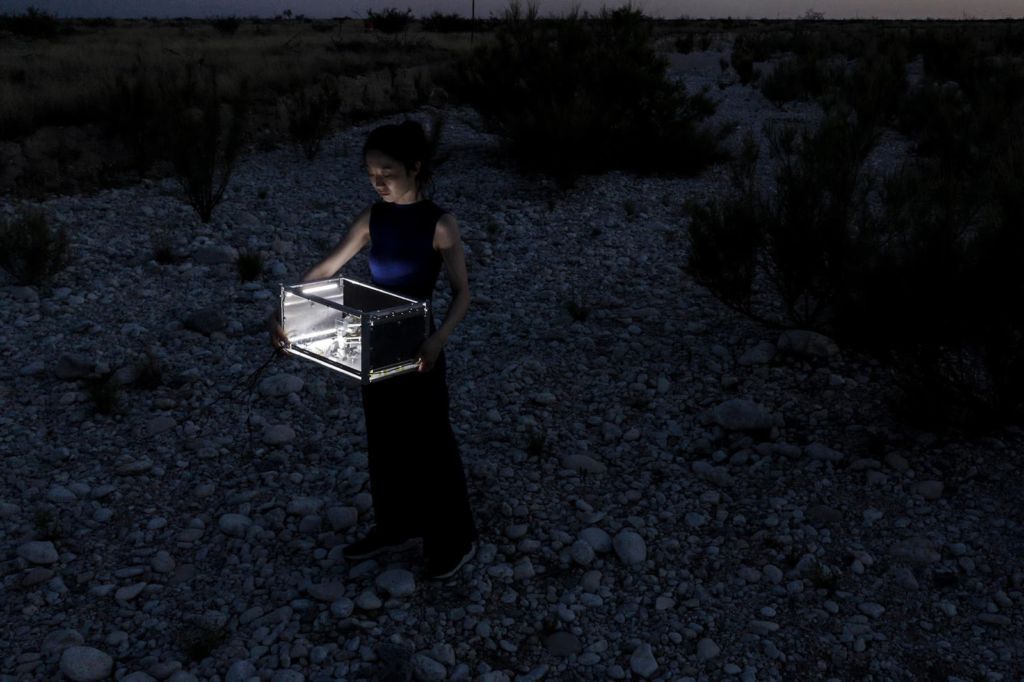
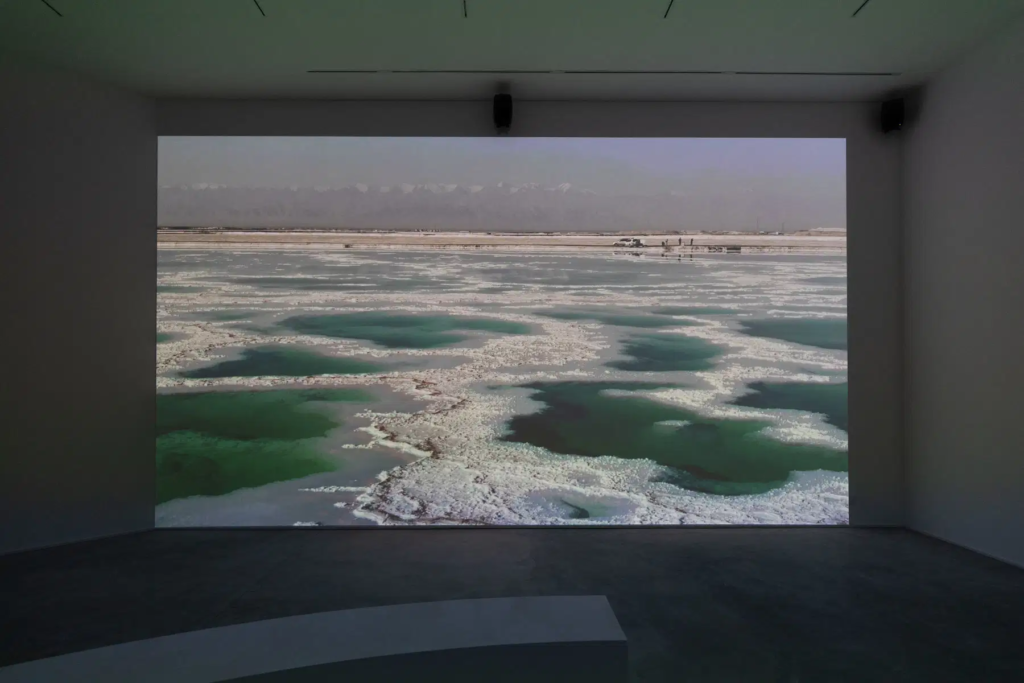
At the Fondazione Sandretto Re Rebaudengo, EXHAUST, doesn’t present technology as something clean or forward-moving. Instead, the focus stays on what builds up around it, leftover matter, altered materials, and systems that don’t fully hold.
In the Cry:O works, Xin Liu uses bronze casts of mouths fixed onto soft surfaces. They look suspended, caught somewhere between being preserved and being paused. There’s a sense that something has been stopped mid-process, without being resolved.
Another shift appears in Insomnia, where duckweed grows under artificial light. The setup feels controlled, but not entirely stable. It’s difficult to read whether the environment is sustaining the growth or pushing it to a limit. That uncertainty stays present.
Across the exhibition, materials don’t behave in predictable ways. Things are structured, but they don’t settle. There’s always a slight gap between intention and outcome.
Liu’s work sits across different fields, engineering, science, and art, but the exhibition doesn’t try to define that position too clearly. It allows the works to remain in that in-between space, where control and instability exist at the same time.
Fondazione Sandretto Re Rebaudengo, 15 April – 11 October
Creating Space: The Constructivist Marlow Moss (Berlin)
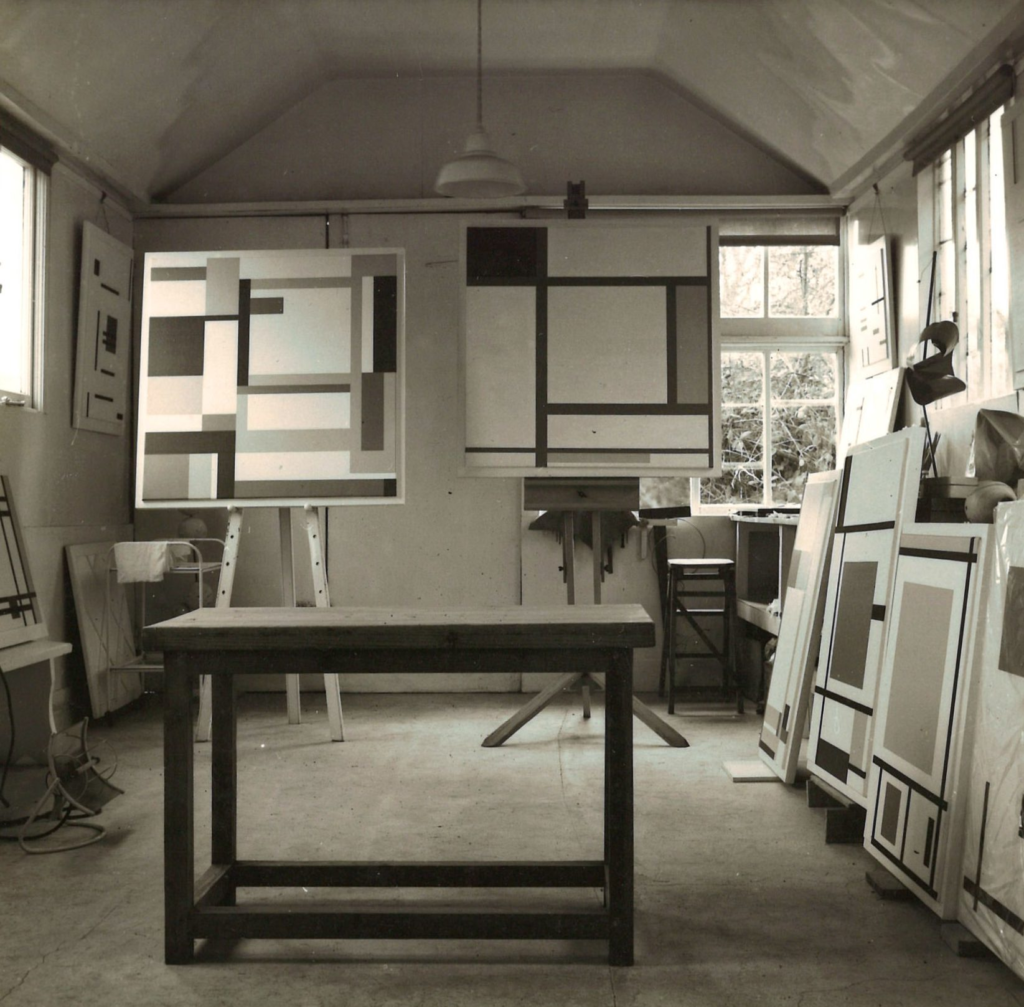
At the Georg Kolbe Museum, the exhibition approaches Marlow Moss without trying to position her as a rediscovery or correction. Instead, the works are allowed to stand in relation to others, without forcing a clear hierarchy.
The paintings and constructions rely on strict geometry, lines, divisions, measured spacing. At first glance, they can seem closely tied to early abstraction. But spending time with them shifts that reading. The compositions feel less like exercises in order and more like something being worked through, held tightly within structure.
There’s also a biographical layer present, though it doesn’t take over. Moss’s decision to reshape her identity remains in the background, informing how the work is approached rather than explaining it outright.
The exhibition doesn’t push a fixed interpretation of influence or authorship. Instead, it leaves room for overlap, between artists, between ideas, between different readings of abstraction itself.
What comes through is a sense that these works are not as neutral as they might first appear. They hold a kind of control, but also a persistence that feels more personal than purely formal.
Georg Kolbe Museum, 2 April – 26 July
Gabriel Orozco Garden: The Three Friends of Winter (Seoul)
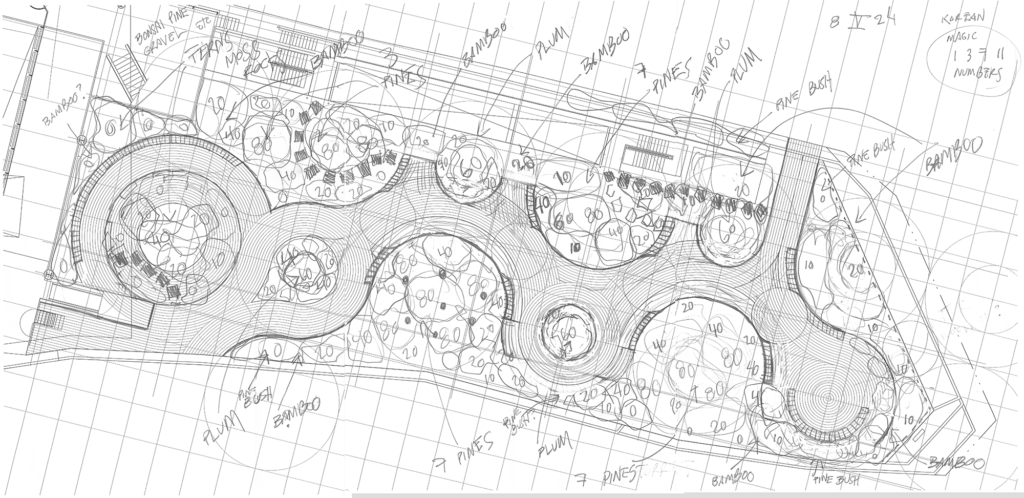
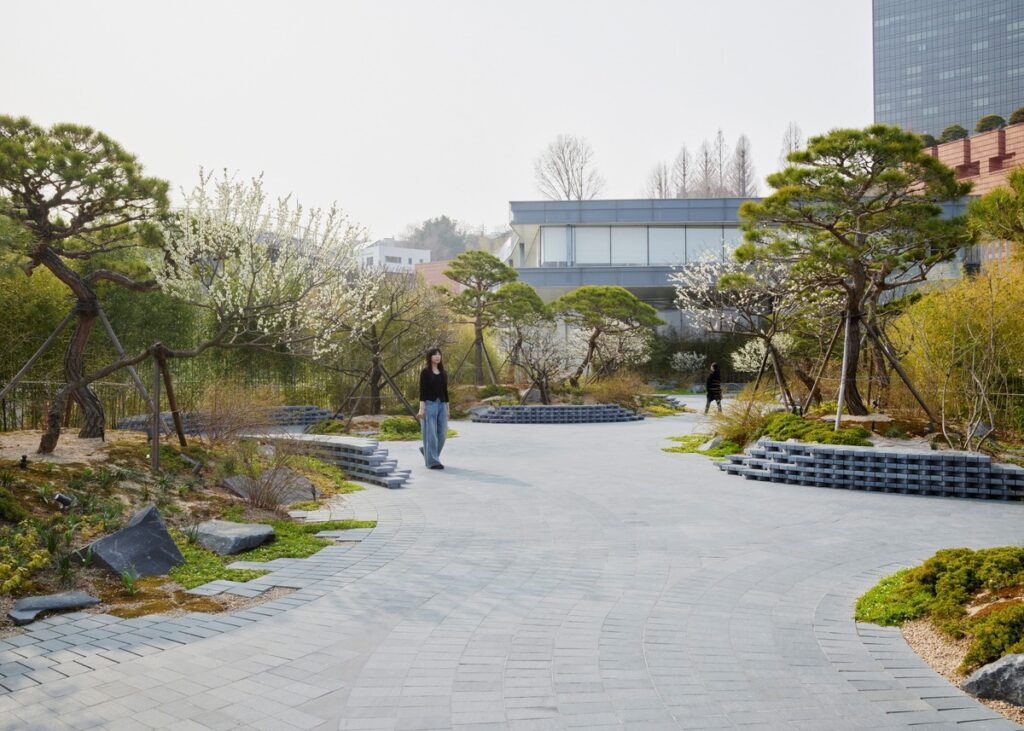
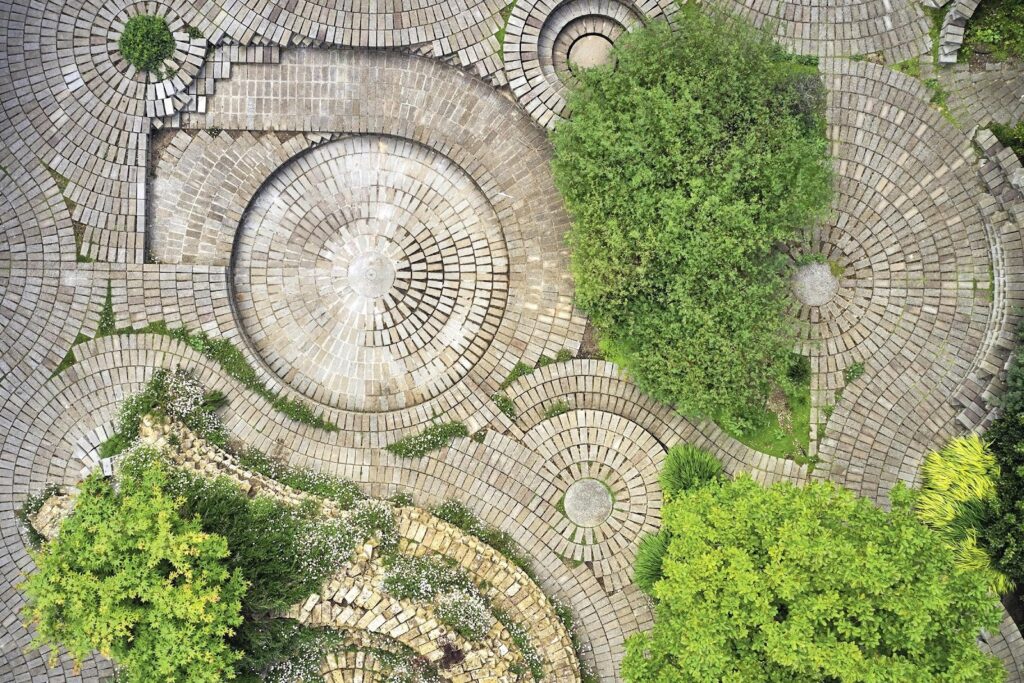
At the Leeum Museum of Art, Gabriel Orozco’s The Three Friends of Winter doesn’t behave like something you stand in front of and finish. It sits outdoors, spread across the museum’s deck, and is encountered in passing as much as through intention.
The layout is built from low, circular stone formations that hold bamboo, plum, and pine. The arrangement feels measured but not rigid, leaving enough space for the plants to shift how the work reads over time. Nothing is fixed in a final state.
What changes most is the experience of it. Depending on when you arrive, it can feel open, quiet, or almost incidental. Light moves across it, the plants change slowly, and the work adjusts without needing intervention. You don’t follow a set path through it, you move around it, or sometimes just alongside it.
It also sits in an in-between position. Not fully inside the museum, not entirely separate from it. People pass through without stopping, others pause briefly. That movement becomes part of how the work exists.
There’s no clear moment where it resolves. It continues, without needing to announce itself.
Leeum Museum of Art, 3 April – ongoing
Performing Conditions: Artistic Labor and Dependency as Form (Cambridge, Massachusetts)
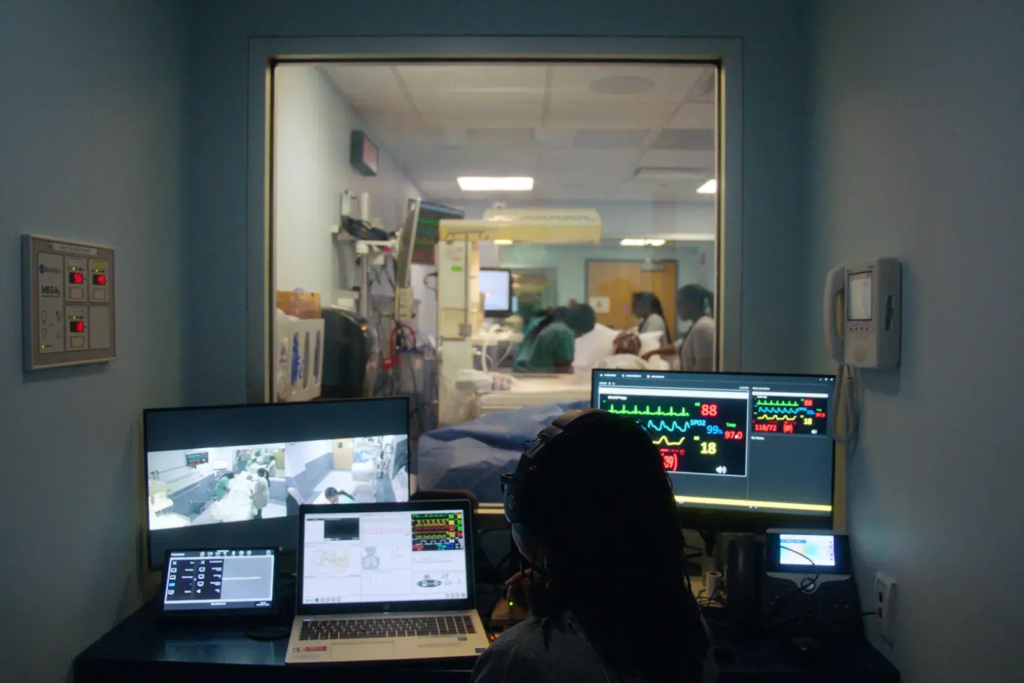
At the MIT List Visual Arts Center, the work doesn’t begin with objects so much as with what surrounds them. Performing Conditions brings together practices that deal with labour, access, and visibility, but without trying to align them into a single line of thought.
In Carolyn Lazard’s work, the focus stays close to what isn’t working properly. The gestures are restrained, but they point clearly to gaps, things that are missing, delayed, or unevenly distributed.
The collective Cercle d’Art des Travailleurs de Plantation Congolaise approaches it differently. Here, the link between art institutions and older systems of labour is made direct. It’s not treated as a comparison, but as something that continues.
With Ghislaine Leung, the attention shifts again. Time, care, and support move into the foreground, making it harder to separate the work from the conditions around it.
There isn’t a clear route through the exhibition. You move between different positions rather than toward a conclusion.
MIT List Visual Arts Center, 11 April – 2 August
Jiří Kolář: X Bienal de São Paulo (Prague)
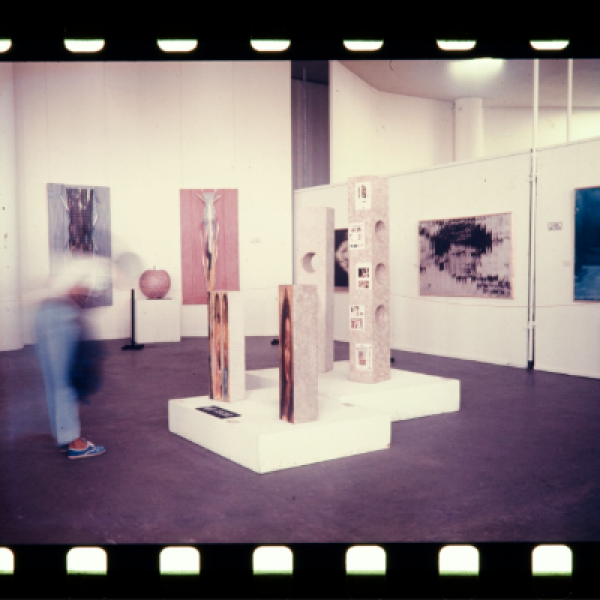
At the National Gallery Prague, this exhibition brings Jiří Kolář’s work back into view through the context of the 10th Bienal de São Paulo, a moment shaped as much by absence as by participation. Many artists withdrew in response to Brazil’s political climate at the time, and Kolář’s presence sits somewhere within that uncertainty.
The works themselves are built from fragments. Photographs are cut, rearranged, and layered into compositions that never fully settle. Faces are interrupted, bodies misaligned, surfaces broken up and reassembled in ways that resist a single reading. You don’t see an image all at once, you piece it together gradually, and even then it doesn’t quite hold.
There’s a sense of pressure in these works that goes beyond form. By the time they were originally shown, the aftermath of the Prague Spring had already reshaped the conditions around the artist. That tension doesn’t need to be explained; it sits within the structure of the collages themselves.
The exhibition doesn’t try to clarify Kolář’s position or resolve the circumstances around the biennial. It keeps those questions open, allowing the work to remain unsettled rather than fixed in hindsight.
National Gallery Prague, through 30 August
Veronica Ryan: Multiple Conversations (London)
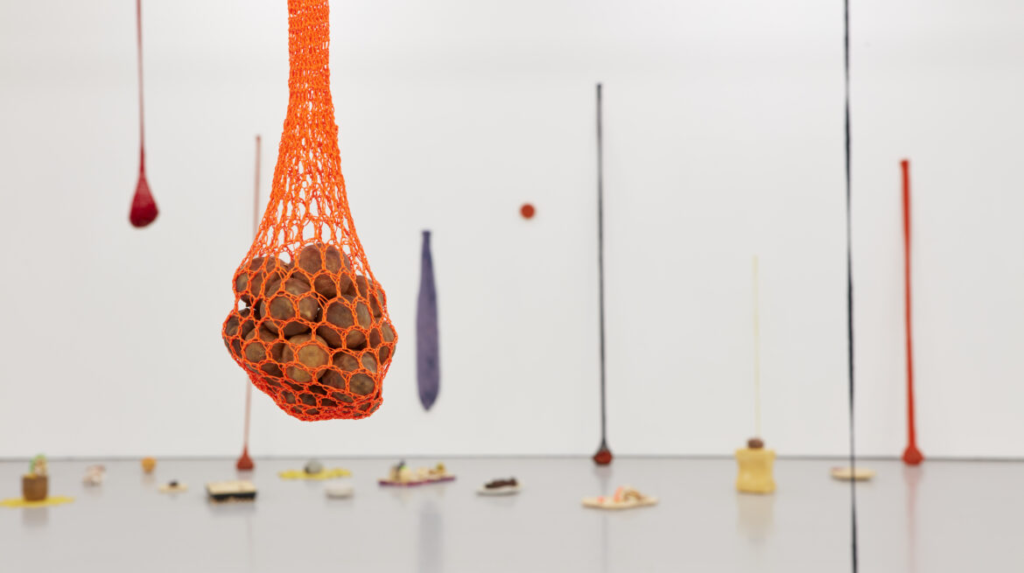
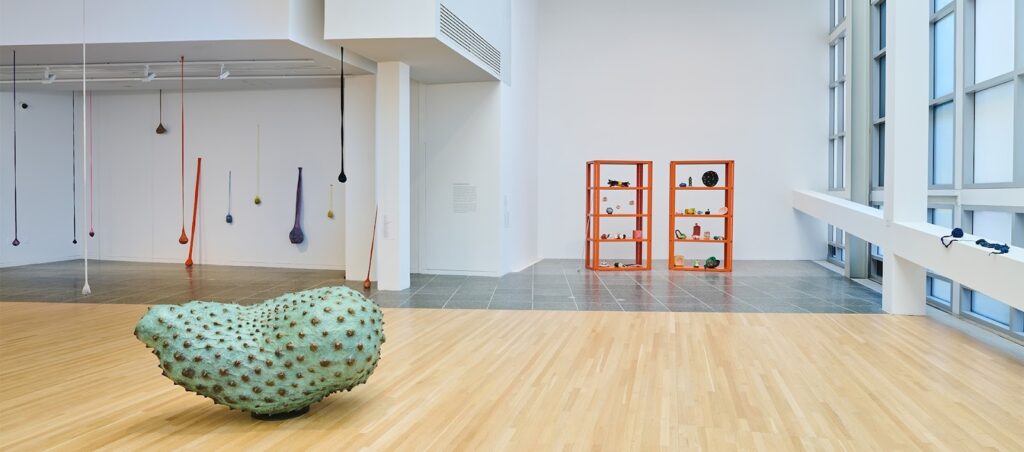
At the Whitechapel Gallery, Multiple Conversations unfolds without a fixed route. Works made years apart are placed side by side, so instead of following a timeline, you start noticing small echoes between them.
Veronica Ryan works with a limited set of elements, seed forms, netting, container-like shapes, but they shift each time they appear. Nothing stays consistent for long. A piece might feel contained in one instance, while another seems more open or fragile. The change isn’t dramatic, but it builds as you move through the space.
The materials feel familiar in a different way. Everyday things, fabric, dried surfaces, soft and rigid textures, carry traces of handling. They don’t appear new or untouched, and that history remains part of how the work reads.
There’s also a physical sense of tension in how things are put together. Some pieces are tightly secured, others seem on the edge of loosening. That contrast repeats across the exhibition without becoming predictable.
You don’t arrive at a clear takeaway. Instead, the works stay slightly open, and their connections only start to register after spending time with them.
Whitechapel Gallery, 1 April – 14 June
Several Eternities in a Day: Form in the Age of Living Materials (Los Angeles)
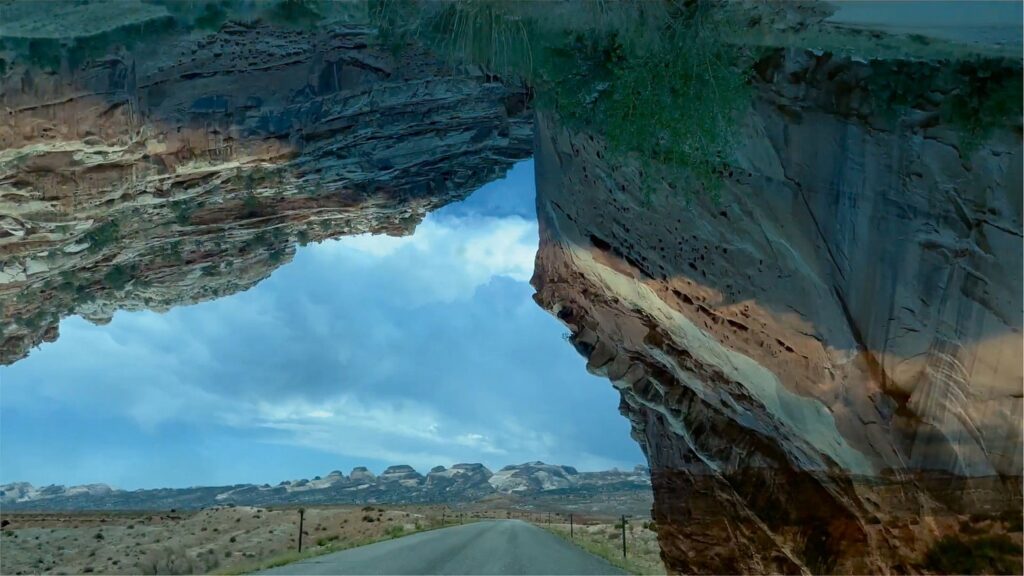
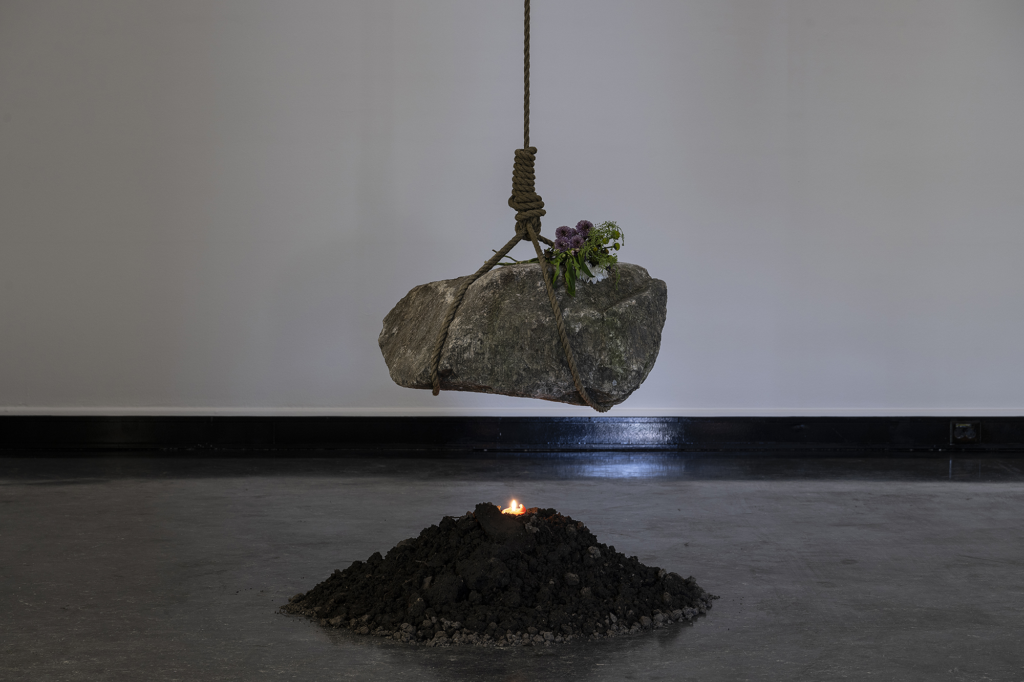
At the Hammer Museum, the exhibition opens with something that immediately shifts how you enter the space. Edgar Calel’s installation spreads soil across the floor, with ceramic vessels placed directly within it. It’s not something you pass by easily, you slow down, watch your step, and become more aware of the ground itself. The work changes how the room is used before it asks to be interpreted.
Moving further in, Guadalupe Maravilla’s sculptural pieces carry a different kind of presence. The materials feel like they’ve already had a life before entering the gallery. There’s a sense that they’ve travelled, been handled, or existed elsewhere, and that history stays with them without being explained outright.
In contrast, Sky Hopinka’s video shifts the pace more quietly. The imagery doesn’t fully settle, landscapes appear slightly altered, almost like they’re being recalled rather than directly observed. It creates a pause without separating itself from the rest of the exhibition.
Nothing here feels completely stable. Materials suggest change rather than permanence, and the works don’t try to arrive at a single meaning. They remain open, allowing different readings to exist without forcing one to take over.
Hammer Museum, 5 April – 23 August
The Music is Black: A British Story (London)
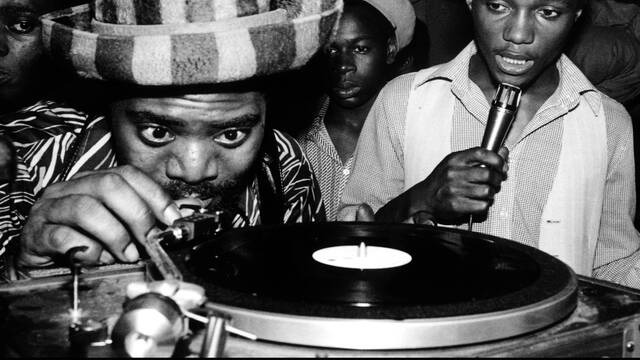
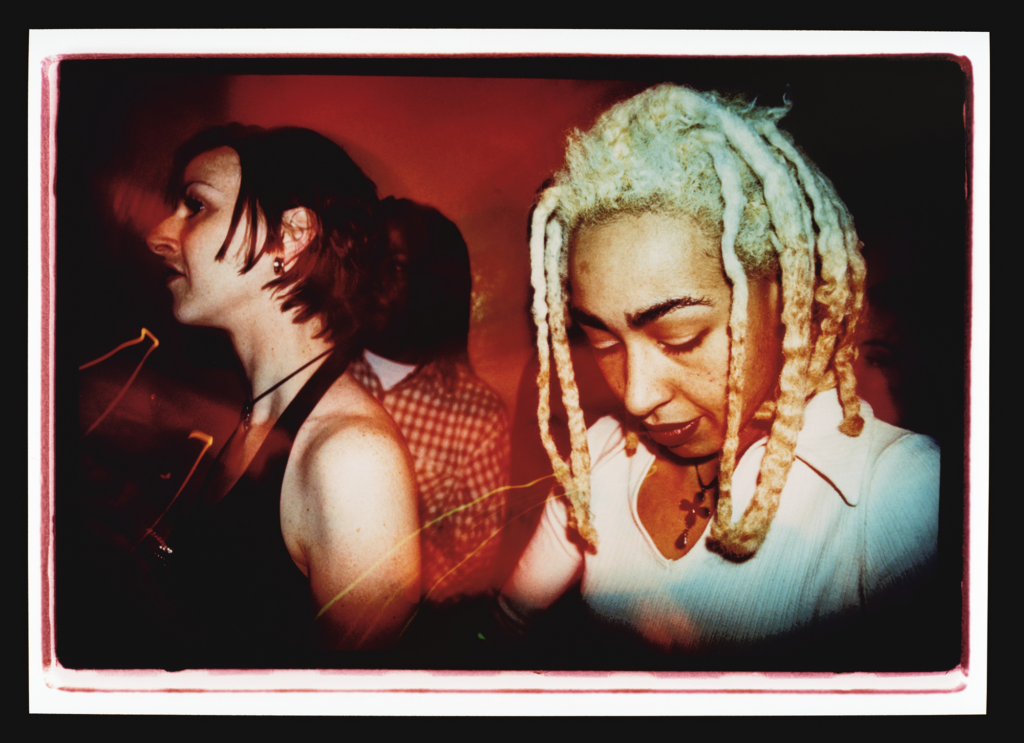
At the V&A East, The Music is Black: A British Story builds its presence through sound as much as through objects. You don’t move through it silently, there’s always something playing, overlapping, or carrying across from one section to another.
The material on display ranges widely, photographs, recordings, instruments, printed matter but it doesn’t feel arranged to tell a single, clean story. Instead, different moments sit close to each other, sometimes aligning, sometimes not. The result feels layered rather than linear.
Names like Winifred Atwell, Aswad, and Fabio and Grooverider appear along the way, but the emphasis isn’t placed on individual recognition alone. Attention shifts toward how music moves, through spaces, through people, through everyday listening habits.
What becomes more noticeable over time is how closely the music is tied to place. Clubs, neighbourhoods, radio, and migration histories all feed into what’s being heard. Nothing sits in isolation.
The exhibition doesn’t try to settle into a final statement. It keeps things in motion, allowing different threads to remain open rather than tying them together too neatly.
V&A East, 18 April – ongoing
There isn’t a single way to group these shows, and that feels intentional. They move in different directions, and none of them are trying to meet at the same point. Some focus on material, others on history or structure, but they don’t resolve in the way exhibitions often try to.
What stays with you isn’t always the central piece. It can be something smaller, a detail, a moment, or something that only makes sense later. These aren’t the kind of exhibitions you pass through once and move on from. They stay with you, even after you’ve left. Which one would you make time to see?