

Does Art Have An Expiry Date?

👁 79 Views
It is easy to believe that art careers have an expiry date. We scroll through social media and see twenty-somethings landing residencies, gallery spots, and brand collaborations before they have even figured out their voice fully. The pressure to “make it young” is everywhere, and if you have crossed the half-century mark, it can feel like the door is quietly closing. But that’s a myth more than a truth.
Art is one of the few careers where experience, patience, and perspective can actually add richness instead of slowing you down. The very years you may think of as “lost time” often become the foundation of a unique style, one that is harder for younger artists to achieve because they haven’t lived enough to see the world from multiple angles. This isn’t just encouraging fluff. History and contemporary examples prove that some of the most celebrated abstract painters only began making waves much later in life.
The truth is, the creative world needs late bloomers as much as it needs prodigies. While youth may bring energy, maturity brings depth, persistence, and a quieter kind of confidence that shines through in the work itself. If you have ever worried that your age is a barrier, the stories ahead will remind you that sometimes arriving later means you arrive stronger.

Carmen Herrera: The Century-Long Overnight Success
Imagine painting in solitude for decades, with little recognition, but still showing up in the studio day after day. That was Carmen Herrera’s story. Born in Cuba in 1915, she pursued abstract painting for most of her life, working with sharp lines, striking colors, and bold geometric forms. Yet for nearly 60 years, she was almost invisible to the mainstream art world. Her first big sale came when she was in her 80s, and her major recognition arrived only after she turned 100.
What makes her story remarkable is not just the late arrival of fame, but the patience and devotion that carried her through those quiet years. Herrera once said she painted because she simply could not stop. That persistence is a lesson for every artist who wonders whether creating without an audience is worth it. She proved that sometimes art requires time, both in its creation and in its appreciation.
Herrera’s rise shows that abstract work, which often relies on distilled vision and discipline, can ripen with age. The clean geometry and confident restraint in her pieces speak to years of refinement. She reminds us that even if the world is not clapping yet, the work you do in your studio today might be laying the groundwork for a future breakthrough.
Alma Thomas: A Garden That Bloomed in Her Sixties
Alma Thomas did not become a professional painter until after she retired from teaching at age 68. Before that, she spent 35 years guiding high school students in Washington, D.C., often putting her own art on hold. When she finally turned to her practice full time, she embraced abstraction with a vibrant, mosaic-like style inspired by gardens, nature, and space exploration. Her paintings burst with joyful color.
What is striking about Thomas’s late start is the freedom she embraced once she left her day job. Instead of worrying about fitting into trends, she followed what genuinely delighted her. She did not feel the need to prove herself in the ways younger artists often do. That sense of play and sincerity made her work stand out, and by her seventies, her paintings were hanging in major institutions like the Whitney and the Smithsonian.
Her success was not a lucky break but the result of decades of quiet preparation, both in teaching and in nurturing her own vision. She shows us that even after decades of another career, stepping fully into art is possible. Thomas’s story is a reminder that sometimes retirement is not an ending but the real beginning of a creative life.

Etel Adnan: The Poet Who Painted with Color
Etel Adnan was already known as a writer and poet when she began painting in her fifties. At first, she worked in small, jewel-like abstractions inspired by landscapes, especially Mount Tamalpais in California. Using bold, blocky swaths of color, she translated her love for language into a new visual form. Her canvases feel both contemplative and vivid, carrying the rhythm of poetry into color.
Adnan’s success in visual art grew slowly and blossomed later, when she was in her seventies and eighties. Major institutions began to collect and exhibit her work, celebrating the unique way she merged abstract painting with the lyrical spirit of her writing. She is proof that creative talent can spill over into new forms at any age, and that it is never too late to reinvent your medium.
For artists who feel boxed in by the path they chose earlier, Adnan is a liberating example. She demonstrates that switching gears in your fifties is not a setback, but rather a powerful expansion of your voice. Her late recognition shows that curiosity and openness to change can keep creativity alive for a lifetime.
Why Age Can Actually Be Your Advantage
When you are 25, your art may be fresh but your perspective is often limited. By the time you are 50 or older, you have lived through transitions, challenges, disappointments, and triumphs that enrich how you see the world. Abstract art in particular benefits from this expanded vision. Shapes, colors, and rhythms become vessels for a life’s worth of impressions and emotions.
Collectors and curators are not blind to this depth. Many are drawn to the sense of maturity and groundedness in works by older artists. There is a steadiness in brushstrokes honed by patience, and a clarity in compositions that comes from decades of refinement. These qualities cannot be rushed. They are the fruit of a longer journey.
Instead of seeing age as a countdown clock, think of it as seasoning. Just as wine matures with time, so does the vision of an artist. Your so-called “late start” might actually be the best timing for the truest version of your work to come forward.
What To Do When Recognition Feels Slow
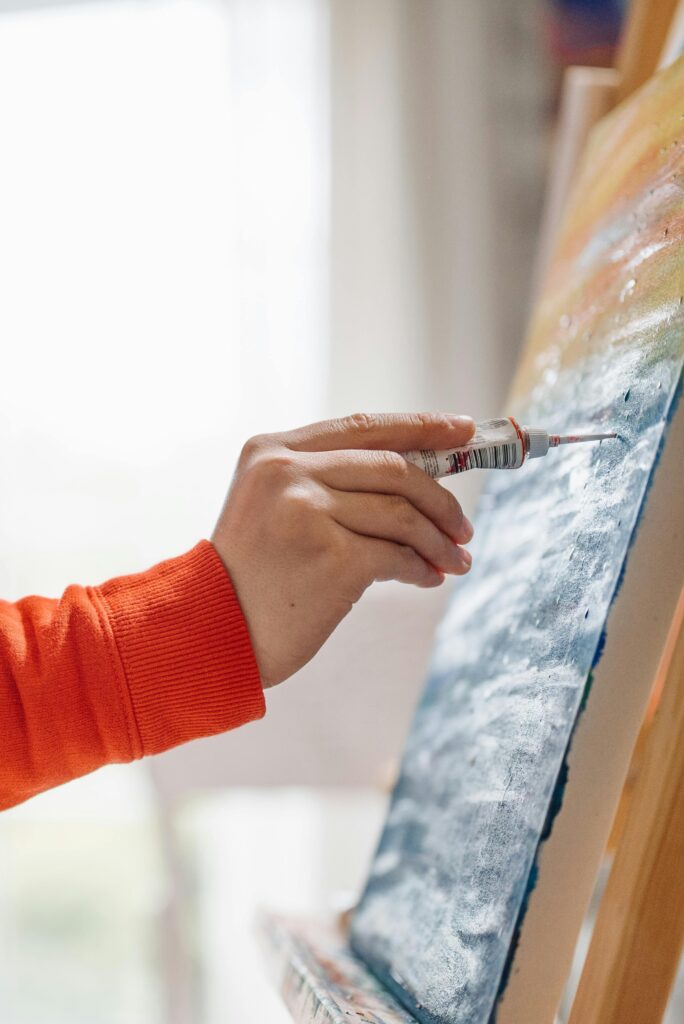
Even with inspiring examples, the waiting can feel brutal. You post online and hear nothing back, or apply to shows and get rejected more times than you can count. The silence can make you question your worth. But consider Herrera painting for six decades before the world noticed, or Thomas teaching for years before stepping fully into her art. They remind us that slow recognition does not equal failure.
Instead of letting the lack of immediate feedback stop you, treat it as training. Each painting, each attempt, is strengthening your voice, even if the world has not tuned in yet. Trust that persistence builds momentum, even when invisible. The right opportunity often arrives when you are already steady in your craft.
One helpful shift is to focus less on outcomes and more on process. If you are creating because you love it, then each day in the studio is already a form of success. The recognition, when it comes, becomes icing rather than the cake itself.
Building a Community Later in Life
Another myth is that community belongs to the young. In truth, older artists often build more authentic and supportive circles. At 50 or 60, you know yourself better, and you tend to value quality over quantity. This means you can create deeper, more lasting connections with peers, mentors, and collectors.
Joining groups, attending residencies designed for mid-career or older artists, or even starting your own small collective can open doors. These connections not only bring visibility but also create encouragement when self-doubt creeps in. After all, even legends like Herrera and Thomas had allies who championed their work.
The best part is that community at this stage often feels less competitive and more collaborative. It becomes about lifting each other up rather than racing to the top. That shift in energy can make the art journey more fulfilling than it might have been at a younger age.
Lessons You Can Steal from the Legends
The artists we highlighted all share some common threads. They created consistently even when no one was watching. They remained curious and willing to evolve. And they leaned into the freedom that comes with not needing external validation for every brushstroke.
One takeaway is that patience is not passive. These artists were not sitting idly, waiting for luck. They were actively building, exploring, refining. That persistence created the body of work that later captured the world’s attention.
You do not need to copy their exact paths, but you can borrow their mindset. Dedicate yourself to your practice, stay open to shifts, and trust that your unique timing holds value. That combination is powerful at any age.
Turning Age Into Your Calling Card
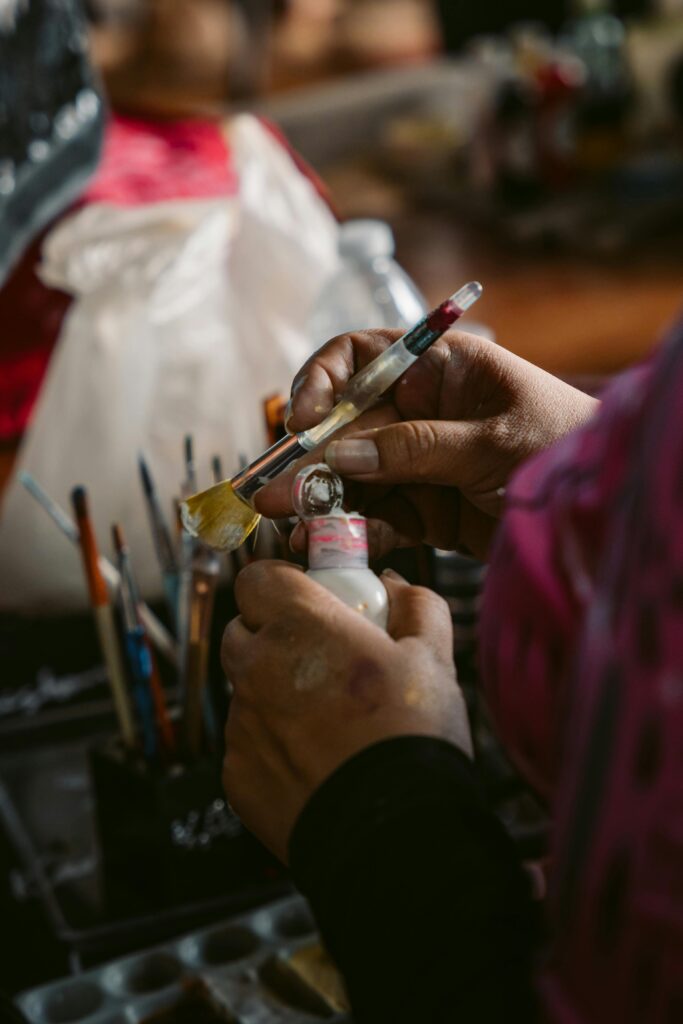
Instead of hiding your age, consider making it part of your story. Many collectors find it inspiring when an artist has a decades-long journey behind their work. It signals depth and authenticity. Sharing how you arrived here, even if it took a while, can become a compelling narrative that sets you apart.
In a world chasing youth and speed, being the artist who bloomed later makes you memorable. You carry a story that resonates not only with art lovers but with anyone who has ever felt “behind.” That relatability is itself a strength.
When you frame your age as an advantage, you stop competing on the terms of a 25-year-old and start owning your unique lane. That confidence can change how others perceive your work, opening doors you might not have expected.
Your Time is Still Ahead
The stories of Carmen Herrera, Alma Thomas, and Etel Adnan prove that creativity has no age limit. Success might arrive later than you once imagined, but that does not mean it will arrive smaller. In fact, it may come richer, more grounded, and more fulfilling because of the years behind it.
If you are standing in your studio at 50, 60, or beyond and wondering if it is still worth chasing, the answer is yes. Every brushstroke adds to a body of work that can still find its audience. Your journey may not look like the fast-burning stories of youth, but it can hold a legacy that lasts.