


What If Your Internal Critic Is Killing Your Career And You’re Letting It Happen? Dr Brent Estabrook
👁 154 Views
At Arts to Hearts Project, we’ve always believed that the most compelling artists aren’t necessarily the ones with the most conventional paths. They’re the ones whose stories make you stop and think, wait, how did they get there? What made them choose this over everything else?
That’s exactly how we felt when we came across Dr. Brent Estabrook.
A dentist who became a full-time artist. That sentence alone stops you, doesn’t it? Not because it’s unusual for someone to change paths, but because of what it took to make that choice. Four years of dental school. The weight of that investment. The expectation of a stable, respectable career. And then a painting sold at a charity auction in 2013, and something shifted.
We reached out to Brent for our Best of the Art World editorial, and when he agreed, we were genuinely excited. Because his work is one thing. But his story and the philosophy behind how he creates, how he thinks and how he lives that’s something else entirely.
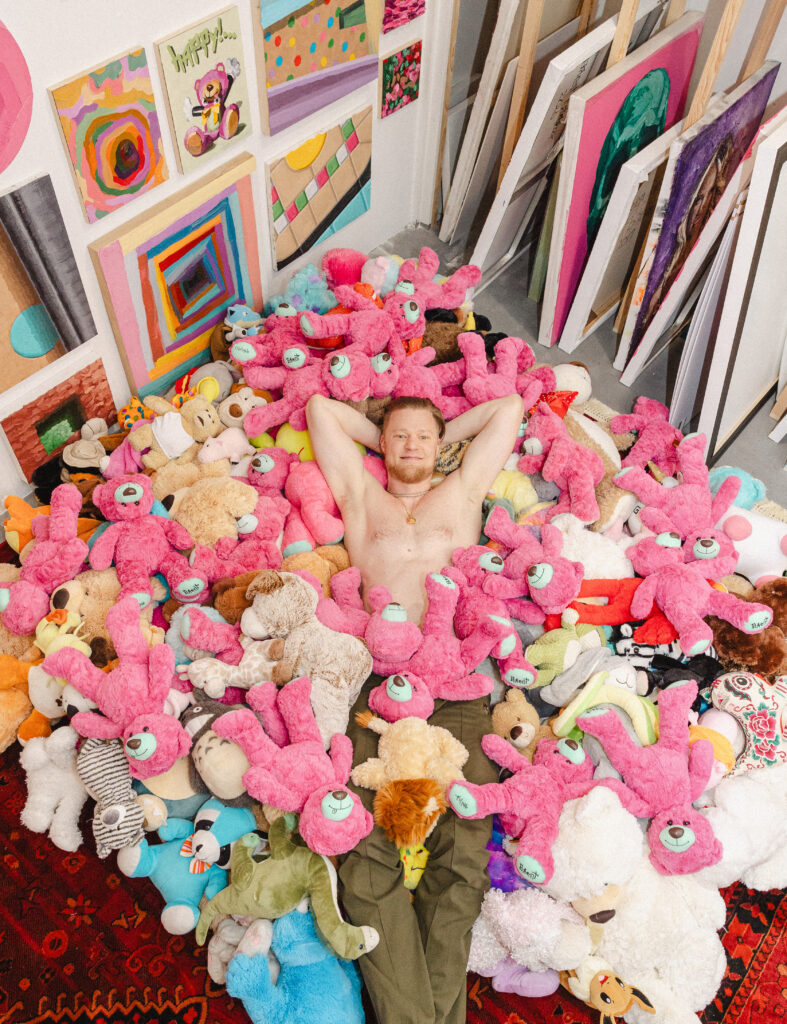
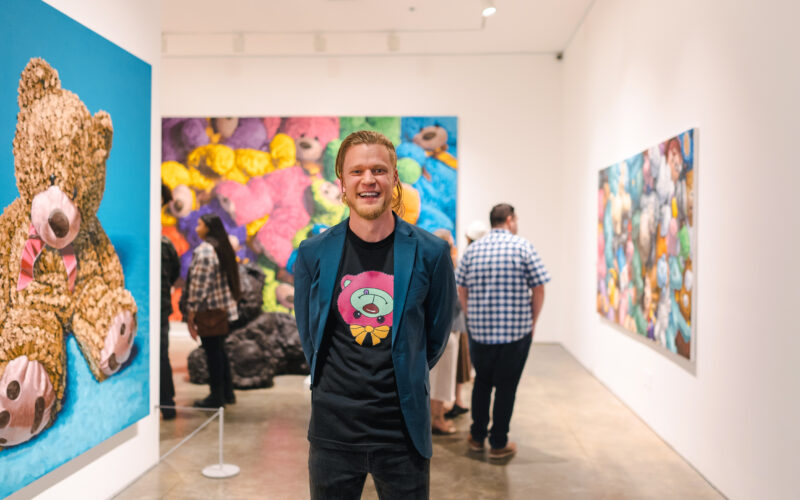
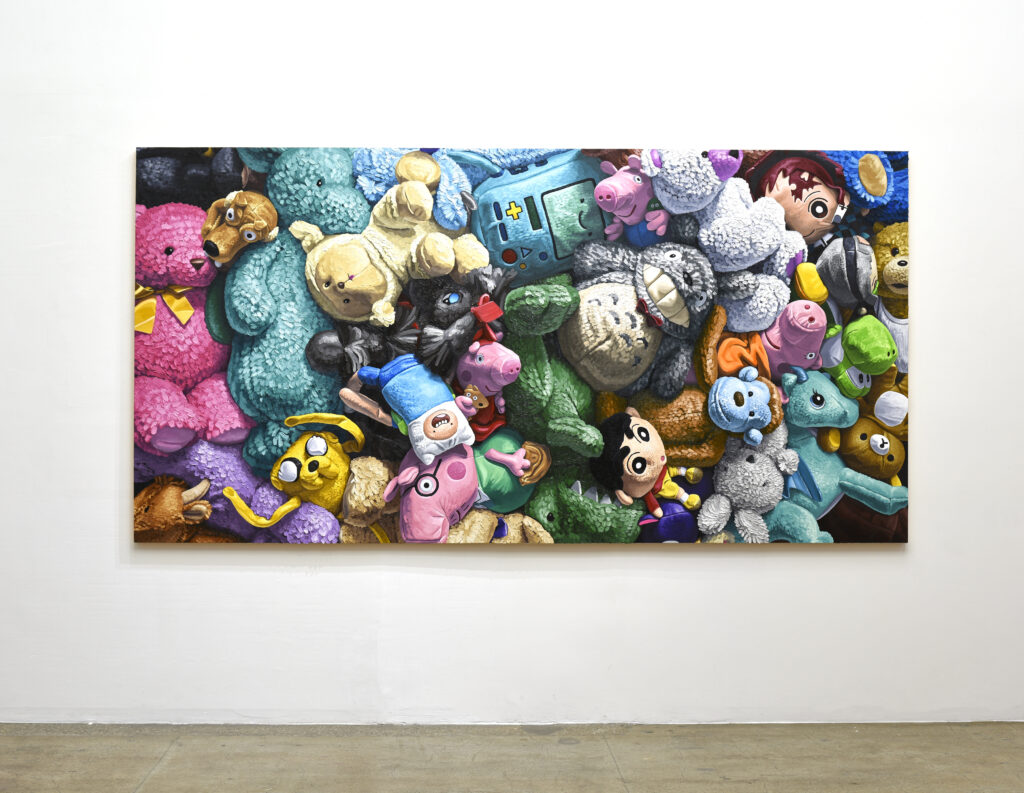
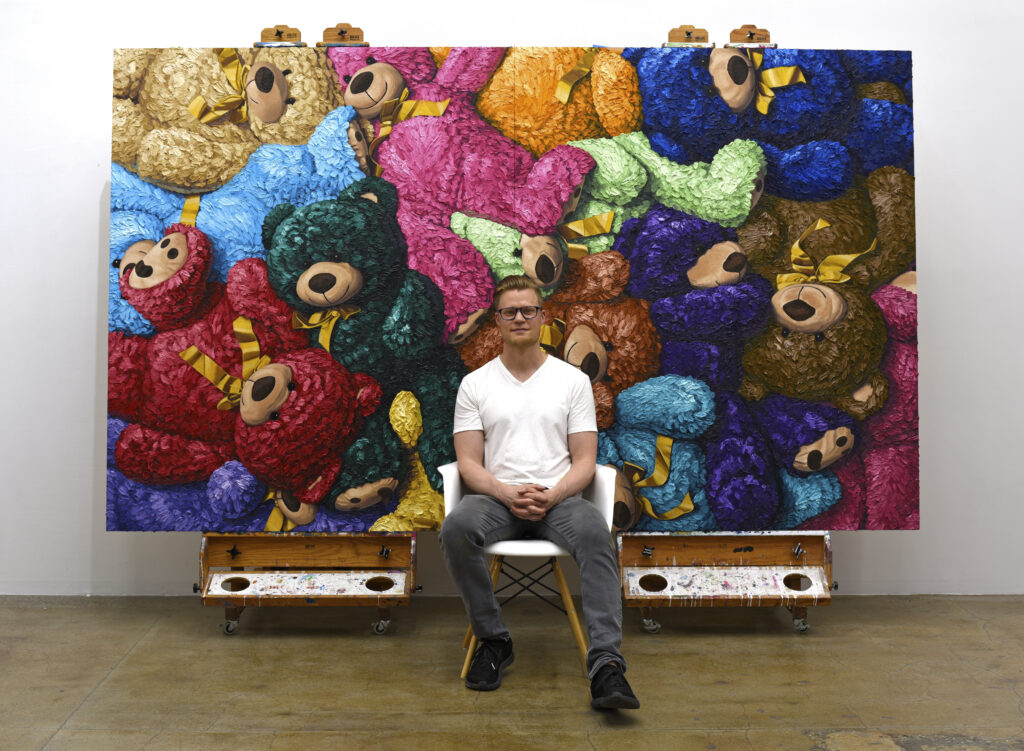
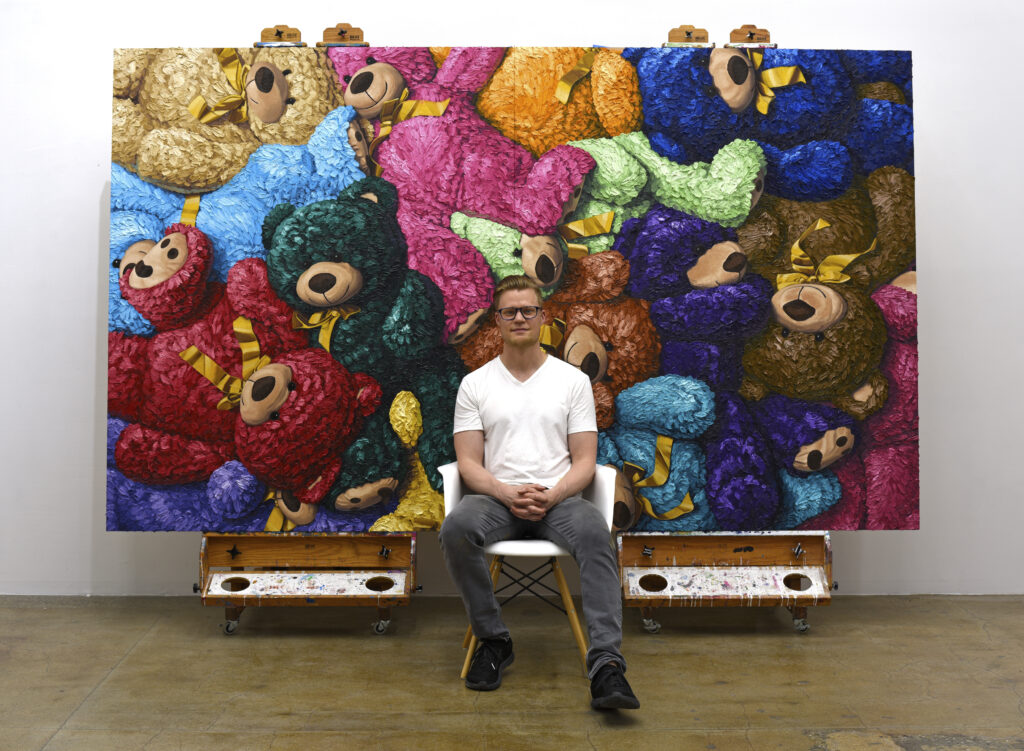
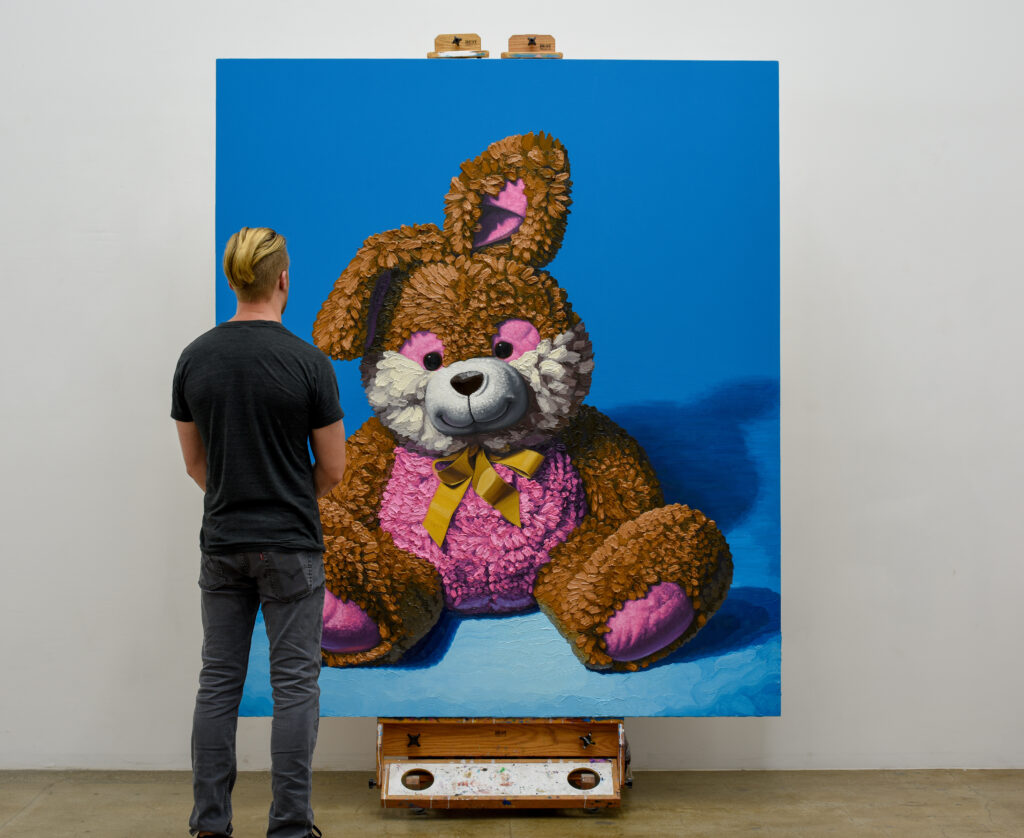
Look at his paintings and you’ll understand immediately why people who claim they “don’t get art” fall in love with his work. Stuffed animals rendered with such technical mastery, such richness of texture and color, that you want to reach out and touch the canvas. Characters so full of personality and warmth they feel alive. Work that doesn’t ask you to be an art person to feel something. It just pulls you in.
But here’s what makes Brent’s work more than just technically impressive: there’s joy in every single brushstroke. Not performed joy. Not the kind of happiness that gets slapped on a surface to make something feel cheerful. Real, deep, intentional joy that comes from someone who has genuinely figured out how to love what they do.
Before we get into our conversation with him, let me tell you a little about who Brent is.
He grew up in a household that understood something most parents miss entirely: that creativity in a child isn’t just a hobby to be managed. It’s a language to be encouraged. His parents saw his interest early and fed it, extra art classes, constant encouragement, a home environment built on love and playfulness. He credits them as the luckiest thing that ever happened to him, and you can feel that foundation in everything he makes.
He went to dental school. Spent four years studying every nuance of the human skull, the anatomy, the dentition, the structure. And quietly, on the side, he kept painting. Currency series. Skull series. Each one teaching him something different about style, about range, about what it means to truly know your subject so well that you can play with it freely.
Then in 2013, one painting sold. And the world cracked open a little. He didn’t quit dentistry immediately. But something had been confirmed. People would pay real money for his work. That moment small as it sounds planted a seed of certainty that never left him.
What happened next is what makes his journey genuinely fascinating.
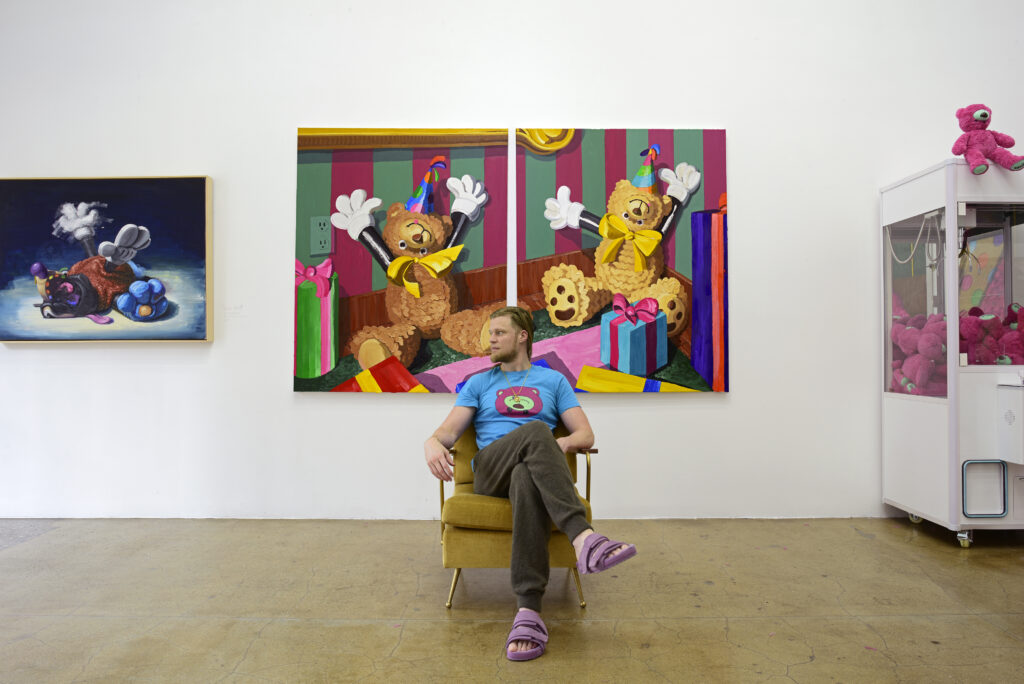
At the peak of his success with hyperrealistic stuffed animal paintings, his most sought-after, most lucrative work he made a decision that most artists would be too afraid to make. He put down the reference photos. Decided to create purely from imagination. Started a series called cRaZy stuFFed aniMALs that broke every rule he’d established for himself.
Not because it made financial sense. Because he knew internally that his creative imagination needed to be activated and strengthened. That he needed to go somewhere he’d never been. That comfort, even wildly successful comfort, wasn’t enough.
That decision terrified him. And it became the greatest creative evolution of his career.
Today, Brent’s philosophy is built around something deceptively simple: mindset. Playfulness. Gratitude. He approaches every painting the way he approaches life with the understanding that getting to create for a living is a blessing, not a given. When a painting gets challenging, when the internal critic starts whispering, he comes back to that gratitude. And it brings him back to joy every single time.
He meditates. He journals every morning, one full page, a thankfulness and manifestation practice he’s maintained for six years. He believes creativity is unlimited when you clear the mental noise that blocks it. And he creates virtually around the clock, driven not by obligation but by genuine obsession with the creative act itself.
Let’s get to know him through our conversation exploring how a dentist became one of the most joyful painters working today.
Q1. Can you share how your background like growing up in Arizona and Seattle shaped your early visual sensibilities and creative curiosity?
Growing up in Seattle was not necessary to my creative curiosity (that I currently know of)… having an amazing mother and father who recognized my interest in creativity did! As I have said in many interviews, the luckiest thing that has ever happen to me was my parents. My mom and dad put me in extra art classes and always encouraged and fostered my creative curiosity. My childhood was a very playful and loving environment… I consistently saw my dad showing love and playfulness towards my mother, as well as my sister and I, and this love and playfulness is at the very core of my creativity and my being.
Q2. Before focusing on stuffed animals, you painted other subjects like currency and skulls. What lessons from those early series continue to shape how you think about subject and colour?
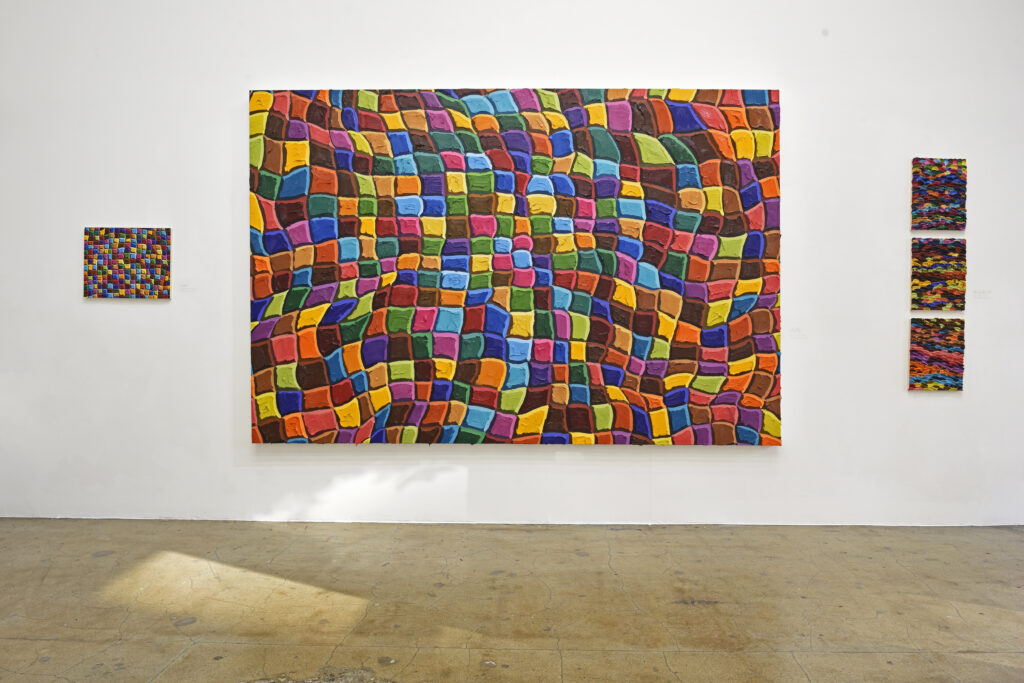
In regards to my paintings, the Currency series were the true catalyst to pursuing a life as a creative rather than becoming a dentist and the Skulls series was the muse that solidified one of my greatest attributes as an artist: stylistic range. The selling of one of my early Currency paintings in 2013 at the LBMA Charity auction was the moment when I realized, as an artist, that people would pay real money for my work… this was one of the profound moments that made me realize I had potential in the creative World. The pursuit of the Skulls series was a two factor decision… 1. Skulls are cool and 2. I was spending 4 years in dental school studying every nuance of the human skull that I knew this subject so well that I could freely create and explore without the extra creative burden of rendering an unfamiliar object. Since I had a complete understanding of the anatomy of the human skull, especially the dentition (teeth), I was able to freely explore an infinite amount of styles: impressionism, hyper realism , pointillism, abstraction, and so many more! Few people know that my fur technique was originally developed in the Skulls series!
Q3. Your early art practice grew out of painting to pay off student debt. How did this pragmatic beginning influence your relationship with creativity and risk?
Ha! Yes this is something I have said in the past however if I am being honest, it is a misnomer. Although, pragmatically I did need to sell painting to pay off my student debt, this was not my driven factor… it was not even in my realm of thinking. My only driving force, at the time, was my obsession with the creative process/act. One thing I intuitively knew, with 100% certainty, was that I would succeed because I knew I would never quit. Whether I fully understood it at the beginning or not, I had, and still very much have, 100% confidence in my creativity.
Q4. You’ve said, “It’s not what you paint, it’s how you paint.” How do you think that philosophy shows up in your brushwork and color choices?
Oh it is everything! My style is not stuffed animals, skulls, or anything else I paint… my style is every intentional brushstroke i make and every bit of nuance I put into my color mixing and choices. I also let creativity, in the present moment, tell/guide me what to do and with this, every painting I create is entirely unique.
Q5. Your work blends playfulness and meticulous technique. How do you sustain that balance, especially when tackling large-scale oil paintings?
Mindset! I now approach every painting, and life, with playfulness… this is something I hope my art inspires others to do as well. Like all creatives, I do still find periods throughout paintings that are very challenging however my mantra is to always remind myself of the blessing of getting to create for a living… this is a quick way back into gratitude and playfulness.
Q6. When you sketch directly from imagination like in your cRaZy stuFFed aniMAL series, what does that internal creative dialogue feel like compared to working from reference?
Wow great question! Creating from reference is like have a beautiful blueprint that will become an even more beautiful painting. At some level, there is more ease when working from a reference and it allows me to deeply explore new highly technical techniques, often associated with light and shadow, texture and colour. Creating from my imagination is like going on a wild adventure full of challenges, mystery and, ultimately, triumph. The main reason I started the cRAZy stuFFed aniMALs series was to strengthen and explore the power of creative imagination, and this has become my greatest artistic tool. By pursuing this type of creating, you realize the true infinite possibilities of creativity… I would highly encourage every artist to spend time creating from their own imagination!
Q7. You’ve described your pieces as bridges between technical rigor and childlike wonder. How do you think about that tension as a narrative throughline in your work?
Childlike wonder is the essence of my paintings and technical rigor just a fancy way of saying, “look at how technically good my paintings are”. I take a lot of pride in my artistic technical ability because I have spent +10,000, possibly +100,000 hours (if that is possible), creating and honing my craft… I do this virtually 24/7, no hyperbole. As I get older I do focus more on the childlike wonder side of creating… it is ultimately more fun 😉
Q8. Your Smiles & Friends pop-up and plushie line blur art and experience. How do you see the relationship between art objects and lived interaction evolving?
It is the future!… well, it is here already and I think it is going to become even More important/significant/impactful. As AI takes over many industries, human creativity and human experiences are going to skyrocket in value… not just financial value but the real value: human happiness and wonderment! In person art experiences, whether it is paintings in a museum or giant plushies with lasers and an orchestra (just creativity thinking out loud) are going to be more sought after because we, as human, will never stop desiring amazing in person, real life experiences!
Q9. What has been the most unexpected reaction from viewers whether emotional, verbal, or behavioural, that revealed something new about your work?
One of my favorite and highest compliments is when someone says to me, “I am not an art person but I love your art!”. This is not necessarily an unexpected reaction however it is very validating to me that my art transcends the art world and can connect with anyone and everyone. They (non open minded people) always say, “do not try to appeal to everyone because you will end up appealing to no one”… I create happiness and, at the core, that appeals to everyone 🙂
Q10. You’ve intentionally moved beyond strict realism. How has letting go of perfection influenced your daily studio practice?
Oh wow, how long can this answer be!? The biggest, scariest, most creative growth inducing step I took in my art career was in 2018-2019 when I decided to stop using reference photos and create purely from my imagination. This was at the peak of my hyper realistic Stuffed Animals and Stuffed Animal Piles (my most lucrative and sought after work) however I internally knew that I had to activate and strengthen my creative imagination… start to break the “rules” and begin to create things no one has ever seen or conceived of: cRaZy stuFFed aniMALs. This series was inherently about letting go of perfection and allowing creativity, the present moment and the organic rhythmic flow of brushstrokes to harmoniously collaborate and give birth to a whole gang of wacky characters full of energy, happiness and beautiful imperfections. This series, to date, has been the cause of my greatest, most challenging creative evolution and I am extremely grateful for it 🙂
Q11. Your mantra “Desire to Inspire” guides much of your work. How do you see inspiration functioning between you, your work, and your audience?
It is my life’s purpose.
Q12. You emphasize meditation and mindful habits as part of your creative life. How do these practices shape not only your work but your vision of art as joy?
It is a creative, and life, super power! I often tell people that i have an unlimited flow of creativity, which is true, and i credit this to mediation and mindfulness. I have found that in life the most successful people, I am not speaking monetary success but real success: happiness, all have some sort of daily mindfulness practice. Every morning, religiously, i write one full page in a Thankful/Manifestation Journal… i have been doing this for 6 years now. This practice has helped trained my thoughts and mindset to always find the positive in every situation and gears my mind to, consciously and subconsciously, always be thinking BIG and towards my dreams.
Q13. In your studio work, viewers often talk about texture as if they want to touch the surface. How does your application of paint thick, richly layered, and tactile speak to that desire?
From the beginning, i always wanted to paint with texture… i wanted my paintings to feel alive and tacitly in person. It has been a blessing pursuing this style of oil painting because it has really set me apart from other artists however, it does come with one catch… everyone wants to touch my paintings! In a way, i take this as a huge compliment because i know that it is a sign that people are truly engaged with my art and that it is approachable. One more side note… Nothing beats the texture of oil painting, it has a magic and life of its own.
Q14. Based on your own journey, what advice would you give emerging artists trying to develop a sincere and joyful artistic voice?
Learn to love what you do and learn to love yourself… including all the “imperfections” that make you and your art truly unique. As an artist, our biggest enemy is ourselves and the damaging and unproductive way we talk to ourselves and critique or own work. The more you, internally, can positively inspire yourself, the more harmonious and rewarding creativity will be to you. Oh one more quick suggestion… learn/practice telling a story about yourself and your art. It seems that, for most artists, this is a challenge however the more you do it the better you will get at it. First you can try writing a short story about a particular piece of your art or yourself as an artist. Second, you should also get good/great at verbally telling stories about your art and art career… do not be afraid to brag about your accomplishments, modesty is so uninteresting. Stories sell creative visions. Disney was nothing but a picture of a mouse without a story!
As our conversation drew to a close, I realized I’d spent the last however-many-minutes smiling. Not politely. Actually smiling. The kind that sneaks up on you when you’re talking to someone who’s genuinely figured something out about life that most of us are still fumbling toward.
And it started with something Brent said almost casually that his only driving force has always been his obsession with the creative act itself. Not money. Not recognition. Not even success. Just the making. That’s rarer than it sounds.
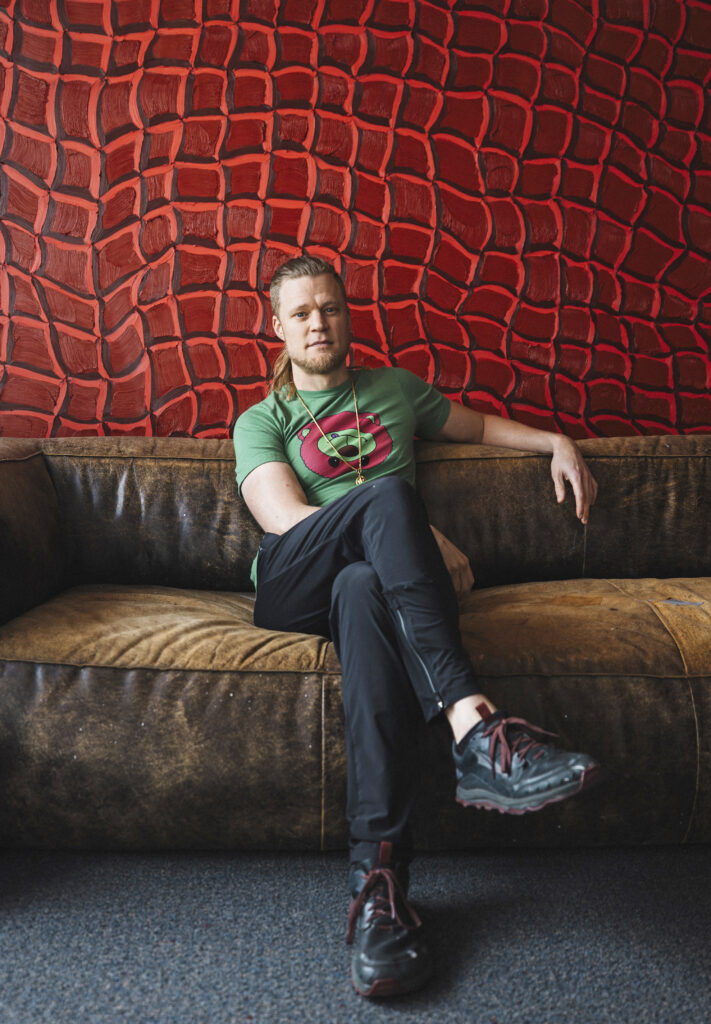
There’s something disarming about Brent. He’s technically one of the most skilled painters working today someone who can render fur and texture so convincingly that people physically reach out to touch his canvases. And yet the thing he talks about most isn’t technique. It’s joy. It’s gratitude. It’s the decision to stay playful even when the work gets hard.
That’s not what you expect from someone at his level. And maybe that’s exactly the point.
Most of us assume mastery looks serious. That the more skilled you become, the more weighted your practice gets. The more pressure. The more perfectionism. Brent’s living proof that it doesn’t have to work that way. That you can spend years mastering your craft and still approach the canvas like someone who just discovered paint for the first time.
But what really stayed with me is the decision he made in 2018. At the peak of everything his most successful series, his most lucrative work he put the reference photos down. Walked away from what was working. Chose difficulty over safety not because he had to, but because something inside him knew he needed to grow.
Most of us never make that choice. We find something that works and hold onto it. We tell ourselves we’re being smart. But really we’re just scared. Scared that letting go of what’s working means losing everything we’ve built.
Brent let go. And it became the greatest creative evolution of his career.
There’s also something he said about the internal critic that I haven’t been able to shake. That our biggest enemy as artists isn’t rejection or the market. It’s ourselves. The way we talk to our own work. The way we decide something isn’t good enough before anyone else has even seen it.
We all know that voice. And Brent’s not saying it disappear, he’s saying you build something stronger alongside it. Gratitude. Playfulness. The daily decision to return to joy even when doubt is loud.
Here’s what I’m taking from Brent and what I hope you take too:
The internal critic doesn’t get quieter with success. It just finds new things to pick at. The answer isn’t to silence it it’s to build something stronger right next to it. Certainty. Playfulness. The unshakeable decision that you will never quit. That’s available to all of us. Right now. Not when conditions are better or the doubt is quieter or the work feels more ready. Now.
Because getting to create at all, that’s the gift. Brent knows it. Lives it. Paints it into every single canvas he touches.
Follow Dr. Brent Estabrook through the links below and witness what happens when someone builds an entire creative life on joy.