

These 4 Collage Artists Are On Our Radar This Month
👁 253 Views
Collage has always been about breaking the rules gently. It began when artists started questioning what art was allowed to be made from. Instead of starting with a blank surface, collage begins with what already exists: printed images, photographs, paper, fabric, fragments pulled from everyday life. Materials that once belonged somewhere else are brought together and asked to form something new. From the beginning, the act was simple, but the shift was significant. Art didn’t need to be seamless or singular anymore. It could be assembled, layered, and visibly constructed.
One of the things that sets collage apart is its honesty. You can see how it’s made. Cuts stay visible. Layers don’t hide behind polish. Edges don’t pretend to disappear. Nothing claims to be whole from the start. That openness becomes part of the language. Collage doesn’t smooth over its process, and in doing so, it reflects something very real about how we experience the world: in pieces, in overlaps, in moments that don’t always fit neatly together.
Over time, collage became a way for artists to respond quickly and directly to their surroundings. It could be personal or political, playful or sharp. It allowed artists to work with what was already circulating in culture and reshape it. Because collage borrows from existing imagery and materials, it has always been closely tied to its moment. It absorbs what’s happening around it and reflects it back, altered but recognisable.
Today, collage feels especially relevant. We live in a world made of fragments: images scrolling past, messages layered over one another, memories stored digitally, information arriving out of order. Collage artists don’t escape that reality. They work inside it. They slow it down. They choose carefully. They decide what deserves to stay visible and what can be cut away.
What’s striking about contemporary collage is its range. Some artists work intuitively, letting images guide them without a fixed plan. Others are precise and methodical, building compositions slowly, layer by layer. Some collage work feels deeply personal and intimate. Other work feels expansive, surreal, or confrontational. There’s no single way to approach the medium, and that openness is part of its strength.
At Arts to Hearts Project, we’ve always admired collage artists for this reason. Collage demands a particular kind of skill, one that’s often underestimated. It requires a sharp eye, strong intuition, and an ability to hold many possibilities at once. It’s a fine art practice built on selection, restraint, and attention rather than excess or spectacle.
College isn’t about piling things on. It’s about knowing when to stop. About understanding how much weight an image or material already carries before it’s placed somewhere new. A single fragment can hold history, memory, and emotion. The artist’s role is to recognise that weight and place it with care.
In this article, we’ll share collage artists who work with that understanding. Artists who treat every cut and every layer as a decision, and who show how bringing fragments together can become a thoughtful, powerful act. Through their work, collage reveals itself not as a collection of pieces, but as a way of seeing, one that finds meaning not by starting fresh, but by paying attention to what’s already there.
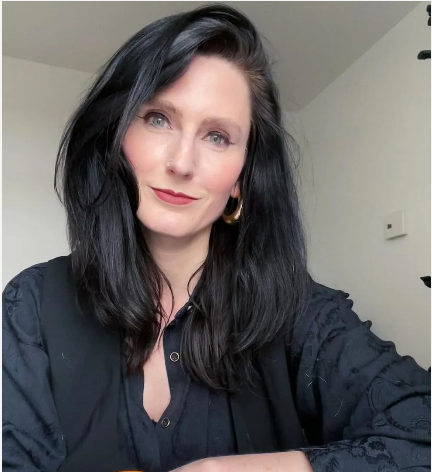
Stefanie Chew @stefaniechewcollage
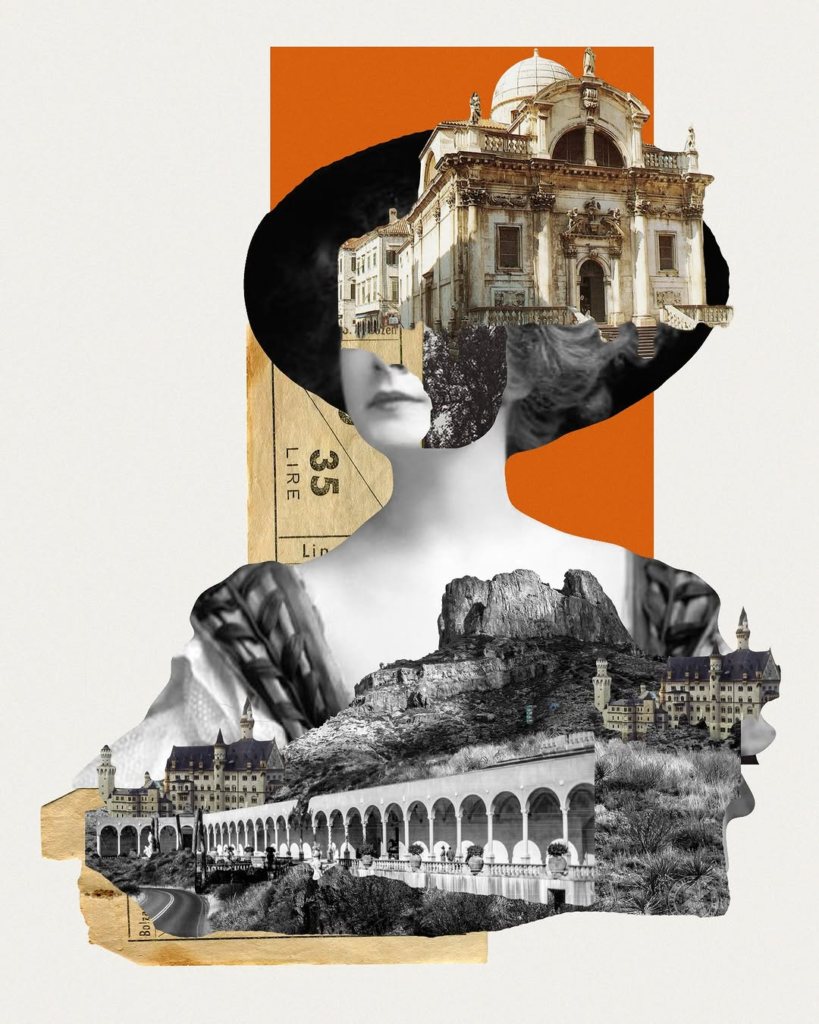
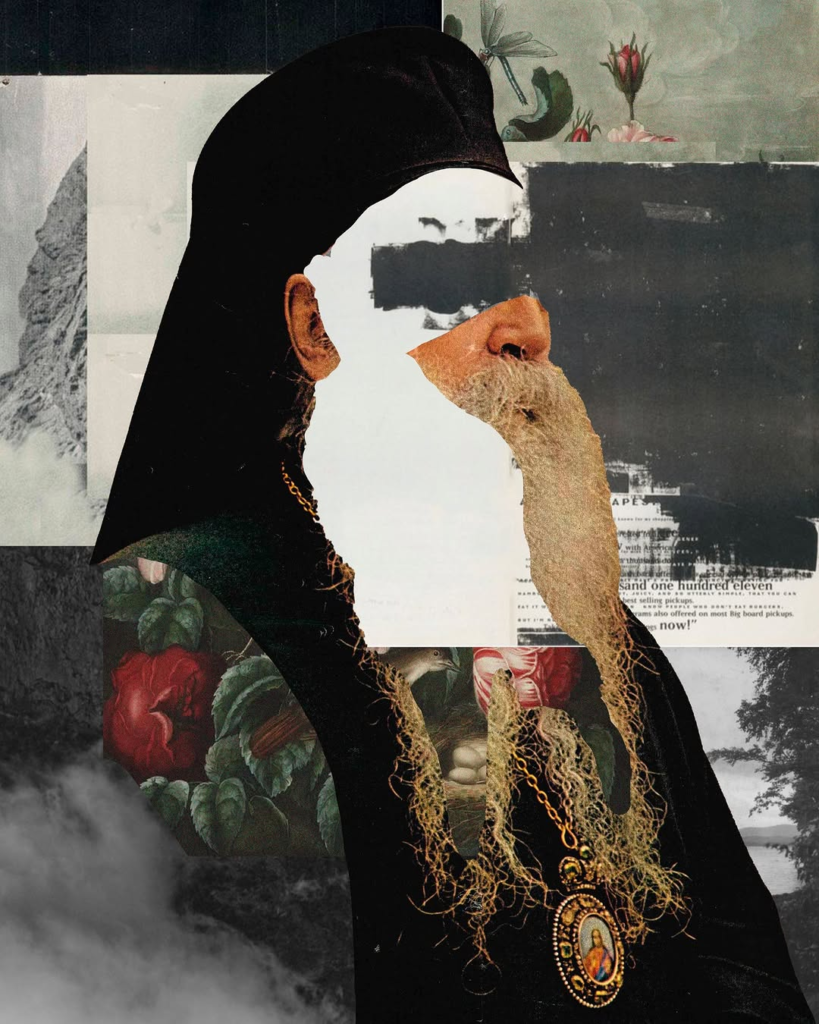
Stefanie Chew works with images that already carry a past. Photographs, printed figures, fragments that feel like they’ve lived somewhere before. Her collages don’t try to disguise that history. Instead, they work with it, allowing older images to sit openly in new arrangements. There’s a looseness to how her pieces come together. You don’t get the sense that everything is planned in advance. Elements seem to find their place through trial, movement, and adjustment. Some compositions feel playful, others slightly off-balance, but they never feel careless. The work holds together because the choices are felt rather than forced. What’s interesting about Stefanie’s collages is how they avoid nostalgia. Even though she often uses vintage imagery, the work doesn’t linger in the past. The fragments are shifted, cropped, or interrupted in ways that keep them active. They’re not there to be admired for what they were, but to be used for what they can become.
Her compositions often leave space. Not everything is filled or explained. Figures might float, repeat, or sit oddly within the frame. That openness gives the work room to breathe and keeps it from becoming overly polished. You’re aware of the cuts, the edges, the decisions that brought the piece together.There’s also a sense of rhythm running through her work. Images echo each other. Shapes repeat. Colours appear just enough to hold the surface without taking over. The collages feel assembled over time, with attention paid to how each element affects the next.Stefanie Chew’s work doesn’t ask the viewer to decode a message. It invites them to stay with the image and notice how the pieces relate. Old photographs are given space to exist in the present, not as memories to preserve, but as materials to work with. Her collages show that bringing fragments together doesn’t have to result in chaos. With care and instinct, separate pieces can form something that feels coherent, thoughtful, and quietly alive.
Plácida V. @placid.arch
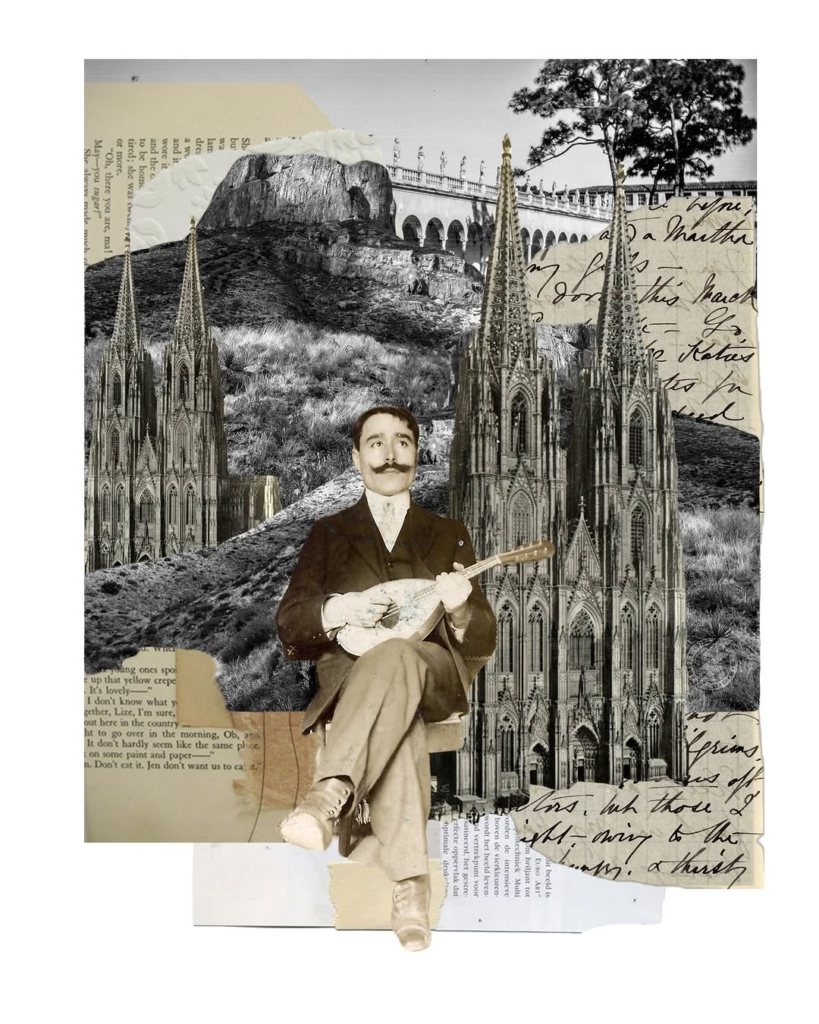
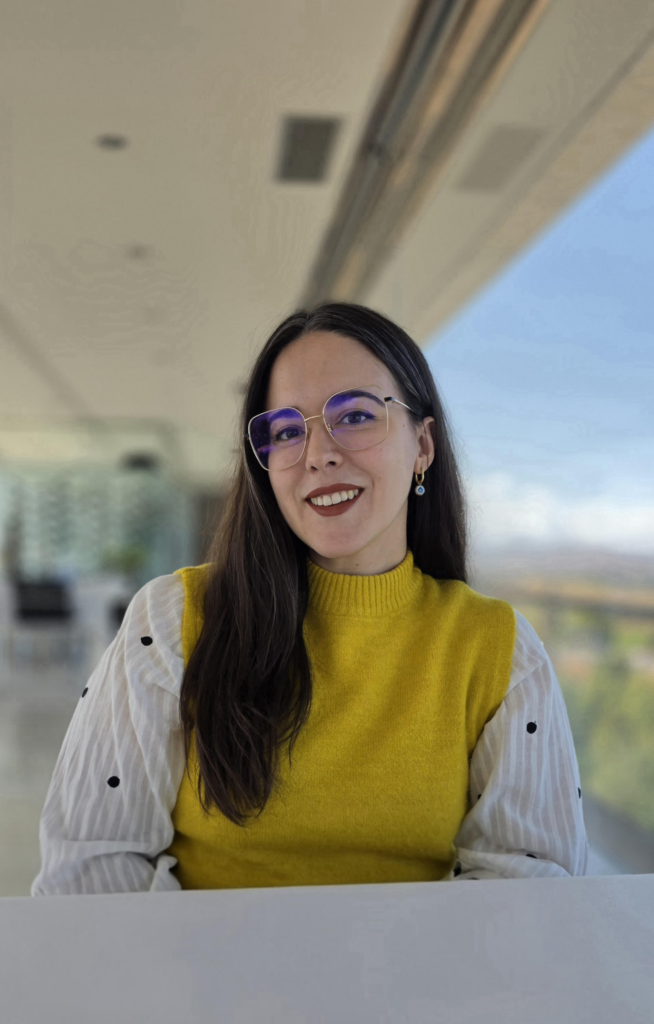
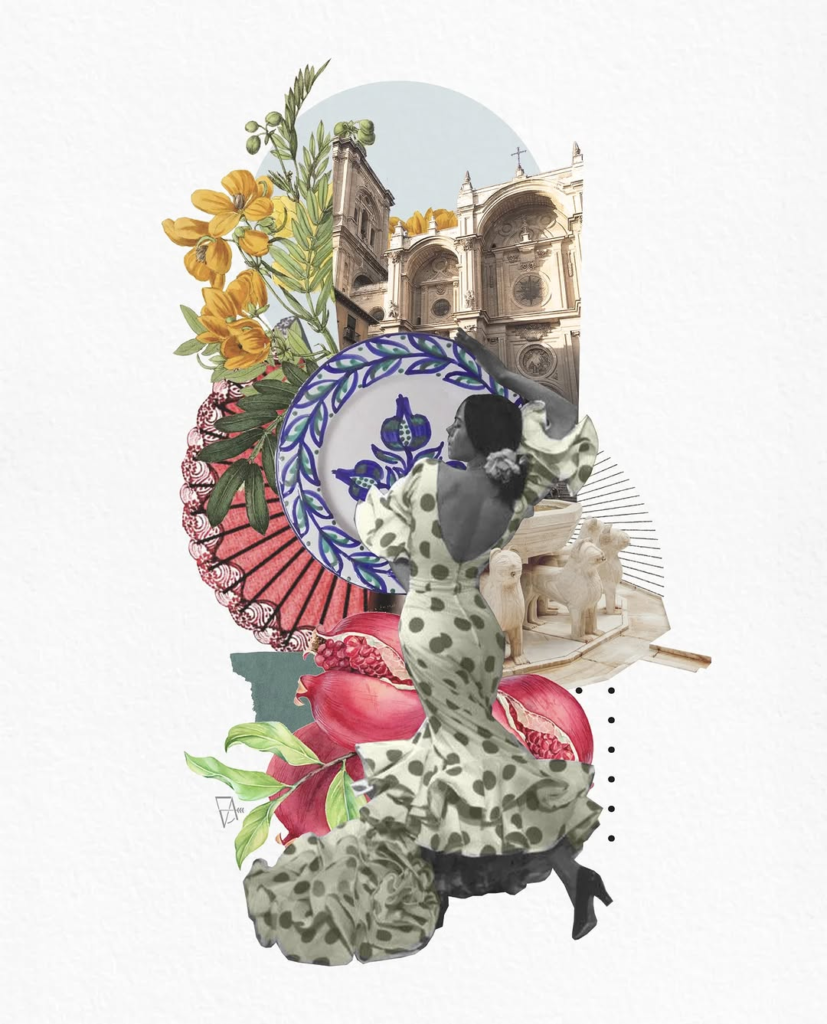
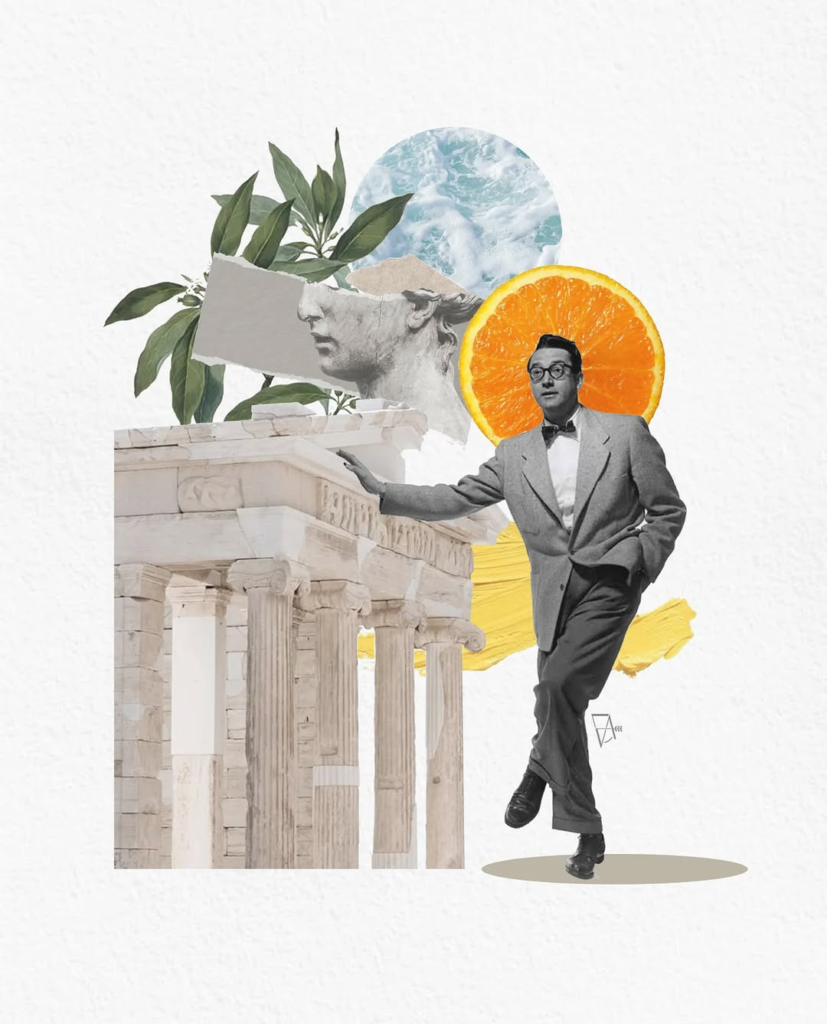
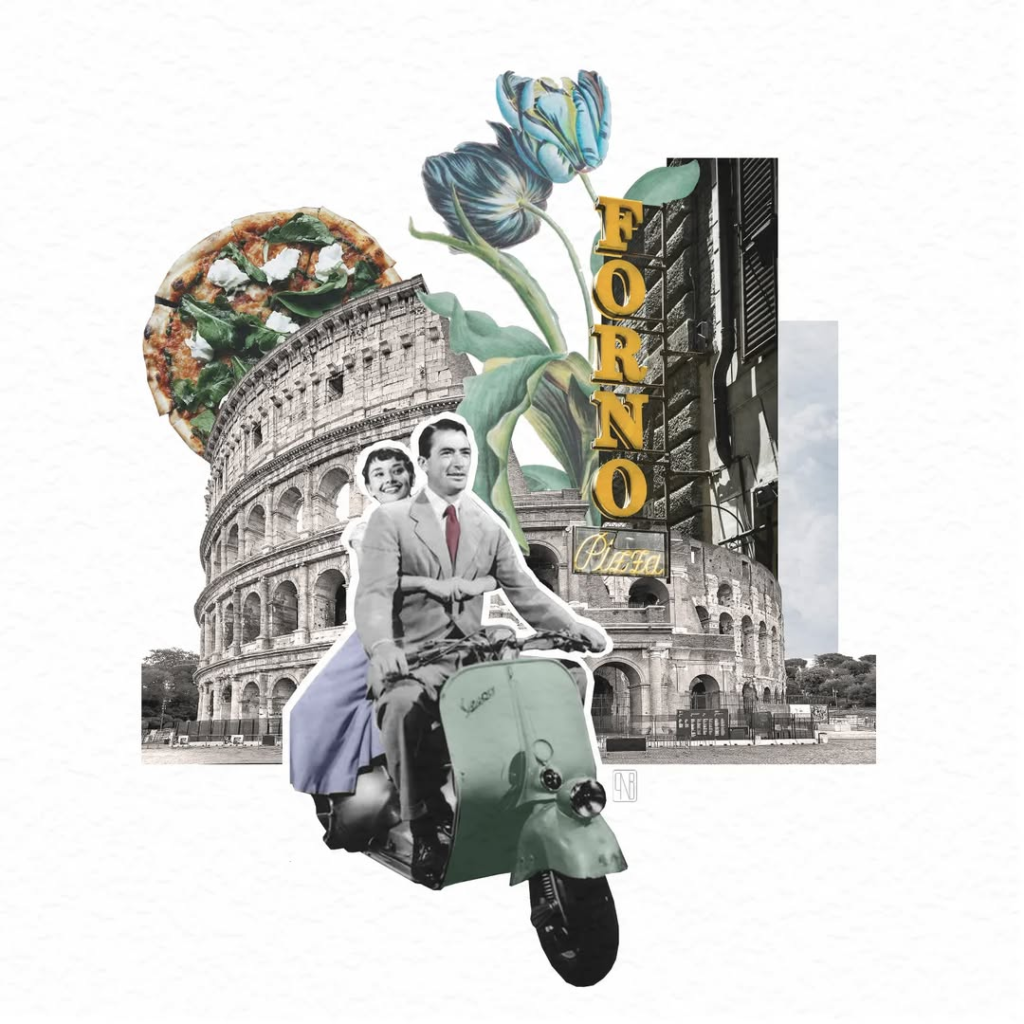
Plácida V. is the kind of collage artist whose work feels like a visual conversation more than a finished product. She describes herself simply as an architect who fell in love with collage and that blend of structural thinking and creative play shows up in everything she makes. On her page, vintage images, cut fragments, and unexpected pairings come together in ways that feel both familiar and slightly surreal. What catches your eye in Plácida’s pieces is her instinct for rhythm and movement. Her collages aren’t just assembled images; they feel like scenes stitched together from memory and impulse. Often there’s a vintage or retro flavour, where classic forms and modern gestures meet in a way that makes you do a double-take, like you’ve seen it before but don’t quite know where. Her approach doesn’t feel calculated so much as being alive. Elements overlap and blend, shadows sit beside bold cutouts, and textures seem to nod to different eras or visual spaces at once. There’s a subtle tension between the old and the new, the recognizable and the strange, that keeps you looking longer than you expected.
There’s a confidence in how her collages hold together. Even when the imagery feels strange or unexpected, nothing reads as random. The pieces feel guided by instinct rather than by a set of rules, as if each decision came from curiosity more than from technique. The combinations she chooses don’t ask to be explained. Images sit together in ways that feel intentional but open, allowing space for the viewer to make their own connections. That balance between structure and play keeps the work engaging without feeling forced. Her collages show that coherence doesn’t have to come from order. It can come from attention, from knowing when an image has found its place, and when it’s better left slightly unresolved. In Plácida V.’s hands, collage becomes a way of seeing and re-seeing familiar images, of letting juxtaposition generate meaning rather than explaining it. Her work reminds you that a cut-and-paste image can be more than a visual trick, it can be a frame through which we notice things we might otherwise pass by.
Paul @mrfox.img
Paul is an artist whose collages feel immediate and personal, like glimpses into a mind that loves to roam between images and ideas. Rather than arranging elements in tidy, predictable ways, he lets shapes, figures, and fragments interact freely, connecting them through contrast and rhythm instead of neat logic. The result is work that feels surprising and alive, as if the images have discovered one another rather than been forced together. His pieces blend photographic elements with bold abstractions and textured marks, inviting you to look not just at what’s there but how it’s put together. You see unexpected pairings: a face beside a geometric form, a piece of vintage print against a modern shape, edges that meet with energy rather than perfect fit. These juxtapositions don’t clash so much as engage, a conversation, not an argument.
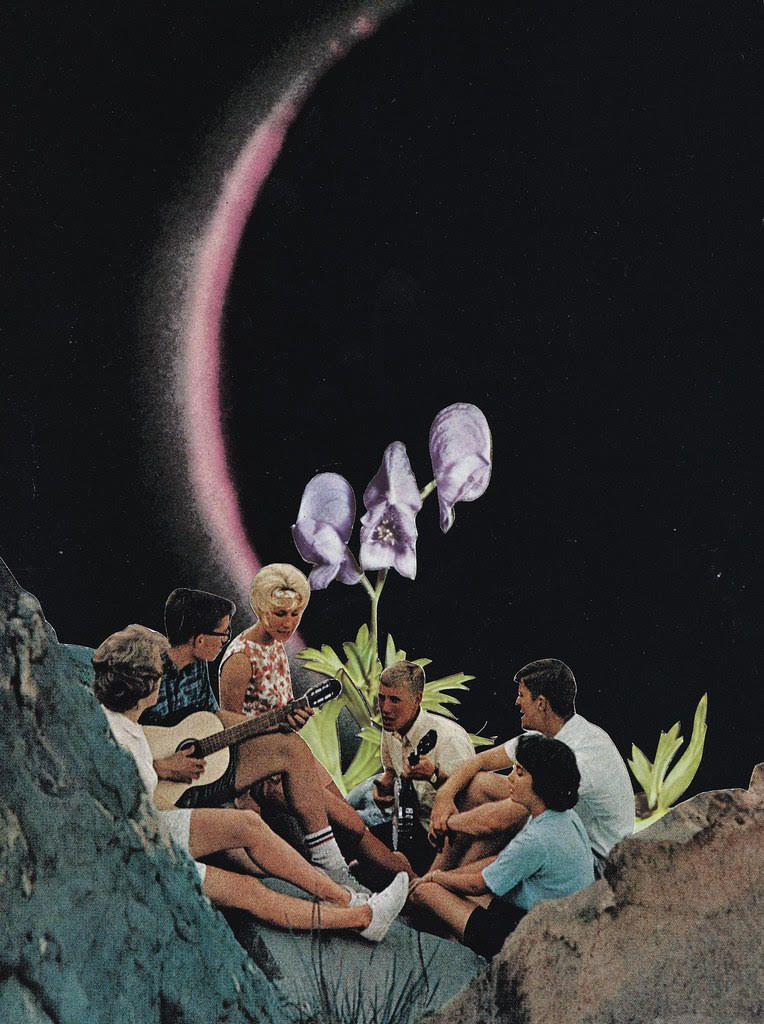
There’s an instinctive quality to Paul’s collages. They aren’t overly planned or contrived. Instead, they feel like decisions made by eye and feeling, where colour and shape guide the next choice. His use of contrast between colour and black and white, between sharp edges and soft forms gives his work a bold presence. Yet it never feels loud; it feels intentional. Sometimes his compositions feel playful, other times more pointed, as if each piece is testing the boundaries between image, idea, and feeling. The work doesn’t ask you to decode a message, but it rewards attention: small details, unexpected alignments, and moments where disparate elements suddenly seem to belong together. Paul’s collages reflect a confidence in materials and intuition. There’s rawness in the edges, honesty in the combinations, and a curiosity that moves across each surface. In his hands, collage isn’t just cutting and pasting. It becomes a way of thinking, feeling, and connecting letting images meet in ways that feel fresh, bold, and unmistakably his own.

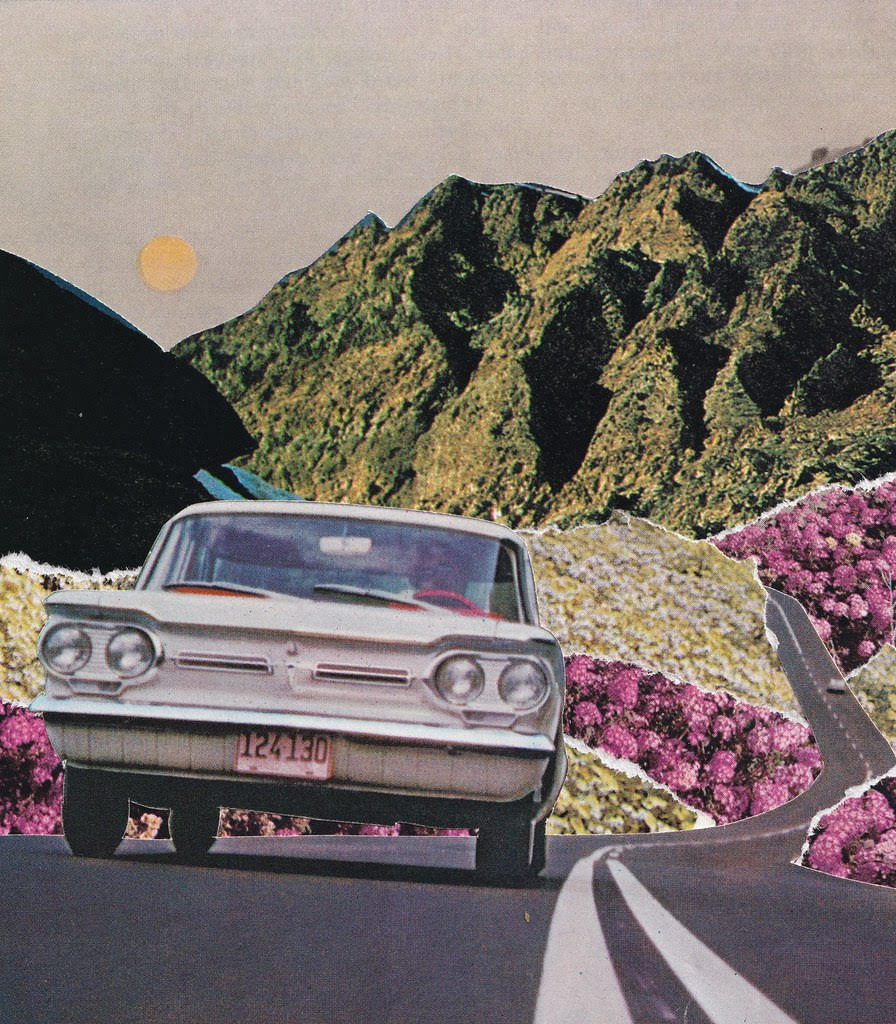
Shawn Marshall @shawn_marshall_art
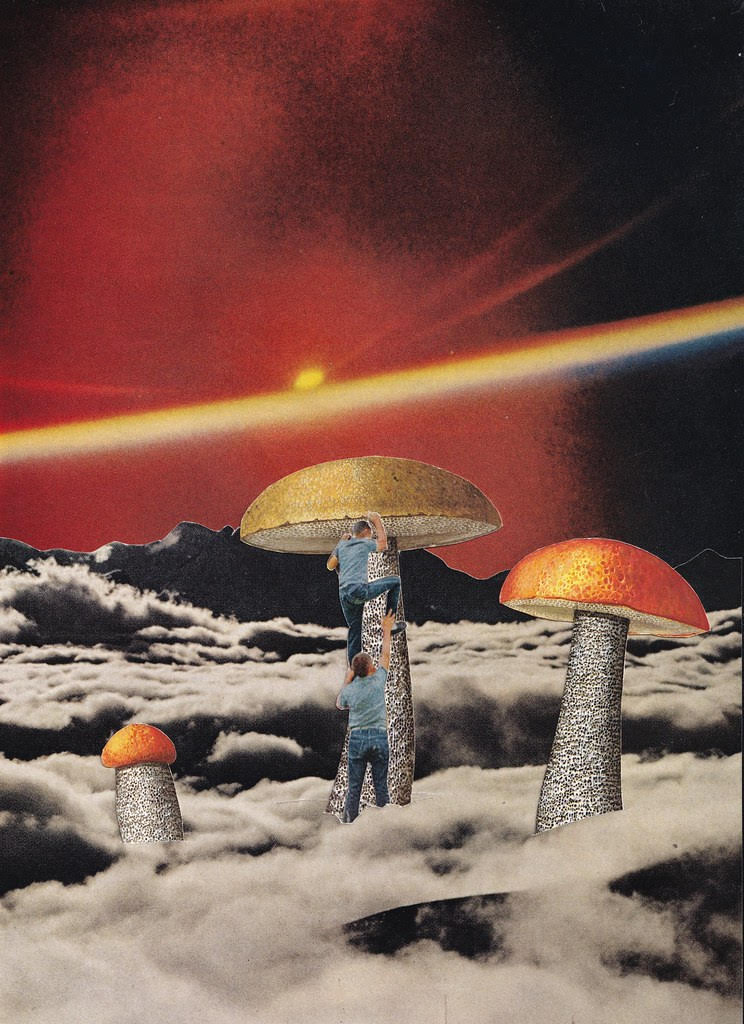
Shawn Marshall’s art has a quiet familiarity to it, like you’ve seen a fragment of it before, but not exactly like this. Her collages bring together images and textures in a way that feels both intentional and playful, as if she’s allowing the work to surprise her as much as it surprises the viewer. There’s an ease in how elements coexist, yet each piece feels shaped by thoughtful choices rather than random assembly. Shawn frequently incorporates photographic fragments alongside painted surfaces, paper textures, and graphic marks. These combinations don’t sit in opposition. Instead, they seem to enter into dialogue, as if each element has something to offer the next. Faces and forms emerge beside patterns and colour fields with a sense of balance that feels lived-in rather than engineered. The work often carries a sense of quiet rhythm. Shapes repeat, colours echo, and there’s a measured flow from one part of the composition to another. You don’t have to search for meaning. The eye is guided through the piece naturally, finding connections that feel intuitive without being literal. It’s a kind of visual logic that doesn’t explain itself but lets you feel it.
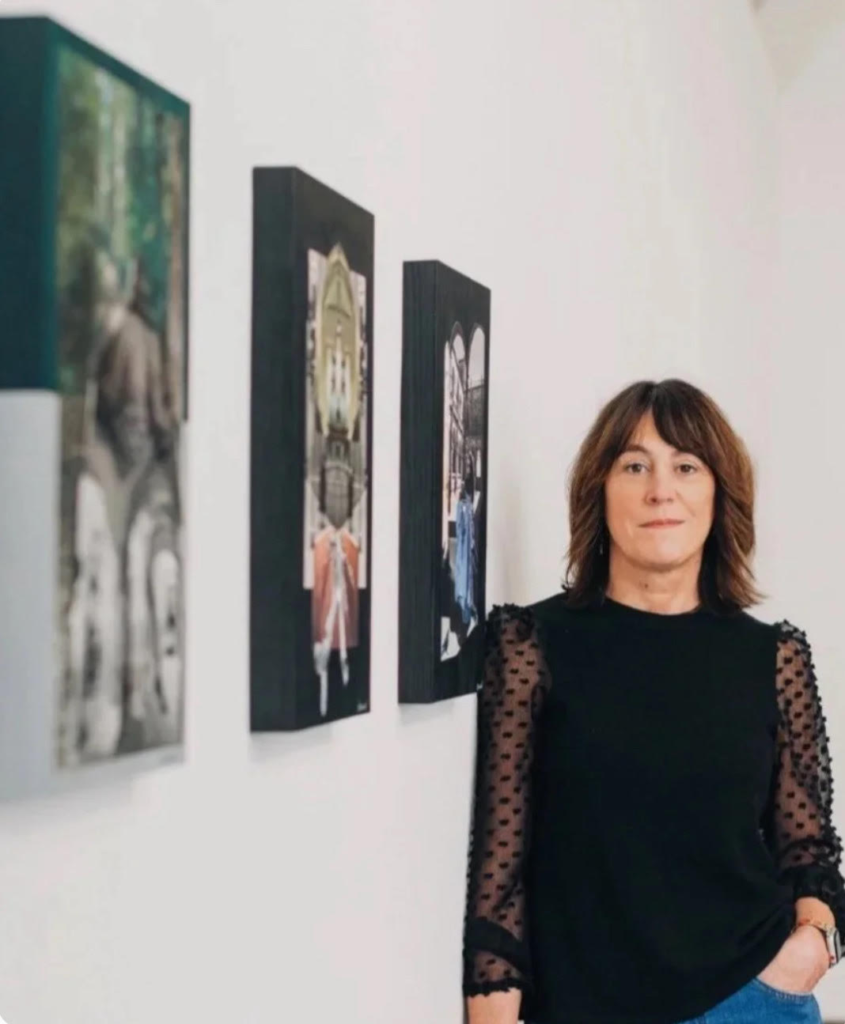
There’s also texture in Shawn’s collages that invites closer looking. Rough edges, soft overlaps, and layered surfaces give the work a depth beyond the immediate image. Some pieces feel gentle, others more textured or bold, but all carry a subtle sense of thoughtfulness, as if each choice was made with both curiosity and care. Unlike collage that profiles itself through novelty or spectacle, Shawn’s work stays grounded. It doesn’t call attention to technique for its own sake. Instead, technique becomes a means to an expressive end: a place where form, colour, and suggestion meet. In her hands, collage feels like a space for quiet experimentation, one where images can relate in unexpected but meaningful ways. Shawn Marshall’s collages don’t try to grab you right away. They ask you to slow down. The more time you spend with them, the more they open up small relationships between images, quiet shifts in colour, details that only start to make sense once you’ve really looked. Her work doesn’t push for attention. It meets you where you are and lets the connection build naturally.
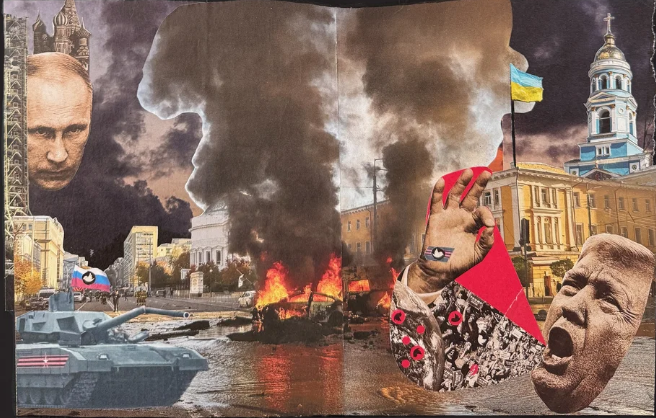
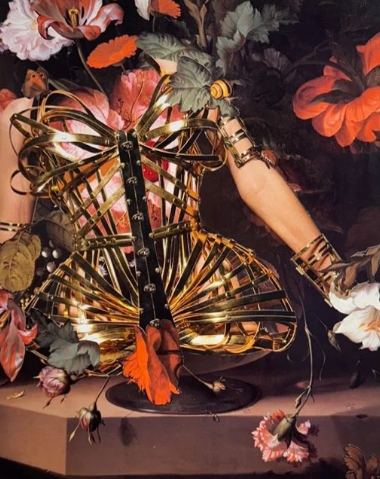
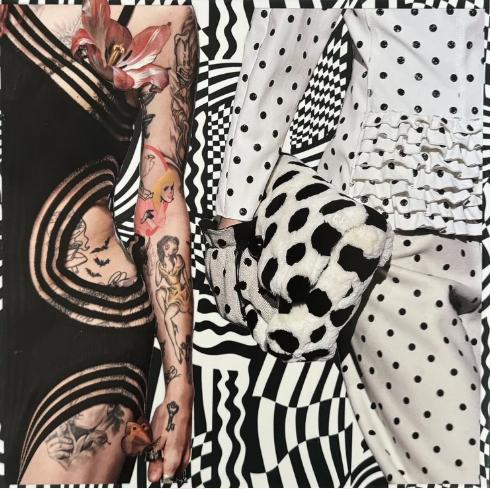
Each of these artists works in their own way, with their own rhythm and instincts. But there’s a shared sense of care running through the work. Nothing feels rushed. Images aren’t placed for effect or novelty. You can sense the time behind each piece time spent testing combinations, stepping back, removing something that didn’t belong, and stopping only when the balance felt right.
Some of that thoughtfulness is obvious straight away. Other times, it reveals itself slowly. A fragment that could have been replaced isn’t. A space that could have been filled is left open. Those decisions shape how the work holds together. They give the images room to breathe.
Collage, in these hands, is not casual or decorative. It’s a fine art practice built on judgment and sensitivity. Working with images that already exist means working with meaning that’s already present. These artists understand that responsibility. They don’t flatten their materials or force them into tidy conclusions. They let complexity remain.
There’s also a quiet trust here, trust in intuition, and trust in the viewer. The work doesn’t explain itself or push toward a single reading. Connections are allowed to form gradually. Meaning settles rather than arrives all at once. That restraint is what gives these pieces their strength.
At Arts to Hearts Project, this is exactly why we admire collage as a medium. It rewards patience. It values attention over excess. It asks artists to make thoughtful choices rather than grand gestures. When treated with care, collage becomes a deeply reflective practice, one that shows how bringing fragments together can be just as intentional as creating something from scratch.
These artists remind us that fine art doesn’t always announce itself loudly. Sometimes it reveals itself through careful placement, quiet confidence, and the discipline to stop at the right moment. And in collage, that discipline is not a limitation, it’s the source of its power.