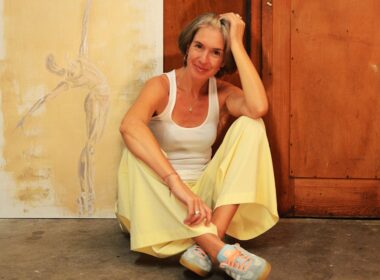

Carola Helwing turns pastels into the most delicate ballet paintings you’ll see
👁 48 Views
At Arts to Hearts Project, we made a decision early on when putting together our 101 Artbook Landscape Edition. We did not want artists who paint pretty places. We wanted artists who understand that landscape can be an emotional experience. A feeling. Something that lives inside you long after you have left the place itself. We wanted work that asks the viewer to feel first and understand second.
Carola Helwing is exactly that kind of artist. And we are so glad her work found its way to us.
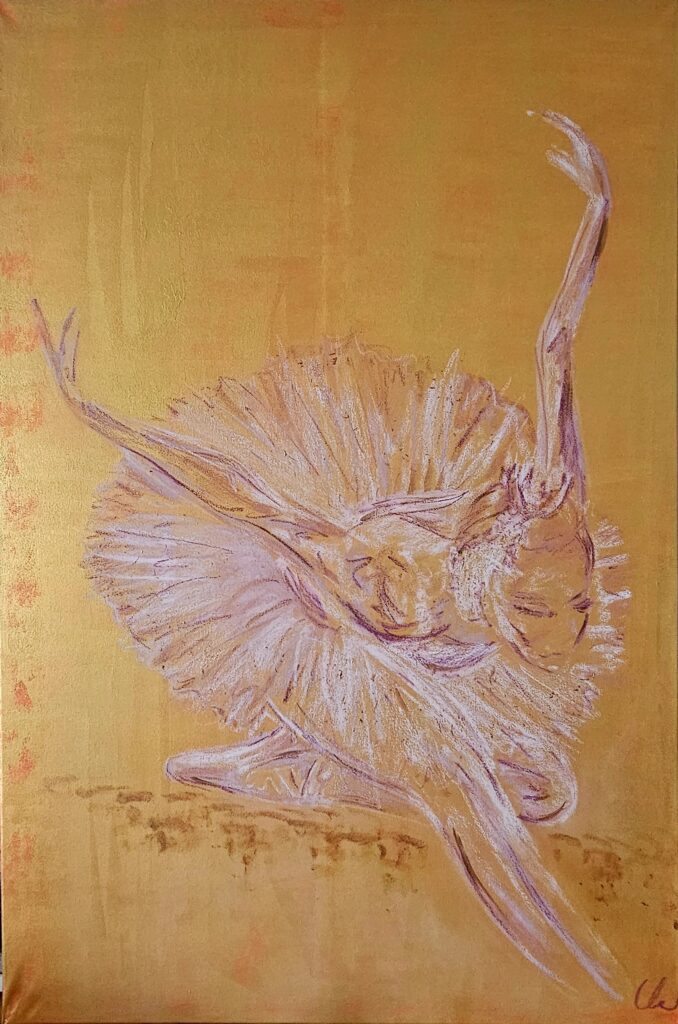
Her paintings do not show you a dance performance. They show you the part of dancing that cannot be photographed. The weight of a pose. The sadness inside an outstretched arm. The way elegance and grief can occupy the same body at the same moment. She works in pastel and her figures have this quality of being almost there, present but fragile, like they exist just on the edge of disappearing. You want to keep looking because you are afraid if you stop they will be gone.
Now let us tell you a bit about her before you read the conversation below.
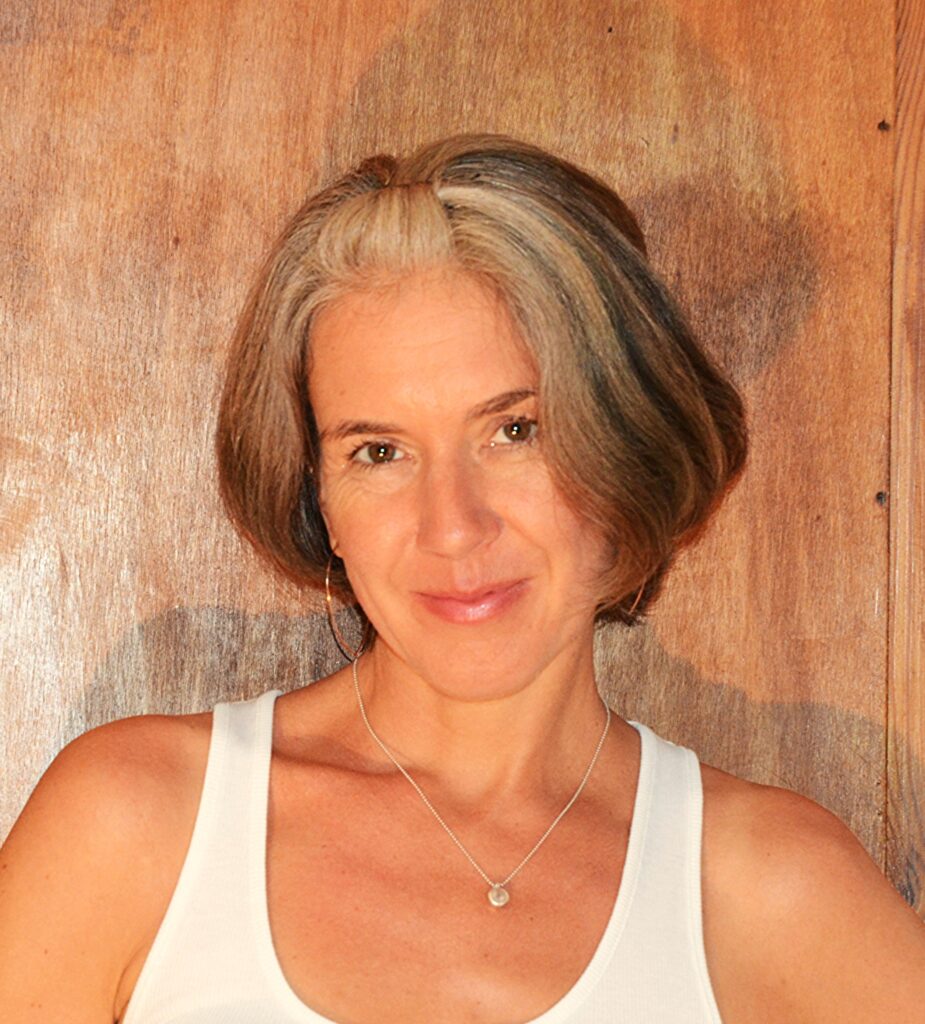
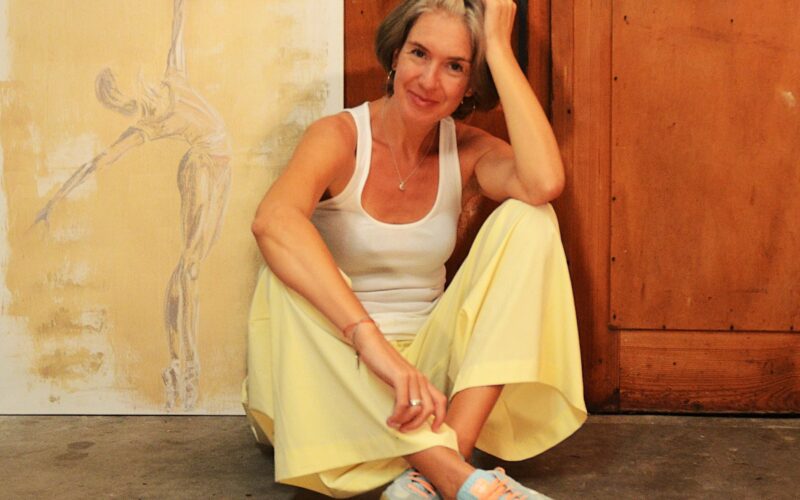
Carola is a German painter for whom art and dance arrived together early in life and never really separated. Both felt like inner necessities. Both became the places she turned when things felt heavy or unclear.
She taught art for years and brought real care to that work. But she always held a clear sense of the difference between teaching and making. Her paintings come from the making place. The deep one. And that is exactly what you feel when you look at them.
She photographs dancers, studies the emotions inside specific poses, and then works to translate that feeling onto canvas rather than the image itself. She uses pastel because it gives her figures a lightness and fragility that heavier materials never could. Her process is slow and deliberate and the results carry that. Nothing in her paintings happened by accident.
She received the International Art Prize The New Great Masters and continues to build a practice she describes as an exciting journey still very much in motion.
Now, let’s hear from Carola about painting the inside of a moment, what music gives her creative process, and why she believes you cannot have true grace without intensity sitting right beside it.
Q1. Can you share a bit about your background and the experiences that led you to painting, and when it became clear to you that this was the path you wanted to follow?
My passion for art and creativity leads back to my childhood. As well as dancing, it has been a part of my life ever since. These two passions come from an inner necessity and helped me in times when things felt heavy and unclear. When I decided to work as a teacher, I could pass on art skills and create experiences, but that could not be compared to the inner experience when art comes from deep within and you give yourself permission to create whatever wants to reveal itself. This process has unfolded over the last years and continues to be an exciting journey.
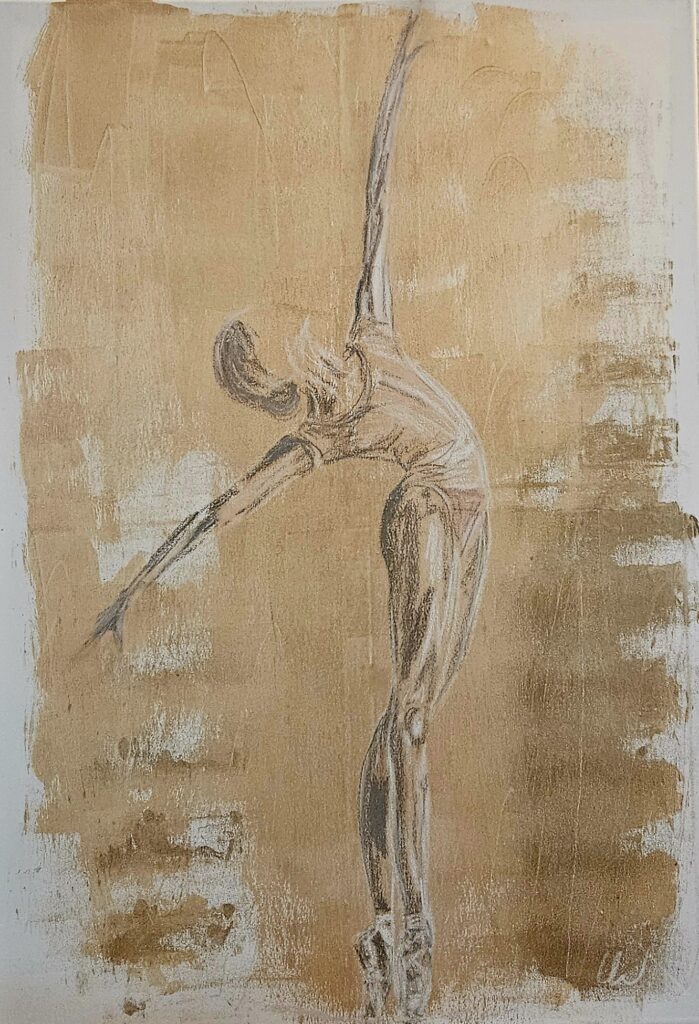
Q2. In your work you often translate movement and rhythm into visual form, what is your process for capturing an ephemeral dance moment in paint?
Usually I get touched by a dance-scene or a specific dancer’s pose and its expression. I take and review photos of dance-movements and figure out the emotions and characteristics they envoke. And that is what I want to translate onto canvas.
Q3. Could you walk us through a specific work, perhaps Swan Lake 2.0, and explain how its composition reflects both the choreography and your internal interpretation?
Swan Lake 2.0 is a reference to one of my favourite ballett compositions. It is a classic of the ballett world and the specific aesthetics and costumes have a high recognition value. For me it was clear to paint the centerpiece – the white swan Odette- and choose the pose that reflects both the elegance and sadness of Odette. In my opinion this tragedy is the core of the story. By choosing the specific materials like pastels and by painting the swan in a light and fragile way I want to represent the dignity, melancholy and beauty of this character. It is the everlasting of such a ballett- masterpiece I want to show in a modern but also classical context.
Q4. What role does music play in your creative process, both conceptually and practically?
Music plays an important role in my painting process. On the one hand it is closely connected to dance itself and has its own power to reveal and translate emotions and ideas. For that it can help me to capture a ballet piece like swan lake in a more comprehensive way. On the other hand it is like a companion that helps me to get in a flow and to express feelings and emotions in my creative process and in my paintings. Music helps me to get in a special mood: it can slow or calm me down, sharpen my emotions and drive me on, depending on what I am going for.
Q5. In translating something as dynamic as dance into a static form, how do you hope viewers feel or remember movement when they see your canvases?
I want viewers to get touched. I want them to see the power and strength as well as the fragility of dance and movement. It is my aim that they feel connected, that they open themselves for these emotions I want to show with my artworks. And I want them to take their time to view, to let the emotions sink in and to get connected with something outside of space and time. And maybe they get inspired…
Q6. You’ve received awards like the International Art Prize The New Great Masters, how have these recognitions affected your sense of direction as an artist?
First of all these awards are a confirmation of my art. When I was awarded the first time I didn’t expect this. I was really surprised and honoured that my work got such a recognition. And it encouraged me to continue with my art and to grow beyond myself.
Q7. How do you understand the relationship between intensity and grace within your compositions, and does that dialogue shift depending on the subject?
In my opinion intensity and grace depend on each other. To show true grace you need to be intense and true intensity always goes hand in hand with a certain kind of grace. That is what I try to show within my artworks. A dancer who shows intensity is a dancer with grace. And a dancer who moves with grace has to have an intense body language. The dancers and their poses in my artworks embody different aspects of this relationship, visible and perceptible as strength, beauty as well as power or fragility. I see intensity and grace as the basis from which specific expressions develop.
Q8. What are you working on now are there new bodies of work or themes you’re excited to explore next?
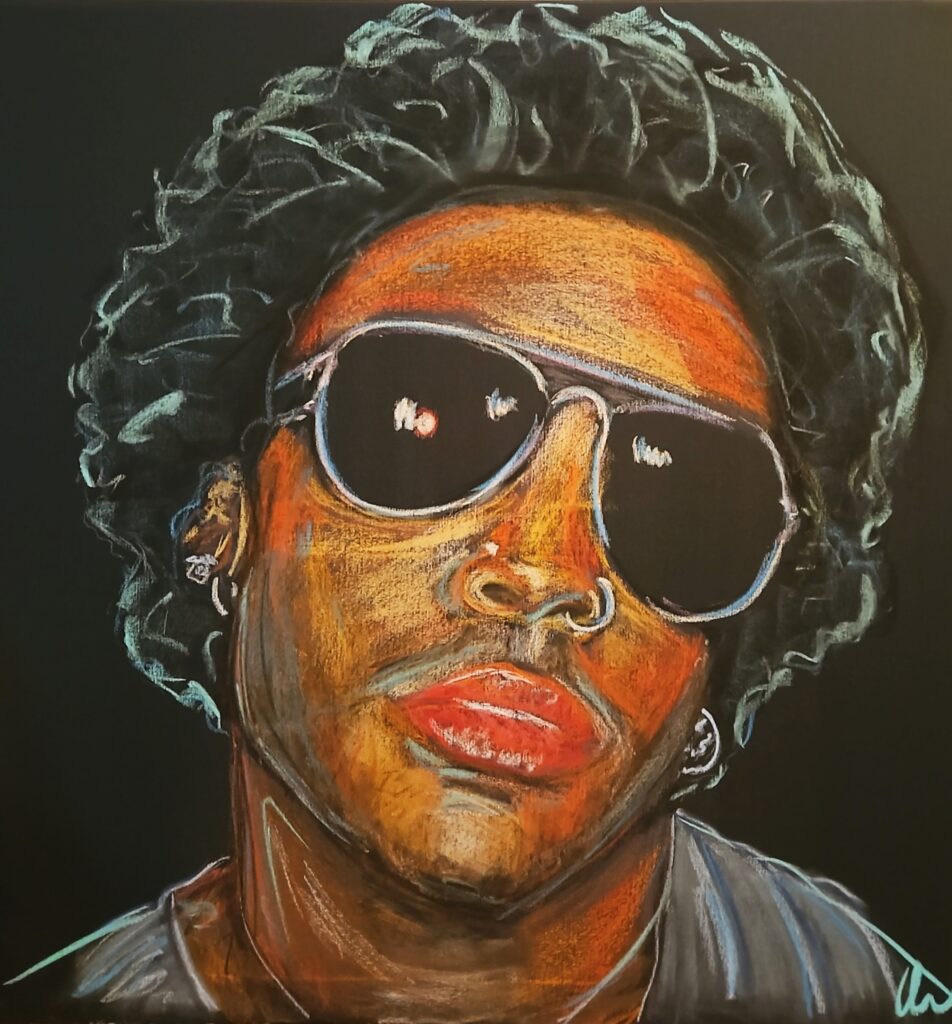
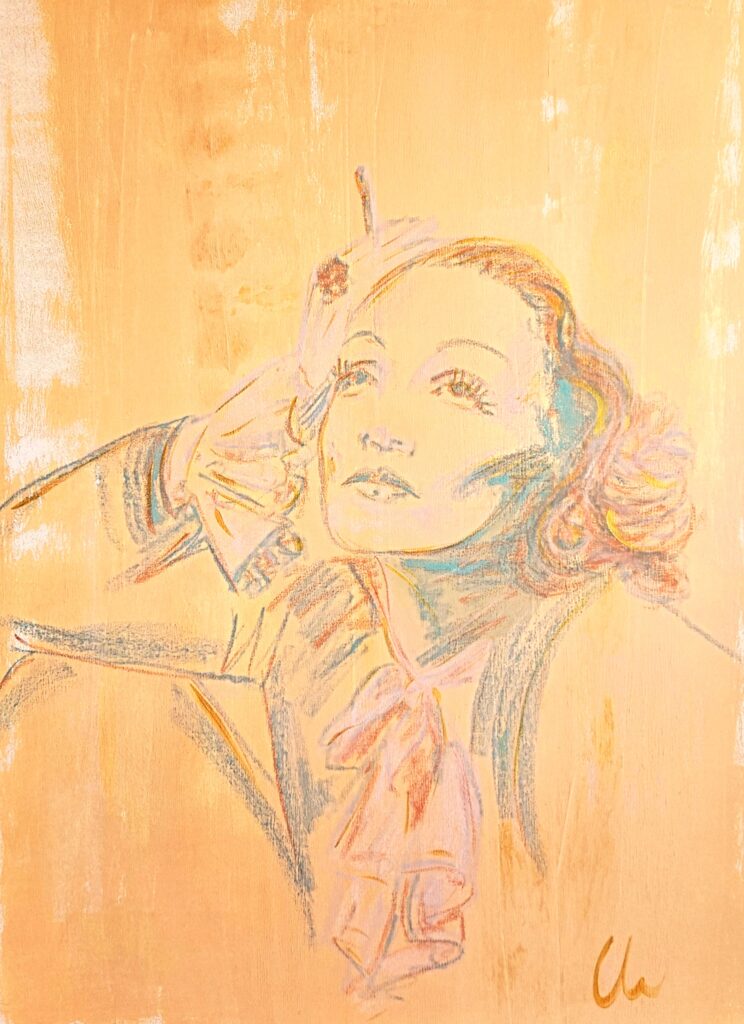
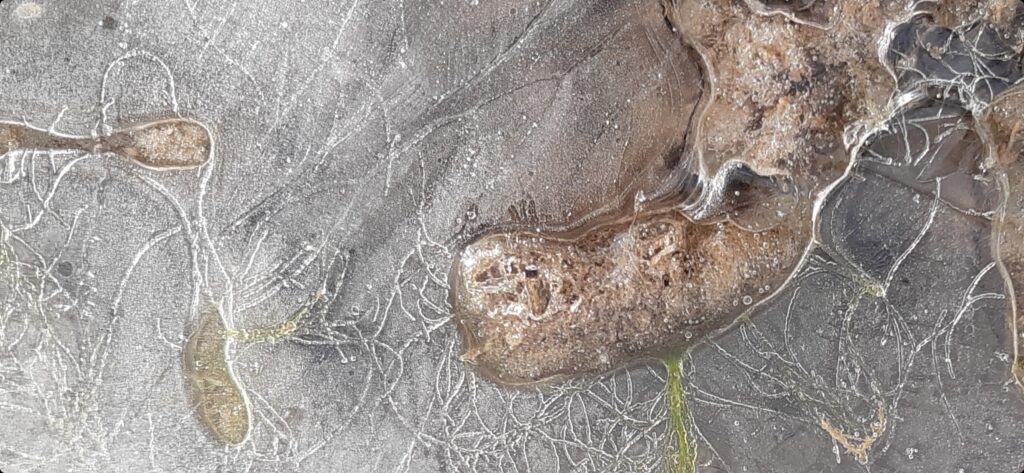
Beneath dance and movement I also deal with icon portraits and photography. The camera allows me to see the details in things or landscapes, take them out of their usual context and create new perspectives.
Q9. What advice would you give to emerging artists dealing their own creative paths, especially those integrating multiple disciplines?
Keep on going and creating! Trust yourself and your inner core. Let the world get to know you and your unique perspective.
As our conversation with Carola came to a close, we found ourselves thinking about something that is easy to take for granted. The things we carry since childhood. The passions that arrived before we had words for them. The ones we never chose because they were already ours before we were old enough to choose anything.
Most of us spend years talking ourselves out of those things. We find practical reasons to set them aside. We build lives that make sense on paper and we tell ourselves the thing we love can wait. Can come later. Can be the thing we do when everything else is sorted. And then one day we look up and we realise later has been a very long time coming.
Carola never let go. Through a teaching career, through the years of showing others what art could do, through all of it, she held onto the thing that was hers. And when she finally gave herself full permission to make from that deep inner place, the work became what it is today. Not louder. Not more ambitious. Just more true.
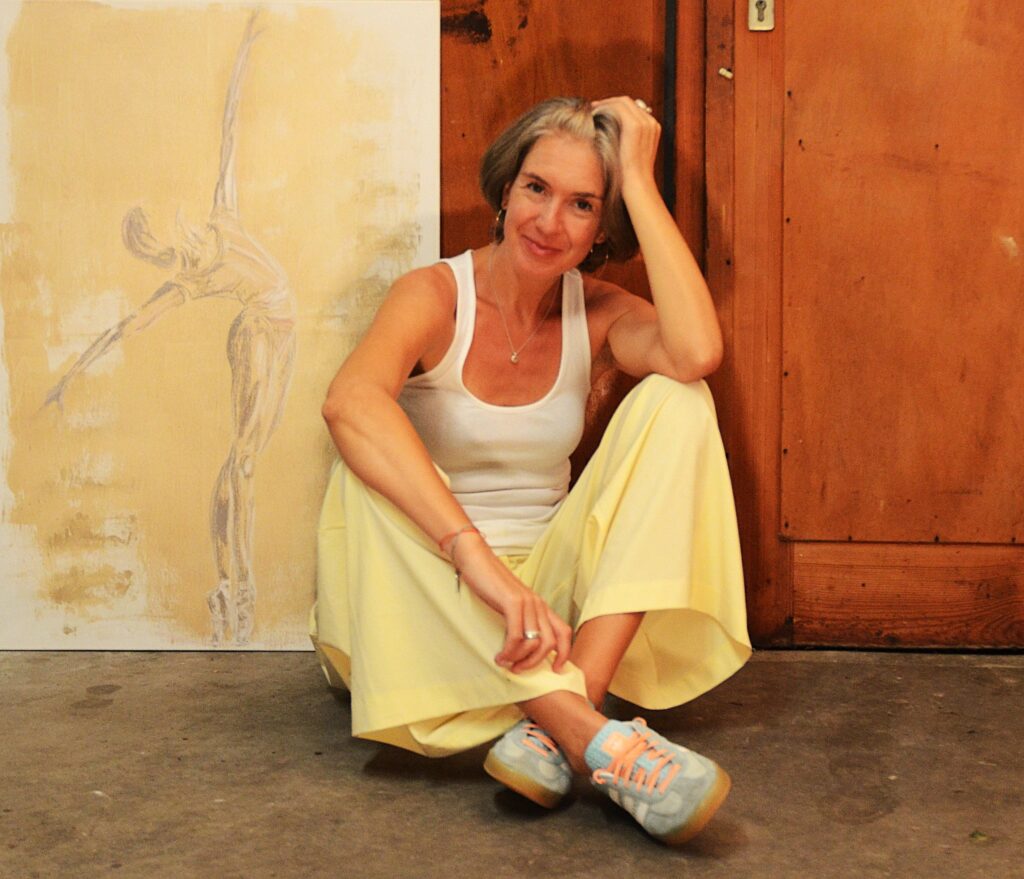
And we think that is the thing she is really painting. Not dancers. Not ballet. Truth. The truth of what it feels like to be inside a moment of beauty that is also a moment of grief. The truth that grace and intensity are not opposites. That the most powerful things we feel are usually two things at once. And that sitting with that complexity instead of smoothing it over is what makes art actually matter.
So if you are someone who has been waiting to give yourself permission, we hope Carola’s story sits with you for a while. The things you have been carrying since childhood are not accidents. They are not phases. They are trying to tell you something. And the longer you listen the more honest the work becomes.
Follow Carola Helwing through the links below and spend some time with paintings that know the difference between showing you something beautiful and making you feel something true.