
Can painting bring someone back to life after grief?
👁 123 Views
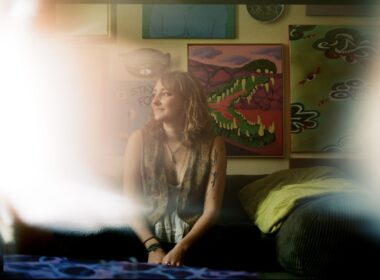
In this interview, we meet Natalie Maxted, a painter working in acrylic who strips away the visual noise of our image-saturated era to look for presence. Trained at the University of St Andrews and with an MA in the History and Business of Art and Collecting from the University of Warwick, she spent years inside the machinery of the art world at Christie’s and other firms before choosing the studio. That background, paired with life across Colombia, Norway, Malaysia, Finland, the United States, Italy, France and the United Kingdom, gives her portraits a clear sense of what to keep and what to leave out. She favours gesture, light, and the mood of a moment over polish, building faces through decisive colour fields and features that feel immediate rather than edited.
Throughout our conversation, Natalie shares how she begins a portrait by searching for the emotional core. She explains the specific lessons each place has taught her, from rhythm and colour to stillness and light, and how studying in Europe sharpened her eye for periods and references. She talks about leaving a respected job because making pictures mattered more than cataloguing them, and how her late husband’s encouragement helped her take that step. She walks us through her Pop Culture series made with permission from the photographer Allan Warren, describing how she translated photographs into paintings that carry energy rather than imitation.
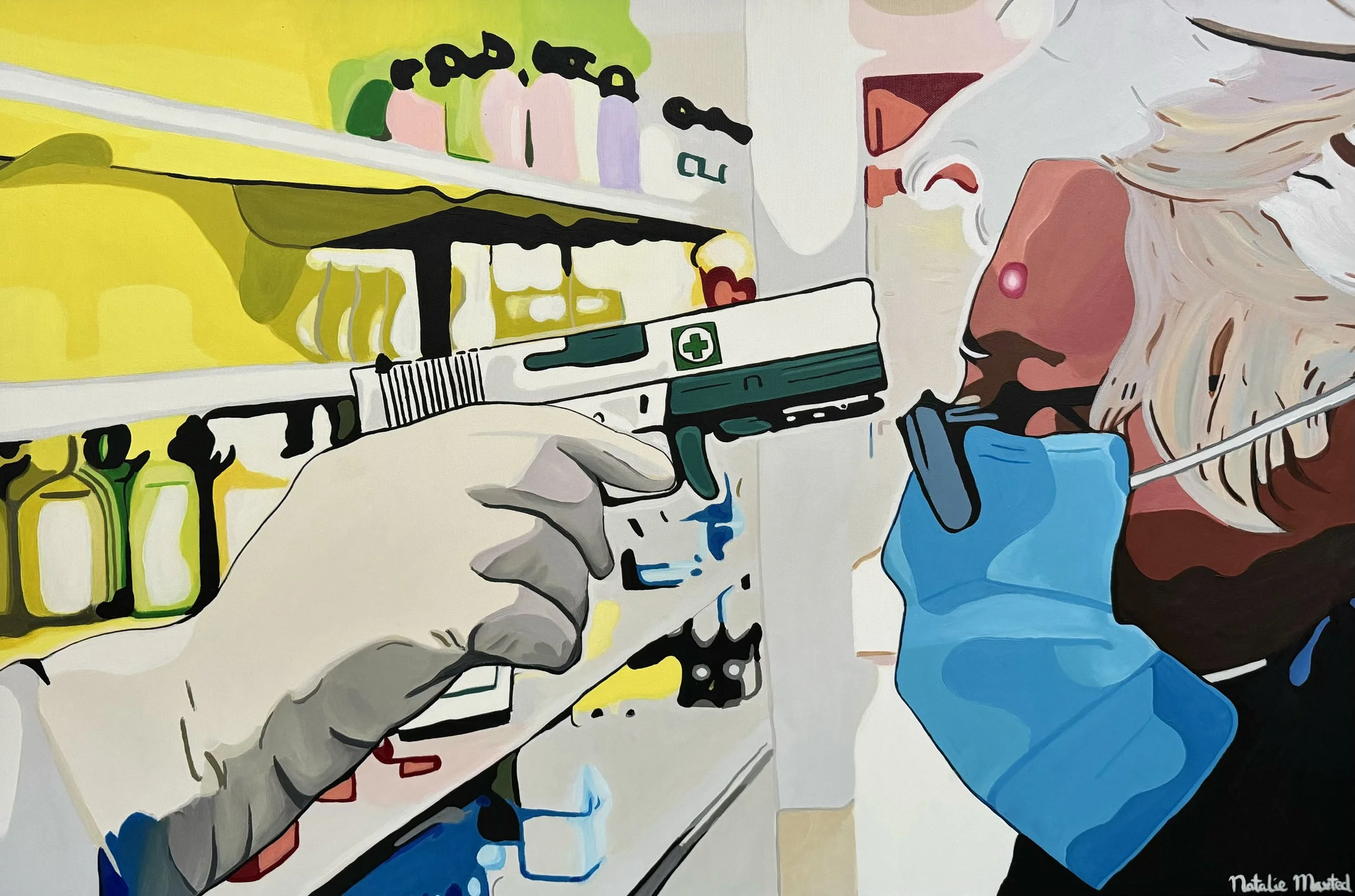
We also hear about a life that was interrupted and then rebuilt. After a sudden loss and two years focused on survival and motherhood, Natalie returned to painting in October 2024. That return changed her tone. The work now holds more grounded feelings and a quiet steadiness. She speaks about how raising a child after grief sharpened her attention to small signals in colour and light, and how that attention guides her choices on the canvas. Along the way, we learn about exhibitions at Red Dot during Miami Art Basel, Artexpo New York in April 2025, and showings at The Brick Lane Gallery. We know how a piece titled Pathogen entered the public conversation in the Cambridge Independent under the line Testing the Nation’s Temperature, and how Light and Dark reached a finalist slot for display at the OXO Tower in London.
Looking ahead, Natalie is intent on examining what authenticity means when so much of life passes through screens. She wants to capture moments that feel human and unforced, to follow the seasons people live through, and to place the work where it will be seen by those who will sit with it. She currently lives in a small beach town in Florida, yet her sights are set on reaching a wider audience across Europe and the United States. By the end of this interview, you will have a clear view of how she edits modern image culture down to feeling, how travel and scholarship shaped her eye, why she chose paint over auctions, what collaboration taught her, and how loss and care reshaped her practice. Most of all, you will learn how she builds portraits that set aside filters so the person can look back.
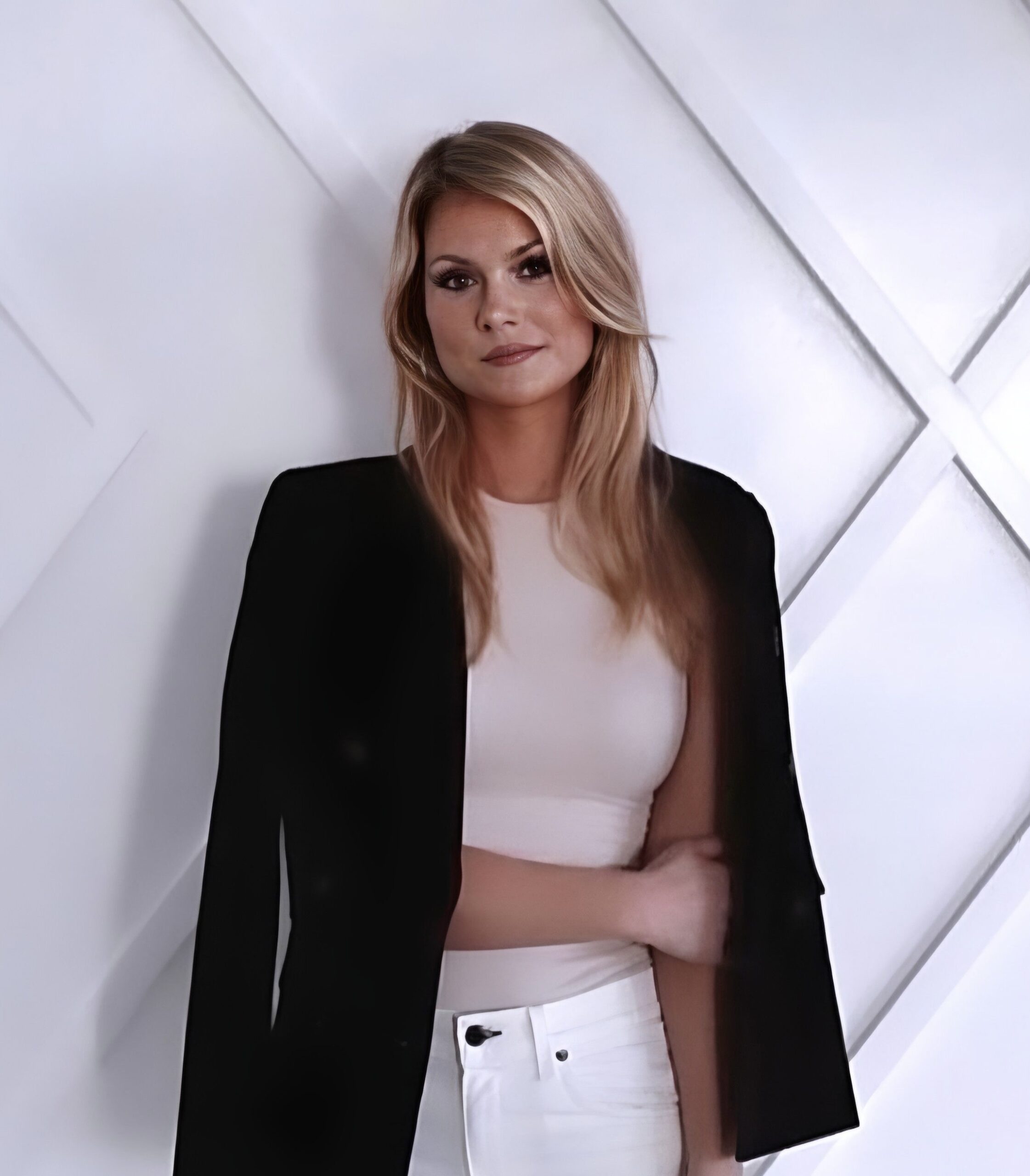
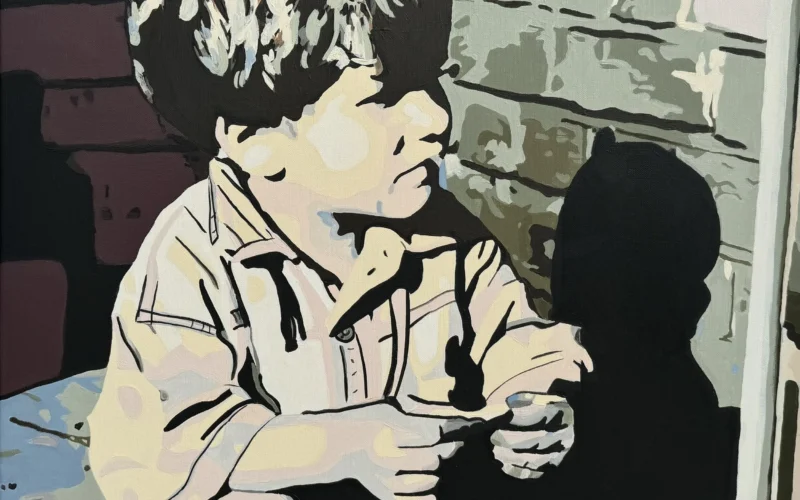
Natalie Maxted specialises in acrylic portraits, drawing inspiration from art historical movements while engaging with themes of contemporary image culture. In an age dominated by high-saturation, over-processed visuals, and extreme filters, her work distils the essence of these digitally enhanced images. Rather than relying on digital tools to emphasize every pixel, Maxted employs traditional painting techniques to eliminate extraneous details. This approach allows the raw human expression—capturing distinct emotions, moods, and moments—to take centre stage, defined by bold colour-blocks, striking features, and the emotive power of the subject.
An accomplished American/British/Finnish rising artist, Maxted holds an undergraduate degree from The University of St Andrews and an M.A. in the History and Business of Art and Collecting from the University of Warwick. With advanced degrees and a comprehensive knowledge of art history, she has extensive experience within the art industry, having worked at Christie’s, one of the world’s leading auction houses, as well as various other art businesses. After years in the art world, Natalie made the transition to a full-time artist. Her international experience, having lived in Colombia, Norway, Malaysia, Finland, the US, Italy, France, and the UK, informs much of her artistic practice. Natalie is currently based in the United States.
Her work has been showcased at world-renowned and well-respected international art events, including Miami Art Basel at the Red Dot Art Fair and the New York Artexpo in April 2025. It has also been displayed in well-known galleries such as The Brick Lane Gallery, which has featured the likes of Banksy. Maxted’s ‘Pop Culture’ series, created in collaboration with former celebrity and royal photographer Allan Warren, garnered significant attention. In the UK, her award-winning piece Pathogen was featured in the Cambridge Independent Newspaper, described as ‘Testing the Nation’s Temperature,’ and her work Light and Dark was selected by a panel of experts, including an Archbishop, as a finalist to be displayed at the OXO Tower in London.
1. Your paintings take today’s filtered, edited images and turn them into something much more direct and human. How do you decide what details really matter when you start a portrait?
When I start a portrait, I’m really looking for the emotional core, not the perfectly polished version of someone. We live in a world where almost every image is edited or filtered, and I think that can strip away a lot of what makes people interesting. I try to go the other way and simplify until only what feels actual remains. I focus on gesture, expression, and the way light hits the face. The details that make someone feel alive and present are not flawless.
Painting became a way of turning pain into something alive and hopeful. It reminded me that art is not just something I do; it is who I am.
Natalie Maxted

2. You’ve lived in places as different as Colombia, Norway, Malaysia, and the UK. How have those experiences shaped the way you see people and the way you paint them?
Each place I’ve lived has shaped the way I see the world. Colombia gave me a sense of colour and rhythm; Norway taught me stillness and light; Malaysia brought warmth, texture, and a love of gold; and the UK gave me structure and restraint. Studying Art History in Europe deepened that perspective, and each series I create draws on a different art historical period in some way. Living across so many cultures has shown me that while people express themselves differently, emotion (and the resilience that comes from growth and adversity) is universal. I try to connect that shared human experience to the world we live in today, capturing the feelings I’ve known myself in each portrait I paint.
3. After spending years in the art world working with Christie’s and other galleries, what finally made you leap to become a full-time painter?
Working at Christie’s was incredibly inspiring — you’re surrounded by masterpieces every day. I loved the research, the sense of discovery behind each auction collection, and being part of a community that shares such a deep love of art and history. But over time, I realised I wanted to create art, not just handle it. That was where my heart truly was. I transitioned into painting around the time I met my late husband. He was one of my most incredible supporters. He believed in my work completely and gave me the freedom to pursue it wholeheartedly. We were a team, and I’ll always be grateful for that. One of the reasons I’ll never stop painting is that I know he’d want me to keep going.
4. Your collaboration with photographer Allan Warren brought together two ways of seeing people—through the camera and through paint. What was that experience like for you?
Allan Warren, the celebrated British photographer known for his iconic celebrity portraits, was a major inspiration for one of my earliest series. I collaborated with him by seeking permission to use his images, aiming to reinterpret them through my own lens of emotion and colour. My goal was to create iconic works that could resonate with people’s diverse experiences of pop culture around the world.
Painting these portraits was less about likeness and more about capturing energy. These works are intended to be timeless, reflecting the enduring presence of their subjects, and Allan Warren’s photography provided an inspiring foundation for this Pop Culture series. The timelessness of these works continues to resonate. For example, in 2021, I painted ‘Elizabeth Taylor’ and incorporated violet tones from Warren’s original photograph. Recently, the Pop singer Taylor Swift released a song called “Elizabeth Taylor,” which references the actress and includes the line “cry my eyes violet.”

“I try to go the other way and simplify until only what feels true remains. I focus on gesture, expression, the way light hits the face. The details that make someone feel alive and present, not flawless.
Natalie Maxted
5. You’ve spoken openly about rebuilding your life after loss while raising your child. How has that journey influenced the tone or emotion in your recent work?
A few years after I began painting full-time, just as my work was starting to gain traction, my late husband passed away unexpectedly. We had just started a new life in the United States, bought a home, and suddenly everything stopped. I could not leave the country because of visa issues, and my focus shifted entirely to survival. I had to manage paperwork, find stability, and figure out how my daughter and I were going to move forward. People often assume tragedy immediately fuels creativity, but for me, it was the opposite at first. When you are in survival mode, your energy goes into simply keeping life together. I have learned that I need to live life to be inspired by it.
I could not paint or create for quite some time. I took two years off, and I really needed that space to exist and heal. Eventually, when I found my footing again, painting became a form of healing and honesty. Returning to my practice felt like returning to myself. It reminded me that art is not just something I do; it is who I am. Art, motherhood, and resilience have become inseparable for me. I want my daughter to see that women can face unimaginable loss and still rise, that we can rebuild, create, and thrive again. Grief changes how you see everything: colour, light, and even silence. My work now feels more grounded and raw. There is strength in it, but also softness. Painting became a way of turning pain into something alive and hopeful. It is very much about resilience, the beauty that comes after breaking. But not only that, motherhood after grief is a unique experience.
Seeing my daughter discover things for the first time, while knowing how fleeting life is, has allowed me to look at the world with a kind of double awareness. It is as if I am both inside and outside of life, rediscovering it through her eyes. That perspective has deepened the emotional language of my work. I have become more interested in expressing the quiet struggles that women experience and the strength that exists within that silence. I want my audience to connect with that rawness and to know that they are not alone.

6. With exhibitions lined up across Europe and the US, what are you most excited to explore or express in this next stage of your career?
There are a few things I want to continue exploring. As an artist, I have always believed it is my duty to comment on the society in which we live. Firstly, I want to examine what authenticity means in a world dominated by images. I am fascinated by the contrast between the digital and what we experience in real life, including the way perspective, light, and colour shape our perception. I want to capture raw and relatable moments while also engaging with the digital age and exploring how it shapes the way we see ourselves and others. Secondly, I want to continue creating works that reflect the different phases of life and the seasons people go through. I hope my art inspires and encourages reflection.
Even though there is a digital-like quality to my paintings, I want people to feel the humanity in them and to recognise that life is beautiful even when it hurts. I want viewers to think that they are not alone, even if screens separate us, to find strength in the quiet moments that often go unnoticed, and to understand that while we may be knocked down, we can always carry on. What brings me the greatest fulfillment is knowing that people are viewing my paintings, engaging with them, and allowing themselves to be moved. I hope my art becomes a space for discovery, much like music, where it can resonate deeply, provoke thought, and become a meaningful part of someone’s experience.
My work has not yet reached its widest audience here in the small beach town in Florida where I live, in part because of the diaspora and the scale of the local art scene. However, I believe art belongs where it is appreciated, and I am committed to sharing my work in cities and communities around the world where these ideas and emotions can be truly understood. I hope to continue creating work that connects with others, offering reflection, feeling, and a shared sense of humanity.

Natalie Maxted’s paintings bring focus back to what truly matters in an image: the emotion that lingers after everything unnecessary is stripped away. Her portraits challenge the glossy perfection of the digital age, choosing honesty over polish and presence over performance. Through colour, gesture, and restraint, she restores a sense of connection that screens often blur.
Her journey from working within the structured world of Christie’s to building a practice rooted in resilience and motherhood shows how life’s most challenging moments can reshape creativity into something more grounded and human. From global exhibitions to quiet days in her Florida studio, Natalie’s art reminds us that strength, loss, and renewal can coexist, and that each painting is an act of finding truth in simplicity.
To learn more about Natalie Maxted, click the following links to visit her profile.
Arts to Hearts Project is a global media, publishing, and education company for
Artists & Creatives. where an international audience will see your work of art patrons, collectors, gallerists, and fellow artists. Access exclusive publishing opportunities and over 1,000 resources to grow your career and connect with like-minded creatives worldwide. Click here to learn about our open calls.