
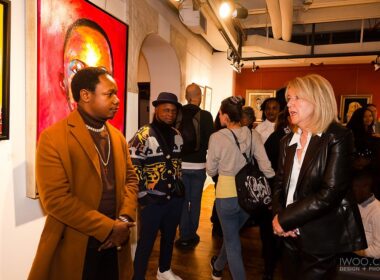

This Bergen County Muralist Turned Local Storefronts Into Instagram Hotspots I Donna Beekman
👁 136 Views
At Arts to Hearts Project, our Women Artist Award has always been about one thing. Finding women whose work speaks before they do. Women who are not waiting to be noticed. They are already deep in the work, already building something meaningful, already showing up to the canvas with intention and honesty and the kind of quiet confidence that only comes from years of listening to yourself.
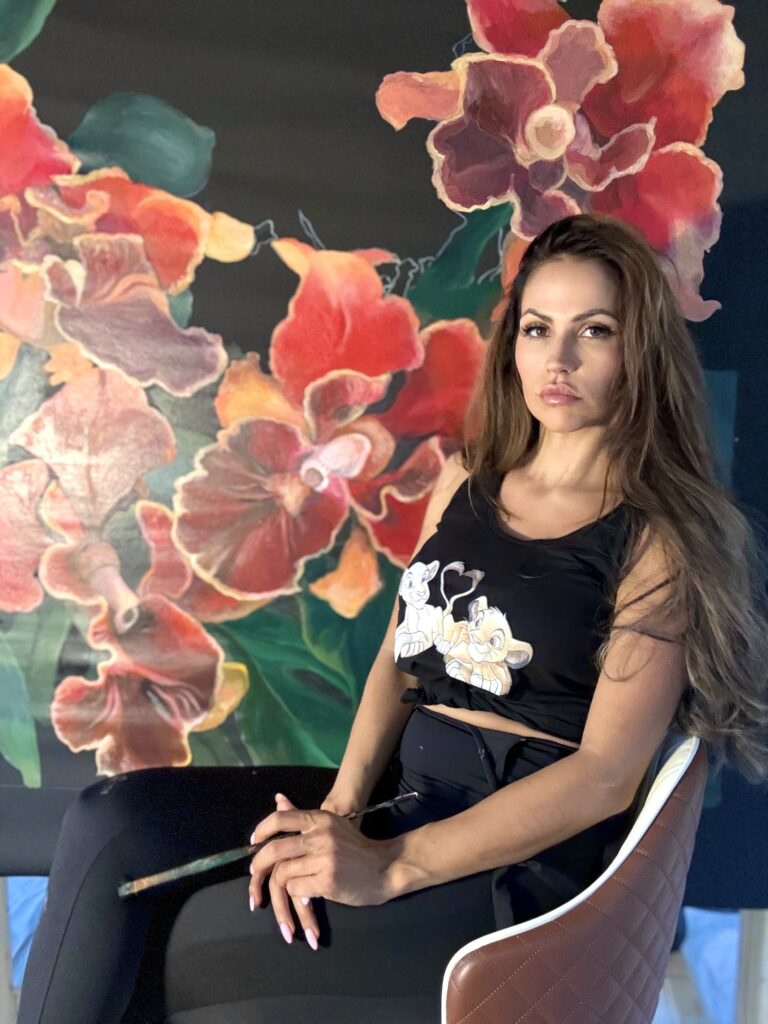
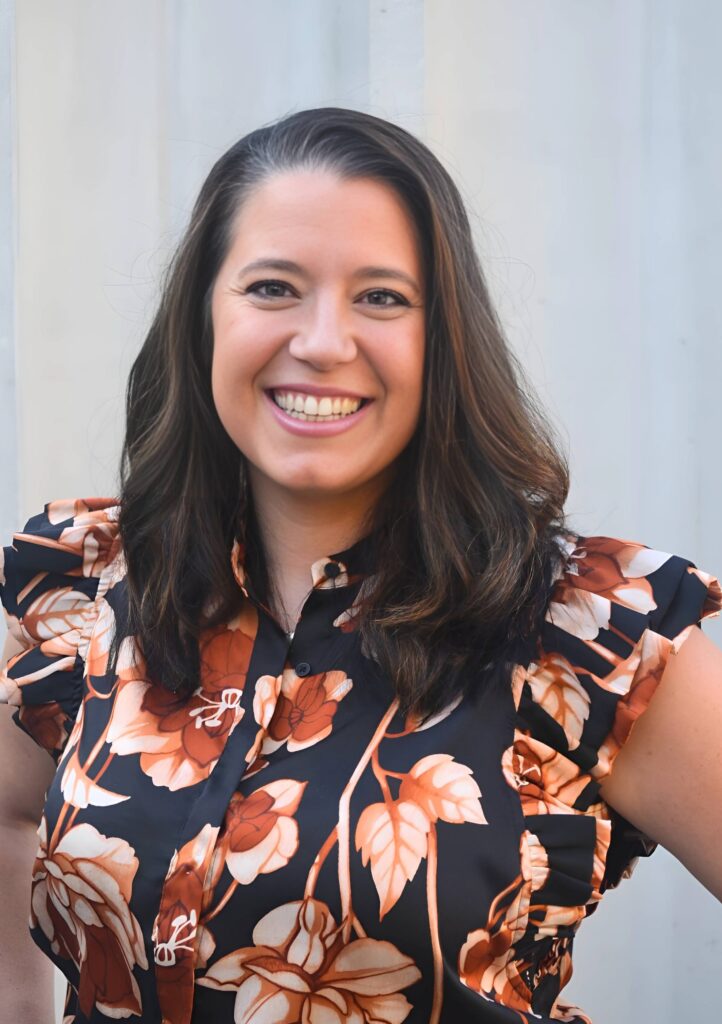
Donna Beekman is one of those women. And we are proud to have her as a selected artist for this award.
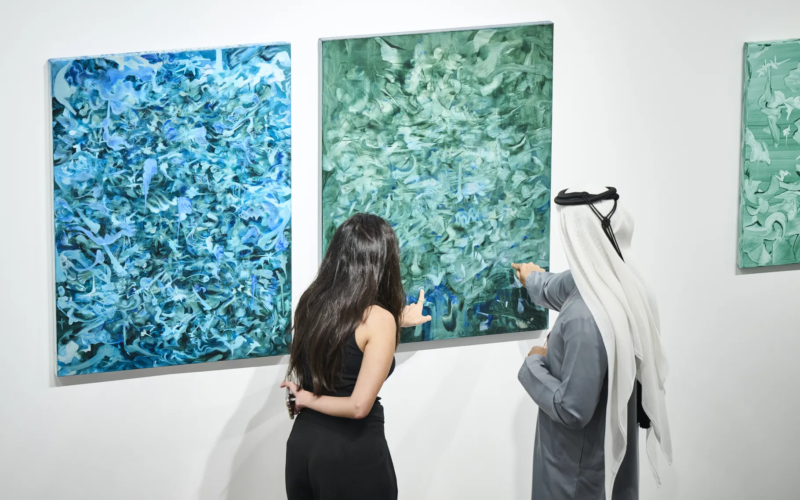
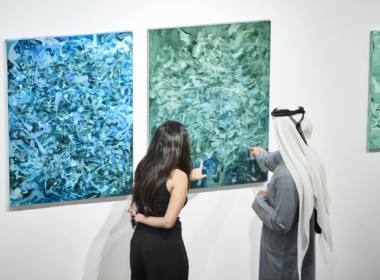
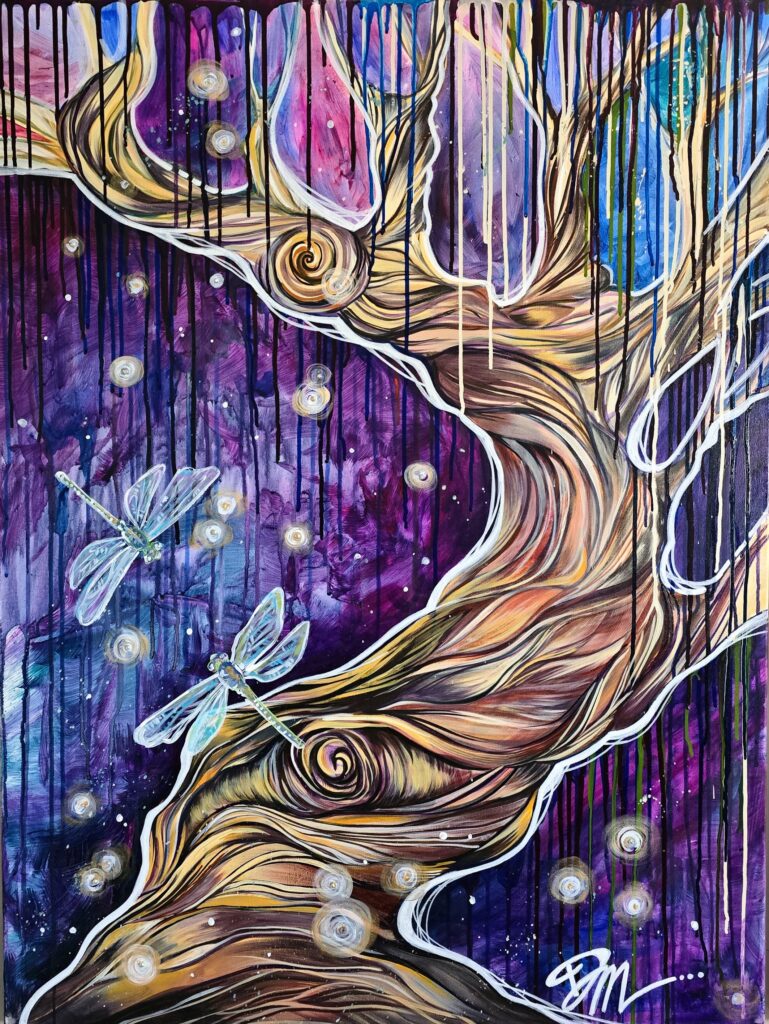
Donna is an abstract painter and the first thing you notice about her work is how it breathes. There is energy in it but also stillness. Movement but also rest. She builds her paintings in layers, adding and removing, and every decision feels considered. Nothing is there for decoration. Every mark means something. Every quiet space is left open on purpose to give the viewer room to enter and feel whatever they need to feel.
She works with colour first. Before a brushstroke lands, she is already thinking about mood. About what a palette needs to carry. Calm, joy, warmth, movement. The feeling comes before anything else and the colours follow it.
She keeps things limited on purpose. A few anchor colours doing most of the work. And when something starts to feel crowded, she does not add more. She takes away. She simplifies. She lets each colour breathe and speak clearly.
But painting for Donna is more than a practice. It is spiritual. It is a form of prayer and meditation. It is when she feels most grounded and most connected. And that is the point where painting stopped being exploratory for her and became essential. Not optional. Not a hobby. Essential. The way breathing is essential.
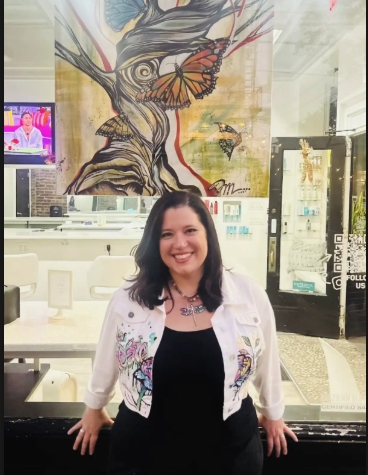
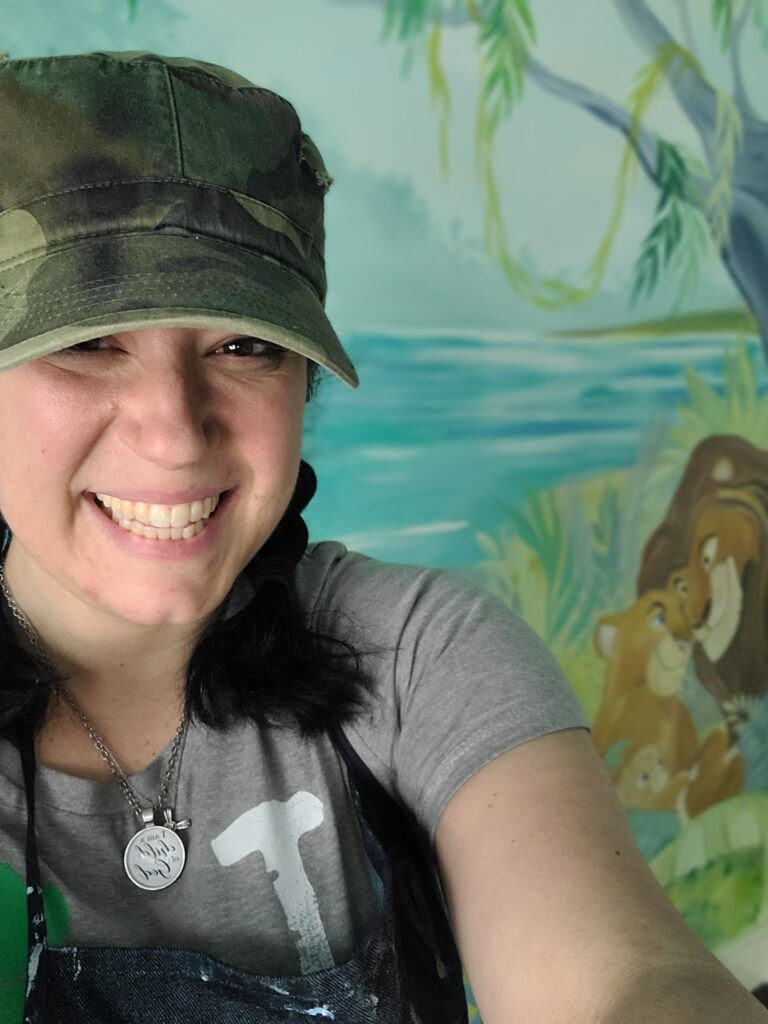
She came to this through a path that matters to her deeply. Murals. Public spaces. Bringing art into homes and communities that do not always see themselves reflected in traditional gallery settings.
Making art accessible is not a side project for Donna. It is advocacy. It is expanding who art is for and where it belongs. That belief runs through everything she does.
And there is something about how she talks about her process that we think every artist needs to hear. She describes a painting like a breath. Moments of movement and moments of rest. When a piece feels uncomfortable or unresolved she does not rush to fix it. She sits with the tension because she has learned that tension usually means something important is happening. She listens to the painting. She listens to herself. And she knows the difference between discomfort that is holding energy and discomfort that is blocking it.
Let’s hear from Donna about what it means to paint as prayer, how she builds depth through restraint, and why the quiet spaces in her work are never empty.
Q1. Could you share your background and the point when painting stopped being exploratory and became the main way you wanted to think and work?
Painting began as an exploratory part of my practice, but over time it became the primary way I think and work. That shift happened as I started creating murals and bringing art into homes and public spaces. Making art accessible beyond traditional gallery settings matters deeply to me; it feels like advocacy, expanding who art is for and where it belongs. I’m drawn to paint because it’s forgiving. If something doesn’t work, it can be repainted and reimagined, which encourages risk, openness, and growth. Most importantly, painting has become a form of prayer and meditation for me. It’s when I feel most grounded and spiritually connected, and where reflection and worship naturally take place. At that point, painting stopped being exploratory and became essential.
Q2. You often work with limited colour palettes. How do you decide which colours belong together before the painting starts to feel crowded?
I usually decide on a limited palette before I begin by thinking about mood and energy rather than specific outcomes. I’m looking for a feeling first—calm, joy, movement, warmth—and the colors follow that intention. If the palette feels cohesive emotionally, it tends to hold together visually as well. I also pay close attention to balance and restraint. I’ll choose a few anchor colors and let them do most of the work, using variation in value and saturation rather than adding more hues. When a painting starts to feel crowded, that’s usually my cue to simplify—to remove or mute rather than introduce something new. Sometimes Limiting the palette helps me stay focused and allows each color to breathe and speak more clearly. Lately, I’ve been branching out into more colorful pieces, drawn to the joy and vitality that vibrant hues offer, while carefully balancing them so the work feels celebratory and layered rather than kitsch.
Q3. Many of your compositions feel horizontally grounded, almost like landscapes without describing one. What draws you to that sense of weight and grounding?
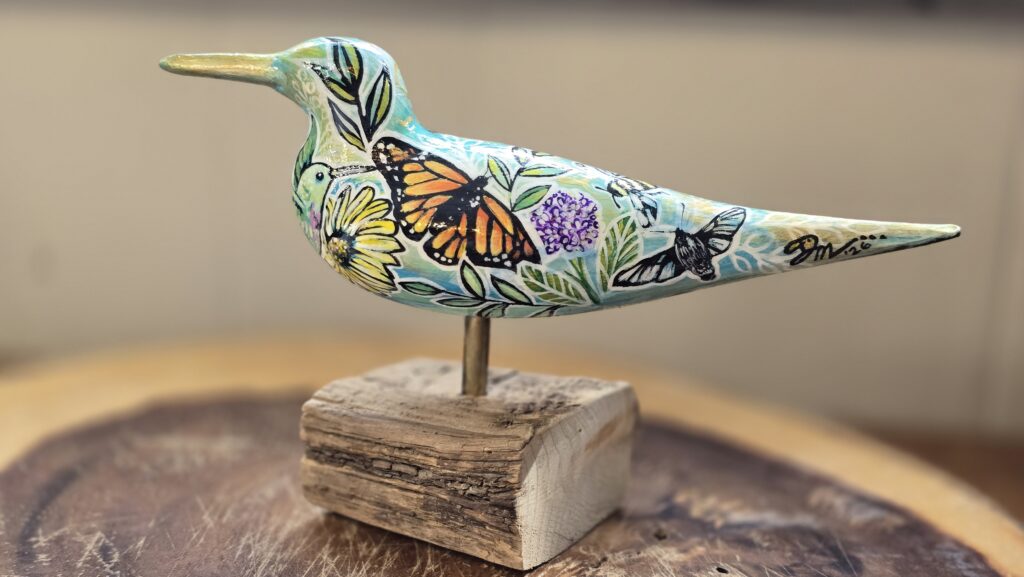
I don’t think this is accurate for me I tend to paint on many different surfaces, in varying formats of size and shape. I even love working on objects as well.
Q4. Some areas in your paintings feel active, while others are deliberately quiet. How do you decide where a painting needs energy and where it needs space?
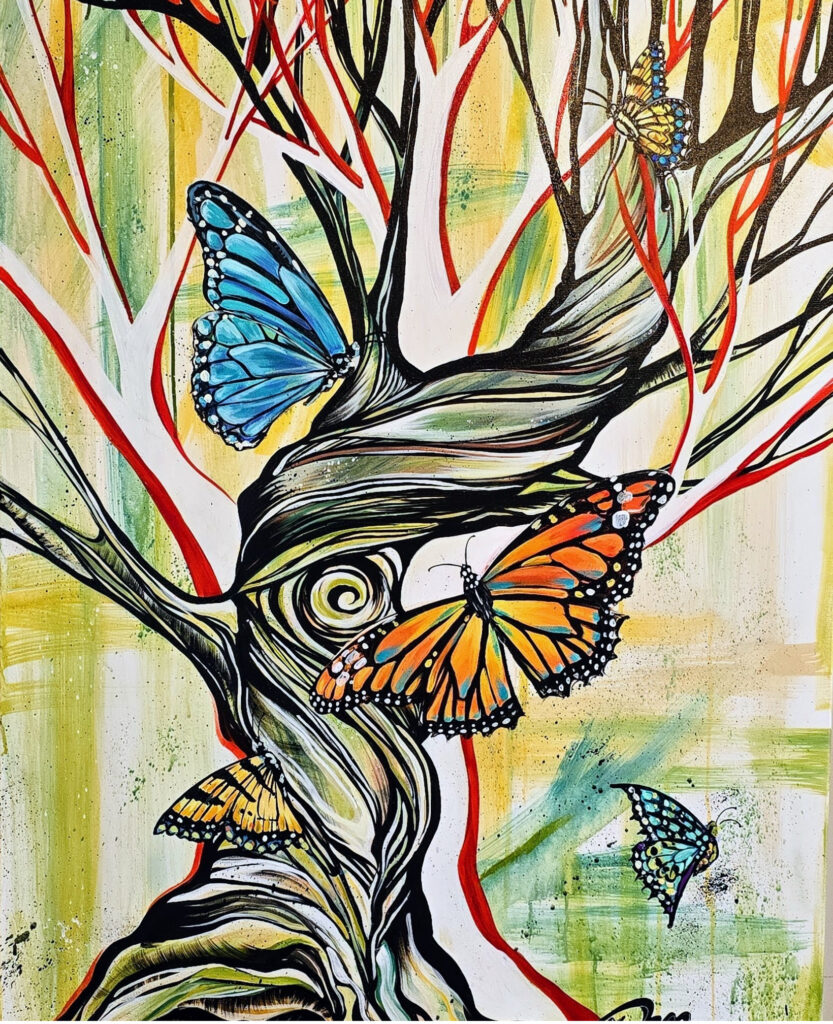
I think of a painting almost like a breath—it needs moments of movement and moments of rest. I let the active areas emerge where the emotion or energy feels most concentrated, and I allow quieter spaces to exist so that energy has somewhere to land. Without that balance, everything competes for attention. I’m constantly responding as I work, paying attention to when a painting starts to feel noisy or rushed. That’s usually my signal to slow down, simplify, or leave space untouched. The quiet areas aren’t empty to me; they’re intentional pauses that give the viewer room to reflect and enter the work more fully.
Q5. When a painting feels uncomfortable or unresolved, how do you decide whether to stay with that tension or push toward clarity?
When a painting feels uncomfortable or unresolved, I try not to rush to fix it. I’ve learned that tension often means something important is happening, and I want to understand what the work is asking before pushing it toward clarity. Sitting with that discomfort can open up unexpected directions. At the same time, I pay attention to when uncertainty turns into noise or distraction. If the tension starts to feel forced rather than purposeful, that’s when I move toward simplification and clarity. The decision comes from listening—both to the painting and to my own intuition—and recognizing whether the unresolved feeling is holding energy or blocking it.
Q6. When you begin a new painting, what usually leads the way colour, surface, or a physical response to the space you’re working in?
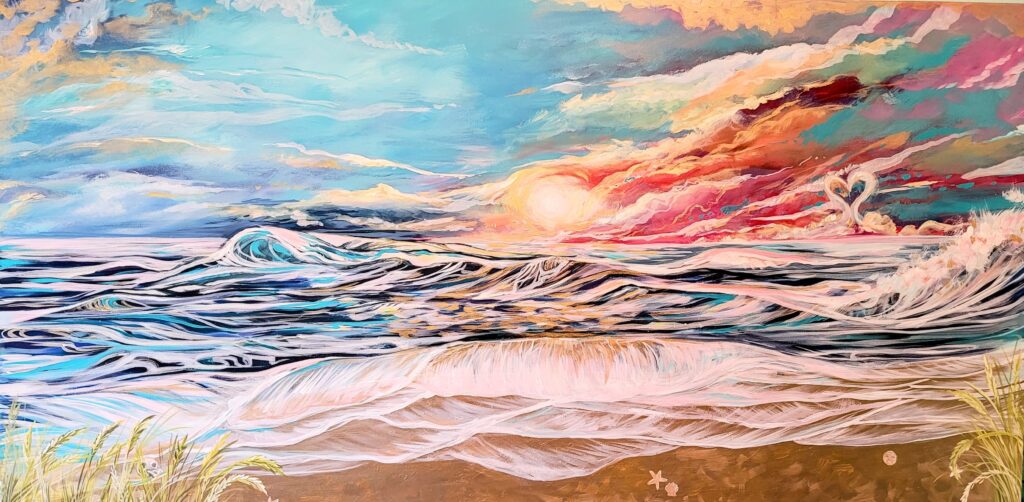
When I begin a new painting, color usually leads the way. I’m drawn to a palette that feels right for the mood or energy I want to explore, and that choice starts to shape the work. From there, I build textures and layers, letting the surface respond to the space and the marks I make. I love how layering adds depth and movement, but throughout the process, I’m always thinking about the meaning of the piece—it has to shine through, no matter how complex the surface becomes. Color, texture, and form work together to support both the energy and the message of the painting.
Q7. Layers in your work don’t feel decorative, they feel considered. How much of your process is about adding, and how much is about removing?
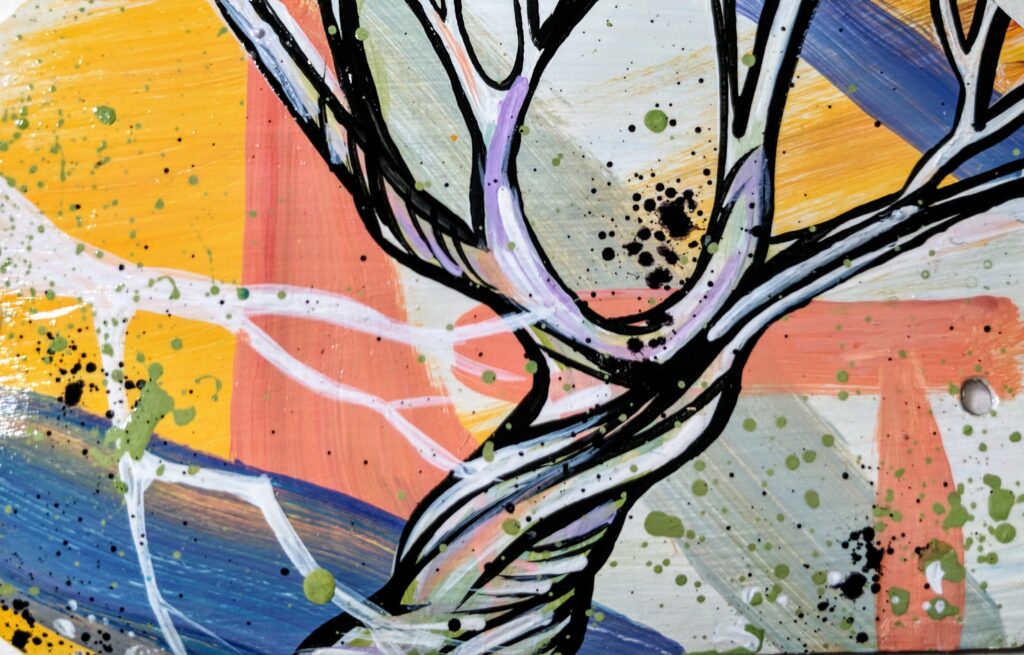
For me, layering is always intentional. Adding layers is a way to build depth, energy, and nuance, but I’m equally focused on removing or simplifying when a section starts to feel crowded or distracting. My process is a continual dialogue between addition and subtraction—each layer serves the painting’s meaning, and each space left open allows the work to breathe. It’s not about decoration; it’s about creating a balance where every mark matters and the core of the piece comes through clearly.
Q8. When you stand back from a finished piece, what do you look for first balance, tension, rhythm, or something more instinctive?
When I step back from a finished piece, I usually start with instinct—an overall feeling of the work. From there, I notice how balance, tension, and rhythm are playing out, and whether the painting is communicating the energy or meaning I intended. I pay attention to how the eye moves across the surface and how the colors, textures, and layers interact. Ultimately, it’s about whether the work feels alive and complete, not just technically resolved.
Q9. At this point in your practice, what questions keep returning in the studio, even if the paintings themselves change?
At this point in my practice, the questions I return to are about presence, meaning, and connection. I ask myself how a painting can communicate feeling without being overly literal, how color, texture, and space can hold energy, and how each piece can resonate with both me and the viewer. Even as the work changes, I’m always thinking about how to balance intuition and intention, and how to create a sense of depth, rhythm, and openness that lets the work—and the viewer—breathe.
Q10. What advice would you give to artists working in abstraction about developing depth and consistency without over-explaining their work?
I’d tell artists working in abstraction to trust their instincts and let the work lead the way. Depth comes from layering, texture, and thoughtful restraint—building complexity without crowding the surface. Consistency comes from being intentional with your choices, whether it’s color, mark-making, or rhythm, while staying true to the energy and meaning you want to convey. The key is to allow the work to communicate on its own terms; the viewer should feel and respond, not be told exactly what to think.
As our conversation with Donna came to a close, we kept thinking about restraint. Not the kind that holds you back. The kind that makes everything you do mean more.
We live in a time that rewards excess. More colour. More content. More noise. More explanation. And art is not immune to that. There is a pressure to fill every corner of a canvas, to justify every choice, to make sure the viewer understands exactly what you meant. Donna does the opposite. She takes away. She simplifies. She leaves space. And that space is not emptiness. It is trust. Trust that the painting can communicate without being overly literal. Trust that the viewer will bring something of their own into the work. Trust that silence can say more than noise ever could.
That is harder than it sounds. Most artists know the fear of leaving something open. The worry that it will look unfinished or empty or like you did not try hard enough. Donna reminded us that the open space is the bravest part of the painting. It is where you stop controlling and start inviting. And that invitation is what makes a painting feel alive instead of just complete.
We also keep coming back to something about how she sits with discomfort. When a painting feels unresolved, she does not panic. She does not reach for a quick fix. She waits. She asks what the tension is trying to tell her. And she only moves toward clarity when she is sure the uncertainty has given her everything it can. That patience, that willingness to sit in the uncomfortable middle of a painting and not rush out of it, we think that is one of the most underrated skills an artist can develop.
So if you are working on something right now that feels unresolved, do not rush it. If your instinct is telling you to simplify instead of adding more, listen to it. If the painting in front of you needs a quiet space more than it needs another mark, leave it. And if you have ever felt like making art is something deeper than a career or a practice, something closer to prayer, something that connects you to a part of yourself that nothing else can reach, you are not imagining that. That is real. And that is enough reason to keep going.
Follow Donna Beekman through the links below and see what happens when an artist trusts the silence as much as the brushstroke.