



All About Art Basel’s First Ever Award Show
👁 66 Views
For years, Art Basel held quiet authority over the art world. Simply showing at its fairs could change the trajectory of a career, and presence often mattered more than praise or prizes. People noticed who was there, who was missing, and which voices were shaping conversation.
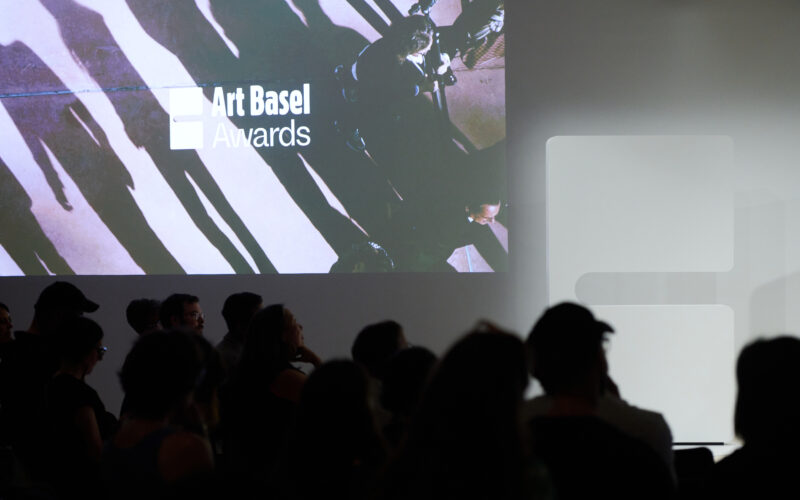
Then, in 2025, something shifted. Art Basel unveiled its first-ever award show, the Art Basel Awards. It was a deliberate step toward recognition in a broader sense. Suddenly, the invisible labor, curators guiding collections, writers framing cultural dialogue, patrons supporting new projects, was brought into focus. Their work, often quiet and unseen, received acknowledgment on a global stage.
The awards did not single out one artwork, one artist, or one moment. They honored years of contribution, influence, and care that ripple quietly through galleries, museums, and cultural spaces.
Artists shared the spotlight with curators, institutions, and cultural organizers whose decisions shape how we experience and understand art. The scope of recognition was wide, acknowledging that culture is not the work of one person alone.
Competition and ranking had no place here. Peer nominations, careful jury deliberations, and collective decisions shaped the process. Recognition was extended with thoughtfulness, instead of the dramatic urgency of applause or publicity. It carried responsibility, reflecting a deeper understanding of how art survives and thrives through consistent support, trust, and collaboration.
The first 36 Medalists were announced by an international jury, eventually leading to the Gold Awardees being celebrated at Art Basel Miami Beach in December 2025. The New World Centre, striking and architecturally alive, hosted the event, yet the real story was the acknowledgement itself. It acted as a confirmation that the future of art depends on multiple voices, steady effort, and work that often goes unseen.
1. This Was Bound to Happen, Just Not in a Hurry
Some things take time not because people hesitate, but because the moment has to grow into them.
As we all know, Art Basel did not rely on formal awards to express influence. Its fairs already worked as a powerful signal within the art world. Being selected, placed, and presented at Art Basel meant recognition, credibility, and long-term visibility. Careers shifted simply through participation, without announcements or titles attached.
As the art world expanded, that form of recognition began to feel incomplete. Influence was no longer contained within booths or sales floors. Many people shaping contemporary art were working across institutions, publishing, education, philanthropy, and cultural infrastructure. Their work shaped how art was seen, supported, and sustained, even when it did not appear directly inside a fair.
In 2025, Art Basel formally acknowledged this wider reality by launching the Art Basel Awards. According to Art Basel and its parent company MCH Group, the awards were created to recognize those shaping the future of art and culture through long-term contribution rather than short-lived visibility. The focus shifted toward influence that unfolds over years.
This decision carries weight because of who made it. Art Basel operates at a global scale, touching nearly every part of the contemporary art ecosystem. When an institution of this reach chooses to create an award platform, it signals responsibility rather than reinvention. It suggests a recognition that visibility alone does not capture cultural impact anymore.
The first edition of the Art Basel Awards did not arrive with fanfare or urgency. It arrived with restraint. It acknowledged that the art world had grown wider, more interconnected, and more dependent on collective effort than ever before.
Sources:
https://www.artbasel.com/stories/art-basel-awards-2025-everything-you-need-to-know
2. There Were No Winners, and That Was the Whole Idea
Not everything meaningful needs to be framed as a competition, especially in a field built on collaboration.
the Art Basel Awards has kept itself structured to move away from familiar competitive formats. There were no public submissions, no popularity-driven metrics, and no open voting systems. Instead, recognition was built on peer nomination and expert selection, placing trust and experience at the center of the process.
For the inaugural edition, an international jury selected 36 Medalists. These medalists represented a wide cross-section of the art world. Artists were honored alongside curators, museum directors, patrons, publishers, and cultural organizers. This range reflected a clear understanding that art moves through systems, not single roles.
Later in the year, a smaller group of Gold Awardees was chosen from within the Medalist group. This stage was collaborative rather than hierarchical. Medalists themselves participated in shaping the final recognitions, reinforcing the idea that acknowledgment gains meaning when it comes from within the community.
The awards focused on long-term influence rather than singular achievements. Years of consistent work, cultural responsibility, and sustained presence formed the basis of recognition. This allowed quieter forms of impact to be honored alongside more visible ones without forcing comparison.
By avoiding a winner-driven structure, the Art Basel Awards offered a different kind of validation. One rooted in respect, continuity, and shared authorship. It reflected how art actually survives and evolves in real conditions.
The 36 Medalists include ;
ARTISTS – ICON
- David Hammons
- Lubaina Himid
- Joan Jonas
- Adrian Piper
- Betye Saar
- Cecilia Vicuña
ARTISTS – ESTABLISHED
- Nairy Baghramian
- Tony Cokes
- Cao Fei
- Ibrahim Mahama
- Delcy Morelos
- Ho Tzu Nyen
ARTISTS – EMERGING
- Mohammad Alfaraj
- Meriem Bennani
- Pan Daijing
- Saodat Ismailova
- Lydia Ourahmane
- Sofia Salazar Rosales
CROSS-DISCIPLINARY CREATORS
- Formafantasma
- Saidiya Hartman
- Grace Wales Bonner
PATRONS
- Shane Akeroyd
- Maja Hoffmann
- Joel Wachs
INSTITUTIONS
- ART + PRACTICE
- Jameel Arts Centre
- RAW Material Company
CURATORS
- Candice Hopkins
- Shanay Jhaveri
- Eungie Joo
ALLIES
- Art Handlxrs*
- Gasworks / Triangle Network
- Sandra Terdjman
MEDIA AND STORYTELLERS
The Journal of Curatorial Stories
Negar Azimi
Barbara Casavecchia
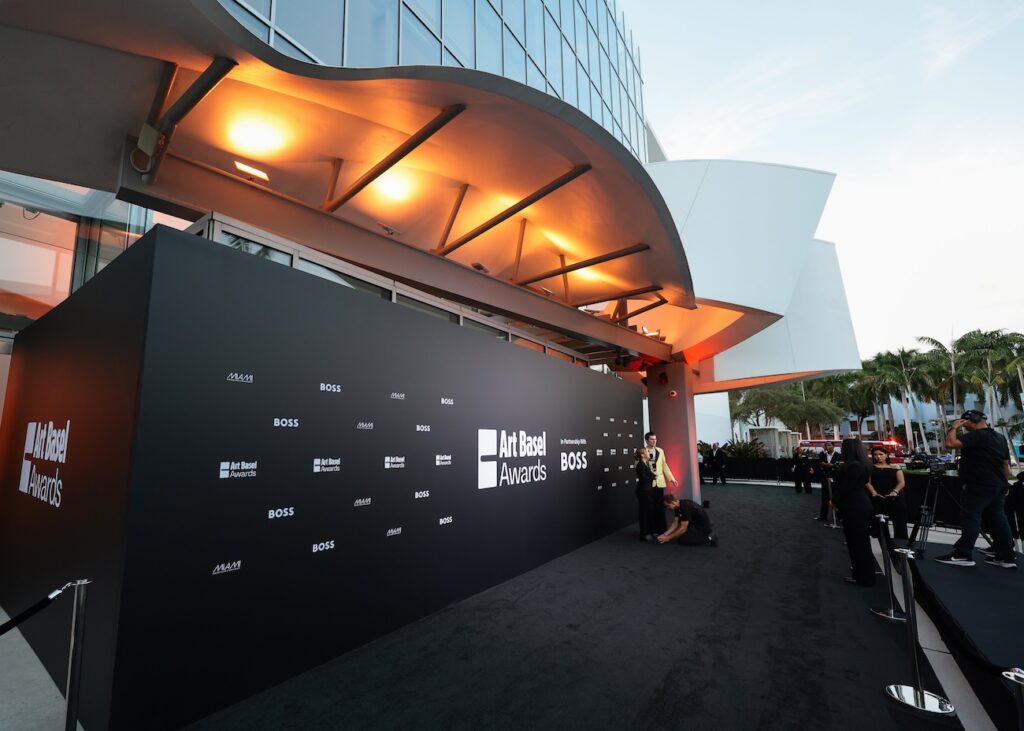
3. Looking at the Whole Picture Instead of One Highlight
The Art Basel Awards were designed to reflect the full ecosystem of contemporary art. Instead of narrowing attention, they widened it.
Categories were created to honor artists, curators, institutions, patrons, media voices, and contributors working across disciplines and regions. Each category acknowledged a different kind of cultural labor.
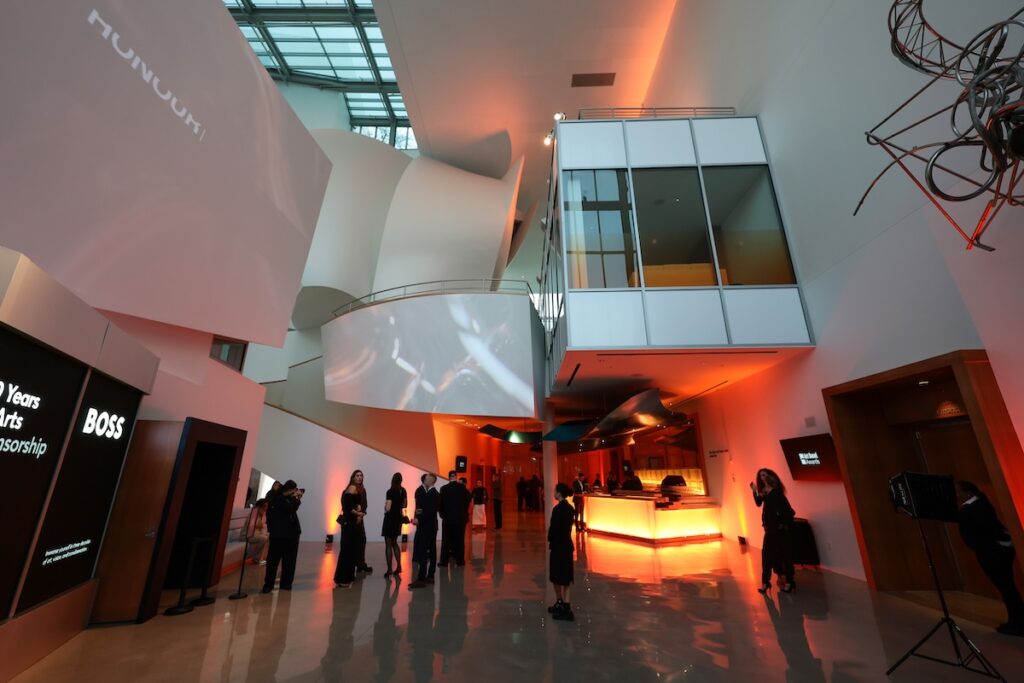
The Gold Awardees were announced during Art Basel Miami Beach in December 2025. The ceremony took place at the New World Center, a venue associated with dialogue, music, and cultural exchange. The setting supported the tone of the event, formal but not theatrical.
What stood out during the ceremony was its restraint. Honorees were not framed as the most powerful or commercially successful figures. They were recognized for shaping conversations, expanding access, supporting experimentation, and sustaining creative ecosystems over long periods of time.
Recognition extended beyond the evening itself. Gold Awardees received tailored support through Art Basel’s global platforms. This included continued visibility, opportunities for collaboration, and engagement designed to support future work rather than freeze recognition at a single moment.
By honoring many roles at once, the Art Basel Awards presented a broader understanding of how culture functions today. Influence appeared as a network of steady contributions rather than a single point of achievement.
4. Walking Into That Space Felt Different, In a Good Way
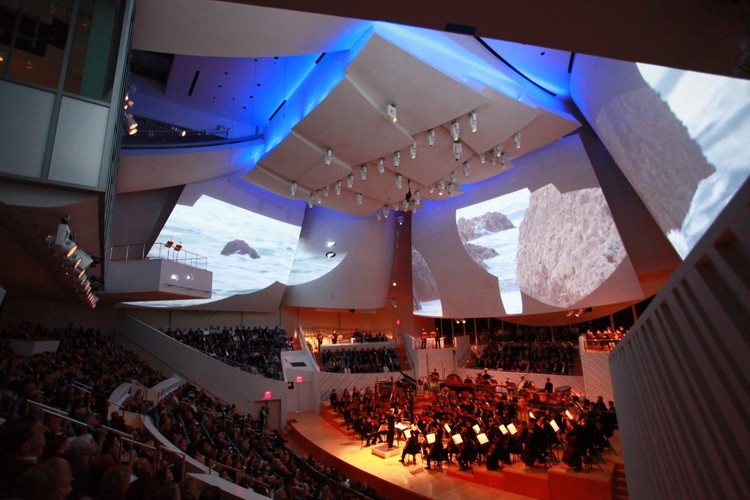
You know that feeling when you enter a room and something about it just sets the tone? That’s exactly what the New World Center did for the Art Basel Awards. It didn’t overdo it. Instead, it felt intentional, thoughtful, like every detail was part of the story the night wanted to tell.
The architecture itself, designed by Frank Gehry, already has a presence that makes sound, light, and movement feel alive. On the night of the awards, every light, every projection, every note from the New World Symphony made the space feel like it was breathing along with the guests. People didn’t just attend an event , they stepped into a shared experience that was quietly extraordinary.
The live orchestra opened the evening and set a reflective tone. It reminded everyone why being there mattered, that this was about art, creativity, and connection more than applause or glamour. It gave people a moment to breathe and really take in the space and the company around them.
Swizz Beatz hosted, and he had this effortless way of bridging worlds. He didn’t just run a program; he made it feel personal, warm, like the night belonged to everyone in the room, not just the people on stage. That human touch mattered more than any scripted presentation could.
And then there were moments that just took your breath , a performance by Kelsey Lu that blended classical and experimental sounds, creating this quiet emotional energy that spread across the hall. Everyone paused, and it felt like the whole room was listening together. You could see why Art Basel chose this space, these artists, and this programming , it was all part of the same story.
At the end, when people moved to the rooftop, it became playful, relaxed, human. Natalia Roth’s DJ set gave the evening a pulse under the Miami sky, and suddenly the formal part of the night had melted into conversation, laughter, and genuine connection. You left feeling part of something, not just a witness.
Sources:
https://www.artbasel.com/stories/art-basel-miami-beach-gold-awardees-2025
5. What They Actually Gave Out, and Why It Felt Real
This wasn’t just a “here’s a trophy” kind of night. Every award felt intentional, thoughtful, and full of meaning.
Gold Awardees received hand‑blown glass sculptures, designed by Jacques Herzog and Herzog & de Meuron. They weren’t flashy objects to show off; they were delicate, shaped like breath itself , fragile but essential. Just holding one, you could feel the care and thought behind it.
The artist honorees also received flexible funding, nearly $300,000 in total. This wasn’t money tied to any condition, deadline, or expectation. It was support meant to let people keep making work on their own terms, to give freedom rather than pressure. That practical generosity said more about Art Basel’s intent than words ever could.
The list of honorees was impressive in breadth and scope. Veterans like Cecilia Vicuña stood alongside emerging voices like Mohammad Alfaraj and Saodat Ismailova. You could see that Art Basel wanted to honor both established figures and people quietly shaping new conversations in their regions. It gave the awards a sense of both weight and relevance.
It wasn’t just artists, either. Curators, patrons, institutions, and media figures were celebrated. From Joel Wachs to RAW Material Company, Candice Hopkins, and Negar Azimi , every award highlighted different kinds of effort that help art exist, circulate, and thrive. It was a reminder that culture is never created alone.
And they even added a special BOSS Award for Meriem Bennani, recognizing work that moves beyond traditional galleries and into the broader world. That told everyone in the room that impact isn’t just about markets or institutions , it’s about ideas, conversation, and influence.
Sources :
https://www.artbasel.com/stories/art-basel-miami-beach-gold-awardees-2025
6. What People Said the Morning After
After the event, the conversation didn’t focus on outfits, red carpets, or flashy selfies. People were talking about substance, care, and thoughtfulness.
Many commented on the evening’s balance , music, architecture, awards, performances , all layered to make something bigger than the sum of its parts. It wasn’t a competition; it was a recognition of a whole ecosystem.
The diversity of honorees was also widely noted. From Latin America to the Middle East and Central Asia, emerging voices and seasoned veterans shared the stage. That alone felt like a statement that Art Basel wanted a global conversation, not just a local celebration. Saodat Ismailova’s inclusion was highlighted as an important example of this reach.
Observers also mentioned how the awards celebrated effort over fame. Many honorees work in ways that are quiet but significant, like preserving cultural memory, building institutions, or sustaining experimentation. This made the event feel authentic, like it recognized labor, not just outcomes.
People left talking about Miami Beach not as a week-long fair location, but as a space for ongoing dialogue. The awards weren’t a conclusion; they were the start of conversations that could continue all year, across countries and contexts.
The overall takeaway was simple but important: the event made recognition feel human, grounded, and connected. It wasn’t about who was seen with whom, it was about who is actually shaping the world of art in real ways.
Source :
https://www.artbasel.com/stories/art-basel-miami-beach-gold-awardees-2025
7. Why This Night Actually Matters
Step back for a second, and it’s easy to see why this awards night is more than a celebration.
Art often recognizes exhibitions, prices, or visibility in galleries. But influence also lives quietly in relationships, media, institutional work, and cultural support. The Art Basel Awards shone a light on that, saying loudly in practice if not in words: we see all the work that keeps culture alive.
For artists and cultural workers who don’t always get attention for behind-the-scenes work, being honored alongside patrons, curators, and media voices sends a message: your role matters. It’s inclusive, supportive, and human.
The awards also include funding and collaboration opportunities. That’s practical support that lets people continue making work without restriction. Recognition meets action here, which is rare and meaningful.
And by establishing these awards now, Art Basel creates a template for future cycles, new conversations, and ongoing recognition around the globe.
In a moment when the art world can feel fragmented, this event showed how acknowledgment, thoughtfulness, and shared celebration can create a sense of connection that lasts beyond the spotlight, and the applause.
Source :
https://www.artbasel.com/stories/art-basel-awards-celebrates-inaugural-class-of-gold-awardees