
Artists on Beginning
10 Artists on Beginning: What It Really Means to Start Creating
Starting something new can feel much bigger than it actually is. The blank canvas can feel bigger than the finished painting. The first page can feel impossibly important. You can have an idea you love and still find yourself wondering if you are good enough to make it real. And sometimes, the hardest part is simply admitting that you want to try.
Every artist has to begin somewhere. Some begin as children, some much later in life. Some begin with confidence, while others begin with fear, uncertainty, or absolutely no idea what they are doing. But beginnings are rarely as polished as we imagine them looking back.
So we wanted to hear from artists who have spoken honestly about starting, learning, experimenting, and finding their way into a creative life. Their stories remind us that you do not have to know exactly where your work is going before you make the first mark.
01. Mary Cassatt: Beginning Can Mean Finding Your Own Way
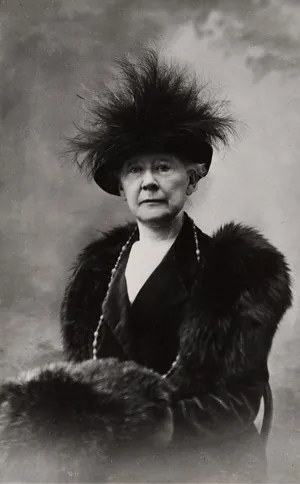
For Mary Cassatt, beginning was closely connected to breaking away from the expectations that had surrounded her. Her decision to exhibit with the Impressionists marked an important turning point in her artistic life, allowing her to move further away from conventional ideas about what art should be.
Looking back, Cassatt described that feeling of stepping outside the expected path in remarkably simple words:
“I hated conventional art – I began to live.”
There is something beautiful about the way she connects beginning with living. Sometimes starting your artistic journey is not about discovering an entirely new version of yourself. It is about finally giving yourself permission to follow the part of you that has been waiting to be heard.
02. Gary Hume: You Have to Be Willing to Be Bad at First
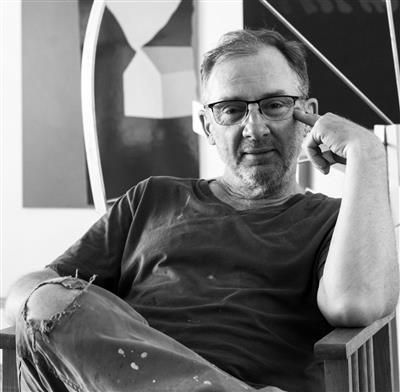
British painter Gary Hume has spoken refreshingly honestly about what it felt like to begin painting. He did not begin with complete confidence or an immediate understanding of what he was doing. In fact, he remembered being “completely useless” when he started.
What mattered was that he was not afraid of making terrible work.
“Of course you start off terrible. I was completely useless but I was quite bold, so I didn’t mind making terrible mistakes.”
That might be one of the most useful things a new artist can hear. Your first paintings do not have to prove that you are talented. They simply have to exist. The awkward ones, the experiments, the paintings that do not work at all, all become part of learning what you want to make next.
03. Alida Cervantes: Sometimes You Begin While You Are Still Afraid
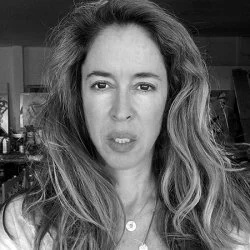
Mexican painter Alida Cervantes did not have a completely fearless beginning. She had been drawing for years, but painting was different. She remembers being afraid of it, even making only one small, awkward painting during those years before eventually studying painting in Italy.
What changed was not necessarily the disappearance of fear. It was the decision to move towards the thing that frightened her.
“I think I was afraid of painting.”
And even after beginning, that fear did not simply disappear. Cervantes has described her artistic process as an ongoing negotiation between fear and pleasure. That feels particularly honest for anyone standing at the beginning of their own practice. You do not always have to wait until you feel fearless. Sometimes you begin while the fear is still there.
04. Tony Pharo: You Can Begin Without Knowing What You Are Doing
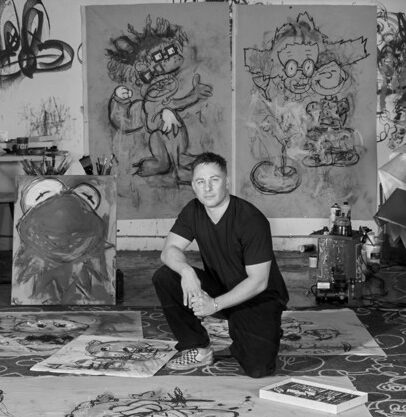
Painter Tony Pharo began making art during the Covid lockdown after buying art supplies without really knowing what he needed. He went home with random acrylic colours and inexpensive canvas panels, and one night, simply started putting paint down.
There was no elaborate plan behind it. There was just curiosity and the willingness to see what happened.
“I didn’t know what I was doing. It literally looked like a five-year-old mixed it with their hand.”
There is something wonderfully freeing about that kind of beginning. You do not need a fully developed practice, a perfect studio, or a clear artistic identity before you start. Sometimes you buy the paint, put it on the canvas, make a mess, and discover something from there.
05. Judy Chicago: Not Knowing Can Be a Place to Start
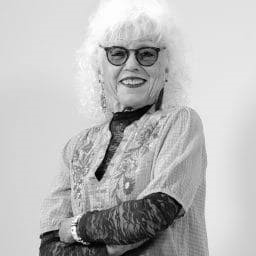
Judy Chicago has spent decades making work that changed conversations around art, gender, and identity. But even an artist with such a distinctive practice has had moments of beginning again as a learner.
When she decided to teach herself watercolor, she approached it without the knowledge she might have been expected to have. She even enrolled in a local class under a pseudonym because she wanted to learn the fundamentals without relying on her established reputation.
“I started out, because I didn’t know anything, not even about the basic tools of watercolor.”
There is no shame in not knowing. In fact, beginning with curiosity can sometimes be more valuable than beginning with certainty. You are allowed to be a beginner again, even after you have already become an artist.
06. Sarah Mason: The First Step Can Be Showing Someone Your Work
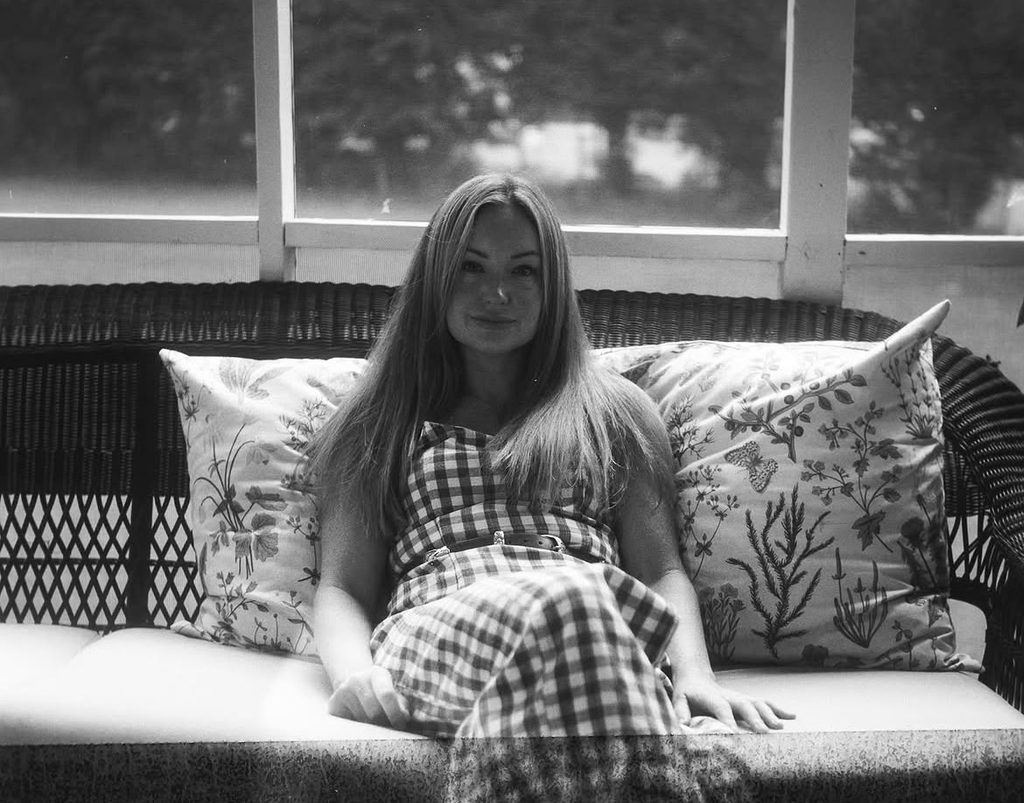
For painter Sarah Mason, the beginning of her professional artistic journey grew through small opportunities. She started showing her paintings at a local art crawl, and when people responded to the work and began buying it, that gave her the confidence to take another step.
But she also remembers the uncertainty that came before that confidence.
“When I first started painting, I was very self-critical. I was always nervous to show my work because I was afraid people wouldn’t like it.”
That nervousness is something many artists know well. Making the work privately can feel safe. Showing it to another person can make everything suddenly feel real. But sometimes the first step into an artistic life is simply allowing someone else to see what you have made.
07. Octavia E. Butler: You Do Not Have to Wait for Inspiration
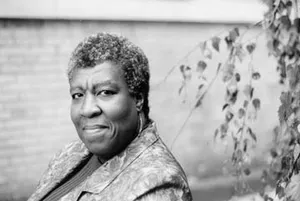
For writer Octavia E. Butler, beginning was not something that could depend entirely on feeling inspired. Her advice to writers placed much more importance on repetition, practice, and persistence.
In her essay “Furor Scribendi,” Butler wrote:
“First forget inspiration. Habit is more dependable.”
It is easy to imagine that artists begin when the perfect idea arrives or when they finally feel ready. Butler offered another way of thinking about it. You begin by returning to the work. Again and again. Sometimes the inspiration comes after you have already started.
08. Ira Glass: The Beginning Might Not Look Good
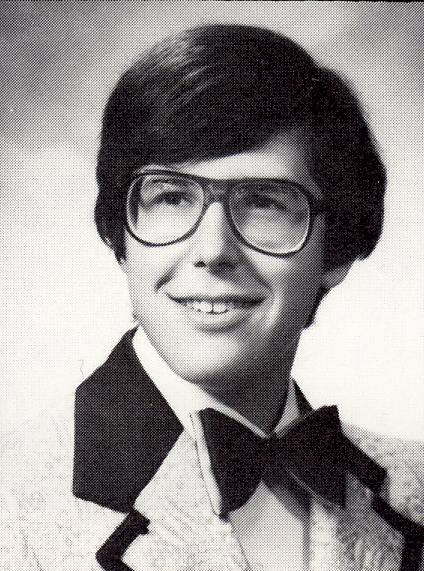
Ira Glass, the creator and host of This American Life, has perhaps one of the most comforting pieces of advice for anyone at the beginning of a creative practice. He talks about the gap between having good taste and being able to produce work that matches that taste.
That gap can be frustrating. You know what good work looks like, but you cannot make it yet.
“For the first couple years you make stuff, it’s just not that good.”
Glass does not present this as a reason to stop. Instead, he argues that the only way through the gap is to keep making things. For a new artist, that can be an important reminder: being dissatisfied with your early work does not necessarily mean you should give up. It may simply mean you are still learning.
09. Toni Morrison: Sometimes You Begin Because Something Is Missing
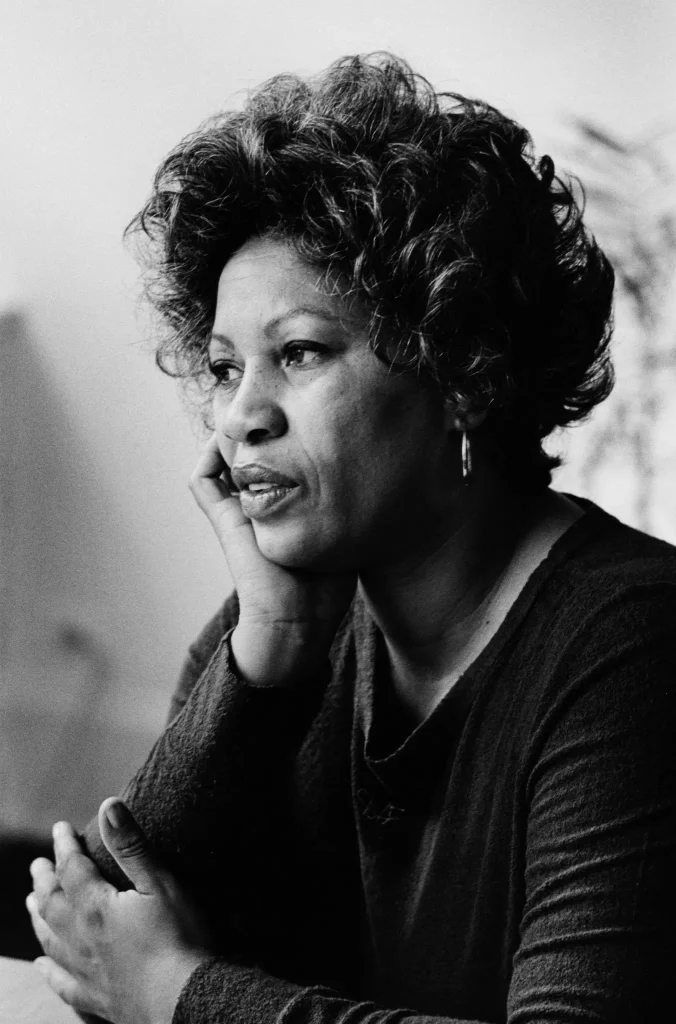
For writers, beginning can come from a feeling that something does not exist yet. Toni Morrison spoke about this beautifully when explaining why a writer might feel compelled to create a particular book.
Her advice was simple:
“If there’s a book that you want to read, but it hasn’t been written yet, then you must write it.”
The same idea can belong to every kind of artist. Perhaps there is a painting you wish existed. A story you have never seen told in quite the right way. A photograph, performance, sculpture, or song that exists only as a feeling in your head.
Sometimes the beginning is simply recognising that absence and deciding to fill it.
10. Jessica Hische: Pay Attention to What You Keep Coming Back To
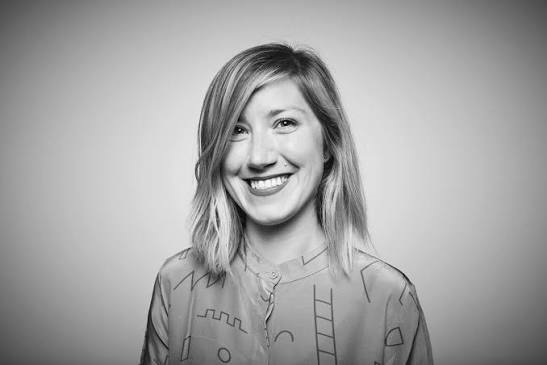
Lettering artist and designer Jessica Hische found part of her own creative direction by paying attention to the work she naturally wanted to do, even when she was supposed to be doing something else.
She coined the term “procrastiworking” to describe this idea. The things you do while avoiding your other work can sometimes reveal what you genuinely want to spend your time making.
“The work that you do while you’re procrastinating is probably the work you should be doing for the rest of your life.”
For someone who is still trying to figure out where to begin, that can be a useful place to look. What do you keep drawing when nobody asks you to? What do you research when you are supposed to be doing something else? What kind of work makes you lose track of time?
Sometimes the beginning is already hiding in those little things you keep returning to.
If you enjoyed reading what different artists think about beginning, you might as well like our feature on what Artists have to say about Failure.
Beginning Does Not Have to Look the Same for Everyone
There is no single way to begin an artistic life.
For one artist, it might be picking up a paintbrush after years away. For another, it might be finally showing a painting to someone else. It might be starting badly, learning something new, writing the story that does not exist yet, or simply deciding to make something every day.
And maybe that is the most reassuring thing about beginnings. They are not supposed to look like finished careers.
You do not need to know exactly what your work will become. You do not need to have a recognisable style, a perfect portfolio, a studio full of supplies, or complete confidence in where you are going.
You just need somewhere to begin.
The first painting can be awkward. The first page can be messy. The first idea can change completely halfway through. That does not make the beginning less meaningful. It is what makes it a beginning.
Every artist eventually has a first mark, first page, first exhibition, first experiment, or first moment when they decide to take their own creative voice seriously.
And sometimes, the only difference between an idea you keep thinking about and an artistic journey you actually live is that one day, you finally start.