


8 Artists on Failure
8 Artists Share What Failure Really Means to Them
There is a strange relationship between artists and failure. We talk about it as though it is something every artist should learn to embrace, but when you are standing in front of a painting that did not work, looking at an empty application inbox, or wondering why nobody seems to understand the work you poured your heart into, failure rarely feels inspiring.
It just feels like failure.
Artists know this feeling particularly well. A painting can look completely different from what you imagined. An idea that felt exciting in your head can become flat once it reaches the canvas. A carefully planned exhibition may not receive the response you hoped for. A rejection can arrive after weeks of preparation. Sometimes, you can spend months working towards something only to realise that you have been moving in the wrong direction.
And yet, failure has always been part of making art.
Some artists see it as necessary. Some see it as a way of discovering what they actually want to make. Others accept that the work may never become exactly what they imagined. For some, even the possibility of failure is what makes experimentation worthwhile.
So rather than offering another list of reasons why failure is supposedly good for you, we thought it would be more interesting to listen to artists themselves.
Here are eight artists, eight very different perspectives, and a reminder that failure does not always mean you are doing something wrong.
01. Willem de Kooning: Failure Is Part of the Life of an Artist
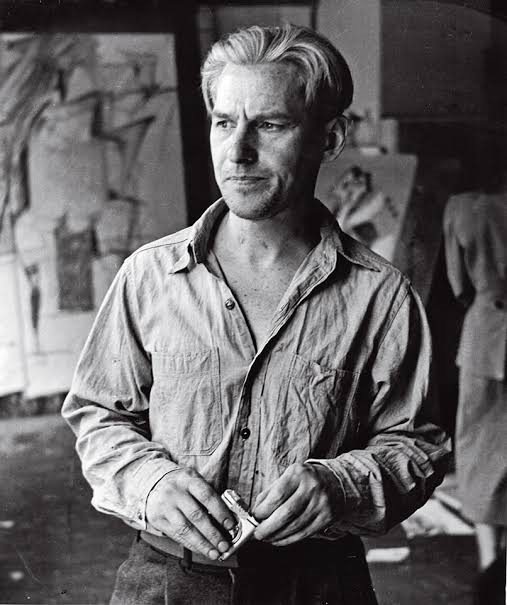
Willem de Kooning never seemed particularly interested in making art feel safe.
Throughout his career, he repeatedly reworked paintings, changed direction and allowed uncertainty to remain part of his process. He understood that serious artistic ambition almost always comes with the possibility of falling short.
His attitude towards failure was wonderfully direct:
“Failure ought to take your whole life, active life.”
For de Kooning, failure was not something that happened once and then disappeared after you became successful. It was woven into the entire process of being an artist.
That idea can feel strangely comforting. It means that reaching a certain level of recognition does not suddenly make uncertainty disappear. There will always be another painting that does not quite work, another idea that needs changing, another direction that feels risky.
Perhaps the point is not to become an artist who never fails. Perhaps it is to become an artist who keeps working anyway.
02. Marina Abramović: If You Never Fail, You May Not Be Taking Enough Risks

Marina Abramović has spent much of her career putting herself into situations where certainty is almost impossible.
Her performances often involve endurance, vulnerability, time and an element of risk. So it makes sense that her understanding of failure is closely connected to experimentation.
In a conversation about vulnerability and her work, Abramović said:
“Failure is a very important part of success. If you don’t fail, it means you’re not risking anything, or you’re repeating yourself.”
There is something particularly powerful about this perspective for artists who are afraid of trying something new. Sometimes failure is not evidence that an idea was foolish. Sometimes it is evidence that you stepped outside what you already knew how to do.
If every painting looks exactly like the last one, if every new project feels completely predictable, there may be very little room for discovery. Failure can be uncomfortable. But so can growth. And sometimes the willingness to make something that might not work is exactly what keeps an artistic practice alive.
03. Agnes Martin: Disappointment Can Help You Find What You Need to Paint

Agnes Martin’s paintings are often associated with calmness, simplicity and quiet repetition. But behind that apparent serenity was an artist deeply concerned with the difficult process of arriving at the right work.
Martin once described the relationship between discipline, disappointment and artistic discovery:
“It’s through discipline and tremendous disappointment and failure that you arrive at what it is you must paint.”
It is such a beautiful way of looking at the moments when the work does not quite come together. A failed painting can tell you something. So can the frustration of realizing that the idea you had in mind is not the one you actually want to pursue. Sometimes it takes several wrong turns before an artist understands what feels true.
Martin’s words remind us that disappointment is not necessarily wasted time. It can become part of the process of finding your way towards the work that feels right. The painting that did not work may still have taught you how to make the next one.
04. Vincent van Gogh: Make What You Cannot Yet Do
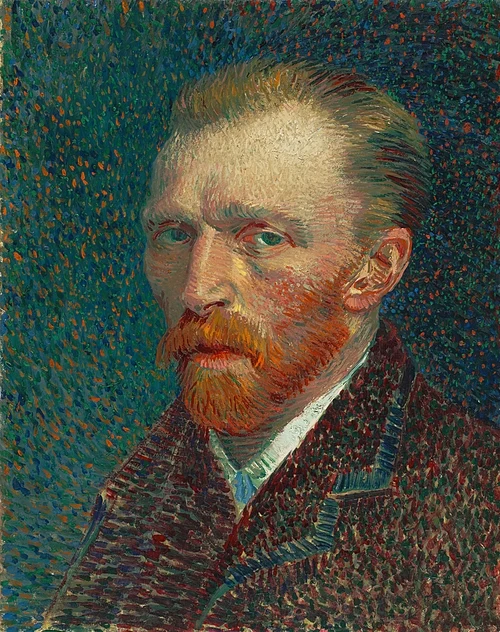
Vincent van Gogh’s artistic life was filled with difficulty. He struggled financially, faced criticism and spent years developing skills that did not come easily to him.
In an 1885 letter to fellow artist Anthon van Rappard, Van Gogh defended his approach to learning and making. He wrote:
“I keep on making what I can’t do yet in order to learn to be able to do it.”
It is worth paying attention to where these words came from. Van Gogh was not writing a motivational slogan about believing in yourself. He was talking about the actual difficulty of learning to draw and paint, and the work involved in becoming better.
That makes the sentence even more meaningful. You do not always have to wait until you are good enough to begin.
Sometimes you become good enough by beginning. The first attempt may be awkward. The second may still feel wrong. You may look back at old work years later and wonder what you were thinking.
But every attempt gives you something the blank page cannot: experience. Failure becomes less frightening when you stop expecting yourself to already know how to do everything you want to do.
05. Frank Auerbach: There Will Always Be Something Missing
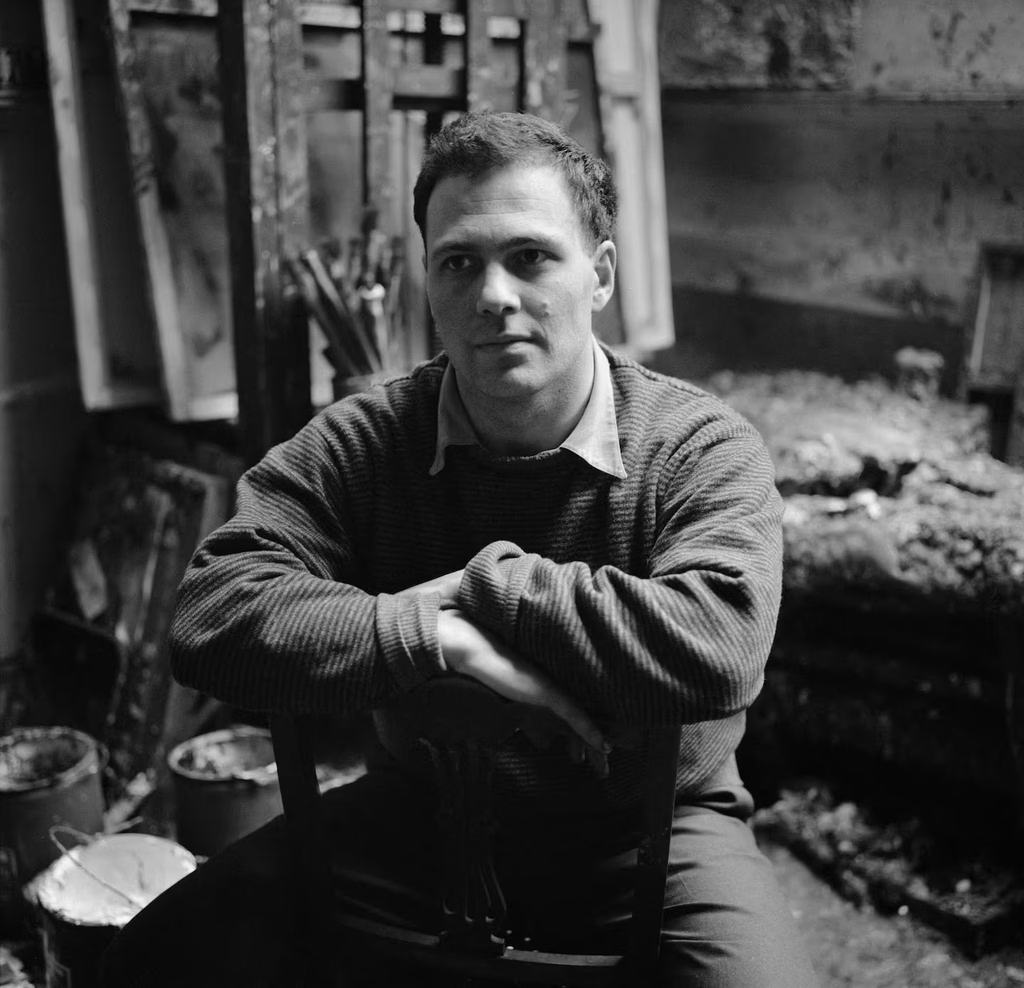
Frank Auerbach has spent decades returning to the same subjects, repeatedly painting and repainting them in search of something he knows he may never completely reach.
In a conversation about his work, he was asked whether failure can be a better teacher than success.
His answer was simple:
“I think so yes.”
Auerbach explained that when an artist finishes a painting, if they feel nothing is lacking, there may be no reason to continue making another one. He described himself as constantly reacting against his previous painting, always looking for something new and perfect while knowing he will not quite get there.
That idea changes the way we think about failure. Maybe the work does not have to be perfect for it to be worth making. Maybe the small feeling that something is still missing is what sends you back to the studio.
Artists are often told to celebrate their successes. But there is also something valuable in knowing that you have not reached the end of your search. The next painting exists because the last one left you with a question.
06. David Salle: Sometimes the Gamble Simply Does Not Pay Off
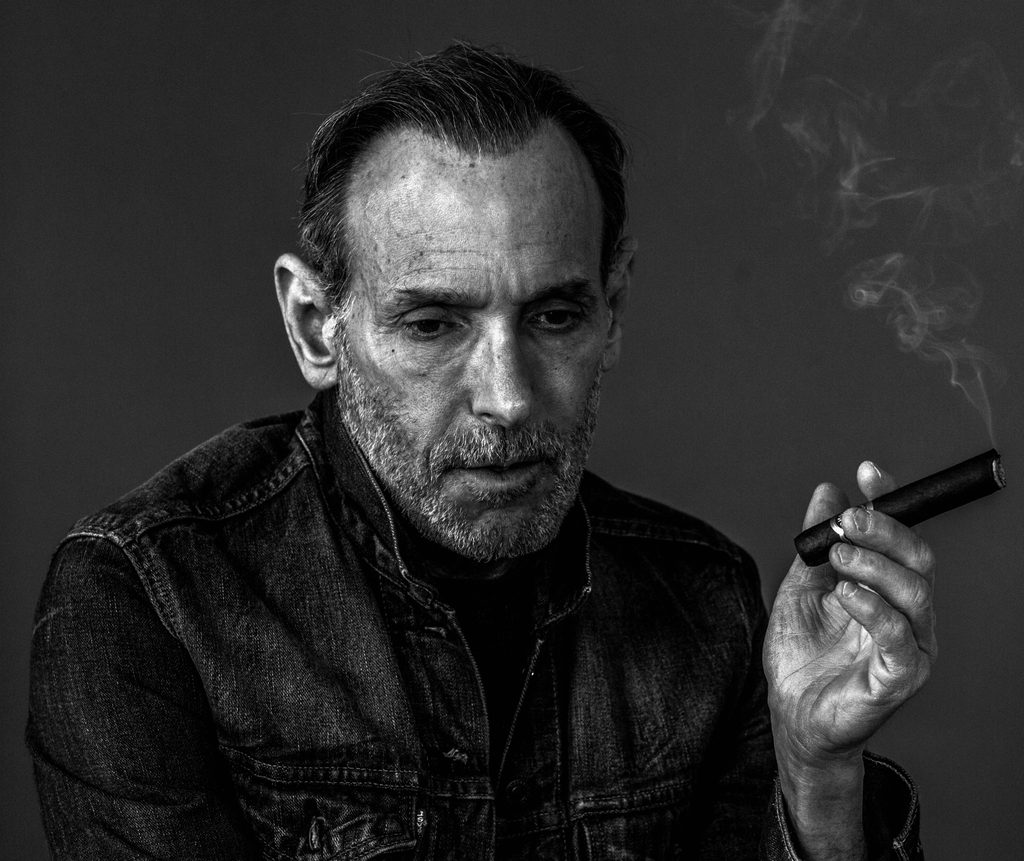
David Salle offers a much less romantic description of failure.
When asked what goes wrong when he makes a bad painting, Salle explained that there are many ways a painting can fail. Sometimes the entire concept turns out to be wrong. Sometimes an idea that seemed exciting simply does not come together.
And sometimes, he said, a painting depends on a gamble.
He described it this way:
“Sometimes the picture, to reach a height, depends on a gamble.”
That is such an honest description of making art. You can make the choice carefully. You can have a clear idea. You can execute it well. And the thing can still fail. But there is something important in taking the gamble anyway.
If an artist only makes decisions they already know will work, the work may become technically competent without ever becoming surprising.
Salle’s perspective makes room for a very ordinary truth: sometimes you try something, it does not work, and you move on. No dramatic lesson. No inspirational ending required. You tried something. It did not pay off. And that is part of making art too.
07. Louise Bourgeois: Sometimes Failure Means the Work Did Not Reach Someone

Louise Bourgeois approached art with extraordinary emotional honesty. Her work often dealt with memory, relationships, fear, sexuality, family and the unconscious, but she did not believe an artwork had to explain itself in order to matter.
She once offered a very simple test for whether a work had connected with someone:
“If this doesn’t touch you, I have failed.”
There is something vulnerable about this idea.
Artists can spend enormous amounts of time thinking about what a work means to them. They can understand every symbol, every material choice and every personal reference inside it. But once the work enters the world, another person may see something completely different.
Or they may feel nothing at all. For Bourgeois, that lack of connection could feel like failure. But her words also remind us why artists keep trying to communicate through images in the first place. Art is not made in complete isolation. At some point, it leaves the studio and meets another person.
And sometimes the most important thing an artist can do is accept that not every viewer will connect with every work.
08. Chuck Close: Do Not Let the Idea of Failure Stop You From Working
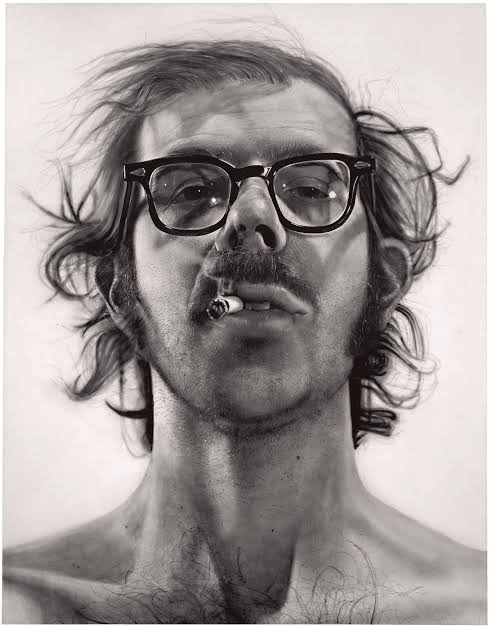
Chuck Close had a particularly practical approach to making art. Rather than waiting for inspiration or the perfect idea, he believed deeply in showing up and working. He once said:
“Inspiration is for amateurs. The rest of us just show up and get to work.”
Although Close was not talking about failure in this particular sentence, his philosophy speaks directly to the fear that often surrounds it. When artists spend too much time worrying about whether something will be good, they can become afraid to begin.
The blank canvas becomes a test. The new series becomes a test. The open call becomes a test. And suddenly, making art feels like constantly proving whether you are talented enough. Close’s answer was much simpler: work.
Keep making. Keep looking. Keep solving problems. Keep showing up. Not every attempt will become a masterpiece. Not every experiment will lead somewhere. But the work itself creates opportunities for the next idea to appear.
Sometimes the best way through failure is not to think about failure quite so much. Just make the next thing.
If you liked getting to know what artists have to say about failure, you might as well enjoy our feature on Artists’ take on Money. Discover what 9 artists have to say about their relationship with money.
Failure, Art and Learning to Keep Going
Put these eight artists in one room and they probably would not agree on what failure means.
For de Kooning, failure belonged to the entire life of an artist. Abramović saw it as part of taking risks. Martin understood disappointment as part of finding what you must paint. Van Gogh kept making things he could not yet do. Auerbach accepted that something would always be missing. Salle acknowledged that sometimes an artistic gamble simply does not work. Bourgeois measured failure through the emotional connection between artwork and viewer. And Close kept returning to the simple act of working.
Maybe that is the most useful thing to remember. Failure in art is rarely as clean as the word makes it sound.
Sometimes it is a painting you cannot save. Sometimes it is a rejection email. Sometimes it is an exhibition that did not go the way you imagined. Sometimes it is discovering that an idea you loved is not actually the right idea.
And sometimes, much later, you realize that the thing you thought was a failure was simply part of learning what came next. Artists do not need to love failure. They just need enough room in their practice to survive it.
Because the work will not always go according to plan. The important thing is that one difficult painting, one disappointing opportunity, or one uncertain experiment does not get to decide the whole story.
There is always another canvas. Another idea. Another attempt.