

This Artist Merges Classical Fine Art with Contemporary Fashion | Marina Saba
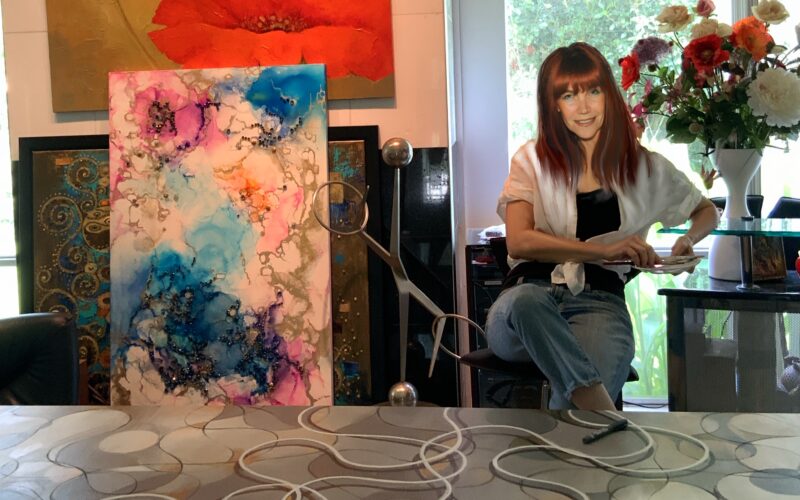
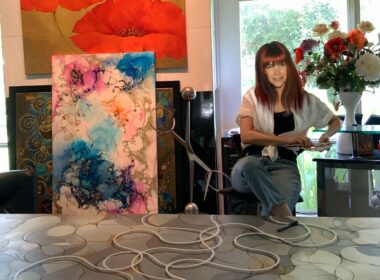
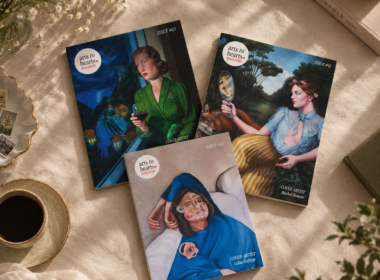
At Arts to Hearts Project, our Women Artists on the Rise Edition 4 gathers a hundred women from across the world, each celebrating womanhood in her own way. Among the artists chosen for this edition is Marina Saba, whose elegant, self-assured figures explore the many sides of a woman at once, strength and softness, vulnerability and authenticity. And that is what drew us in.
Marina is a US-based painter with a rare double background. She holds a master’s degree in both Fine Art and Fashion Design, and she has spent many years as a professor teaching fashion illustration and design. She began her career in fashion, but she never saw fashion and fine art as two separate worlds.
To her, fashion brought elegance, craftsmanship, and movement, while fine art gave her the freedom to explore emotion, identity, and the deeper human experience. Her paintings are where those two worlds meet.
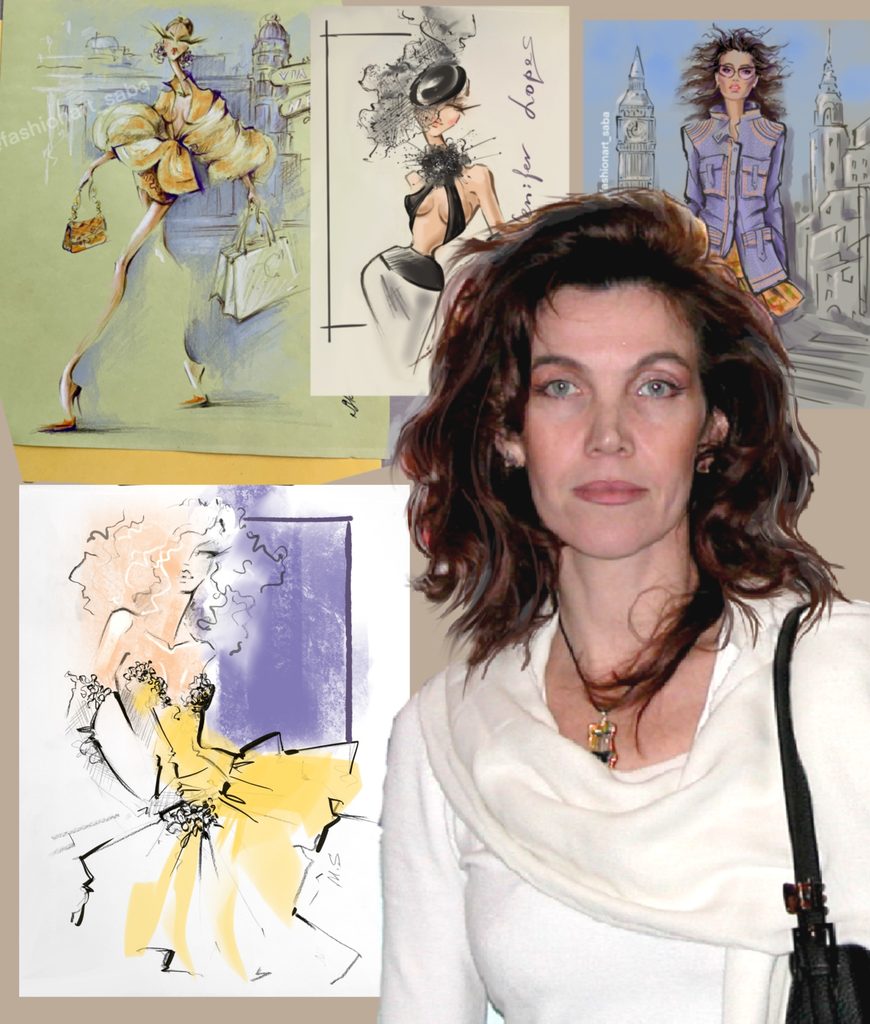
You can see her couture training in every brushstroke. Years of designing taught her how to sculpt fabric around the human body, and that knowledge is now second nature in her paintings. Fabric, for Marina, is never just decoration.
The flowing line of a garment, the weight of a textile, the softness of a fold, all of it becomes a language, quietly suggesting strength, or vulnerability, or freedom, without a single word. It gives her figures movement, rhythm, and a distinctly feminine grace.
Her work is almost always a woman, but never a specific person. She is after an emotional presence instead, something that holds strength and softness and authenticity all at once. Her women feel grounded and self-assured, and that quiet confidence comes from everything, the posture, the gesture, the energy of each stroke.
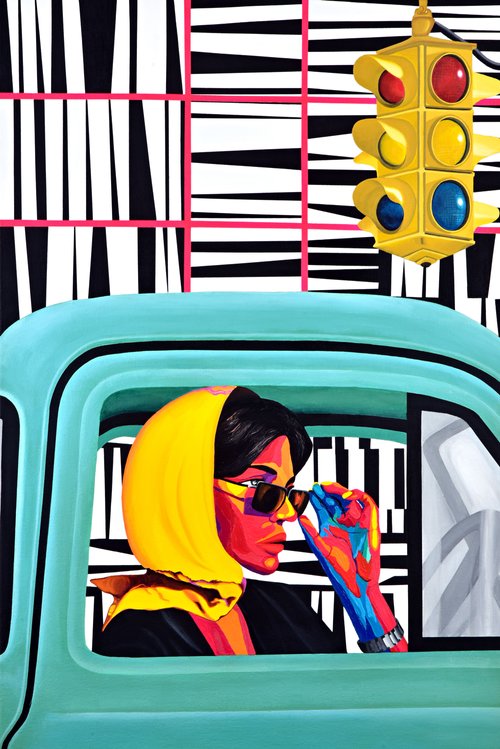
Colour carries just as much feeling. She refuses to follow fashion’s seasonal trends, and instead uses colour as an emotional language, letting each shade respond to the next until the palette itself becomes part of the story.
Every painting begins with sketching, which she loves for the freedom it gives her to chase an idea before committing to it. She is honest that making a painting is rarely a straight line, that it moves through uncertainty and frustration and discovery and joy, and that the work sometimes leads her somewhere she never expected.
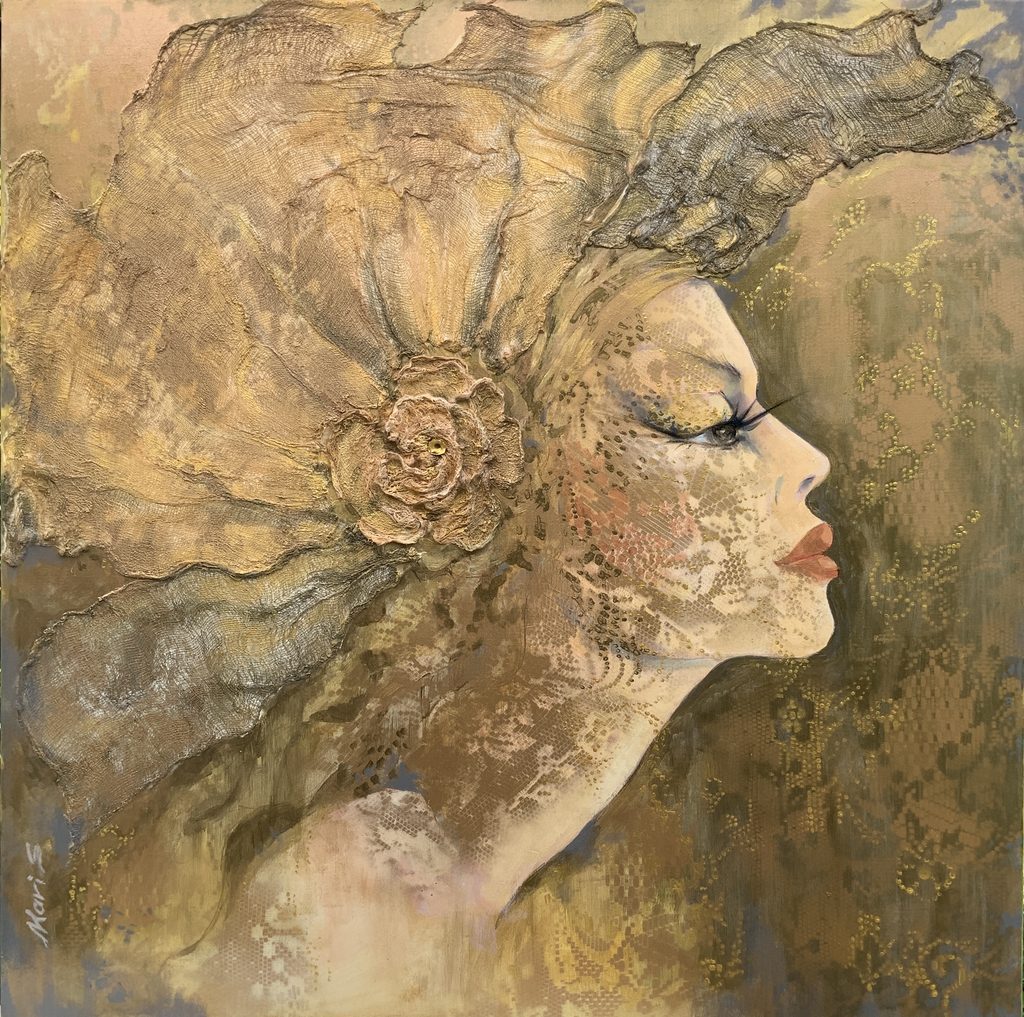
She uses digital tools to experiment along the way, but the heart of her work is always made by hand, because she believes a hand-painted image carries the touch, energy, and soul of the artist in a way nothing else can.
Though contemporary fashion inspires the elegance of her work, she is never chasing a trend or a passing moment. She is reaching for the universal, for the emotions and ideas that outlast any season. Her work has been exhibited across the United States and beyond, featured in publications, and shaped by a lifetime of travel and a deep love of the natural world, which she believes artists have a responsibility to protect. Beauty, for her, is only ever the doorway. What lasts is the feeling underneath.
Now let’s hear from Marina about bringing fashion and fine art together, why fabric can speak without words, how colour carries emotion, and what it really takes to build a creative life that lasts.
Q1. Can you share a little about your background and what first inspired you to pursue both fashion design and fine art?
My relationship with art began in early childhood. I was fortunate to have parents who deeply valued culture and creativity. They encouraged my artistic interests and introduced me to museums, theaters, architecture, and the arts from a very young age. Those experiences awakened my curiosity and had a profound influence on the person and artist I would become.
Before graduating from high school, I completed four years of formal art school, which gave me a strong foundation in classical artistic training. I was then accepted into one of the country’s most prestigious Academy of Fine Art, where I earned my Master of Fine Arts with dual majors in Fine Art and Fashion Design. Although I chose to begin my professional career in Fashion Design, I never saw fashion and fine art as separate worlds.
Fashion allowed me to express creativity through the elegance, craftsmanship, and constant evolution of design, while Fine Art gave me the freedom to explore deeper emotions, identity, and the human experience. Looking back, I realize that both paths have always complemented one another. Together, they have shaped my artistic vision and continue to influence the work I create today, where the refinement of fashion meets the expressive depth of fine art.
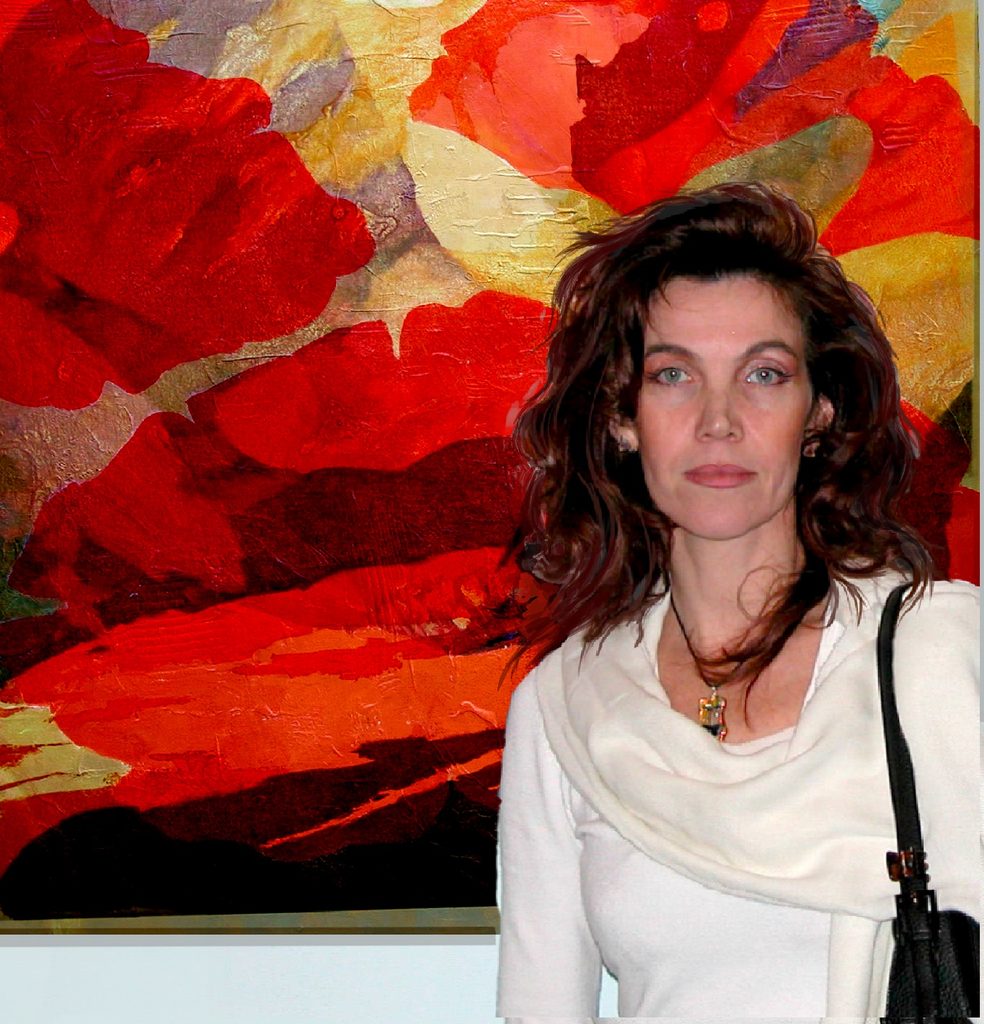
Q2. Having taught fashion design for many years, has teaching influenced the way you approach your own creative work?
Absolutely, but perhaps not in the most obvious way. Teaching didn’t shape my artistic style as much as it shaped my mindset. Working with students encouraged me to remain open-minded and curious, because every student approached creativity from a different perspective. Rather than asking them to follow my vision, my role was to understand their ideas, nurture their confidence, and guide them through the process of transforming those ideas into successful designs.
That experience taught me to listen more carefully, embrace experimentation, and recognize that there is never just one solution to a creative challenge. At the same time, my own work has always been driven by an endless curiosity about the world. Traveling has been one of my greatest sources of inspiration.
Experiencing different cultures, architecture, art, and traditional craftsmanship has expanded my aesthetic vocabulary and deepened my appreciation for beauty in its many forms.
Every place I’ve visited has left an imprint on my imagination, influencing not only my visual language but also the emotions and stories I express through my work.
Q3. Your paintings combine expressive brushwork with elegant design. How do you balance fashion illustration with fine art?
My work is a journey into the depth of the soul, where I explore the relationship between traditional fine art and fashion illustration, femininity and nature, the classical and the contemporary, the traditional and the avant-garde. Rather than separating these worlds, I allow them to merge naturally, creating a visual dialogue that is both expressive and refined.
Through my art, I invite viewers into a space where the boundaries begin to dissolve, leaving room for personal interpretation and imagination.
Fashion brings elegance, movement, and a sense of identity, while fine art allows me to express emotion, texture, and the deeper narratives that lie beneath the surface.
Together, they create a visual language that celebrates beauty while encouraging each viewer to discover their own meaning within the work.
Q4. Your figures often feel confident and self-assured. How do you create that sense of personality in your paintings?
I am passionate about using my art to explore and celebrate the many facets of human identity.
My goal is to create a visual language that reflects the richness and diversity of the human experience. Rather than painting a specific individual, I strive to capture an emotional presence—one that conveys strength, vulnerability, elegance, and authenticity all at once.
The confidence in my figures comes from the way I compose them: through posture, gesture, expression, and the energy of each brushstroke. I want them to feel grounded in their own identity, inviting viewers to recognize a part of themselves within the work. For me, every painting is a celebration of individuality and the quiet confidence that emerges when we embrace who we truly are.
Q5. Your background in couture and fashion design is reflected in your use of fabric and silhouette. How do these details contribute to the story of a painting?
I think much of it happens intuitively. Years of working in couture and fashion design have become part of the way I naturally see and compose a figure. As a designer, you learn to sculpt fabric around the human body, understanding how different materials, textures, and silhouettes can enhance movement, express personality, and create elegance.
That way of thinking has become deeply ingrained in my artistic process. When I paint, fabric is never simply a decorative element. It becomes a visual language that adds rhythm, movement, and emotion to the composition. The flowing lines of a garment, the weight of a textile, or the softness of a fold can suggest strength, vulnerability, mystery, or freedom without the need for words.
I believe these elements also bring a distinctly feminine sensibility to my work. They create a dialogue between the figure and the surrounding space, allowing the painting to become more than a visual image. My hope is that the viewer doesn’t simply observe the work but experiences it emotionally—as a place for reflection, imagination, and connection.
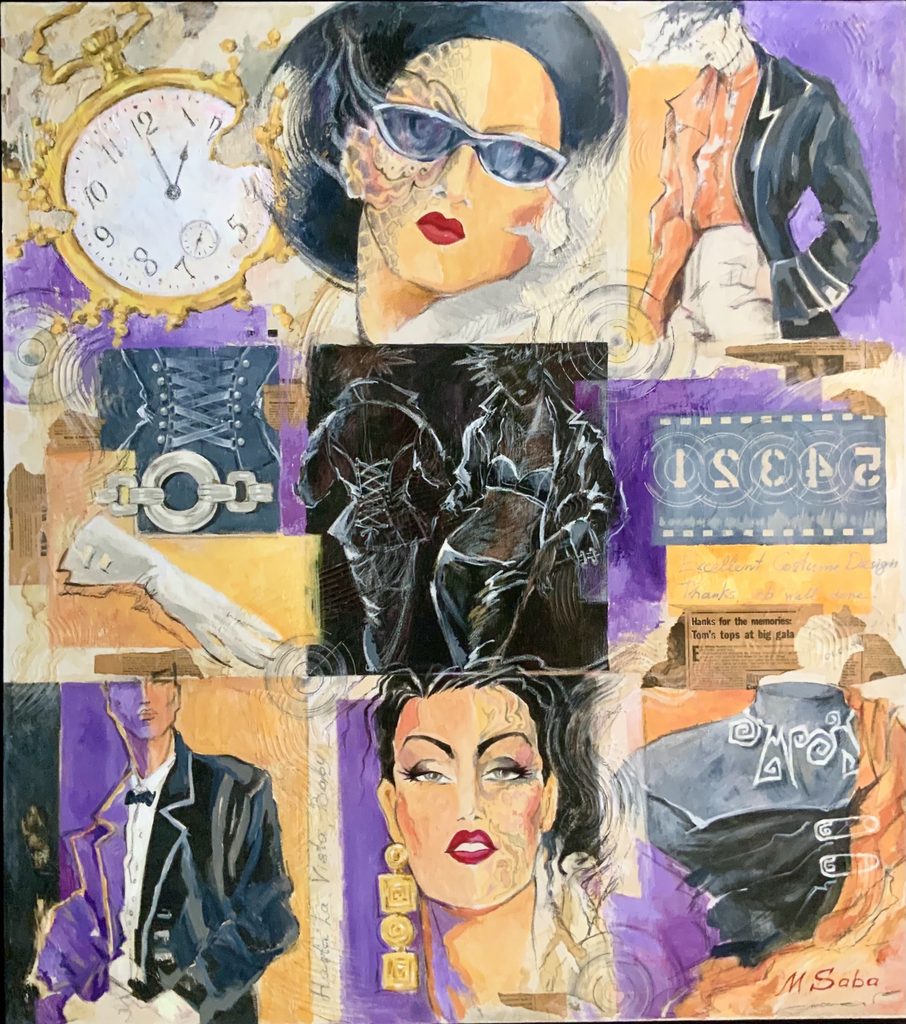
Q6. Color plays a major role in your work. How do you develop the palette for a new piece?
My artistic background is rooted in both Fine Art and Fashion Design, but my approach to color is very different from the fashion industry, where palettes are often influenced by seasonal trends. While I appreciate fashion’s ever-evolving relationship with color, I never allow trends to dictate my choices. Instead, I use color as an emotional language.
For me, color extends far beyond visual beauty it has the power to touch our emotions, shape the atmosphere of a painting, and create a deeply personal connection with the viewer.
My palette evolves intuitively throughout the creative process.
As the painting develops, each color responds to the next, creating harmony, contrast, rhythm, and depth. In the end, color becomes much more than a visual element—it becomes an essential part of the story, inviting viewers to experience the work not only with their eyes but also with their emotions.
Q7. Do your paintings usually begin with fashion sketches, photographs, or an idea for the final composition?
Most of my paintings begin with sketches. I enjoy the freedom of drawing because it allows me to explore multiple ideas before committing to a final composition. Sketching is not simply a preparatory step—it’s an essential part of my creative process, where intuition and imagination begin to take shape.
Creating a painting is rarely a straight path. It is often a combination of uncertainty, frustration, discovery, and pure joy.
Each piece evolves through a continuous dialogue between conscious decisions and subconscious instincts. Sometimes the work leads me in an unexpected direction, revealing possibilities I couldn’t have imagined at the beginning. For me, the creative process is as meaningful as the finished painting. It becomes a journey of inner exploration, inviting me to look deeper into my own thoughts and emotions.
Q8. Many of your works have a timeless quality despite drawing from contemporary fashion. How do you achieve that balance?
Although contemporary fashion often inspires the elegance, movement, and visual language of my work, my intention is never to capture a particular trend or moment in time. Instead, I seek to explore universal emotions and ideas that transcend fashion itself. I hope my paintings create a dialogue that unfolds beneath the surface.
While beauty may draw the viewer in, my desire is for the work to evoke emotion, challenge perceptions, and encourage deeper reflection. I want each painting to become an invitation to pause, look beyond the obvious, and discover meanings that are personal to each individual. Fashion may influence the form, but it is emotion, identity, and our connection to one another that give the work its lasting voice.
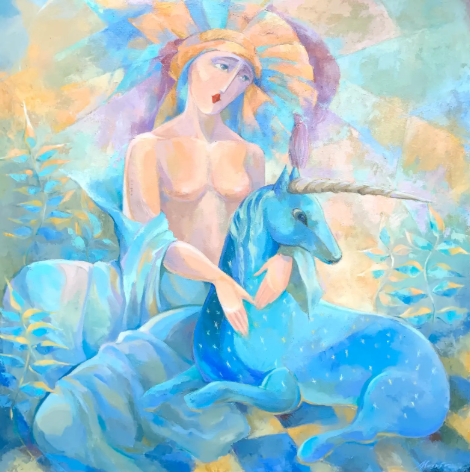
Q9. Fashion illustration has changed significantly in the digital age. How do you see the role of hand-painted fashion art today?
I believe hand-painted artwork will always remain one of the most unique and personal forms of artistic expression because it carries the touch, energy, and soul of the artist. Every brushstroke reflects a moment in time, revealing the artist’s emotions, intuition, and individual way of seeing the world. That human connection is something I believe cannot be fully replicated.
Technology has transformed the creative landscape, and I see it as a powerful tool rather than a replacement for traditional art. I use digital media to experiment with compositions, refine sketches, and explore color palettes before I begin painting.
It expands the possibilities of the creative process, but the heart of my work is still created by hand. Technique can be learned, and technology will continue to evolve, but a genuine artistic vision and a personal visual language are what give an artwork lasting meaning and make it truly unforgettable.
Q10. Your work has been exhibited and collected internationally. Have audiences in different countries responded differently to your work?
I believe audiences naturally respond to my work through the lens of their own cultural backgrounds, traditions, and personal experiences. Each culture brings a unique perspective, so the stories and emotions people discover in my paintings can vary from one country to another.
I find that diversity of interpretation fascinating because it reminds me that art is a conversation rather than a fixed message.
At the same time, we live in an increasingly interconnected world. What has surprised me most is that, despite our cultural differences, the emotional response to art is often universal. Themes such as beauty, identity, resilience, and human connection transcend language and geography. To me, that is one of art’s greatest gifts—it reminds us that while our perspectives may differ, our emotions have the power to unite us.
Q11. As someone who has worked in both the fashion and fine art industries, what have you learned about building a long-term creative career?
Although Fine Art and Fashion Design are distinct disciplines, they share one essential truth: building a creative career is a journey of endurance. Talent alone is never enough. It requires discipline, resilience, curiosity, and the willingness to continue evolving throughout your life. Trends will come and go, but authenticity and craftsmanship have lasting value.
I believe artists have a responsibility to preserve not only their creative spirit but also the world that inspires it. Nature has always been one of my greatest sources of inspiration, reminding me of the beauty, balance, and interconnectedness of life. Protecting our environment is, in many ways, an extension of protecting our creativity, because art and nature have always been deeply connected.
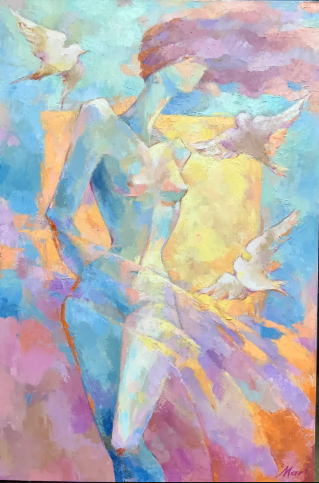
Q12. Looking across your recent work, which painting do you think best represents where your practice is today, and why?
I don’t believe a single painting can fully represent my artistic practice. Each work is a chapter in an ongoing journey, reflecting where I was emotionally, creatively, and spiritually at a particular moment in time. Together, they tell a much richer story than any individual piece ever could. To me, every painting is a metaphor for life itself, a continuous process of growth, discovery, and transformation.
With each new work, I search for a deeper sense of harmony between the inner and outer worlds, between humanity and nature, tradition and innovation, emotion and beauty. Every canvas teaches me something new, challenges my perceptions, and opens the door to new possibilities.
I hope my work invites viewers to pause and reflect on their own place within this beautiful, mysterious, and ever-changing world. In that sense, it is not one painting that represents me—it is the journey they create together.
Q13. Many young artists are interested in combining fashion with fine art. What advice would you give them as they develop their own practice?
My advice would be to first master the fundamentals of both disciplines. A strong understanding of drawing, composition, color, and design gives you the freedom to develop your own visual language rather than relying on trends or imitation. Don’t be afraid to experiment, but make sure your work reflects who you are, not what is currently popular. The most memorable artists are those who create from a place of authenticity.
Your unique perspective, life experiences, and curiosity are far more valuable than trying to fit into someone else’s definition of success. Throughout my years of teaching, I encouraged every student to discover their own artistic voice. I never wanted them to paint or design like me—I wanted them to understand their own strengths and develop the confidence to express them.
Technique can be taught, but originality comes from within.
As our conversation with Marina came to an end, we found ourselves thinking about trends, and how much of life we spend chasing whatever is new, only for it to pass just as quickly.
Marina has spent her whole life in and around fashion, an industry that reinvents itself every single season, and yet the lesson she keeps returning to is the very opposite of trend. Trends come and go, she says, but authenticity and craftsmanship last. You can feel that belief in her paintings. They borrow the elegance of fashion, but they are never trying to be fashionable.
Beauty is only ever the way in. Once it has drawn you close, the work quietly opens onto something deeper, identity, emotion, the calm strength of a woman who knows exactly who she is. In a culture obsessed with the next new thing, there is something steadying about work that reaches for what does not fade.
There is real wisdom here for other artists, especially those just starting out. Master the fundamentals first, she says, the drawing, the colour, the composition, because that is what gives you the freedom to find a voice of your own instead of borrowing someone else’s.
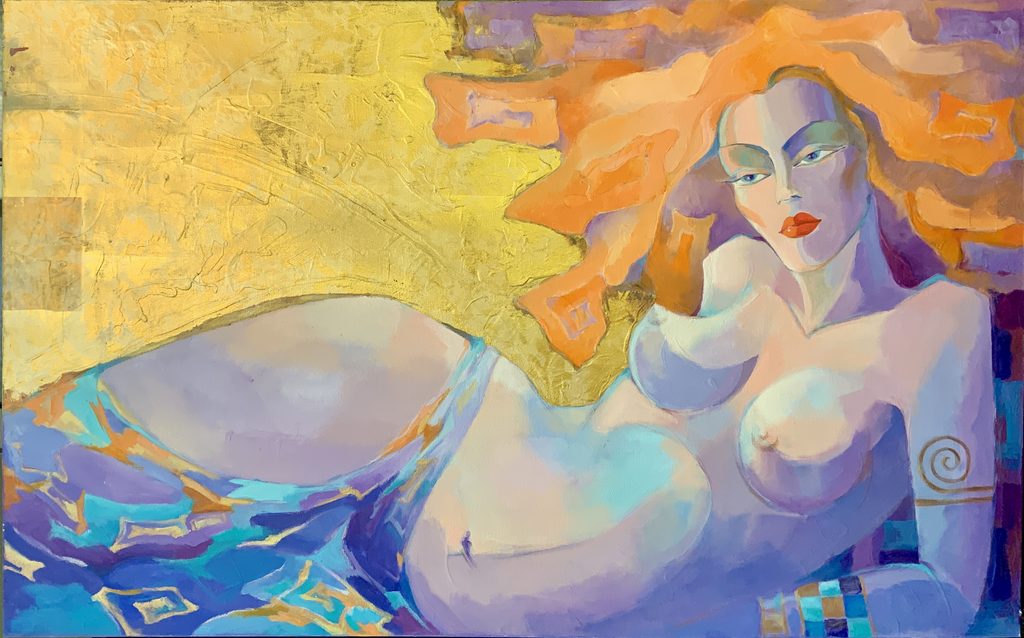
Experiment, but make sure the work reflects who you actually are, not what happens to be popular. After a lifetime of teaching, she is certain of one thing: technique can be taught, but originality can only come from within. The most memorable artists are always the ones brave enough to be themselves.
For art lovers and collectors, Marina’s work brings a rare blend of elegance and emotion into a room. Refined, graceful paintings that look beautiful at first glance and then, the longer you stay with them, begin to reveal a feeling, a presence, a story of their own. Different people find different meanings in them, which is exactly how she wants it. To live with one of her pieces is to keep a little grace and quiet strength on your wall, a reminder that real beauty was always about more than the surface.
Follow Marina Saba through the links below and see her work for yourself.
There is no single answer to where you are. There is only yours. Arts to Hearts Magazine is back, and Issue 15 is open for submissions under the theme “Where I Am.” Wherever you find yourself right now, joy or uncertainty, belonging or displacement, growth or stillness, we want to see the work that came from that place. New or already made, any medium, from anywhere. Show us where you are. This could be your issue.