









The Art of Collecting — Part 02: What Makes One Painting Worth More Than Another

Walk into a gallery and you may find two paintings hanging a few feet apart, both made by talented artists, both carefully executed, yet priced very differently. One might cost $800 while another is listed at $8,000. At auction, the difference can become even more dramatic: two works by the same artist can achieve completely different prices.
So, what exactly creates that difference?
The answer is more complicated than simply saying that one painting is “better.” In fact, price and artistic worth are not the same thing. A painting can carry enormous personal, cultural or emotional significance without having a high market price. Likewise, a work can command a substantial price because of its place in an artist’s career, its provenance, rarity or market demand.
For artists, understanding this distinction is useful because it explains how the art market operates without reducing artistic practice to a number. For collectors, it provides a better framework for deciding what they want to acquire and why.
First, Separate Artistic Value From Market Value
Before looking at the factors that influence price, it is important to establish one thing: there is no universal price tag for artistic quality.
Market value is influenced by supply, demand, reputation, rarity, provenance, condition, exhibition history and many other factors. Artsy, for example, describes artwork pricing as the result of interconnected factors including institutional recognition, artist career stage, demand, condition, authenticity and medium.
But these factors do not tell us whether a painting is emotionally moving, culturally important, personally meaningful or aesthetically successful.
This distinction matters particularly for emerging artists. A young artist may make an exceptional painting but have little established market history. A more established artist may command significantly higher prices because museums, galleries, collectors and auction results have already created a track record around their practice.
That does not automatically make the established artist’s individual painting “better.”
It means the market has more information, history and demand attached to that artist.
1. The Artist’s Career Changes the Equation

One of the most obvious influences on price is the artist themselves.
Collectors and galleries look at an artist’s career as a whole: Where have they exhibited? Which galleries represent them? Have museums or respected institutions included their work? Has their practice received critical or scholarly attention? Do their works have a consistent record of sales?
This is why an artist’s career development can have a significant effect on market value.
An emerging artist with limited exhibition history may sell directly to collectors at relatively accessible prices. Years later, if that artist develops a strong gallery network, participates in important exhibitions and builds sustained collector interest, prices may change.
For artists, this is one reason building a career is not the same thing as simply selling individual pieces.
Exhibitions, documentation, press coverage, institutional opportunities, professional relationships and a consistent body of work can gradually create a stronger context around the practice.
For collectors, the lesson is equally important: don’t assume that a famous name automatically makes every work the right purchase. Look at the artist’s actual body of work and career trajectory.
2. Not Every Painting by the Same Artist Has the Same Market Value
This is one of the most important things for both artists and new collectors to understand. An artist can have a $2,000 painting and a $20,000 painting without either being an inferior example of their practice.
Different works can occupy different positions within an artist’s career. Perhaps one painting comes from an especially important period. Another might introduce a subject or technique that later became central to the artist’s practice. One might have been exhibited in an important exhibition, while another has never been publicly shown.
Size, medium, subject, date, rarity and the specific qualities of the work can all contribute to the difference. Auction houses do not simply look at an artist’s name and attach a number. Their specialists research comparable works and consider factors such as condition, rarity, quality, provenance and recent prices achieved for similar works.
For collectors, this means that “I like this artist” is only the beginning of the decision. The next question is: What makes this particular work interesting within the artist’s practice?
3. Rarity Can Make a Work More Significant to the Market
Rarity is another important factor. If an artist produced only a small number of works in a particular medium, period or subject, those works may become especially sought after. Scarcity can increase competition when several collectors want access to the same type of work.

But rarity should not be confused with quality. A rare work is not automatically a great work. Similarly, an artist producing many works does not mean those works lack value.
For collectors, rarity becomes most useful when considered alongside other information.
Ask:
- Is the work genuinely unusual within the artist’s practice?
- Does it come from an important period?
- Is the subject particularly significant?
- Are comparable works difficult to find?
- Is the scarcity natural, or is it simply being used as a marketing argument?
For artists, documenting the development of a series can help establish this context. Keeping records of dates, titles, exhibitions and editions creates a clearer history around the work.
4. Provenance Gives a Painting a Documented History
The word provenance refers to the documented history of an artwork’s ownership.
It can include previous owners, galleries, exhibitions, auction records, publications and other documentation connecting the work to its history. Christie’s notes that provenance can help support authenticity, establish ownership history and sometimes increase market value, particularly when a work has belonged to a significant collection or appeared in an important exhibition.
Imagine two paintings by the same artist. One has been passed from the artist to a gallery, then acquired by a respected collector, exhibited in an important show and documented in an exhibition catalogue. The other has very little documentation about its history.
The paintings may be equally meaningful visually, but the first has a more substantial documented story attached to it. For artists, this is a practical reason to keep your paperwork.
Save invoices, certificates of authenticity, exhibition information, installation photographs, catalogue entries and records of previous ownership. A future collector may value having a clear record of where a work came from.
5. Condition Matters — But “Old” Does Not Mean “Bad”
The physical condition of a painting can affect its market value, particularly in the secondary market.
Collectors may want to know whether a work has experienced damage, fading, cracking, restoration, relining or other interventions. Auction houses commonly provide condition reports for this reason. Christie’s explains that these reports can include information about previous damage, fading, restoration and repairs, while also advising buyers to inspect significant works personally or seek professional advice. But the condition is more nuanced than simply asking whether something looks new.
An older painting can naturally show signs of age without those marks automatically making it undesirable. Conservation itself can also be a complicated subject. For artists, proper storage, handling, framing and documentation can help protect a work over time.
For collectors, ask for a condition report when purchasing an older or particularly valuable piece, and understand what restoration has been carried out rather than treating the word “restored” as automatically positive or negative.
6. Demand Is Created by People , Not Just Paint
At the end of the day, market price depends on buyers.
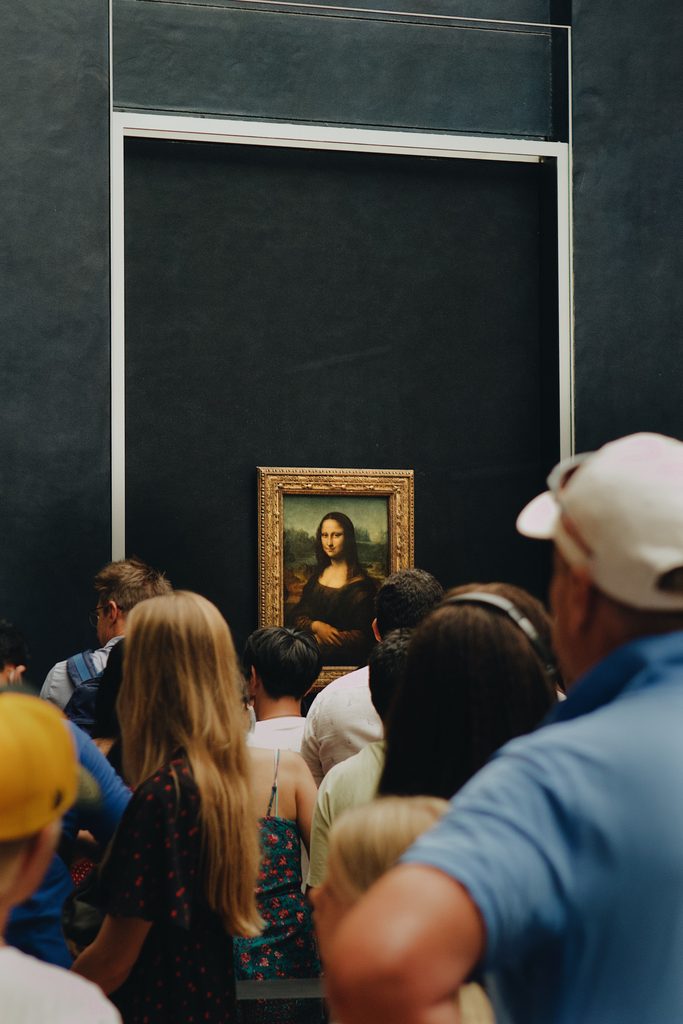
A work may possess excellent craftsmanship, strong provenance and an important place in an artist’s practice, but if there is currently little demand for that artist or type of work, its market price may remain modest.
The opposite can also happen. When several collectors compete for the same work, prices can rise significantly.
This is particularly visible at auction. An auction estimate is not a guaranteed selling price; it is an informed range based on research and market evidence. Christie’s explicitly describes estimates as provisional and notes that they can change after specialist examination.
That distinction is important because a record auction price does not create a permanent value for every work by that artist.One exceptional sale is evidence of demand for that particular work at that particular moment.
7. The Story Around a Work Can Matter
Collectors do not only buy objects. They often acquire stories, histories and connections.
A painting may have been created during an important period in an artist’s career. It might relate to a major series, depict a recurring subject or represent a turning point in the artist’s development.
These details can make a work particularly interesting to collectors. For artists, this is why being able to articulate the context of a body of work matters.
You do not need to manufacture an elaborate story around every painting. Instead, document the genuine circumstances surrounding the work: when it was created, what series it belongs to, what ideas informed it and where it has been shown. Good documentation allows the work to carry its history forward.
8. What Should a Collector Actually Look At?
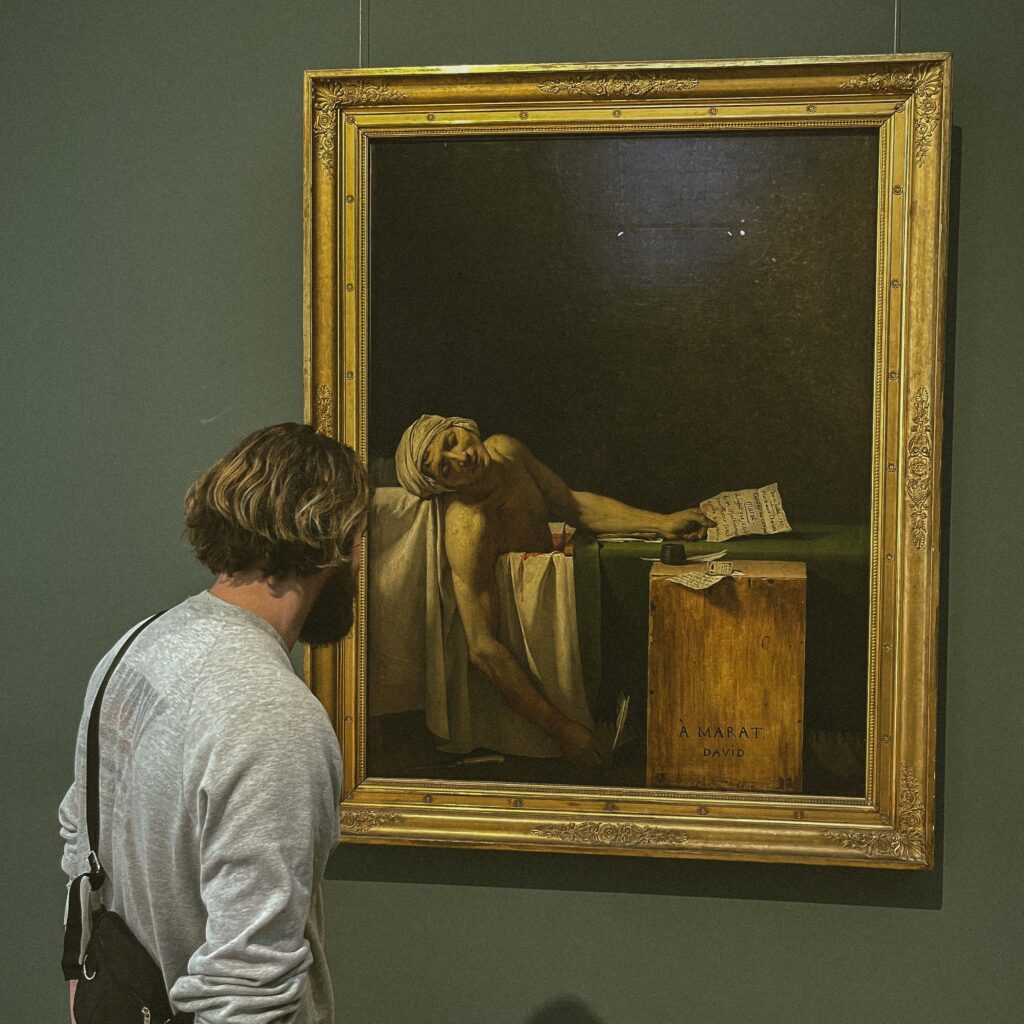
For someone buying their first painting, the art market can feel intimidating. Start with the simplest question: Do I genuinely want to live with this work?
Then move outward. Consider the artist’s practice, the work’s provenance, condition, exhibition history, medium, dimensions and price. Research comparable works when that information is available. If buying through a gallery or established dealer, ask questions rather than feeling embarrassed about not knowing the terminology.
And remember the costs beyond the artwork itself. Depending on the purchase, collectors may need to consider framing, shipping, insurance, installation, conservation and other ownership expenses. Most importantly, don’t buy something simply because someone tells you it will “go up in value.”
The future market for art is uncertain. Even auction estimates are opinions rather than guarantees. A much healthier approach is to buy something you genuinely connect with and understand as well as you reasonably can.
What Artists Can Do Today
Artists cannot control every factor that influences the market, but they can control the quality of their professional documentation.
Keep a record of:
- Title and date of every work
- Medium and dimensions
- High-resolution photographs
- Exhibition history
- Publication history
- Sales records and invoices
- Certificates of authenticity
- Previous ownership, where appropriate
- Installation photographs
- Conservation or restoration records
Consistency in pricing can also help collectors understand your market, although prices naturally evolve as an artist’s career develops.
Rather than chasing a higher price simply because another artist is selling at one, think about the larger structure of your practice. Your exhibition history, body of work, professional presentation and relationship with collectors all contribute to how your career is understood over time.
Explore our guide on things that damage an art collection in Part 01 of the series: The Art of Collecting.
The Bigger Picture: A Price Is Only One Part of the Story
So, what makes one painting worth more than another?
Sometimes it is the artist’s established market. Sometimes it is rarity. Sometimes provenance, condition, exhibition history or demand. Often, it is several of these things working together. But none of this means that a $10,000 painting contains ten times the artistic value of a $1,000 painting.
Art does not work like a supermarket shelf where the higher price automatically means the better object. Market value is simply one system for measuring what buyers are currently willing to pay under particular circumstances.
For artists, understanding that system can help you build a more informed and sustainable career. For collectors, it can help you make decisions based on research rather than hype.
And perhaps the healthiest way to approach collecting is to hold both ideas at once: buy with your eye, research with your head, and remember that the meaning of a work can never be completely reduced to its price tag.
Editor’s Note:
If you have been thinking about submitting to the Big Book of Mixed Media Artists, visit the link and complete the application form before time runs out! The deadline is September 10, 2026.