
Oleksandra Korolenko Combines Brushwork and Airbrush to Build Hyperrealist Art
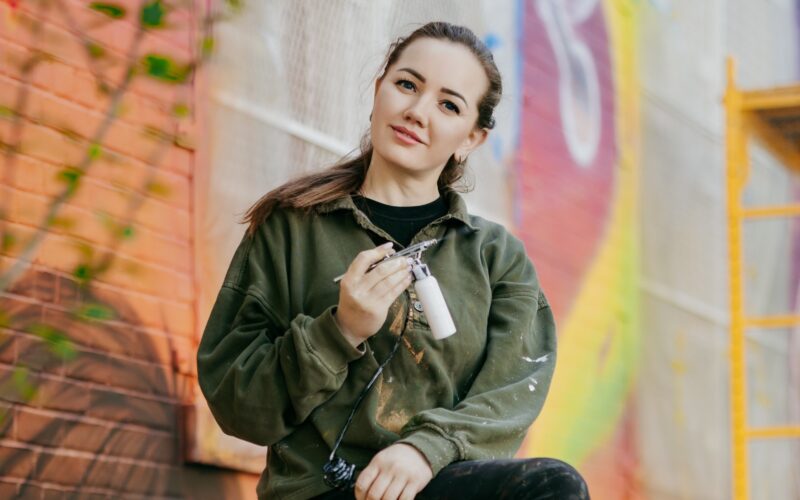
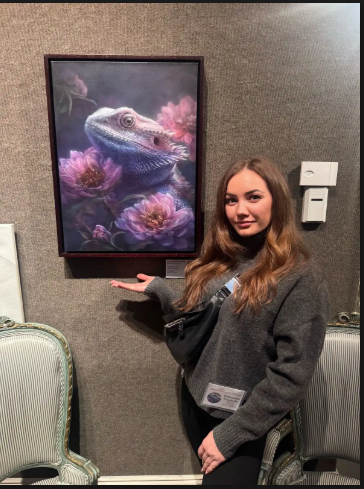
At Arts to Hearts Project, Art and Woman Edition 3 brought us women working across every medium. But Oleksandra Korolenko’s practice made us pause, because she has spent more than a decade insisting that a painting on a public wall matters as much as one behind gallery glass, and because she achieves it with a tool most people associate with car customization and cake decoration rather than fine art. She is one of our selected artists for this edition.
Oleksandra is a Ukrainian artist, muralist, and airbrush painter based in Brooklyn. She grew up in Kryvyi Rih, the longest city in Europe, an industrial place shaped by steel plants, mines, and concrete.
And something about that grey, hardworking landscape set the direction of everything she would go on to make. She wanted to bring another kind of experience into everyday life. Beauty, color, emotion. Somewhere people would not expect to find it.
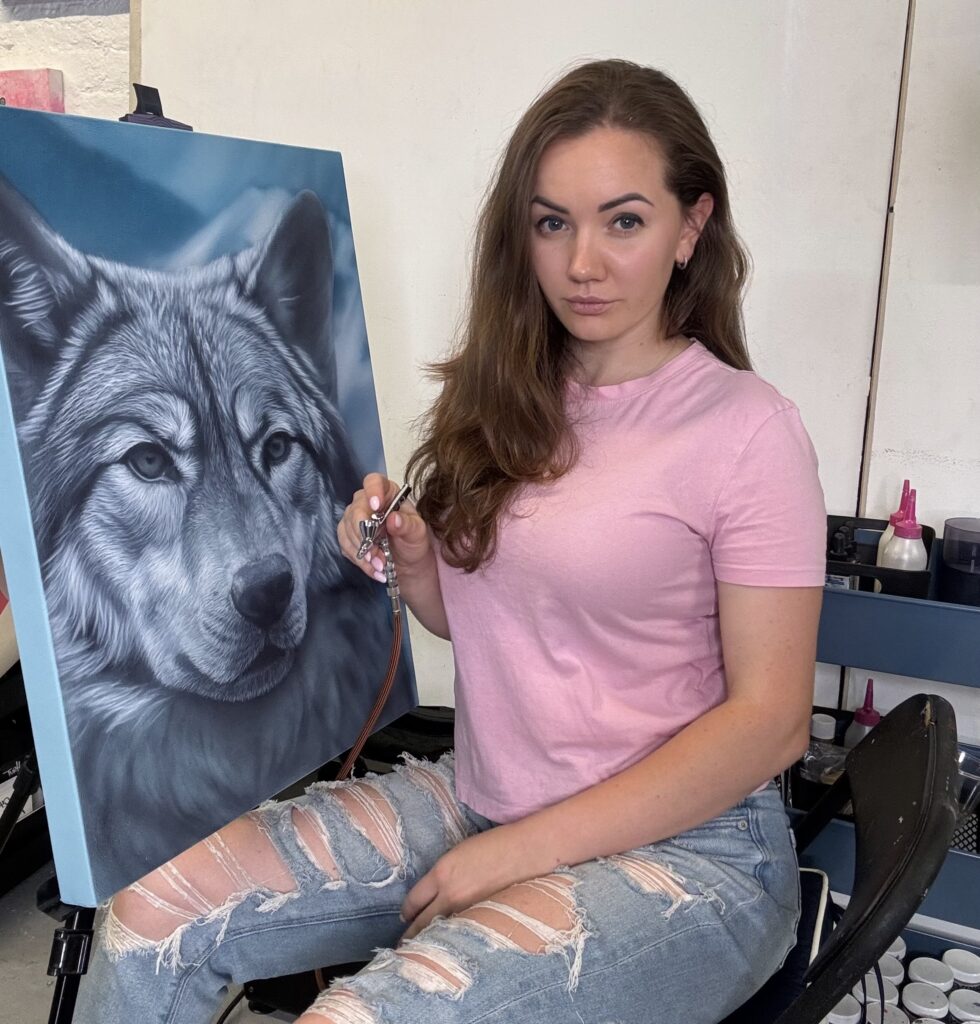
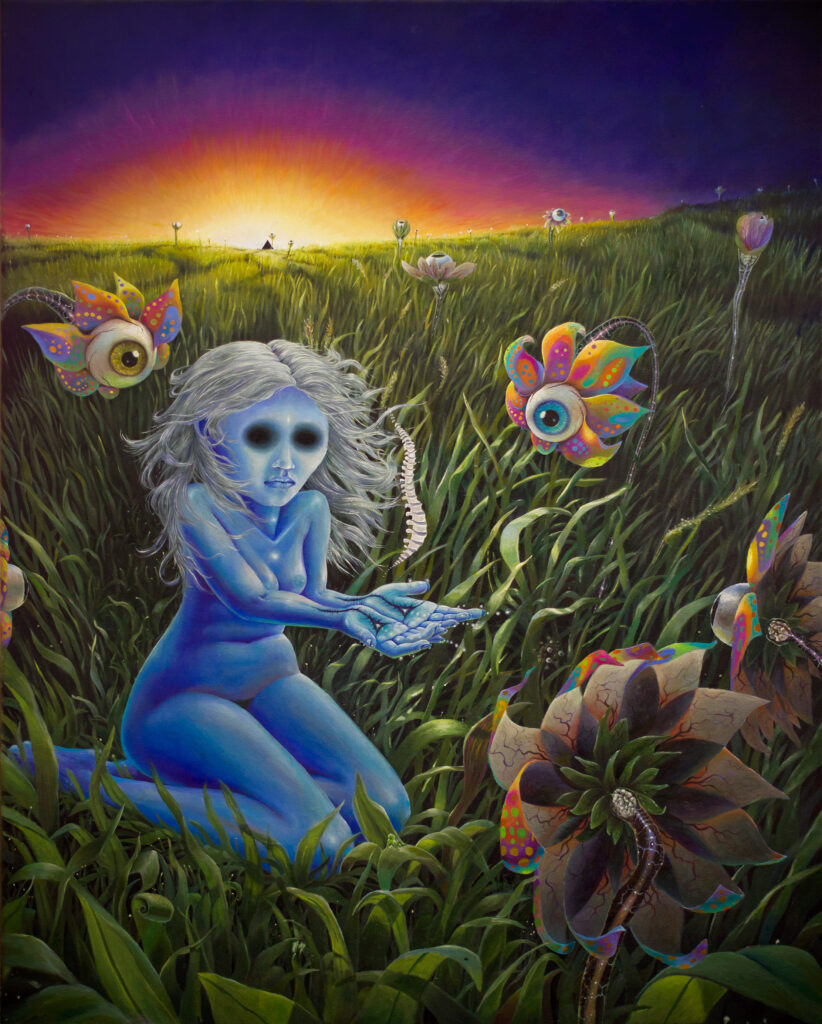
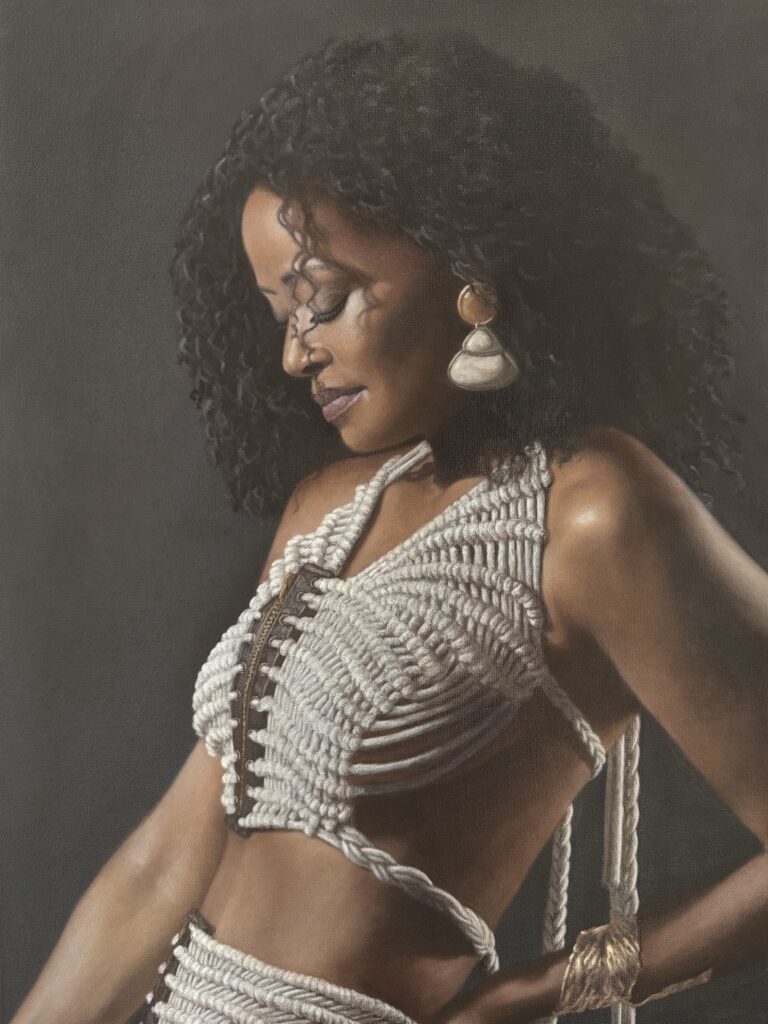
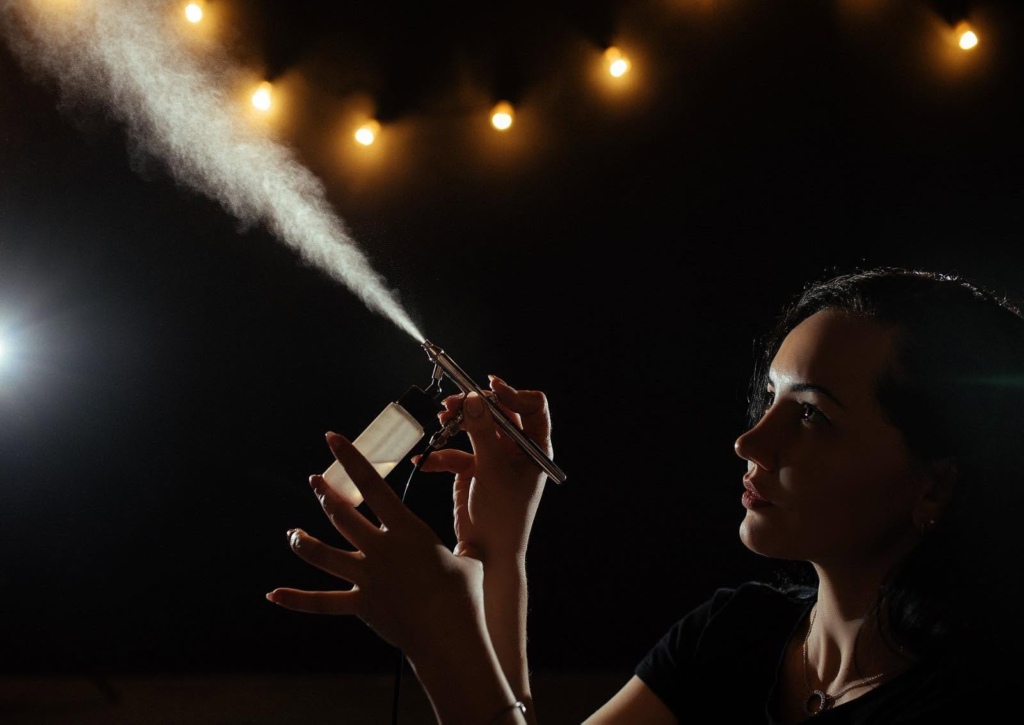
She works in a hyperrealistic style, combining brush, airbrush, and contemporary techniques, and the results are often so exact that people refuse to believe what they are seeing was painted by hand. The airbrush is central to this. It gives her smooth gradients, soft transitions of light and shadow, a real sense of atmosphere and depth that a conventional brush could not achieve in the same way.
From the outside it can look as though the tool simply sprays paint. In reality, every precise transition is the product of years of practice. For her, precision is a form of respect, for the subject, for the viewer, and for the work itself.
But the technical mastery is never the point on its own. Somewhere in those early years of mural painting, she stopped seeing art as something confined to a canvas. She came to see it as a way to transform environments, to evoke emotion, to create a genuine connection between people and the places they live.
A single image on an ordinary wall could change the atmosphere of a street, catch someone mid-walk, and make them see a familiar place as if for the first time. That belief now runs through everything, whether she is painting a public mural or a fine art piece in the studio.
Let’s get to know Oleksandra through our conversation about her Ukrainian roots, the magic of the airbrush, and the art of making people stop and look.
Q1. Oleksandra, can you tell us a little about your background and how your journey as an artist began?
I grew up in Kryvyi Rih, Ukraine—the longest city in Europe. It is a major industrial city, shaped by steel plants, mines, and generations of hardworking people. Its landscape is defined by concrete, factories, and a resilient spirit. Growing up there, I found myself wanting to create something that brought a different kind of experience into everyday life—beauty, color, and emotion. My artistic journey began in childhood through local art classes, continued at art school, and later led me to earn a degree in Fine Arts. More than a decade ago, I began my professional career as an artist.
Over the years, I have completed hundreds of mural projects while continuing to develop my fine art practice, constantly refining both my technical skills and my artistic voice. When I discovered mural painting, it completely changed the way I thought about art. As I created more public works, colorful murals gradually became part of the city around me. I was fascinated by how a single artwork could transform an ordinary wall into something that captured people’s attention, changed the atmosphere of a place, and encouraged people to see familiar surroundings differently.
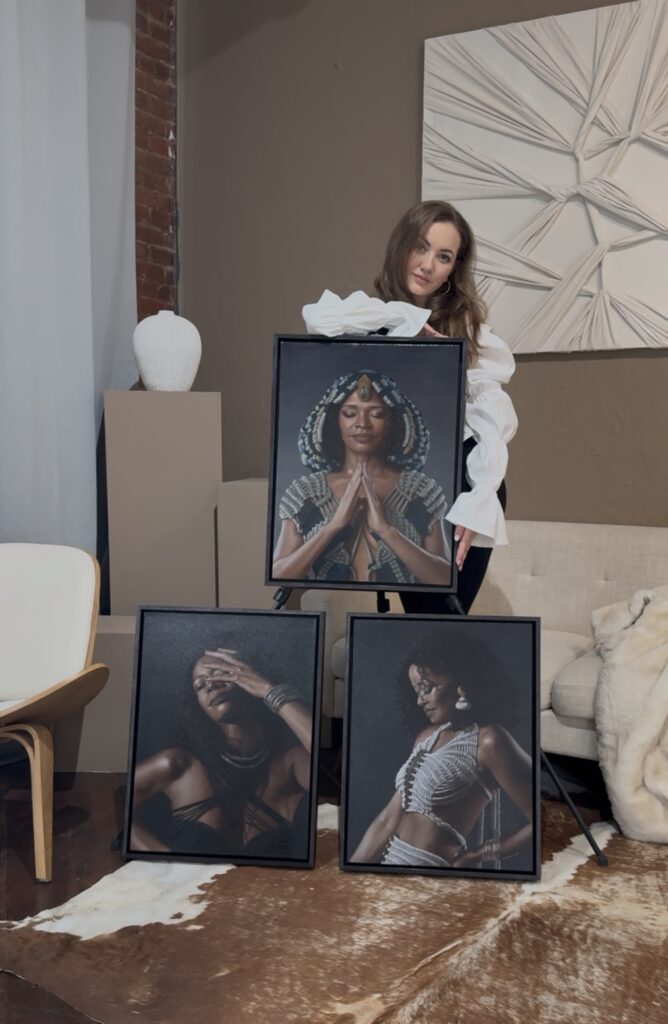
That experience taught me that art is not only something we look at—it has the power to shape the way we experience the spaces where we live. Those years shaped my philosophy as an artist. I stopped seeing art as something confined to a canvas. Instead, I came to see it as a way to transform environments, evoke emotion, and create meaningful connections between people and the places they inhabit.
Today, whether I’m creating a large-scale mural or a fine art painting, my goal remains the same: to create work that invites people to pause, feel something, and discover beauty in places they might otherwise pass by without noticing.
Q2. You grew up in an industrial city in Ukraine. How did that environment shape your creative perspective?
I don’t think the purpose of my work changed. What changed was the scale of the opportunities around it. Even before moving to the United States, I had already realized that I was most inspired by creating art that became part of people’s everyday lives. That’s why mural painting became such an important part of my career. I have always loved seeing art move beyond gallery walls and become part of the public environment.
Moving to New York didn’t change my values as an artist, but it greatly expanded the possibilities for expressing them. It’s a city where art is woven into everyday life and where artists become part of an international creative community. Here, I’ve had the opportunity to work on large-scale public projects, participate in international exhibitions, and devote more time to developing my fine art practice. Today, I see my career as one continuous journey.
Everything I learned in Ukraine became the foundation of my work, while New York opened the door to a broader audience and new professional opportunities. Regardless of where I create, my goal remains the same: to make work that evokes emotion, transforms spaces, and stays with people long after they’ve experienced it.
Q3. What first drew you to airbrushing, and what does the technique allow you to achieve?
The airbrush is an incredibly versatile tool because it can be used in so many different fields—from automotive customization and mural painting to fine art, temporary body art, cake decoration, and even the nail industry. Although each field uses a different type of paint, the principle remains the same: the appropriate paint is poured into the airbrush, and the artist controls it with a stream of air. One misconception I often encounter is that people assume airbrushes are also used for tattooing. In reality, that’s simply not true.
They are completely different tools. Permanent tattoos require specialized tattoo equipment, while an airbrush is used only for temporary body art and artistic effects. For me, the greatest strength of the airbrush is its ability to create incredibly smooth gradients, soft transitions of light and shadow, and a true sense of atmosphere and depth. Achieving the same effect with a traditional brush would either be nearly impossible or would take a tremendous amount of time.
The airbrush also allows me to work much more efficiently, especially on large-scale surfaces such as murals. At the same time, airbrushing is one of the most demanding artistic techniques. From the outside, it may seem as though the tool simply sprays paint, but every precise transition is the result of years of practice, patience, and true mastery of the tool. For me, the airbrush is an indispensable artistic tool. It gives me speed, precision, and the freedom to create effects that simply cannot be achieved in the same way with any other tool.
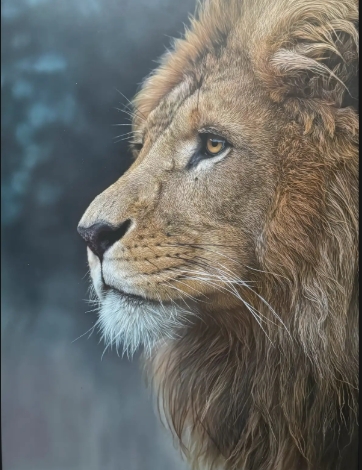
Q4. Your murals become part of people’s everyday surroundings. What do you enjoy about that connection?
What I love about murals is that they become part of everyday life. People don’t have to plan a visit to a gallery they simply come across the artwork while walking through their neighbourhood.
Sometimes a single image can brighten someone’s day or make them see a familiar place differently. That’s what I find so powerful about public art: it naturally becomes part of people’s lives.
Q5. Your hyperrealist work can look almost photographic. What draws you to such precision?
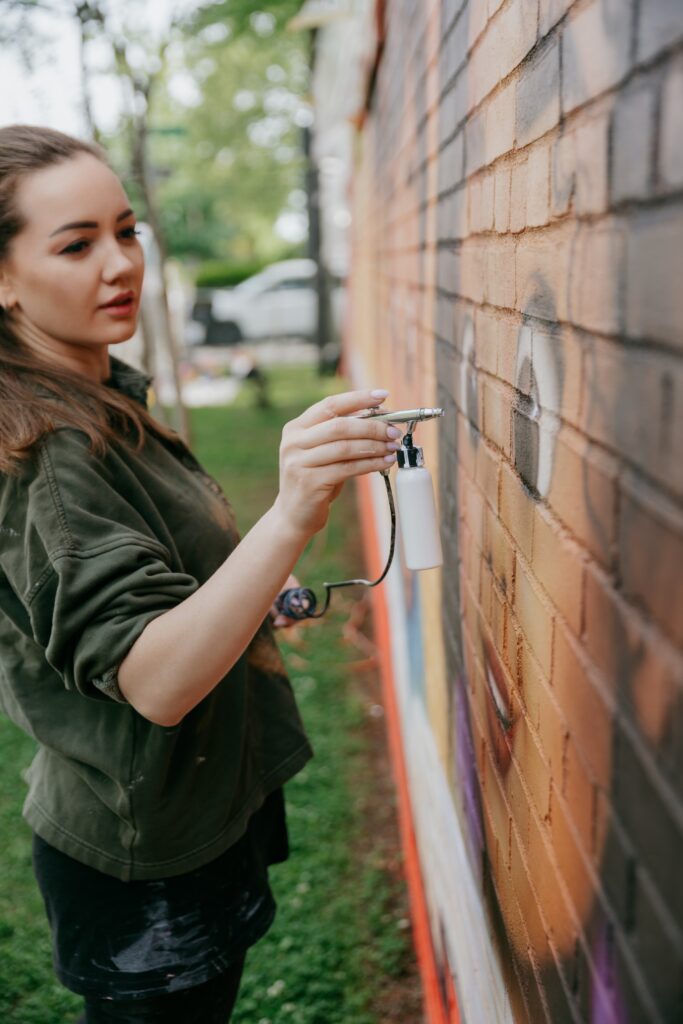
For me, precision is a form of respect—for the subject, for the viewer, and for the process of creating a painting. Every detail matters because it contributes to the overall emotion and experience of the work. What inspires me most is the moment when someone first believes they’re looking at a photograph, then steps closer and realizes the entire piece was painted by hand. That moment of surprise encourages people to slow down, look more carefully, and spend time with the artwork. That’s what draws me to this level of precision.
Q6. You combine brushwork, airbrush, and other techniques. How do you decide which tool a painting needs?
I think it’s a combination of experience and intuition. Over the years, I’ve learned what each tool does best. Some areas need the texture and energy of a brush, while others require the smooth transitions only an airbrush can achieve. The tool is always chosen to serve the idea, never the other way around.
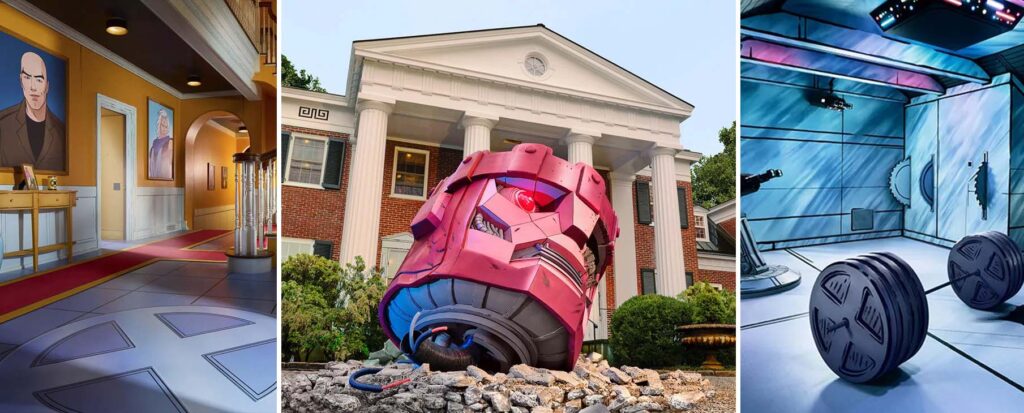
Q7. You worked on the interior of a mansion for the X-Men film. What was it like seeing your work become part of a film world?
It was a truly unique experience because it was my first time being part of a production on that scale. It was fascinating to watch dozens of creative professionals working toward the same goal, where every detail mattered. While we were finishing our part of the project, filming had already begun in other areas of the mansion. It really felt like being inside a living creative process that was gradually becoming a film.
What inspired me most was the sense of collaboration. Every person was responsible for a small part of the whole, but together we were building a world that would eventually be seen by millions of people. Experiences like that remind me that art can become part of something much bigger than itself.
Q8. Your murals range from restaurants and businesses to public spaces. What connects these very different projects?
Every project begins with a different purpose, but my approach remains the same. I try to understand the character of the space and the people it is created for. My goal is for the artwork to feel like it truly belongs there—not simply as decoration, but as part of the environment. I believe that’s the common thread running through all of my work.
Q9. Your Aquarium mural brings together many forms of marine life. What was the biggest challenge of creating that underwater world?
At the New York Aquarium in Brooklyn, I was part of the Murals of America team, working on a large-scale mural celebrating marine life. The mural features whales, sharks, stingrays, sea turtles, schools of fish, and other ocean animals, creating a continuous underwater scene that welcomes visitors before they enter the aquarium. Projects like this require a different approach than many other public murals.
It’s not just about painting individual animals well—it’s about making the entire composition work as one image. Every element has to be carefully balanced in terms of scale, movement, and color so the mural reads clearly from a distance. Since thousands of people experience it while walking along the boardwalk, the artwork has to be visually strong, easy to read at a glance, and engaging from every viewpoint.
That was one of the most important challenges of this project. We hope this mural, set along the Atlantic Ocean, inspires the Coney Island community and everyone who passes by, encouraging people to pause, connect with the beauty of marine life, and appreciate the unique environment that surrounds them.
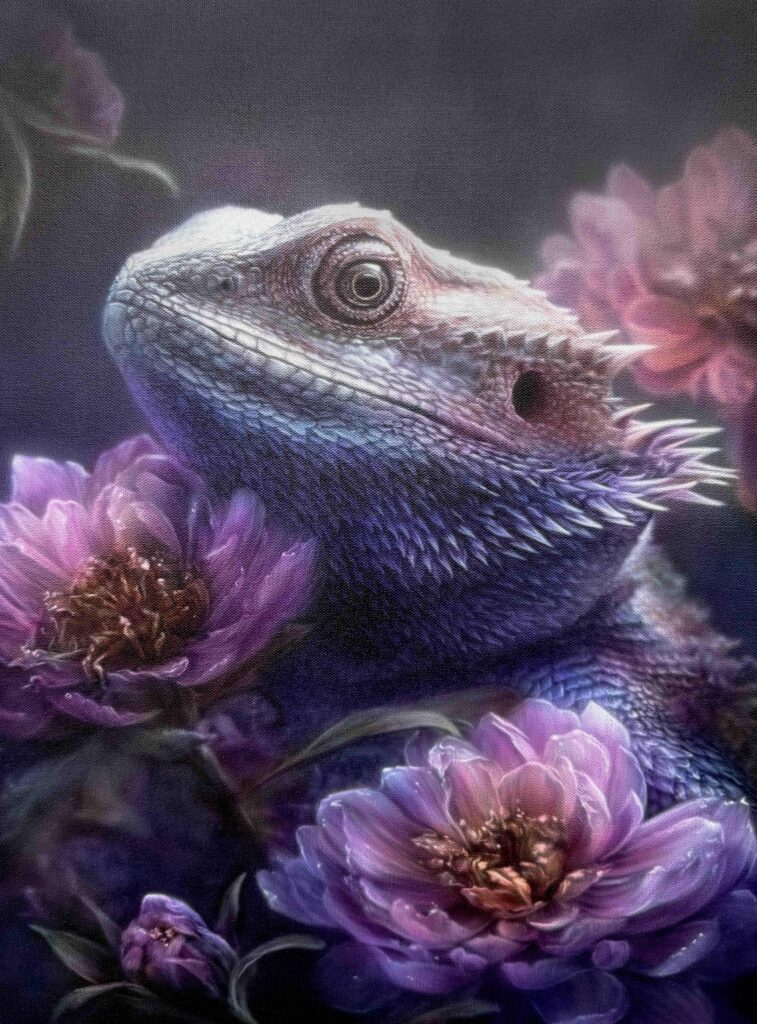
Q10. You work across murals, fine art, and commissions. How do these different forms influence one another?
To me, they’re all connected. Whether I’m painting a gallery piece or a mural on a public wall, I’m telling a story and trying to create an emotional connection. The scale and purpose may change, but the core remains the same. Working in different formats also keeps me growing as an artist—what I learn from murals often influences my studio paintings, and vice versa.
Q11. Have you ever consciously tried to develop a recognizable style, or has it evolved naturally?
I think style develops naturally through experience rather than being something you force. I’ve always been more interested in solving creative challenges—understanding the space, the subject, and the feeling I want people to have. Over time, those decisions become your style. I’d rather stay curious and keep evolving than limit myself to repeating the same visual formula.
Q12. Do you think public art has the power to change how people feel about a place?
Absolutely. Public art can completely transform the atmosphere of a space. It can make a school more inspiring, a neighborhood more welcoming, or a building feel like part of the community instead of just another wall. One of my favorite moments is seeing people stop, smile, take photos, or simply spend more time in a place because of something I’ve painted. That’s when you realize art has become part of everyday life.
Q13. Artists today often have to manage the business side of their careers too. What has been the hardest part for you?
Marketing has definitely been the biggest challenge for me. Creating art feels natural, but promoting myself has never come as easily. I’ve learned that being an artist today means sharing your work, building relationships, and communicating your vision—not just making the work itself. It’s still something I’m improving, but I’ve come to see it as another way of connecting with people rather than simply advertising.
Q14. Do you think public art receives the same level of recognition as gallery-based work?
I think they are recognized in different ways. Gallery work is often viewed within the art world, while public art becomes part of people’s everyday lives. A mural may never hang in a museum, but it can be seen and enjoyed by thousands of people every day. Both have value they simply reach audiences in different ways.
Q15. What project challenged you the most and ultimately helped you grow the most?
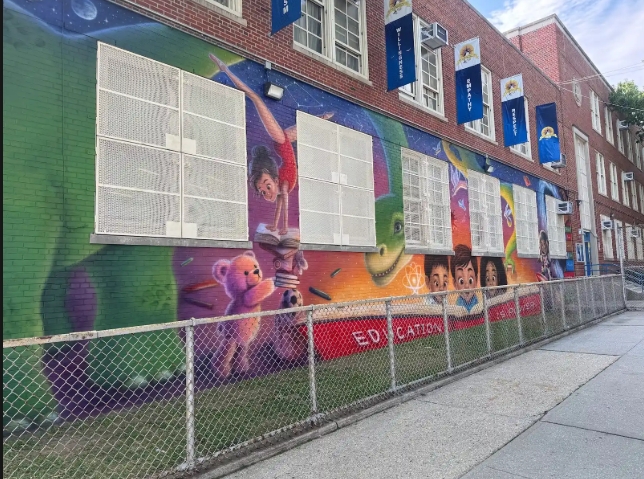
One of the most challenging projects I’ve worked on was a large mural for a public school in Queens, New York. It was one of the biggest murals I’ve painted in the U.S., covering nearly 1,000 square feet, and I completed the entire project by myself in just one month. Beyond the painting itself, I handled everything—from planning and logistics to organizing materials and managing the entire process. It pushed me both physically and mentally, but it also gave me a lot of confidence. It taught me how to stay organized under pressure, solve problems as they came up, and successfully complete a project of that scale on my own. Seeing the students’ excitement when the mural was finished made all the hard work worth it and reminded me why I love creating public art.
Q16. Has your definition of success changed as you’ve moved between countries, industries, and creative disciplines?
Yes, it has. Earlier in my career, I measured success by the number of completed projects. Today, I think success is creating work that has a lasting impact, continuing to grow as an artist, and having the opportunity to work on projects that truly inspire both me and the people who experience them.
Q17. If there is one lesson you hope younger artists learn earlier than you did, what would it be?
Don’t wait for the perfect opportunity—start creating with what you have. Every project, no matter how small, teaches you something valuable. Your skills grow through practice, consistency, and real experience, not by waiting until everything feels perfect.
As our time with Oleksandra came to an end, we found ourselves thinking about the walls, the streets, the ordinary places we pass every day without a second glance. About how much beauty is hiding there, and what it takes to make someone finally stop and see it.
Because most of us move through our days on autopilot. The wall, the street, the building we pass a hundred times without a second thought. Oleksandra’s whole practice is built to interrupt that.
A mural appears where you did not expect to find art, and for a moment the familiar becomes strange and worth looking at again. That instinct goes all the way back to a childhood in a grey industrial city, where she first wanted to bring color and feeling into the places people live. She has been doing it ever since, on a scale most artists never attempt.
We think every artist needs to hear the thing she says about not waiting. Don’t wait for the perfect opportunity, start creating with what you have. Every project, however small, teaches you something, and your skills grow through practice and real experience, not by waiting until everything feels ready. It sounds simple. It is also one of the hardest things to actually believe, and her career is the proof of what happens when you do.
There is a quieter argument running through her work, too. That art does not have to hang in a museum to matter. A mural may never enter a gallery, but it can be seen and loved by thousands of people every single day, woven into their ordinary lives in a way gallery work rarely is.
She holds murals and fine art, brush and airbrush, the public and the personal, as parts of one practice rather than a ranking, and each one makes the other stronger.
For art lovers and collectors, Oleksandra’s work brings a rare kind of precision into a space. Hyperrealism so complete it stops you, then rewards you for stepping closer. Whether it is a studio painting or the memory of a wall that changed how a street felt, her work carries the same thing: the sense that someone paid enormous attention, so that you might too. Living with her work is a daily reminder to slow down and really look.
Follow Oleksandra Korolenko through the links below and see her work for yourself.
Our 101 Artbook: Faces Edition is now open for submissions, and we’re looking for artists who know a face is never just a face. It’s a doorway, into identity, memory, emotion, and everything a person carries beneath the surface. If you paint, draw, photograph, sculpt, stitch, or collage faces, and your work reaches past the likeness to the person underneath, we want to see it. Medium, geography, and career stage don’t matter.
What matters is that your face is holding something worth a second look. Every featured artist once took a breath and submitted. This could be your edition.