


The Complete Guide to Preserving and Caring for Your Sculptures and 3D Art Collection

A sculpture asks you to look at art a little differently. You notice its shape from different angles, the texture of its surface, the way it sits within a room, and sometimes even the space around it. An installation can change the feeling of an entire space, while a small three-dimensional piece can become the detail your eyes return to again and again. But with this added dimension comes a different set of considerations when it comes to caring for and preserving the work.
The good news is that most three-dimensional artworks do not need constant attention. What they need is thoughtful handling, a suitable environment, and an understanding of the materials they are made from. In our guide to storing, framing, and preserving paintings, we looked at the specific care that two-dimensional works require. In this article, we turn our attention to sculptures, installations and other three-dimensional art, and look at the ways in which they can be displayed, stored, and protected over time.
From bronze and stone to ceramics, textiles, found objects, and mixed media, every material responds differently to its surroundings. Knowing what your piece needs is the first step toward keeping it safe while allowing it to remain part of your collection for years to come.
Caring for Sculptures and Three-Dimensional Art
A sculpture can look solid and uncomplicated, but its care often depends on details that are easy to overlook. A heavy stone piece may seem almost indestructible, while a small ceramic sculpture can be extremely fragile. Even a bronze sculpture that feels sturdy can have a delicate finish or patina that should not be disturbed.
The first thing to find out is what the sculpture is made of. This matters before you clean it, move it, or decide where to display it. Different materials respond differently to moisture, light, temperature, dust, and handling, and some sculptures combine several materials in one piece.
Bronze
Bronze does not need to look freshly polished to be well cared for. The metal naturally ages over time, developing a patina, from warm brown to green or blue, depending on the type of metal and the conditions under which it was made. This was designed into the sculpture and is often how the artist intended it to age.
As with bronze sculptures on indoor walls, regular lightly dusting is enough. Outdoor bronze requires more attention as the surface can be damaged by rain, pollutants and changing weather conditions.

What to do:
- Dust gently with a soft, dry cloth or soft brush.
- Pay attention to textured and recessed areas where dust can collect.
- Follow the artist’s or conservator’s recommendations for outdoor pieces.
What to avoid:
- Do not polish bronze simply to make it look shiny.
- Avoid abrasive cloths and metal polishes.
- Do not use household cleaning products on the surface.
- Do not remove the patina without first confirming that it is unwanted.
Stone and Marble
There is a certain feeling of permanence in stone, but it isn’t. Marble, limestone, and other porous stones absorb liquids and oils. Stains are difficult or impossible to remove once they are in.
Stone sculptures should not be submerged or damaged by spills. Place a large stone sculpture on a level surface that is firm enough to accommodate its weight.
What to do:
- Dust with a soft, dry microfiber cloth or gentle brush.
- Keep the sculpture on a stable, level surface.
- Check the base regularly for signs of movement or instability.
- Ask a conservator before treating stains or marks.
What to avoid:
- Avoid oils and household cleaning products.
- Do not experiment with soap or water without knowing whether the stone can tolerate it.
- Never drag a heavy stone sculpture across a surface.
Ceramics
Ceramic pieces can be surprisingly delicate. A sculpture does not have to fall from a great height to be damaged; a knock against a table, shelf, or another object can be enough to cause a chip or crack.
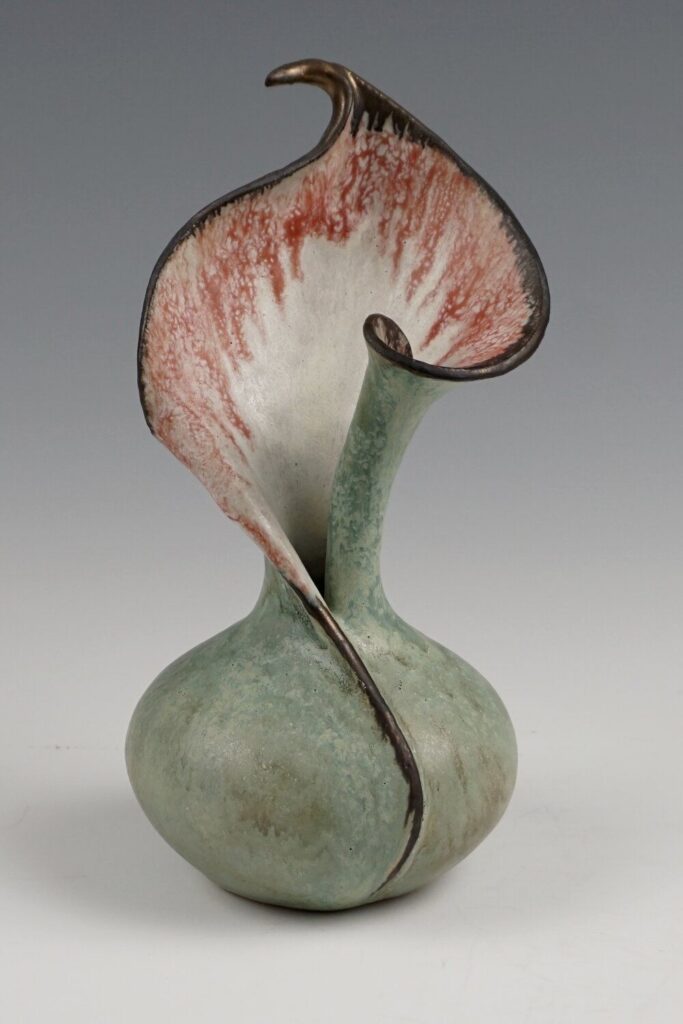
Give ceramic sculptures a stable place to live, preferably somewhere away from busy walkways and areas where they are likely to be bumped.
What to do:
- Display ceramics on stable, level surfaces.
- Keep fragile pieces away from the edge of shelves.
- Leave enough space around the sculpture so it is not easily knocked.
- If a piece breaks, carefully keep all the fragments together and seek professional advice.
What to avoid:
- Do not place delicate ceramics in high-traffic areas.
- Avoid stacking objects around or on top of them.
- Do not pick them up by thin projecting parts or decorative elements.
- Do not immediately repair broken ceramics with household glue.
A quick repair can sometimes make later conservation more difficult, particularly when an appropriate conservation adhesive could have been used instead.
Wood
Wood is constantly responding to its surroundings. Changes in humidity can cause it to expand and contract, and repeated fluctuations can eventually lead to cracks, warping, or movement of joints.
Keep wooden sculptures away from radiators, heaters, vents for air-conditioning, and other heating or humidifying fixtures.
What to do:
- Keep the sculpture in a relatively stable indoor environment.
- Keep it away from direct sunlight where possible.
- Check occasionally for new cracks, warping, loose joints, or changes in the surface.
What to avoid:
- Do not place wooden sculptures directly beside heaters or vents.
- Do not apply furniture polish unless the artist or conservator specifically recommends it.
- Avoid exposing the sculpture to damp or rapidly changing conditions.
The surface may have been intentionally treated, painted, waxed, or left unfinished. A product that is safe for household furniture may permanently alter an artwork.
Plaster, Resin, and Other Contemporary Materials
Contemporary sculptures often use materials that do not have the same established care traditions as bronze or marble.Plaster chips easily and is particularly susceptible to moisture, and some resins and plastics may fade, change color, or become brittle with prolonged light and heat exposure.
If you are working with materials that are unknown, use less. Be sure to review all documentation from the artist, gallery, or previous owner before you begin trying to clean or treat the item.
What to do:
- Know exactly which materials were used, especially in mixed-material pieces.
- Keep the sculpture away from excessive heat, moisture, and strong direct sunlight.
- Keep any care instructions, certificates, or information from the artist with your collection records.
What to avoid:
- Do not expose unknown materials to water as a test.
- Avoid placing delicate contemporary materials where they can be easily knocked or overheated.
If a sculpture contains several different materials, care for the piece according to its most vulnerable component rather than its strongest one. A metal base does not make a fabric, plaster, paper, or resin element equally durable.
Caring for Installations and Site-Specific Art
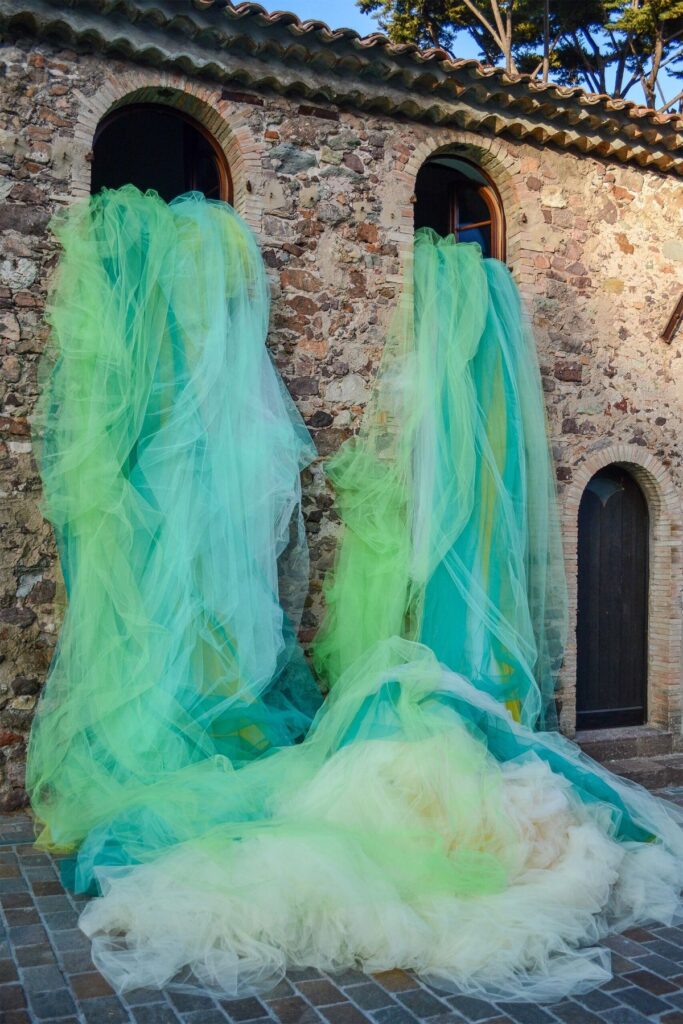
Installations can be some of the most difficult artworks to store because the work may not exist as a single object. It might include fabric, wood, metal, photographs, found objects, lighting, suspended elements, or objects that were arranged specifically for one space. Once an installation is taken apart, keeping track of what belongs where becomes just as important as protecting the individual pieces.
If you are collecting an installation, think of its documentation as part of the artwork. Before dismantling or moving anything, photograph the work from several angles and keep notes about how each component was positioned. Save installation instructions, measurements, diagrams, certificates, and any information provided by the artist. These records can make a huge difference when the work needs to be installed again years later.
Before Taking an Installation Apart
Take your time before removing anything. What looks like a simple arrangement may have been carefully positioned by the artist, and small details can be difficult to reconstruct later.
What to do:
- Photograph the complete installation before dismantling it.
- Photograph individual components and their connections.
- Label separate parts clearly.
- Keep screws, brackets, wires, fasteners, and other small components together.
- Record measurements and the original placement of important elements.
- Keep the artist’s installation instructions and documentation with the work.
What to avoid:
- Do not rely on memory when dismantling a complex installation.
- Do not throw away packaging, hardware, or seemingly insignificant components.
- Avoid mixing parts from different artworks.
- Do not make changes to the installation without documenting them.
Storing Installation Components
Once an installation is dismantled, each component may need to be stored differently. A metal element may be perfectly happy in one type of environment, while a textile or paper component may require much more careful protection.
Use clean, appropriate packing materials and avoid putting pressure on fragile surfaces. If several components are stored together, separate them with acid-free tissue or other suitable protective materials where necessary.
What to do:
- Store components according to their individual materials.
- Use sturdy boxes or crates for heavier elements.
- Wrap fragile surfaces individually rather than allowing them to rub together.
- Keep small hardware in labeled bags or containers.
- Maintain an inventory of every component.
- Store the work in a clean, stable environment away from leaks, excessive humidity, and temperature fluctuations.
What to avoid:
- Do not place heavy objects on top of fragile components.
- Avoid storing textiles, paper, or organic materials in damp areas.
- Do not wrap artworks tightly in plastic for long-term storage if moisture could become trapped inside.
- Never assume that one packing material is suitable for every component.
Reinstalling the Work
When the installation is displayed again, refer to the original photographs and instructions rather than trying to recreate it from memory. For site-specific work, the original location may also be part of the artist’s intention, so changes in the surrounding architecture, lighting, or dimensions should be documented.
If the artist is available, their installation instructions should take priority. For complex works, it may also be worth having an art handler or conservator oversee the process.
A well-documented installation is much easier to preserve. Years from now, the photographs and notes you create today may be the most useful tools for understanding how the work was originally meant to exist.
Handling, Moving, and Displaying Three-Dimensional Art
Sometimes the greatest risk to a sculpture is not years of exposure but a few seconds of careless handling. A piece can be damaged while being lifted from a shelf, moved to another room, or placed in storage. With three-dimensional art, knowing where to hold the work is just as important as knowing where to display it.
Before moving anything, take a moment to look at the sculpture and identify its strongest structural point. If it is large, heavy, unusually shaped, or has fragile projecting elements, it is worth getting professional art handlers involved rather than trying to manage it yourself.
When Moving a Sculpture
What to do:
- Remove obstacles from the route before lifting the piece.
- Use both hands and support the sculpture from its strongest areas.
- Have another person help with large or awkward works.
- Use appropriate padding when transporting fragile pieces.
- Keep original crates and custom packaging whenever possible.
- Photograph the piece before and after transportation to document its condition.
What to avoid:
- Never lift a sculpture by an arm, handle, horn, branch, wire, or other projecting element unless it was specifically designed for handling.
- Do not drag a sculpture across the floor.
- Avoid carrying heavy pieces without knowing their weight and balance.
- Never stack sculptures directly on top of one another.
- Do not improvise with unsuitable packing materials for valuable or fragile works.
Choosing the Right Display Space
The best place for a sculpture is not always the most visually dramatic one. Think about what happens around it throughout the day. Is it next to a doorway? Could someone knock into it? Does sunlight fall directly on it for several hours? Is it sitting beneath an air-conditioning vent?
Give the artwork enough space around it to be seen without making it vulnerable to accidental contact. Heavy pieces should sit on furniture or platforms that can safely support their weight, while tall or unstable works may need discreet mounting or anchoring.
For outdoor sculptures, make sure the material and finish are actually suitable for exterior conditions. Rain, pollution, temperature changes, and prolonged sunlight can affect even durable materials over time.
A little planning at the display stage can prevent many of the problems that would otherwise require restoration later.
Giving Three-Dimensional Art Room to Last
Caring for sculptures and installations does not mean trying to keep them looking exactly as they did on the day they entered your collection. Materials change, surfaces develop character, and some signs of age are simply part of an artwork’s life. The goal is to slow harmful deterioration while allowing the work to remain true to itself.
A little attention goes a long way. Know what your artwork is made from, give it a stable place to live, handle it thoughtfully, and keep good records of its condition and installation. Most importantly, resist the urge to fix or clean something simply because it looks different. When you are unsure, asking a professional conservator is almost always safer than experimenting.
Sculptures, installations, and other three-dimensional works bring art into the space around us. With the right care, they can continue to occupy that space beautifully, carrying their materials, stories, and character forward for many years to come.
Editor’s Note
Our latest 101 Art Book: Faces Edition is now open for submissions. If the theme resonates with you and you have a piece that explores the beauty, emotion, or individuality of the human face, we’d love to see your work. Apply now and submit your art for a chance to be featured in the book.