

Behind Every Overnight Success Is a Story You Never Saw
Every so often, the art world falls in love with an “overnight success.”
A painter suddenly appears in major exhibitions. An illustrator gains hundreds of thousands of followers within weeks. A long-overlooked artist becomes the subject of museum retrospectives and international headlines. To the outside world, these moments can feel instantaneous, a dramatic leap from obscurity to recognition.
But they rarely tell the whole story.
What we often call an overnight success is usually the visible result of years spent working in relative silence. Years of experimentation, uncertainty, rejected applications, unfinished projects, and days in the studio when nobody seemed to be paying attention. The breakthrough may arrive in a single moment, but the foundation beneath it is often built over decades.
History is filled with examples. Vincent van Gogh died believing he had failed to achieve the recognition he sought. Hilma af Klint created groundbreaking abstract paintings years before the art world was ready to understand them. Carmen Herrera spent much of her life painting with little commercial success before finally receiving widespread acclaim in her eighties. Even artists who seem inseparable from contemporary culture today, like Yayoi Kusama, spent years navigating hardship and limited visibility before becoming global icons.
Yet these invisible years rarely become part of the narrative. We celebrate the exhibition opening but not the thousands of hours spent preparing for it. We admire the finished work but overlook the sketches, mistakes, and abandoned ideas that made it possible. We see recognition and assume it arrived quickly.
The truth is far more interesting.
Behind nearly every celebrated career lies a story not of sudden success, but of persistence. A story of continuing to create without guarantees, of trusting the process before there is proof that it will lead anywhere, and of showing up to the work long before the world shows up in return.
Perhaps the most inspiring part of any success story is not the moment someone is finally noticed. It is everything they did before anyone was watching.
We Only Meet Artists at the Moment of Recognition
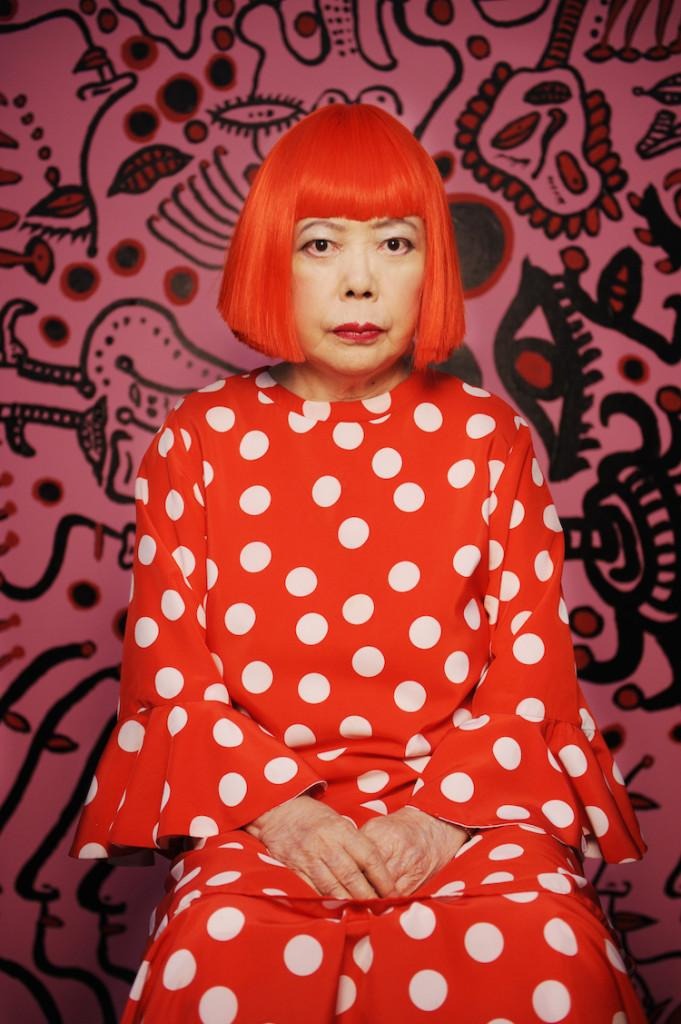
There is a reason the idea of the “overnight success” is so convincing: most of us encounter artists only when the spotlight finally finds them.
We discover a painter through a sold-out exhibition, read about a sculptor after a major museum acquisition, or follow an artist online when their work suddenly begins appearing everywhere. What we rarely see are the years that came before, the countless hours spent creating in small studios, applying for opportunities that never materialize, refining ideas that do not yet have an audience, and continuing to make work without any certainty that recognition will follow.
The art world has a habit of celebrating arrival rather than process. Headlines focus on breakthrough moments: a major exhibition, a prestigious award, a museum acquisition, or a record-breaking sale. These milestones make compelling stories because they are easy to recognize and easy to measure. What remains invisible are the years of work that made those moments possible.
One of the clearest examples is Yayoi Kusama. Today, her immersive installations attract millions of visitors around the world, and her signature polka dots are instantly recognizable. Yet before becoming a global phenomenon, Kusama spent decades building her practice, often facing financial hardship, isolation, and periods of limited recognition. The success that appears inevitable in hindsight was anything but certain while she was living through it.
The same pattern repeats throughout history. We often meet artists at the moment their work becomes visible, not when it is being built. By the time the public notices, years, sometimes decades, have already passed. The exhibition opening, the viral post, or the magazine feature is not the beginning of the story. It is simply the moment the rest of us finally arrive.
Perhaps that is why the myth of overnight success persists. We see the breakthrough but not the years behind it. We celebrate the recognition while overlooking the persistence that made it possible. In reality, what looks sudden is often the result of a journey that has been unfolding quietly for far longer than anyone realizes.
The Invisible Years Behind Every Canvas

Behind every celebrated painting hangs an unseen archive of attempts that never made it into galleries, museums, or books. For every finished work that captures attention, there are dozens, sometimes hundreds, of sketches, studies, abandoned ideas, and failed experiments that helped shape it.
Yet these invisible years rarely become part of the story.
When audiences encounter a powerful painting, they often see confidence, clarity, and mastery. What they don’t see are the years spent learning how to achieve them. The awkward compositions. The colour palettes that didn’t work. The canvases are painted over. The moments of uncertainty when an artist questioned whether they were moving forward at all.
History offers countless examples of this hidden labour. Leonardo da Vinci left behind thousands of notebook pages filled with observations, sketches, inventions, and unfinished ideas. They reveal a mind constantly experimenting rather than effortlessly producing masterpieces. Likewise, Pablo Picasso created hundreds of preparatory studies before completing some of his most significant works. What appears spontaneous in the finished piece was often supported by months of exploration and revision.
These examples challenge a common misconception, that great work emerges fully formed. In reality, creativity is usually built through repetition. Artists learn by making, remaking, and sometimes abandoning work altogether. Progress is rarely dramatic. More often, it arrives through small discoveries accumulated over years.
The difficulty is that these years unfold in private. There are no headlines announcing an artist’s hundredth sketch or tenth failed series. The public sees the exhibition, not the process. The masterpiece, not the mistakes.
Yet it is often within these invisible years that the most important growth takes place. Long before recognition arrives, artists are developing their visual language, refining their ideas, and learning to trust their instincts. The finished canvas may receive the applause, but it is the unseen work behind it that makes the achievement possible.
Rejection Has Always Been Part of the Story
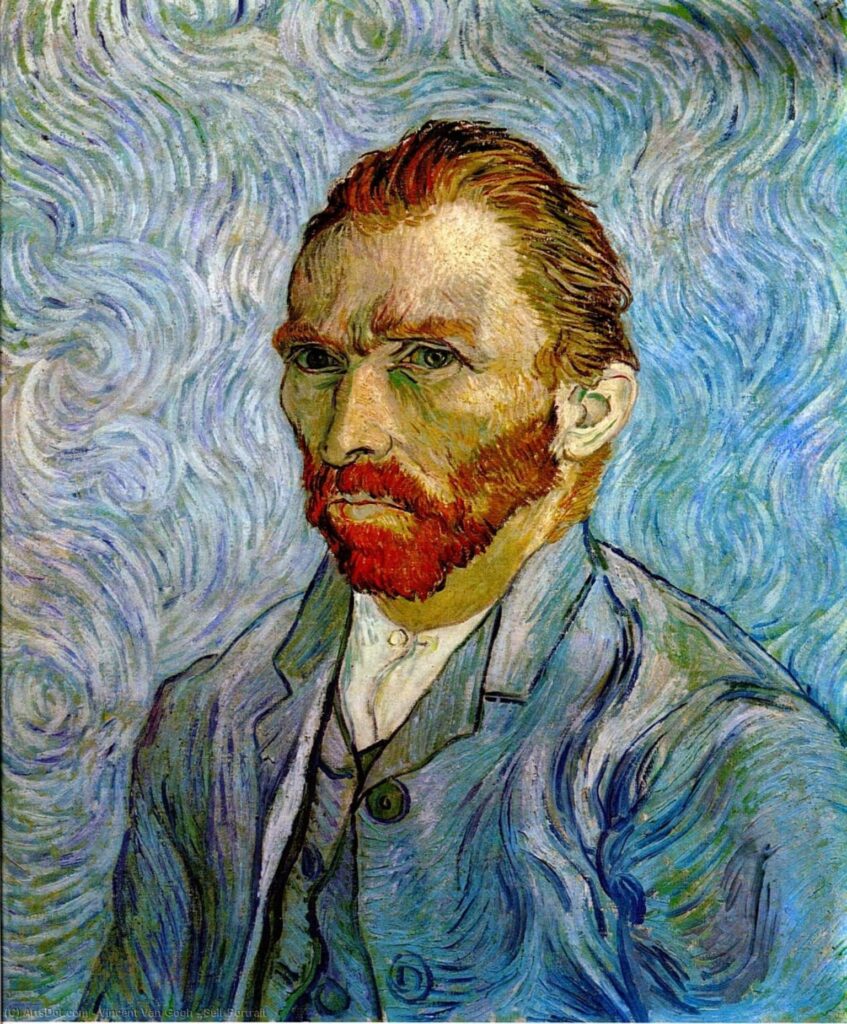
One of the most damaging aspects of the overnight success myth is the belief that successful artists somehow avoided rejection. Looking at a celebrated career from the outside, it’s easy to imagine a smooth path marked by opportunities, recognition, and steady progress. The reality is often far messier.
Rejection is woven into the history of art.
Some of the names we now regard as essential were once overlooked, criticized, or dismissed altogether. Vincent van Gogh is perhaps the most famous example. During his lifetime, he struggled to gain recognition and sold very few works. Today, his paintings are among the most admired and valuable in the world, but during his own years of creating, validation was scarce.
The story is not unique. In nineteenth-century France, many artists who would later become known as the Impressionists found themselves repeatedly rejected by the prestigious Paris Salon. Artists like Claude Monet and Pierre-Auguste Renoir challenged established conventions and were often met with criticism rather than praise. Their work, now considered foundational to modern art, was once viewed as unfinished and unconventional.
Even in more recent history, recognition has often arrived late. Louise Bourgeois spent decades creating before receiving the widespread acclaim that would eventually establish her as one of the most influential figures of her generation.
These stories remind us that rejection is not necessarily a sign that the work lacks value. Sometimes it reflects changing tastes, institutional barriers, timing, or simply the difficulty of introducing something new. The artists we admire today are not remarkable because they escaped rejection; they are remarkable because they continued despite it.
When viewed this way, rejection becomes less of a verdict and more of a recurring chapter in many creative journeys. The question is rarely whether an artist will face setbacks. The question is whether they will keep making work after they do.
Timing Can Change Everything
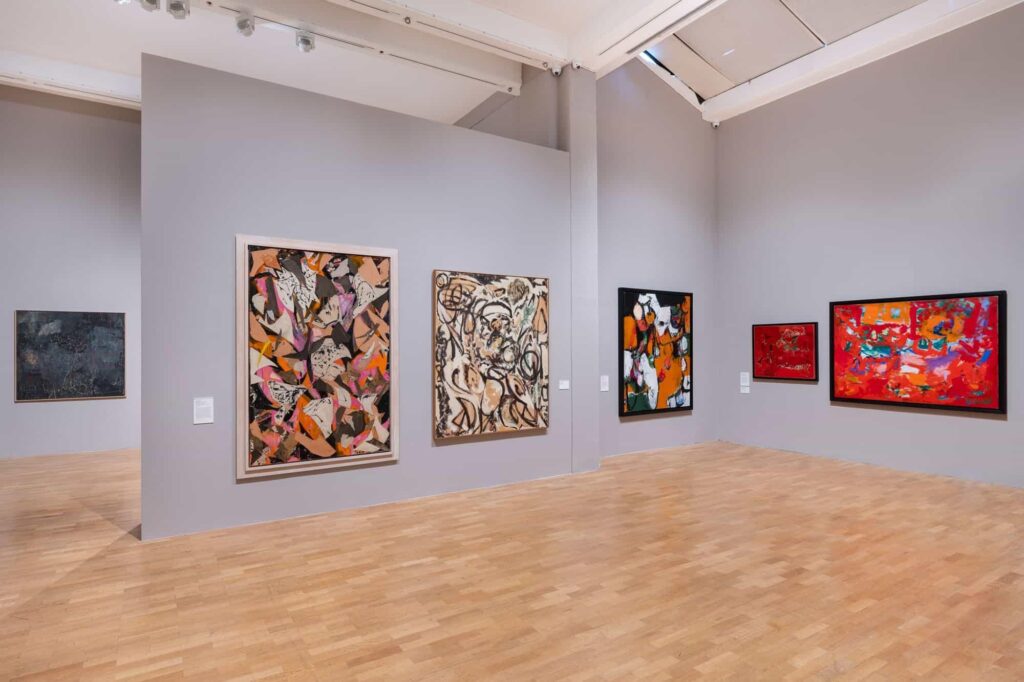
If talent and hard work were the only ingredients of success, many remarkable artists would have been recognized much earlier than they were. Yet history repeatedly shows that timing can play a surprisingly powerful role in determining when, and whether an artist receives attention.
The art world does not exist in a vacuum. Recognition is shaped by cultural trends, institutional interests, market forces, and shifting public tastes. Sometimes an artist’s work arrives at exactly the right moment. Other times, it arrives years ahead of its audience.
Few examples illustrate this better than Hilma af Klint. Beginning in the early 1900s, she created bold abstract paintings years before abstraction became widely recognized in mainstream art history. Yet much of her work remained largely unseen during her lifetime. It was only decades later that museums and scholars began to acknowledge her groundbreaking contribution, fundamentally reshaping conversations about the origins of abstract art.
A similar story can be found in the career of Carmen Herrera. Herrera spent decades developing her distinctive geometric paintings while receiving little commercial attention. She reportedly made her first major sale in her eighties, after years of working with little recognition. Today, her work is celebrated internationally and included in major museum collections.
Stories like these challenge the idea that success is always a direct reflection of merit. Sometimes the difference between obscurity and recognition is not the quality of the work but the moment in which it is encountered.
This reality can be frustrating, but it is also reassuring. Not every overlooked artist lacks talent, and not every delayed career is a failed one. Sometimes recognition simply takes time to catch up. History is filled with artists whose work remained quietly ahead of its moment, waiting for the world to finally see what had been there all along.
Social Media Has Reinvented the Myth

The myth of the overnight success story is not new, but social media has given it a powerful new stage.
Every day, we see artists seemingly emerge from nowhere. A timelapse painting video gains millions of views. A ceramic artist sells out an entire collection after a viral post. A digital illustrator wakes up to thousands of new followers overnight. From the outside, these moments can feel instant, as though success arrived with a single upload.
But what social media often hides is everything that happened before that moment.
What viewers don’t see are the years spent developing technical skills, refining a visual language, experimenting with different mediums, and consistently sharing work long before anyone was paying attention. The viral post becomes visible; the hundreds of posts before it disappear into the background.
In many ways, social media compresses time. A creator’s entire journey can appear on a screen in a matter of seconds, making years of effort feel like a sudden leap. Audiences witness the breakthrough without witnessing the build-up. The result is a distorted understanding of how careers are actually built.
This can be especially discouraging for emerging artists. Constant exposure to curated success stories can create the impression that everyone else is advancing faster, gaining recognition sooner, or achieving milestones more easily. Yet comparison rarely tells the full story. Behind many accounts that seem to have exploded overnight are years of consistent work, experimentation, and persistence.
Social media has undoubtedly created new opportunities for artists to reach audiences directly, bypassing traditional gatekeepers and building communities around their work. But it has also amplified the illusion that recognition happens quickly.
The truth remains much the same as it was before the digital age: visibility may arrive suddenly, but the work that makes it possible is usually anything but sudden. More often than not, what appears to be an overnight success is actually years of preparation finally becoming visible to the rest of the world.
Success Looks Different Than We Think
When we talk about success in the art world, the conversation often gravitates toward the same markers: museum exhibitions, prestigious awards, sold-out shows, and record-breaking sales. These achievements are highly visible, easy to celebrate, and frequently used as measures of accomplishment.
But they tell only part of the story.
The myth of the overnight success story is rooted in a narrow definition of success, one that prioritizes recognition above all else. Yet for many artists, the most meaningful achievements happen far from the spotlight.
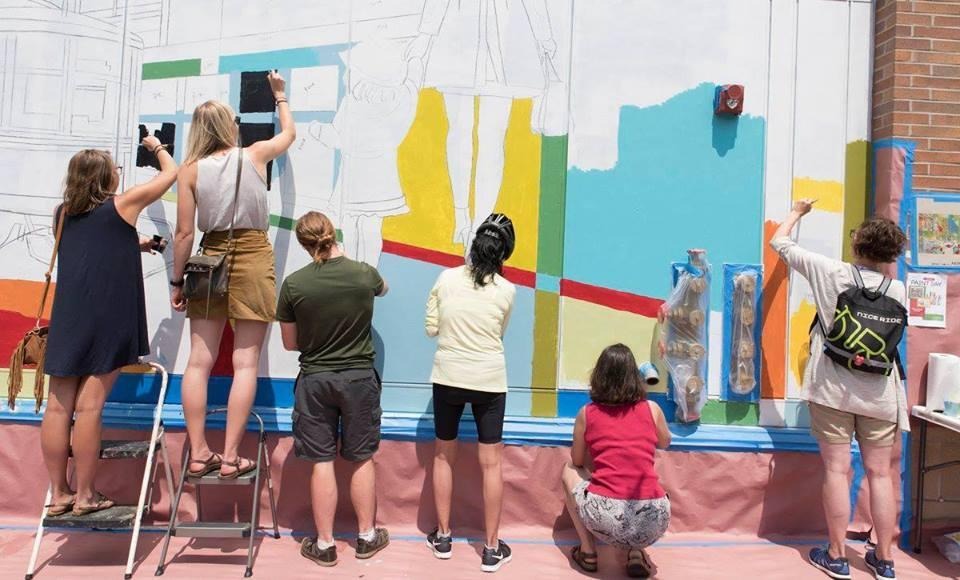
Some dedicate their lives to teaching, helping new generations discover creative confidence and expression. Others build community through workshops, public art projects, or local exhibitions that enrich the cultural life of a city. Many maintain long-term studio practices, producing work consistently for years without seeking widespread fame. Their impact may not make headlines, but it can be profound nonetheless.
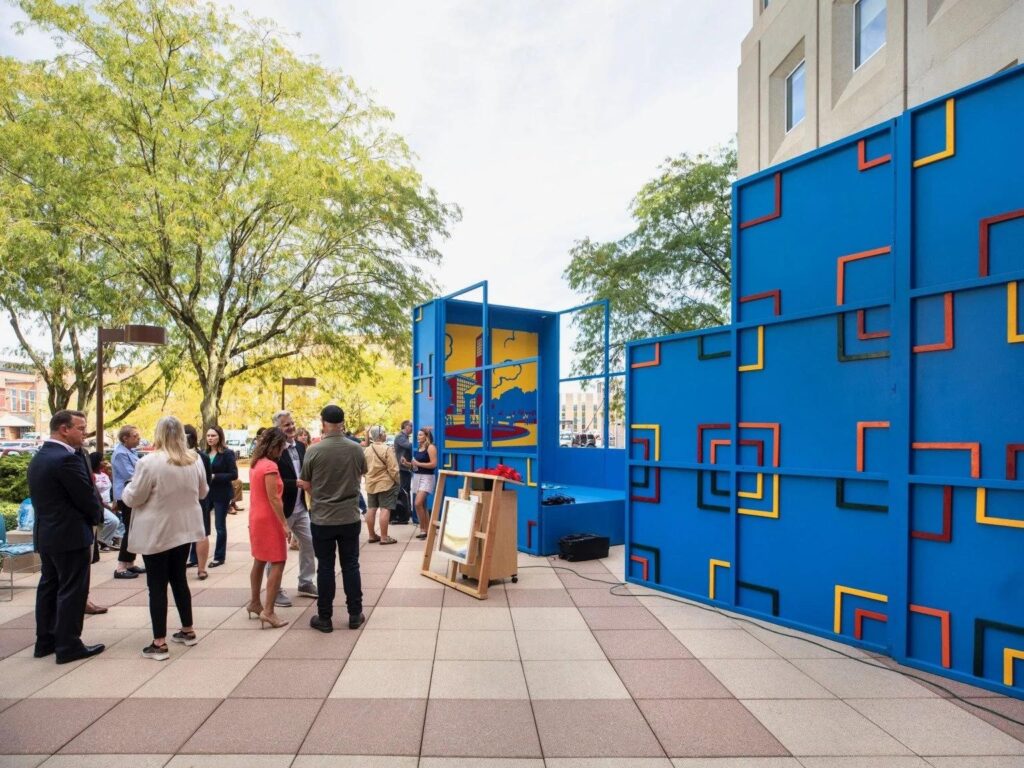
History often remembers a select group of artists, while countless others contribute quietly to the creative ecosystem that allows culture to flourish. The painter running weekend classes, the muralist transforming public spaces, the printmaker preserving traditional techniques, or the community organizer creating opportunities for emerging voices, all play an essential role in shaping how art is experienced and shared.
Perhaps the problem is not that too few artists succeed, but that we have become too limited in how we recognize success.
A meaningful career cannot always be measured in auction results or follower counts. Sometimes success is having the freedom to keep creating. Sometimes it is building a community around shared ideas. Sometimes it is making work that resonates deeply with a small audience rather than broadly with a large one.
When we expand our definition of success, we begin to see that there are many ways to build a fulfilling creative life. Recognition is only one of them. The real measure may be whether an artist has remained connected to their work, their purpose, and the people they hope to reach along the way.
The Real Breakthrough Is Continuing Anyway

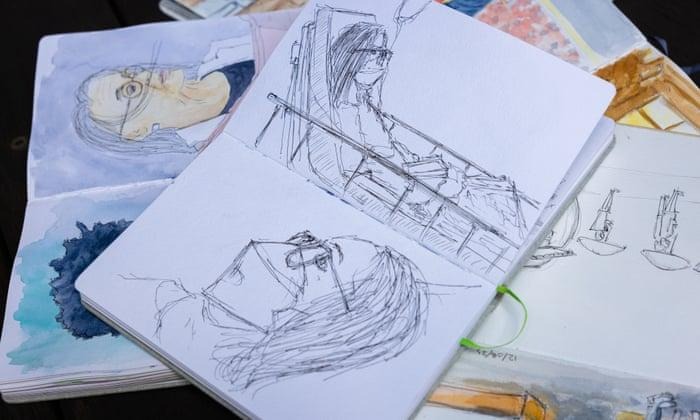
If there is one thread that connects many of the art world’s most inspiring stories, it is not talent, luck, or even recognition. It is persistence.
The myth of the overnight success story encourages us to focus on breakthrough moments, the exhibition that changes a career, the award that attracts attention, the sale that transforms an artist’s future. But when we look closely at the journeys behind these milestones, a different pattern emerges. The most remarkable part of the story is often not the breakthrough itself. It is the decision to keep going before it happened.
Many artists spend years working without external validation. They continue creating despite rejected applications, limited opportunities, financial uncertainty, and long stretches where progress feels invisible. There is no guarantee that recognition will arrive, yet they return to the studio anyway.
Consider Carmen Herrera, who continued painting for decades before receiving the widespread attention she deserved. Or Louise Bourgeois, whose most significant acclaim arrived later in life despite a lifelong commitment to her practice. Their stories remind us that perseverance is not simply a stage on the way to success, it is often the very thing that makes success possible.
In a culture obsessed with visibility, continuing without recognition can feel like an act of faith. Yet this quiet commitment is where many creative careers are truly shaped. It is where skills deepen, ideas evolve, and confidence grows independent of outside approval.
Perhaps that is the real breakthrough: not the moment the world finally notices, but the moment an artist decides their work is worth pursuing whether anyone notices or not.
Because while recognition may arrive unexpectedly, the ability to keep creating through uncertainty is rarely accidental. It is built day by day, year by year, long before the spotlight ever appears. And more often than not, that persistence becomes the foundation upon which every breakthrough is built.
The Years We Don’t See
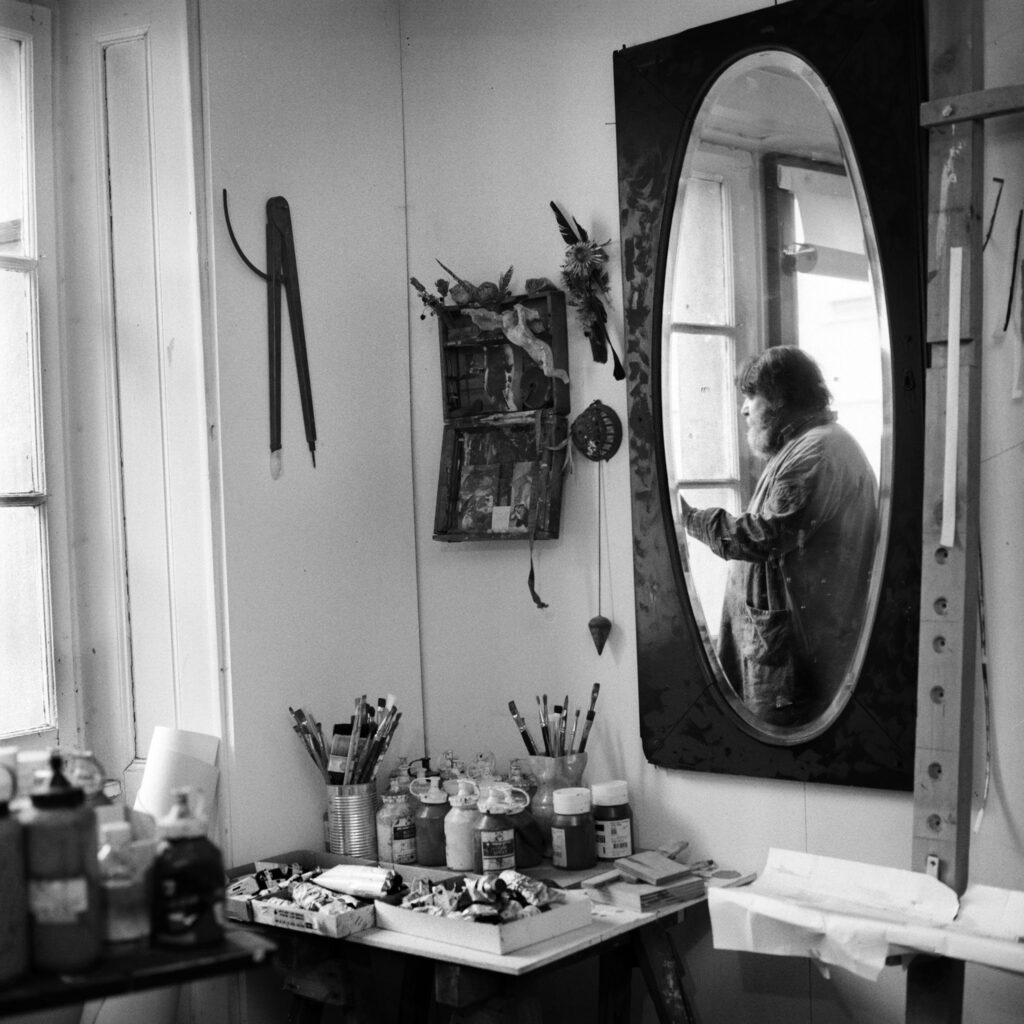
The myth of the overnight success story endures because it offers a simple and satisfying narrative. It allows us to believe that recognition arrives in a single moment, that one exhibition, one opportunity, one viral post, or one lucky break can instantly transform a life.
But creative journeys are rarely that straightforward.
Behind every breakthrough is a history that often remains invisible to the public. There are years spent learning techniques, refining ideas, navigating rejection, balancing other responsibilities, and continuing to create without certainty about where the path will lead. These quieter chapters rarely make headlines, yet they are often the most important parts of the story.
When we look at celebrated figures like Yayoi Kusama, Hilma af Klint, Carmen Herrera, or Louise Bourgeois, we are reminded that recognition and visibility do not always arrive on schedule. Some artists find acclaim early. Others wait decades. Many continue working without knowing whether their efforts will ever be widely acknowledged.
Perhaps that is why the real lesson behind these stories is not about success at all. It is about endurance.
The artists who inspire us most are often those who remained committed to their work long before anyone was paying attention. They continued through uncertainty, trusted their instincts, and kept showing up for the process even when the outcome was unclear.
So the next time a career appears to explode overnight, it is worth remembering that we are likely witnessing only the most visible chapter of a much longer story. The exhibition, the award, the feature, or the viral moment may feel sudden to us, but for the person behind the work, it is often the result of years spent quietly building toward that point.
Because behind every “overnight success” is something far more compelling: a story of persistence, patience, and the courage to keep going when no one is watching.
What is one unseen part of your creative journey that has shaped the work you make today?
If stories hidden beneath the surface fascinate you, you might also enjoy our feature, What X-Rays Revealed About the Secret History Hidden Beneath Famous Paintings, where we uncover the surprising discoveries revealed beneath some of history’s most celebrated works of art.