
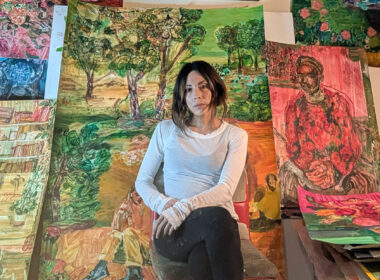



7 Museums Turning FIFA World Cup 2026 Fever Into a Cultural Celebration
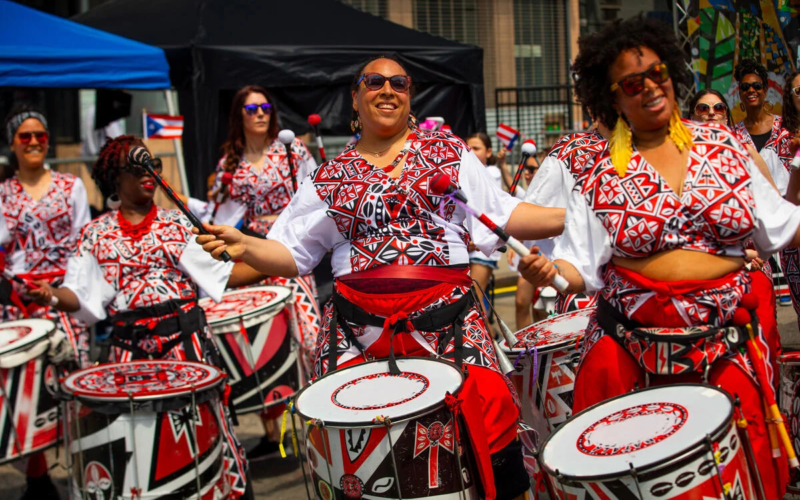
The FIFA World Cup is usually associated with packed stadiums, giant fan zones, and crowded sports bars. Museums rarely enter the conversation. Yet across the United States this summer, some of the country’s most beloved cultural institutions are proving that art and football may have more in common than we think.
As fans gather to follow the FIFA World Cup 2026, museums from New York to California are opening their doors to screenings, community celebrations, interactive activities, and special events inspired by the tournament. In these spaces, football becomes more than a game. It becomes a way to bring people together, spark cultural exchange, and create shared experiences that extend beyond the pitch.
Whether it’s watching a match beneath the iconic architecture of the Guggenheim, exploring football through art and film, or joining a family-friendly watch party surrounded by creative activities, these museums are offering visitors a different way to experience the world’s biggest sporting event.
Here are seven U.S. museums where art and football come together during the FIFA World Cup 2026.
1. Solomon R. Guggenheim Museum, New York
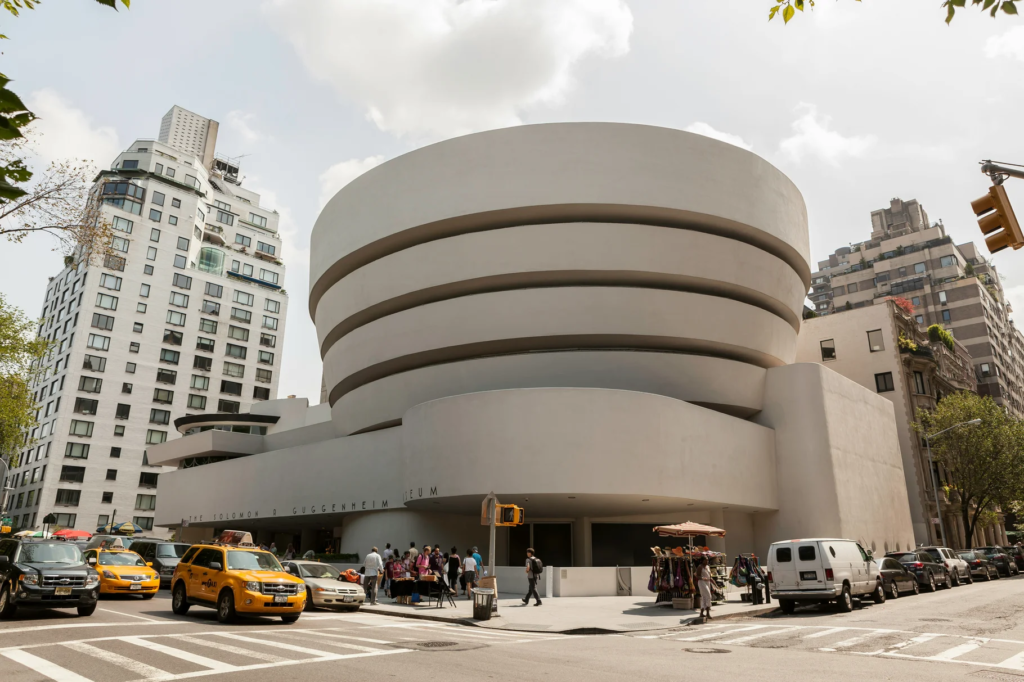
Imagine watching a FIFA World Cup match beneath one of the most famous museum rotundas in the world. This summer, that’s exactly what’s happening at New York’s Guggenheim Museum.
As the FIFA World Cup 2026 brings fans from across the globe to North America, the Guggenheim is offering a viewing experience unlike any traditional sports bar or fan zone. Throughout the tournament, select Friday afternoon matches are being screened at Frank’s, the museum’s seasonal pop-up bar tucked inside the iconic institution. Visitors can enjoy the excitement of the game while surrounded by the sweeping curves of Frank Lloyd Wright’s architectural masterpiece, a setting that feels worlds away from the usual match-day atmosphere.
The museum’s connection to football extends beyond live screenings. During the tournament, visitors can also experience Zidane, the acclaimed 2006 film by artists Douglas Gordon and Philippe Parreno. Rather than documenting an entire match, the film focuses solely on French football legend Zinedine Zidane, transforming a sporting performance into an intimate artistic portrait. Through close observation, the work explores movement, pressure, concentration, and the emotions that unfold both on and off the pitch.
What makes the Guggenheim’s World Cup programming so compelling is the way it highlights the similarities between art and sport. Both have the power to bring people together, spark conversation, and create unforgettable moments. For visitors exploring New York during the tournament, the museum offers a chance to experience the World Cup through a cultural lens, where football becomes part of a larger story about creativity, community, and shared experience.
2. American Museum of Natural History, New York
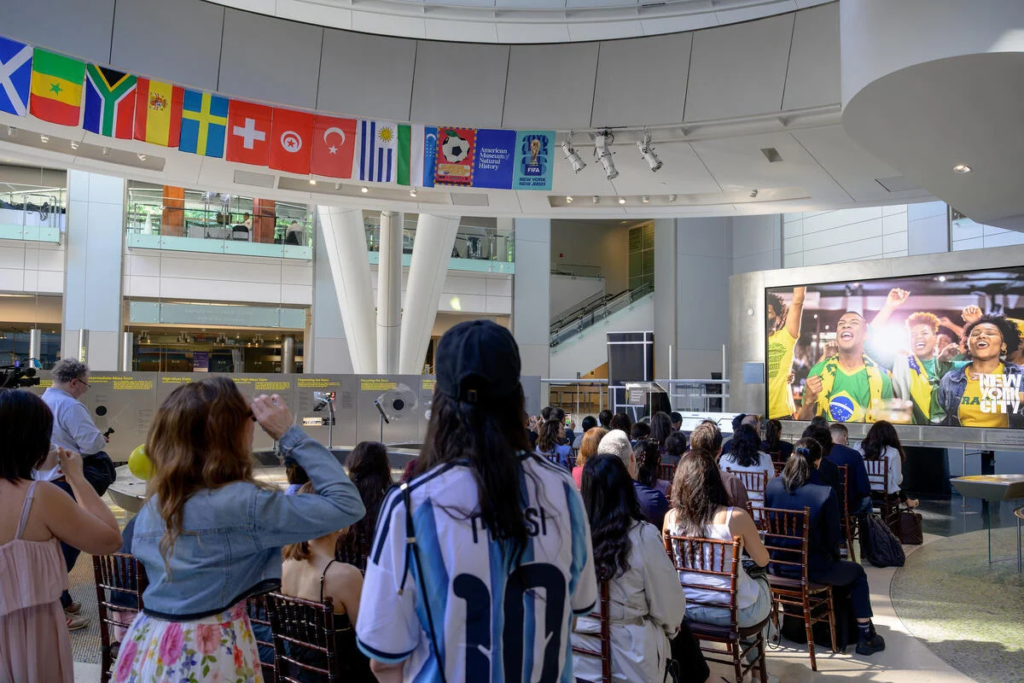
What if your World Cup experience included both football and a journey through science, culture, and human history? At New York’s American Museum of Natural History, the FIFA World Cup 2026 is being celebrated as more than just a sporting event, it’s being explored as a global phenomenon that connects people across continents.
The museum has embraced the tournament through a special series of programs that bring visitors closer to the science, culture, and community behind the world’s most popular sport. Throughout the World Cup, select matches are being screened on large screens across various museum spaces, allowing fans to follow the action while spending the day exploring everything from dinosaur fossils to the mysteries of the universe.
What makes the museum’s approach especially engaging is its focus on participation. Visitors can step into interactive experiences designed around football, including activities that test skills such as shooting, goalkeeping, and reaction time. These hands-on installations transform spectators into participants, offering a playful reminder that sport is not only something we watch but something we experience.
The connection feels natural. Like museums, the World Cup brings together people from different cultures, languages, and backgrounds around a shared passion. Every four years, football becomes a global language, creating moments of excitement and connection that transcend borders. By bringing the tournament into its galleries and public spaces, the American Museum of Natural History highlights how sport, science, and culture often intersect in unexpected ways, making it one of the most unique places to experience the World Cup this summer.
3. Hammer Museum, Los Angeles
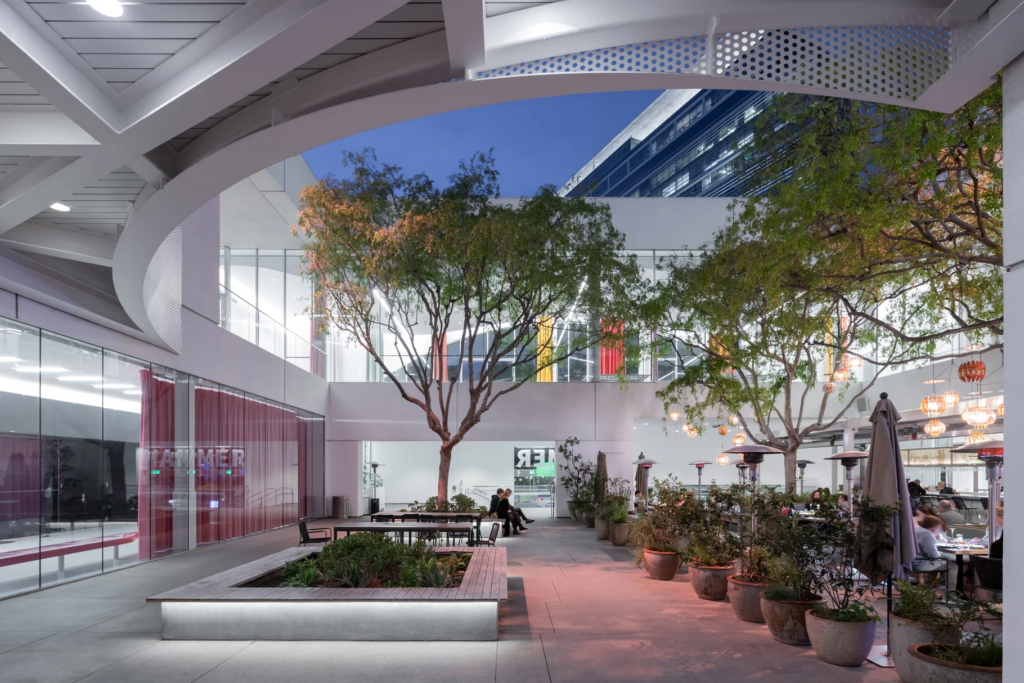
While many World Cup fan zones come with long lines, expensive tickets, or standing-room-only crowds, Los Angeles’s Hammer Museum is offering a more relaxed way to experience the tournament. From June 24 through mid-July, UCLA’s free museum in Westwood will host live screenings of 16 FIFA World Cup matches, turning its popular indoor-outdoor courtyard into a gathering place for football fans from across the city.
The screenings are part of the museum’s commitment to creating accessible public experiences, and admission remains free. Large screens will bring the matches to life in a setting that feels distinctly Los Angeles, open-air, community-focused, and surrounded by contemporary culture. Seating is available on a first-come, first-served basis, making it an appealing stop for both dedicated football supporters and casual visitors looking to soak up the atmosphere of the tournament.
What makes the Hammer’s approach especially interesting is the opportunity to move between two worlds in a single visit. Before kickoff, visitors can explore the museum’s exhibitions featuring contemporary artists from around the world. After the final whistle, they can linger in the courtyard, grab a coffee, or continue conversations sparked by both the art and the match. It’s a reminder that cultural experiences don’t have to exist in separate spaces.
As Los Angeles embraces its role as one of the World Cup’s host cities, the Hammer Museum is showing how art institutions can become vibrant community hubs during major global events. Here, football isn’t competing with culture for attention, it’s becoming part of it.
4. Dallas Museum of Art, Dallas
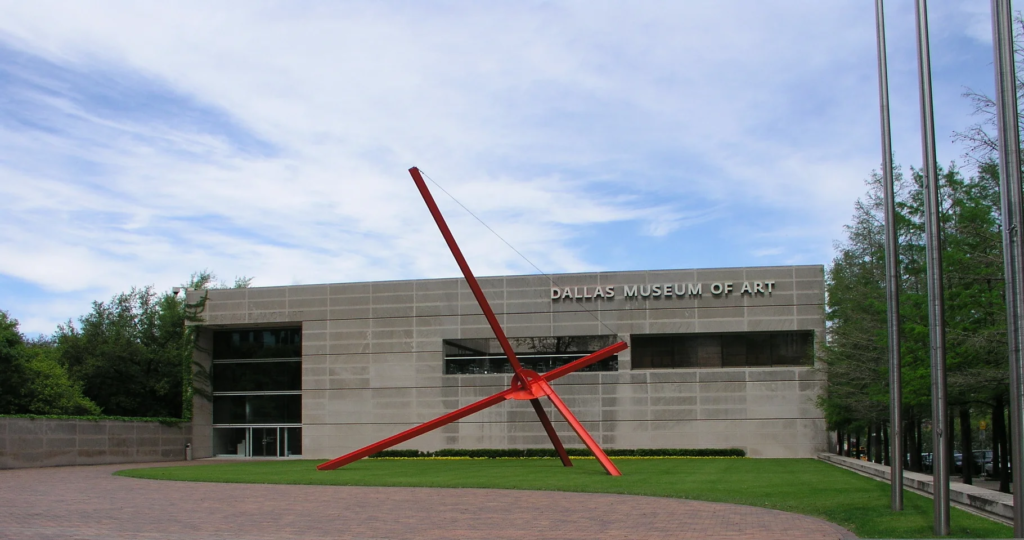
Not every museum on this list is showing World Cup matches inside its galleries, but the Dallas Museum of Art has found a creative way to become part of the tournament’s energy. Just steps from one of Dallas’s major World Cup fan gathering areas, the museum is embracing the season with a lively outdoor experience that blends art, community, and summer festivities.
Throughout the tournament, the museum’s Eagle Family Plaza has been transformed into Sideline, a seasonal pop-up café designed to complement the excitement unfolding across the city. While fans head nearby to watch the matches, the museum offers a place to gather before or after the action, with refreshments, games, music, and outdoor seating that create a festive atmosphere. It’s an invitation to enjoy the communal spirit of the World Cup without necessarily being in front of a giant screen.
The Dallas Museum of Art has long served as one of the city’s most important cultural destinations, welcoming visitors with collections that span thousands of years and cultures from around the world. During the World Cup, that global perspective feels especially relevant. The tournament brings together nations, traditions, and stories from every continent, echoing the way museums connect visitors with diverse cultures through art.
For travelers and locals alike, the museum offers a different way to participate in World Cup celebrations. Rather than focusing solely on the match itself, it highlights everything that makes the tournament special beyond the pitch, the gathering of communities, the exchange of cultures, and the sense of shared excitement that transforms entire cities. In Dallas, the museum becomes part of that larger celebration.
5. Whitney Museum of American Art, New York
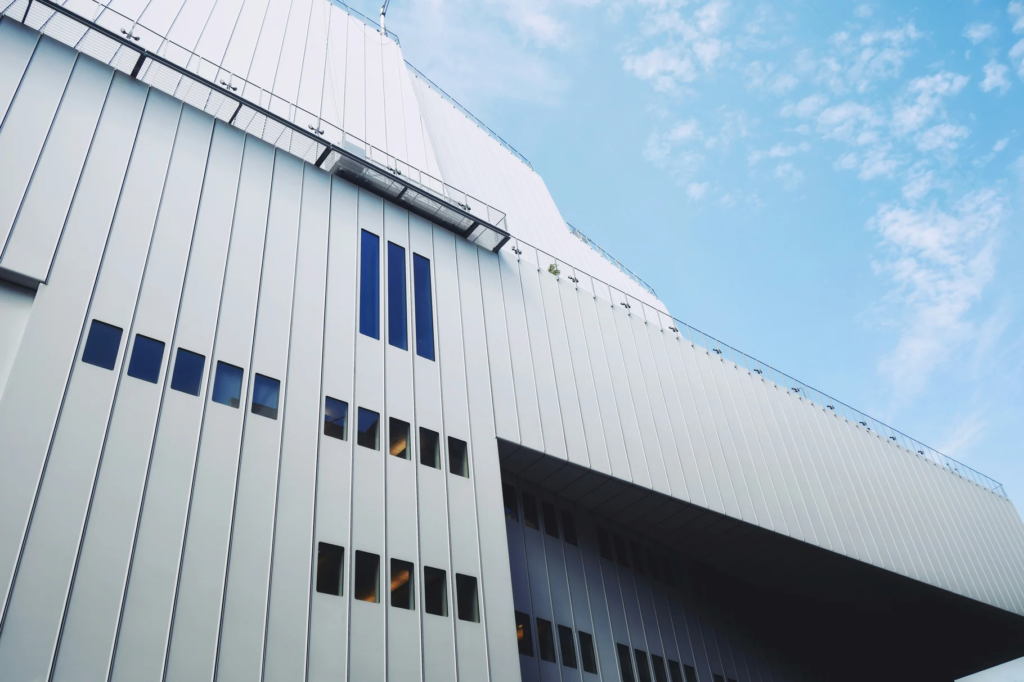
Few events celebrate international culture on the scale of the FIFA World Cup, making it a surprisingly natural fit for the Whitney Museum of American Art. This summer, the museum is bringing together contemporary art, live football, music, and community gatherings, creating an experience that extends far beyond a traditional match screening.
Throughout the tournament, the Whitney is hosting select World Cup watch parties alongside its current exhibitions, giving visitors the chance to move between the excitement of the matches and some of the most talked-about contemporary art on view in New York. The screenings are also paired with the museum’s popular Free Friday Nights, when visitors can enjoy extended evening hours, special programming, and a lively social atmosphere.
What makes the Whitney’s World Cup programming stand out is its focus on cultural exchange. The museum is complementing select match days with music, performances, and activities inspired by the countries competing in the tournament, reflecting the global spirit that defines both football and contemporary art. Visitors can also take part in a citywide scavenger hunt created in collaboration with artist Anastasia Inciardi, adding an interactive element to the museum’s World Cup celebrations.
The pairing feels particularly fitting at the Whitney, an institution known for examining contemporary life through art. Just as the World Cup brings together nations through a shared love of sport, museums create spaces where people encounter different perspectives, ideas, and cultures. During the tournament, the Whitney becomes a place where those worlds overlap, offering visitors a uniquely New York way to experience one of the biggest sporting events on the planet.
6. Santa Cruz Museum of Art & History, California
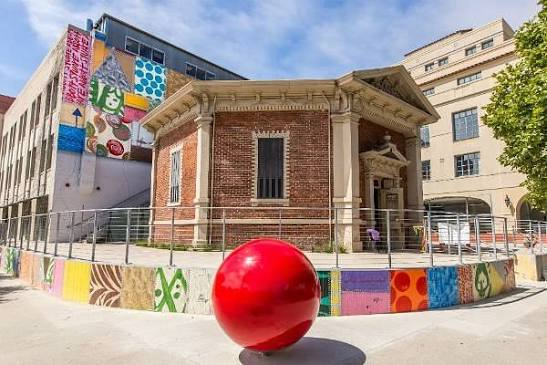
Before visitors even step inside the Santa Cruz Museum of Art & History, they’ll be greeted by a giant soccer ball. For the FIFA World Cup 2026, the museum has transformed its well-known outdoor red ball sculpture into a football-inspired installation, setting the tone for one of the most playful and community-focused World Cup celebrations on this list.
The museum is hosting screenings of select tournament matches throughout the summer, including the World Cup Final on July 19. But these events are designed to be much more than watch parties. Visitors can enjoy complimentary popcorn, participate in hands-on art activities, and spend time with fellow fans in an environment that welcomes people of all ages. The result is an experience that feels equally suited to football enthusiasts, families, and members of the local creative community.
That combination reflects the museum’s broader mission. The Santa Cruz Museum of Art & History has built a reputation for creating programs that encourage participation rather than passive observation, bringing together art, storytelling, and community engagement. Its World Cup events continue that approach by turning match days into opportunities for creativity, conversation, and connection.
In many ways, the museum captures the spirit that has made the World Cup such a beloved global event. While the tournament is ultimately about football, it’s also about gathering people together, celebrating different cultures, and creating shared memories. By combining live screenings with artistic activities and community programming, the Santa Cruz Museum of Art & History offers a reminder that some of the most memorable World Cup moments happen away from the stadium, among the people who come together to celebrate it.
7. El Museo del Barrio, New York
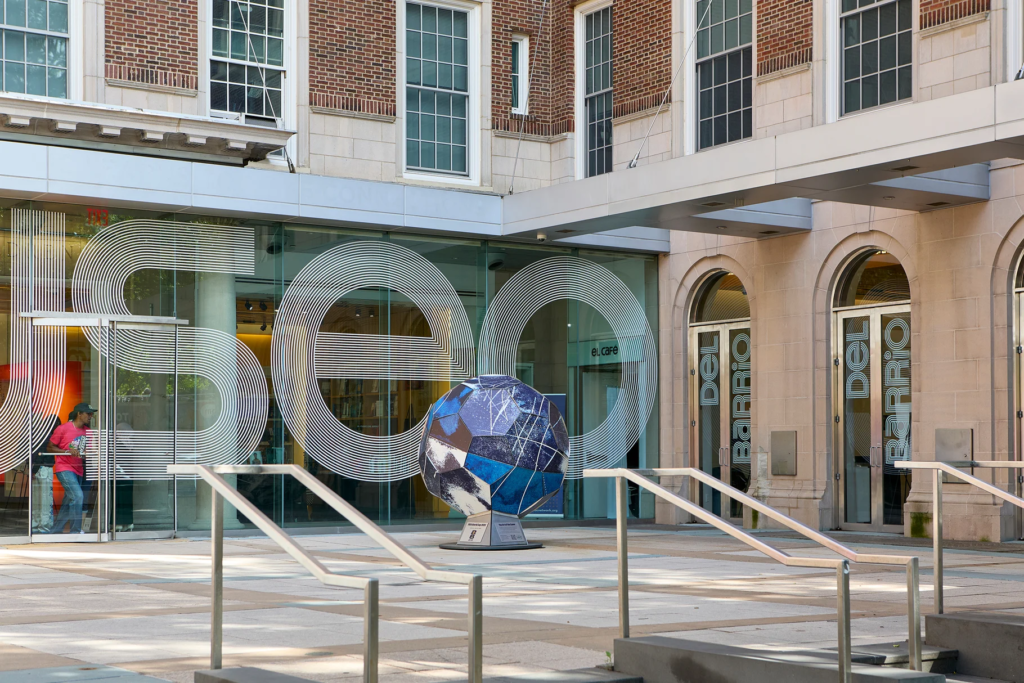
As the FIFA World Cup 2026 reaches its grand finale, El Museo del Barrio is giving New Yorkers a chance to celebrate the tournament’s biggest match in a setting that feels every bit as vibrant as the competition itself. Located in East Harlem, the museum is turning the World Cup Final on July 19 into a community-wide cultural event that brings together football, art, music, and local traditions.
The museum’s galleries will transform into a family-friendly watch party, where visitors can gather to experience the championship match alongside fellow fans. Beyond the screening itself, the event includes creative activities, live entertainment, and opportunities for visitors of all ages to participate in the celebration. The atmosphere reflects the energy and diversity that have made both the World Cup and New York City such powerful symbols of the global community.
Visitors will also have the chance to engage with the museum’s exhibitions while exploring its World Cup programming. At a time when the city is welcoming supporters from around the world, El Museo del Barrio offers a space where conversations about culture, identity, and community naturally intersect with the excitement of sport. Adding to the experience is artist Ronny Quevedo’s large-scale soccer ball sculpture, part of a wider public art initiative created for the tournament and a fitting symbol of the relationship between football and artistic expression.
Ending the World Cup at El Museo del Barrio feels especially appropriate. The tournament is about more than goals and trophies, it’s about people, cultures, and shared experiences. This celebration captures all of those elements, bringing the worlds of art and football together for one unforgettable final.
The FIFA World Cup may be defined by what happens on the pitch, but its impact stretches far beyond the stadium. Across the United States, museums are embracing the tournament as an opportunity to bring people together through shared experiences, cultural exchange, and community celebration.
From contemporary art spaces and natural history museums to neighborhood cultural institutions, these venues are proving that sport and art aren’t as different as they may seem. Both tell stories, spark emotions, and create moments that connect people across languages, backgrounds, and borders.
Whether you’re a devoted football fan, an art lover, or simply someone looking for a different way to experience the World Cup, these museums offer a reminder that some of the most memorable moments happen not just during the match, but in the communities that gather around it.
Which museum would you most like to visit during the FIFA World Cup 2026?
If you’re interested in how major cultural events shape the art world, don’t stop here. Explore our guide to 8 Zürich Art Weekend Exhibitions Worth Seeing During Art Basel Week, featuring standout exhibitions, artists, and installations that turned Zurich into one of Europe’s most exciting art destinations this season. Read the article here.