



The 10 Most Beautiful Must-See Museums in the World
Museums are often described as places that preserve humanity’s greatest achievements. But every now and then, a museum becomes an achievement itself.
Across the world, architects have reimagined what a museum can be, creating buildings that seem to defy logic, gravity, and even reality. Some float on water like mirages. Others disappear beneath palace courtyards, rise from deserts like futuristic monuments, or shimmer in the sunlight like giant sculptures. Long before visitors encounter a single painting, artifact, or exhibition, they find themselves captivated by the spaces that surround them.
What makes these museums so extraordinary isn’t simply their size or ambition. It’s the feeling they create. They blur the line between architecture and art, transforming a visit into an experience that feels almost dreamlike. In some cases, the building becomes inseparable from the collection it houses. In others, the structure itself is the main attraction, drawing visitors from around the world who come simply to stand in its presence.
From floating glass pavilions in Japan to monumental museums beside the pyramids of Egypt, these remarkable institutions prove that beauty can take countless forms. They invite us not only to look at history, culture, and creativity, but to step inside them.
Here are the 10 Most Beautiful Must-See Museums in the World, places so breathtaking that they hardly seem real.
1. Simose Art Museum (Japan)
The Museum That Floats Between Sea and Sky
There are beautiful museums, and then there are museums that make you question whether you’re looking at architecture or a carefully crafted illusion.
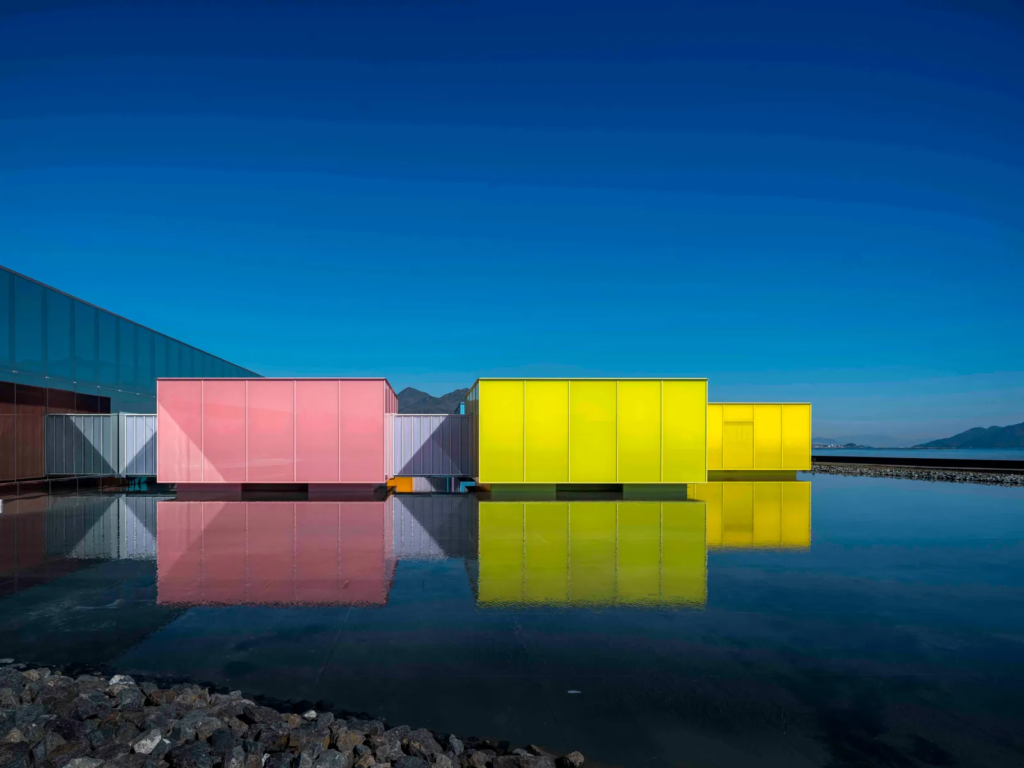
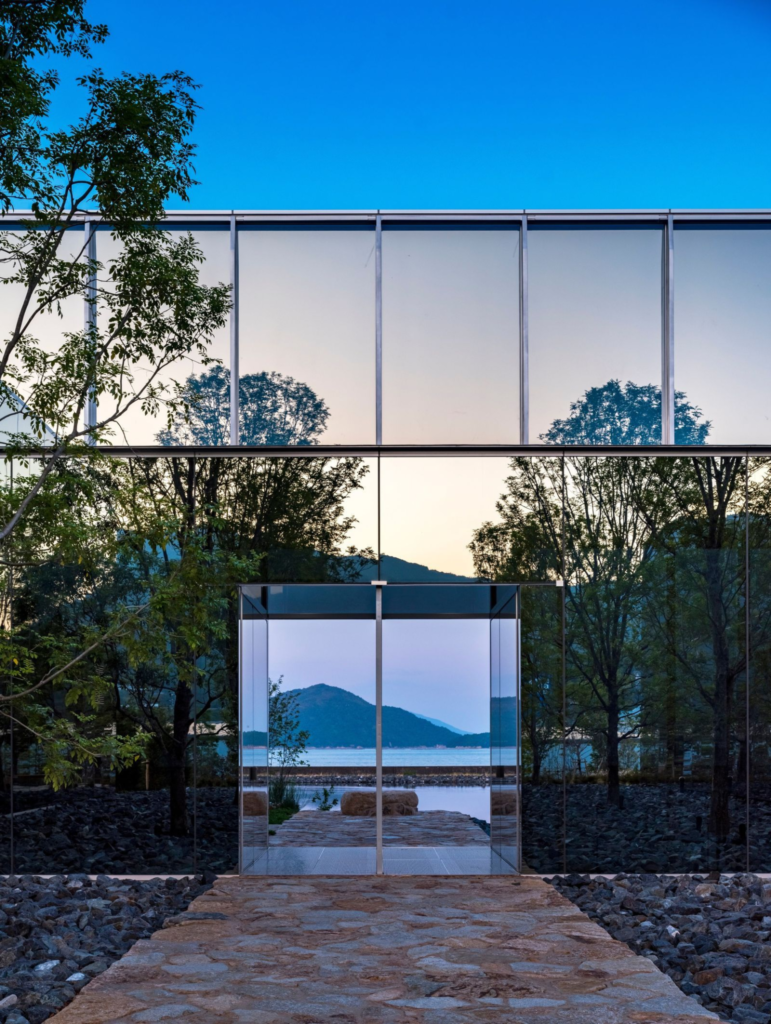
The first glimpse of the Simose Art Museum in Japan feels almost unreal. Rising from a reflective pool beside the Seto Inland Sea, a series of brightly colored glass pavilions appear to float effortlessly on water. Their reflections ripple across the surface below, blurring the boundary between the building and the landscape around it. Depending on the weather, the time of day, and where you’re standing, the museum can seem to dissolve into its surroundings or glow like a collection of giant lanterns drifting across the horizon.
Designed by renowned Japanese architect Shigeru Ban, the museum embraces an idea that many modern buildings ignore: that architecture should exist in conversation with nature rather than compete against it. Instead of dominating the landscape, the museum becomes part of it. The sea, the sky, the changing seasons, and even the shifting light all contribute to the experience.
What makes the Simose Art Museum especially remarkable is its use of movable galleries. The colorful structures can be repositioned, allowing the museum itself to transform over time. This means that no two visits are quite the same. It is a rare example of architecture that feels alive, capable of changing and adapting like the natural world around it.
The dreamlike setting continues beyond the galleries. Seasonal gardens surround the museum, filling the grounds with changing colors throughout the year. From the rooftop, visitors can look out toward the Setouchi Islands, a view so serene that it feels more like a painting than a real landscape.
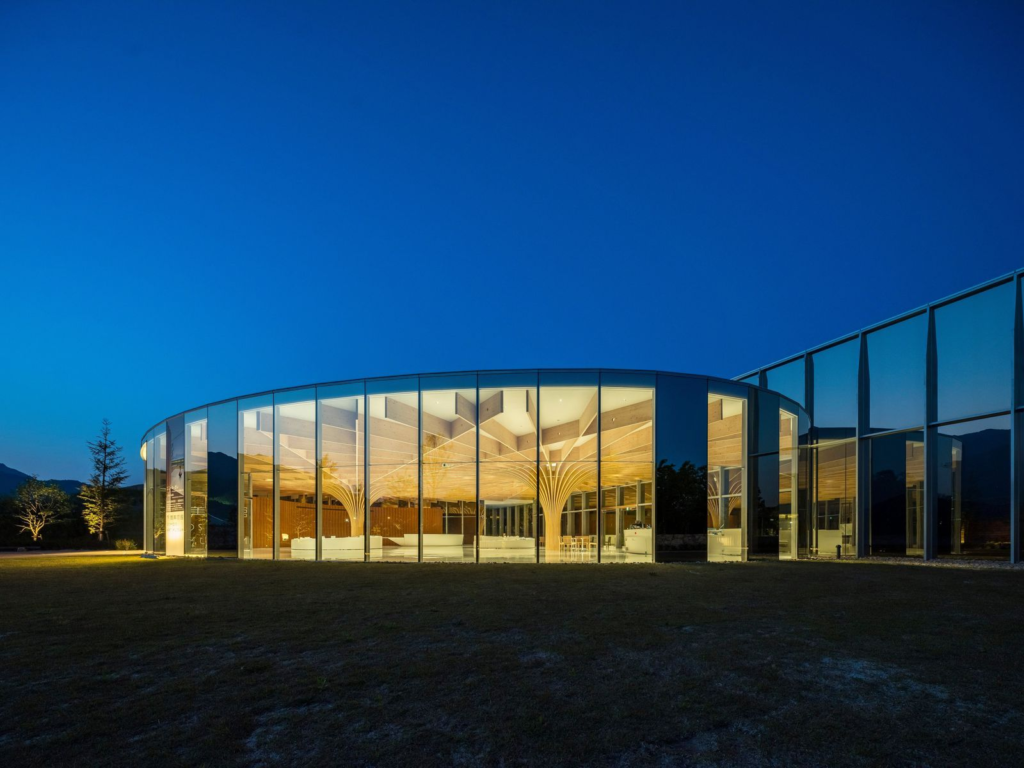
Many museums are designed to house art. The Simose Art Museum goes a step further. Here, the building, the water, the light, and the scenery become part of the exhibition itself. Long before visitors encounter a single artwork inside, they have already stepped into one.
2. Louvre Abu Dhabi (United Arab Emirates)
The Museum Where Sunlight Becomes Art
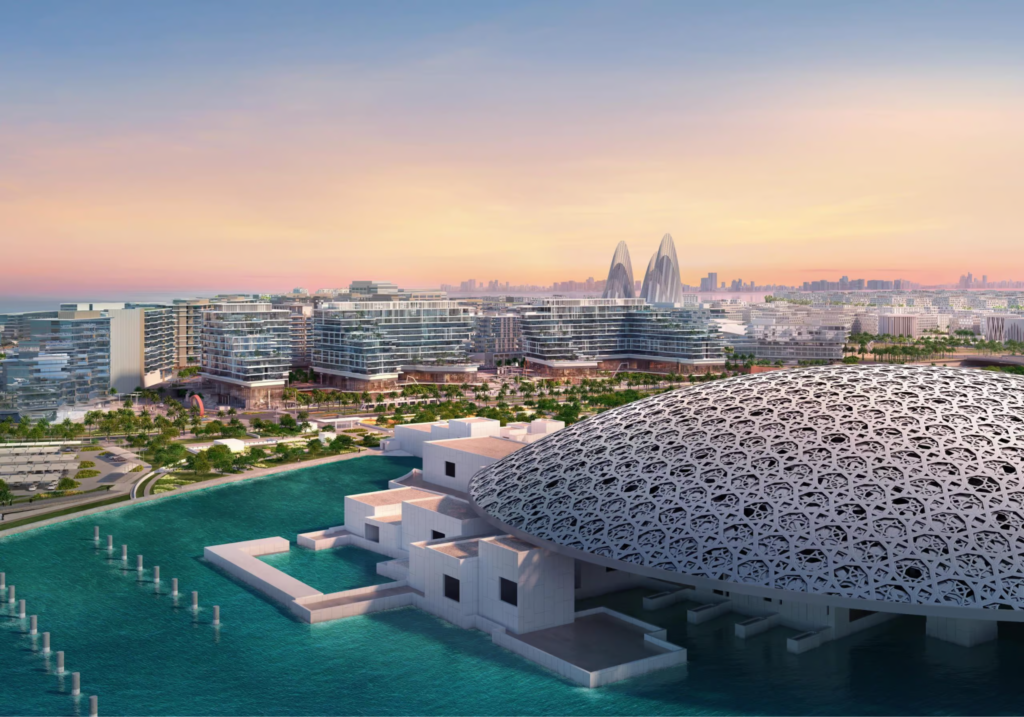
Most museums are built to showcase masterpieces. The Louvre Abu Dhabi is one of the rare places where the building itself feels like the masterpiece.
From a distance, the museum appears to float on the waters of the Arabian Gulf, its vast silver dome hovering above a collection of white buildings like a celestial body suspended in midair. The structure is breathtakingly simple yet impossibly complex. Covering nearly 20 acres, the dome consists of thousands of interlocking geometric patterns layered on top of one another, creating an architectural wonder unlike anything else in the world.
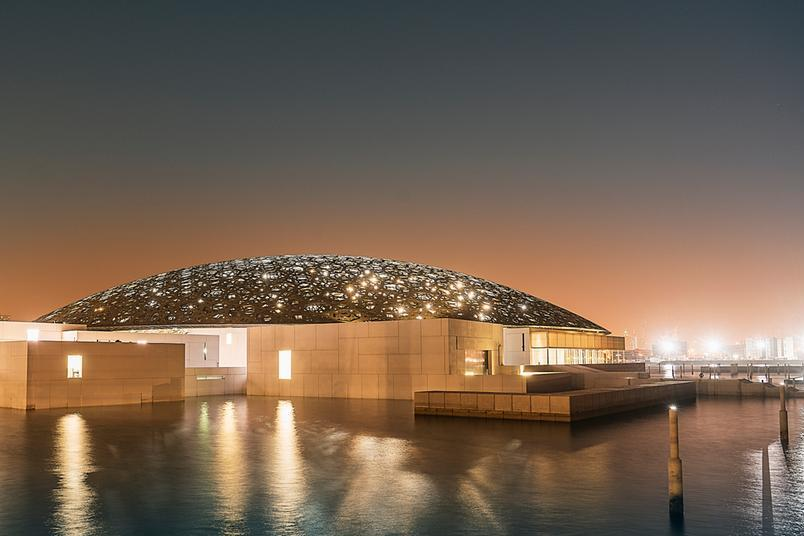
But the real magic begins when sunlight enters the equation.
As daylight filters through the intricate openings in the dome, it scatters across the museum in shifting beams and patterns. Architect Jean Nouvel described this effect as a “rain of light,” inspired by the way sunlight passes through palm fronds in traditional Middle Eastern oases. The result is mesmerizing. Shadows dance across walls, walkways, and water, constantly changing throughout the day. No photograph can fully capture the experience because the museum never looks exactly the same twice.
What makes the Louvre Abu Dhabi particularly beautiful is the way it blurs the boundaries between architecture and environment. Water flows around the galleries, reflecting the dome above and amplifying the illusion that parts of the museum are floating. Visitors move through open-air spaces where sea breezes mingle with filtered sunlight, creating a sense of calm that feels almost meditative.
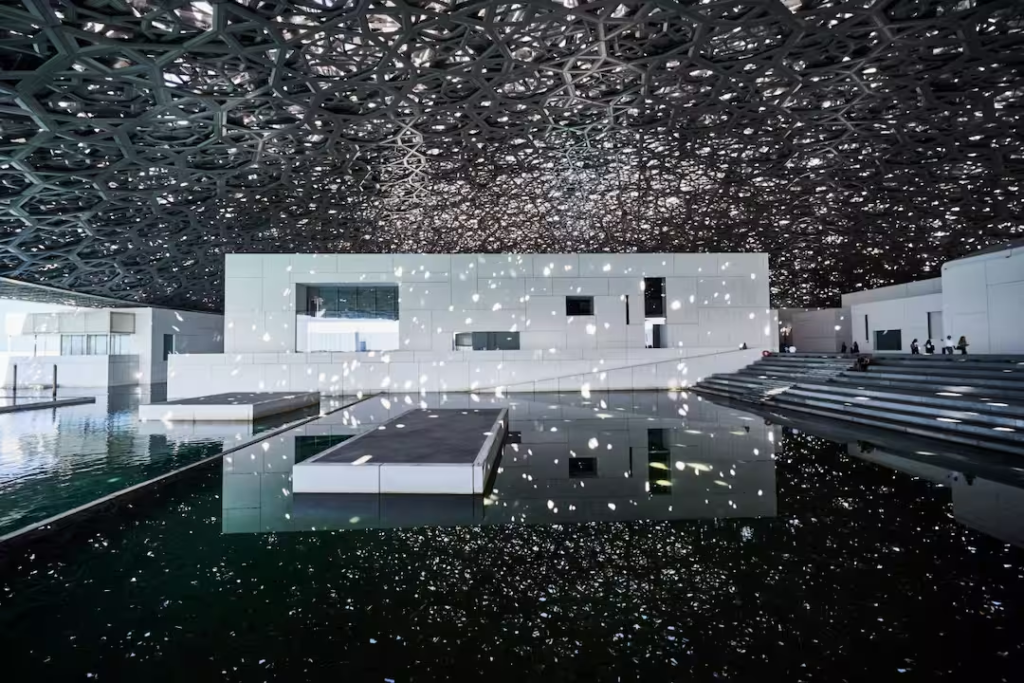
The museum’s collection spans thousands of years and multiple civilizations, but even before stepping inside a gallery, visitors are confronted with something extraordinary. The building itself tells a story, one about light, culture, and human creativity.
Some museums display art on their walls. At the Louvre Abu Dhabi, art falls from the sky. For a few moments beneath that shimmering dome, it becomes easy to forget you’re standing inside a museum at all. Instead, it feels like you’ve wandered into a dream built from light and water.
3. Grand Egyptian Museum (Egypt)
A Modern Wonder Standing Beside Ancient Wonders
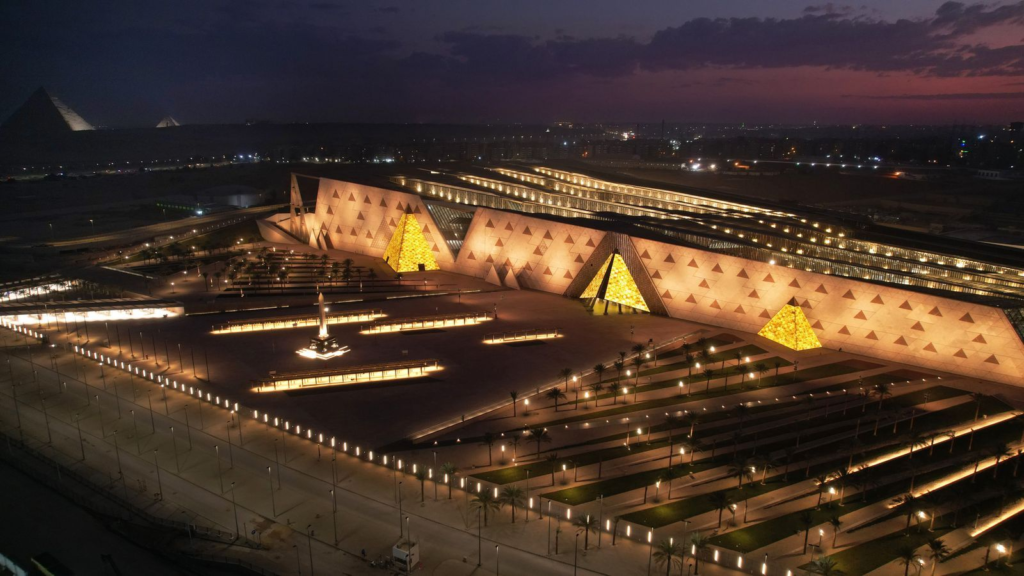
Building a museum next to the Great Pyramids of Giza sounds almost unfair.
How do you create something remarkable when some of the most famous structures ever built already dominate the horizon? For most architects, the answer would be simple: you don’t compete. Yet somehow, the Grand Egyptian Museum manages to hold its own beside one of humanity’s greatest achievements.
Approaching the museum, visitors are greeted by a vast stone façade defined by sharp geometric lines that subtly echo the forms of the pyramids nearby. The building feels monumental without being overwhelming, modern without feeling disconnected from the ancient world it celebrates. It is a rare architectural balancing act, one that succeeds because it respects its surroundings rather than trying to outshine them.
Then comes the moment that leaves most visitors speechless.
Inside the colossal entrance hall stands a towering statue of Ramses II, one of Egypt’s most powerful pharaohs. Bathed in natural light streaming through the building’s carefully designed openings, the ancient ruler appears less like an artifact and more like a guardian welcoming visitors into thousands of years of history. Beyond him unfolds a sequence of grand staircases, soaring spaces, and galleries that seem designed to inspire awe at every turn.
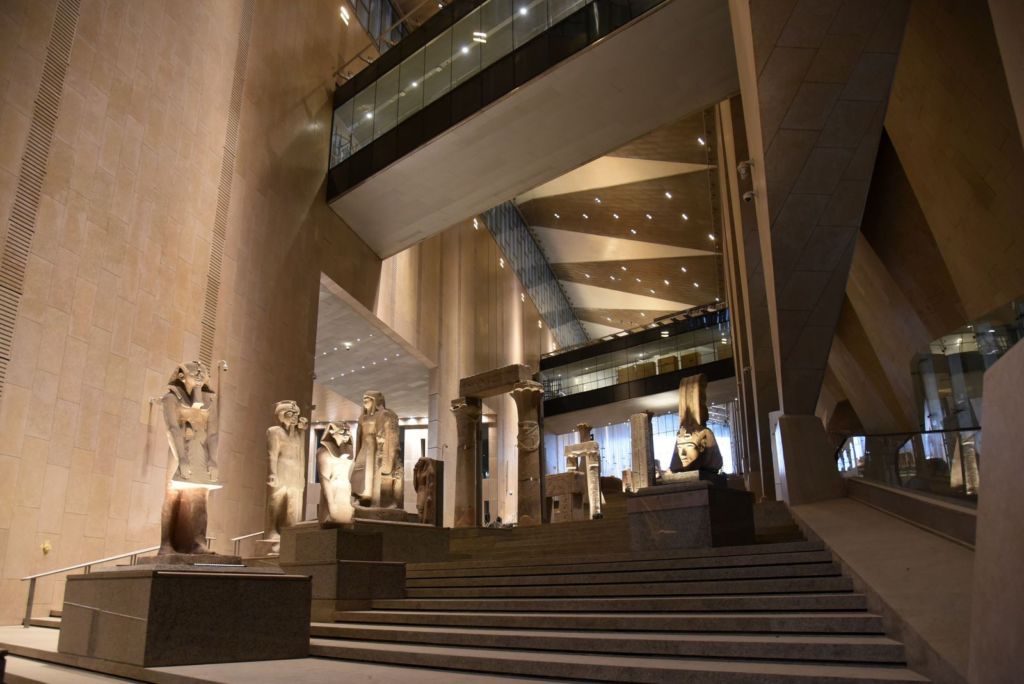
Yet what makes the Grand Egyptian Museum truly unforgettable is its relationship with the landscape outside. As visitors move through the building, carefully framed views reveal glimpses of the Giza Plateau and the pyramids beyond. Ancient and modern architecture enter into a silent conversation across the desert, separated by millennia but united by a shared ambition: to create something that endures.
Housing more than 100,000 artifacts, the museum is one of the largest archaeological museums ever built. Yet despite the treasures within, many visitors find themselves repeatedly drawn toward the windows, unable to resist the surreal sight of the pyramids standing beyond.
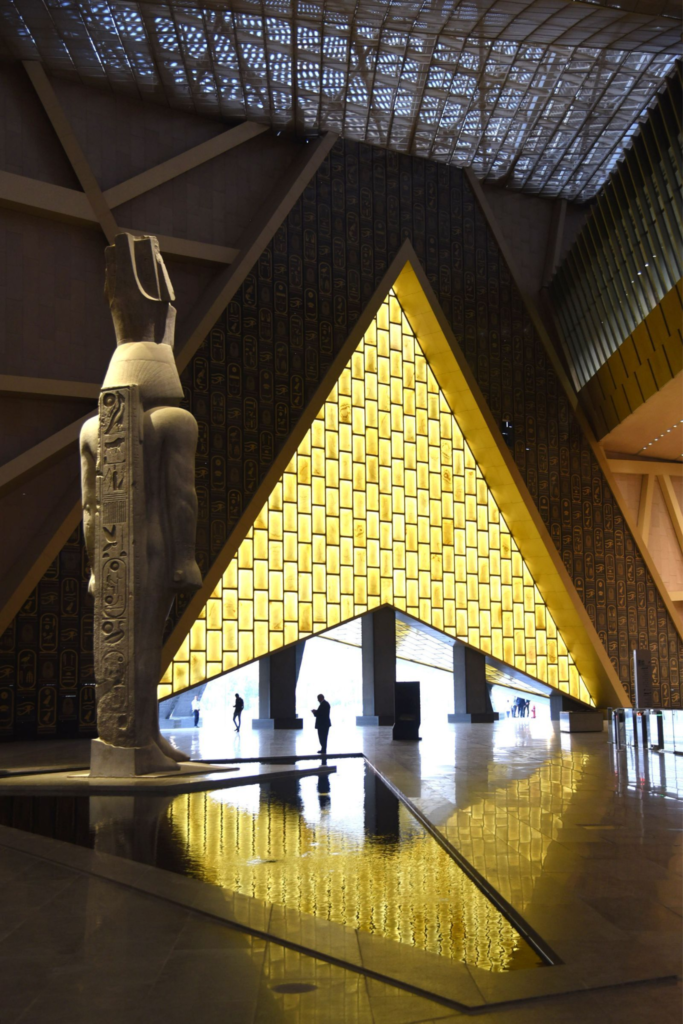
Few museums are lucky enough to sit beside a wonder of the world. Fewer still become part of the wonder themselves. The Grand Egyptian Museum achieves exactly that, a place where the past feels astonishingly alive, and where history is framed on a scale that almost defies belief.
4. Guggenheim Museum Bilbao (Spain)
The Titanium Museum That Changed a City Forever
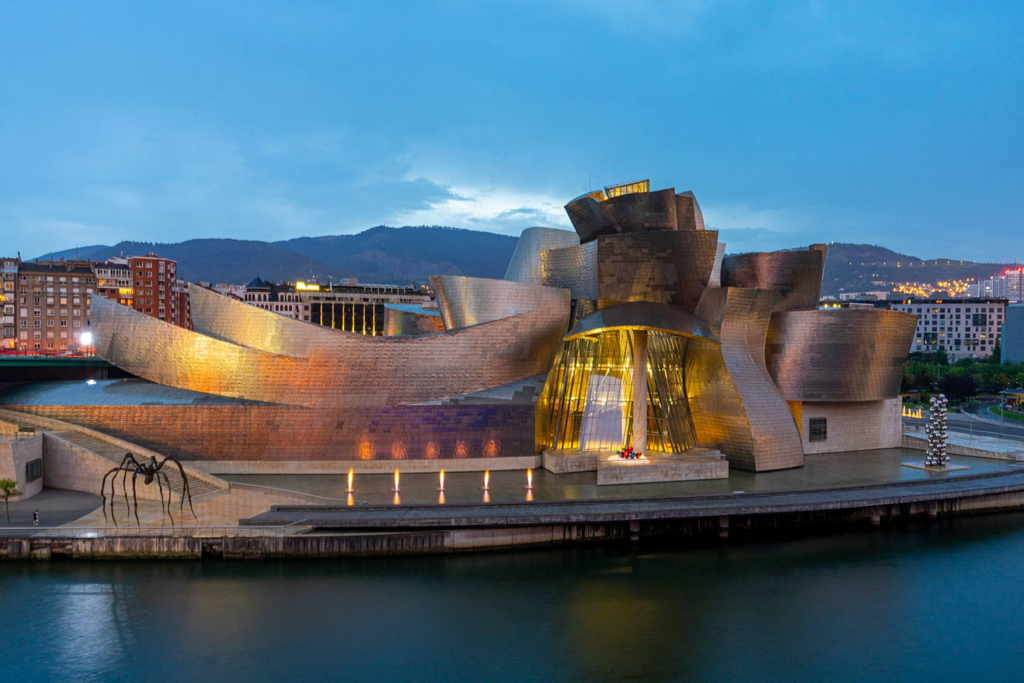
Some museums become famous because of the masterpieces they contain. The Guggenheim Museum Bilbao became famous because people couldn’t stop staring at the building itself.
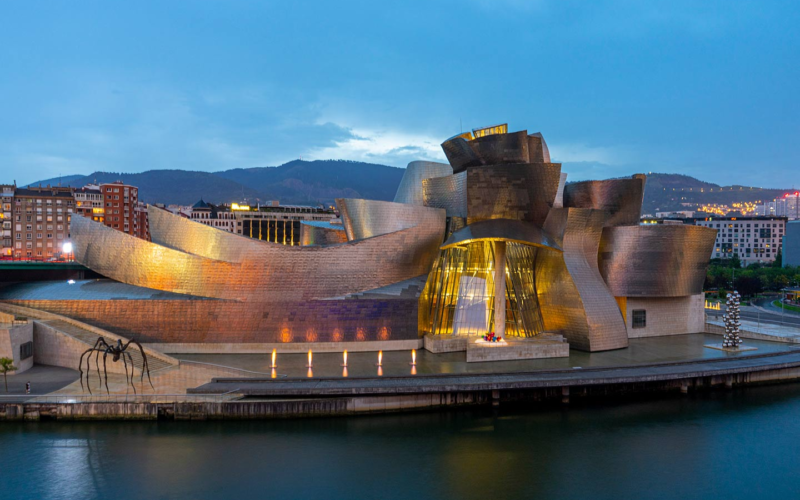
When it opened in 1997, the world had never seen anything quite like it. Rising along the banks of the Nervión River in northern Spain, the museum looks less like a traditional building and more like a giant sculpture caught in motion. Its sweeping curves, twisting forms, and shimmering titanium panels appear to ripple like waves, reflecting the changing light of the sky above. Depending on the weather, the museum can look silver, gold, blue, or even pink, transforming throughout the day like a living artwork.
Designed by architect Frank Gehry, the Guggenheim shattered expectations of what a museum could be. At a time when many cultural institutions still favored symmetry and restraint, Gehry embraced movement, unpredictability, and imagination. There are few straight lines to be found here. Instead, the building unfolds through a series of dramatic curves and unexpected angles that seem to defy traditional engineering.
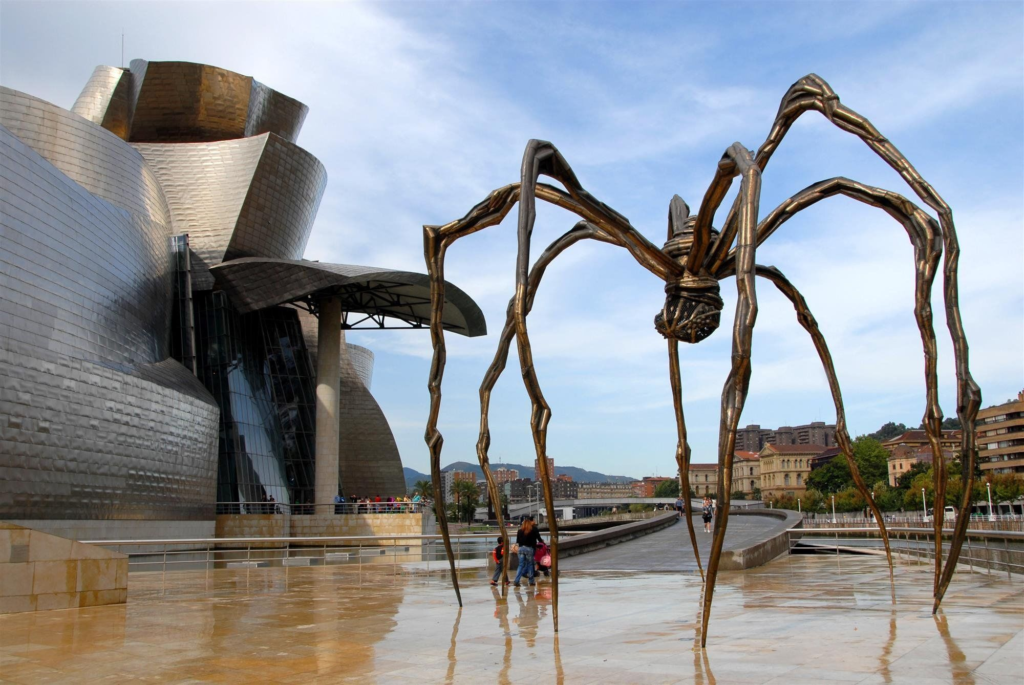
What makes the museum feel almost unreal is its constant sense of motion. Walk around it, and it never appears the same twice. From one angle, it resembles a ship gliding through water. From another, it looks like a metallic flower blooming beside the river. Every turn reveals a new silhouette, making visitors feel as though they are exploring a different building altogether.
Yet perhaps the museum’s most extraordinary achievement is the transformation it inspired beyond its walls. Before the Guggenheim arrived, Bilbao was largely known as an industrial city. Today, it is recognized as one of the world’s great cultural destinations, a phenomenon so influential that urban planners coined the term “The Bilbao Effect” to describe how a single landmark can reshape an entire city.
Many museums house beautiful objects. The Guggenheim Bilbao became one. Nearly three decades after its opening, it remains one of the most breathtaking examples of architecture’s power to astonish, inspire, and completely redefine what we think a museum should look like.
5. Smritivan Earthquake Museum (India)
The Museum That Transformed Tragedy Into Beauty
Not all beautiful museums are built to celebrate art, wealth, or power. Some are built to honor memory.
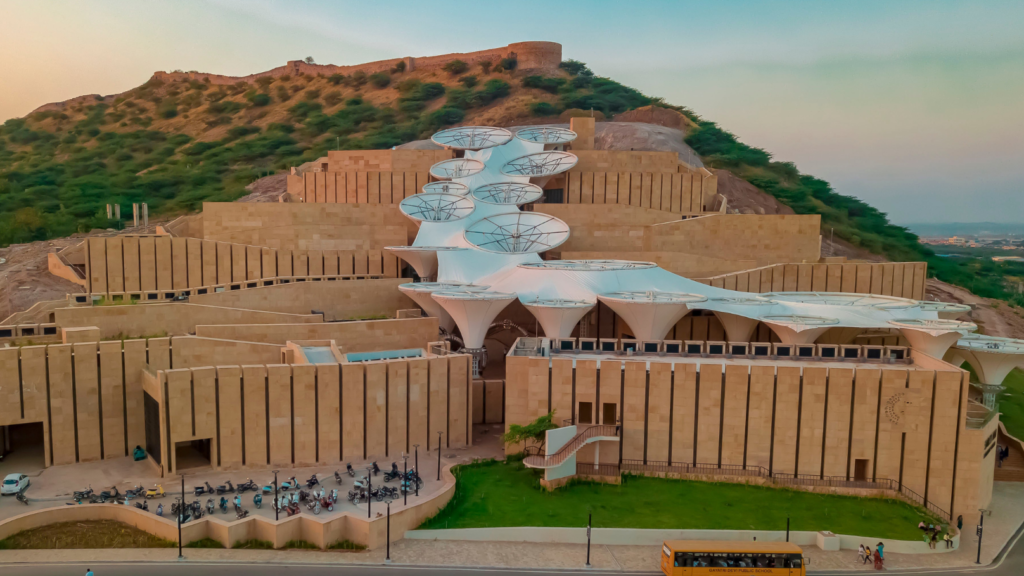
Perched on a hillside in Bhuj, Gujarat, the Smritivan Earthquake Museum stands on land forever changed by one of India’s deadliest natural disasters. In January 2001, a devastating earthquake struck the region, claiming thousands of lives and leaving entire communities shattered. The scars of that tragedy remain part of the landscape’s history. Yet today, what rises from that same ground is one of the most moving and visually remarkable museums in the world.
At first glance, the museum doesn’t announce itself with dramatic towers or futuristic shapes. Instead, it seems to emerge naturally from the hillside. Built from warm, sand-colored stone, its terraced galleries climb the slope in a series of circular forms connected by winding pathways. From a distance, the architecture resembles the ruins of an ancient fortress rediscovered after centuries, blending so seamlessly into the landscape that it feels as though it has always belonged there.
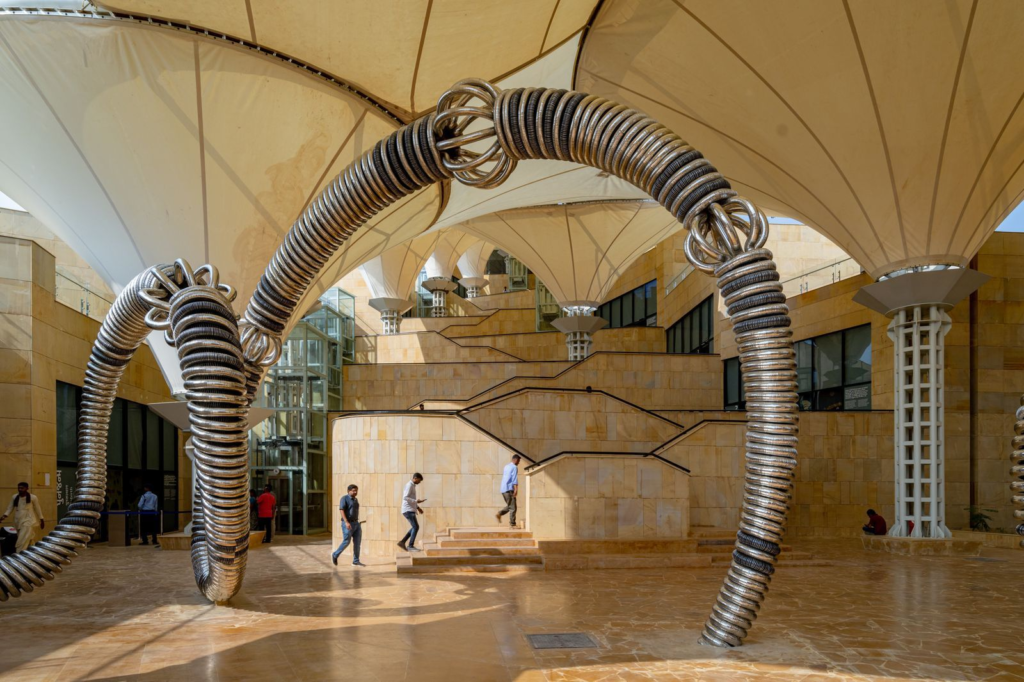
What makes Smritivan truly extraordinary is the way architecture, nature, and remembrance are woven together into a single experience. Surrounding the museum is a memorial forest of 12,932 trees, one for every life lost in the earthquake. As visitors move through the grounds, they encounter reservoirs engraved with victims’ names, quiet spaces for reflection, and panoramic views stretching across the region that endured unimaginable loss.
Inside, the museum unfolds through a series of thematic galleries focused on resilience, recovery, and renewal. Interactive exhibits, immersive installations, and storytelling experiences explore not only the science of earthquakes but also the strength of communities rebuilding after disaster.
Many beautiful buildings impress through spectacle. Smritivan achieves something rarer. Its beauty comes from meaning. Every pathway, every tree, and every stone serves a purpose beyond aesthetics. The result is a museum that doesn’t simply ask visitors to admire it, it asks them to remember.
In doing so, it transforms a place of sorrow into a landscape of hope, proving that some of the world’s most beautiful spaces are those that help us heal.
6. Oman Across Ages Museum (Oman)
The Desert Monument That Looks Like the Future

Driving across the rugged landscape of central Oman, the museum appears almost unexpectedly.
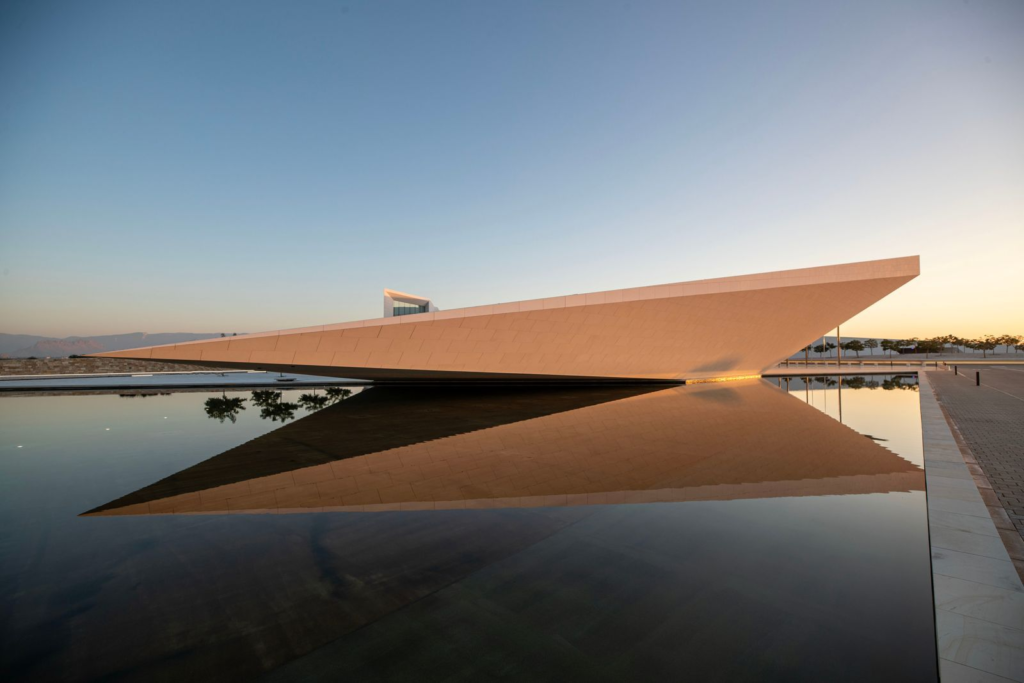
For miles, the scenery is defined by vast stretches of desert, rocky terrain, and the distant silhouette of the Al Hajar Mountains. Then suddenly, rising from the plain like a vision from another century, a gleaming white structure emerges on the horizon. Its most striking feature is a dramatic spike that pierces the sky, giving the impression of a futuristic monument that has somehow landed in the middle of an ancient landscape.
The Oman Across Ages Museum is one of those rare buildings that feels equally connected to the past and the future. From afar, it resembles something out of science fiction. Up close, however, every aspect of its design is deeply rooted in Oman’s history, geography, and cultural identity.
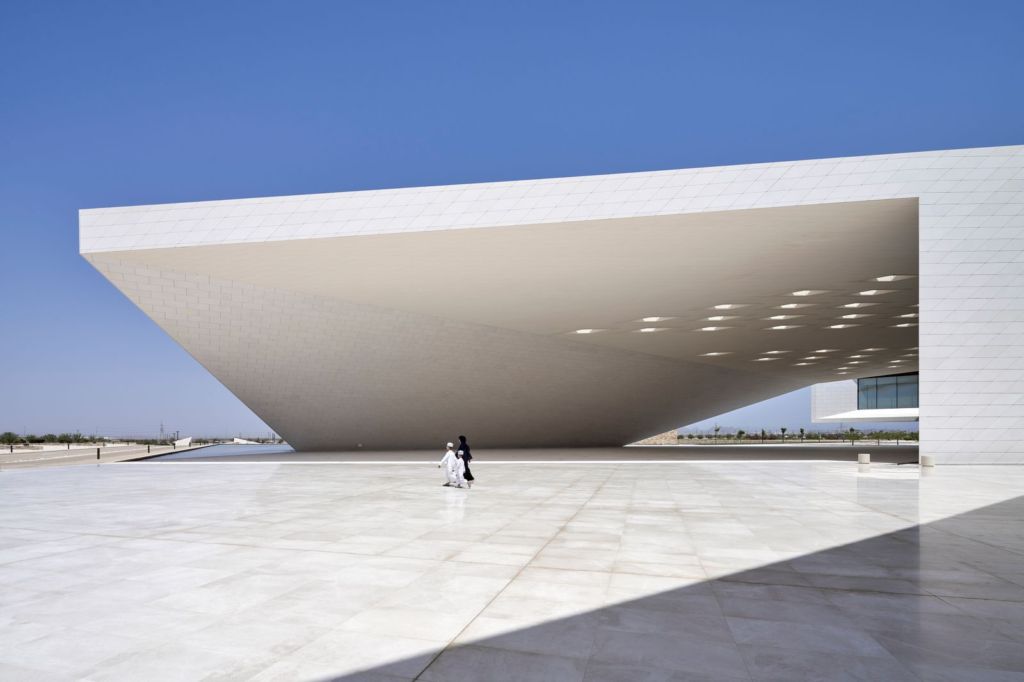
Designed by the Australian firm Cox Architecture, the museum takes inspiration from the country’s dramatic natural surroundings. Its sharp lines echo the jagged mountain ranges nearby, while its bright exterior contrasts beautifully against the warm desert tones that surround it. The result is a building that commands attention without overpowering the landscape. Instead, it feels like a natural extension of it, albeit one imagined through a futuristic lens.
What makes the museum particularly captivating is its sense of scale. The expansive plaza, sweeping geometric forms, and towering central spire create an experience that feels almost cinematic. Visitors often describe the sensation of approaching the building as if they are entering a monumental gateway rather than a museum. Every angle seems designed to inspire wonder, whether viewed against a cloudless blue sky or illuminated beneath the glow of the desert sun.
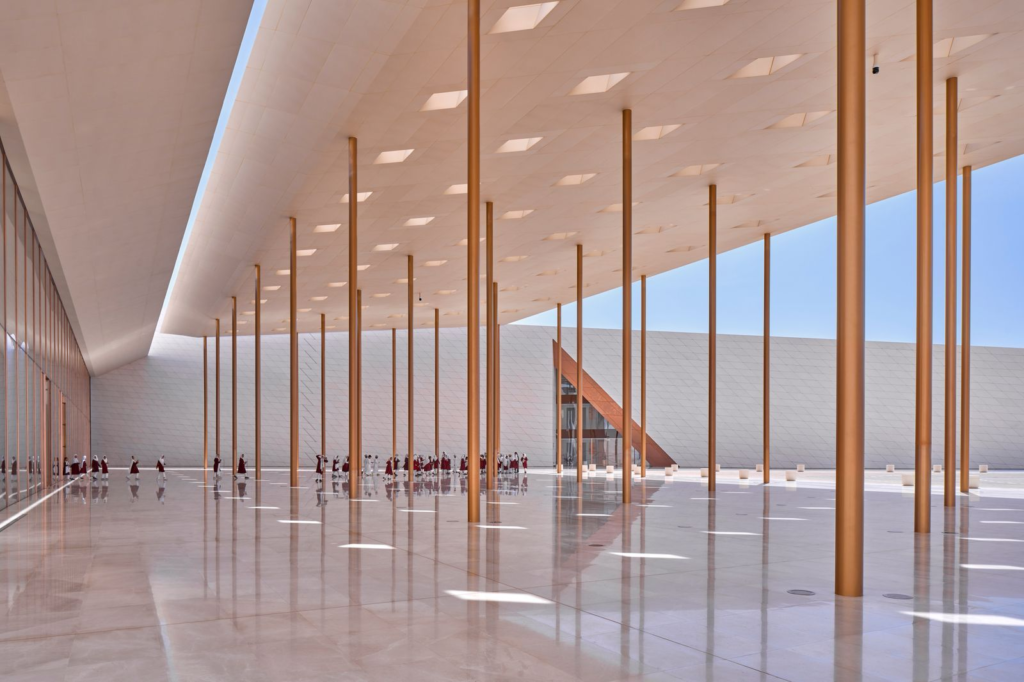
Inside, the story of Oman unfolds across centuries, tracing the nation’s journey from prehistoric settlements to the modern era. Yet even with its rich exhibitions, the architecture remains impossible to ignore. Vast interiors filled with light, carefully framed views of the surrounding landscape, and dramatic open spaces ensure that the building itself remains part of the experience.
Many museums are destinations. The Oman Across Ages Museum feels like an arrival. Standing in the desert with mountains in the distance and futuristic architecture all around, visitors can easily imagine they’ve stepped into another world entirely.
7. Paleis Het Loo (Netherlands)
The Hidden Museum Beneath a Royal Palace
Some museums announce themselves with towering skylines and dramatic façades. Others keep their greatest secret hidden beneath your feet.
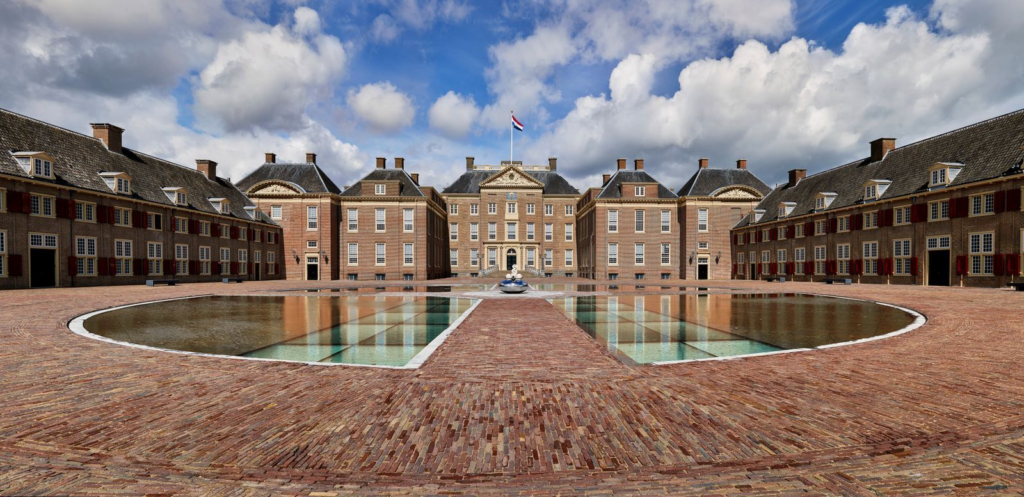
At first glance, Paleis Het Loo looks exactly as you might expect a former Dutch royal palace to look: elegant gardens, symmetrical courtyards, and stately 17th-century architecture that reflects centuries of aristocratic history. Visitors arrive expecting to step into the world of kings and queens. What they don’t expect is that one of the most remarkable parts of the museum is almost invisible.
Beneath the palace courtyard lies an extraordinary modern extension concealed entirely underground.
The idea sounds almost impossible. How do you add thousands of square feet of contemporary gallery space to a historic royal residence without disrupting its beauty? Rather than building upward, architects chose to build downward. The result is a museum that exists in plain sight while remaining hidden from view.
From above, visitors see what appears to be a serene reflecting pool and elegant fountain occupying the center of the courtyard. Only upon closer inspection do they realize that the water and glass structures surrounding it serve another purpose: they allow natural light to pour into the galleries below. Sunlight filters through skylights and reflects off pale surfaces, illuminating vast underground spaces with a soft, almost ethereal glow.
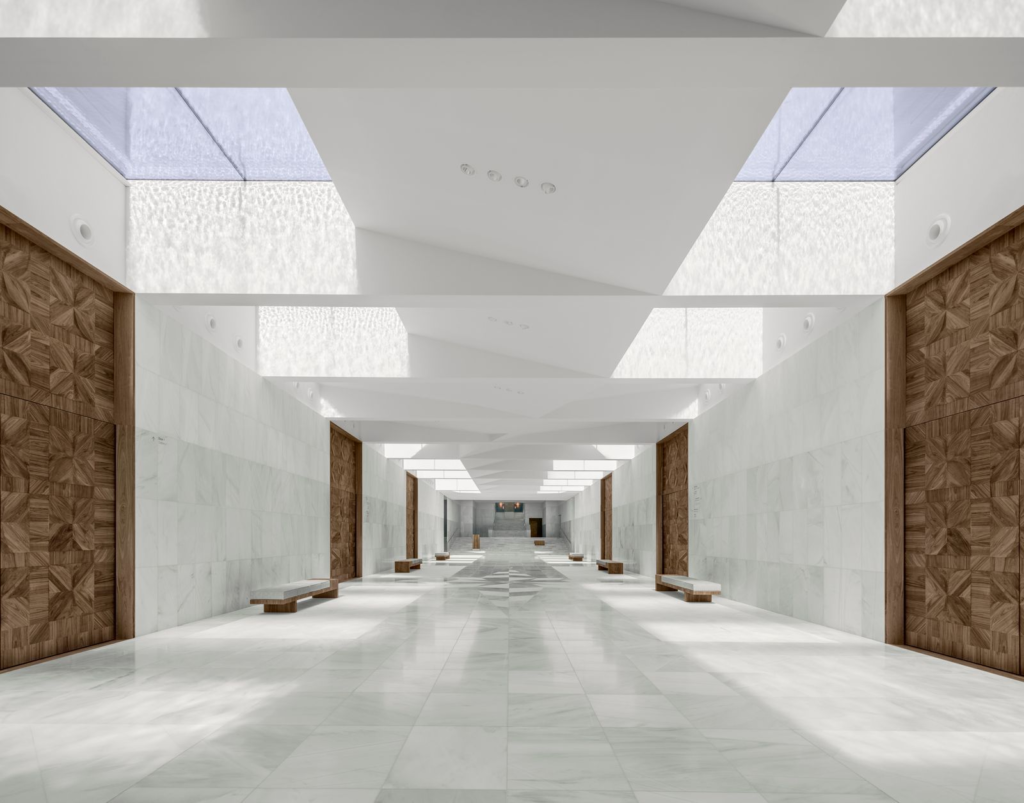
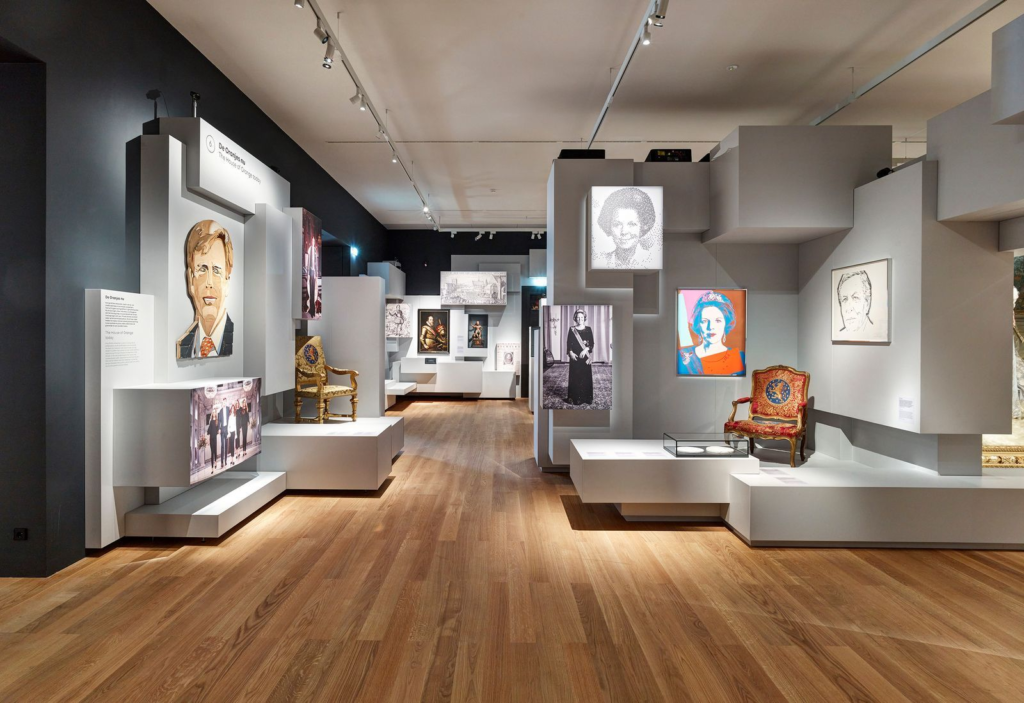
Descending into the extension feels a bit like discovering a secret world. The ornate grandeur of the palace gives way to minimalist white interiors, sleek lines, and airy exhibition halls that seem impossibly bright for spaces located beneath the earth. The contrast is striking. One moment you’re walking through royal history; the next you’re standing inside a masterpiece of contemporary architecture.
What makes Paleis Het Loo so beautiful is not just the design itself but the ingenuity behind it. The extension never competes with the palace above. Instead, it quietly enhances it, proving that preservation and innovation can coexist.
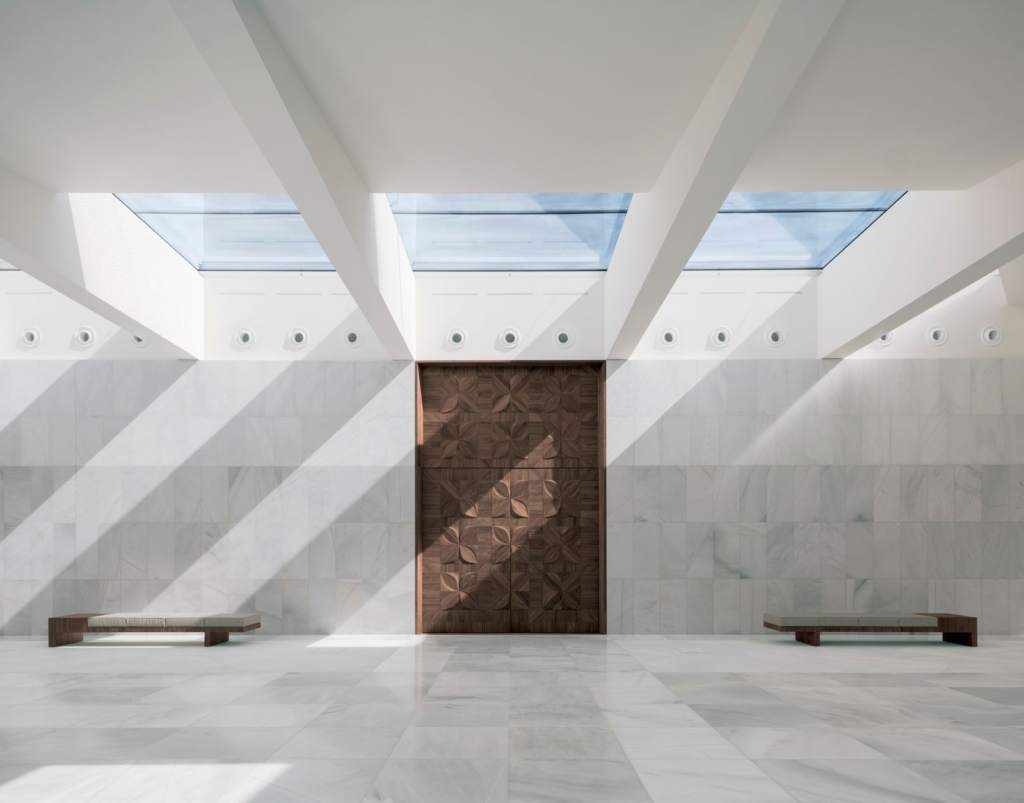
In a world where architectural landmarks often demand attention, Paleis Het Loo does something far more intriguing. It hides its greatest achievement underground, rewarding those who venture beneath the surface with one of the most unexpectedly beautiful museum experiences in the world.
8. Museo Soumaya (Mexico)
The Museum Wrapped in Thousands of Silver Scales
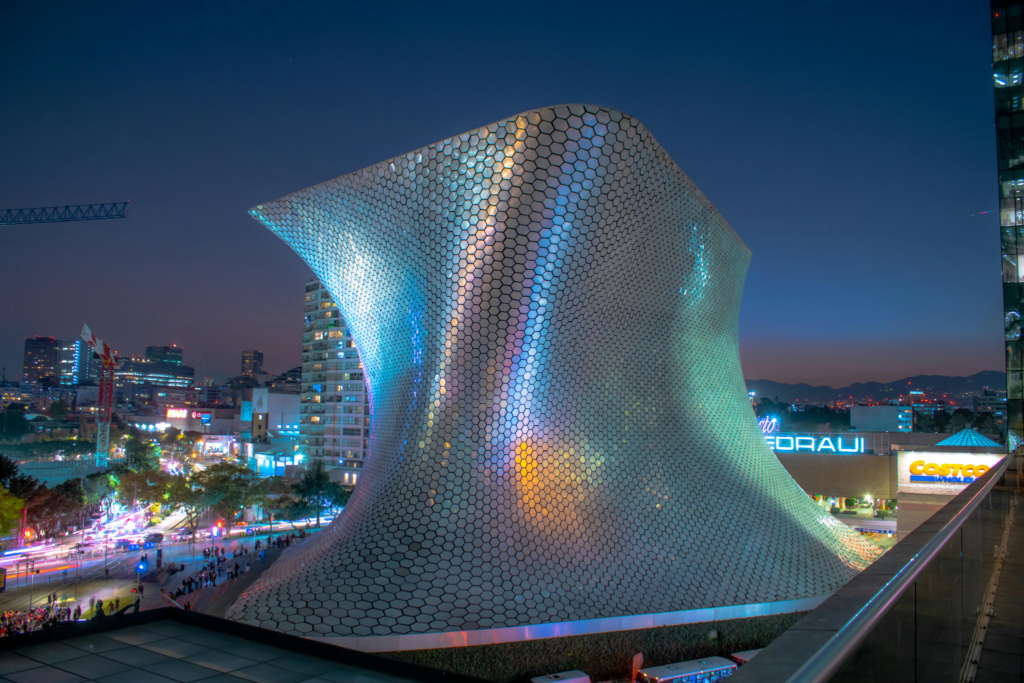
Some buildings seem designed to blend into their surroundings. Museo Soumaya does the exact opposite.
Rising above the streets of Mexico City like a giant shimmering sculpture, the museum looks as though it belongs in a futuristic dream rather than a busy urban neighborhood. Its shape is difficult to describe because it refuses to conform to traditional architectural rules. There are no obvious corners, no conventional façade, and almost no straight lines. Instead, the building twists upward in a fluid curve, widening at the top before narrowing dramatically toward the ground, creating the illusion that it is balancing impossibly on its base.
What truly sets Museo Soumaya apart, however, is its extraordinary skin.
The exterior is covered with more than 16,000 reflective aluminum hexagons that resemble silver scales. Throughout the day, sunlight dances across the surface, causing the museum to constantly change appearance. On bright afternoons, it glitters like polished metal. During cloudy weather, it takes on a softer, almost liquid quality. At sunset, the building catches the fading light and seems to glow from within.
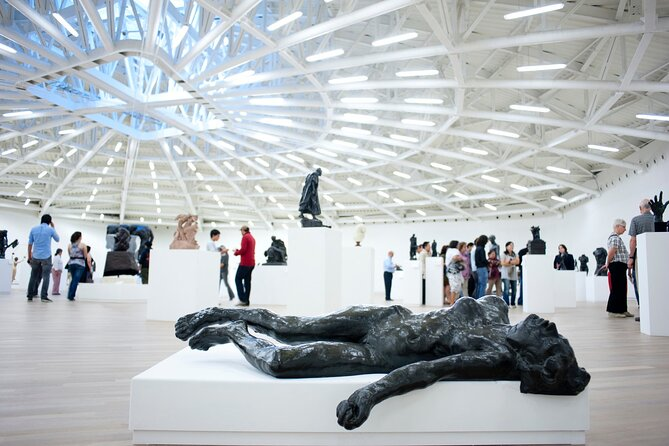
Designed by architect Fernando Romero, the museum was conceived as a landmark that would be instantly recognizable from any angle. The result is a structure that feels less like architecture and more like a monumental piece of contemporary art. Visitors often find themselves walking around it multiple times before even entering, fascinated by how dramatically its appearance shifts depending on where they stand.
Inside, the sense of wonder continues. A sweeping, spiraling interior guides visitors upward through a sequence of galleries without the rigid divisions found in many traditional museums. The flowing spaces mirror the fluidity of the building’s exterior, creating a seamless experience where architecture and art become inseparable.
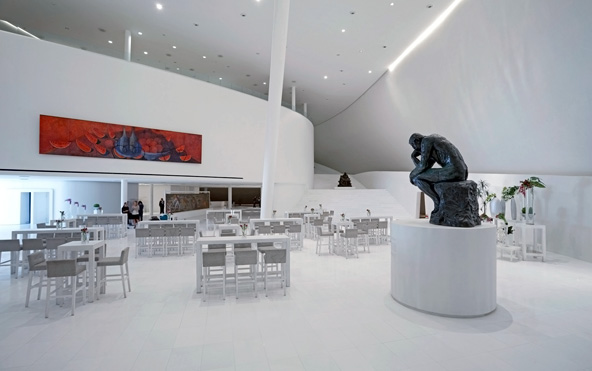
In a city filled with historic landmarks, Museo Soumaya manages to feel entirely unique. It doesn’t resemble a palace, a fortress, or a modern skyscraper. Instead, it feels like something imagined by a sculptor on an impossibly ambitious scale.
And perhaps that’s what makes it so beautiful. It isn’t merely a museum that contains art, it is a work of art that people can walk inside.
9. A4 Art Museum (China)
The Tuscan Dream Hidden in Chengdu
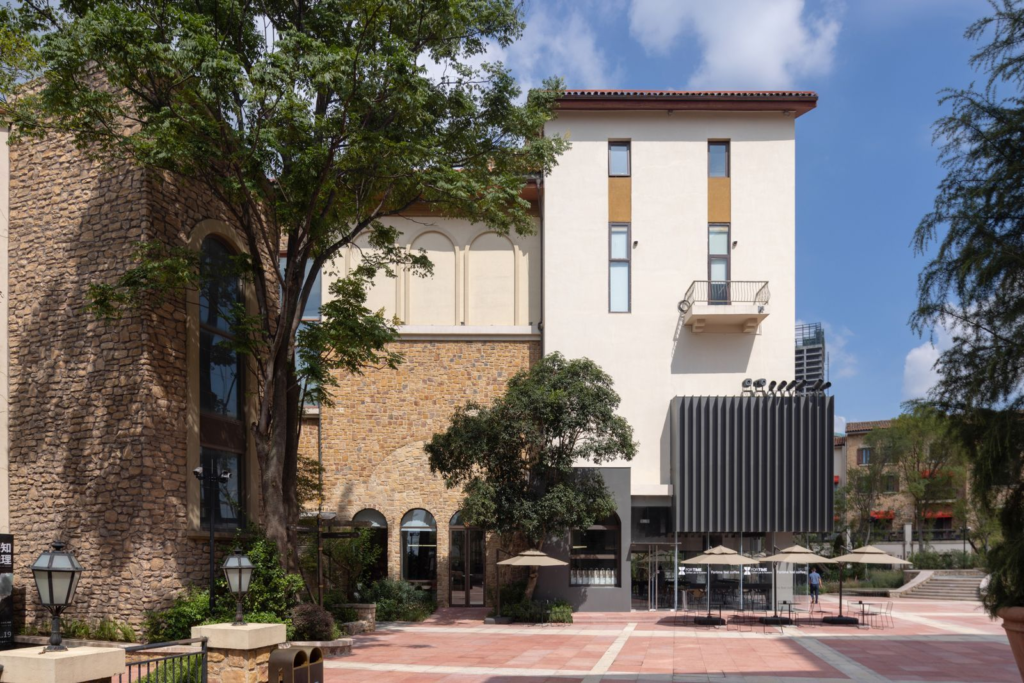
If someone told you there was a museum in southwestern China that looked as though it belonged in the heart of Tuscany, you would probably assume they were exaggerating.
Yet that is exactly what makes the A4 Art Museum so fascinating.
Located in Chengdu’s Luxetown district, the museum exists within an environment inspired by the architecture of an Italian hill town. Cobblestone walkways, European-style façades, a church-like structure, and a grand piazza create a setting that feels worlds away from the bustling Chinese metropolis surrounding it. Arriving here can feel strangely disorienting, as though you’ve crossed continents without ever boarding a plane.
But the real surprise begins when you look closer.
Unlike many museums that boldly distinguish themselves from their surroundings, the A4 Art Museum plays a clever game with expectations. From the outside, it appears to blend seamlessly into the Tuscan-inspired architecture around it. Its proportions, materials, and overall appearance feel familiar, almost historical. Yet subtle contemporary details hint that something more modern is hiding beneath the surface.
Step inside, and the illusion transforms completely.
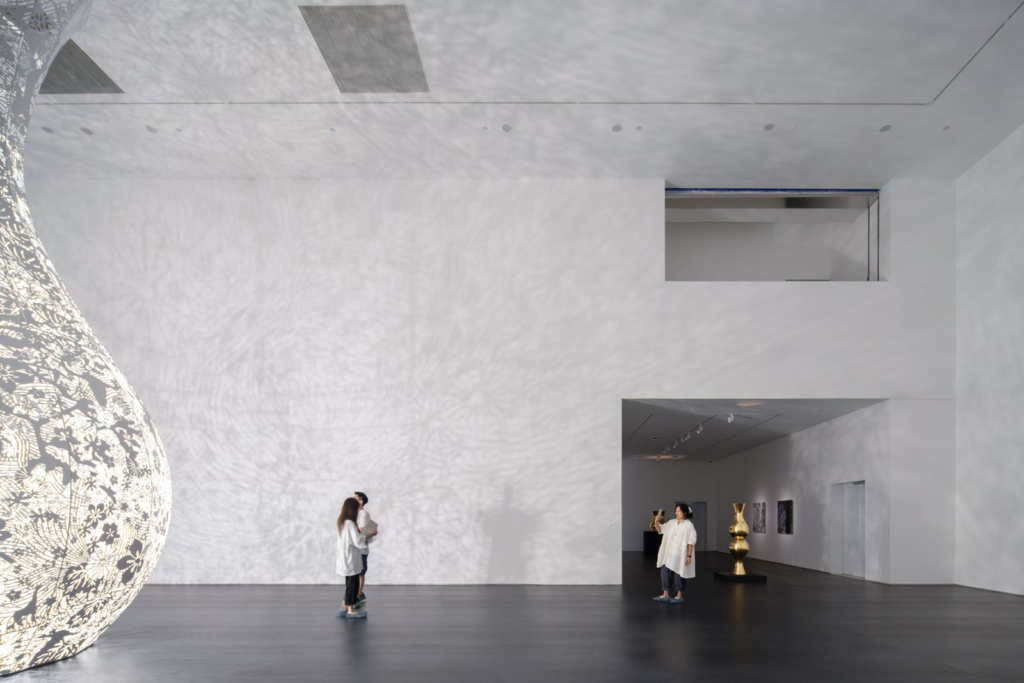
The museum unfolds into a series of sleek, minimalist spaces that feel strikingly contemporary. Open public areas connect naturally with the surrounding piazza, creating a welcoming atmosphere that encourages visitors to linger rather than simply pass through. Meanwhile, galleries hidden below ground reveal a different personality altogether. Here, clean lines, expansive interiors, and carefully controlled lighting create the perfect backdrop for contemporary art.
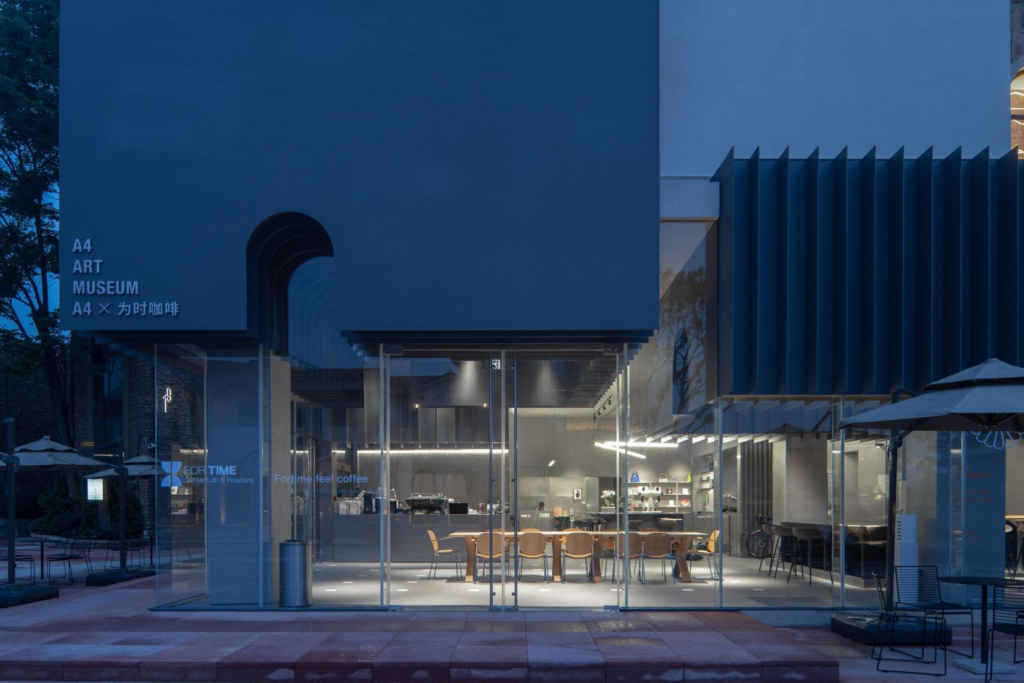
What makes the A4 Art Museum feel unreal is the tension between these two worlds. It is simultaneously old and new, European and Chinese, historical and contemporary. Every transition feels unexpected. One moment you’re standing in what looks like an Italian town square; the next, you’re wandering through galleries that could belong in one of the world’s most cutting-edge cultural institutions.
Many museums surprise visitors with what’s inside. The A4 Art Museum surprises them with where they are. It creates the rare sensation of feeling geographically, culturally, and architecturally displaced, in the most beautiful way possible.
10. Polish History Museum (Poland)
The Marble Museum That Looks Carved From Time Itself
Not every beautiful museum relies on dazzling reflections, futuristic forms, or dramatic colors to leave an impression.
Some achieve something far more difficult: they create a sense of permanence.
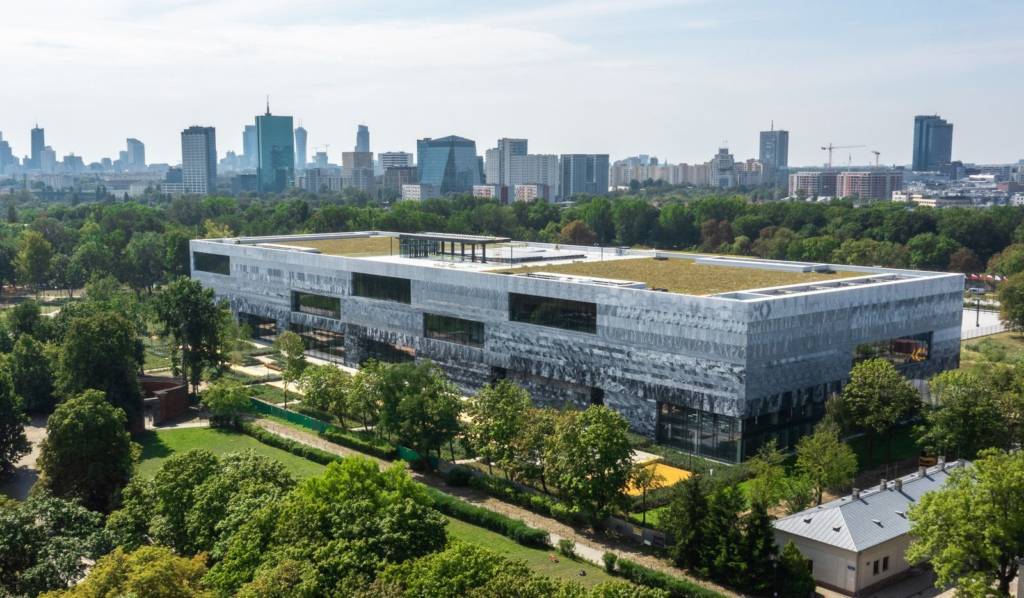
Standing within Warsaw’s historic Citadel complex, the Polish History Museum possesses a quiet grandeur that unfolds gradually. Unlike buildings that demand attention from the moment they appear, this museum reveals its beauty through scale, texture, and detail. At first glance, it seems almost monolithic, a massive structure of pale stone rising from the landscape with the confidence of a monument that expects to endure for centuries.
Then you begin to notice the details.
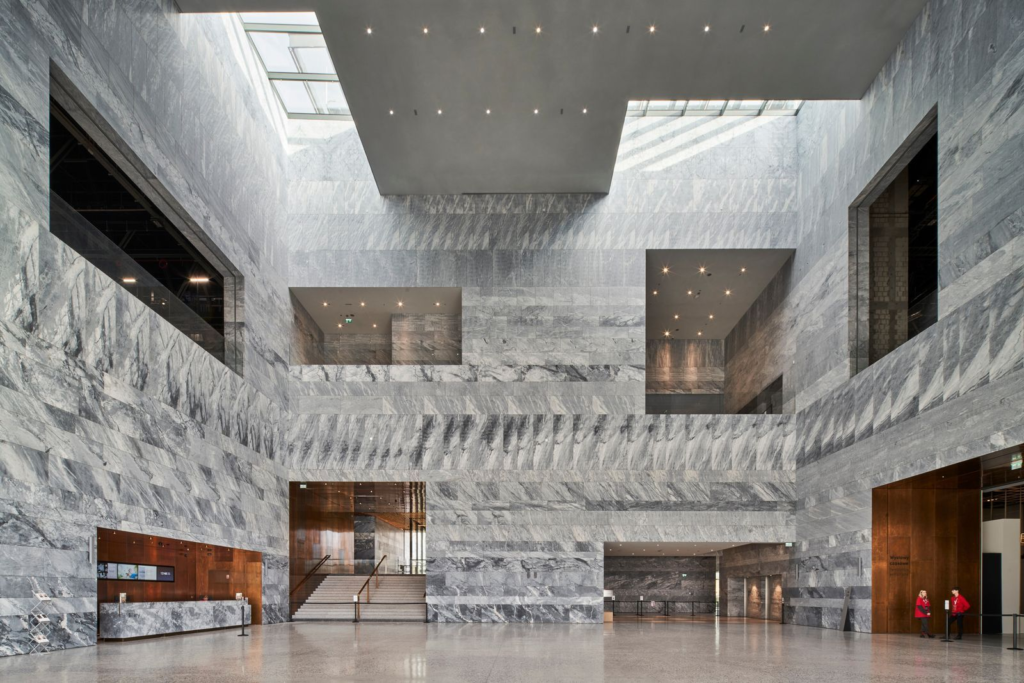
Its exterior is clad in layers of gray marble arranged in horizontal bands that create subtle shifts in color and texture. As sunlight moves across the surface throughout the day, the building transforms. Morning light highlights delicate patterns in the stone, while evening shadows emphasize its monumental presence. From a distance, the façade appears simple. Up close, it becomes a vast canvas of craftsmanship.
The museum’s architects drew inspiration from Poland’s long and complex history, embedding references directly into the building itself. Intricate reliefs carved into the stone echo centuries of architectural traditions, creating what has been described as an “archaeological cross-section” of the nation’s cultural heritage. The walls do not simply contain history, they tell it.
Inside, expansive halls and soaring spaces continue the feeling of quiet majesty. Natural light pours into the interiors, softening the monumental scale and creating moments of warmth within the museum’s powerful geometry. The effect is less like entering a conventional museum and more like stepping into a modern cathedral dedicated to memory.
What makes the Polish History Museum feel unreal is not fantasy but time. The building seems suspended between past and future, honoring centuries of history while looking unmistakably contemporary. It possesses the rare ability to feel both newly built and ancient at the same moment.
In a list filled with floating galleries, shimmering domes, and futuristic landmarks, the Polish History Museum offers something different. Its beauty comes from its ability to make history feel tangible, carved not only into exhibitions and artifacts, but into the very stone of the building itself.
The world’s most beautiful museums do far more than protect art and history. They create moments of wonder.
Whether it’s sunlight filtering through a giant dome in Abu Dhabi, colorful galleries floating on water in Japan, or a museum rising from the desert landscape of Oman, each of these places reminds us that architecture has the power to move us just as deeply as any masterpiece hanging on a wall.
What makes these museums unforgettable isn’t simply their appearance. It’s the way they make us feel. They inspire curiosity, awe, reflection, and sometimes even disbelief. They transform ordinary visits into experiences that linger in our memories long after we’ve left.
In an age when images of nearly every destination are available at the tap of a screen, these museums still manage to surprise us. They prove that some places must be experienced in person to be fully understood.
And perhaps that’s their greatest achievement. They remind us that beauty isn’t confined to the objects displayed inside a museum. Sometimes, the most extraordinary work of art is the museum itself.
If you could visit just one of these museums tomorrow, which one would you choose?
From grand museum halls to the smallest brushstrokes, art is full of stories waiting to be discovered. You may also enjoy reading our guide to the fascinating role of hands in famous paintings.