

Art Basel Hong Kong 2026 Is in Full Swing, Here’s What Not to Miss
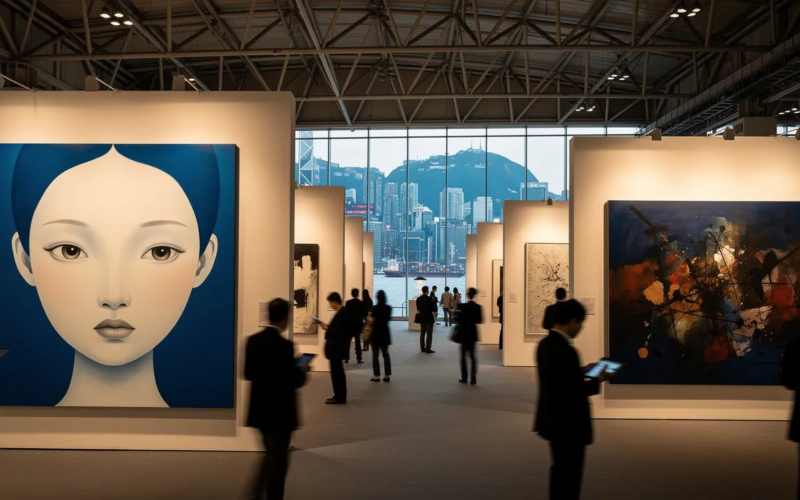
Art Basel Hong Kong is already up and running, and if you’ve stepped anywhere near the Convention Centre this week, you’ve probably felt how packed it is. Booths are busy, conversations are constant, and it’s the kind of fair where you can easily lose a few hours without realizing it.
But like every year, the fair is only one part of it.
Across Hong Kong, galleries, museums, and independent spaces have aligned their strongest programming with these few days. Major exhibitions are on view in Central and West Kowloon, new presentations have opened in Wong Chuk Hang, and public projects are unfolding across the city alongside the fairs.
Inside the Convention and Exhibition Centre, this year’s edition brings together more than 240 galleries, with a strong presence from across Asia Pacific. Sections like Encounters and the newly introduced Echoes are drawing steady attention, while the debut of the digital sector Zero10 has added another layer to the fair’s programming.
At the same time, several of the week’s most talked-about shows are happening outside the fair, often within a short distance of each other.
If you’re heading to the fair this weekend, these are the sections worth slowing down for. If you’re stepping out into the city, these are the places and shows that are actually worth your time. And if you’re following from a distance, this should give you a clear sense of where the attention is right now.
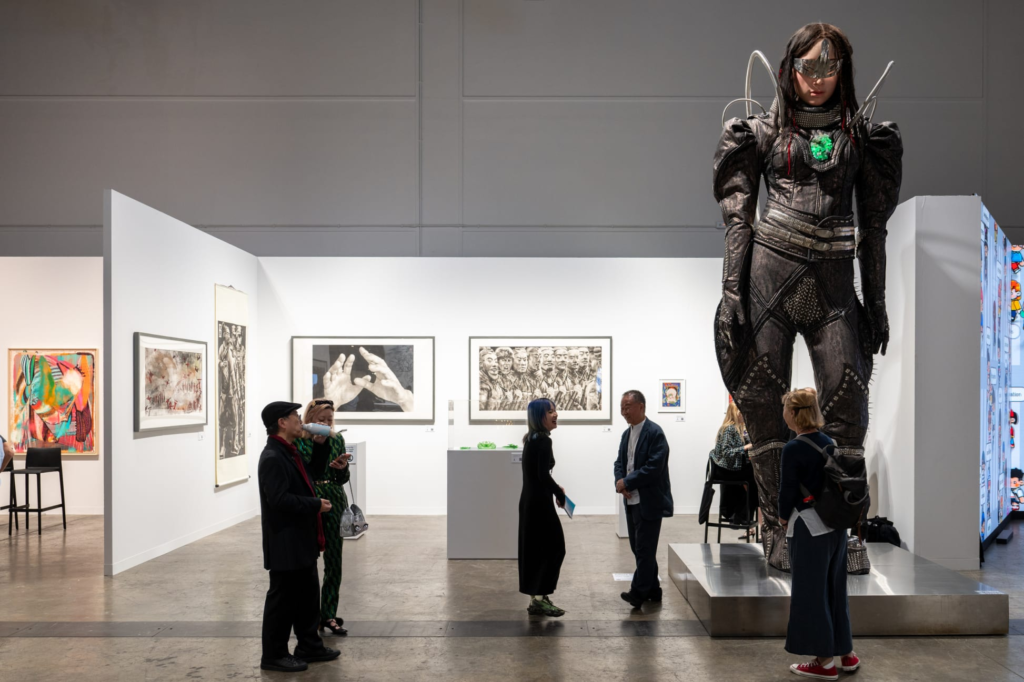
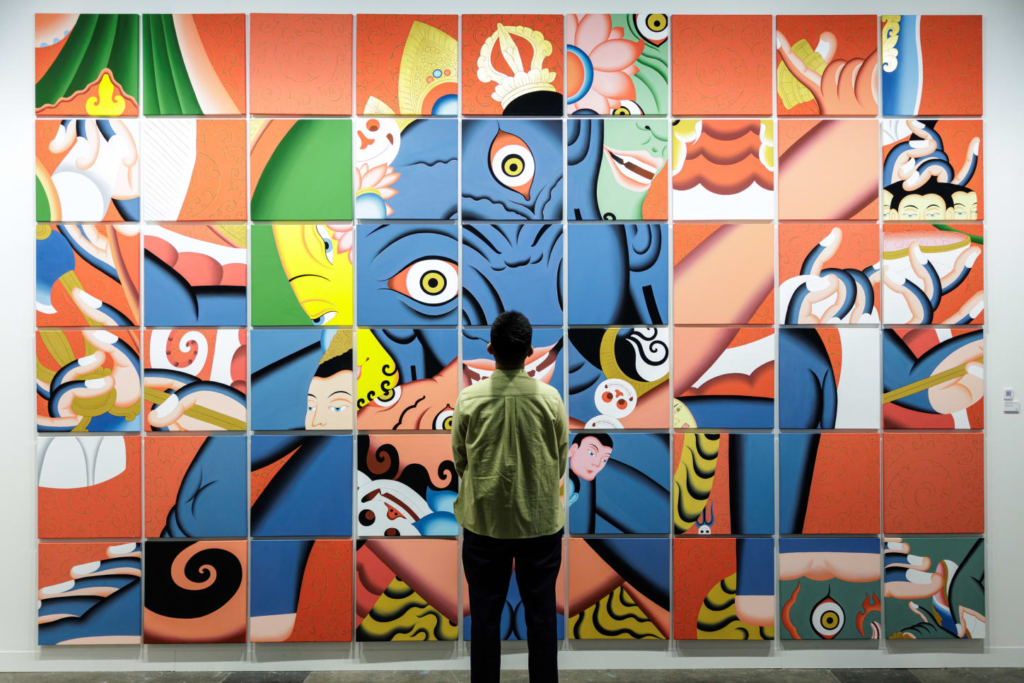
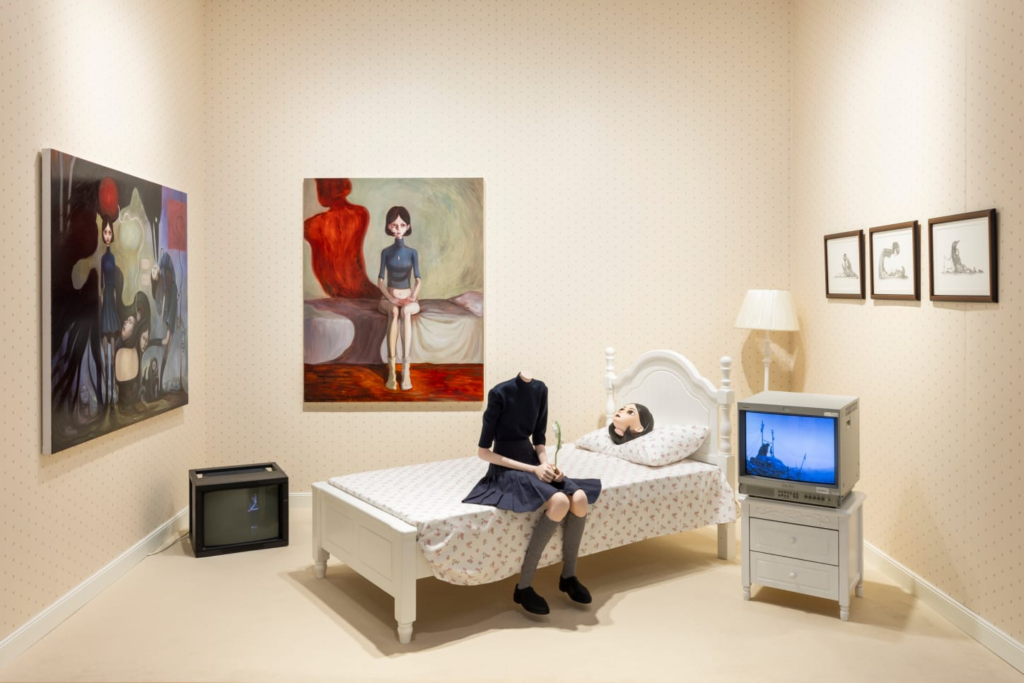
Inside the fair, a few sections are worth slowing down for. With more than 240 galleries filling the Convention Centre, Art Basel Hong Kong 2026 can feel dense from the moment you walk in. It’s easy to move quickly, to scan booths rather than spend time with them. But this year, a few sections hold attention longer than others, and they’re worth approaching a bit more slowly.
Encounters is one of them. The sector focuses on large-scale installations and performances, and it’s often where the fair feels most spatial. This year’s presentation is more considered in how it’s organized, with works brought together through a loose elemental framework. Some projects extend beyond the main halls, which shifts how the section is experienced, not everything is contained within the booth structure, and that change in scale makes a difference.
Echoes, one of the newer additions, moves in a different direction. The focus here is on works from the past five years, often shown in tighter, more contained presentations. It doesn’t try to compete with the scale of other sections, and that restraint works in its favor. It’s one of the few areas where you can pause without feeling pulled in multiple directions.
The digital sector, Zero10, has been drawing steady crowds throughout the week. It shifts the pace, screen-based works, immersive environments, and projects that sit closer to technology-driven practices. Whether you spend a long time there or not, it’s become one of the more active parts of the fair, especially as the day builds.
Outside of these sections, the booths themselves still matter. Some hold up on a second visit, especially once the initial rush settles. It’s worth circling back rather than trying to see everything in one pass.
Step outside the fair, and the week starts to open up in a different way.
M+
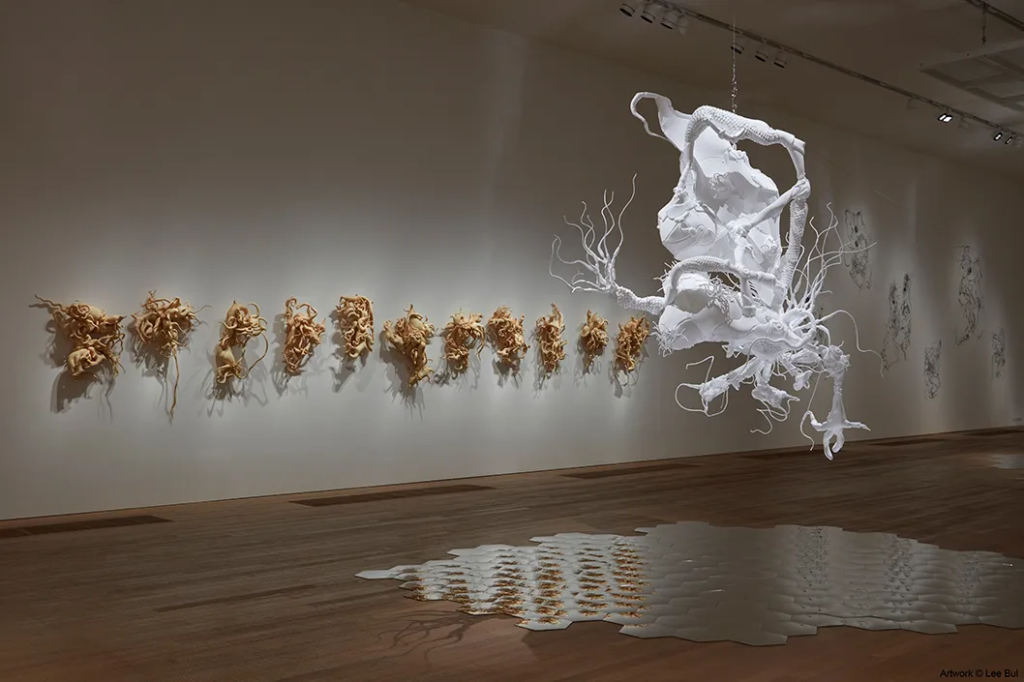
Installation view of “Lee Bul: From 1998 to Now,” 2026. Photo: Wilson Lam. Image courtesy of M+, Hong Kong.
Across the harbor, M+ has been one of the more consistent stops this week, and it’s not somewhere you rush through between fair visits. It needs time, and ideally a bit of distance from everything happening inside the Convention Centre. Even getting there, crossing the water, creates a natural break from the pace of the fair.
The Lee Bul survey has been drawing steady attention, bringing together works across different phases of her practice. It moves through sculpture, installation, and material experimentation, and the scale of the exhibition allows those shifts to unfold gradually. It’s a quieter experience compared to the fair, but one that holds your focus longer. People aren’t moving quickly through it, they’re staying, often retracing their steps or spending more time with individual works.
There are also other exhibitions on view that expand that experience, looking at landscape, material, and the relationship between technology and the body. Together, they add context without overwhelming the main presentation, and give a clearer sense of how the institution is positioning itself within the region right now.
What stands out most, though, is the change in pace. After a few hours inside the fair, the shift is immediate. The galleries feel more open, the movement less compressed, and the experience less about scanning and more about staying with what’s in front of you. It’s one of the few places this week where you’re not being pulled in multiple directions at once, and that alone makes it worth building time around.
Tai Kwun
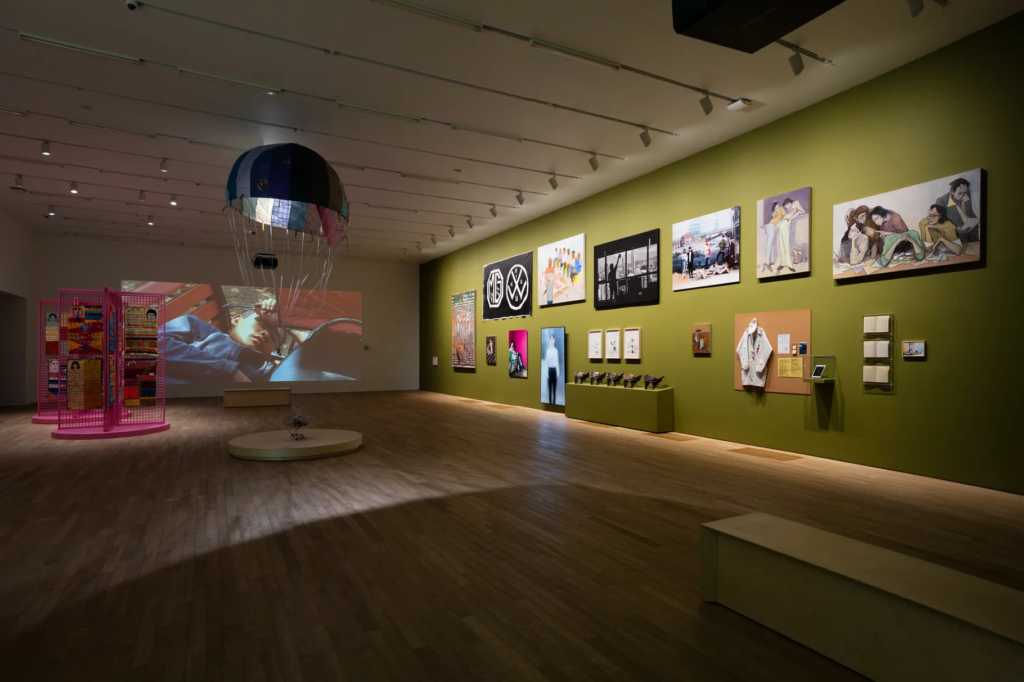
Exhibition view of “Stay Connected: Supplying the Globe,” 1/F, Tai Kwun Contemporary, Hong Kong, 2025. Courtesy of Tai Kwun Contemporary
Not far from the fair, Tai Kwun tends to become a regular stop over the course of the week. It’s less about a single exhibition and more about how the space functions overall, part museum, part public site, part meeting point.
The former police compound has been fully transformed, but it still carries that layered sense of history. Moving through its courtyards and corridors feels different from being inside a conventional gallery, and that shift changes how you spend time there. People aren’t just passing through for a show, they’re staying longer, sitting in the open spaces, or moving between exhibitions and events.
During Art Week, the programming leans more actively into that rhythm. The current exhibition brings together a wide group of artists looking at ideas of movement, exchange, and global systems, but it’s the mix of formats that stands out. Alongside the exhibition, there are talks, performances, and public-facing events that extend beyond the gallery itself.
It’s also one of the few places where the pace of the week loosens a bit without becoming quiet. There’s still movement, still conversation, but it’s less compressed than the fair. You can step in for an hour and end up staying longer without planning to.
If you’re moving between Central and the fair, it’s an easy stop to fold into your route and one that holds up even on a second visit.
Wong Chuk Hang
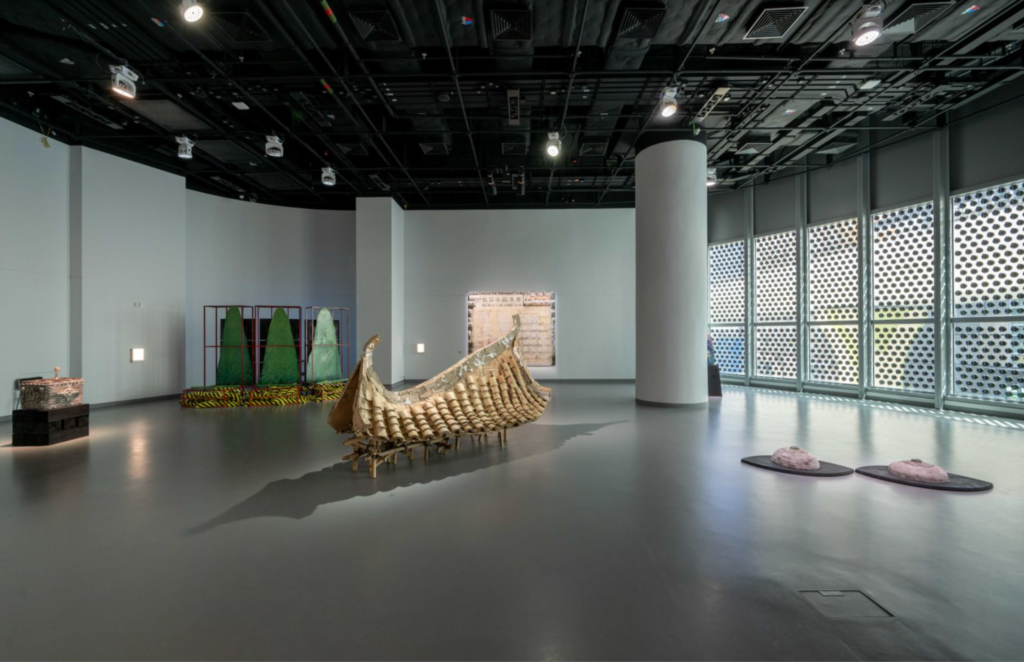
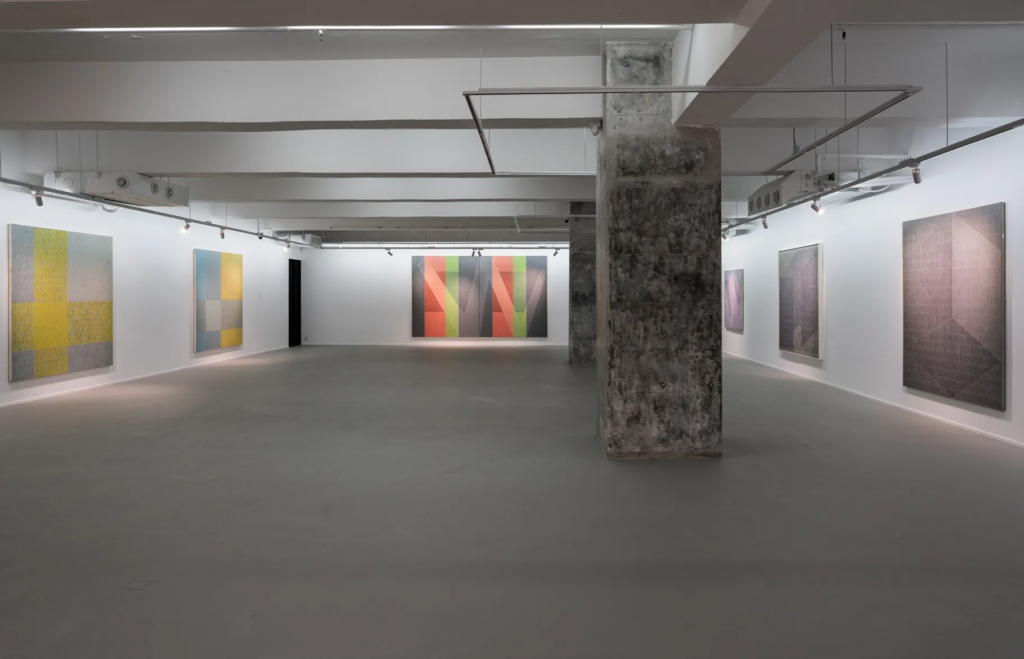
Installation view of “Jack Tworkov 1900–1982: Pioneer of Abstract Expressionism – A Survey” at DE SARTHE, Hong Kong. Courtesy of DE SARTHE.
Further south, Wong Chuk Hang has become one of the most active gallery areas in the city, especially during this week. What was once an industrial neighborhood is now filled with galleries, studios, and project spaces, and the concentration of it all changes how you move through it.
Unlike Central, where spaces are more spread out, everything here sits closer together. You’re not moving from one destination to another, you’re moving between floors, buildings, and clusters of exhibitions. It makes it easier to see more, but also easier to lose track of time.
During Art Week, many galleries time their openings around these few days, which adds to the pace. There are talks, late openings, and small events happening alongside the exhibitions, so the area tends to stay active well into the evening. It’s one of the few parts of the city where you can step into multiple shows without much planning.
The exhibitions themselves vary widely, from historical presentations to newer, more experimental work. Some galleries are showing established names, while others are leaning into younger artists or group exhibitions that feel more exploratory.
It’s worth setting aside a few hours for this part of the city rather than trying to fit it in quickly. The density is what makes it work, and the experience comes from moving through it at your own pace rather than following a fixed route.
HKwalls
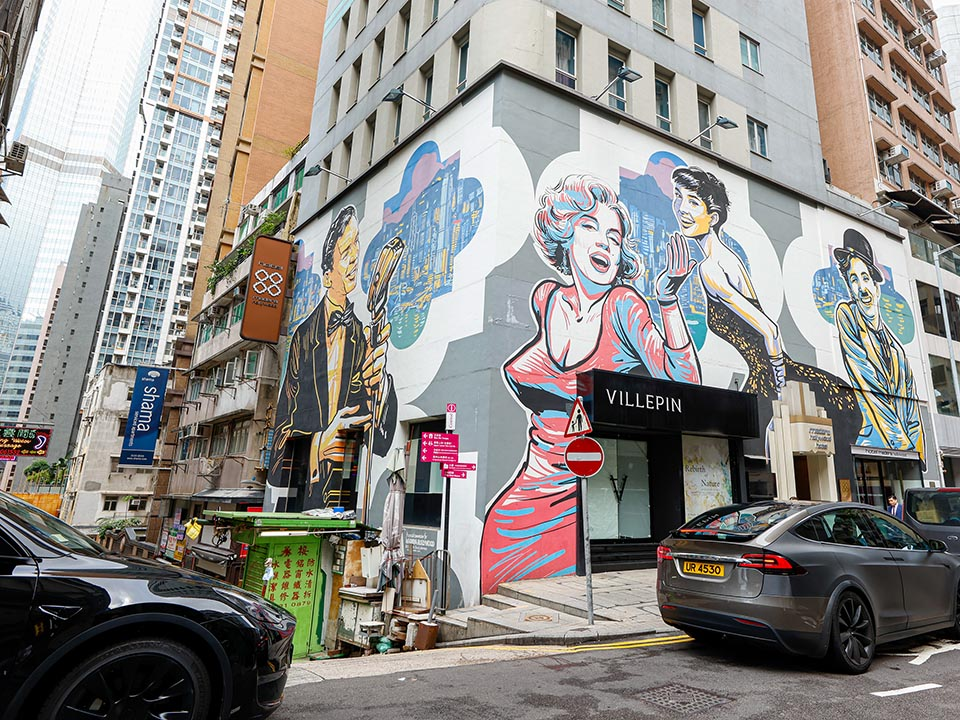
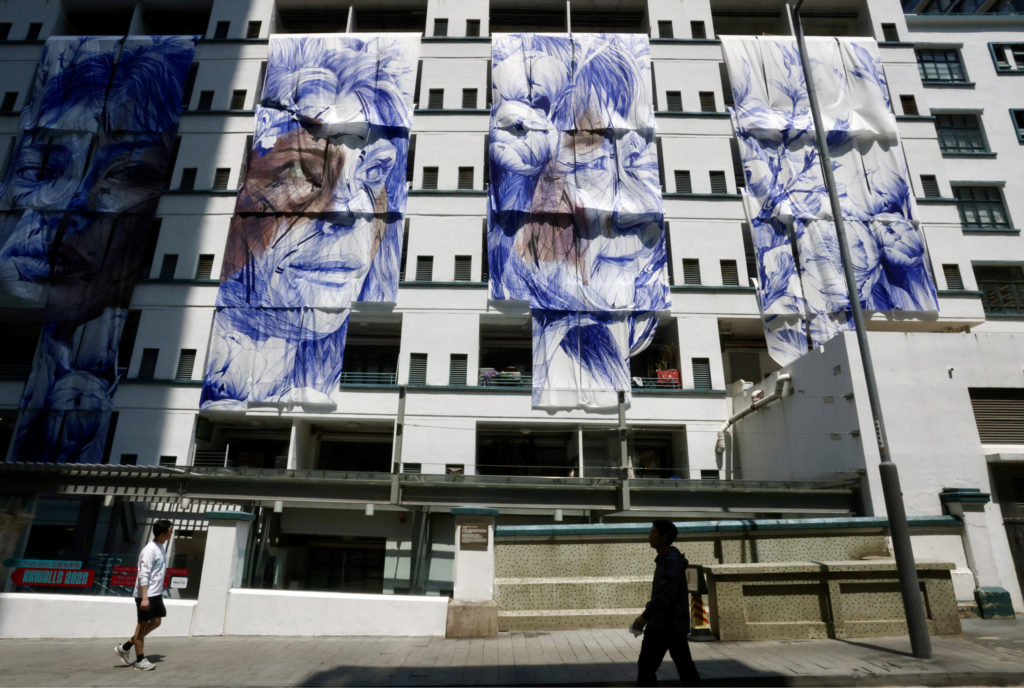
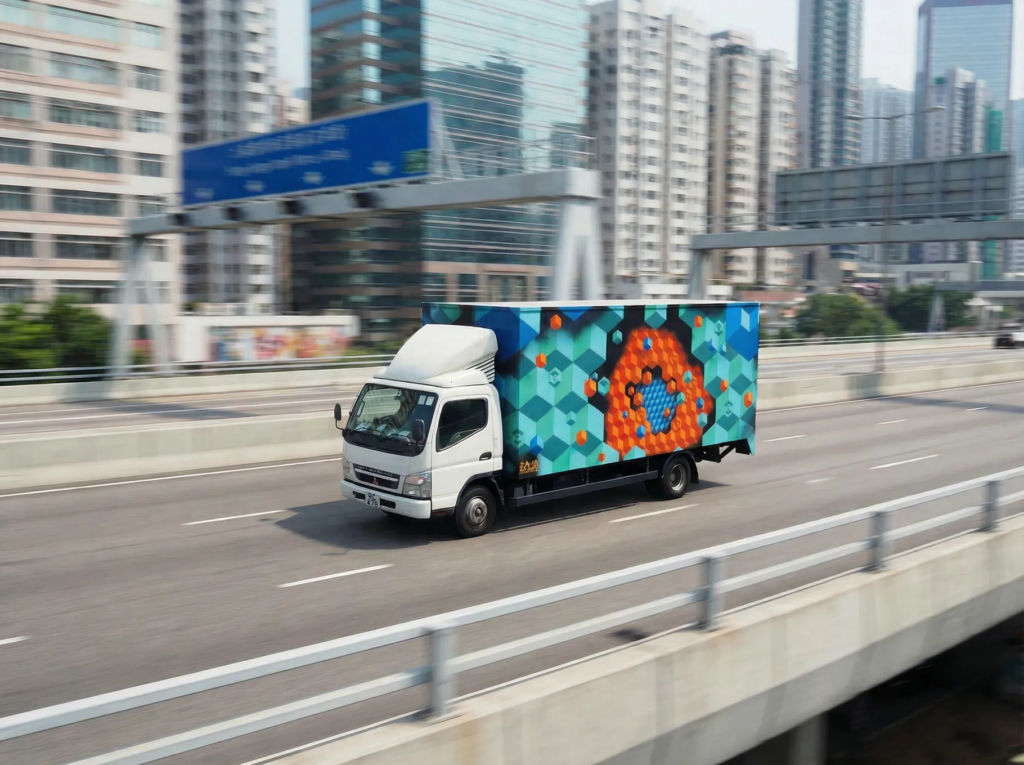
Art on the Move, HKwalls, 2026. Courtesy of HKwalls.
Running alongside the fairs, HKwalls brings a different kind of presence to the week. Instead of being contained within galleries or institutions, it spreads across the city, appearing on building facades, in public spaces, and sometimes where you don’t expect it.
Now in its 11th edition, the festival brings together artists from across different countries, each working on large-scale murals, installations, and live projects. A lot of it unfolds in real time, which changes how you encounter the work. You might come across a finished piece, or you might see it still in progress, with the process becoming part of the experience.
This year, projects are centered around areas like PMQ and the Central district, but they extend beyond fixed locations. One of the newer additions includes moving works, art placed on delivery trucks that travel through the city, turning everyday routes into temporary exhibition spaces.
Compared to the fair, the structure here is much looser. There’s no set path, no defined way to see everything. You come across work while walking between places, or you choose to follow specific routes and see where they lead.
It’s also one of the more accessible parts of the week. You don’t need a ticket, and you don’t need to plan much in advance. You just have to look around a bit more closely.
Across all of this, a few exhibitions keep coming up in conversation.
Five Shows Worth Your Time
If you’re stepping away from the fair, a few gallery exhibitions have been drawing steady attention this week. Spread across the city, these are the ones worth prioritizing right now.
Jaffa Lam – Asteroid J-734
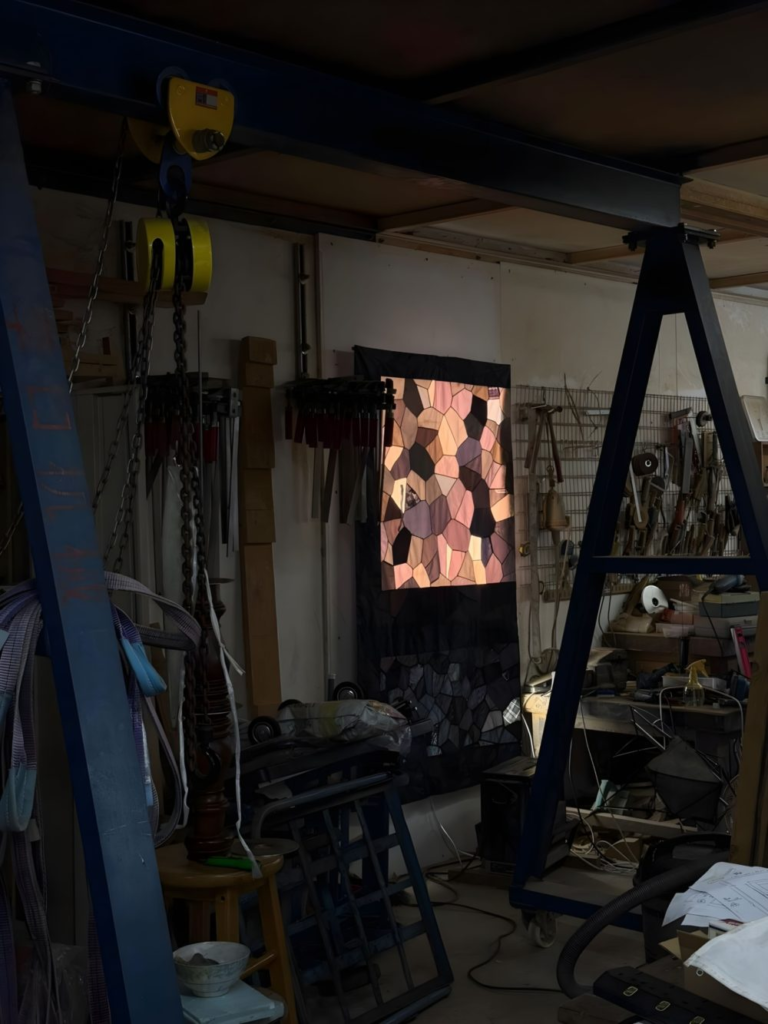
Jaffa Lam, “Window” series. Courtesy the artist and Axel Vervoordt Gallery.
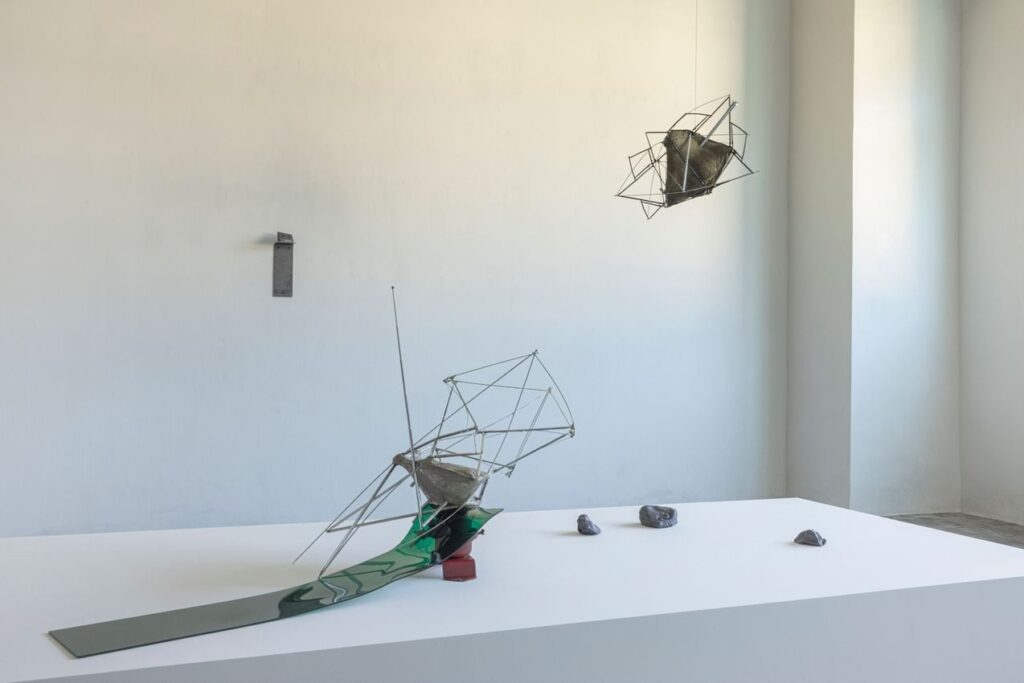
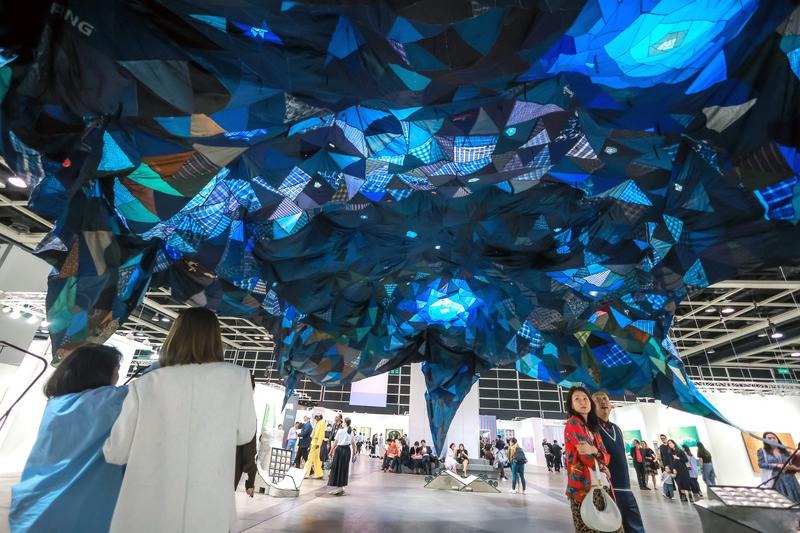
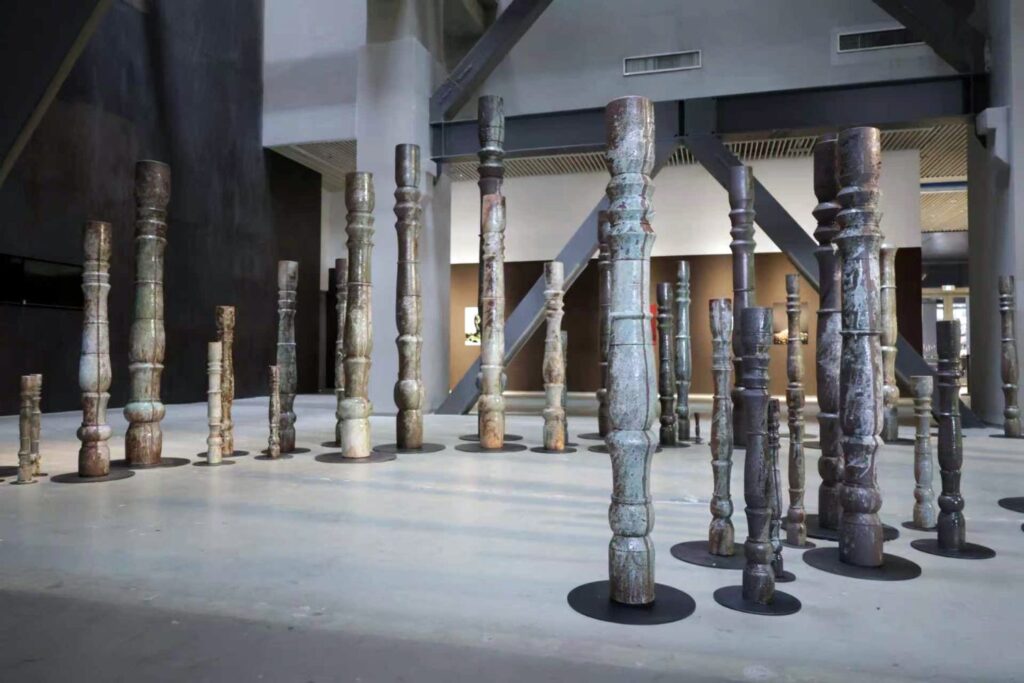
Jaffa Lam’s Asteroid J-734 brings together a body of work that feels both materially grounded and personally reflective. Known for her use of found and repurposed materials, Lam continues that approach here, working with textiles, industrial remnants, and everyday objects that carry traces of their previous lives.
At the center of the exhibition is a sense of return, both physical and emotional. Developed in part during a residency in Longquan, the works connect that experience with her ongoing practice in Hong Kong. Materials sourced from both places sit alongside each other, creating a dialogue that feels quiet but deliberate.
Her long-running engagement with umbrella fabric appears again in the Window series, where the material is reworked into layered compositions. These pieces don’t rely on immediate impact; instead, they build slowly, drawing attention through texture, repetition, and the weight of accumulated detail.
There’s also a more introspective shift in this body of work. The exhibition reflects on loss and distance, but without becoming overtly narrative. Instead, that sense of absence is embedded in the way materials are handled, stitched, suspended, or left slightly unresolved.
What stands out is the balance between structure and fragility. The installations hold their form, but they never feel fixed. They remain open, allowing the viewer to move through them without a single, defined reading.
Chan King Long – What Hums in the Rain
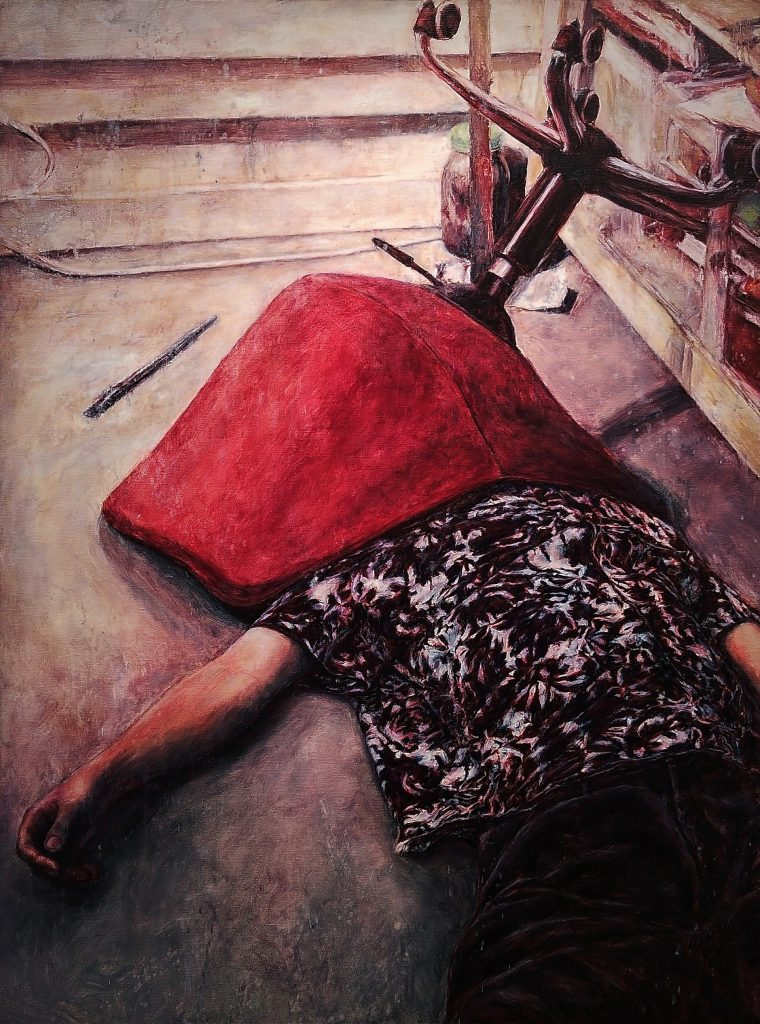
Chan King Long, Ken, The Sheltered Person(2026). Courtesy the artist and Contemporary by Angela Li.
Chan King Long’s What Hums in the Rain moves in a more restrained direction, built around paintings that hold on to small, often unresolved moments. At first glance, the scenes can feel ordinary, figures resting, objects slightly out of place but the longer you stay with them, the more they begin to shift.
There’s a sense of quiet tension running through the work. Forms are familiar, but not entirely stable. Faces are partially obscured, gestures feel interrupted, and compositions often sit just on the edge of clarity. Rather than presenting a fixed narrative, the paintings seem to pause within it.
Much of the work reflects on the pace and pressure of the present moment, though it never becomes direct or illustrative. Instead, that sense of instability appears through the surfaces themselves, soft transitions, muted contrasts, and a careful balance between presence and absence.
The exhibition also creates a different kind of viewing experience compared to the rest of the week. It doesn’t ask for immediate attention. It asks for time. You move through it more slowly, noticing how each painting holds a slightly different emotional register.
What stays with you is not a single image, but a lingering mood. The works don’t resolve fully, and that lack of resolution feels intentional, leaving space for the viewer to complete what’s only partially shown.
Lap-See Lam – Bamboo Palace, Revisited
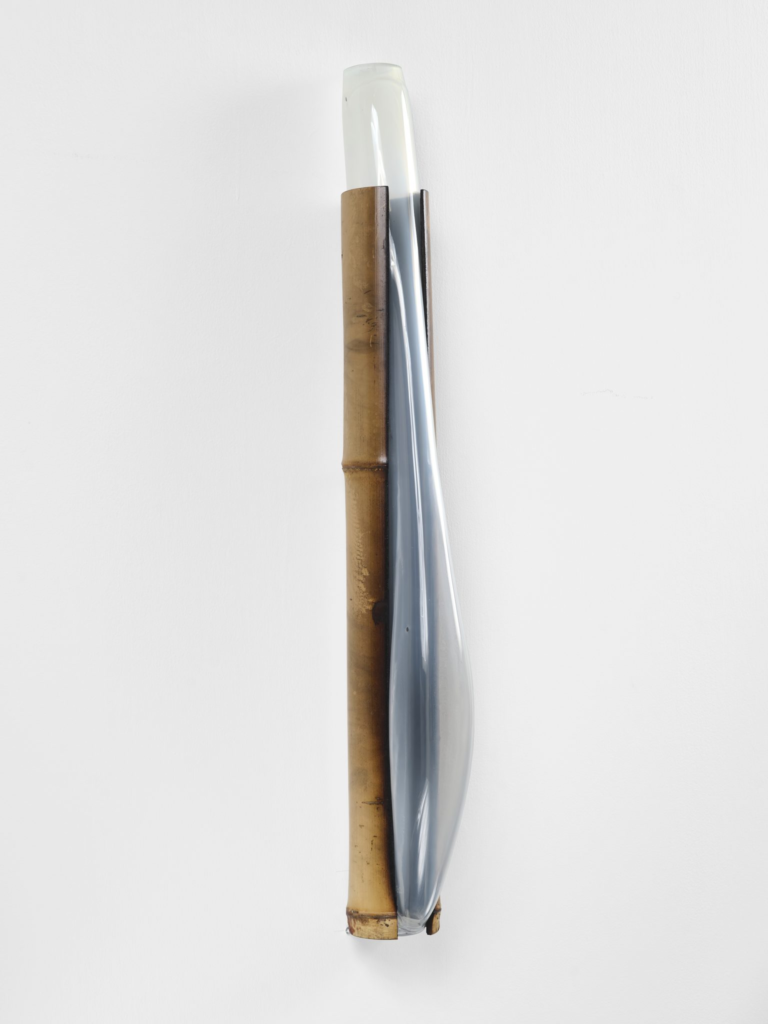
Lap-See Lam, Breath, Vessel (I) (2026). Image courtesy of artist and Blindspot Gallery.
Lap-See Lam’s Bamboo Palace, Revisited builds on her ongoing interest in migration, memory, and inherited narratives, bringing together sculpture, moving image, and installation. The works draw from cultural symbols connected to Hong Kong, but they are never presented as fixed references, they shift, fragment, and reappear in altered forms.
At the center of the exhibition is a moving image work that revisits the figure of Lo Ting, a hybrid human-fish being often associated with local mythology. Rather than treating it as folklore, Lam uses it as a way to think through ideas of displacement and belonging, particularly within diasporic experience.
Material plays a central role here. Bamboo, traditionally associated with structure and resilience, appears in tension with glass, fragile, transparent, and easily broken. This contrast runs through the exhibition, where strength and vulnerability are not opposites but coexist within the same forms.
Several of the sculptural works feel deliberately unstable, as if they are held together just enough to remain intact. A glass raft, for instance, suggests movement and transition, but also exposure. It carries a sense of being in-between, neither fully anchored nor entirely adrift.
The exhibition doesn’t move in a straight line. Instead, it layers references, personal, cultural, and imagined, allowing them to overlap without fully resolving. What emerges is less a single narrative and more a shifting space, where memory is continuously being re-formed rather than preserved.
Dinh Q. Lê – Remembrance: A Tribute to the Work of Dinh Q. Lê
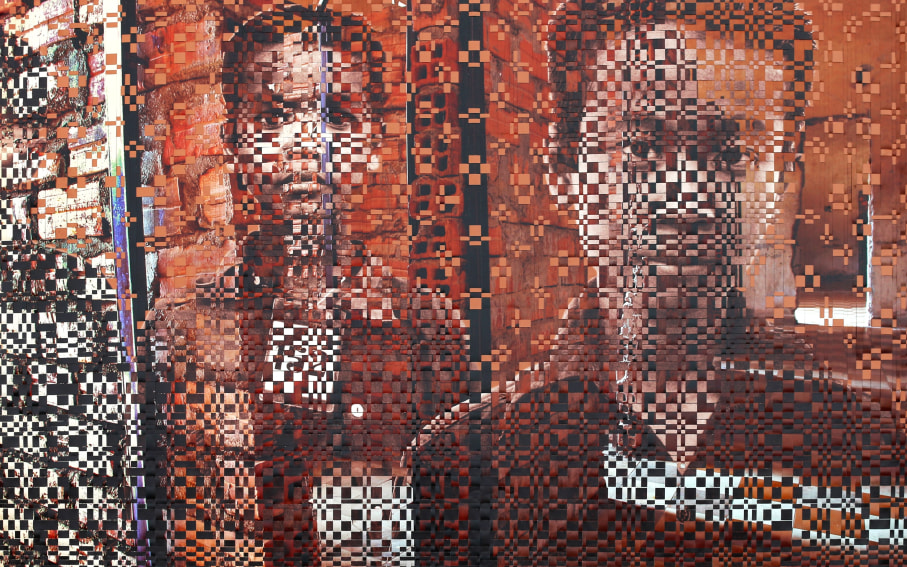
Dinh Q. Lê, Untitled (from the Hill of Poisonous Tree Series), 2008 C-prints and linen tape, 119 x 180 cm
Dinh Q. Lê’s Remembrance brings renewed focus to a practice that has long examined how history is constructed and remembered. Rather than presenting a single narrative, the exhibition moves through layered images and materials that complicate how events are seen and understood.
Central to his work is the photo-weaving technique, where photographic fragments are cut, interlaced, and reassembled into dense, textile-like surfaces. From a distance, the images appear cohesive, but up close they begin to break apart, revealing multiple visual sources woven together. The effect is disorienting in a quiet way, familiar images shift, overlap, and resist a fixed reading.
Much of his practice has engaged with the visual legacy of the Vietnam War, but not in a direct or documentary sense. Instead, the work focuses on how those images circulate, through media, archives, and collective memory and how they are reshaped over time. Personal and public histories sit alongside each other, often indistinguishable.
In the context of this exhibition, that approach feels especially considered. It’s less about revisiting specific events and more about looking at how images themselves carry and alter meaning.
What remains consistent is the tension between clarity and fragmentation. The works never fully settle into a single interpretation, and that instability is what gives them their lasting impact.
Zheng Zhuo – Seeking Traces
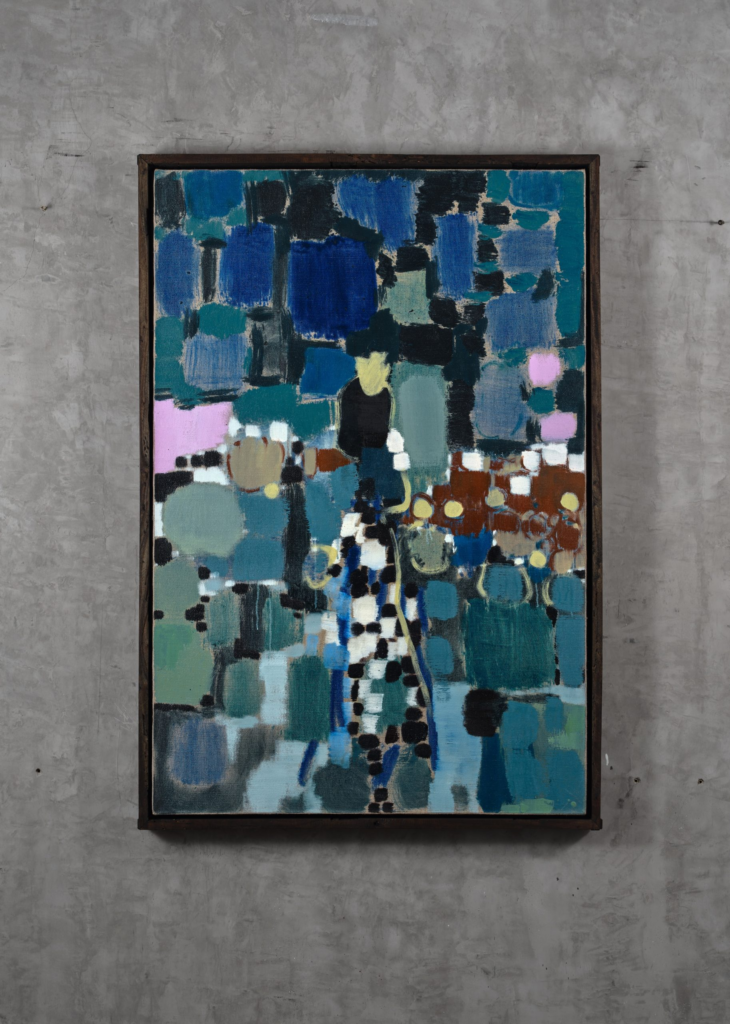
Zheng Zhou, Chilly, 2025. Image courtesy of the artist and Kiang Malingue
Zheng Zhuo’s Seeking Traces marks a shift toward a more open, less structured approach to painting. Earlier works often held onto figures, even if loosely defined, but here those forms begin to dissolve, giving way to broader fields of color and more fluid compositions.
The paintings are built through layers that don’t fully settle. Shapes appear and recede, edges soften, and compositions feel in motion rather than fixed. There’s a sense of immediacy in the way the surfaces are handled, as if each work is responding to itself while it’s being made.
Color plays a central role, not as a descriptive tool but as a way to structure the canvas. Blocks of pigment spread unevenly, sometimes clashing, sometimes merging, creating a rhythm that guides how the work is read. It’s less about what is being depicted and more about how the painting holds together.
The reference to the I Ching, with its focus on change and duality, sits quietly behind the work, but it doesn’t dominate it. Instead, that idea of constant transformation comes through in the instability of the compositions themselves.
What stands out is the openness of the paintings. They don’t lead you toward a single interpretation. Instead, they remain unresolved, allowing meaning to shift depending on where you focus and how long you stay with them.
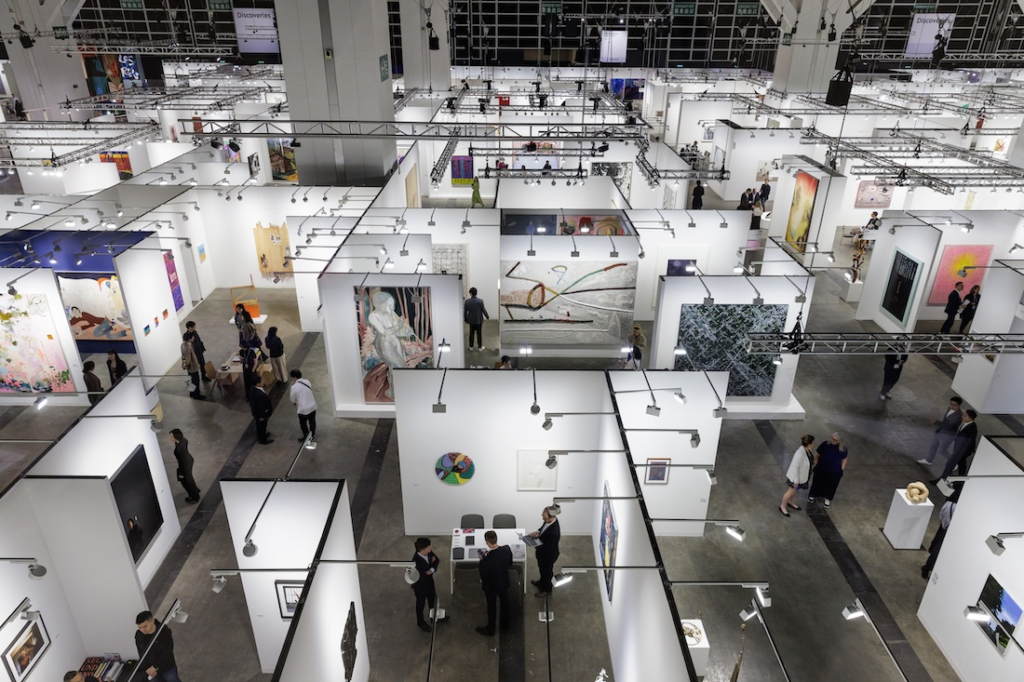
Art Basel Hong Kong 2025 ABHK25, General Impressions, PR, MC. Courtesy of Art Basel.
As the week moves into its final days, the pace doesn’t necessarily slow, it just becomes more selective. You start returning to the same places, spending more time where something holds your attention, and letting the rest fall away.
Whether you stay within the fair or move out into the city, what matters is less about how much you see and more about what you choose to make time for.
So, what’s on your list before the week wraps up?