

The Latest in the Art World: From Art Dubai’s Shift to Market Recovery and Rising Voices
Across the art world this week, a series of overlapping recalibrations, economic, institutional, and cultural are coming into sharper focus, pointing to what feels like the latest in the art world today. A major international fair like Art Dubai adapts in response to geopolitical instability, while a modest market rebound signals cautious optimism at the top end. At the same time, new forms of visibility continue to reshape how art circulates from album artwork entering museum collections to renewed attention on self-taught artists and community-driven practices. Together, these developments reflect an art world navigating uncertainty while simultaneously expanding its narratives, platforms, and points of access.
Art Dubai Postpones 2026 Edition Amid Regional Conflict
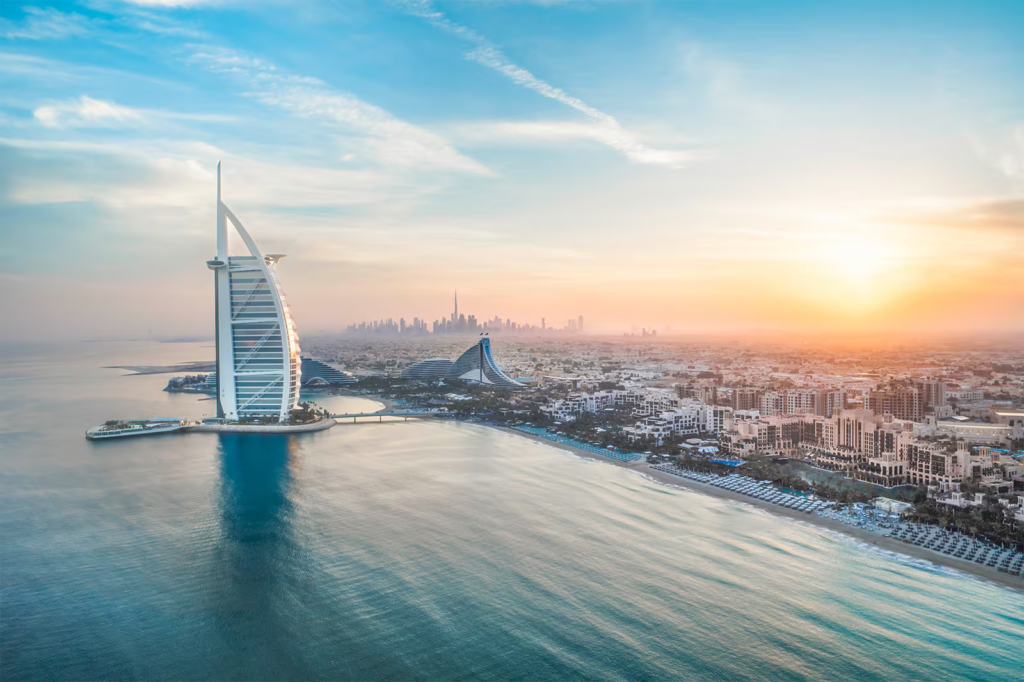
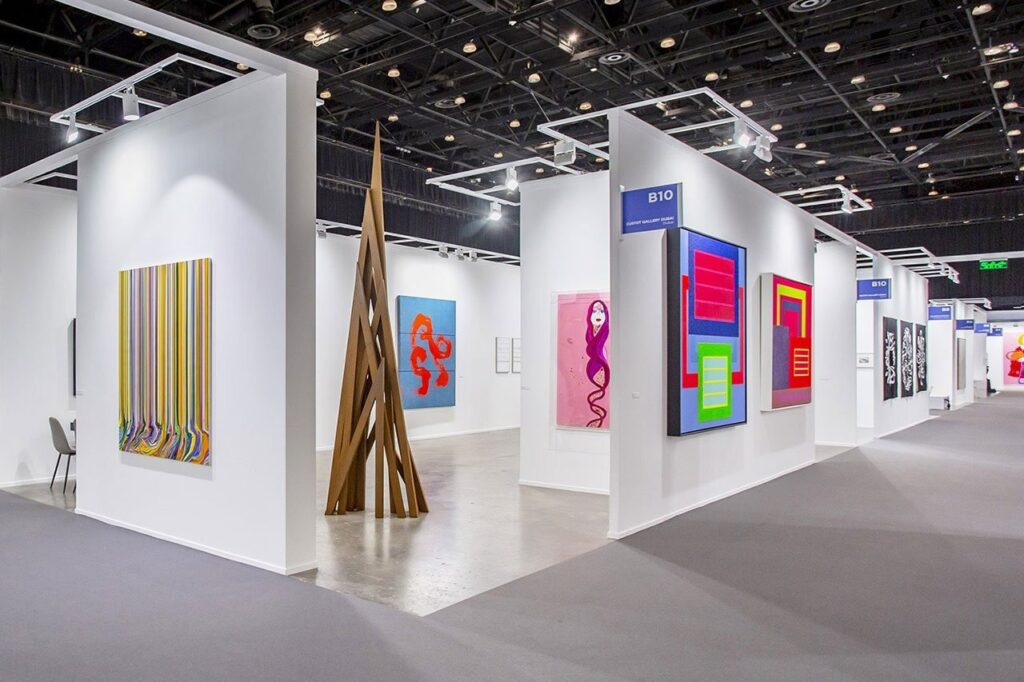
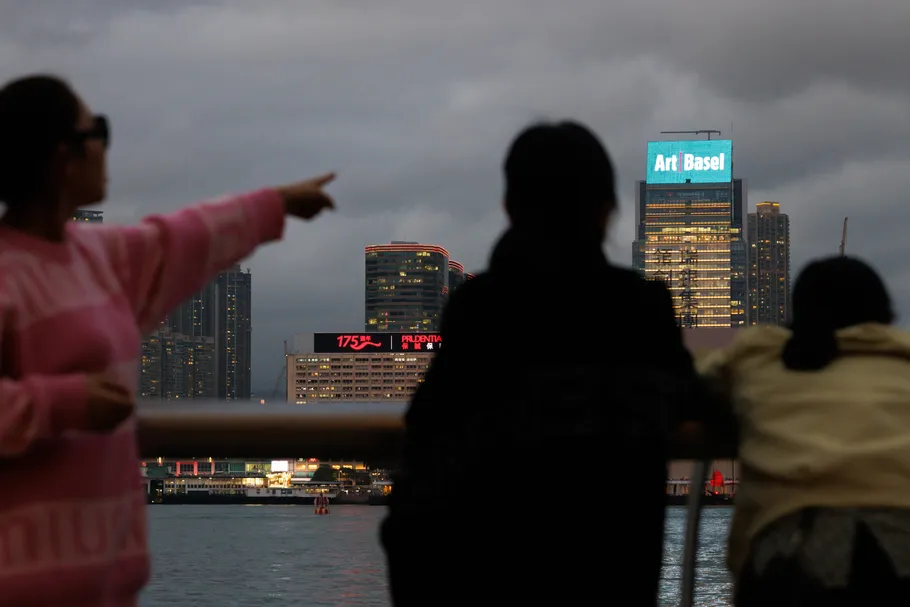
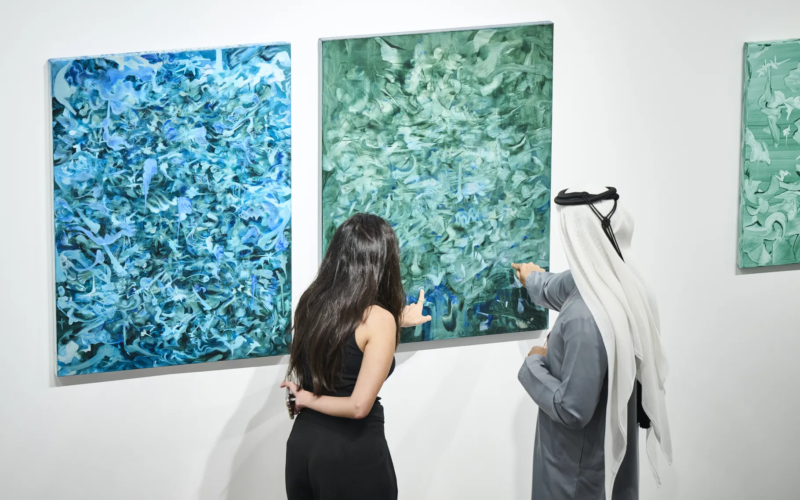
Art Dubai 2026 will postpone and restructure its upcoming edition in response to escalating conflict across the Gulf, with organizers confirming the decision following consultations with galleries, artists, and institutional partners. Originally scheduled for April, the fair’s 20th anniversary edition will now take place from May 14 to 17 at Madinat Jumeirah, maintaining its position within Dubai’s broader cultural calendar.
Rather than proceeding in its usual format, the fair will adopt what organizers describe as a more “focused and flexible” model. This revised approach places greater emphasis on curated presentations, collaborations, and public programming, signaling a shift away from the traditional commercial fair structure while still aiming to sustain engagement across the regional art ecosystem.
The decision comes amid heightened geopolitical tensions following recent military escalations involving the United States, Israel, and Iran, which have impacted travel, safety advisories, and public life across the region. In the United Arab Emirates, precautionary measures led to temporary closures of major cultural institutions, including Jameel Arts Centre, Sharjah Art Museum, and New York University Abu Dhabi, while Sharjah Art Foundation suspended tours and programming.
Commercial galleries have also been affected, particularly within Alserkal Avenue, where several spaces temporarily closed. These include Leila Heller Gallery, Firetti Contemporary, Taymour Grahne Projects, and Perrotin.
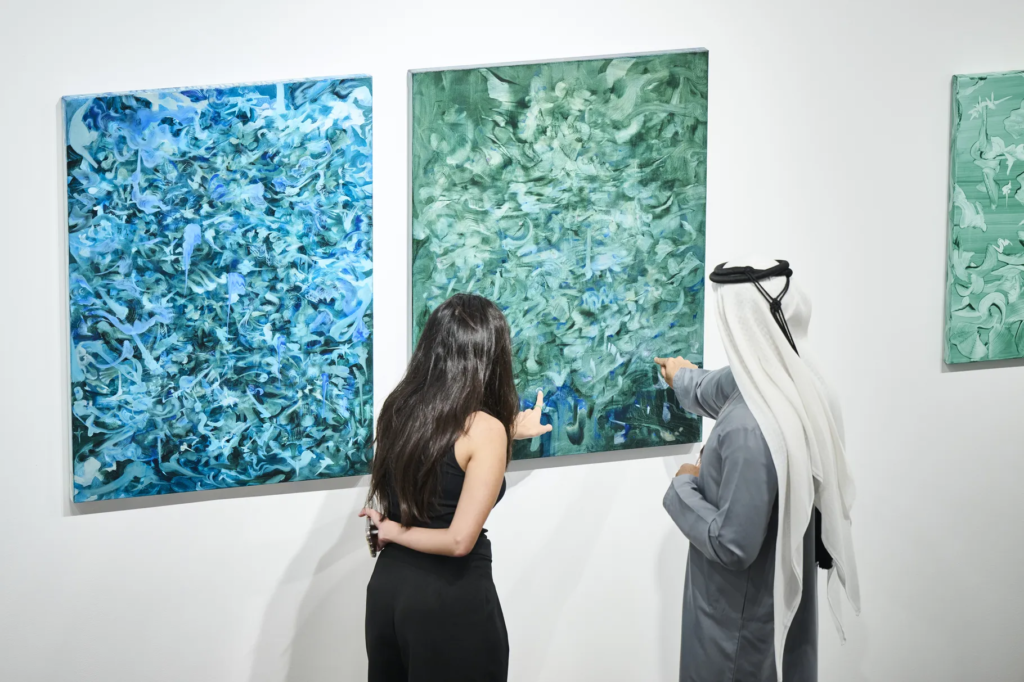
Despite these disruptions, Art Dubai’s organisers have emphasised the importance of continuing to provide a platform for artists and galleries in the region. The adapted edition reflects an attempt to balance safety concerns with cultural continuity, underscoring the fair’s role as a key node within the Middle East’s contemporary art landscape.
Lily Allen’s West End Girl Portrait Debuts at London’s National Portrait Gallery
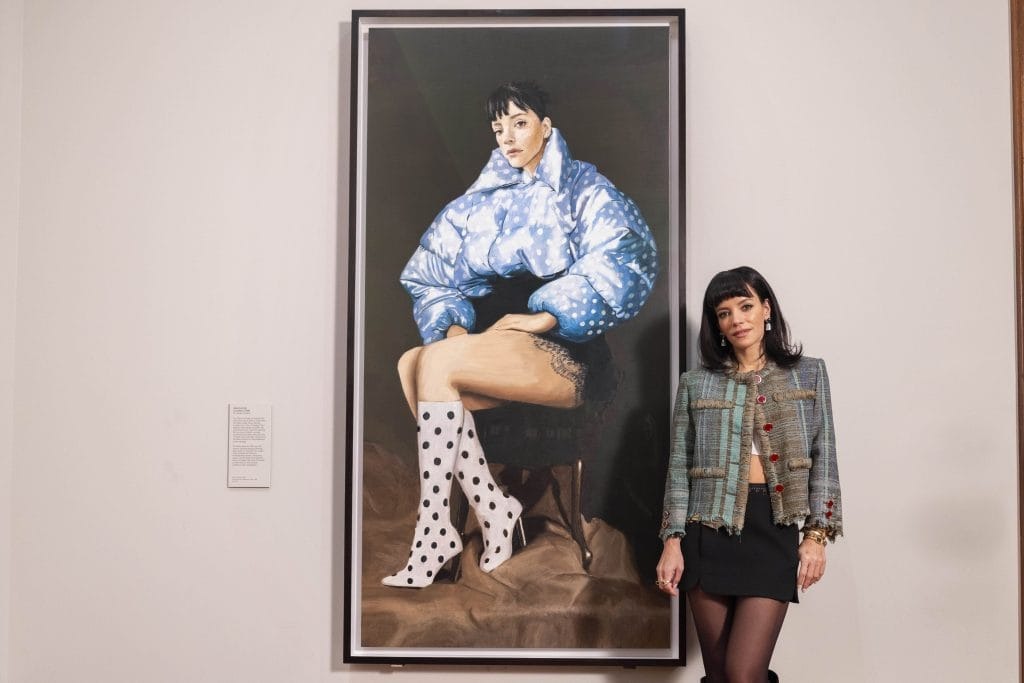
A portrait of Lily Allen created for the cover of her recent album West End Girl has entered a new context, making its public debut at National Portrait Gallery. Painted by Spanish artist Nieves González, the work is now on view in London, marking both a significant institutional moment for the artist and a crossover between contemporary music and portraiture.
The painting, owned by Allen, was loaned to the museum by the artist herself. Its display reflects the National Portrait Gallery’s ongoing focus on figures who shape contemporary culture, positioning Allen not only as a pop figure but as a subject within a broader historical lineage of portraiture. The work is currently installed alongside pieces featuring cultural icons such as David Beckham, Amy Winehouse, and David Hockney.
González’s portrait draws on the visual language of Spanish Old Masters while incorporating distinctly contemporary elements most notably her recurring motif of figures in puffer jackets. This blending of historical technique with modern styling has become central to her practice, and the widespread response to the album cover helped bring her work to a global audience.
The commission itself originated through Allen’s creative director, highlighting the increasingly fluid relationship between music, fashion, and contemporary art. For González, the museum presentation marks a milestone: it is her first appearance in a major British institution, signaling a growing recognition of her work beyond commercial and digital platforms.
By moving from album artwork to museum display, West End Girl reflects a broader shift in how cultural production circulates, where images created for popular media can quickly enter institutional spaces, reshaping traditional boundaries between fine art and mass culture.
Meryl Streep Makes Seven-Figure Donation to National Women’s History Museum
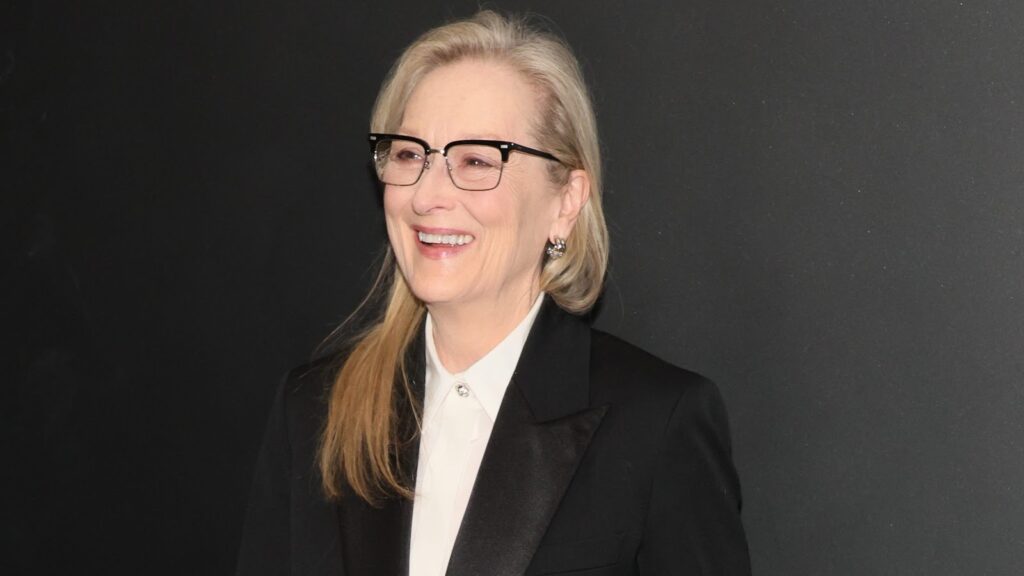
Meryl Streep has made a seven-figure donation to the National Women’s History Museum, reinforcing ongoing efforts to expand the visibility and preservation of women’s histories. The contribution will support the museum’s digital-first initiatives, including storytelling platforms designed to bring narratives of women’s achievements into classrooms, homes, and broader public discourse.
Founded in 1996, the National Women’s History Museum operates as a nonprofit institution dedicated to documenting and advancing the recognition of women’s contributions across cultural, social, economic, and political spheres. Streep’s donation aligns with the museum’s mission to ensure these histories are not only preserved but actively integrated into education and public memory.
In a statement accompanying the announcement, Streep emphasized the role of storytelling in shaping collective understanding, noting that history is defined as much by those who preserve it as by those who create it. Her contribution will also establish the annual Meryl Streep Educator Award, which will honor individuals advancing the teaching of women’s history. The inaugural recipient is set to be recognized at the Women Making History Awards later this year.
The museum’s leadership framed the gift as both a financial and symbolic gesture, highlighting Streep’s longstanding engagement with narratives centered on women’s lives. The organization has played a key role in advocating for the forthcoming Smithsonian American Women’s History Museum, further positioning itself at the center of efforts to institutionalize women’s histories within the United States.
Streep’s donation underscores a broader movement within the cultural sector toward expanding whose stories are preserved and amplified particularly through digital platforms that extend access beyond traditional museum spaces.
Churchill Painting Makes First U.K. Appearance in Chartwell Exhibition
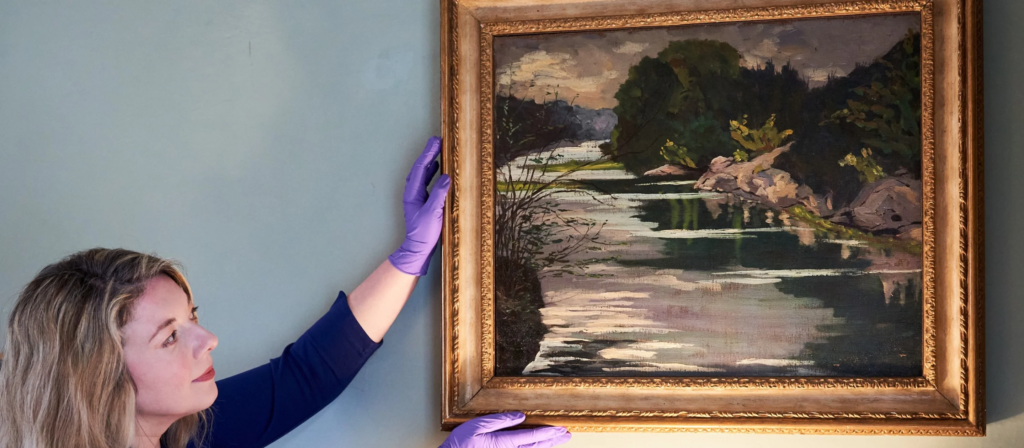
A painting by Winston Churchill is being shown publicly in the United Kingdom for the first time as part of a new exhibition at Chartwell, the statesman’s former residence. Titled Quiet Waters, the work anchors Churchill the Artist, an exhibition exploring Churchill’s lesser-known yet prolific engagement with painting.
On loan from the Beaverbrook Canadian Foundation, the painting was originally gifted by Churchill in 1959 to his friend Max Aitken. More atmospheric and subdued than much of his output, Quiet Waters reflects a quieter, introspective dimension of Churchill’s artistic practice.
Organized by the National Trust, the exhibition situates the painting alongside personal artifacts, including Churchill’s paint-splattered overalls and steel-framed spectacles, objects that offer insight into his creative routine. Over the course of five decades, Churchill produced more than 500 paintings, often turning to art as a means of respite from political life.
Curators emphasize the psychological role painting played for Churchill, framing it as both an escape and a form of personal restoration. His engagement with art began in 1915 following the political fallout of the Gallipoli campaign, eventually becoming a lifelong practice that paralleled his public career.
The exhibition also highlights Churchill’s connection to painter Alfred Munnings, who encouraged him to exhibit his work and supported his acceptance into the Royal Academy of Arts, making Churchill the only amateur artist to be named an Honorary Academician Extraordinary.
Running through November, the exhibition offers a more intimate view of Churchill, not as a political figure, but as an artist navigating moments of reflection, solitude, and creative expression.
Sam Doyle’s Narrative Portraits Gain Momentum at New York’s Outsider Art Fair
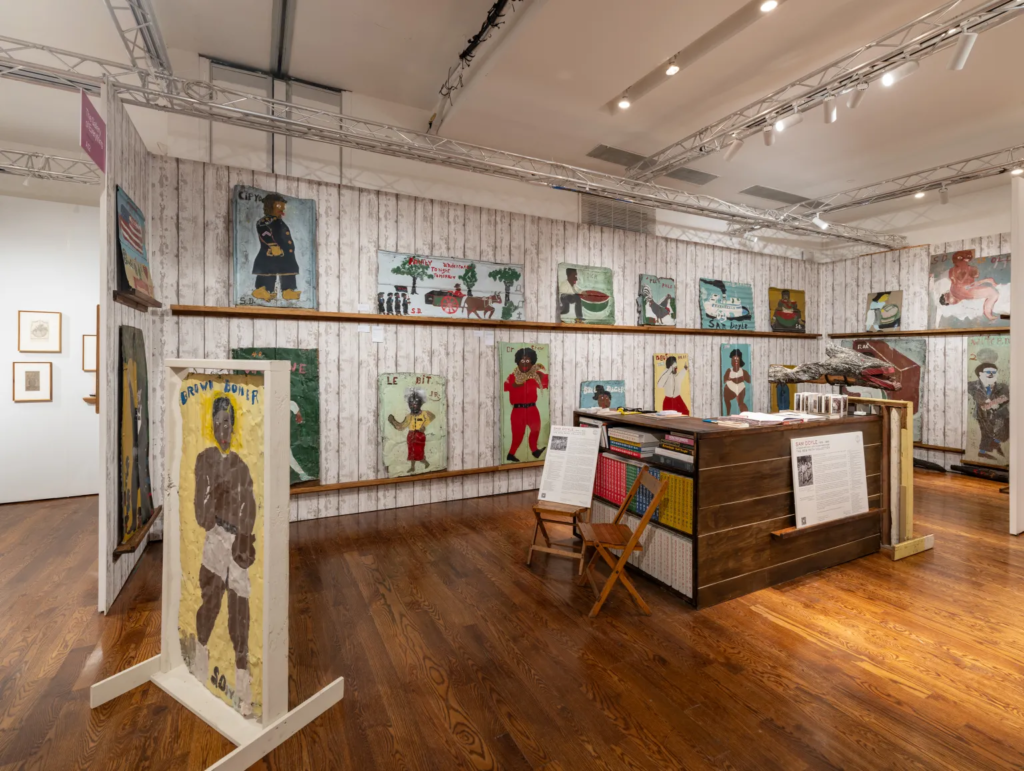
A solo presentation of works by Sam Doyle has emerged as a standout at this year’s Outsider Art Fair, bringing renewed attention to the late Gullah artist’s narrative-driven portraits. Organized by London’s Gallery of Everything, the booth recreates the environment of Doyle’s original display practice in his front yard on St. Helena Island, where he first exhibited his work.
Born into the Gullah community, Doyle developed his practice independently, often painting on salvaged materials such as wood and metal using house paint. His portraits depict a wide range of figures, from cultural icons like Jackie Robinson and Joe Louis to members of his local community, reflecting a visual language that places public and personal histories on equal footing.
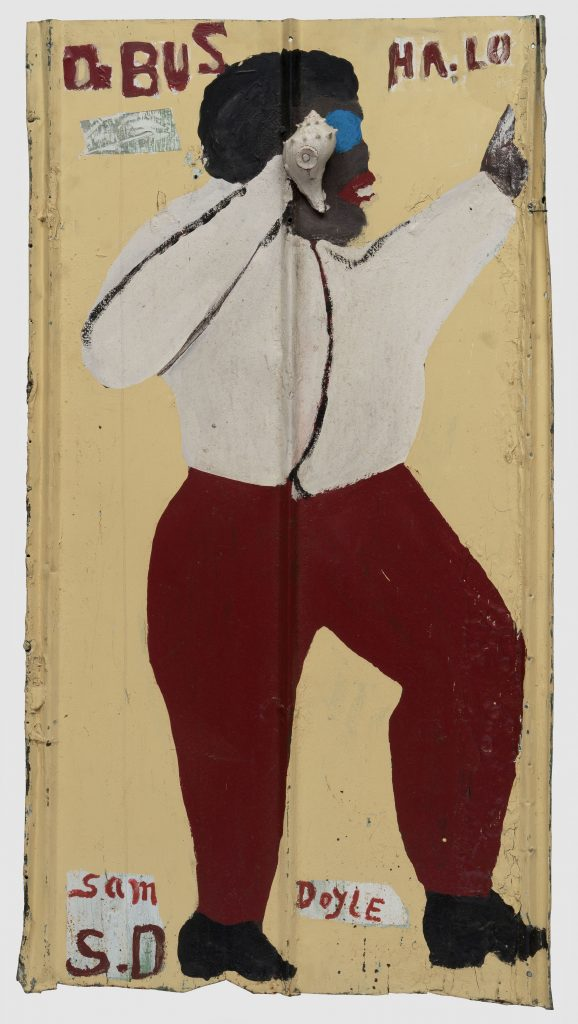
Among the works on view is Dr. Bus Ha.Lo. (c. 1980–85), a portrait of a local “root doctor,” which is being offered for sale publicly for the first time. Priced at $85,000, the work comes from the collection of Bob Roth, a founding member of Intuit Art Museum, and represents the highest-priced piece in the presentation.
Doyle’s market has shown steady growth in recent years, with increasing visibility across both institutional and commercial contexts. His current auction record stands at $204,000, reflecting a broader rise in interest in self-taught and “outsider” artists. Early support from figures such as Jean-Michel Basquiat who collected Doyle’s work and shared it within his circle, including Andy Warhol, further underscores the artist’s longstanding cultural relevance.
Today, Doyle’s work is held in major museum collections, including the High Museum of Art, the Los Angeles County Museum of Art, the Philadelphia Museum of Art, and the Museum of Fine Arts, Houston. His presence at the Outsider Art Fair highlights not only a continued reassessment of his practice, but also a wider shift toward recognizing artists working outside traditional academic and market frameworks.
Taken together, this week’s developments reveal an art world operating across multiple registers where market signals, institutional programming, and cultural production intersect in increasingly complex ways. While economic recovery remains uneven, shifts in visibility, representation, and format suggest a broader transformation underway. From global fairs adapting to crisis to museums and collectors redefining whose stories are seen and preserved, the latest in the art world points not to a single dominant trend, but to an evolving ecosystem, one that is becoming more responsive, more inclusive, and more fluid in how it engages with both local and global contexts.