





How Artists Can Apply to Art Galleries
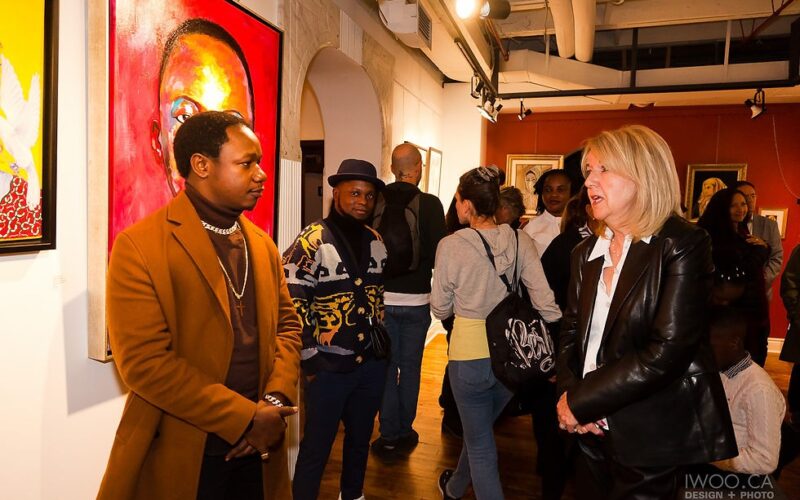
Gallery representation has long been considered a defining moment in an artist’s career, an entry point into a wider network of collectors, curators, and institutions. While today’s art world offers more independent pathways than ever before, the role of galleries remains both relevant and influential. The right gallery does more than exhibit your work; it places it within a larger conversation, advocates for your practice, and helps shape its trajectory over time. Yet applying to galleries is rarely as simple as sending a portfolio and waiting for a response. It is a process that demands research, clarity, and a strong understanding of where your work belongs. Rather than approaching it as a numbers game, artists must think of it as a search for alignment, between their practice and a space that can genuinely support and expand it. In the sections ahead, we break down how to apply to art galleries thoughtfully, from research to outreach and everything in between.
Understanding the Role of Galleries Today
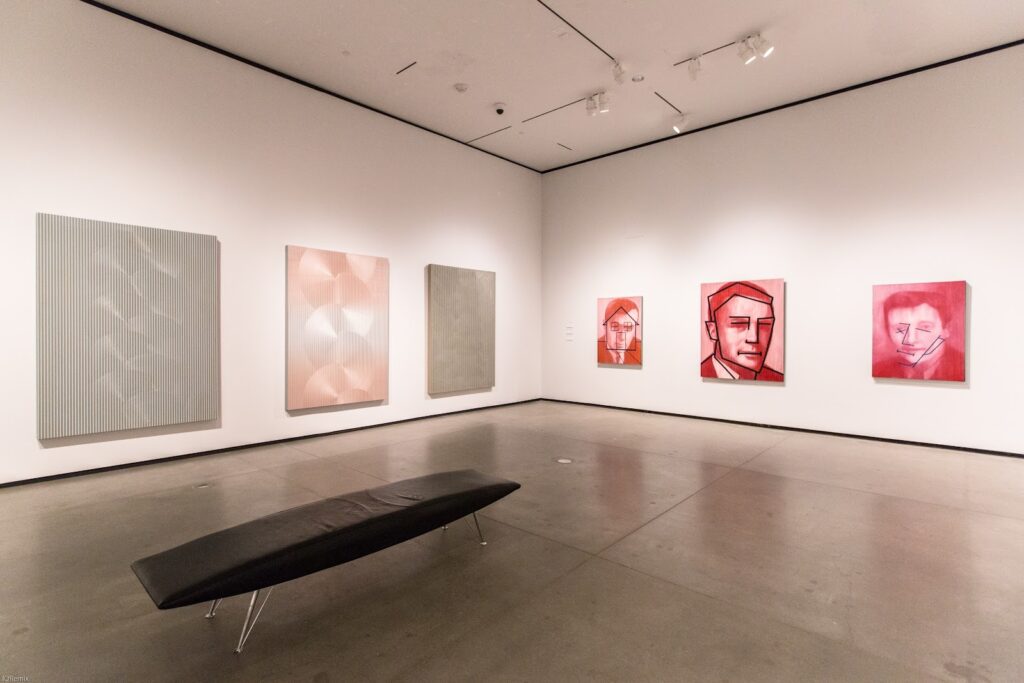
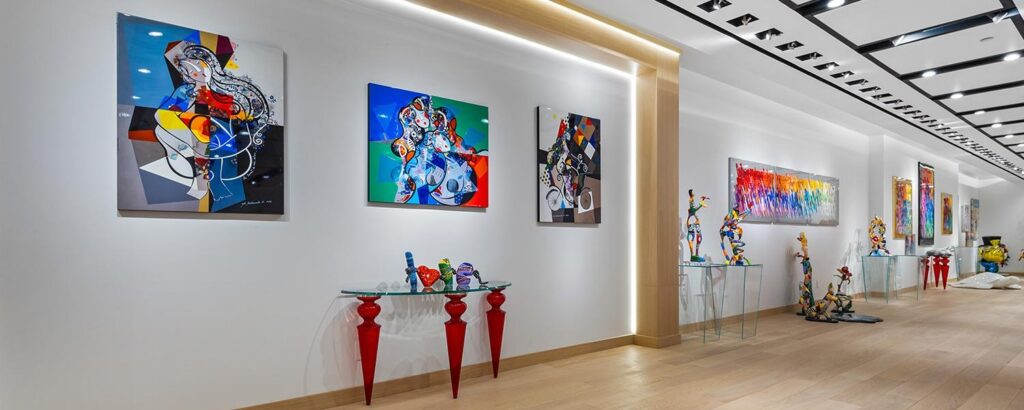
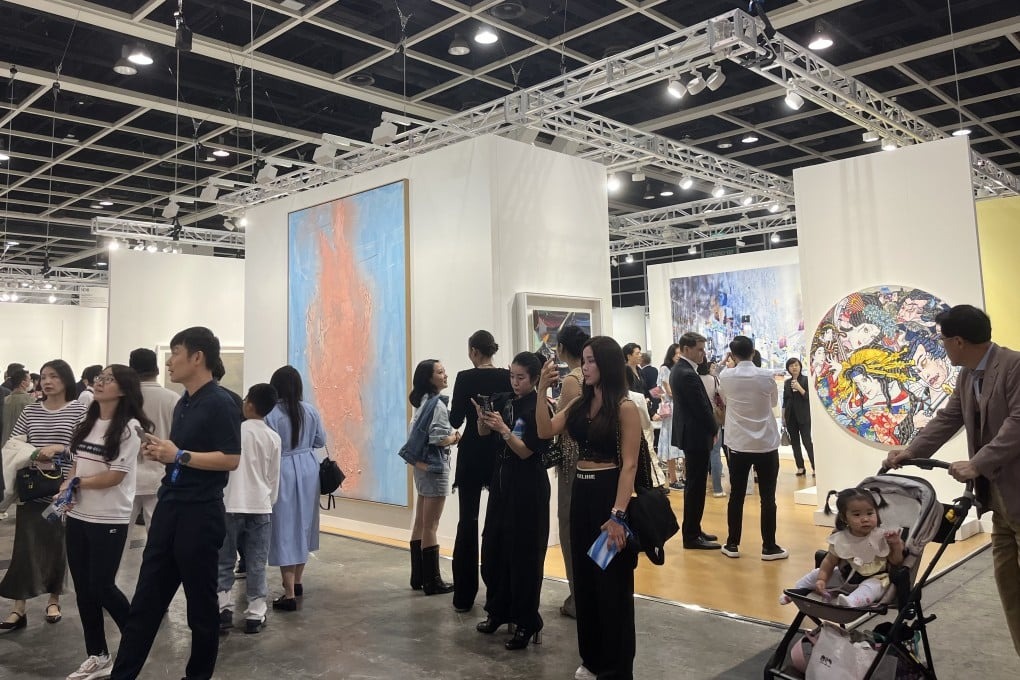
For decades, gallery representation has been seen as a defining milestone in an artist’s career, a signal of recognition, validation, and entry into a wider art ecosystem. While the rise of digital platforms has shifted how artists connect with audiences and collectors, galleries continue to hold a distinct and valuable role. They do not simply exhibit work; they contextualize it, advocate for it, and place it within larger cultural and commercial conversations.
A strong gallery partnership can open doors that are otherwise difficult to access independently. From participation in art fairs and curated exhibitions to introductions to collectors, curators, and institutions, galleries operate as both amplifiers and mediators of an artist’s practice. However, this relationship is not automatic, nor is it purely aspirational, it is strategic. Not every gallery is right for every artist, and not every artist is ready for representation at every stage.
Approaching galleries, then, should not be treated as a numbers game. It is less about being seen everywhere and more about being seen in the right places. The process requires reflection as much as action: understanding your work, your trajectory, and the kind of context in which it can meaningfully exist. When approached thoughtfully, gallery applications are not just about gaining representation, they are about finding alignment between your practice and a space that can support and extend it.
Researching the Right Fit

Before reaching out to any gallery, the most important work happens quietly, behind the scenes. Research is often underestimated, yet it is the foundation of a strong application. Galleries are highly specific in their programming, they develop distinct visual languages, audiences, and market positions over time. Understanding these nuances is essential if you want your work to be taken seriously within that context.
Start by looking closely at the artists a gallery already represents. Notice patterns: recurring themes, mediums, scales, or conceptual approaches. Try to imagine your work alongside theirs, not in isolation, but as part of a group exhibition. Does it feel cohesive, or does it stand apart in a way that disrupts the gallery’s direction? This exercise can be surprisingly revealing.
Beyond aesthetics, consider the gallery’s operations. Do they participate in art fairs? Do they publish catalogues or invest in long-term career development for their artists? Even subtle details, such as how consistently they update their website or document exhibitions, can indicate how they function professionally.
If possible, visiting galleries in person offers an added layer of understanding. The atmosphere, the way staff engage with visitors, and the physical presentation of work all contribute to the overall experience. When in-person visits are not feasible, their online presence becomes even more important.
Ultimately, applying to a gallery should feel like a considered decision, not a hopeful guess. The more precisely you understand a gallery, the more convincingly you can position your work within it.
Developing a Cohesive Body of Work
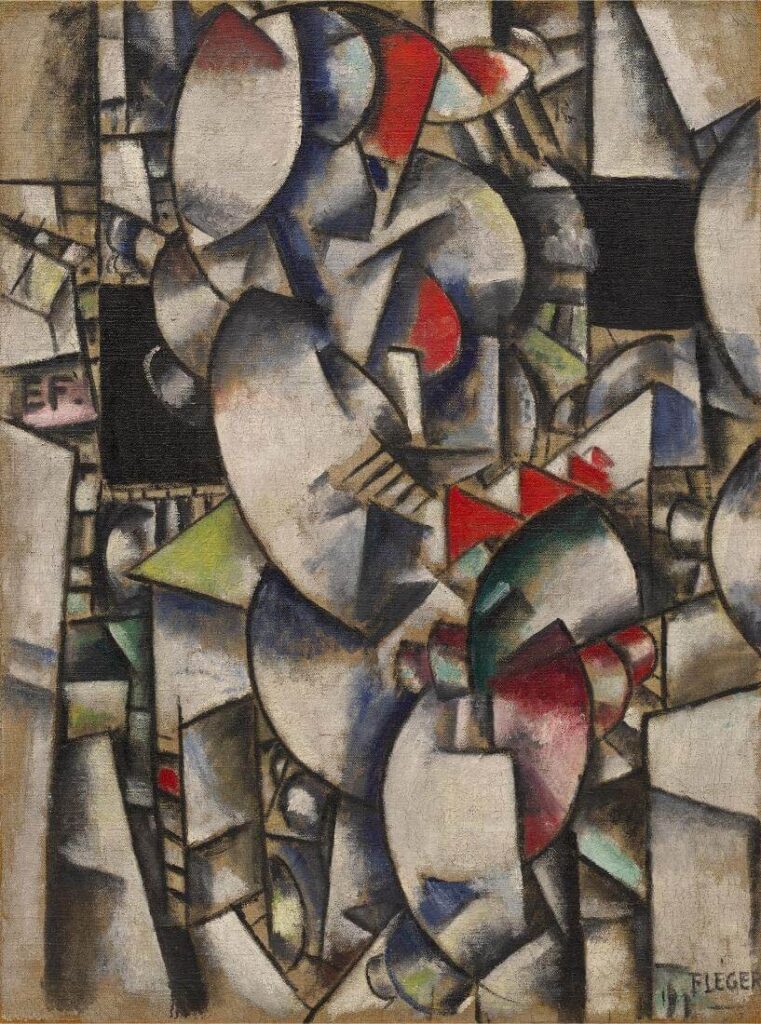
One of the most common misconceptions among emerging artists is that a few strong works are enough to secure gallery interest. In reality, galleries are rarely evaluating individual pieces in isolation, they are assessing the depth and consistency of an entire practice. What they are ultimately asking is not “Is this work good?” but “Is this artist ready?”
A cohesive body of work demonstrates more than technical ability; it reflects clarity of thought. It shows that you have spent time developing an idea, refining a visual language, and exploring it across multiple works. This does not mean repetition or uniformity, but rather a sense of continuity, an underlying thread that connects each piece to a larger investigation.
Equally important is volume. Galleries need to envision how your work would function within their space, often across a full exhibition. If your portfolio is limited, it becomes difficult for them to imagine that possibility. Having a substantial number of works, whether currently available or documented, signals readiness and commitment.
This stage also requires a degree of self-editing. Not everything you create needs to be shown. Selecting work that feels aligned and intentional is part of presenting yourself professionally. Think of your portfolio as a narrative rather than a collection, it should guide the viewer through your practice with clarity and purpose.
In many ways, this is the moment where your work begins to speak for you. And in the context of gallery applications, it needs to do so with confidence.
Presenting Yourself Professionally
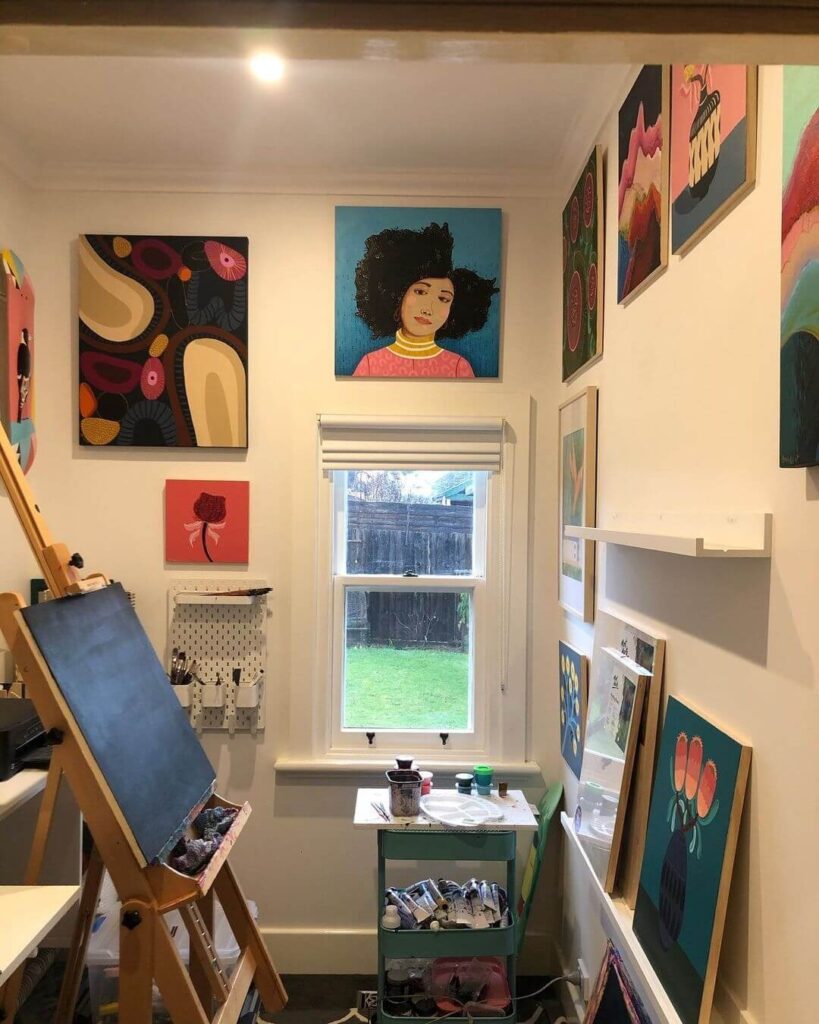
First impressions in the art world are often subtle, but they carry significant weight. Before a gallery ever meets you or sees your work in person, they will likely encounter you through your website, your email, or your digital portfolio. These elements, while seemingly straightforward, shape how your practice is perceived.
A well-structured website is essential. It should be clear, uncluttered, and easy to navigate, allowing your work to take center stage. High-quality images are non-negotiable; they are often the only way your work will be experienced initially. Alongside this, your artist statement, biography, and CV should be accessible and thoughtfully written, not overly complex, but precise enough to communicate your intent and trajectory.
Your email address and domain name may seem like small details, but they contribute to the overall impression of professionalism. Using your name, rather than unrelated or casual identifiers, reinforces your identity as an artist operating within a professional context.
What matters most is coherence. Everything, from your visuals to your written materials, should feel aligned with your practice. If your work is minimal and considered, your presentation should reflect that. If your work is bold and expressive, that energy can be carried through in how you communicate.
In essence, presenting yourself professionally is not about appearing formal or distant. It is about making it easy for others to understand your work, trust your practice, and take you seriously within a competitive and highly selective environment.
Writing and Sending the Application
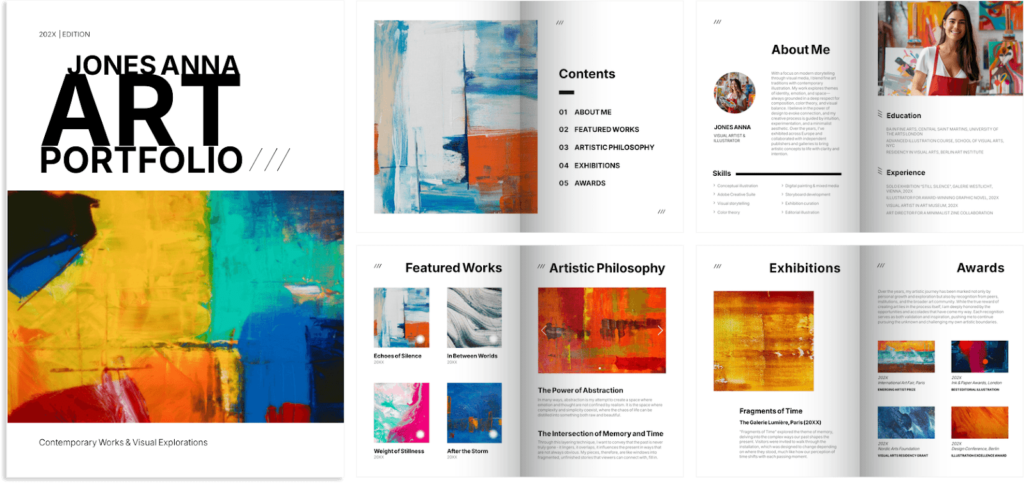
Reaching out to a gallery is often the most intimidating step, but it is also where clarity and restraint matter most. A strong application is not about saying everything, it is about saying the right things, succinctly and thoughtfully.
If a gallery provides submission guidelines, these should be followed precisely. Ignoring them, even unintentionally, can signal a lack of attention to detail. When no specific instructions are given, a brief and well-structured email is usually sufficient. Addressing the email to a specific, rather than a generic greeting, immediately makes your approach feel more considered.
The content of your message should be direct yet personal. Introduce yourself, explain why you are interested in that particular gallery, and offer a concise description of your work. This is where your research becomes important, referencing specific aspects of the gallery’s program demonstrates genuine engagement rather than a generic outreach.
Include a link to your website and, if appropriate, attach a small selection of images or a single, well-organized PDF portfolio. Avoid overwhelming the recipient with excessive attachments or long explanations. The goal is to invite further interest, not exhaust it.
It is also important to respect boundaries. Social media messages, repeated follow-ups, or overly persistent communication can work against you. A measured, professional approach is far more effective.
At its best, your application should feel like the beginning of a conversation, clear, confident, and grounded in a genuine understanding of where your work might belong.
Building Relationships Beyond the Application
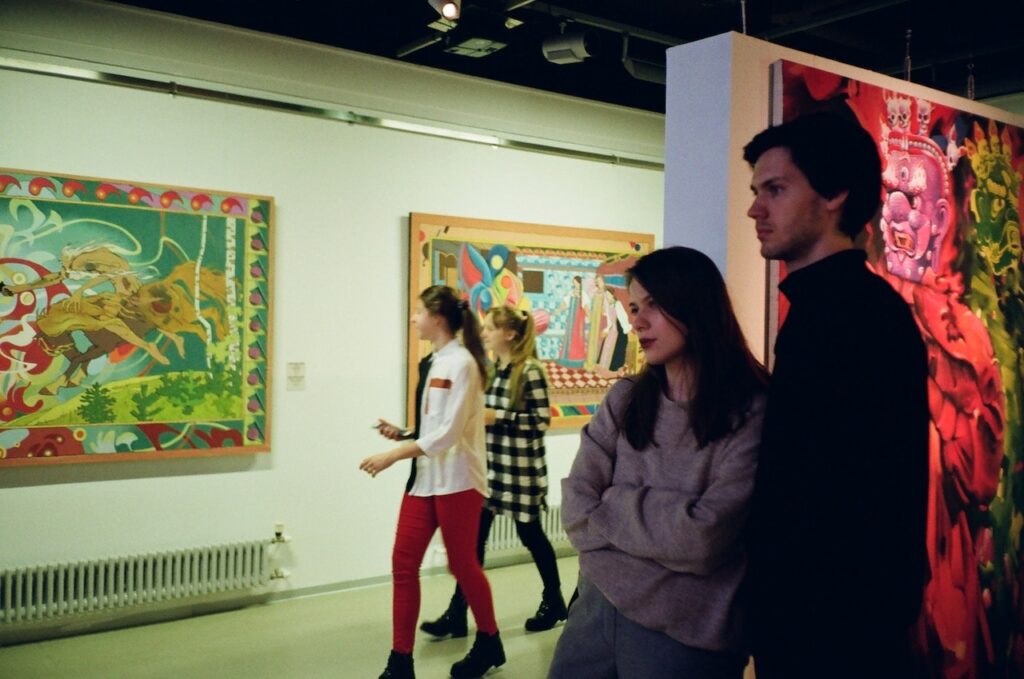
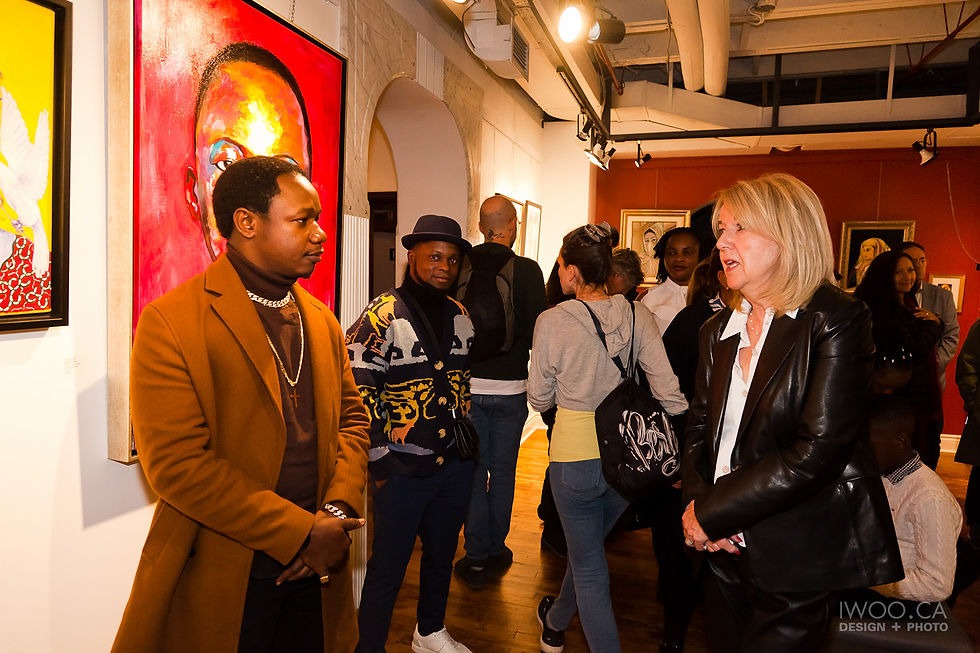
While formal applications are an important pathway, many gallery relationships develop more organically over time. The art world, despite its global reach, is deeply rooted in personal connections and ongoing conversations. Building these relationships does not require aggressive self-promotion, but rather consistent and thoughtful engagement.
Attending exhibitions, openings, and art events offers opportunities to understand galleries in a more immediate way. Observing how they present work, interact with visitors, and position their artists can provide insights that are difficult to gather online. These environments also create space for informal conversations, moments where introductions happen naturally rather than through structured outreach.
When speaking about your work in these contexts, clarity and confidence are key. Being able to articulate your practice concisely makes a lasting impression. This does not mean delivering a rehearsed pitch, but rather being comfortable sharing what you do and why it matters.
Following up after meeting someone can help maintain the connection, but it should be done with care. A brief message referencing your interaction is enough to keep the exchange open without feeling forced.
Over time, these small interactions accumulate. By the time you formally apply, your name or at least your work may already be familiar. In a competitive landscape, that familiarity can make a meaningful difference, turning your application from an introduction into a continuation of an existing dialogue.
Navigating Rejection and Moving Forward
Applying to galleries inevitably involves periods of silence, uncertainty, and rejection. Even strong applications often go unanswered, not necessarily because the work lacks merit, but because galleries operate within limited capacity and highly specific needs. Understanding this can help reframe the experience from one of personal failure to one of timing and alignment.
It is reasonable to follow up once, perhaps a week or two after your initial email, to confirm that your submission was received. Beyond that, persistence should give way to perspective. Continuing to send repeated messages rarely changes the outcome and can risk leaving an unfavorable impression.
Instead, it is more productive to redirect your energy toward your practice and other opportunities. Each application, regardless of the response, is part of a larger process of refinement of your work, your presentation, and your understanding of where you fit within the art landscape.
It is also worth remembering that representation is not the only measure of success. Many artists build meaningful, sustainable careers through alternative routes, including collaborations with curators, artist-run spaces, and independent projects.
Perhaps most importantly, applying to galleries requires a willingness to move past hesitation. Doubt can delay action far more than rejection ever will. Submitting your work, even when the outcome is uncertain, is an essential step in making your practice visible.
In the end, finding the right gallery is rarely immediate. It is something that develops over time through persistence, clarity, and a growing sense of where your work truly belongs.