

Why should you support Emerging Women Artists
Despite making up the majority of art students worldwide, women artists remain significantly underrepresented in galleries, museum collections, and the art market. Recognising this imbalance means choosing to support emerging women artists and ensuring that future artistic narratives reflect a broader range of voices within contemporary culture.
Emerging women artists entering the field today inherit both the opportunities created by this progress and the structural imbalances that still persist within the art world. For many early-career practitioners, building visibility, accessing institutional support, and sustaining a creative practice remain closely tied to the broader systems that shape artistic recognition.
In 1971, art historian Linda Nochlin published an essay that would permanently alter the way scholars think about art history. Titled Why Have There Been No Great Women Artists?, the question was deliberately provocative. Nochlin argued that the absence of women from the traditional artistic canon had little to do with talent and everything to do with the institutional structures that governed artistic opportunity. For centuries, academies, patronage systems, and professional networks determined who had access to artistic training, commissions, and visibility. These structures rarely treated women as equal participants. More than fifty years later, the art world appears dramatically different on the surface. Women artists exhibit internationally, participate in major biennials, and build global audiences through galleries and digital platforms. Yet the legacy of earlier institutional barriers still shapes how artistic recognition circulates.
Art history is often presented as a stable record of achievement, but in reality it evolves constantly. The artists remembered by museums and textbooks are shaped not only by individual brilliance but also by the institutions and collectors who decide which works are preserved, studied, and exhibited. Supporting women artists therefore involves more than acknowledging past exclusions. It requires questioning how the cultural landscape continues to distribute visibility, opportunity, and historical recognition.
A History That Still Shapes the Present
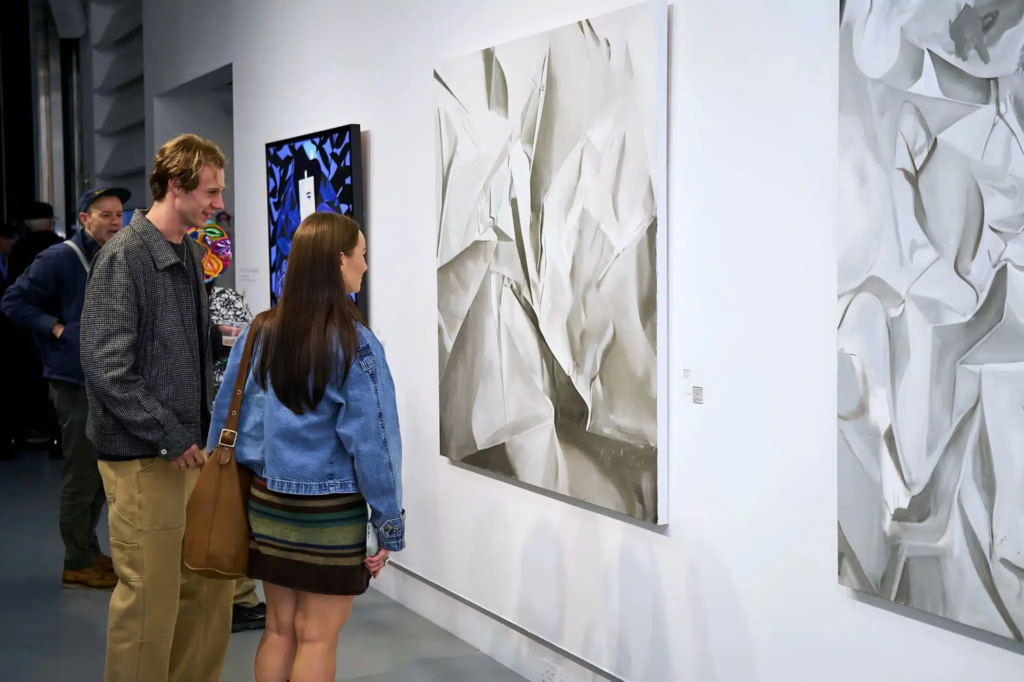
For much of history, artistic education was closely tied to formal academies and workshops that provided not only technical training but also access to patrons and professional networks. These institutions functioned as the gateways through which artists entered the cultural mainstream, yet women were frequently excluded from them or admitted under restrictive conditions. In Renaissance and Baroque Europe, for example, women were often denied entry to life-drawing classes, which were considered essential for mastering the human figure and competing for large historical commissions. Without this training, many women artists were pushed toward genres that society considered appropriate, including portraiture, botanical illustration, and still life. While these genres produced remarkable works of art, they rarely carried the same institutional prestige as monumental history painting or large public commissions.
Over time, these restrictions shaped the reputations of artists and the narratives that later defined art history. The absence of women from certain prestigious genres reinforced the impression that artistic genius was overwhelmingly male, even though the limitations were structural rather than creative.
Many women artists who worked during earlier periods of art history achieved considerable success during their lifetimes but later disappeared from mainstream narratives. Artists such as Artemisia Gentileschi, Judith Leyster, and Hilma af Klint produced work that rivaled or even anticipated developments attributed to their male contemporaries. Their rediscovery in recent decades has reshaped how scholars and curators understand artistic movements, demonstrating that the historical record often reflects institutional priorities rather than the full scope of artistic production. When archives are revisited and museum collections are reassessed, overlooked artists frequently reappear, revealing alternative narratives about how artistic innovation actually developed. These rediscoveries do more than restore individual reputations. They also challenge long-standing assumptions about who shaped the development of artistic movements and remind us that art history itself is constantly being rewritten as new perspectives emerge.
Visibility Has Grown – But Inequality Remains
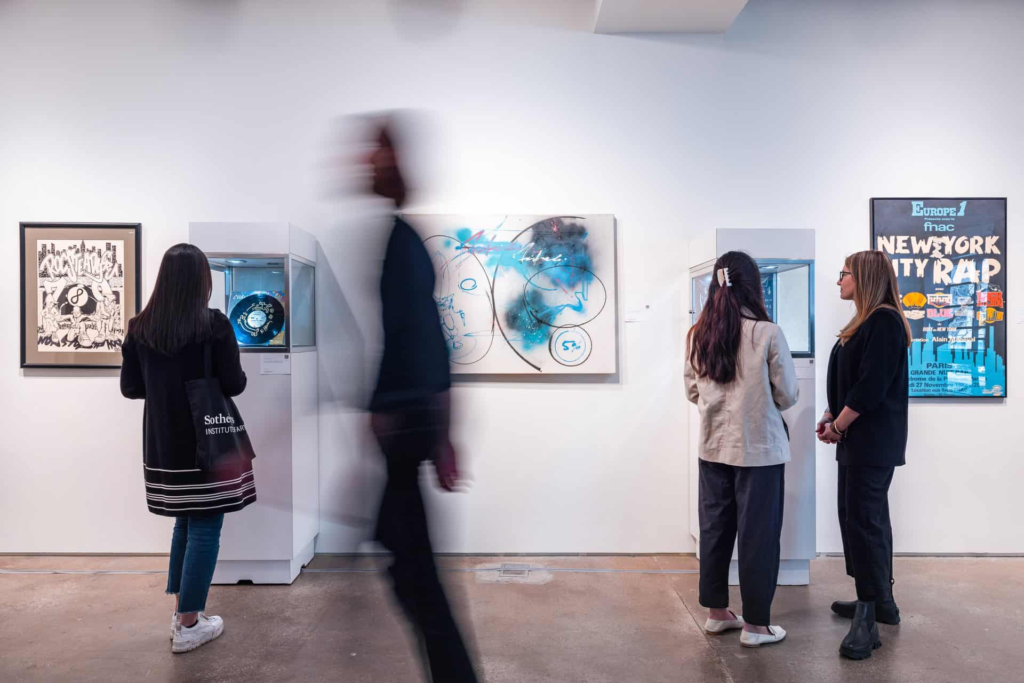
Today, women make up the majority of students enrolled in many art schools around the world. In several regions they represent more than sixty percent of emerging artists entering the field, suggesting that the future of contemporary art is already being shaped by a generation of women practitioners. Emerging women artists often experience this imbalance most directly. Many enter the professional art world in significant numbers yet encounter a gallery system, art market, and exhibition structure that continues to favor established networks and historically dominant narratives. Studies examining gallery rosters consistently show that fewer than a third of artists represented by major commercial galleries are women, and the disparity becomes even more pronounced in the secondary market, where works by male artists continue to dominate high-value auction sales and major private collections. Museum collections reveal similar patterns. Research conducted by institutions such as the National Museum of Women in the Arts has repeatedly highlighted the gender imbalance within permanent collections at major museums.
These patterns are not new. Throughout the twentieth century, many women artists struggled to gain institutional recognition even when their work profoundly influenced artistic discourse. A well-known example is Judy Chicago, whose monumental installation The Dinner Party (1974–79) celebrated women’s contributions to history through a large triangular table featuring place settings dedicated to historical female figures. Although the work is now widely recognized as a landmark of feminist art, it initially faced resistance from institutions and critics who questioned both its subject matter and its scale. Today, however, the installation occupies a permanent home at the Brooklyn Museum, reflecting the gradual shift in how institutions acknowledge the role of women artists within art history.
Museums build their collections gradually through acquisitions, donations, and bequests, meaning that the decisions made by earlier collectors continue to shape institutional holdings long into the future. As a result, even institutions committed to expanding representation must contend with the legacy of past priorities. Nevertheless, change is becoming increasingly visible. Curators, scholars, and collectors are questioning inherited assumptions about artistic value and historical significance, leading to exhibitions that revisit overlooked artists and acquisition strategies designed to broaden institutional narratives.
“Supporting women artists means shaping the cultural narratives that will define the future of art.”
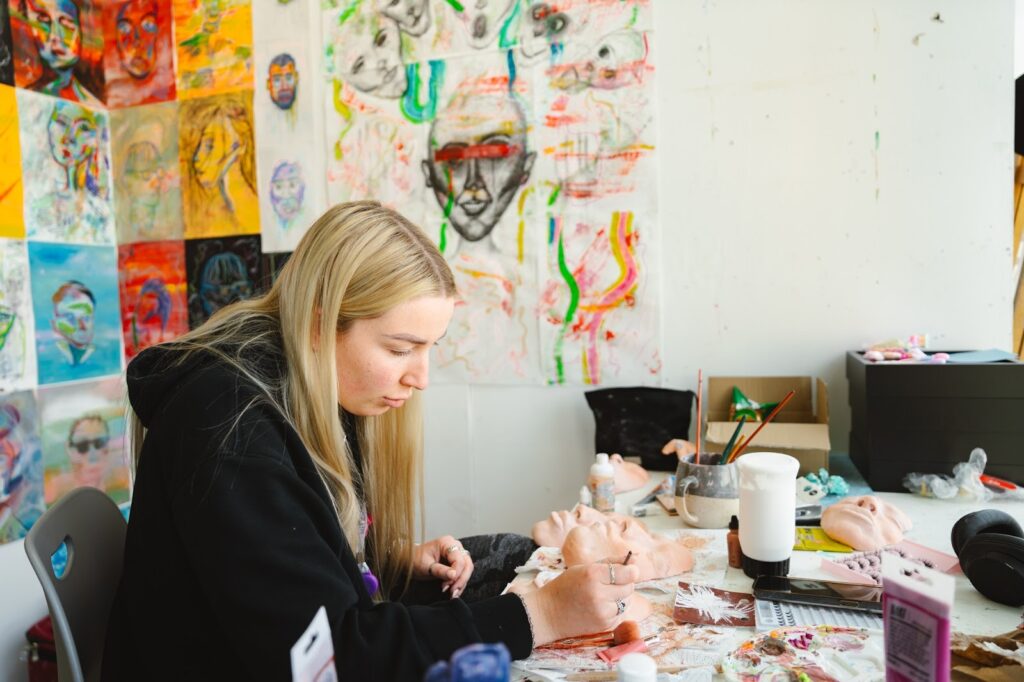
What Representation Changes
Representation influences far more than statistical balance within institutions. It shapes the perspectives through which audiences encounter and interpret art. Artists draw upon personal experience, cultural memory, and social context when creating work, and these influences inevitably affect the questions their work raises. When exhibitions and collections include a broader range of voices, viewers encounter a more layered understanding of artistic expression. Women artists have often explored subjects that earlier art historical narratives overlooked or minimized, including domestic space, bodily autonomy, memory, and everyday labor. By engaging with these themes, they challenge traditional hierarchies within art history and expand the range of topics considered worthy of artistic exploration.
Contemporary artists frequently engage with issues that intersect with gender, migration, class, and cultural identity, creating works that operate simultaneously as aesthetic experimentation and social reflection. Their practices demonstrate how artistic production can serve as both a visual language and a form of critical inquiry into the structures that shape society. In recent years, the growing visibility of women artists has also influenced how institutions approach exhibitions and curatorial practice. Large-scale exhibitions dedicated to women artists and thematic shows exploring gender and identity have introduced broader audiences to practices that previously received limited attention. At the same time, collectors and curators increasingly recognize that supporting diverse artistic voices strengthens the cultural ecosystem as a whole. When more perspectives enter the conversation, the boundaries of artistic experimentation expand, allowing new forms of storytelling and visual language to emerge.
Recognition Alone Is Not Enough
Increased visibility does not automatically translate into sustainable artistic careers. Artistic practice requires time, resources, and financial stability, conditions that remain unevenly distributed across the cultural sector. Digital platforms have transformed how artists share their work, allowing practitioners to reach global audiences through social media, online exhibitions, and international art fairs. These platforms have undoubtedly expanded opportunities for exposure, but they have not eliminated the financial challenges many artists face, particularly in the early stages of their careers. These challenges are often felt most strongly by emerging artists. Early-career women artists frequently navigate limited resources while attempting to build visibility, develop their practice, and secure opportunities within a highly competitive cultural landscape. Sustaining a practice often requires access to studio space, materials, travel, and the freedom to experiment without the constant pressure of economic insecurity.
Supporting women artists therefore involves more than appreciation or visibility; it requires tangible investment in the conditions that allow artistic work to flourish. Purchasing artworks, supporting exhibitions, funding residencies, and advocating for equitable representation within galleries all contribute to sustaining artistic practices. Programs such as the grant initiative established by Anonymous Was A Woman and advocacy networks like the Women’s Caucus for Art illustrate how financial and professional support can influence the long-term development of artists’ careers. These forms of support help create an environment in which artists can continue experimenting, producing, and contributing to the broader cultural landscape without being constrained by the economic instability that often accompanies creative work.
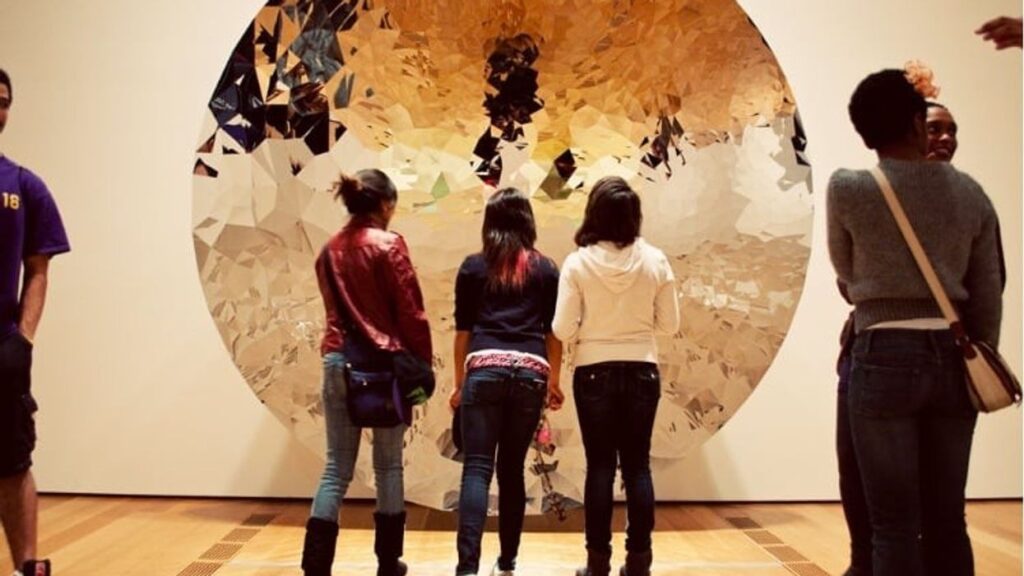
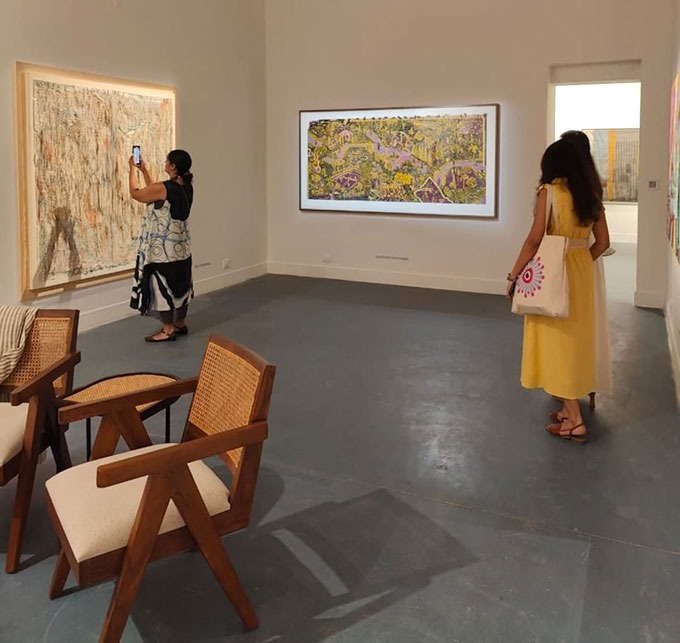
International Women’s Day offers an opportunity not only to celebrate the achievements of women across fields but also to reflect on the structures that continue to shape opportunity and visibility. In the arts, this reflection carries particular significance because museums, galleries, and publications play a powerful role in shaping cultural memory. The artists who are exhibited, written about, and collected today will influence how future generations understand the artistic landscape of our time. As institutions reassess their collections and curatorial priorities, the conversation around representation has become increasingly central to how the art world imagines its future.
The growing attention given to women artists in recent years suggests that the cultural sector is slowly reconsidering the narratives that have long defined artistic recognition. Curators, scholars, and collectors are beginning to recognize that representation influences not only fairness but also the richness of cultural discourse. Choosing to support emerging women artists today helps ensure that the next generation of artistic voices receives the visibility and resources needed to thrive. When artists from diverse backgrounds are given the space and support needed to sustain their practices, the result is an art world that reflects a broader range of experiences and ideas.
Supporting women artists, particularly those at the beginning of their careers, strengthens the cultural ecosystem itself. By supporting emerging women artists today, the art world helps ensure that creativity is not limited by historical exclusions but enriched by the diversity of voices shaping contemporary life.