
The 7 Women Artists You Should Know Right Now
As conversations around representation and visibility continue to evolve, women artists are playing an increasingly vital role in shaping the direction of contemporary art. Across painting, sculpture, photography, and installation, artists are exploring themes of identity, history, memory, and cultural transformation with new urgency and imagination.
In recent decades, museums, galleries, and international exhibitions have begun to recognize the depth and diversity of artistic voices that women bring to the global art landscape. Yet the significance of their work extends far beyond institutional recognition. Through their practices, these artists challenge historical narratives, expand artistic languages, and offer new perspectives on the world we inhabit.
From large-scale abstraction to intimate portraiture, the artists featured here represent a range of approaches and cultural perspectives. Their work demonstrates how contemporary art continues to evolve through experimentation, critical inquiry, and a commitment to telling stories that might otherwise remain unheard.
As we continue celebrating International Women’s Day, these artists remind us that contemporary art is not only shaped by tradition but also by the bold and imaginative voices redefining its future.
Simone Leigh: Reimagining Sculpture and Black Feminist Histories
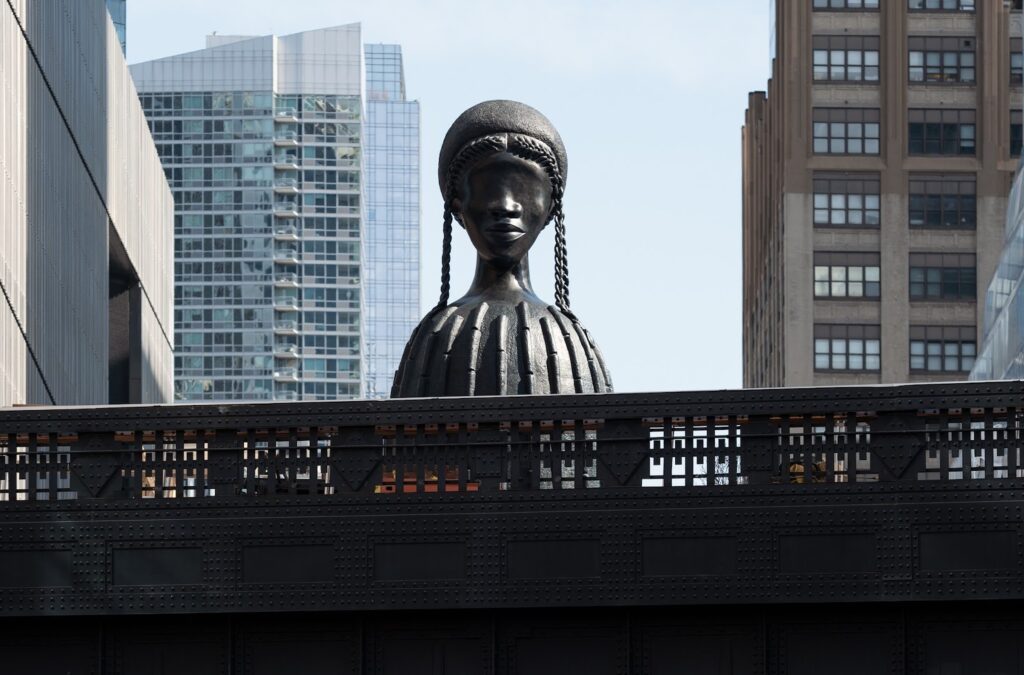
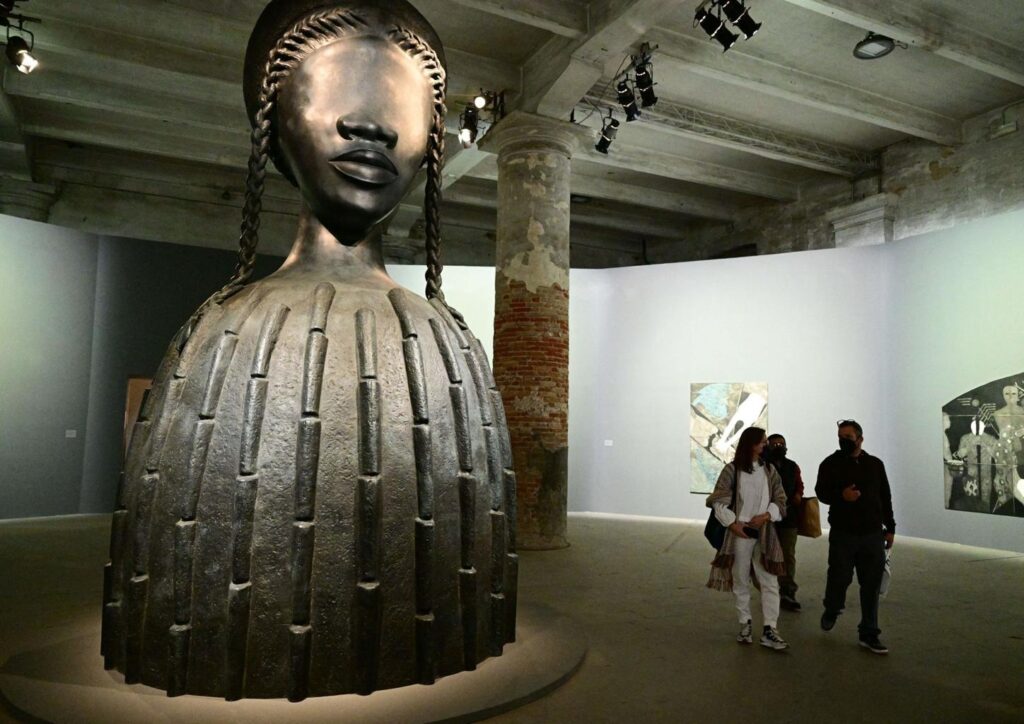
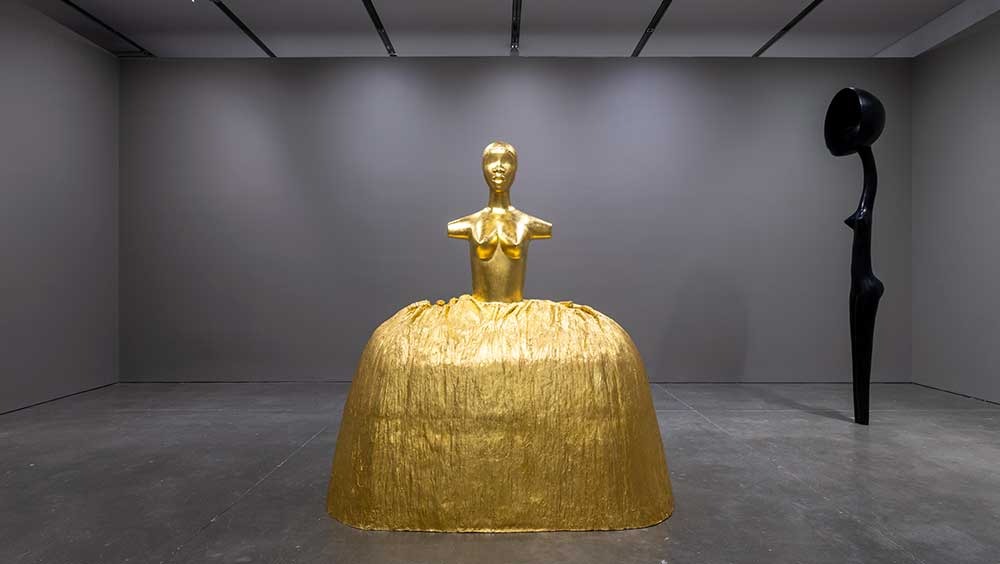
In recent years, Simone Leigh has emerged as one of the most compelling sculptors working in contemporary art. Known for her monumental ceramic and bronze works, Leigh draws from a wide range of visual traditions, including African sculpture, vernacular architecture, and the intellectual frameworks of Black feminist thought. Her sculptures frequently depict powerful female figures whose bodies merge with vessels, houses, and organic forms, creating works that feel both timeless and strikingly contemporary.
Leigh’s practice often explores the ways Black women’s histories and experiences have been overlooked within traditional art historical narratives. By centring these figures in her sculptures, she creates works that function not only as aesthetic objects but also as acts of cultural remembrance. The physical presence of her sculptures invites viewers to reflect on histories that have long remained marginalized within museums and institutions.
In 2022, Leigh became the first Black woman to represent the United States at the Venice Biennale, where her presentation received widespread acclaim and was awarded the Golden Lion for Best Participant. Her work continues to resonate globally, offering a powerful example of how contemporary sculpture can reshape conversations around identity, history, and representation.
Simone Leigh, Brick House, 2019.
Sources: Venice Biennale; Guggenheim Museum; The Art Newspaper
Julie Mehretu: Mapping Movement and Global Histories
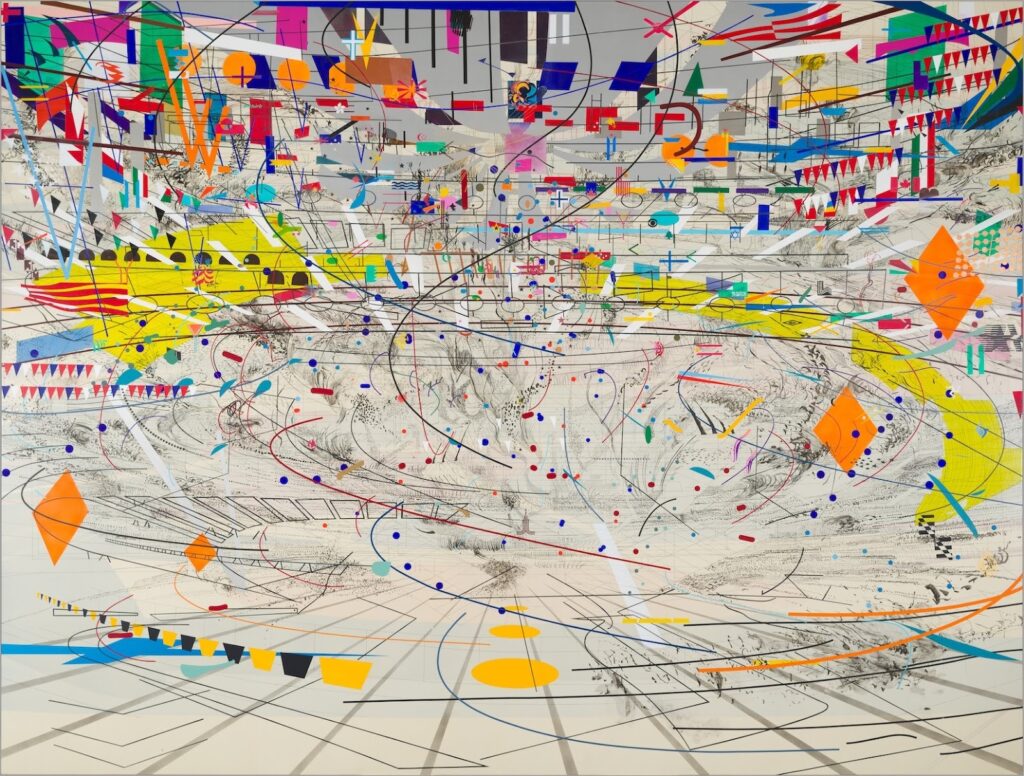
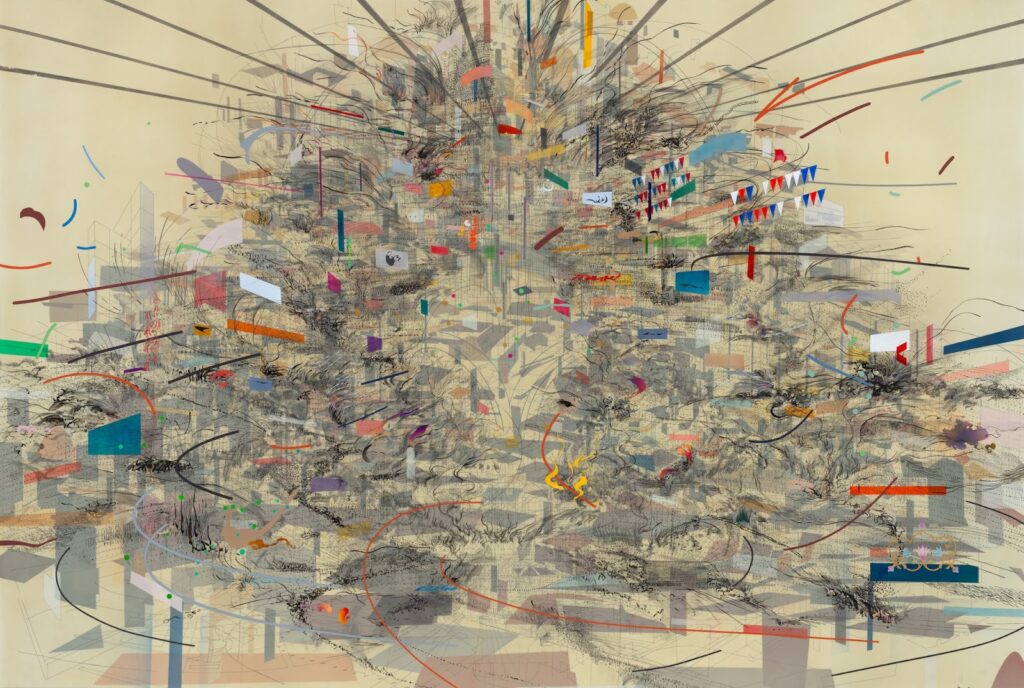
In contemporary painting, few artists command the scale and complexity of Julie Mehretu. Known for her expansive abstract canvases, Mehretu creates layered compositions that combine architectural drawings, gestural marks, and dynamic lines. Her paintings often resemble vast visual maps where fragments of cities, political histories, and shifting landscapes intersect across the surface of the canvas.
Born in Ethiopia and raised in the United States, Mehretu frequently explores themes of migration, globalization, and the rapid transformation of urban environments. Her works draw inspiration from architectural plans, satellite imagery, and historical documents, translating these sources into energetic compositions that evoke both movement and instability. The resulting paintings capture the complexity of contemporary life, where geography, politics, and culture are constantly in flux.
Major institutions including the Museum of Modern Art and Tate Modern have exhibited her work, recognizing her as one of the most influential abstract painters working today. Through her layered visual language, Mehretu transforms the canvas into a space where global histories, collective memory, and artistic experimentation converge.
Julie Mehretu, abstract painting.
Sources: Museum of Modern Art; Tate Modern; Artforum.
Firelei Báez: Reimagining Caribbean Histories
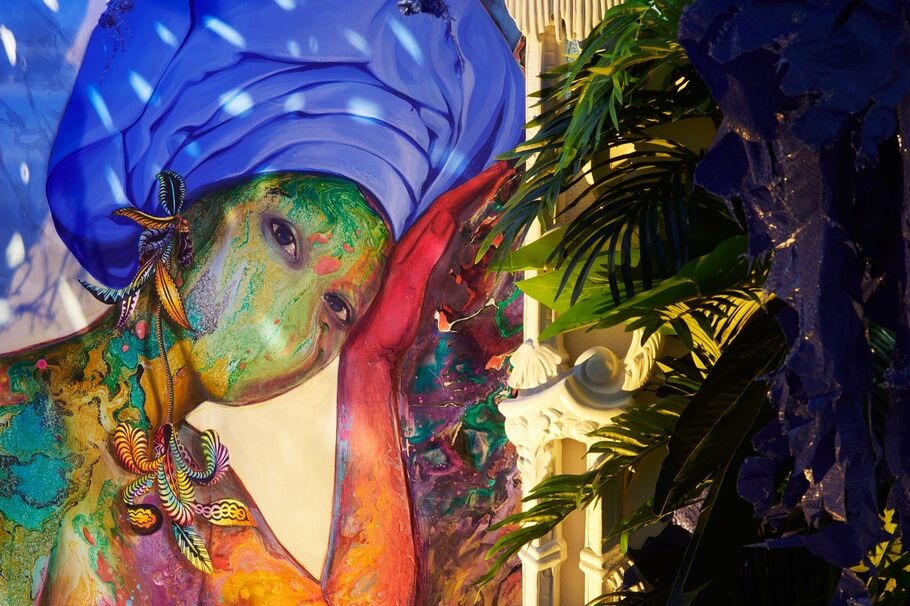
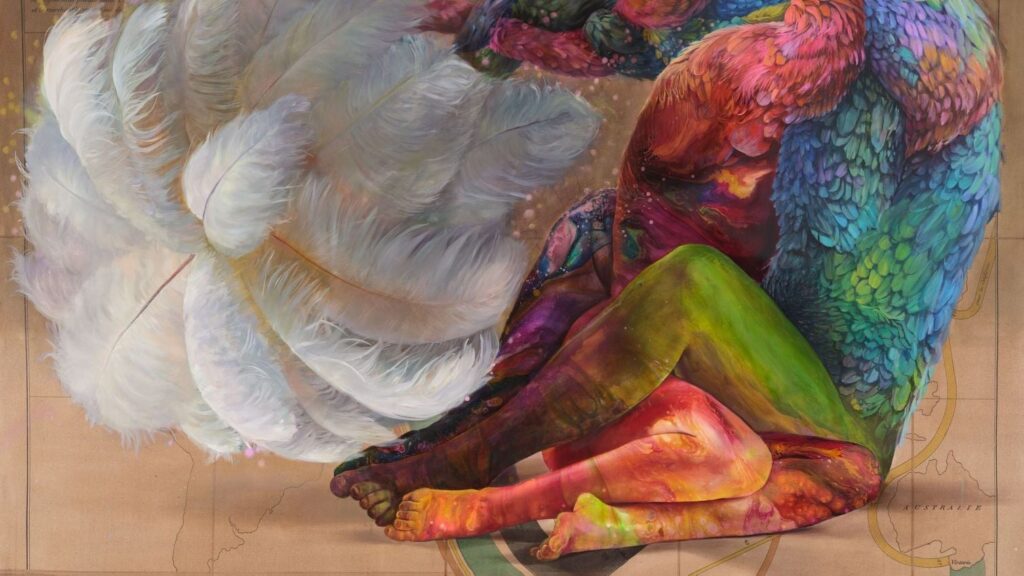
Firelei Báez, contemporary painting.
The paintings of Firelei Báez are instantly recognizable for their vibrant palettes and intricate visual patterns. Drawing on Caribbean history, folklore, and colonial archives, Báez creates richly layered works that challenge conventional historical narratives. Her paintings often transform figures drawn from colonial imagery, reimagining them within dynamic compositions filled with color, symbolism, and movement.
Born in the Dominican Republic and raised in the United States, Báez frequently examines the ways history and identity intersect across cultures. Her work draws attention to overlooked stories within Caribbean and diasporic histories, weaving together references to mythology, politics, and migration. Through these complex compositions, Báez reclaims visual spaces that have historically excluded or misrepresented women of color.
Museums such as the Guggenheim Museum and the Institute of Contemporary Art Boston have exhibited her work, recognizing its significance within contemporary painting. By revisiting historical imagery through a contemporary lens, Báez invites viewers to reconsider how history is written, remembered, and represented.
Sources: Guggenheim Museum; Institute of Contemporary Art Boston; Artforum.
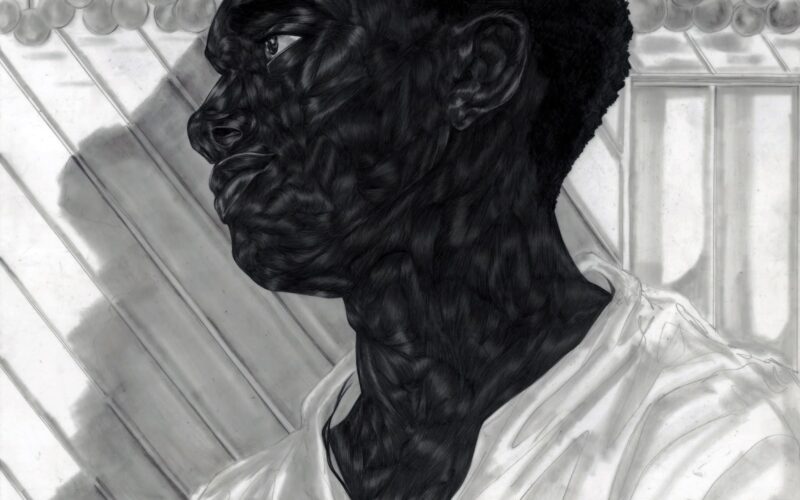
Toyin Ojih Odutola: Drawing Stories of Identity
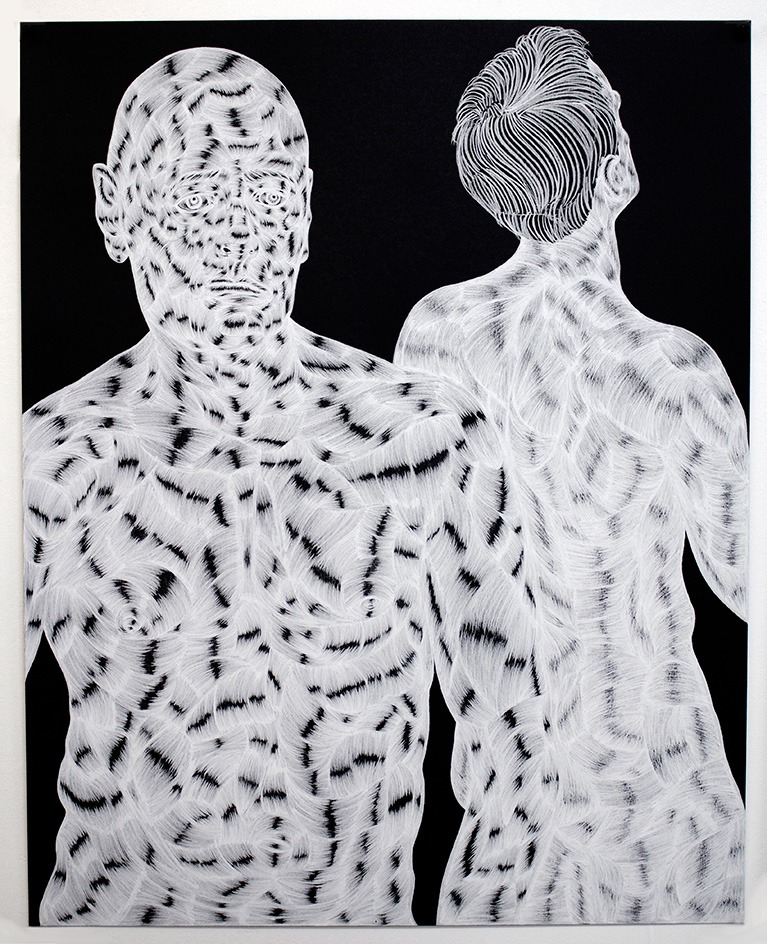
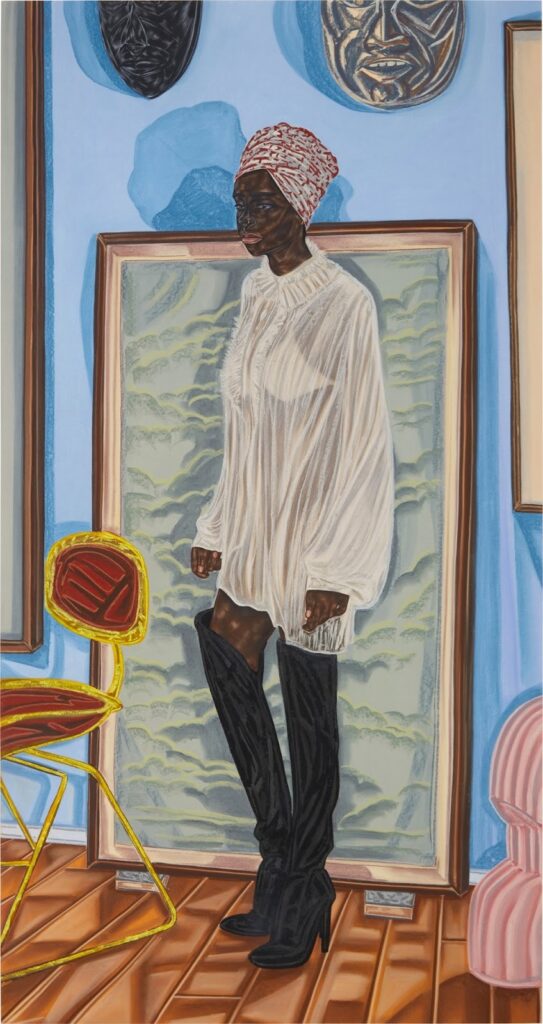
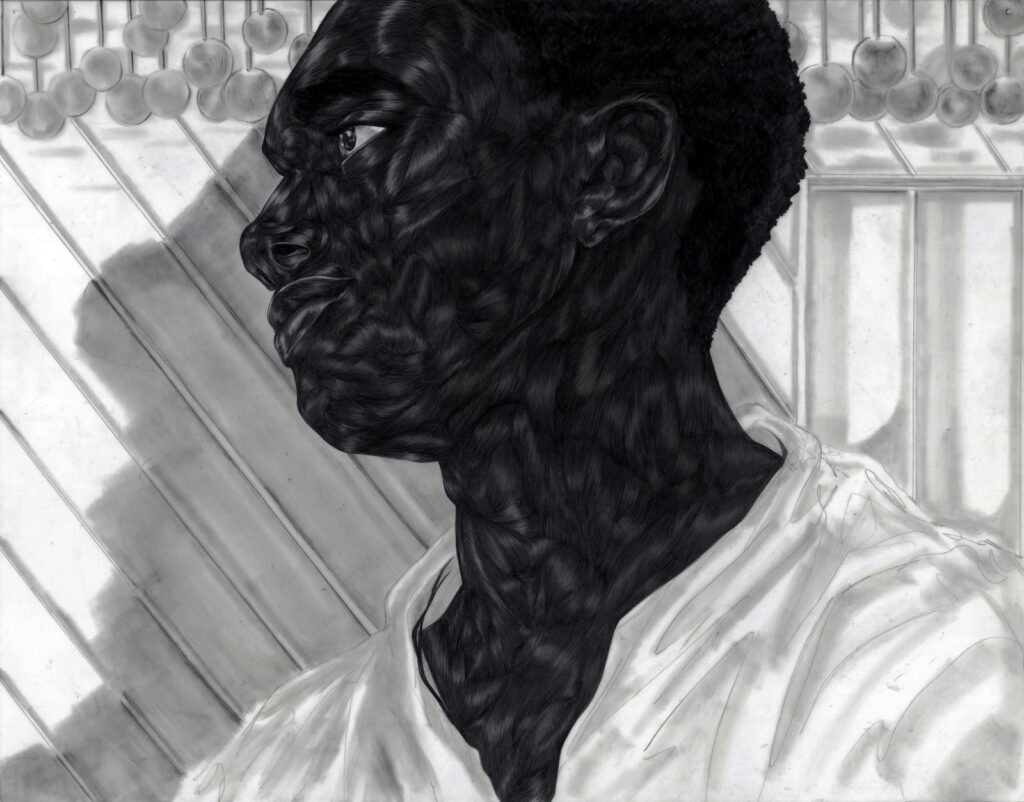
Toyin Ojih Odutola, contemporary drawing.
Through intricate drawings and expansive narrative installations, Toyin Ojih Odutola has developed one of the most distinctive visual languages in contemporary art. Working primarily with ink, charcoal, and pastel, she constructs richly textured portraits that explore questions of identity, belonging, and the ways stories shape how individuals and communities are perceived.
Born in Nigeria and raised in the United States, Ojih Odutola often builds fictional narratives that unfold across multiple drawings and installations. Her figures inhabit imagined worlds that blend personal memory with broader cultural and historical contexts. Through layered mark-making and carefully constructed compositions, she transforms the act of drawing into a powerful storytelling medium.
Major exhibitions at institutions such as the Whitney Museum of American Art and the Barbican Centre have highlighted the depth and complexity of her work. By expanding the possibilities of portraiture and narrative drawing, Ojih Odutola continues to challenge conventional ideas about identity while creating visual stories that feel both intimate and universal.
Sources: Whitney Museum of American Art; Barbican Centre; Artforum.
Tschabalala Self: Reconstructing the Human Figure
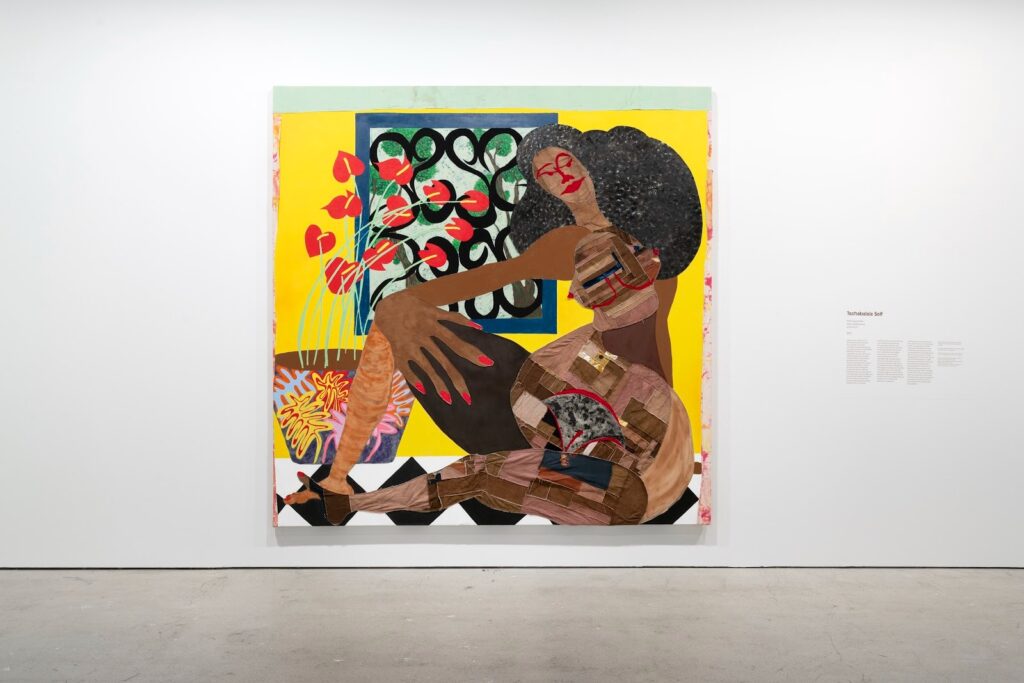
Tschabalala Self, contemporary figurative painting.
In the work of Tschabalala Self, the human body becomes a dynamic site of experimentation and expression. Combining painting, collage, and textile elements, Self constructs vibrant figurative compositions that challenge traditional representations of the Black body in art. Her works are often assembled from layered materials, creating figures that feel both playful and powerfully present.
Self’s practice explores the ways identity, gender, and cultural representation are constructed through visual imagery. By exaggerating forms and using bold patterns and colors, she creates bodies that resist conventional ideals of proportion and beauty. These figures exist somewhere between abstraction and figuration, reflecting the fluid and evolving nature of identity in contemporary culture.
Her work has been exhibited internationally, including presentations at institutions such as the Baltimore Museum of Art and major contemporary galleries. Through her distinctive visual language, Self continues to expand the possibilities of figurative painting while inviting viewers to reconsider how bodies and identities are represented in art today.
Sources: Baltimore Museum of Art; Artforum; Frieze.
Jordan Casteel: Portraits of Everyday Presence
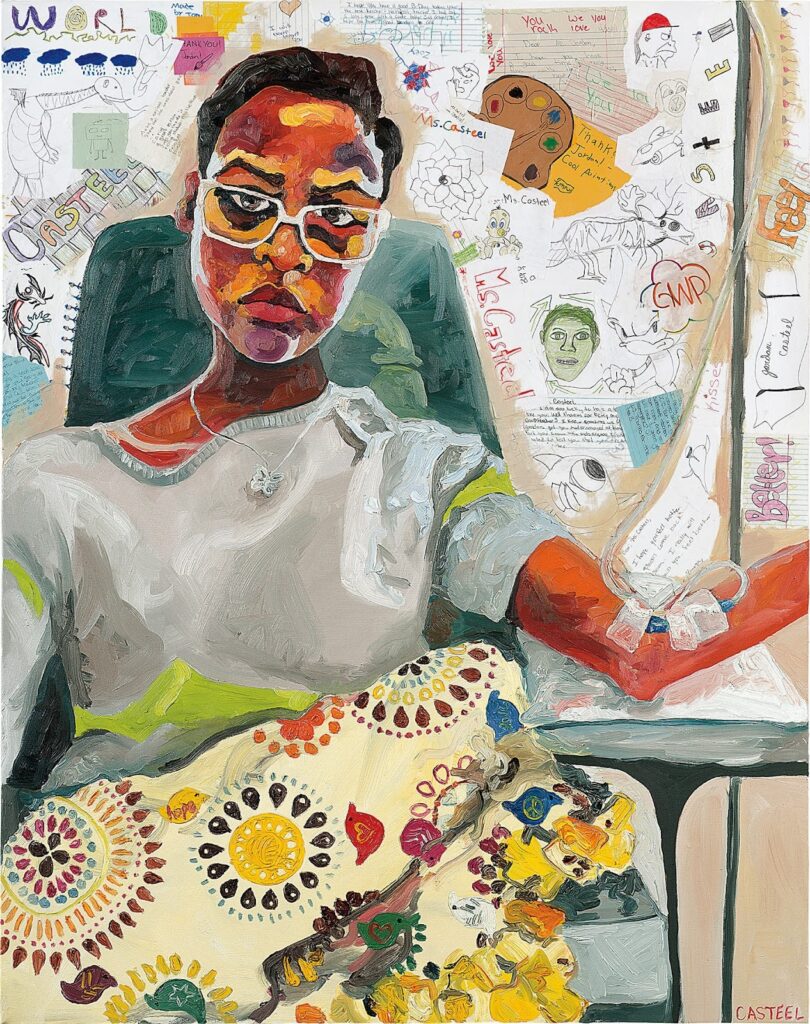
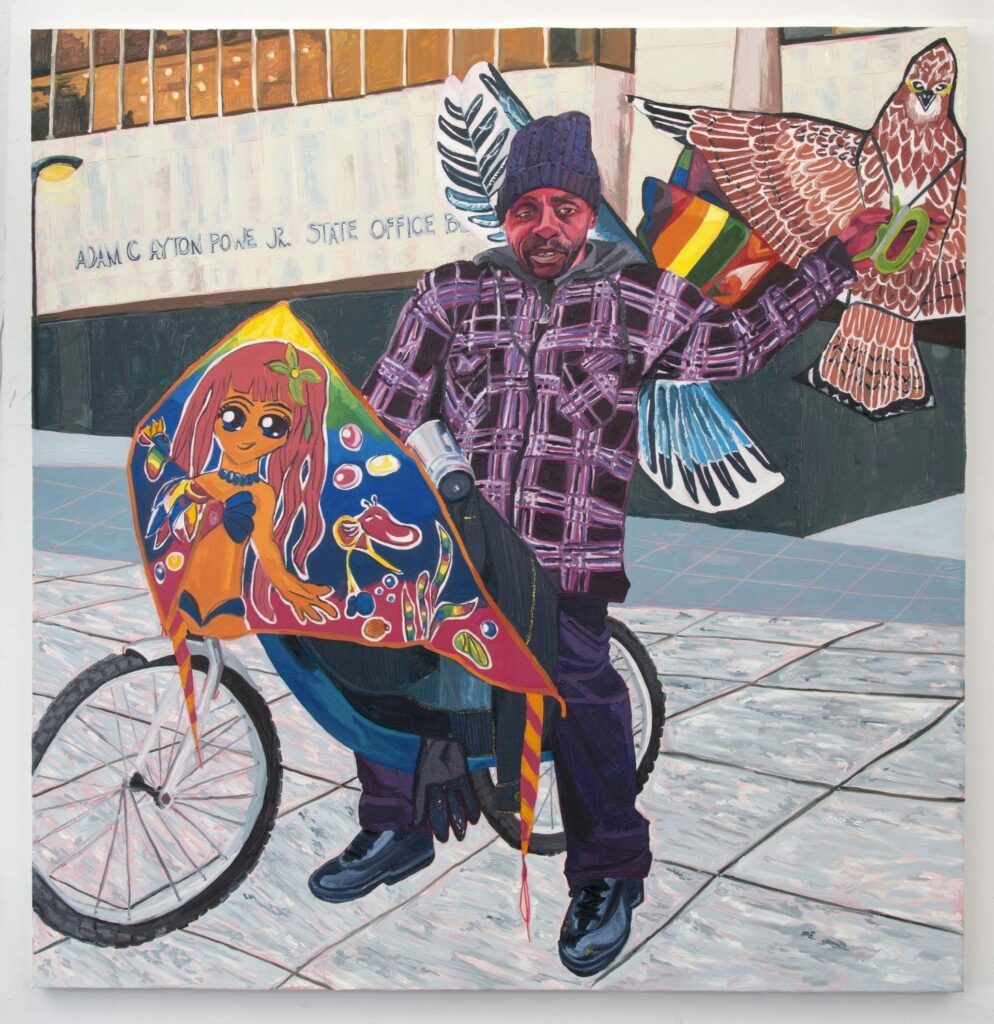
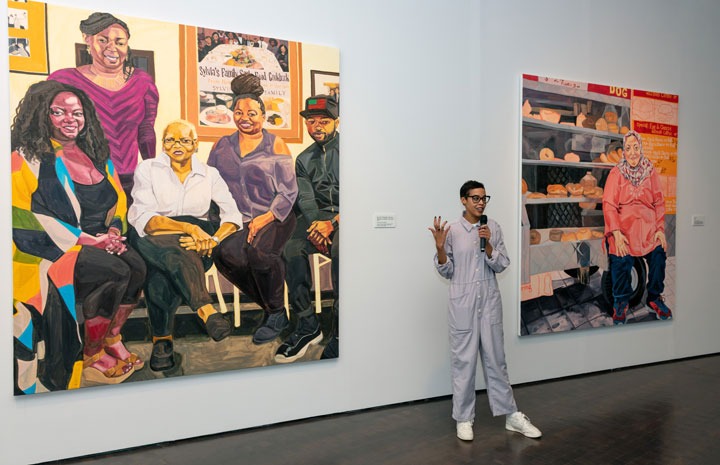
Jordan Casteel, portrait painting.
Portraiture lies at the heart of the work of Jordan Casteel. Known for her large-scale paintings of friends, neighbours, and community members, Casteel creates portraits that celebrate everyday presence and human connection. Her vibrant compositions capture moments of quiet interaction, transforming ordinary encounters into powerful visual narratives.
Casteel’s paintings are distinguished by their rich color palettes and careful attention to detail. Rather than presenting her subjects as distant or idealised figures, she portrays them with a sense of familiarity and dignity. Many of her portraits depict individuals within the neighborhoods where she has lived and worked, offering a nuanced perspective on contemporary urban life.
Institutions such as the New Museum and the Denver Art Museum have exhibited her work, recognizing its significance within contemporary figurative painting. Through her portraits, Casteel demonstrates how painting can serve as a powerful means of honoring everyday lives while expanding the possibilities of representation in contemporary art.
Sources: New Museum; Denver Art Museum; Artforum.
Cecily Brown: Between Abstraction and Figuration
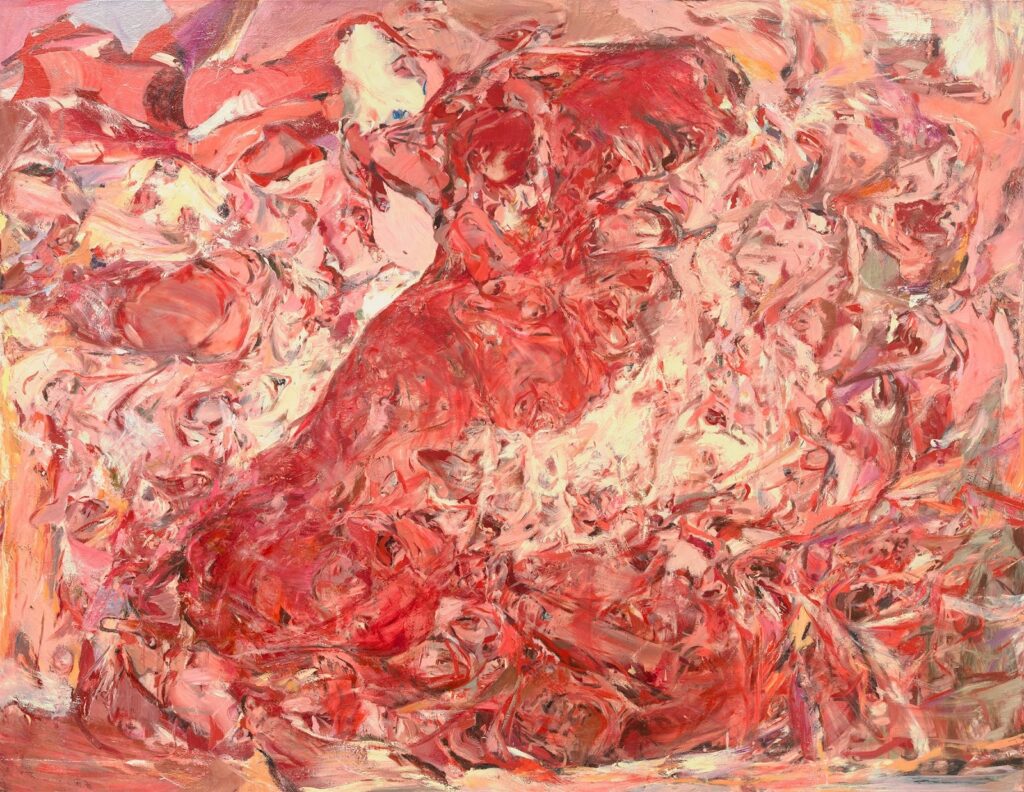
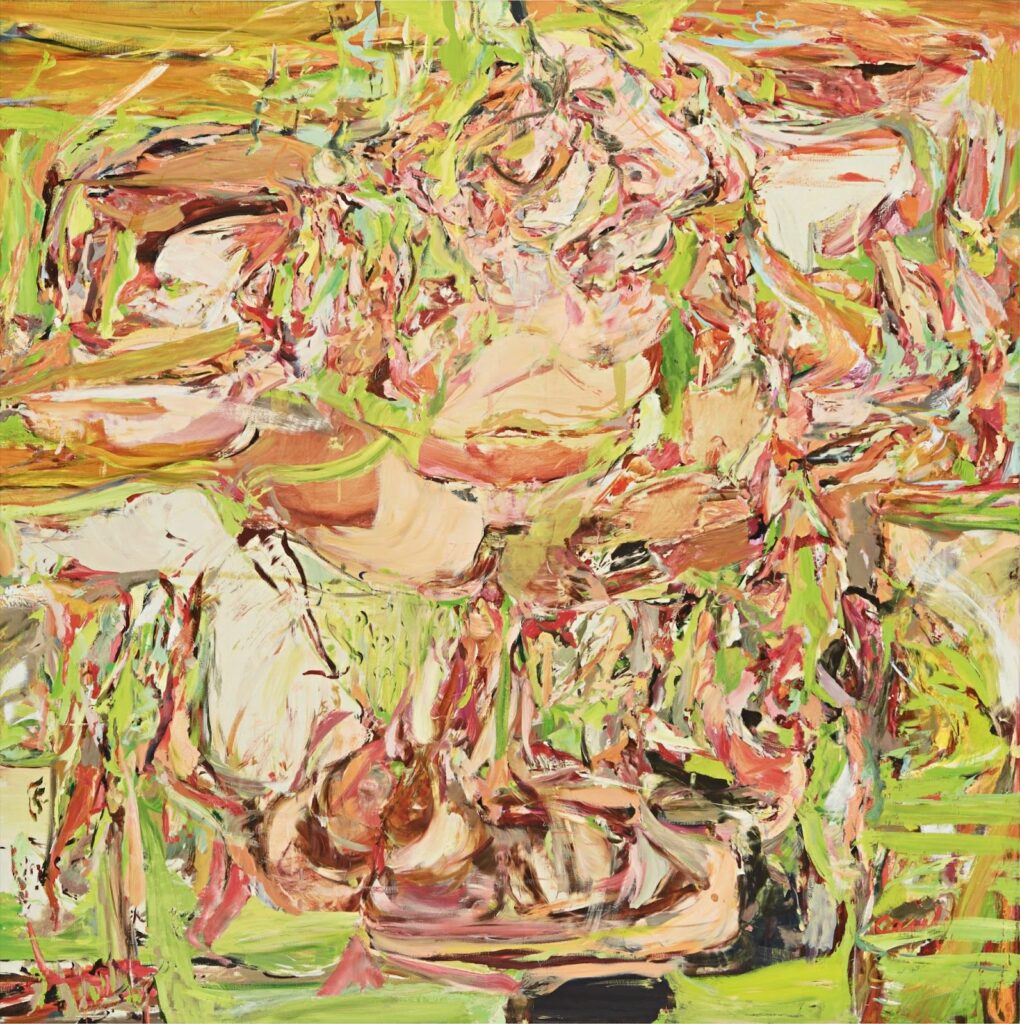
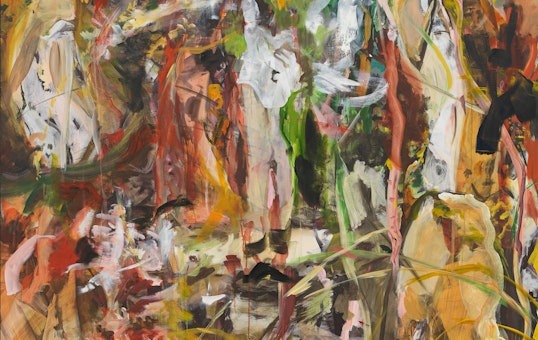
Cecily Brown, contemporary painting.
For more than two decades, Cecily Brown has developed a distinctive approach to painting that moves fluidly between abstraction and figuration. Her dynamic compositions are characterised by energetic brushwork, layered forms, and vivid color, creating canvases that seem to shift constantly between recognisable imagery and pure painterly movement.
Born in London and later based in New York, Brown draws inspiration from a wide range of art historical traditions, including Baroque painting and Abstract Expressionism. Yet her work resists easy categorization, blending historical references with contemporary experimentation. Within her paintings, fragments of bodies, landscapes, and gestures appear and dissolve, inviting viewers to engage with the act of looking at itself.
Her work has been exhibited in major institutions including the Metropolitan Museum of Art and Tate Modern, reflecting her lasting influence within contemporary painting. Through her expressive visual language, Brown continues to expand the possibilities of abstraction while demonstrating how painting remains a vital and evolving medium.
Sources: Metropolitan Museum of Art; Tate Modern; Frieze.
Across continents and artistic disciplines, the work of these artists reflects the evolving landscape of contemporary art. From sculpture and painting to drawing and mixed media, their practices expand the ways identity, history, and representation are explored through visual language. While this list highlights only a few voices, it also points to the broader network of women artists whose work continues to reshape the art world today. As we reflect during International Women’s Day, their practices remind us that contemporary art is constantly being redefined by artists who challenge conventions, imagine new possibilities, and bring previously unheard perspectives into view. In doing so, they continue to shape a future in which the voices of women artists are not only recognized, but essential to the story of art itself.