


Editor’s Pick: 10 Booths to Visit at Frieze Los Angeles
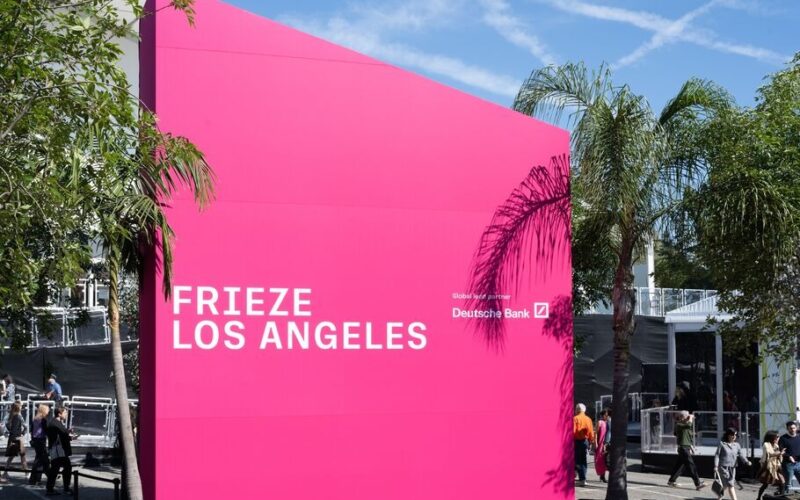
Frieze Los Angeles opened on February 26 as the anchor of LA Art Week 2026, drawing international galleries alongside a strong presence of Los Angeles–based programs to Santa Monica Airport. While opening days at major fairs often unfold with visible urgency, this year’s edition moved at a noticeably measured pace.
Collectors returned to booths before committing. Advisors focused on institutional trajectory rather than first-hour momentum. Conversations extended beyond availability lists into long-term positioning. The atmosphere inside the tent reflected confidence rather than competition.
That steadiness clarified which presentations held the room. Without the distraction of rapid turnover, certain booths distinguished themselves through cohesion, material conviction, and installation clarity. The following galleries established that presence on opening day.
What stood out most was not scale, but coherence. The strongest booths felt architected rather than assembled. Below are ten presentations that defined the rhythm of this year’s fair, followed by ten more that deserve equal attention.
Monique Meloche Gallery
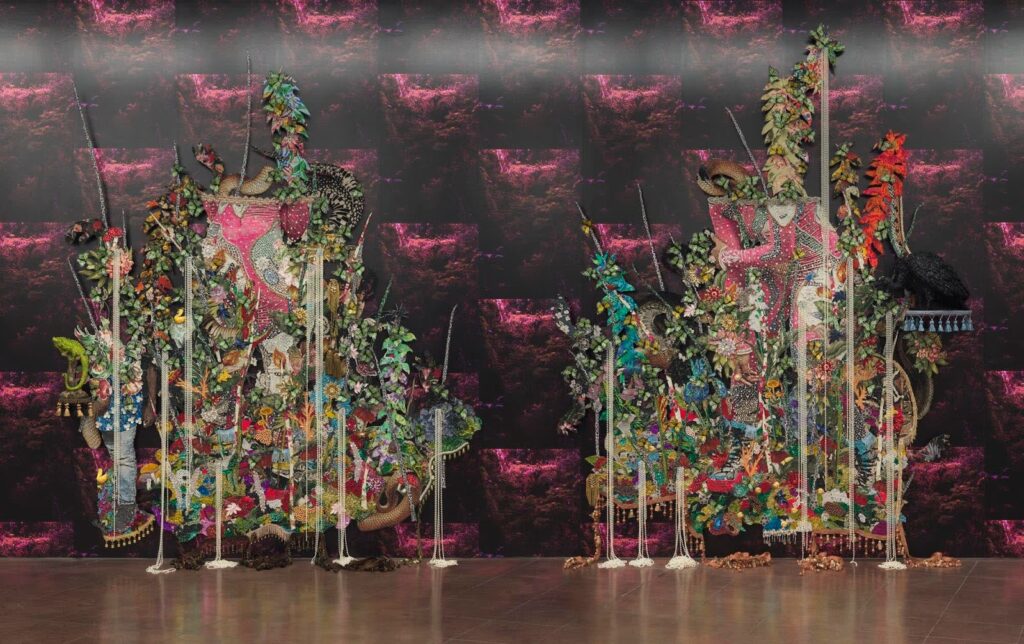
Founded in Chicago in 2000, Monique Meloche Gallery has built a program centered on artists whose practices interrogate identity, materiality, and cultural systems. Over the past two decades, the gallery has consistently positioned its artists within institutional contexts, balancing market visibility with critical discourse.
At Frieze Los Angeles 2026, the booth reflected that long-term commitment. The presentation felt curated rather than assembled, foregrounding artists whose work operates at the intersection of abstraction, figuration, and sociopolitical inquiry. The installation avoided overstatement. Instead, it created space for the work to breathe, allowing viewers to move between pieces without visual congestion.
What distinguished the booth was its clarity. Each work felt intentional within the overall composition. Rather than presenting a range of disconnected highlights, the gallery offered a focused perspective on its program. The result was a booth that felt cohesive and confident.
Monique Meloche Gallery’s presence reinforced a larger theme of this year’s fair: conviction over spectacle. The work did not rely on scale to assert itself. It relied on internal strength and conceptual grounding. In a year defined by measured presentation, that composure felt particularly resonant.
Hauser & Wirth
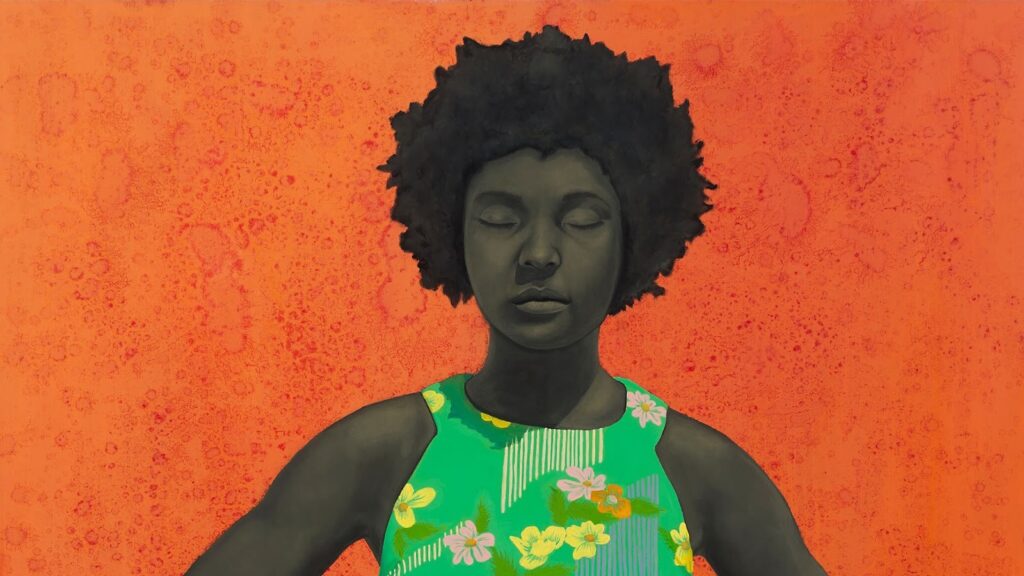
Hauser & Wirth did not need to assert its authority, it was embedded in the structure of the booth itself. Founded in 1992 and now operating globally, the gallery has long positioned itself at the intersection of scholarship and market influence. That history was visible in how the presentation unfolded at Frieze Los Angeles 2026.
The booth felt measured rather than monumental. Works were installed with space between them, allowing each artist’s voice to resonate independently. There was no attempt to overwhelm. Instead, the gallery relied on the strength of its roster and the clarity of its curatorial decisions. Paintings and sculptural works carried institutional confidence without theatrical framing.
What distinguished the booth was composure. It felt steady in its own identity. Nothing appeared reactive to market demand or headline momentum. The presentation suggested continuity, a gallery that builds slowly and deliberately.
In a fair that leaned toward thoughtful restraint this year, Hauser & Wirth’s booth embodied that shift with quiet precision.
Karma
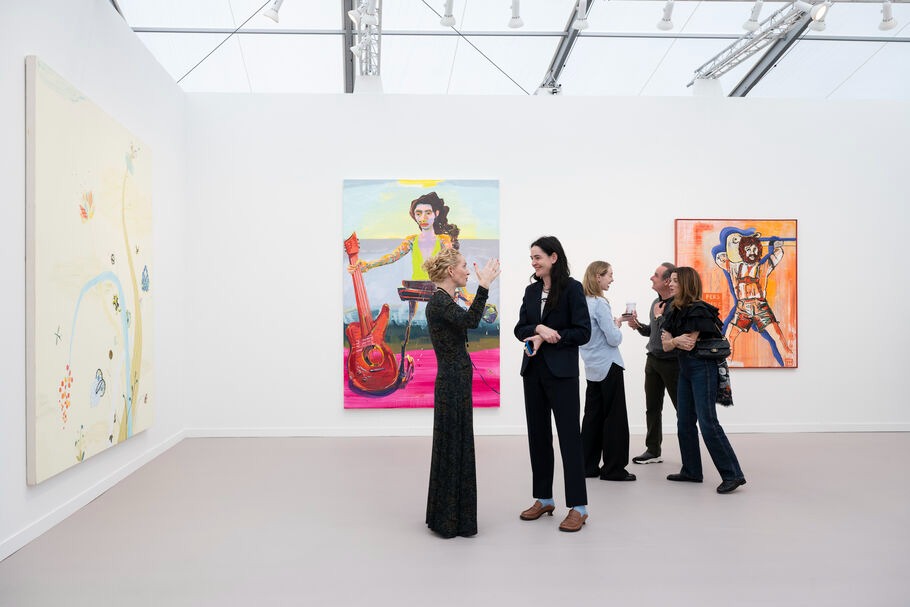
Karma’s strength lies in its ability to move fluidly between historical reverence and contemporary momentum. Founded in 2011, the gallery has developed a multigenerational program that feels cohesive rather than nostalgic.
The booth maintained that balance. Works were arranged in a way that encouraged conversation rather than contrast. There was no aggressive staging. Instead, the presentation felt human in scale. Paintings and sculptural forms occupied the space with quiet assurance.
Rather than forcing lineage, Karma allowed it to surface organically. The relationship between past and present unfolded subtly, reinforcing the gallery’s commitment to continuity rather than spectacle.
What lingered most was the sense of calm. The booth felt composed, neither overly ambitious nor minimal for effect. It demonstrated how thoughtful placement and confidence in a roster can create lasting impact within a busy fair environment.
Vielmetter Los Angeles
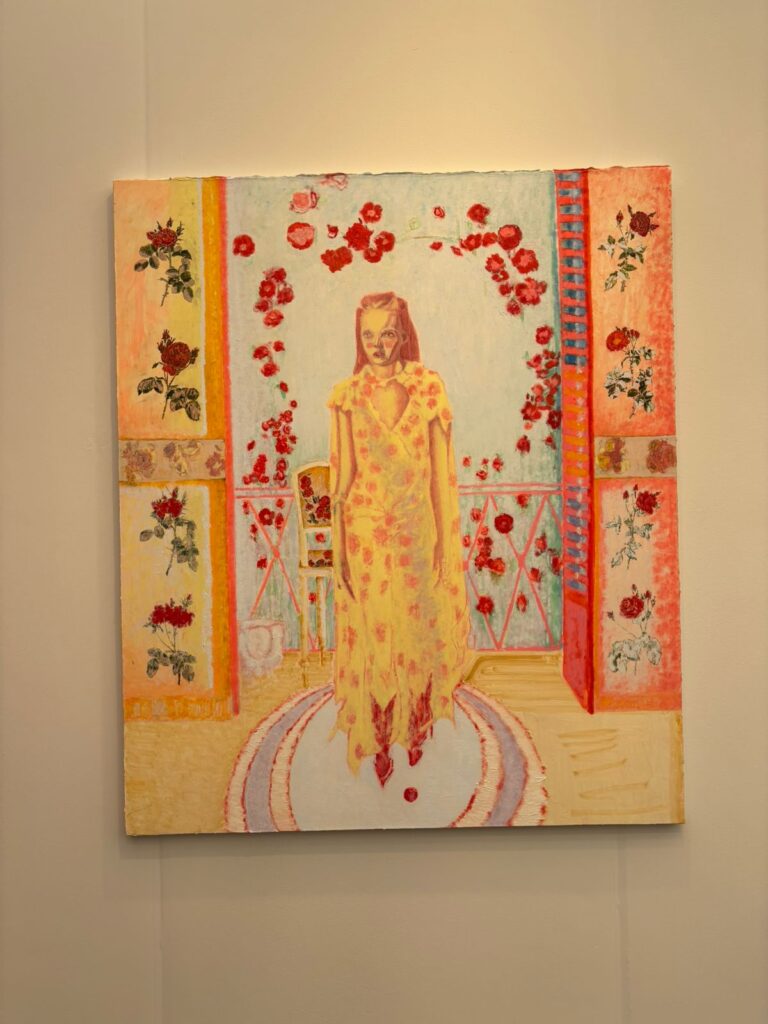
Vielmetter’s presentation felt internally resolved from the moment you entered. Since 2000, the gallery has championed artists engaged in conceptually rigorous practices, and that intellectual discipline shaped the entire booth.
Monique van Genderen’s paintings anchored the space with structural confidence. Her abstractions were layered yet controlled, atmospheric yet architecturally grounded. They did not demand attention through scale; they absorbed it through restraint. Viewers lingered longer than expected not because the work was loud, but because it held.
Surrounding works expanded the booth’s thematic range without disrupting its coherence. There was no visual congestion. Each piece contributed to a larger curatorial statement about process and intention.
The presentation suggested a gallery comfortable with its own trajectory. It did not chase trends. It trusted its artists and that trust translated into a booth that felt considered and stable.
Tanya Bonakdar Gallery
http://www.tanyabonakdargallery.com
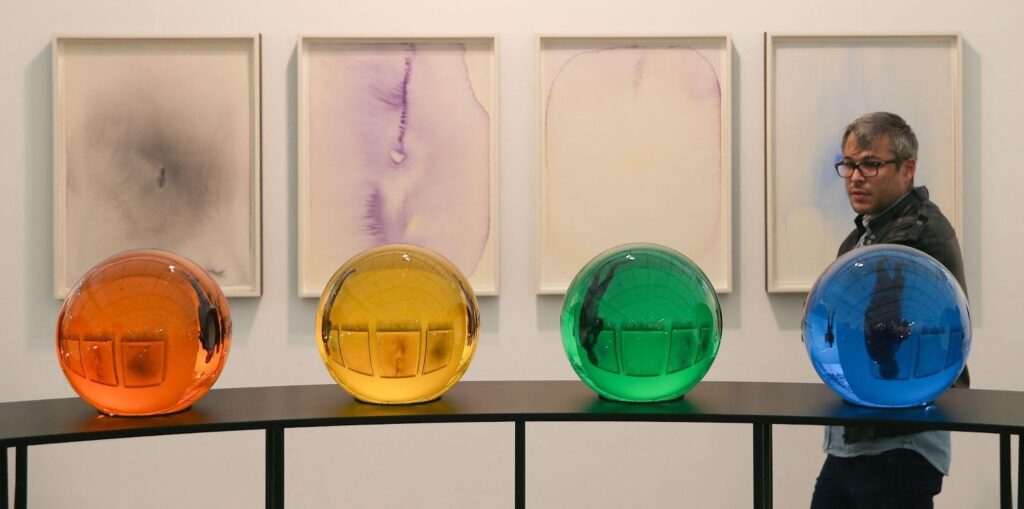
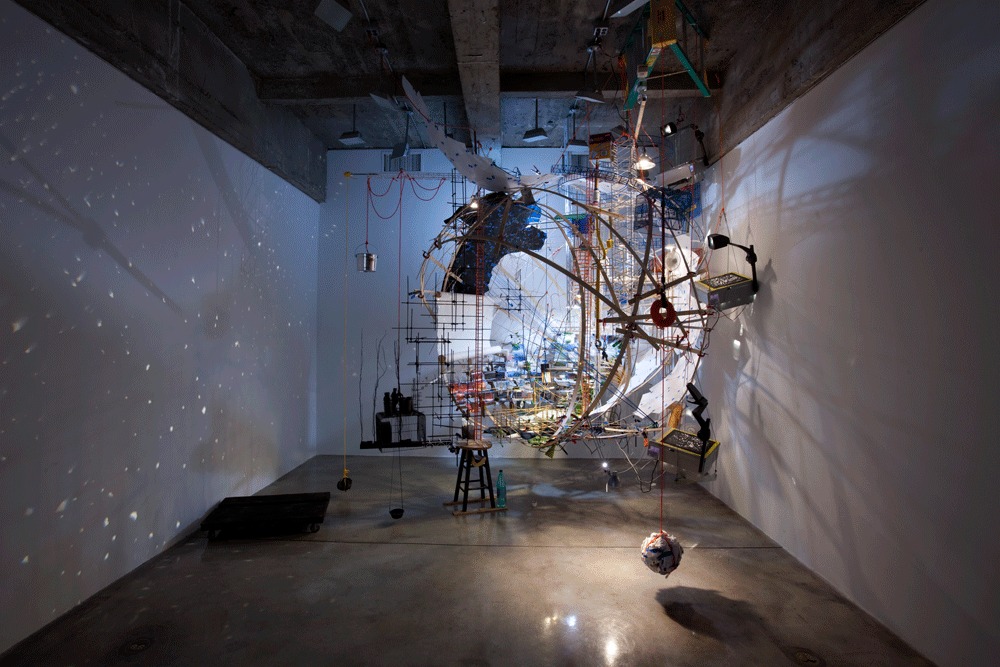
With nearly three decades of programming behind it, Tanya Bonakdar Gallery continues to foreground artists working across perception, space, and conceptual inquiry. The Frieze booth reflected that cross-disciplinary fluency with clarity.
The installation emphasized spatial intelligence. Works were positioned deliberately, encouraging movement rather than confrontation. There was an underlying logic that rewarded slower looking. Nothing felt rushed.
The presentation did not rely on spectacle. It relied on structure. Each piece contributed to a broader conversation about material experimentation and visual language.
In a fair where visual density can quickly become overwhelming, Tanya Bonakdar’s restraint felt refreshing. The booth suggested maturity a program deeply aware of its identity and unburdened by the need to perform.
Babst Gallery
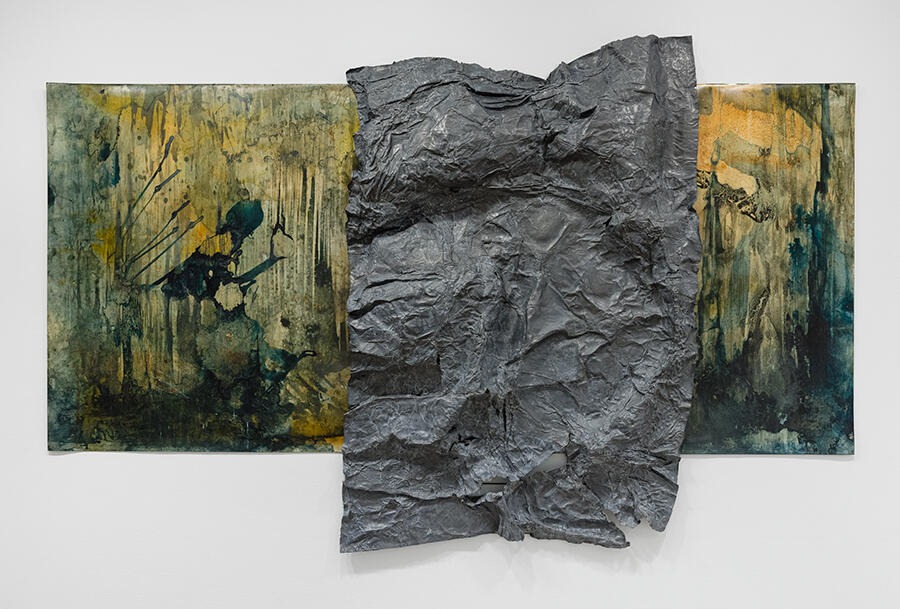
Babst introduced a quieter but equally intentional presence into the fair. Founded in Los Angeles in 2023, the gallery’s ethos centers on conversation and re-examination, and that sensibility translated clearly into its booth.
The works felt materially grounded. Surfaces revealed process rather than polish. There was an emphasis on authenticity, an openness to texture and imperfection that resisted theatrical framing.
The booth did not compete with scale. It operated through intimacy. Viewers slowed down instinctively, leaning closer rather than stepping back. That shift in pacing mattered.
For a young gallery, the presentation demonstrated confidence. It suggested a program focused on long-term dialogue rather than short-term attention. In the context of Frieze, that clarity stood out.
Ortuzar
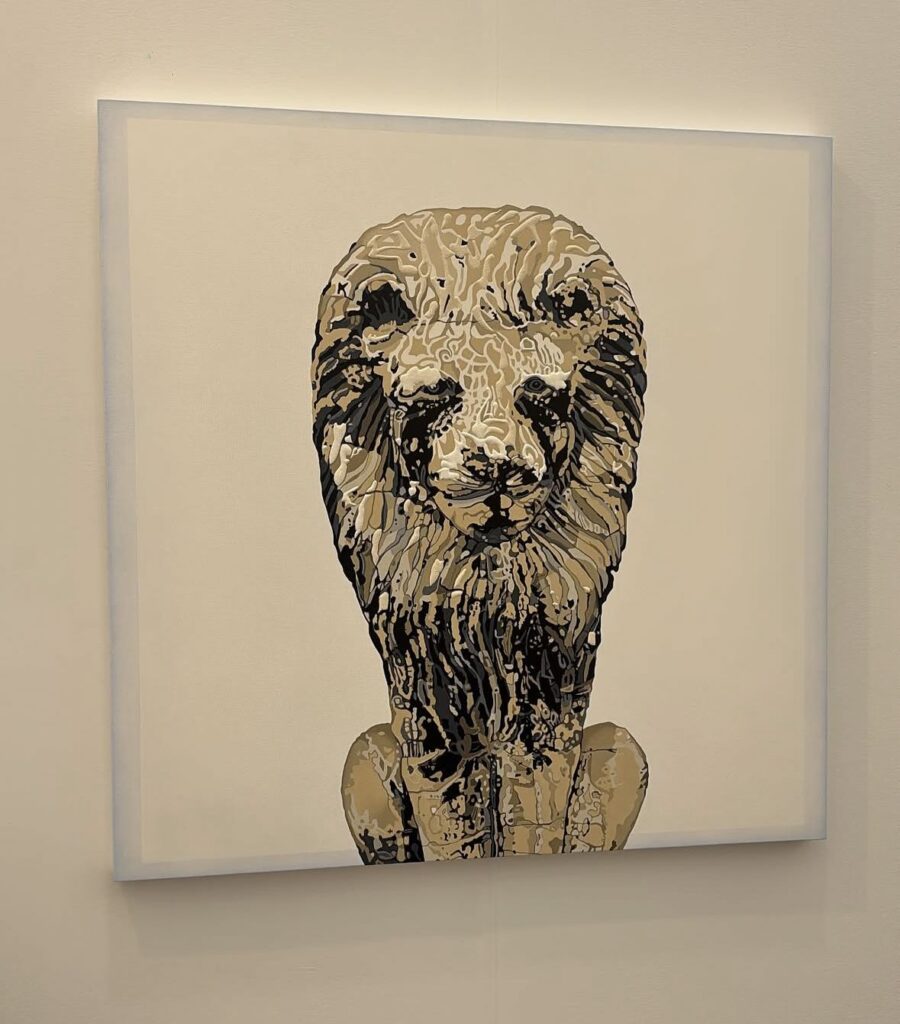
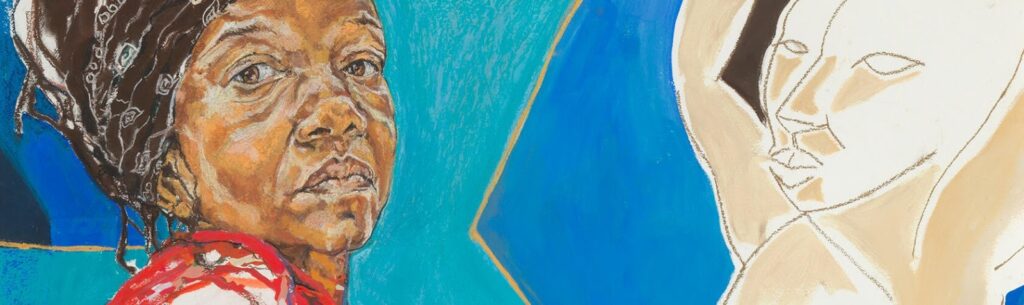
Ortuzar’s booth carried the weight of research. Founded in 2018 by Ales Ortuzar, the gallery has positioned itself as a force in reshaping twentieth and twenty-first century art history through deliberate institutional placement and scholarship. That intellectual grounding was evident in how the booth was constructed.
This was not a visually crowded presentation. The works were spaced with intention, allowing viewers to engage with them individually rather than as part of a spectacle. Suzanne Jackson’s gestural abstractions felt alive in their movement – surfaces hovering between painting and sculpture. Claudette Johnson’s figurative works carried emotional gravity, demanding proximity rather than glances. Claire Falkenstein’s sculptural presence added dimensional counterpoint, reinforcing the gallery’s intergenerational dialogue.
What made the booth compelling was not scale but clarity. It felt curated, not assembled. Conversations inside the space leaned toward institutional histories and long-term relevance rather than quick acquisitions. That shift aligned with the overall tone of this year’s fair: thoughtful, grounded, and structurally aware.
Maureen Paley
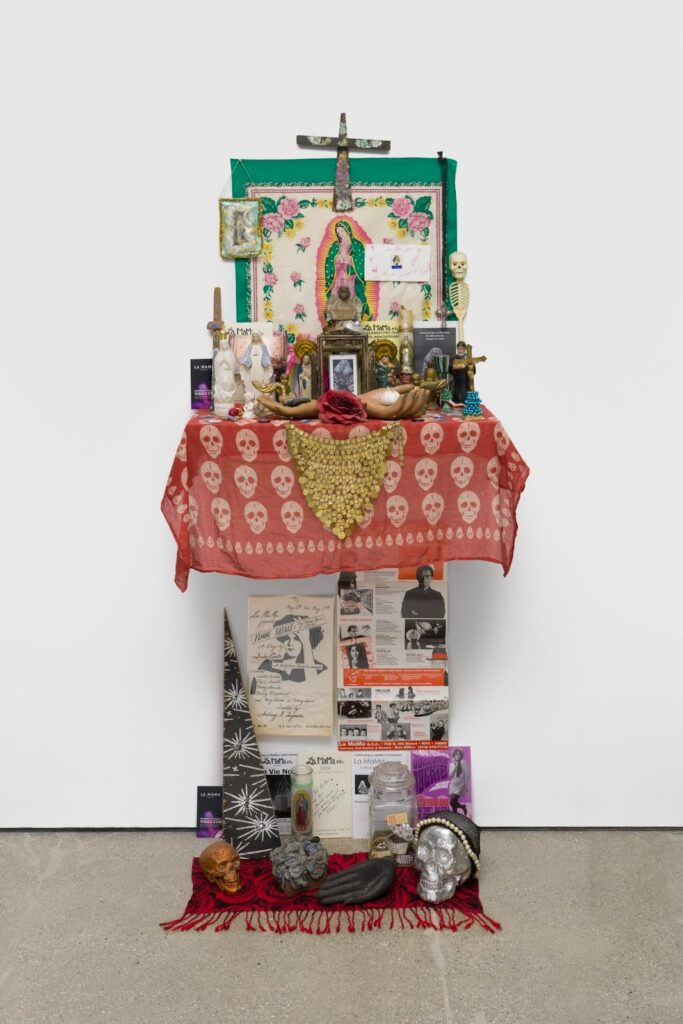
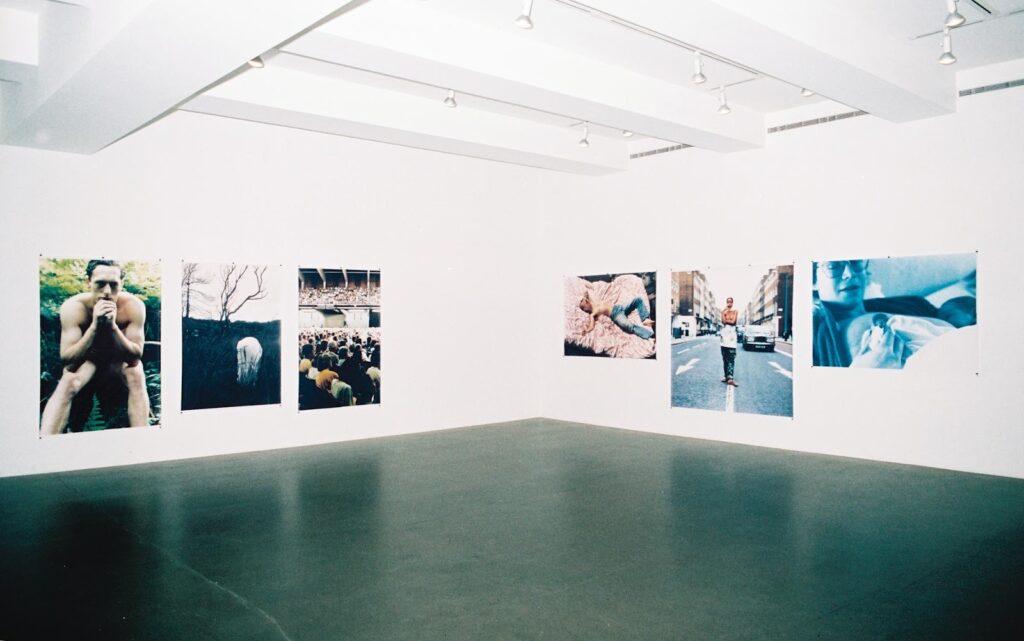
With a history that dates back to 1984, Maureen Paley’s presence at Frieze felt anchored in legacy. The gallery has long been associated with artists who challenge the boundaries of photography, conceptual practice, and installation. The booth reflected that intellectual lineage without becoming retrospective.
Works were installed with measured restraint. Gillian Wearing’s psychological sharpness, Wolfgang Tillmans’ precision, and Liam Gillick’s structural interventions each occupied their own visual territory. Nothing felt staged for drama. Instead, the booth operated through quiet authority.
There was a visible maturity to the presentation. Collectors moved slowly through the space, engaging in sustained conversations about institutional visibility and curatorial alignment. The booth did not need to announce its importance. It carried it.
In a week where composure mattered more than spectacle, Maureen Paley’s presentation felt entirely in tune.
Jeffrey Deitch
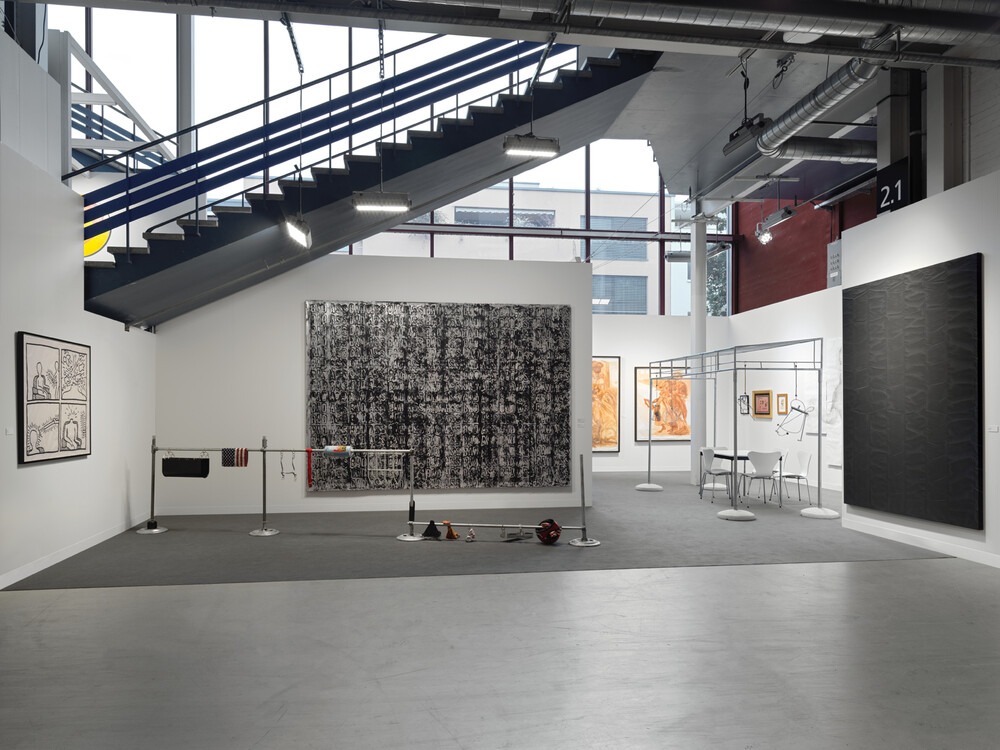
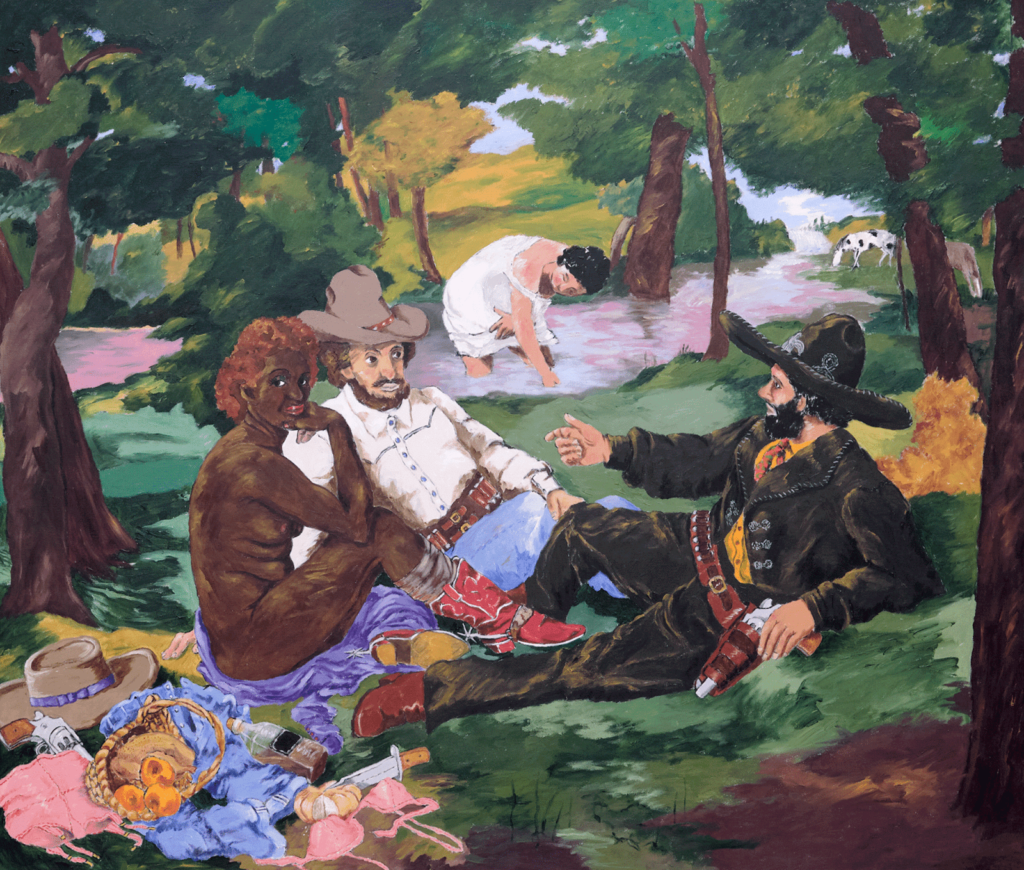
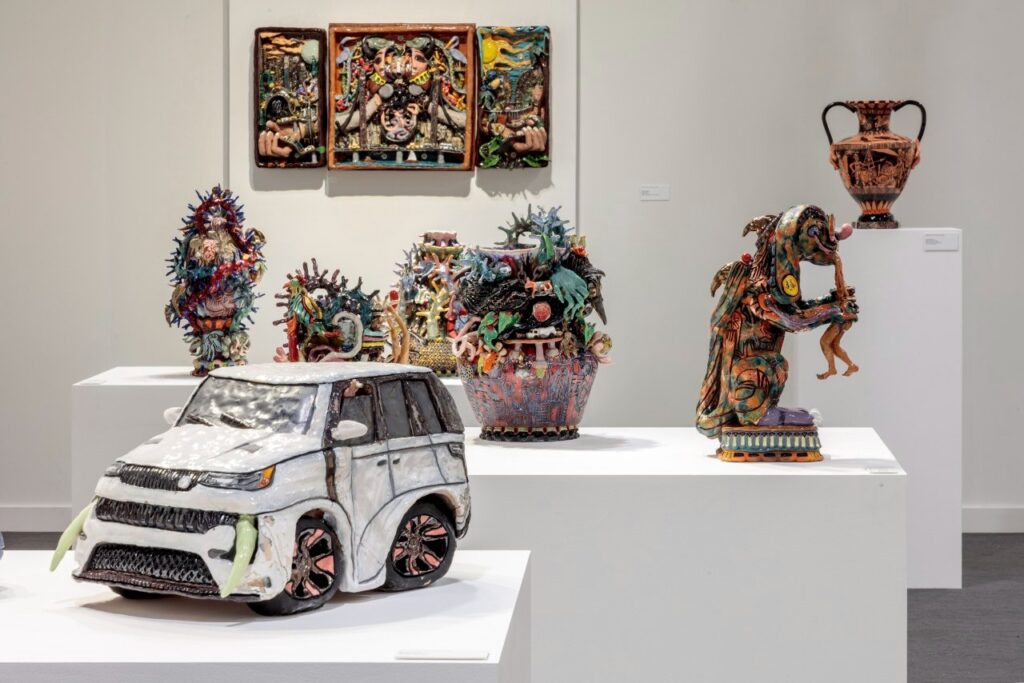
Jeffrey Deitch’s booth brought energy without chaos. Known for bridging institutional discourse and commercial dynamism, Deitch has long championed culturally engaged figurative painting. At Frieze Los Angeles 2026, that focus felt sharpened rather than amplified.
The presentation leaned into bold figuration but avoided overcrowding. Paintings were given space to breathe. The emphasis was on clarity of voice rather than volume of work. The result was a booth that felt alive yet controlled.
Collectors were observed discussing trajectory and museum placements, a signal that the work resonated beyond surface impact. There was confidence in the room, but it was not frantic. It felt measured.
In a fair defined by steadiness this year, Deitch’s booth maintained vitality while respecting the fair’s overall tonal shift toward deliberation.
Gemini G.E.L.
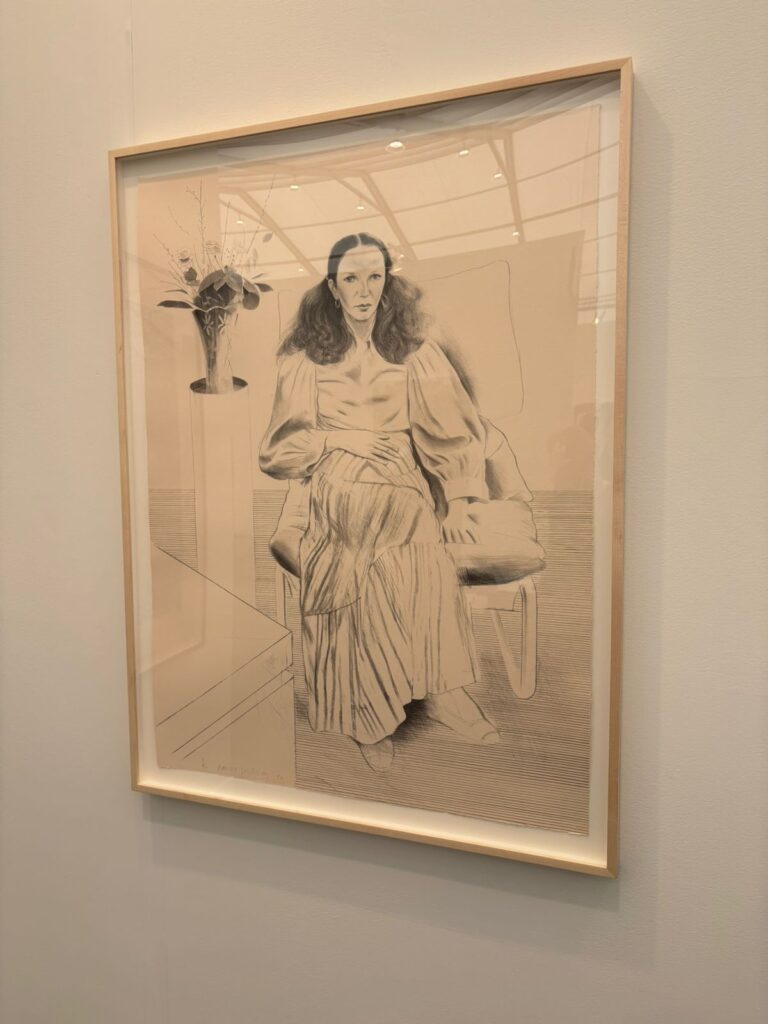
Gemini G.E.L. introduced a different kind of material conversation into the fair. Known for its historic collaborations in print and editioned works, the gallery’s booth foregrounded technical mastery and craftsmanship.
Rather than focusing on uniqueness alone, the presentation emphasized collaboration. The works on paper and sculptural editions demonstrated precision and production excellence. They carried institutional weight without relying on monumentality.
There was a refreshing clarity to the booth. It reminded viewers that editions, when executed rigorously, can hold the same conceptual seriousness as singular works.
In a fair that leaned toward material presence this year, Gemini’s emphasis on craft felt both timely and grounded.
Welancora Gallery
https://www.welancoragallery.com
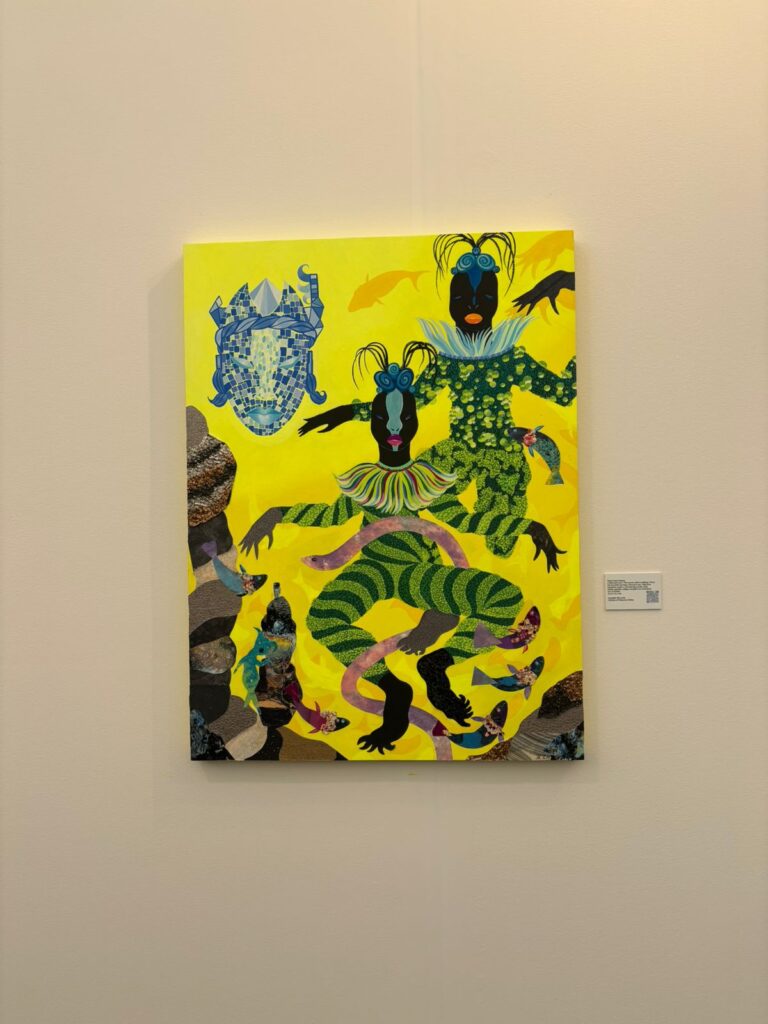
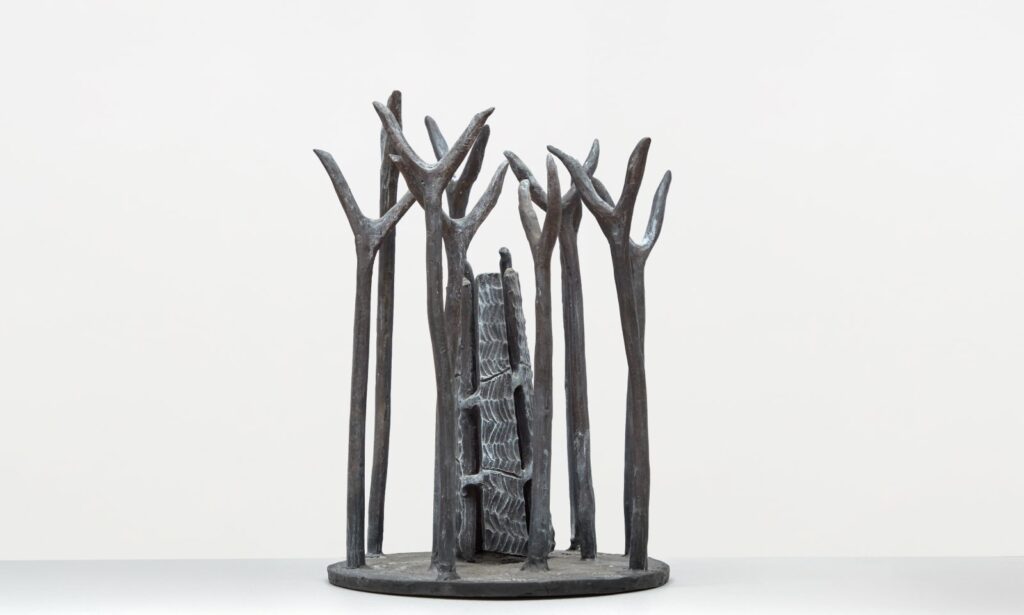
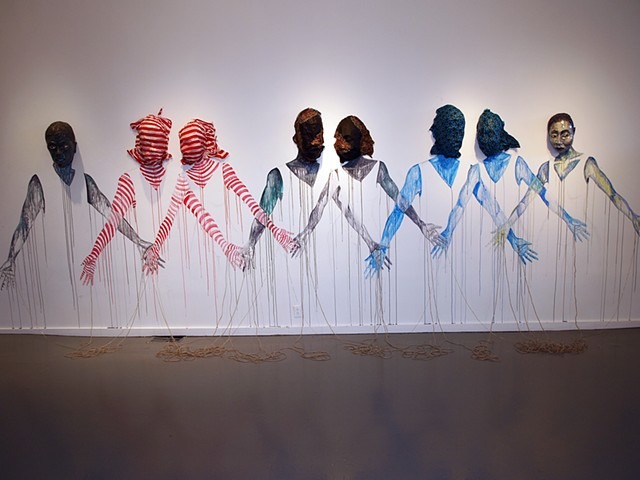
Welancora Gallery’s booth carried a sense of quiet conviction. Based in Brooklyn and known for championing artists from historically underrepresented communities, the gallery has built its identity around rigorous curatorial framing and institutional placement. That clarity of mission was immediately visible.
The presentation avoided spectacle. Instead, it foregrounded work that operated through layered materiality and conceptual grounding. Pieces by artists such as Aisha T. Bell and Helen Evans Ramsaran invited slow looking. The surfaces were nuanced, often restrained, yet deeply considered.
What made the booth resonate was its coherence. There was no sense of visual noise. Each work felt connected to a larger curatorial argument about history, place, and representation. Collectors entering the space did not rush; they paused, asked questions, and engaged with context.
Welancora’s presence reinforced a broader shift at this year’s fair. Representation did not feel symbolic. It felt embedded – structurally and thoughtfully integrated into the fabric of the event.
El Apartamento
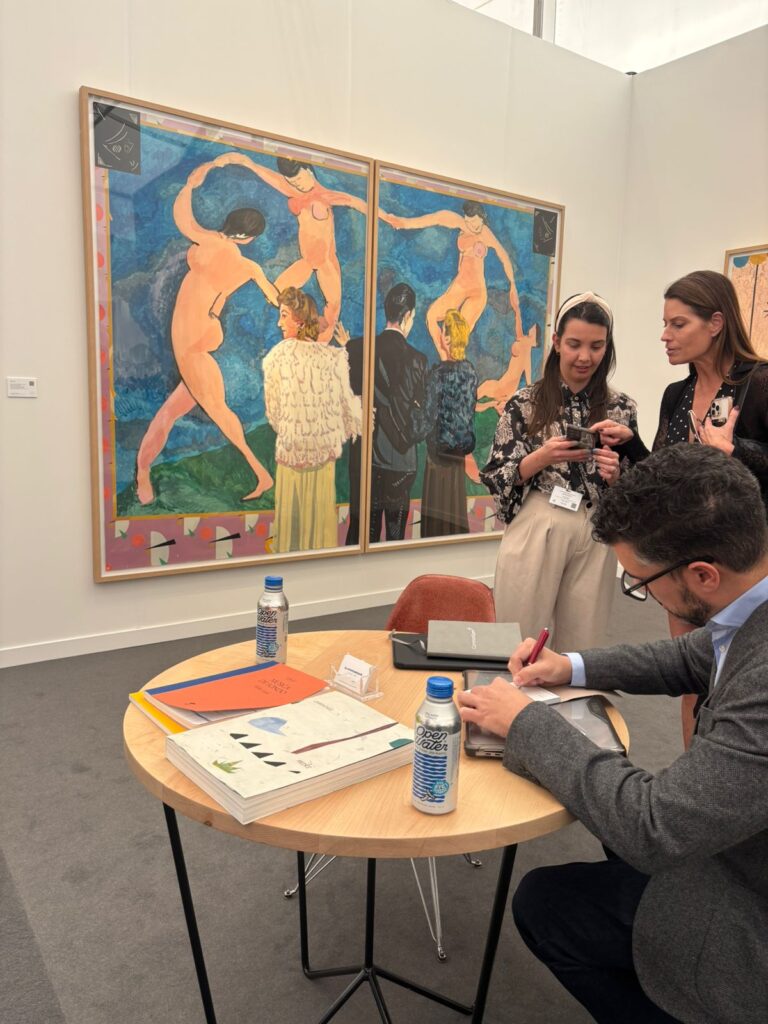
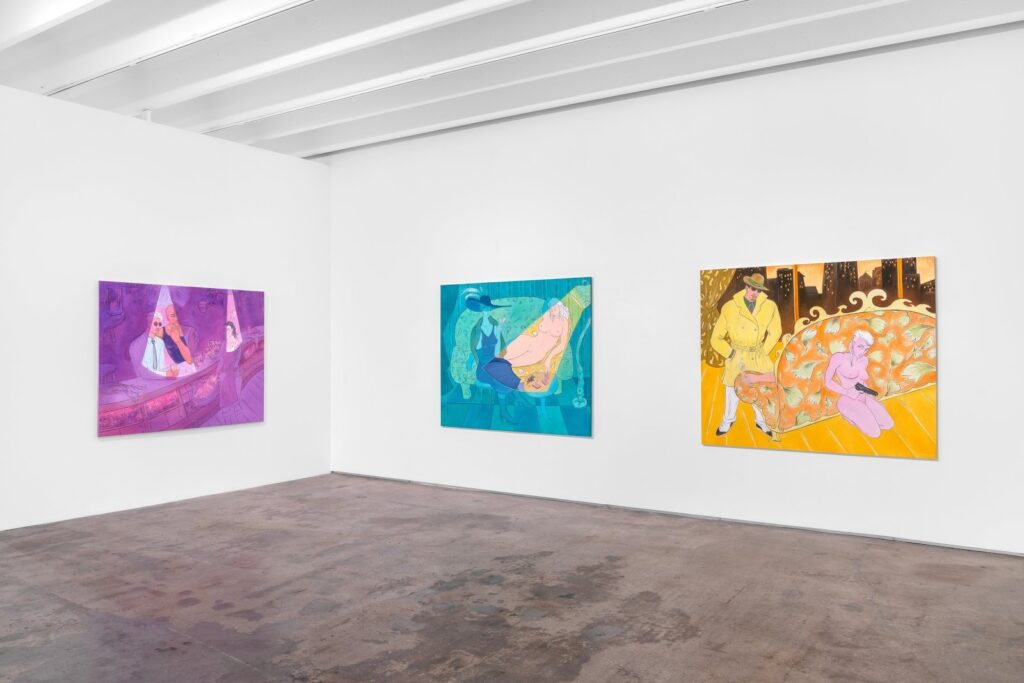
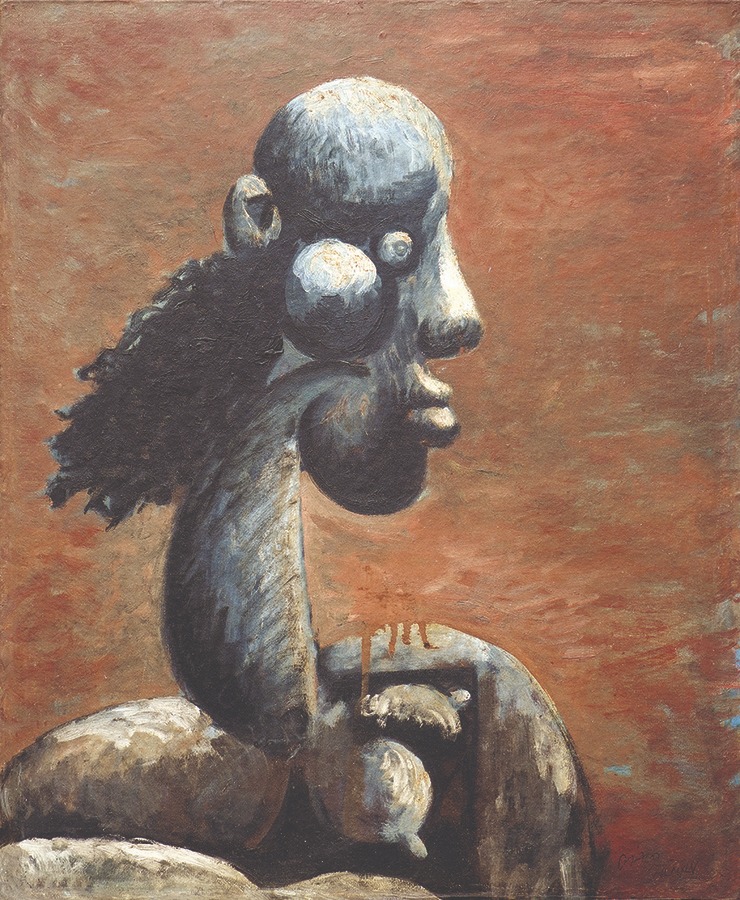
Founded in Havana in 2015 and now operating between Cuba and Spain, El Apartamento brought a distinctive international voice into the fair. The booth felt cohesive without feeling closed. There was a clear curatorial thread connecting the works, yet each piece maintained its individuality.
Artists such as Roberto Diago and Rocío García introduced narratives grounded in cultural memory and contemporary identity. The paintings were rich in surface detail, yet they resisted overstatement. There was subtlety in their execution, an understanding that complexity does not require excess.
The booth did not feel performative. It felt assured. Conversations inside the space often centered on institutional placements and cross-cultural dialogues, underscoring the gallery’s expanding international footprint.
In a fair that leaned toward deliberation, El Apartamento’s presentation felt both grounded and globally aware, a reminder that the Los Angeles art ecosystem is increasingly interconnected with broader transnational circuits.
OCHI
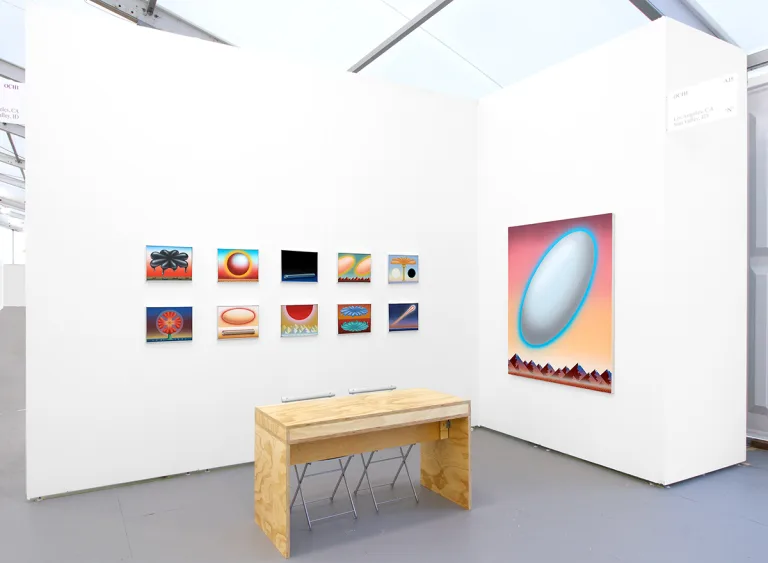
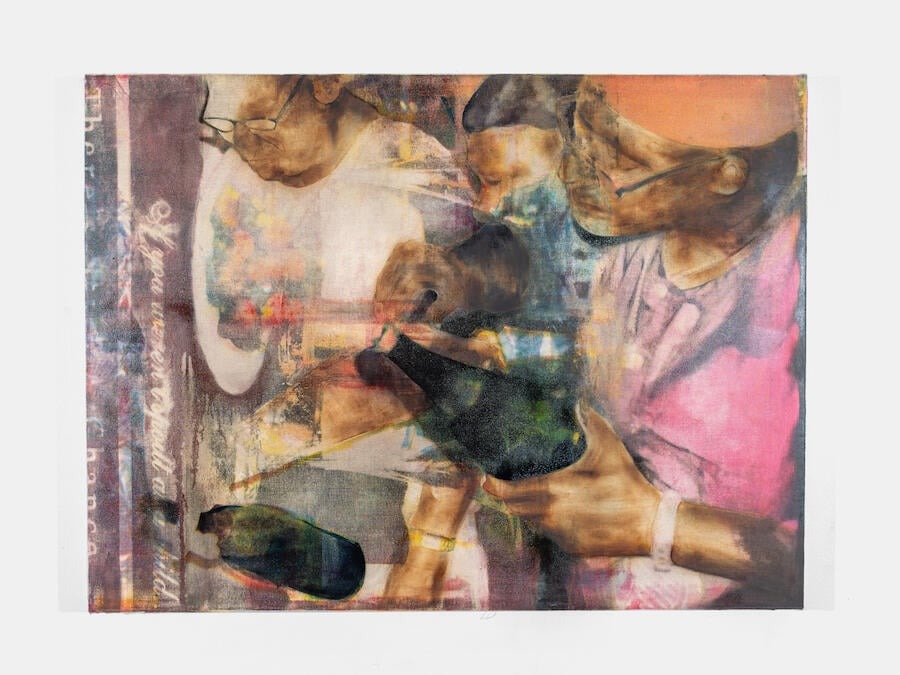
OCHI’s booth maintained the gallery’s long-standing focus on emerging and mid-career artists working across traditional and experimental forms. Founded in 2015, the gallery has built its identity around nurturing interdisciplinary practices, and that ethos translated clearly at Frieze.
The presentation felt cohesive and controlled. Paintings carried visible tension, layered surfaces where abstraction met figuration without fully resolving. There was a sense of negotiation within the compositions, as if each element had been carefully weighed before being allowed to remain.
The booth avoided density. Instead, it leaned into clarity. Collectors were observed stepping closer, examining brushwork and surface texture. Conversations extended beyond immediate visual appeal toward institutional visibility and long-term positioning.
OCHI’s presence aligned seamlessly with the fair’s broader tone this year: grounded, deliberate, and structurally confident.
Dastan
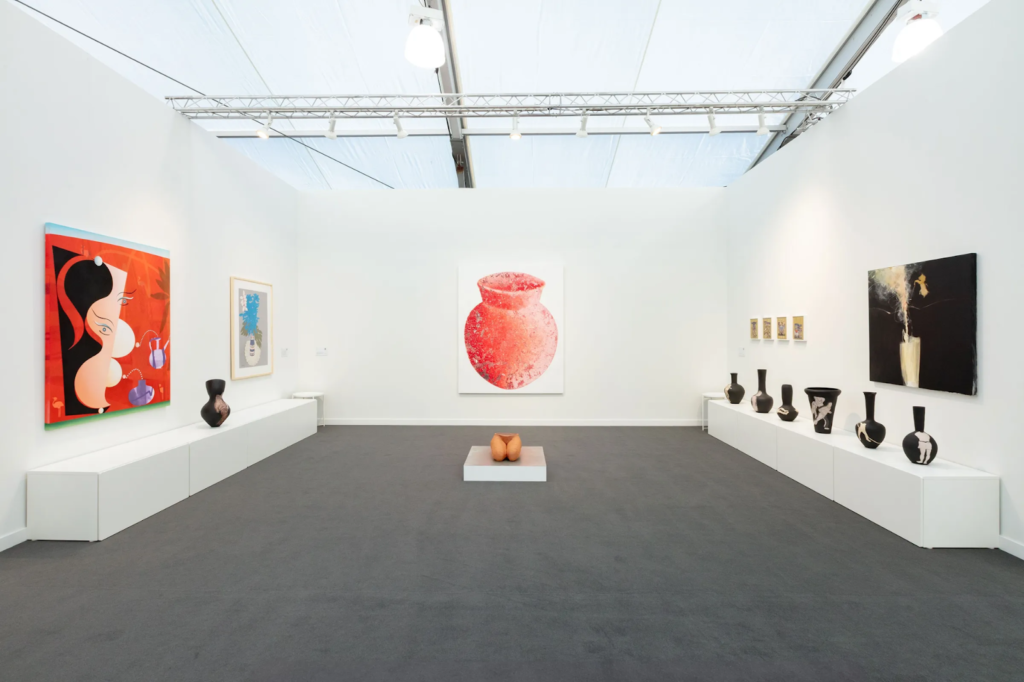
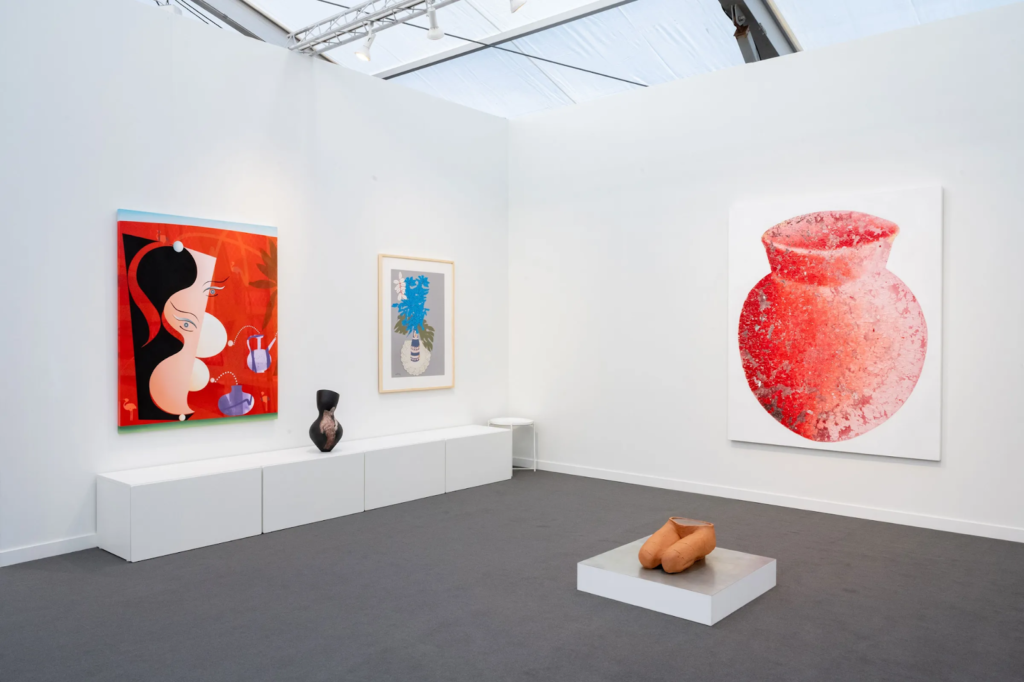
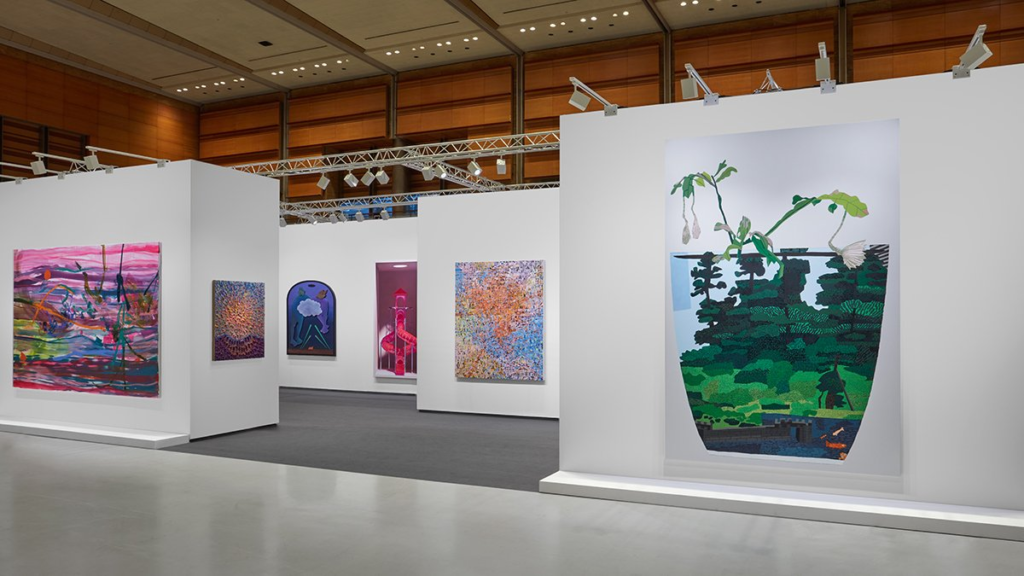
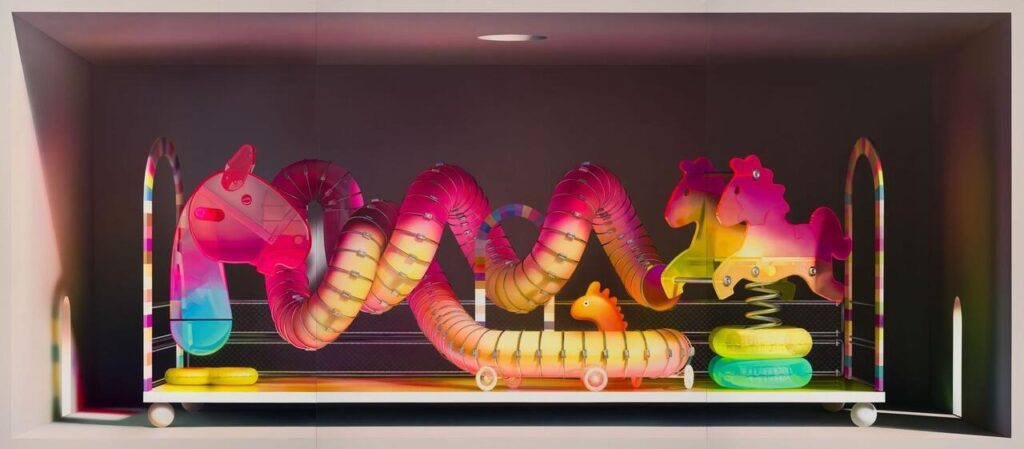
Dastan’s booth introduced a powerful dimension of Iranian contemporary art into Frieze Los Angeles. Founded in Tehran and operating across multiple exhibition formats, the gallery is known for its commitment to both experimental and established voices. That layered approach shaped the presentation here.
The works carried a strong visual presence without tipping into spectacle. Paintings and sculptural elements demonstrated material depth and conceptual rigor. There was an undercurrent of tension, not chaotic, but deliberate, reflecting the complex cultural contexts from which many of these practices emerge.
What distinguished the booth was its intellectual framing. The presentation felt researched and purposeful. Collectors entering the space did not merely observe; they engaged in conversations about history, geography, and trajectory.
Dastan’s presence reinforced how global perspectives are not peripheral to LA Art Week. They are central to its evolution.
Dreamsong
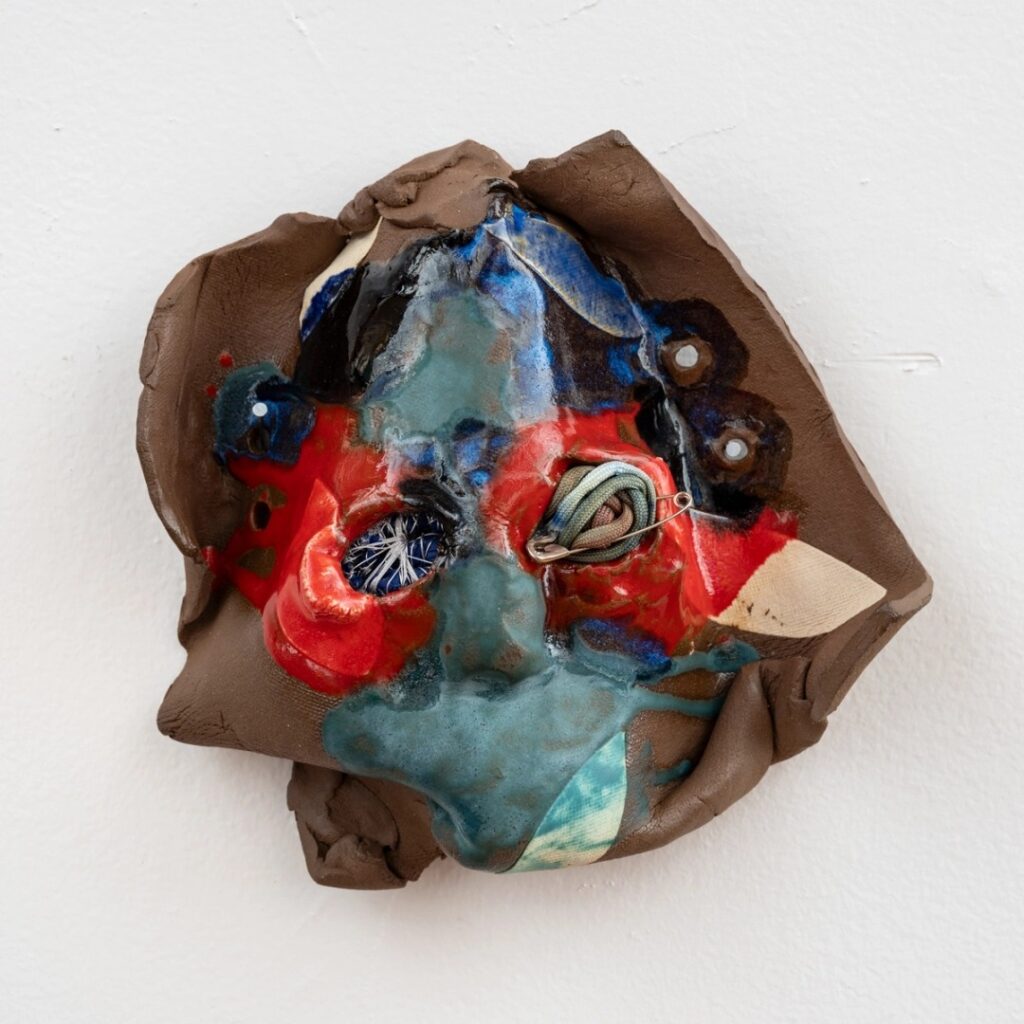
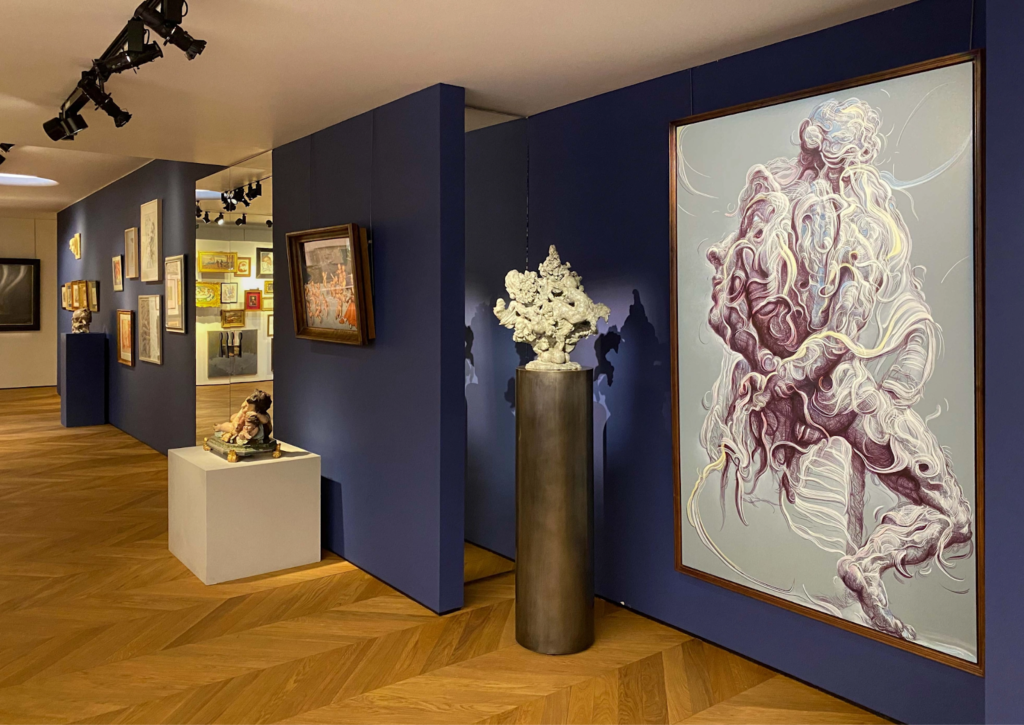
Dreamsong brought one of the most emotionally resonant presentations into the fair. Founded in 2021 in Minneapolis, the gallery has prioritized female-identified and under-recognized artists, and that commitment was palpable.
Tamar Ettun’s layered works became a focal point within the booth. Surfaces appeared excavated rather than painted, composed of collage, biological fragments, and painterly interruptions that resisted immediate comprehension. The work did not announce itself loudly; it accumulated.
Viewers entering the booth slowed instinctively. They leaned forward. Some left and returned. That return felt significant, a marker of sustained engagement rather than fleeting interest.
Dreamsong’s presentation demonstrated how emerging practices can shift the energy of a fair without relying on scale. It was one of the spaces where duration replaced speed, and in that duration, something meaningful settled.
Kaikai Kiki Gallery
http://en.gallery-kaikaikiki.com/
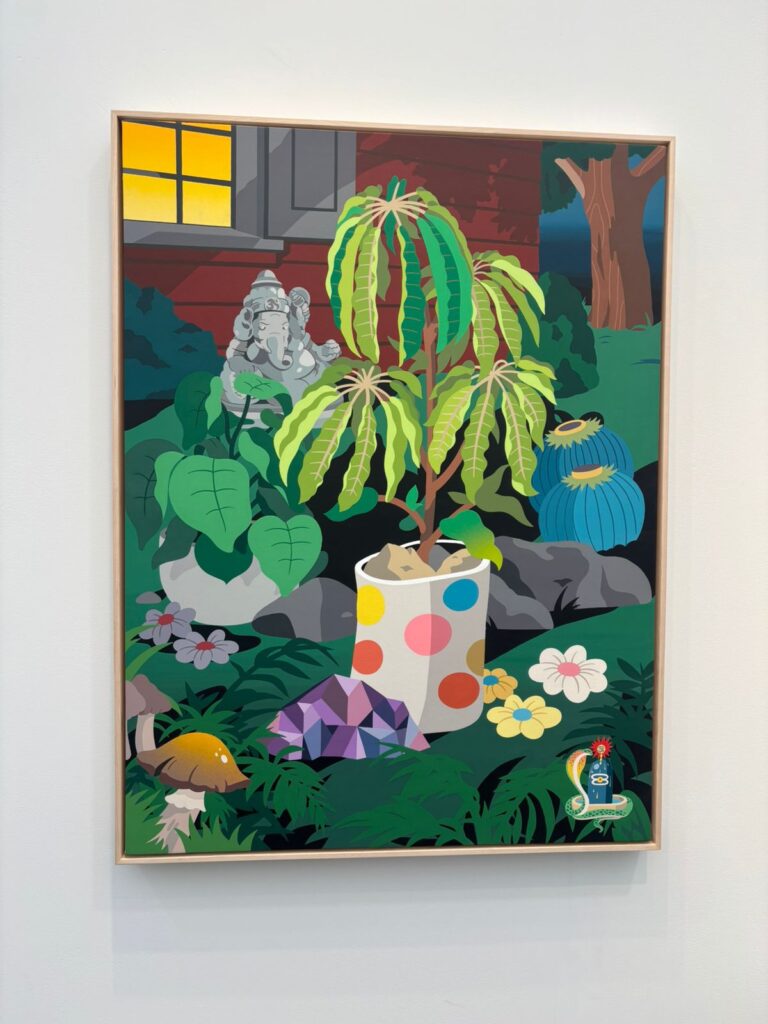
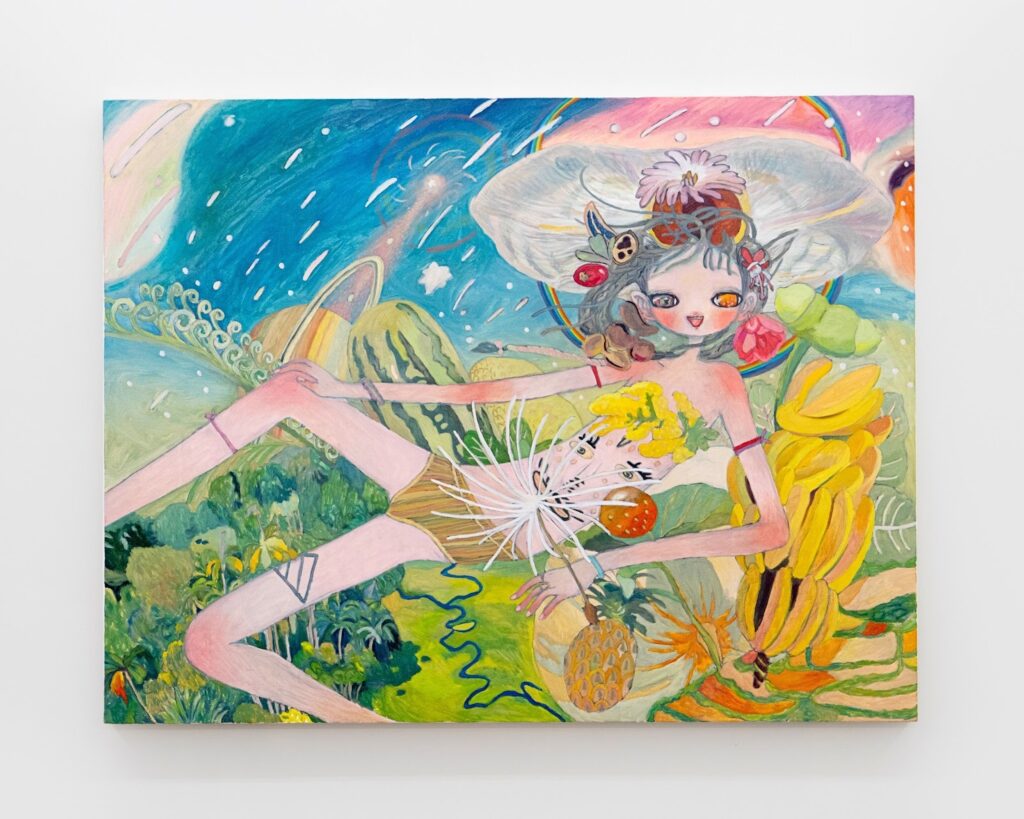
Kaikai Kiki brought a distinct visual language into the fair. Founded by Takashi Murakami, the Tokyo-based gallery operates at the intersection of fine art, popular culture, and global art production. Its booth at Frieze maintained that layered identity.
The presentation balanced vibrancy with discipline. Bright color palettes and animated forms were offset by careful installation. Nothing felt chaotic despite the visual energy. There was precision beneath the playfulness.
Works by artists such as AYA TAKANO and Otani Workshop demonstrated how figurative language can remain conceptually sharp while maintaining accessibility. The booth attracted immediate attention, yet sustained engagement came through detail rather than spectacle.
Kaikai Kiki’s presence reinforced the global dialogue embedded within LA Art Week. It was a reminder that cultural fluency and visual clarity are not mutually exclusive.
Southern Guild
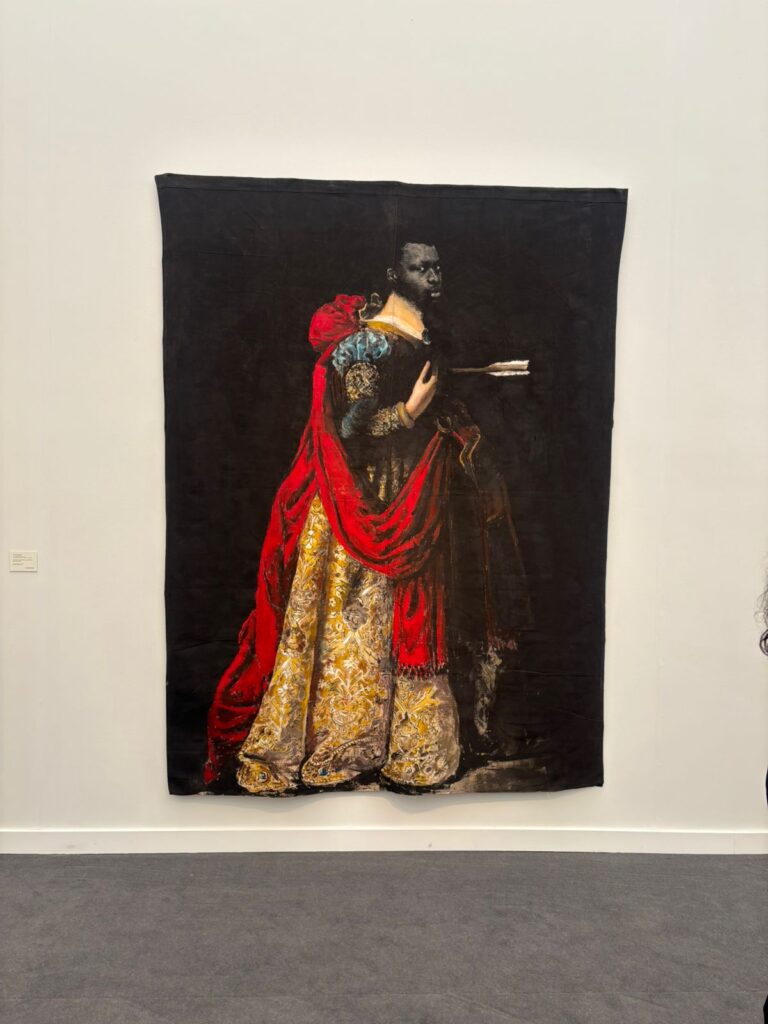
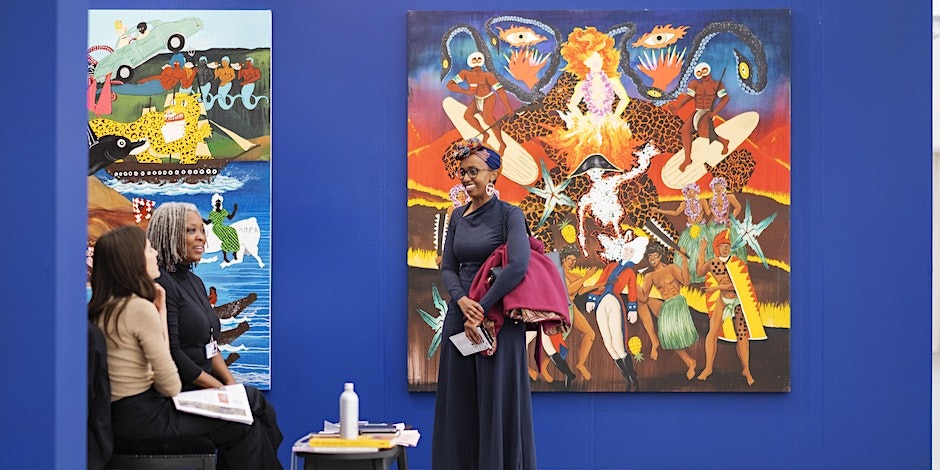
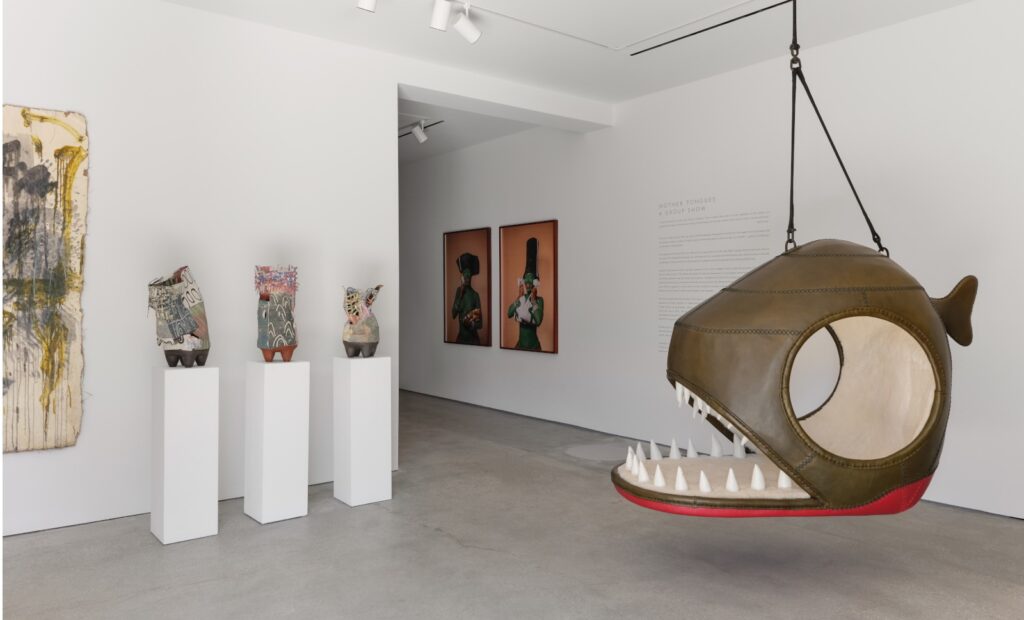
Southern Guild’s booth carried sculptural authority. Based in Cape Town and Los Angeles, the gallery has built a reputation for presenting artists whose work bridges fine art and design without collapsing into either category. That cross-disciplinary strength was evident here.
The installation emphasized material presence. Sculptures occupied the space with confidence, yet they did not overwhelm. Craftsmanship was foregrounded, surfaces refined, proportions deliberate.
There was a tactile quality to the booth. Viewers moved around works rather than past them. Conversations centered on fabrication, scale, and architectural integration.
Southern Guild’s presentation reinforced how material sophistication can command attention without volume. It felt grounded and structurally assured.
Superposition
https://www.superpositiongallery.com
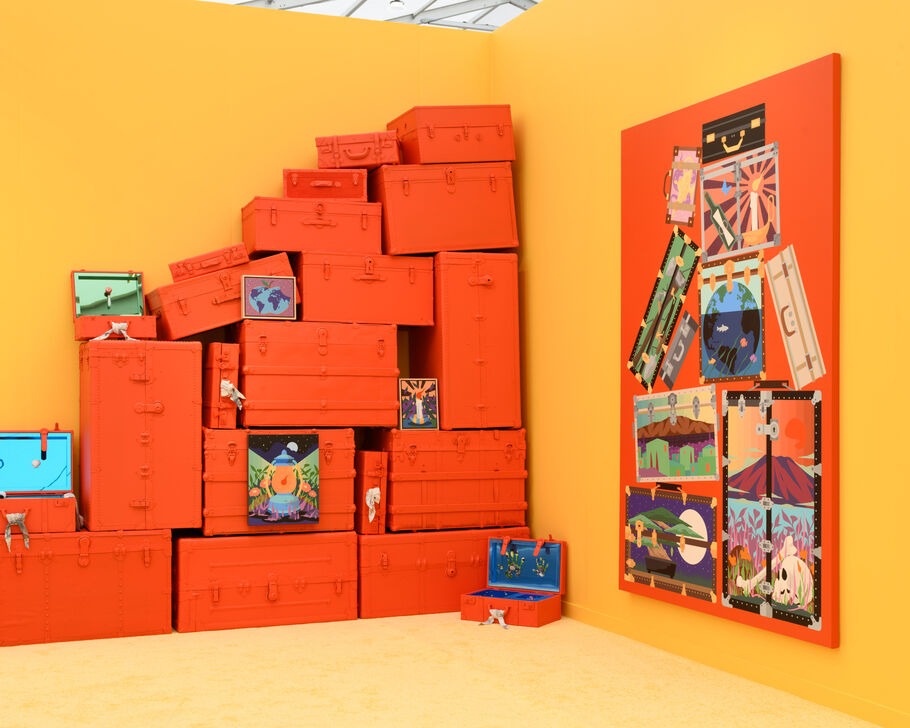
Superposition introduced a younger, more experimental energy into the fair. The booth felt exploratory but not unfocused. There was a conceptual thread linking the works, even when media shifted.
Installations leaned into process and material experimentation. Rather than prioritizing polish, the booth embraced texture and structural dialogue. It invited viewers to look closer, to notice transitions and shifts within the work.
What stood out was intention. Even when the work felt open-ended, it did not feel unresolved. The presentation suggested artists actively building language rather than chasing effect.
In a fair increasingly defined by measured confidence, Superposition contributed an important reminder: experimentation remains central to contemporary practice, when grounded in clarity.
Bank Gallery
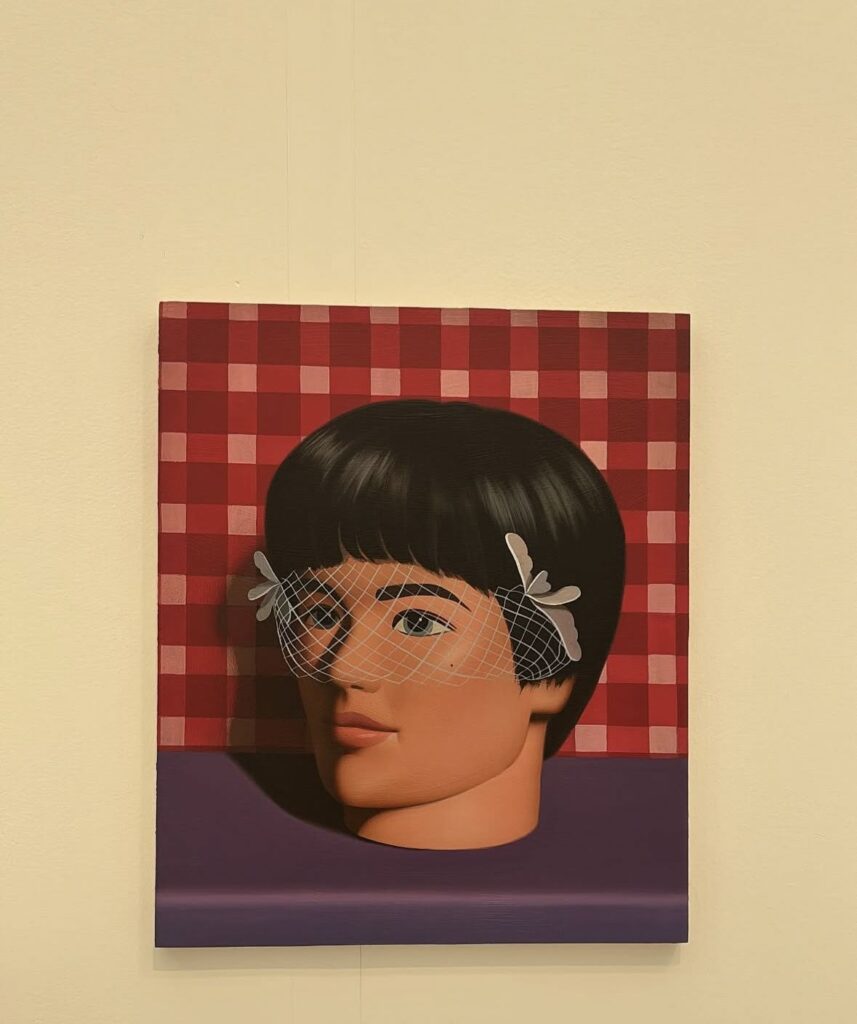
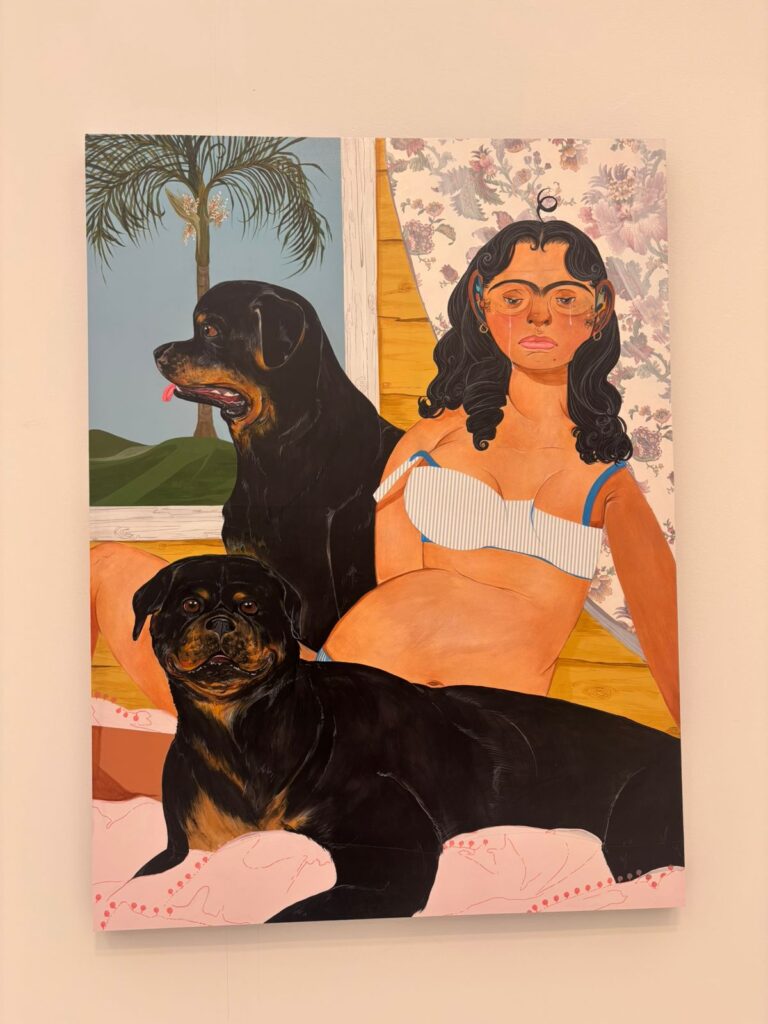
Bank Gallery’s booth felt disciplined and quietly assured. Based in Shanghai and expanding internationally, the gallery has built a reputation for presenting artists who operate with strong formal clarity and conceptual focus. That restraint translated directly into its Frieze Los Angeles presentation.
The booth did not compete for visual dominance. Instead, it relied on clean installation and precise placement. Paintings were given space to breathe. Surfaces carried controlled tension, gestures that felt intentional rather than expressive for effect. There was a structural sensibility underpinning the presentation, one that suggested long-term development rather than trend alignment.
Collectors entering the space did not rush. They looked closely. There was visible attention to compositional balance and material finish. Conversations centered on trajectory and institutional positioning, reinforcing the gallery’s steady ascent within global circuits.
Bank Gallery’s booth exemplified what this year’s fair favored most: composure, clarity, and conviction.
Josh Lilley
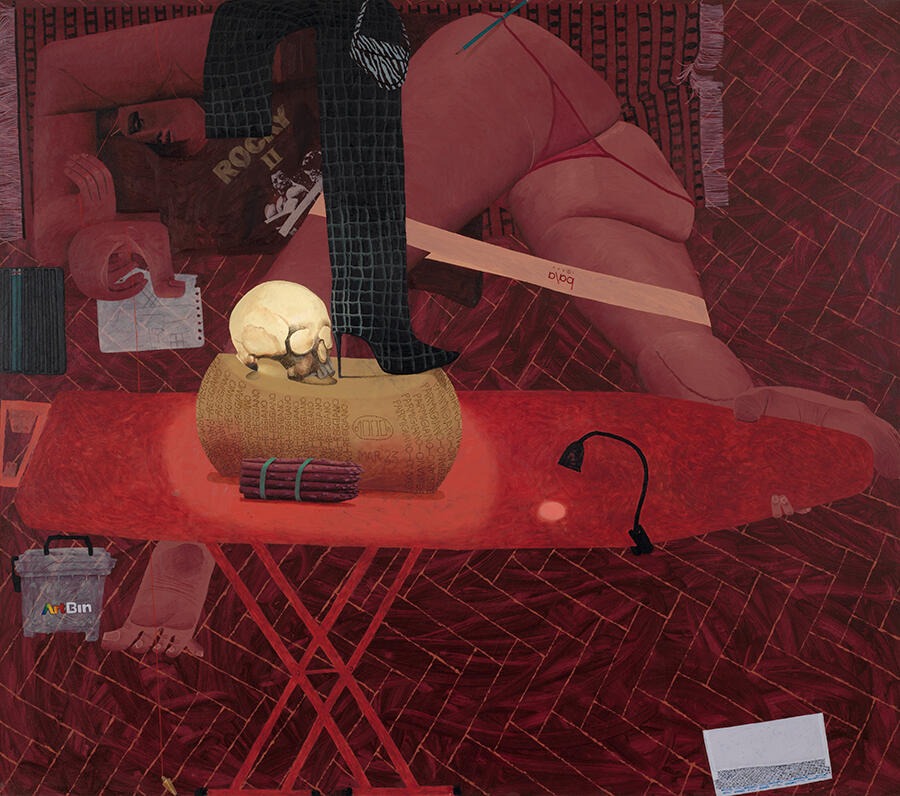
Josh Lilley’s booth centered contemporary painting with emotional nuance and painterly confidence. The London-based gallery has long supported emerging and mid-career figurative artists, and that focus shaped a presentation that felt cohesive rather than crowded.
Works unfolded through layered brushwork and carefully balanced color relationships. There was an emphasis on surface intelligence, compositions that revealed complexity upon closer inspection. Nothing felt hurried or overstated.
The booth’s strength lay in its intimacy. Instead of relying on scale, it leaned into subtlety. Collectors were observed stepping closer, studying texture and spatial rhythm. The atmosphere felt reflective rather than performative.
In a fair defined by measured pacing this year, Josh Lilley’s presentation aligned seamlessly with the broader tone: painting as a space for sustained looking rather than instant impact.
Sergio Miguel
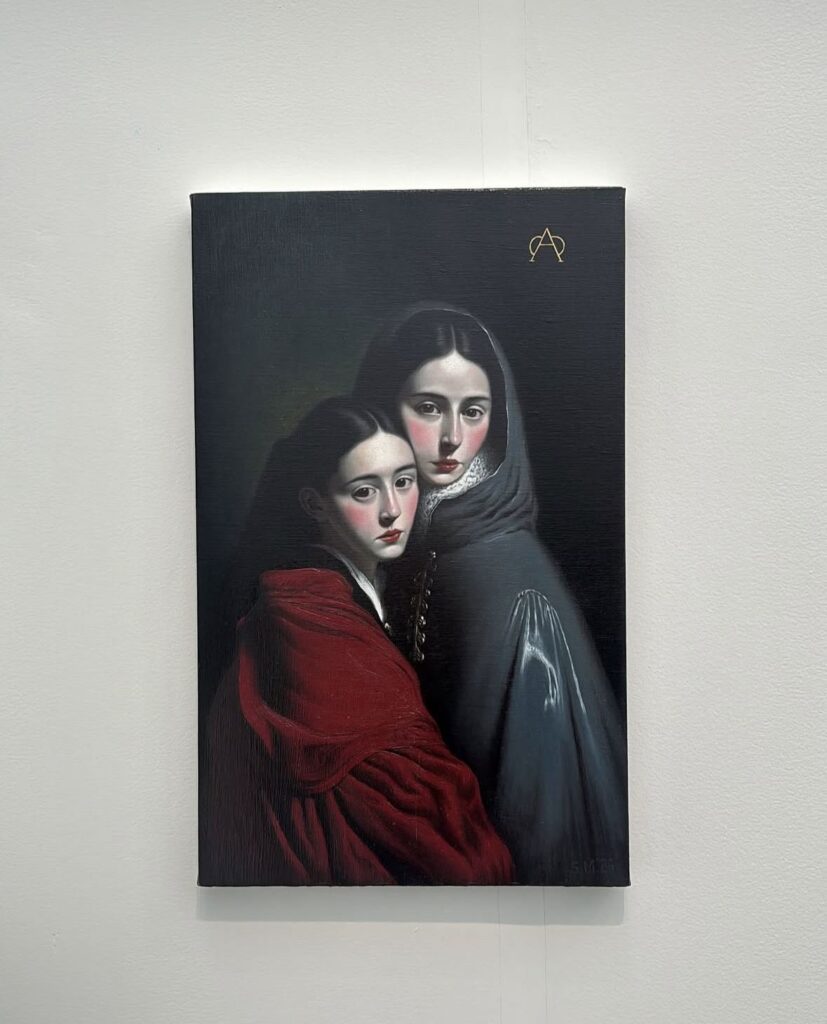
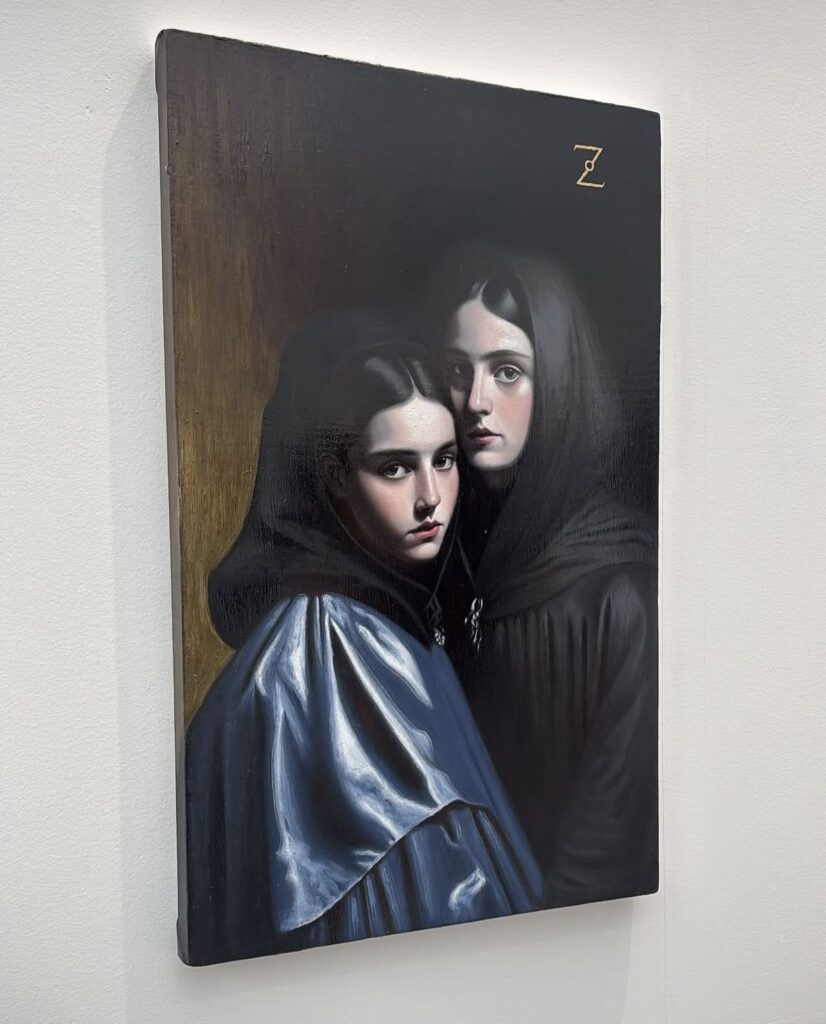
Sergio Miguel’s booth operated through tonal restraint and compositional discipline. The presentation avoided density, favoring a focused selection of works that communicated cohesion and intention.
The paintings felt contemplative. Mark-making was layered yet controlled. Color palettes leaned toward subtle variation rather than dramatic contrast. There was a meditative rhythm to the installation, one work leading gently into the next without abrupt shifts.
Viewers who entered the booth tended to remain longer than expected. The space encouraged sustained looking. Conversations centered on process and the evolution of the artist’s visual language rather than immediate market momentum.
Sergio Miguel’s presentation reinforced a broader truth about this year’s Frieze: clarity carries more authority than noise.
Frieze Los Angeles 2026 did not try to overwhelm. It did not rely on spectacle, velocity, or theatrical scale to define its success. What stood out instead was composure.
Across the twenty booths highlighted here, a clear pattern emerged. The strongest presentations were not necessarily the loudest or the largest. They were the most resolved. They trusted the work. They allowed space. They leaned into clarity over clutter.
Collectors responded in kind. There was less visible urgency and more sustained attention. Conversations centered on trajectory, institutional alignment, and long-term relevance rather than immediate resale potential. That shift matters. It signals a market that feels steadier, and perhaps healthier, than in previous cycles.
What this edition of Frieze ultimately revealed is that authority today is less about dominance and more about direction. The galleries that resonated most were those that demonstrated confidence in their artists’ language and longevity.
Frieze Los Angeles 2026 was not defined by frenzy.
It was defined by conviction.
And that distinction may be the most important signal of all.